Why Effective Pain Management Matters More Than Ever
Effective pain management strategies are essential for the 3 in 10 Americans living with chronic pain. If persistent discomfort from conditions like back pain, arthritis, or migraines impacts your daily life, the right approach can help you reclaim your quality of life.
Quick Answer: The Most Effective Pain Management Strategies Include:
- Multimodal treatment plans combining multiple therapies.
- Non-pharmacologic approaches like physical therapy and mind-body techniques.
- Psychological therapies such as Cognitive Behavioral Therapy (CBT).
- Lifestyle modifications including sleep, stress management, and nutrition.
- Interventional procedures for targeted, opioid-free relief.
- Patient education to understand the neuroscience of pain.
- Goal-setting focused on function over complete pain elimination.
Living well with chronic pain is possible. While treatments may achieve a 30% decrease in pain scores, the more important outcome is the dramatic improvement in your ability to function and enjoy life. The key is finding the right combination of strategies for you.
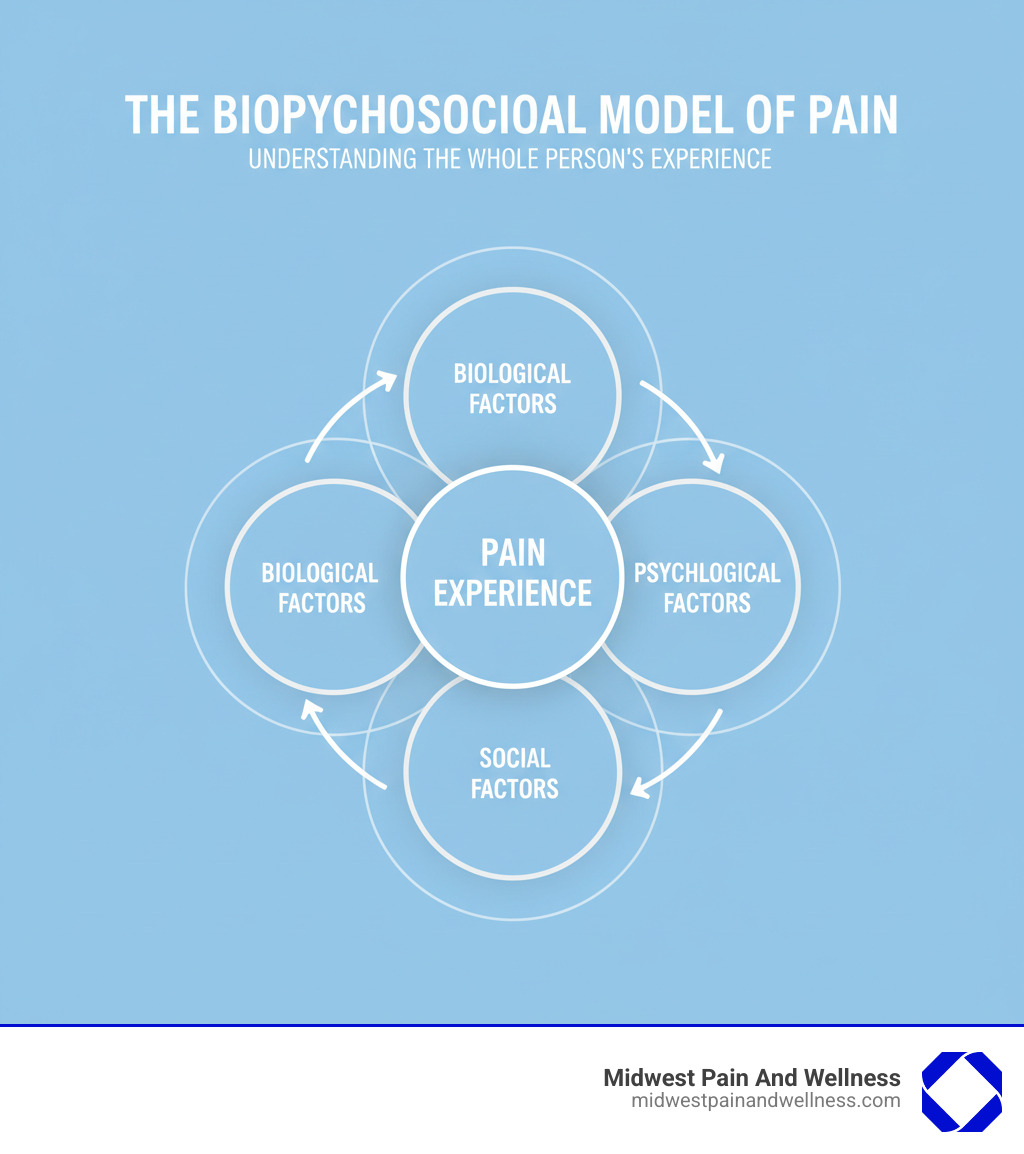
Modern pain management has evolved beyond just medication. Today’s best approaches use the biopsychosocial model, recognizing that pain involves your nervous system, emotions, thoughts, and lifestyle. This is why combining treatments—like physical therapy with pain education or psychological support—produces significantly better outcomes than any single therapy alone.
The journey starts with understanding your pain, setting realistic goals, and working with providers who see you as a whole person.
Understanding Your Pain: The First Step to Relief
Understanding your pain is one of the most effective pain management strategies you can adopt. It begins with a careful diagnosis and patient evaluation to grasp what’s happening in your body.

Acute vs. Chronic Pain: What’s the Difference?
Knowing the type of pain you have is key to treating it effectively.
- Acute pain is a short-term, helpful response to a new injury or illness. It has a clear cause and resolves as your body heals, typically within days or weeks.
- Chronic pain is more complex, lasting longer than three months. It can persist even after an injury has healed and is now considered a condition in itself, where the nervous system has changed how it processes pain signals.
Why Does Pain Linger? The Role of Central Sensitization
When pain becomes chronic, it’s often due to central sensitization. This is when your nervous system becomes hypersensitive and stays on high alert. It overreacts to stimuli, making normal sensations feel painful. It’s like a car alarm that won’t turn off, even when there’s no danger.
This is why treating only the original site of injury often isn’t enough. Understanding this process is part of pain neuroscience education (PNE), which empowers you to take an active role in your recovery. PNE, especially when combined with physical therapy, can significantly improve outcomes. To learn more about how pain works, check out Pain: what is going on?.
When to Seek Professional Help for Pain
It’s time to seek professional help if your pain:
- Interferes with daily life, work, or sleep.
- Isn’t improving or is getting worse.
- Is causing anxiety or depression.
- Keeps returning after treatment.
If you’re experiencing these issues, don’t wait. Our double board-certified doctors at Midwest Pain And Wellness are experts in treating complex pain conditions in Chicago Ridge, Illinois. You can learn more about our dedicated professionals by visiting More info about our expert team.
Building Your Comprehensive Pain Management Plan
Truly effective pain management strategies are not about a single solution but a personalized plan. At Midwest Pain And Wellness, we create custom care plans that combine different approaches to help you find lasting comfort and return to an active life.

The Power of a Multidisciplinary Team Approach
Tackling chronic pain is best done with a team of experts working together for you. This approach addresses the physical, emotional, and social aspects of your pain. Your team might include pain specialists, physical and occupational therapists, and psychologists. This collaboration ensures your treatment plan is well-rounded and fits your unique needs. We treat a wide variety of conditions, which you can learn more about by visiting our Conditions We Treat page.
Setting Realistic Goals for Lasting Success
Instead of aiming for “zero pain,” a more empowering path is to focus on functional goals—what you want to do in your life. A goal might be walking your dog for 30 minutes or sleeping through the night. Setting SMART goals (Specific, Measurable, Achievable, Relevant, Time-bound) and learning to pace your activities are key. Pacing helps you avoid the cycle of overdoing it on good days and crashing. A pain diary can also be a useful tool to track triggers and progress.
Exploring Your Treatment Options: Risks and Benefits
We are dedicated to opioid-free pain management, prioritizing non-invasive therapies first. We’ll discuss a range of options, ensuring you understand the benefits and risks:
- Non-pharmacologic Therapies: The first line of defense, including physical therapy, exercise, and mind-body practices. These have few risks and many benefits for improving function.
- Non-opioid Medications: When appropriate, we may use NSAIDs, certain antidepressants, or topical relievers, carefully considering your medical history to avoid side effects.
- Interventional Procedures: For targeted relief, we offer advanced procedures like nerve blocks, radiofrequency ablation, and neuromodulation. These can provide significant relief by directly addressing the pain source.
We avoid long-term opioid use due to high risks of addiction and side effects, following CDC guidance to prioritize non-opioid therapies. You can review the CDC’s guide here: Non-Opioid Therapies for Pain: A Clinical Reference. Combining therapies (a multi-modal approach) is proven to be more effective than any single treatment alone, leading to more complete and lasting relief.
Mind-Body Connection: Effective Pain Management Strategies for Mental Well-being
Your pain isn’t just a physical sensation; it’s deeply connected to your thoughts, emotions, and stress levels. Stress, anxiety, and depression can amplify pain signals, creating a vicious cycle. This is why addressing your mental and emotional health is a core component of effective pain management strategies.

Psychological and Mind-Body Therapies
Several therapies can help you break the stress-pain cycle and retrain your brain’s response to pain:
-
Cognitive Behavioral Therapy (CBT): CBT teaches you to identify and reframe unhelpful thought patterns, such as “I’ll never get better.” By changing your thoughts, you can change how you experience and cope with pain. It also provides practical skills for managing the emotional load of chronic pain. You can learn helpful relaxation strategies often taught in CBT.
-
Mindfulness Techniques: Mindfulness involves paying attention to the present moment without judgment. Instead of fighting pain, you simply observe it. This practice can calm your nervous system’s “fight or flight” response, which often makes pain worse. Learn more about these practices at mindfulness techniques.
-
Acceptance and Commitment Therapy (ACT): ACT teaches you to accept pain as part of your experience without letting it control your life. The focus is on moving toward your values and living a meaningful life despite the pain.
-
Biofeedback: This technique uses technology to show you real-time data on your body’s functions, like heart rate or muscle tension. With practice, you can learn to control these responses, giving you more power over your body’s reaction to pain.
Developing Daily Coping Skills
Living well with chronic pain involves building a daily practice of manageable strategies:
- Engage in Meaningful Activities: Hobbies and joyful activities release natural pain-relieving chemicals (endorphins) and shift your focus away from pain.
- Lean on Your Support System: Social connection is therapeutic. Isolation can worsen pain and mood, so staying connected with family and friends is vital.
- Practice Problem-Solving: Work with your healthcare team to identify pain triggers and develop custom strategies to manage them.
At Midwest Pain And Wellness, our doctors understand this mind-body connection and will help you weave these strategies into a comprehensive, personalized plan.
Lifestyle Modifications and Advanced Interventions
Making specific lifestyle changes and exploring advanced medical procedures are crucial components of effective pain management strategies. Our goal at Midwest Pain And Wellness is to provide a diverse set of tools to help you regain control.
Movement as Medicine: Exercise and Physical Therapy
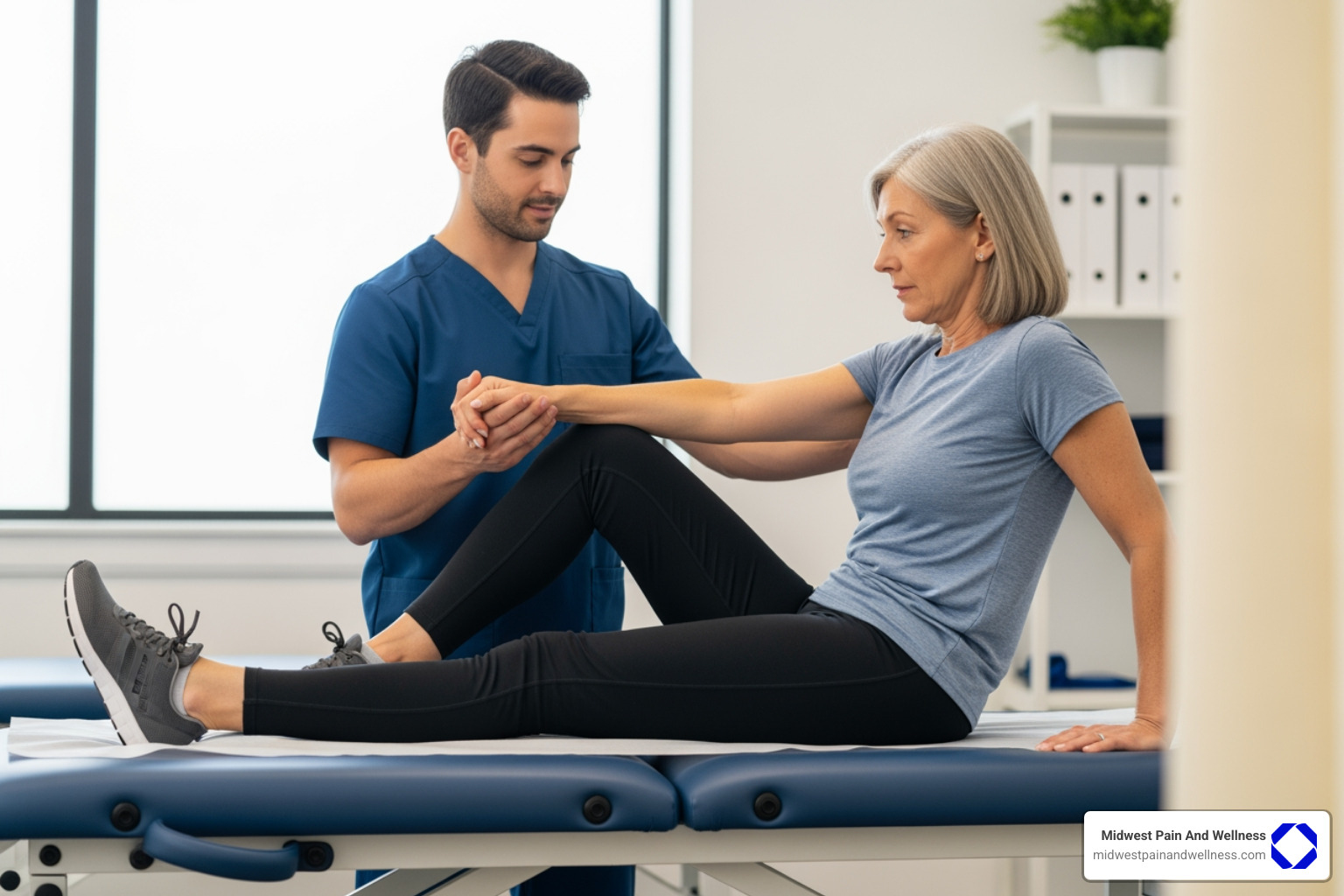
Appropriate movement is a powerful tool for pain management. Physical activity helps break the cycle of pain and inactivity, effectively turning down the volume on pain signals.
- Physical Therapy (PT) and Occupational Therapy (OT) are cornerstones of pain management. PT improves strength, flexibility, and balance, while OT helps you adapt daily activities to reduce pain.
- Gentle exercises like walking, swimming, yoga, and Tai Chi are highly beneficial. They release natural pain-relieving endorphins and improve the mind-body connection. For specific conditions, our Chicago Ridge clinic offers specialized care like the Minimally Invasive Lumbar Decompression (MILD®) Procedure in Chicago Ridge.
Neuromodulation and Regenerative Therapies
For pain that doesn’t respond to conservative care, our double board-certified doctors specialize in advanced, opioid-free interventional therapies:
- Spinal Cord Stimulation (SCS) and Peripheral Nerve Stimulation (PNS) use small, implanted devices to send mild electrical pulses that interrupt pain signals before they reach the brain. Learn more about Spinal Cord Stimulator Therapy in Chicago Ridge.
- Regenerative Therapies like PRP and Cell-Based treatments use your body’s own healing abilities to repair damaged tissue. Explore these options at Regenerative Therapy (PRP & Cell-Based Options) in Chicago Ridge.
- Botox injections can provide significant relief for conditions like chronic migraines by blocking pain-causing nerve signals. Read about this treatment here: Botox for Chronic Migraine & Cervical Dystonia in Chicago Ridge.
The Critical Link Between Sleep, Diet, and Pain
Your daily habits significantly influence pain. Optimizing sleep and nutrition can build a strong foundation for pain management.
- Sleep Hygiene: Poor sleep worsens pain. Establishing a consistent sleep routine and creating a peaceful bedroom environment are vital. Up to 88% of people with chronic pain also struggle with sleep issues.
- Diet and Nutrition: An anti-inflammatory diet rich in fruits, vegetables, and healthy fats can reduce body-wide inflammation and pain. Limiting processed foods and sugar is also beneficial. Staying hydrated is key.
- Eliminating Unhelpful Substances: Smoking can impair healing, and alcohol can disrupt sleep and interact with medications. Limiting these substances supports your overall pain management plan.
Frequently Asked Questions about Pain Management
Living with chronic pain brings up many questions. Here are clear, honest answers about effective pain management strategies.
How is my pain level evaluated if it’s a subjective experience?
Since pain is subjective and can’t be measured by a test, we start by listening to you. We use a 0-10 pain scale to track changes over time, but we focus more on how pain affects your daily life and function. Are you able to work, sleep, and enjoy hobbies? We also encourage a pain diary to help identify patterns. The foundation of evaluation is strong communication between you and your provider, working as partners to find what works.
Can my pain be managed without medications like opioids?
Yes. At Midwest Pain And Wellness, our practice is built around comprehensive, opioid-free pain management. While opioids have a role in some acute situations, their risks often outweigh the benefits for chronic pain. We use a multimodal approach, combining therapies for better results:
- Non-pharmacologic therapies like physical therapy and psychological support.
- Lifestyle modifications such as improved sleep, nutrition, and stress management.
- Non-opioid medications when appropriate.
- Advanced interventional procedures like nerve blocks, spinal cord stimulators, and regenerative therapies for targeted, lasting relief.
The CDC confirms that non-opioid therapies are preferred for chronic pain. You can explore their recommendations here: Nonopioid Therapies for Pain Management – CDC.
How long does it take for a pain management plan to work?
There is no simple timeline, as chronic pain management is a process, not an instant fix. Most people experience gradual improvement. While pain scores may decrease by about 30%, patients often report significant improvements in quality of life and function.
Finding the right combination of therapies is a collaborative process that evolves over time. We will work with you to adjust your plan as your needs change. Consistency with your plan—from daily exercises to therapy appointments—is the key ingredient for success. Our goal is to help you live the fullest, most comfortable life possible.
Conclusion: Take the Next Step Toward Lasting Comfort
Living with pain is a heavy burden, but it doesn’t have to define your life. You have the power to regain control and find lasting comfort.
As we’ve explored, effective pain management strategies require a holistic approach. This means addressing the physical, psychological, and lifestyle factors that contribute to your pain experience. By understanding your pain, working with a compassionate team, setting functional goals, and embracing a combination of lifestyle changes and advanced interventions, you can build a path to a better quality of life.
At Midwest Pain And Wellness, our double board-certified doctors in Chicago Ridge, Illinois, are dedicated to this approach. We craft custom, opioid-free plans for long-term relief, working collaboratively to ensure your care is comprehensive and personalized.
Don’t let pain keep you from living your fullest life. You deserve to feel better. Take the crucial next step toward a life with more comfort and freedom.