Why Hip Pain Management Matters for Your Quality of Life
Hip pain management involves strategies to reduce discomfort and restore mobility without surgery. It’s a common complaint, especially with age, but the good news is that most cases improve with conservative treatment.
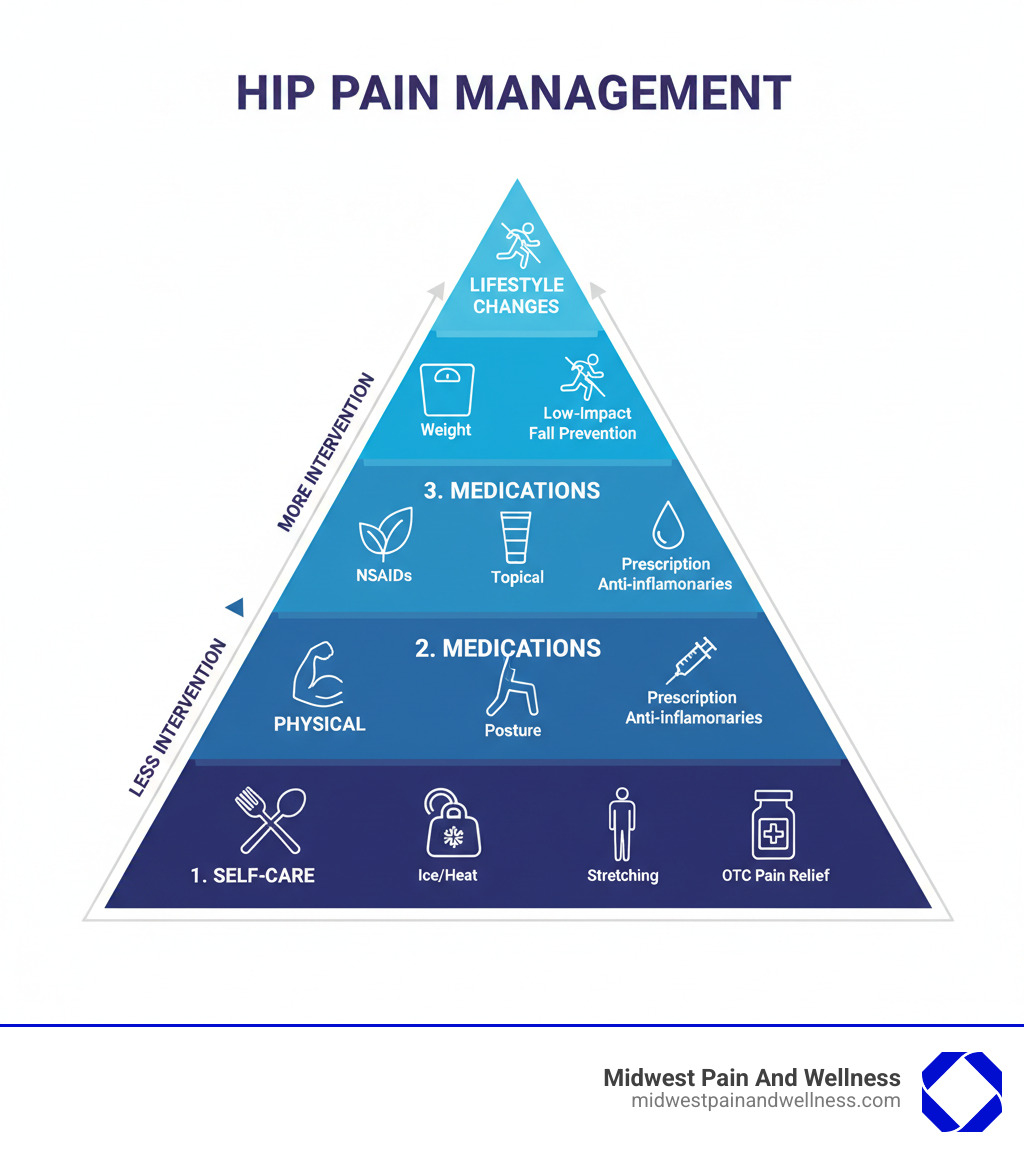
Quick Overview: Your Hip Pain Management Options
- Self-Care – Rest, ice/heat therapy, over-the-counter pain relievers
- Physical Therapy – Strengthening exercises, stretching, posture correction
- Medications – NSAIDs, topical analgesics, prescription anti-inflammatories
- Injections – Corticosteroids, platelet-rich plasma (PRP) for targeted relief
- Lifestyle Changes – Weight management, low-impact exercise, fall prevention
Your hip is the body’s largest ball-and-socket joint, built for motion and durability. When pain strikes—whether a dull ache, sharp discomfort, or stiffness—it can dramatically impact everything from walking to sleeping. When cartilage wears down, bursae become inflamed, or tendons get irritated, this smooth motion becomes painful.
What’s encouraging is that you don’t necessarily need surgery. Most hip pain responds well to non-surgical treatments. The key is finding the right combination of approaches for your specific situation, which is what we’ll explore in this guide.
Understanding Your Hip Pain: Causes and Symptoms
Your hip is a hard-working ball-and-socket joint, and when something goes wrong, you feel it. But hip pain rarely announces its cause. That’s why understanding where your pain is and what might be causing it is crucial for effective hip pain management.
Where is the Pain Felt?
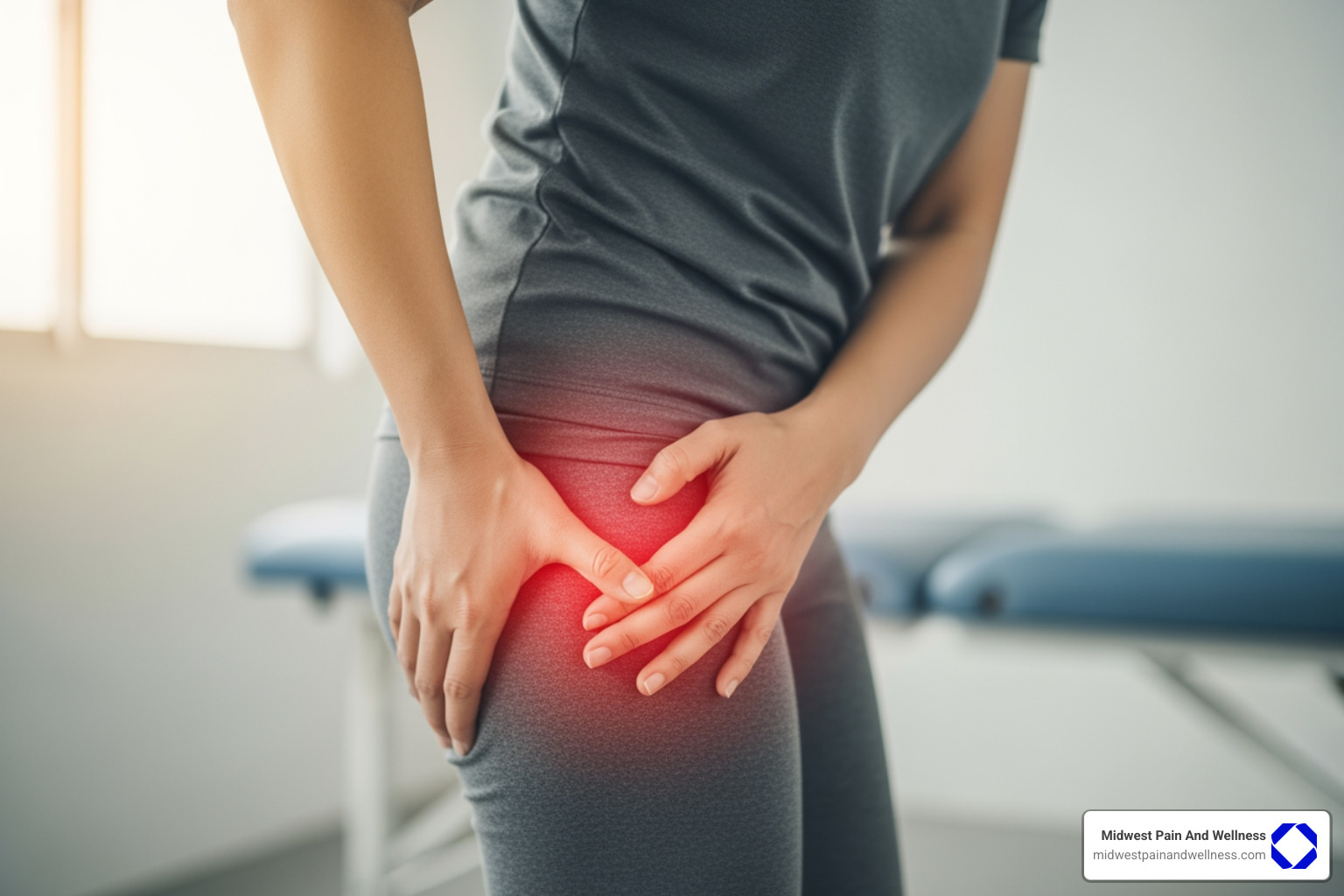
Location provides clues about the cause:
- Pain inside the hip joint or groin often points to a problem within the joint itself, like arthritis or a labral tear.
- Pain on the outside of your hip, upper thigh, or outer buttocks typically indicates issues with soft tissues like muscles, tendons, or bursae. It often hurts when you lie on that side.
- Radiating pain can be confusing. A problem in your lower back, like sciatica, can send pain to your hip. Conversely, a hip problem can sometimes cause knee pain.
Common Causes of Hip Discomfort
Let’s review the usual suspects:
- Arthritis: The most common cause, especially after 50. Osteoarthritis is wear-and-tear of cartilage, causing bone-on-bone friction. Rheumatoid arthritis is an autoimmune disease that attacks the joint lining.
- Bursitis: Inflammation of the fluid-filled sacs (bursae) that cushion your hip. Trochanteric bursitis causes pain on the outside of the hip, while iliopectineal bursitis creates groin pain.
- Tendinitis: Irritation of the tendons connecting muscle to bone, often from over-activity. Iliopsoas tendinitis and gluteal tendinopathy are common forms.
- Muscle strains and sprains: Overstretched or torn muscles and ligaments from a sudden twist or awkward step.
- Labral Tear: A tear in the cartilage ring around your hip socket, often causing a catching or locking sensation.
- Hip Fractures: A serious injury, more common in older adults with osteoporosis but can happen to anyone from a severe fall or accident.
- Other Causes: Less common issues include repetitive strain injuries, avascular necrosis (loss of blood supply to the bone), and structural problems like femoroacetabular impingement or hip dysplasia.
We treat all these conditions and more at Midwest Pain And Wellness. You can learn more about our comprehensive approach here: More info about the conditions we treat
Special Considerations: Pregnancy, Children, and Sleep
- Pregnancy: Hormones loosen ligaments to prepare for childbirth, and a shifting center of gravity puts extra strain on the hips.
- Children: Hip pain in a child needs prompt medical attention to rule out conditions like hip dysplasia, Legg-Calve-Perthes disease, or septic arthritis (a joint infection).
- Sleep Disruption: Pain can make sleep difficult, especially when lying on the affected side. Try sleeping on your back or with a pillow between your knees to align your hips and relieve pressure.
Immediate Relief and At-Home Hip Pain Management
When hip pain first appears, you can do a lot at home to ease the discomfort. Hip pain management often begins with simple self-care strategies.
First, listen to your body and stop any activity that hurts. Rest is crucial, but it doesn’t mean complete inactivity. It means taking a break from whatever triggered the pain. Avoid repeated bending and direct pressure on the hip. Activity modification is about being smart—perhaps a gentle walk instead of a five-mile run.
For pain relief, over-the-counter medications like acetaminophen (Tylenol) or ibuprofen (Advil) can be effective. Heat therapy, such as a warm bath, can relax stiff, achy muscles.
The RICE Method for Acute Pain
For a new injury, the RICE method is a proven strategy:
- Rest: Give your hip a break from painful activities.
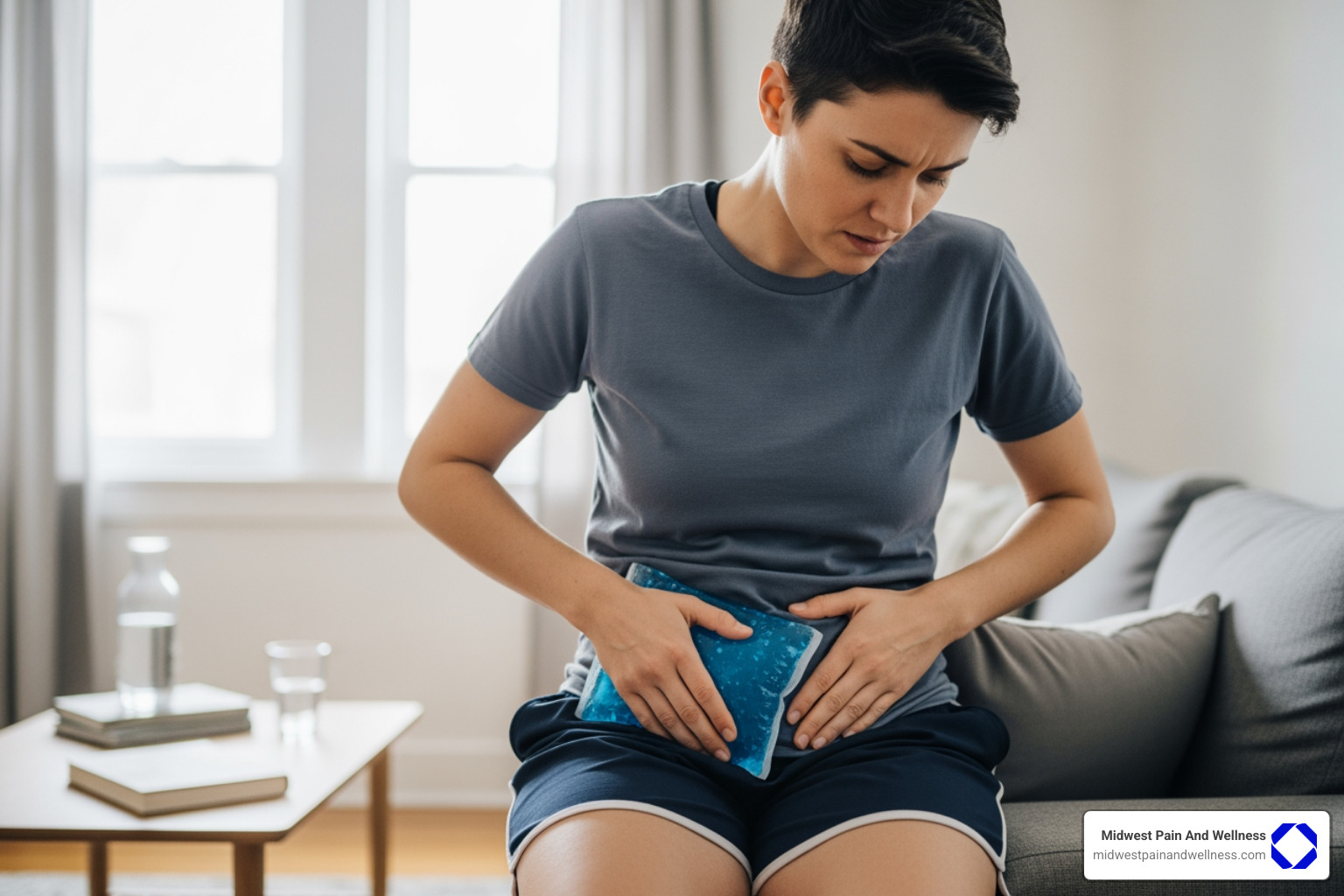
- Ice: Apply an ice pack for 15-20 minutes at a time, several times a day, to reduce inflammation and numb pain.
- Compression: Use compression shorts or a wrap to provide support and help control swelling.
- Elevation: Lie down with pillows under your hips to raise them slightly, which can help reduce swelling.
Simple Stretches and Exercises
Once the initial sharp pain subsides, gentle movement is important to prevent stiffness. Always warm up your muscles first with a warm bath or heating pad.
- Hip Flexion: Lie on your back and gently pull one knee toward your chest. Hold for 20-30 seconds without bouncing, then switch sides.
- Hip Extension: Lie on your stomach and gently lift one leg straight back a few inches. Hold briefly and lower. Repeat on each side.
The golden rule is: don’t push into pain. A stretch should feel like a gentle pull, not a sharp pain. If your pain doesn’t improve after a week or two of self-care, it’s time to seek professional help.
For more detailed guidance on exercises, Versus Arthritis offers excellent resources: Exercises for hip pain from Versus Arthritis
Advanced Non-Surgical Hip Pain Management
When at-home care isn’t enough, it’s time for more advanced options—and surgery isn’t your only path. At Midwest Pain And Wellness, we specialize in comprehensive, opioid-free hip pain management. Our double board-certified doctors use a multi-modal, interventional approach, creating custom care plans that tackle pain from multiple angles for long-term relief.

Physical Therapy: The Cornerstone of Recovery
Physical therapy is a key component of recovery. A skilled therapist develops a personalized program to:
- Strengthen supporting muscles: Building strength in your gluteals, core, and legs gives your hip joint the backup it needs.
- Improve flexibility: Targeted stretches restore your hip’s range of motion, allowing it to move correctly and without pain.
- Correct posture and gait: Therapists can spot and fix imbalances in how you stand and walk, which often contribute to hip pain.
Medications for Hip Pain Management
While we focus on opioid-free care, other medications are important for reducing inflammation and pain so you can participate in physical therapy.
- NSAIDs (Nonsteroidal anti-inflammatory drugs): Over-the-counter or prescription-strength versions like ibuprofen reduce pain and inflammation.
- Topical Analgesics: Creams, gels, or patches deliver localized relief without the systemic effects of oral pills.
- Other Medications: For conditions like rheumatoid arthritis, DMARDs or corticosteroids may be prescribed to address the underlying disease process.
If you need pain relievers for more than 10 days, consult a healthcare provider.
Interventional Procedures for Targeted Relief
When pain persists, interventional procedures deliver treatment directly to the source.
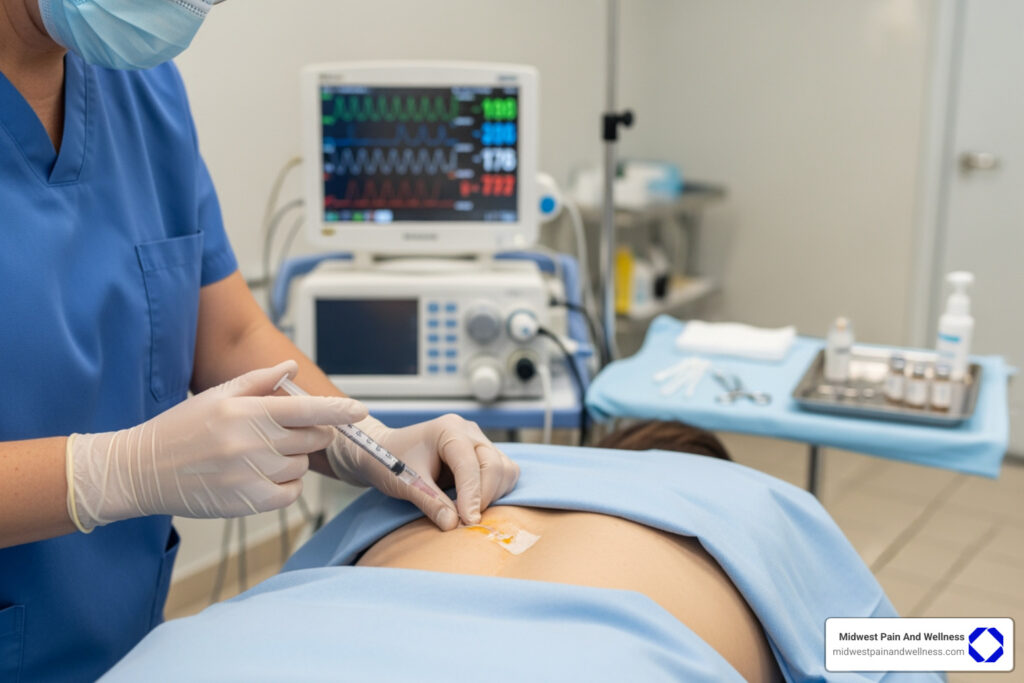
- Corticosteroid Injections: A powerful anti-inflammatory is injected into the hip joint or an inflamed bursa, providing relief that can last for months and create a window for rehabilitation.
- Platelet-Rich Plasma (PRP) Injections: We use your own concentrated platelets, rich in growth factors, to boost your body’s natural healing process. PRP shows promise for tendinopathy and mild arthritis. Learn more about our regenerative options: Information on Regenerative Therapy options
- Diagnostic Injections: A numbing agent is injected into a suspected problem area. If the pain disappears, we’ve confirmed the source.
We use ultrasound guidance for these procedures to ensure precise placement. Explore all our advanced procedures here: An overview of our treatment procedures
Lifestyle, Diet, and Prevention Strategies
Your daily choices significantly impact hip pain management. Beyond professional treatments, how you move, eat, and care for your body can make a real difference.
Weight management is critical. Every extra pound adds stress to your hip joints. Losing even a modest amount of weight can lead to meaningful pain reduction.
Choose low-impact exercises that strengthen muscles without jarring your joints. Swimming is ideal, as the water supports your body weight. Cycling (stationary or outdoor) builds leg strength and improves hip mobility. Walking on soft surfaces is also beneficial, provided it doesn’t cause sharp pain.
Proper shoes are non-negotiable. Look for comfortable, shock-absorbing footwear with good arch support to ensure your body moves efficiently.
Fall prevention is crucial, especially as we age. Remove tripping hazards like throw rugs, ensure good lighting, and install grab bars in the bathroom.
If you have a desk job, pay attention to ergonomics. Use a supportive chair, take regular standing breaks, and consider a standing desk to avoid tight hip flexors and weak gluteal muscles.
An anti-inflammatory diet can help manage inflammation. Focus on foods rich in omega-3 fatty acids (salmon, walnuts), colorful fruits and vegetables, and limit processed foods and sugar. Some people find benefit from supplements like glucosamine and chondroitin, but you should discuss this with your doctor.
Can Hip Pain Be Prevented?
Yes, much of it can be. Prevention is about smart habits:
- Always warm up before exercise and cool down afterward.
- Learn and use proper form for all physical activities.
- Avoid overuse. Listen to your body and rest when you feel pain.
- Maintain a healthy weight to reduce the load on your joints.
- Make your home safe to prevent falls.
| High-Impact Exercises (Caution for Hip Pain) | Low-Impact Exercises (Hip-Friendly) |
|---|---|
| Running/Jogging | Swimming |
| Jumping activities (plyometrics) | Cycling (stationary or outdoor) |
| High-impact aerobics | Walking (on soft surfaces) |
| Contact sports | Elliptical training |
| Tennis/Racquet sports | Yoga/Pilates (modified) |
| Skiing/Snowboarding | Water aerobics |
The bottom line is that your lifestyle choices are powerful tools. Small, consistent changes add up to significant improvements over time.
When to See a Doctor for Hip Pain
While self-care is a great first step, some symptoms require professional evaluation. Your body will signal when it needs more than just rest and ice.
It’s time to make an appointment if you experience:
- Pain that persists for more than a couple of weeks without improvement.
- Pain severe enough to disrupt your daily routine (walking, climbing stairs).
- Discomfort that keeps you awake at night.
- Prolonged morning stiffness (lasting more than 30 minutes).
- A gradual loss of range of motion or a change in the way you walk.
The Mayo Clinic provides excellent guidance on these warning signs: When to see a doctor for hip pain from Mayo Clinic
How Doctors Diagnose Hip Pain
A precise diagnosis is essential for effective hip pain management. Our process at Midwest Pain And Wellness includes:
- A Detailed Discussion: We’ll ask about your medical history and the specifics of your pain—where it is, what it feels like, and what makes it better or worse.
- A Physical Examination: We assess your hip’s range of motion, test muscle strength, and identify tender areas by observing how you move.
- Imaging Tests: These help us see what’s happening internally. X-rays show bone structure, MRI scans detail soft tissues (cartilage, tendons), CT scans provide cross-sectional bone images, and ultrasound visualizes soft tissue inflammation.
- Blood Tests: These may be used to check for signs of infection or inflammatory conditions like rheumatoid arthritis.
Red Flags: When to Seek Immediate Medical Attention
Some symptoms are emergencies. Go to the emergency room immediately if you experience:
- Severe pain after a fall or injury, especially if the joint looks deformed or you can’t bear weight.
- Intense, sudden pain with rapid swelling.
- Signs of infection, such as fever, chills, redness, or warmth around the hip.
- Tingling or loss of feeling in your hip or leg after an injury.
- Symptoms of a blood clot (pain/swelling in the calf, thigh, or groin). Call 911 if you also have chest pain or shortness of breath, as this could be a life-threatening complication.
Frequently Asked Questions about Hip Pain
Here are answers to the questions we hear most often from our patients in Chicago Ridge, Illinois.
What is the fastest way to get relief from hip pain?
For immediate relief of mild pain, start with the RICE method (Rest, Ice, Compression, Elevation). Over-the-counter pain relievers like ibuprofen can also help reduce pain and inflammation. Gentle stretching after a warm bath can ease stiffness. However, these are temporary fixes. The fastest way to lasting relief is a professional diagnosis to address the root cause. A custom hip pain management plan is the most effective long-term solution.
Is walking good for hip pain?
Often, yes. Gentle walking strengthens the muscles that support your hip, improves flexibility, and increases blood flow to promote healing. However, you must listen to your body. If walking causes sharp pain or makes you limp, you should stop and rest. It may not be appropriate for an acute injury or a severe arthritis flare-up. We can evaluate your condition and recommend if walking is right for you, or suggest safer, low-impact alternatives.
What can be mistaken for hip pain?
Pain felt in the hip area can originate from other places. This is called referred pain. Common culprits include:
- Lower Back Problems: A herniated disc, spinal stenosis, or sciatica can send pain signals to the hip, buttock, or groin.
- Groin Strains or Hernias: An inguinal hernia or a pulled groin muscle can cause deep discomfort that feels like it’s in the hip joint.
- Sacroiliac (SI) Joint Dysfunction: Problems where the spine connects to the pelvis can cause pain in the lower back and buttocks that radiates to the hip.
- Nerve Entrapment: A compressed nerve can cause burning pain or numbness in the thigh that is mistaken for a hip problem.
An accurate diagnosis is crucial to ensure we are treating the actual source of your pain.
Conclusion
Hip pain doesn’t have to control your life. As we’ve explored, effective hip pain management offers real hope for relief without surgery. From self-care and physical therapy to advanced interventional procedures, there is a path forward.
Your pain is unique, which is why a one-size-fits-all approach rarely works. The most effective treatment is a plan built around your body, lifestyle, and goals.
At Midwest Pain And Wellness in Chicago Ridge, Illinois, our double board-certified doctors provide comprehensive, opioid-free care. We create custom, multi-modal plans designed for long-term relief, not just temporary fixes.
Understanding your condition gives you control over your recovery. With the right combination of professional guidance and persistence, you can reclaim the activities you love.
If you’re ready to take the next step, we’re here to help. Explore how our interventional approach can make a difference in your life.