Understanding Chronic Pain Relief Options in Chicago
Spinal cord stimulation chicago offers a proven solution for individuals suffering from chronic pain that hasn’t responded to traditional treatments. At Midwest Pain and Wellness, our board-certified specialists provide this comprehensive, life-changing therapy. Here’s what you need to know:
Key Facts about SCS:
- A trial period of 3-7 days determines if a permanent implant is right for you.
- A 50% pain reduction during the trial is the standard for proceeding.
- Most patients experience a 50-80% improvement in their chronic pain.
- The treatment involves outpatient procedures with a 2-4 week recovery time.
“I’m a half-glass-full type of person, but I was so depressed by the pain that I didn’t even leave my house,” shared one patient before receiving spinal cord stimulation treatment. This powerful testimonial reflects the reality for millions of Americans living with chronic pain – a reality that often feels hopeless.
But there’s breakthrough technology changing lives right here in Chicago.
Chronic pain doesn’t just hurt your body. It steals your ability to work, play with your grandchildren, walk your dog, or simply enjoy a day at Millennium Park. When medications stop working, surgeries fail, and daily activities become impossible, many people feel trapped.
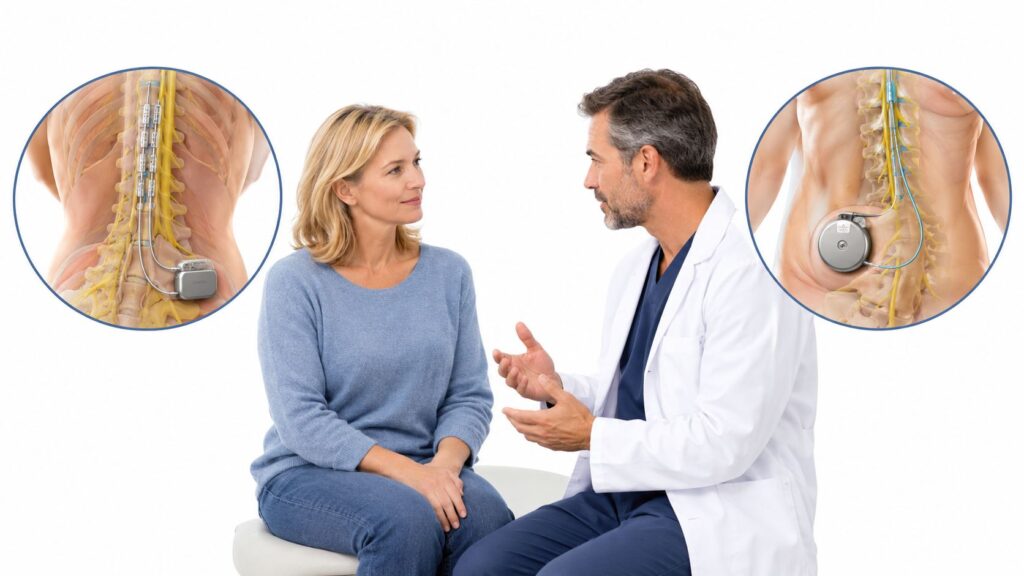
Spinal cord stimulation (SCS) offers a different path forward. This advanced treatment uses a small implanted device – similar to a pacemaker – to deliver mild electrical impulses to your spinal cord. These impulses intercept pain signals before they reach your brain, providing relief without the cognitive side effects of oral medications.
The technology has been refined over decades and now offers customizable, patient-controlled pain management. Recent advances include longer-lasting batteries (up to 8 years), MRI-compatible devices, and even paresthesia-free therapy options.
What is Spinal Cord Stimulation and What Conditions Does It Treat?
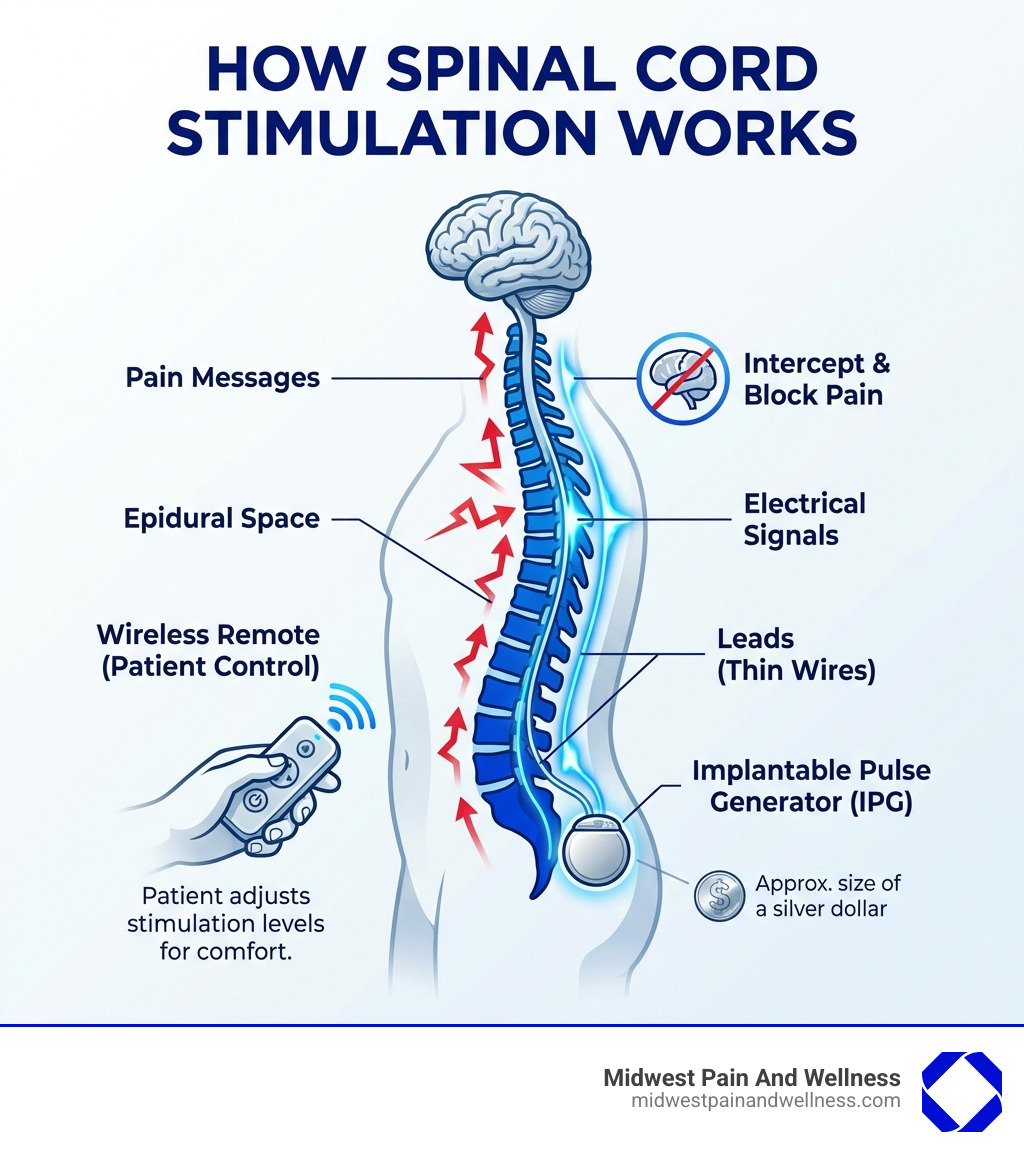
Spinal cord stimulation (SCS), sometimes called neurostimulation, is an innovative treatment that uses custom electrical fields to block nerves from conveying pain impulses up the spinal cord to the brain. Think of it as a “pacemaker for pain.” Instead of sending signals to regulate a heart rhythm, SCS sends mild electrical pulses to your spinal cord to interfere with the perception of pain. This innovative treatment works by changing pain signals that travel up through the spinal cord to the brain, effectively masking or disrupting them.
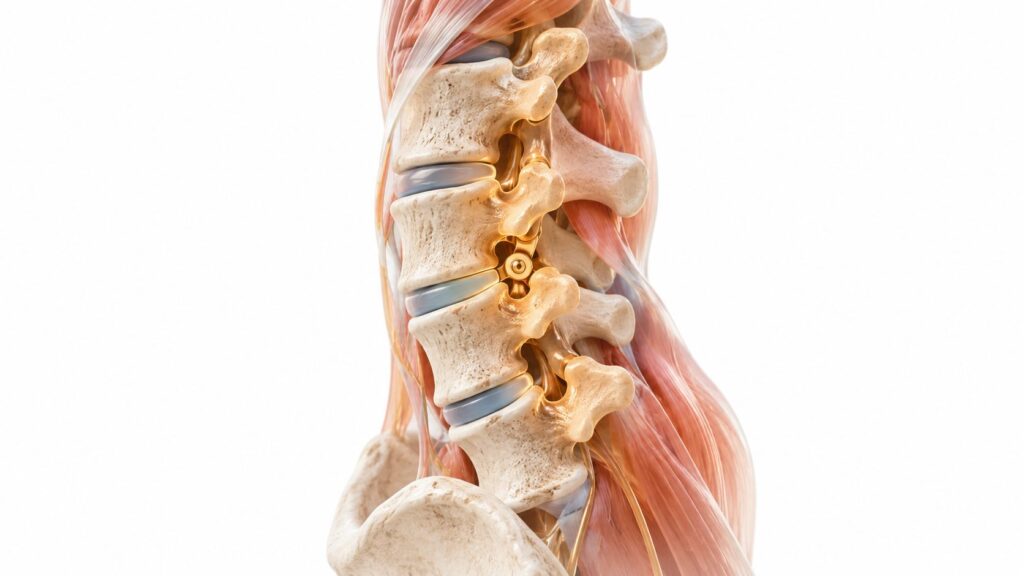
The exact mechanism isn’t fully understood, but researchers believe it may affect the neurochemistry of the spinal cord. In simpler terms, very small currents of electrical energy block the pain-transmitting nerve fibers from sending the “pain” message through the spinal cord. Importantly, these electrical currents usually do not affect strength, sensation, or other nerve functions. We place small wires with electrodes in the epidural space, which is the area outside the dura (the membrane containing spinal fluid). These electrodes are connected to a small, ‘pacemaker-like’ device called an Implantable Pulse Generator (IPG) that generates the electrical pulses.
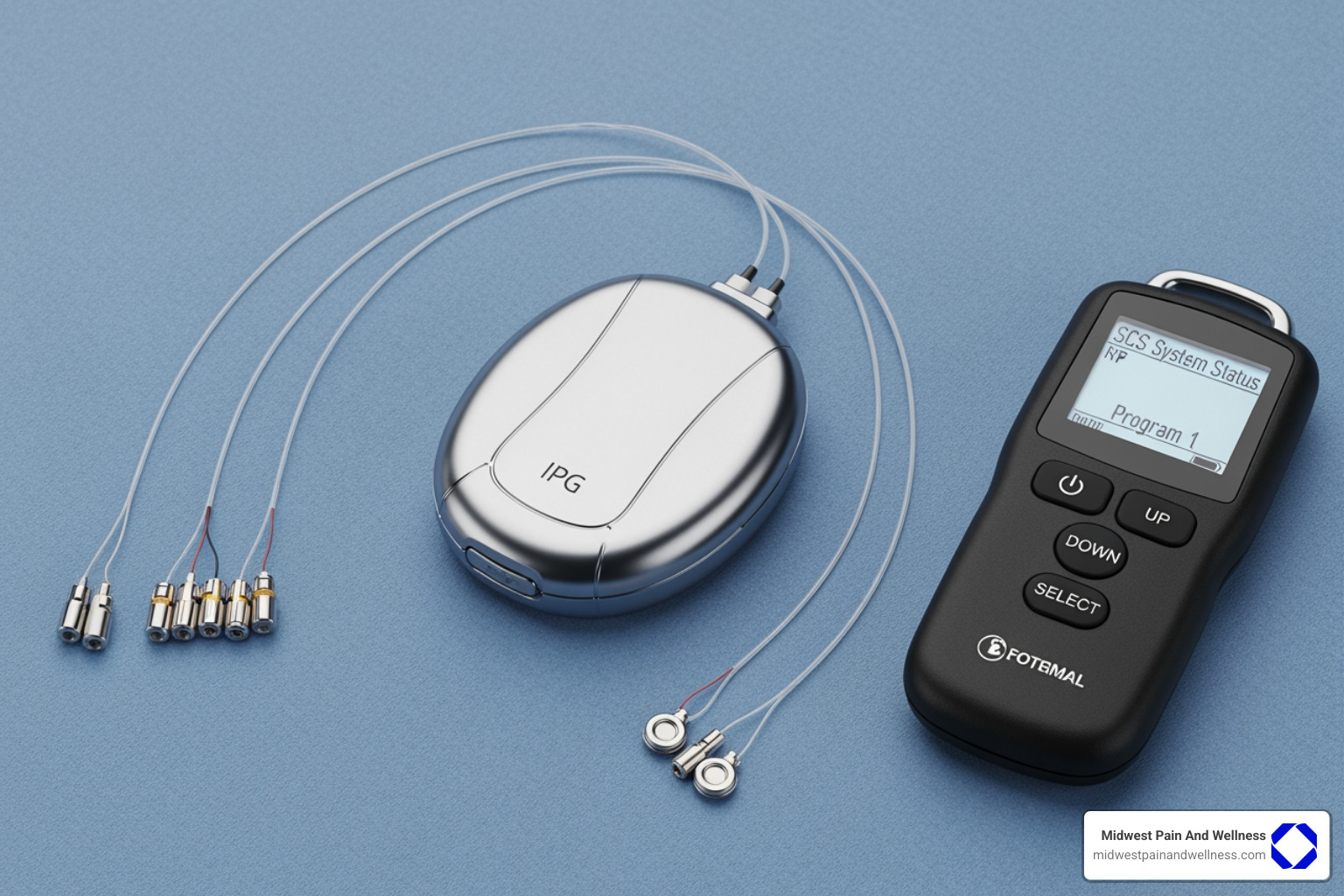
This approach is particularly effective for chronic nerve pain because it intercepts the pain signals right at their source in the spinal cord, rather than allowing them to reach the brain where they are interpreted as pain. It’s a targeted way to manage persistent discomfort.
More info about the conditions we treat
Conditions Managed with SCS
At Midwest Pain and Wellness in Chicago Ridge, we find that SCS is a game-changer for many individuals whose chronic pain hasn’t responded to other treatments. It’s especially effective for what we call neuropathic pain – that burning, tingling, or numb sensation often described as “pins and needles” or electric shock-like.
Some of the most common conditions we successfully manage with spinal cord stimulation in Chicago include:
- Failed Back Surgery Syndrome (FBSS): This is persistent or new back and/or leg pain that occurs after back surgery. It’s also sometimes referred to as post-laminectomy pain. Many patients experience significant relief from this debilitating condition with SCS.
- Complex Regional Pain Syndrome (CRPS): A chronic pain condition often affecting an arm or leg, usually after an injury, stroke, heart attack, or surgery.
- Chronic Nerve Pain: This is a broad category that includes ongoing pain resulting from nerve damage or dysfunction.
- Peripheral Neuropathy: Nerve damage outside of the brain and spinal cord, which can cause weakness, numbness, and pain, often in the hands and feet. Painful diabetic neuropathy is a specific type that can benefit greatly.
- Sciatica: Pain radiating along the sciatic nerve, which runs down one or both legs from the lower back.
- Post-Surgical Nerve Pain: Chronic pain following various surgeries, where nerves may have been damaged or irritated.
- Pain Related to Shingles: Postherpetic neuralgia, a persistent pain that can linger after a shingles outbreak.
- Neck or Arm Pain following Cervical Spine Surgery: Similar to FBSS, but affecting the upper spine and limbs.
- Pain After Amputation: Phantom limb pain, a type of neuropathic pain felt in a missing limb.
- Visceral Abdominal Pain and Perineal Pain: Chronic pain originating from internal organs or the pelvic floor region.
If you’ve been struggling with chronic pain for six months or longer, and conservative treatments like medication, physical therapy, or injections haven’t provided adequate relief, SCS might be an option for you.
The Patient Journey: From Trial Period to Permanent Relief
Starting on the journey to pain relief with spinal cord stimulation can feel like a big step, but we’re here to guide you through every stage. Our goal is to ensure you feel comfortable, informed, and confident in your treatment decisions.
Ideal candidates for SCS therapy are typically those who have:
- Chronic pain in their arms, legs, or back that has lasted for six months or longer.
- Pain that is neuropathic in nature (burning, tingling, or numb sensation).
- Not found adequate relief with other treatment options, such as medications, physical therapy, or even surgery.
- Undergone a comprehensive evaluation, which may include a psychological assessment, to ensure SCS is the right choice for both your physical and mental well-being.
The process is carefully designed to assess the effectiveness of SCS before any permanent implantation. This is where the crucial stimulation trial comes in – it’s like a test drive for your pain relief.
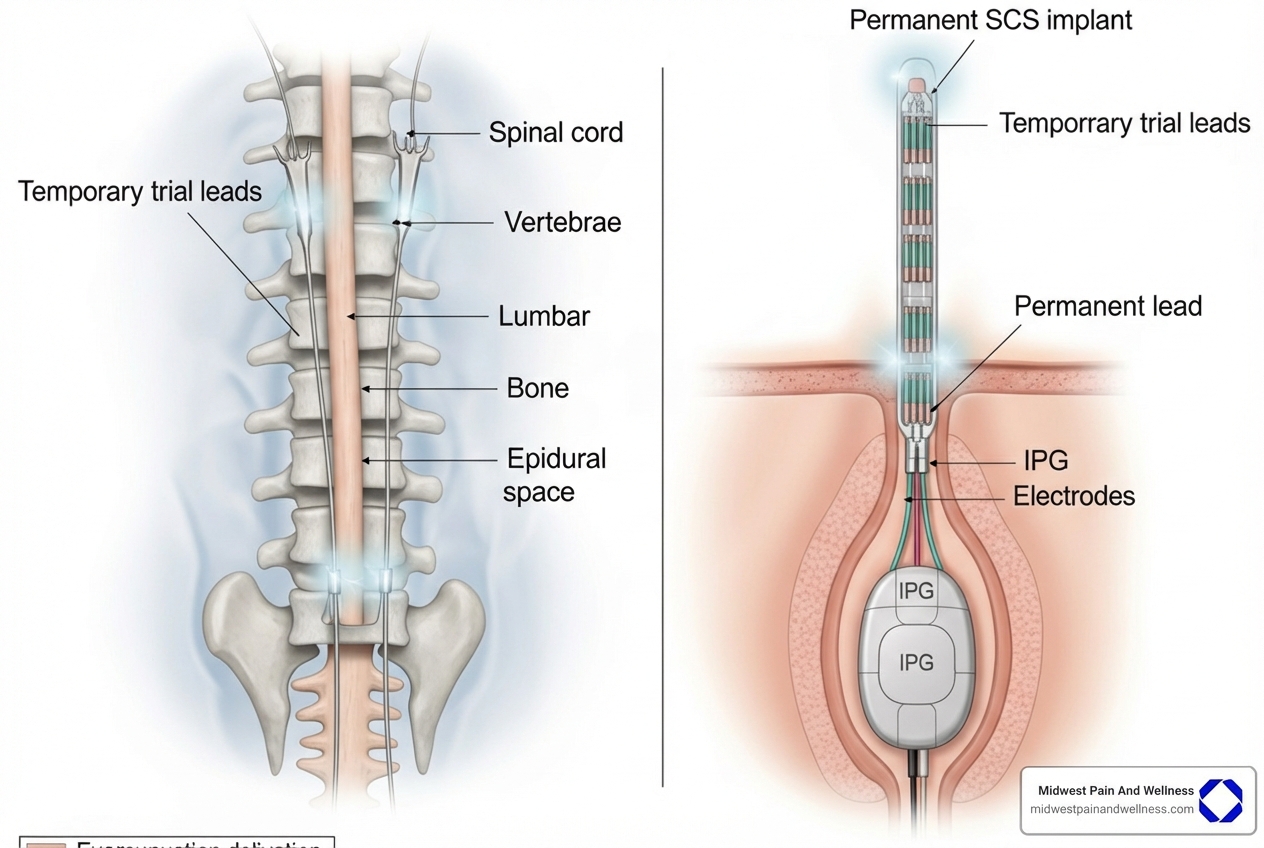
The SCS Trial: A Test Drive for Pain Relief
The SCS trial is arguably the most important step in the entire process. We call it a “test drive” because it allows you to experience the potential benefits of spinal cord stimulation without committing to a permanent implant. This is an outpatient procedure, meaning you’ll come to our Chicago Ridge clinic and go home the same day.
Here’s how it works:
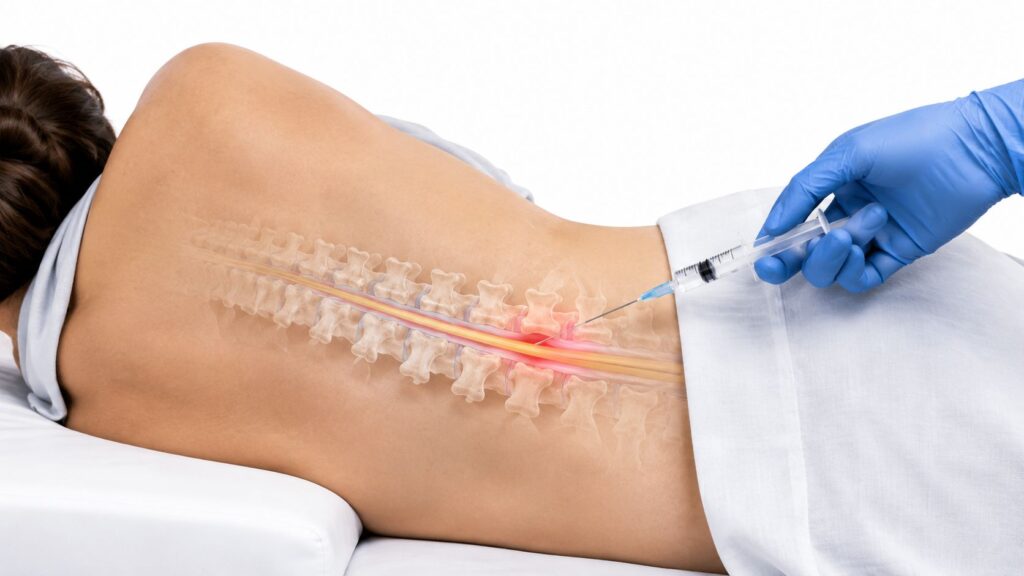
- Lead Placement: During the trial, we carefully insert thin, insulated wires called “leads” into the epidural space near your spinal cord. This placement typically takes about thirty to forty-five minutes. You’ll be awake and able to provide feedback during this part of the procedure, which helps us ensure the leads are positioned in the optimal location to target your specific pain areas.
- External Stimulator: These leads are then connected to a small, external trial stimulator that you wear on a belt or similar device. This external unit powers the leads and allows you to control the level of stimulation.
- Trial Duration: You’ll typically try out this external stimulator for approximately three to five days, sometimes up to a week. This period allows you to go about your daily activities and assess how well the SCS therapy manages your pain in real-world situations.
- Pain Reduction Goal: The “gold standard” for a successful trial is a 50% reduction in your pain levels. If you experience this significant improvement, it’s a strong indicator that permanent SCS could provide you with long-term relief. Your feedback during this trial period is invaluable in determining the next steps.
Approximately 50% of patients respond favorably to this trial, finding that it significantly reduces their pain. This trial phase is a critical step in building confidence in the therapy and ensures that we only proceed with permanent implantation if you experience meaningful relief.
Permanent Implantation and Recovery
If your trial period is successful and you achieve at least a 50% reduction in pain, we can then proceed with the permanent implantation of the SCS system. This is also a short, outpatient procedure that typically takes up to 2 to 3 hours. During this surgery, we implant the permanent leads and connect them to a small, battery-operated device called an Implantable Pulse Generator (IPG), which is similar to a pacemaker. The IPG is usually placed just beneath the skin, often in the buttocks or abdomen, where it will be comfortable and discreet.
After the permanent implantation, you can expect a recovery period.
- Incision Healing: The incision sites generally heal within 2-4 weeks. You can usually remove dressings over the incision sites after about 3 days.
- Activity Restrictions: We will provide you with specific instructions regarding your recovery plan. Generally, it’s recommended to avoid strenuous activity, including twisting, bending, or heavy lifting, for about 2 weeks following surgery to allow the leads to settle and the incision sites to heal properly.
- Expected Outcomes: The good news is that in many cases, people who use SCS will see a significant improvement of 50-80% in their pain. While SCS is not a cure for pain, it aims to provide substantial relief, allowing you to regain functionality and improve your quality of life. Many patients can return to their regular activities within a few days or weeks after the procedure.
More info about our procedures.
Benefits, Risks, and Advancements in Spinal Cord Stimulation Chicago
Living with chronic pain can be incredibly challenging, impacting every aspect of your life. Spinal cord stimulation in Chicago offers a powerful alternative for many, but like any medical procedure, it comes with both benefits and potential risks. Understanding these can help you make an informed decision.
Potential Benefits of SCS:
- Improved Mobility and Physical Function: By reducing pain, SCS can help you move more freely, participate in activities you enjoy, and even return to work. Many patients report an improved ability to perform daily activities.
- Reduced Opioid Reliance: A significant advantage of SCS is its potential to reduce or even eliminate the need for oral pain medications, especially opioids. This can free you from the side effects and dependency associated with long-term opioid use.
- Better Quality of Life: With pain under better control, patients often experience improved sleep quality, improved emotional well-being, and a greater overall enjoyment of life. As one patient put it, the impact was “like night and day!”
Potential Risks of SCS:
- Surgical Risks: As with any surgical procedure, there are general risks such as infection, bleeding, and adverse reactions to anesthesia.
- Device-Related Complications: These can include lead migration (where the wires move out of place), lead breakage, device malfunction, or pain at the implant site. Resistance to stimulation can also develop over time, meaning the effectiveness might decrease for some individuals. However, the device can be removed if needed without causing damage to the spine.
- Paresthesia Annoyance: While many find the tingling sensation (paresthesia) pleasant or neutral, some patients may find it annoying or unpleasant. Newer technologies, however, are addressing this with paresthesia-free options.
To give you a clearer picture, let’s compare SCS to some other common pain management options:
| Feature | Spinal Cord Stimulation (SCS) | Opioids | Epidural Injections Chicago |
|---|---|---|---|
| Mechanism | Delivers electrical pulses to block pain signals at the spinal cord. | Systemic medication that binds to opioid receptors in the brain and body to reduce pain perception. | Delivers anti-inflammatory medication (steroids) and/or local anesthetic directly to the epidural space. |
| Pain Relief | Targeted, long-term relief (50-80% improvement common), patient-controlled. | General, short-to-long term, but often with diminishing returns and tolerance. | Targeted, typically temporary relief (weeks to months), diagnostic and therapeutic. |
| Side Effects/Risks | Surgical risks, lead migration, infection, device malfunction. | Addiction, dependence, constipation, nausea, drowsiness, respiratory depression, cognitive issues. | Infection, bleeding, nerve damage (rare), temporary increase in pain, steroid-related side effects. |
| Opioid Reduction | A primary goal and common outcome. | Can lead to increased reliance and dependency. | Can reduce the need for oral pain medications temporarily. |
| Longevity | Designed for long-term use, device lifespan up to 8+ years. | Requires continuous dosing, not a long-term solution for chronic pain due to risks. | Temporary, often requiring repeat injections. |
| Patient Control | High (adjusts stimulation with remote). | Low (dosage controlled by physician). | Low (no control after injection). |
Technological Advancements in SCS
The field of spinal cord stimulation in Chicago has seen remarkable advancements, making the therapy more effective, comfortable, and convenient than ever before. What started decades ago as a basic concept has evolved into sophisticated, cutting-edge technology.
- Paresthesia-Free Therapy: Historically, SCS worked by replacing pain with a mild tingling sensation, or paresthesia. While many found this acceptable, some did not. Newer SCS systems offer advanced wave forms and programming algorithms that can provide significant pain relief without any perceptible tingling, offering a more natural and comfortable experience.
- Rechargeable Batteries: Older SCS devices required surgical replacement of the battery every few years. Today, most implantable pulse generators (IPGs) are rechargeable. The spinal cord stimulator implant battery is designed to last for several years, with recent advances making them last as long as eight years or more. Recharging is simple, done wirelessly from outside the body, and can be easily managed at home. Rechargeable IPGs are often better for pain in the lower back or legs due to their higher power output.
- MRI Compatibility: In the past, having an SCS device meant you couldn’t undergo an MRI, which is a crucial diagnostic tool. Newer spinal cord stimulators are increasingly designed to be MRI compatible, allowing patients to safely receive necessary imaging while still benefiting from their pain relief system. It’s important to discuss MRI compatibility with us to choose the best device for your needs.
- Advanced Programming and Patient Control: Modern SCS systems offer highly customizable programming options. We can tailor the electrical fields precisely to your pain patterns, and you, as the patient, have control over your therapy using a discreet remote control. This allows you to adjust stimulation levels as your pain fluctuates, empowering you to manage your own comfort. Next-generation stimulators are even expected to offer biofeedback, providing real-time information to optimize nerve response.
These advancements mean that SCS is continually becoming a more refined and personalized treatment option for chronic pain. We stay up-to-date with these innovations to offer you the best possible care.
Scientific research on Neuromodulation.
Frequently Asked Questions about SCS
We understand you likely have many questions about spinal cord stimulation in Chicago, and we’re here to provide clear, straightforward answers. Here are some of the most common questions we hear from our patients:
Will the SCS implant be visible under my skin?
This is a common concern, and we’re happy to reassure you. The spinal cord stimulator implant is generally not visible under the skin. The implantable pulse generator (IPG) is about the diameter of a silver dollar and is typically placed in a discreet location, such as your buttock or abdomen. While it’s not visible, you will be able to feel the device by pressing on the skin. Our doctors at Midwest Pain and Wellness in Chicago Ridge ensure it’s positioned comfortably and conveniently, so the only way someone will know you have it is if you choose to tell them. The leads themselves are very thin and are usually not palpable.
Can I stop taking pain medications with spinal cord stimulation?
One of the most significant benefits of spinal cord stimulation in Chicago is its potential to reduce your reliance on pain medications, including opioids. In many cases, people who use SCS are able to significantly reduce the amount of pain medication they need, and some are even able to stop taking them altogether.
However, whether you can completely stop pain medications varies by individual and depends on the severity and nature of your pain. Our primary goal with Chronic Pain Treatment is to help you achieve long-term pain relief and improve your quality of life, often by minimizing or eliminating the need for oral medications that can come with unwanted side effects. We will work with you to develop a personalized treatment plan that addresses your specific needs and goals.
How is the SCS device programmed and managed?
You’re in control! Once the permanent SCS device is implanted, you’ll receive a patient-controlled remote. This external wireless programmer allows you to manage your therapy in several ways:
- Adjusting Stimulation Levels: You can turn the stimulation on or off, and adjust the intensity of the electrical impulses within parameters set by your doctor. This allows you to customize your pain relief based on your activity level or changing pain patterns throughout the day.
- Selecting Programs: Many modern SCS systems come with multiple pre-set programs, and your remote allows you to switch between them. These programs are designed to target different pain areas or types of pain.
- Recharging the Battery: If you have a rechargeable IPG, your remote often works with a charging unit. The charger is lightweight, cordless, and portable, making it easy to recharge your device in the comfort of your own home or even on the go.
- Follow-Up Appointments: We’ll schedule regular follow-up appointments to monitor the device’s performance, make any necessary adjustments to your programming, and ensure you’re getting the most effective pain relief. Our team will provide you with all the instructions and support you need to confidently manage your SCS system.
Finding Your Path to Relief with Spinal Cord Stimulation in Chicago
When considering spinal cord stimulation in Chicago, choosing the right specialist is paramount. At Midwest Pain and Wellness in Chicago Ridge, we pride ourselves on offering comprehensive, patient-centered care. Our double board-certified doctors use a multi-modal, interventional approach, collaborating with other practitioners to create custom care plans for long-term pain relief. We believe in empowering our patients to take control of their chronic pain journey.
What to Expect from a Consultation for Spinal Cord Stimulation in Chicago
Your first step towards potentially life-changing relief is a thorough consultation with our expert team in Chicago Ridge. Here’s what you can expect:
- Detailed Medical History Review: We’ll take the time to understand your pain journey, including when your pain started, its characteristics, and how it impacts your daily life.
- Diagnostic Imaging Review: We’ll examine any relevant MRI, CT scans, or X-rays you’ve had to understand the underlying causes of your pain. If needed, we may recommend further imaging.
- Discussion of Prior Treatments: We’ll review all conservative treatments you’ve tried, such as medications, physical therapy, chiropractic care, and injections, and discuss why they may not have provided lasting relief. This helps us confirm if you meet the criteria for SCS, which is typically considered after other methods have been exhausted.
- Determining Candidacy: Based on your comprehensive evaluation, we’ll determine if you are an ideal candidate for spinal cord stimulation in Chicago. This involves assessing the type of pain you experience (neuropathic pain responds best), its duration, and your overall health.
- Setting Realistic Expectations: We’ll have an open and honest conversation about what SCS can and cannot do. While it offers significant pain reduction for many, it’s not a cure, and individual results can vary. Our goal is to ensure you have a clear understanding of the process, benefits, and potential risks.
We believe that an informed patient is an empowered patient. We encourage you to ask all your questions during this consultation.
Why a Multidisciplinary Approach Matters for Spinal Cord Stimulation in Chicago
Chronic pain is complex, and we believe its treatment should be too. That’s why we advocate for a multidisciplinary approach at Midwest Pain and Wellness. When pursuing spinal cord stimulation in Chicago, you’re not just getting a device; you’re gaining a team dedicated to your overall well-being.
- Collaboration with Therapists: Our doctors collaborate closely with physical therapists, occupational therapists, and other specialists. This ensures that while SCS manages your pain, you also receive the support needed to improve strength, flexibility, and function. Regaining movement and confidence is crucial for long-term success.
- Custom Care Plans: Your pain is unique, and so should be your treatment plan. We don’t believe in one-size-fits-all solutions. Our team works together to create a customized care plan that integrates SCS with other therapies, focusing on your holistic needs, including your mental well-being and physical health.
- Focus on Long-Term Function: Our ultimate goal is to help you achieve long-term pain relief and improved function, allowing you to return to the activities you love. This approach extends beyond the procedure itself, focusing on rehabilitation and ongoing support.
- Opioid-Free Management: Our commitment to opioid-free pain management means we explore all interventional strategies, like SCS, to help you reduce or eliminate your reliance on medications that can have significant side effects.
This collaborative spirit ensures that every aspect of your health is considered, leading to more comprehensive and sustainable pain relief.
Conclusion: Take Control of Your Chronic Pain
Chronic pain doesn’t have to dictate your life. Spinal cord stimulation in Chicago offers a powerful, technologically advanced solution for those who have felt trapped by persistent discomfort. From understanding how SCS works to exploring its many benefits – including improved mobility, reduced reliance on opioids, and a significantly better quality of life – we hope this guide has shed light on a promising path forward.
At Midwest Pain and Wellness in Chicago Ridge, our expert, double board-certified doctors are dedicated to providing compassionate, comprehensive, and opioid-free pain management. We believe in a multi-modal, interventional approach, working with you every step of the way to create a custom care plan custom to your unique needs. If you’re ready to explore how SCS could transform your life, offering you renewed hope and improved function, we invite you to reach out.
For those with persistent pain after back surgery, learn more about your options; Explore post-laminectomy pain treatment in Chicago Ridge.