Understanding Your Path to Effective Pain Relief
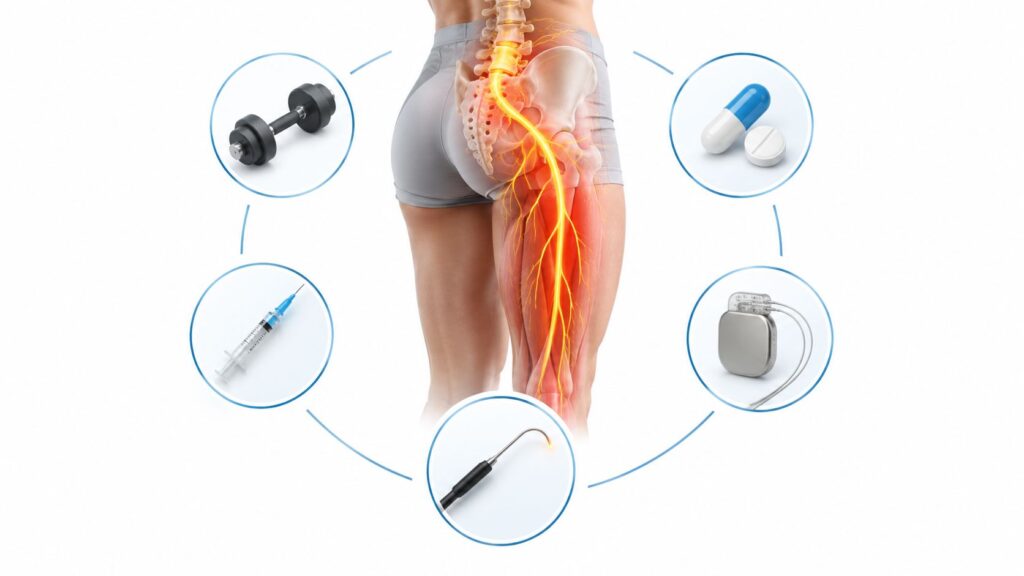
Chronic pain treatment is a comprehensive approach combining medications, procedures, therapy, and lifestyle changes to reduce pain, improve function, and improve quality of life. The best plans are personalized to your specific pain, its causes, and your goals.
Quick Overview of Chronic Pain Treatment Options:
- Medications: NSAIDs, acetaminophen, antidepressants, anticonvulsants, topical agents (opioids used cautiously).
- Interventional Procedures: Nerve blocks, epidural injections, radiofrequency ablation, spinal cord stimulation, regenerative therapies.
- Physical Interventions: Physical therapy, therapeutic exercise, manual therapies, occupational therapy.
- Psychological Approaches: Cognitive Behavioral Therapy (CBT), mindfulness, biofeedback, acceptance therapy.
- Self-Management: Activity pacing, sleep hygiene, stress reduction, anti-inflammatory diet, social support.
Pain that lasts over three months isn’t just physical; it affects your mood, sleep, and ability to enjoy life. In 2021, over 51 million U.S. adults experienced chronic pain, with an economic burden exceeding $560 billion annually. While current treatments often reduce pain by about 30%, there is significant room for improvement.
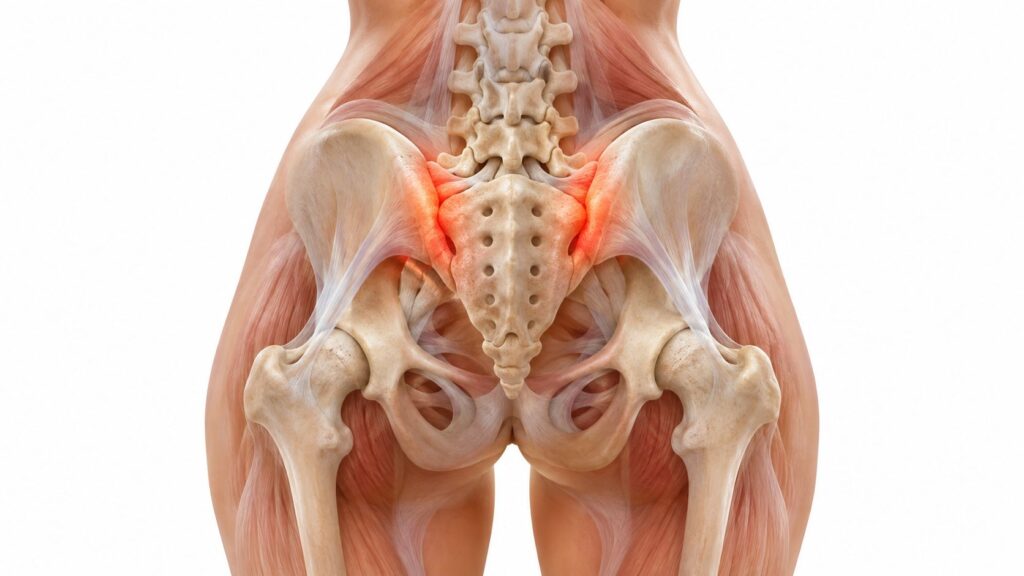
Unlike acute pain from an injury, chronic pain involves changes in the nervous system that can amplify pain signals. This is why it requires a different, more comprehensive treatment strategy.
Effective treatment exists, and research shows a multidisciplinary approach provides the best outcomes. The goal is not always to eliminate pain completely, but to reduce its intensity, restore function, and help you reclaim your life. This guide will walk you through the evidence-based chronic pain treatment options to help you build a personalized plan.
The Multidisciplinary Approach: Building Your Pain Management Team
Because chronic pain affects your body, mind, and daily life, effective treatment requires a team of experts. This multidisciplinary approach addresses the whole picture, not just one aspect of your pain. When specialists collaborate on your care, the results are significantly better than any single treatment.
At Midwest Pain And Wellness, our double board-certified doctors lead a collaborative team to create custom care plans built around your goals—whether that’s returning to work or simply sleeping through the night. You can learn more about our philosophy on our Why Us page.
Who might be on your pain management team?
- Pain Specialists (often anesthesiologists) coordinate care and perform interventional procedures.
- Physiatrists focus on restoring function and mobility through physical medicine and rehabilitation.
- Physical Therapists act as movement coaches, helping you rebuild strength and flexibility safely.
- Psychologists address the emotional toll of pain and teach coping strategies.
- Occupational Therapists help you modify daily activities to maintain independence.
Nurses, pharmacists, and social workers also play vital roles, ensuring your care is coordinated and supported. This team effort, where everyone communicates about your progress, leads to better outcomes. Meet the professionals ready to support you on our team page.
Effective Communication with Your Healthcare Provider
Clear communication is one of the most powerful tools in your chronic pain treatment plan. When you can describe your experience and goals, your team can create a plan that fits your life.
Before your appointment, prepare. Jot down when your pain started, what makes it better or worse, and what you’ve already tried. Bring any relevant medical records. When describing your pain, be specific: Is it sharp, dull, burning, or aching? Does it radiate or throb? These details help pinpoint the cause.
A pain journal can be invaluable. For a week before your appointment, track your pain levels (0-10), triggers, what brings relief, and how pain affects your sleep, mood, and activities. This reveals patterns you might not have noticed.
Treatment should be a partnership. This shared decision-making means your preferences and goals shape your care. Speak up if a treatment isn’t working or doesn’t feel right for you. Your medical needs are best determined through this collaborative process.
Come prepared with questions:
- What is causing my pain?
- What are the benefits and risks of this treatment?
- Should I consider physical therapy or psychological support?
- Is exercise safe for me? What kind?
- What can I do at home to help?
- What are realistic long-term goals?
There are no silly questions. The more open you are, the better your team can help you find relief and improve your quality of life.
A Comprehensive Guide to Chronic Pain Treatment Therapies
There is no single solution for chronic pain treatment. At Midwest Pain And Wellness, we start with conservative approaches and progress to more advanced options only when necessary. Our integrated plans are built around you and your specific condition, from spinal stenosis to nerve pain. Explore the conditions we treat on our Conditions We Treat page. Combining treatments—like a nerve block for immediate relief and physical therapy for long-term strength—often produces the best results.
The Role of Pharmaceuticals in Chronic Pain Treatment
Medications can be helpful, but understanding their role is key. We prioritize non-opioid options, following the 2022 CDC Guideline that emphasizes maximizing non-opioid therapies first.
- NSAIDs (Nonsteroidal Anti-Inflammatory Drugs) like ibuprofen and naproxen are often a first-line defense for inflammatory pain like arthritis. However, long-term use can carry stomach, kidney, or cardiovascular risks.
- Acetaminophen is effective for mild to moderate pain like osteoarthritis and is gentler on the stomach than NSAIDs. It’s crucial to stick to the recommended dose to avoid liver damage.
- Adjuvant Analgesics are medications not originally for pain but are highly effective. Antidepressants (like amitriptyline or duloxetine) can quiet nerve pain and improve mood. Anticonvulsants (like gabapentin) are mainstays for neuropathic pain from conditions like shingles or diabetic neuropathy.
- Topical Agents like creams, gels, or patches deliver medication directly to the painful area, minimizing side effects elsewhere in the body.
Regarding opioids, the national crisis highlights their significant risks. These powerful drugs are typically reserved for severe acute pain (e.g., post-surgery), not long-term chronic pain management. Long-term use is linked to tolerance, dependence, addiction, and overdose. For individuals with a history of substance use disorder (SUD), managing chronic pain requires specialized, non-opioid approaches. Untreated mental health conditions also increase SUD risk. For more guidance, see the resources from the Substance Abuse and Mental Health Services Administration.
Interventional Chronic Pain Treatment Procedures
When conservative treatments aren’t enough, minimally invasive procedures can target the pain source directly.
- Nerve Blocks: Anesthetic and/or steroid injections near specific nerves can diagnose the pain source and provide therapeutic relief.
- Epidural Injections: Delivering anti-inflammatory medication into the epidural space around the spinal cord can reduce pain from conditions like lumbar radiculopathy or spinal stenosis.
- Radiofrequency Ablation (RFA): Heat from radio waves is used to “turn off” specific nerves sending pain signals, offering relief for conditions from tailbone pain to knee osteoarthritis.
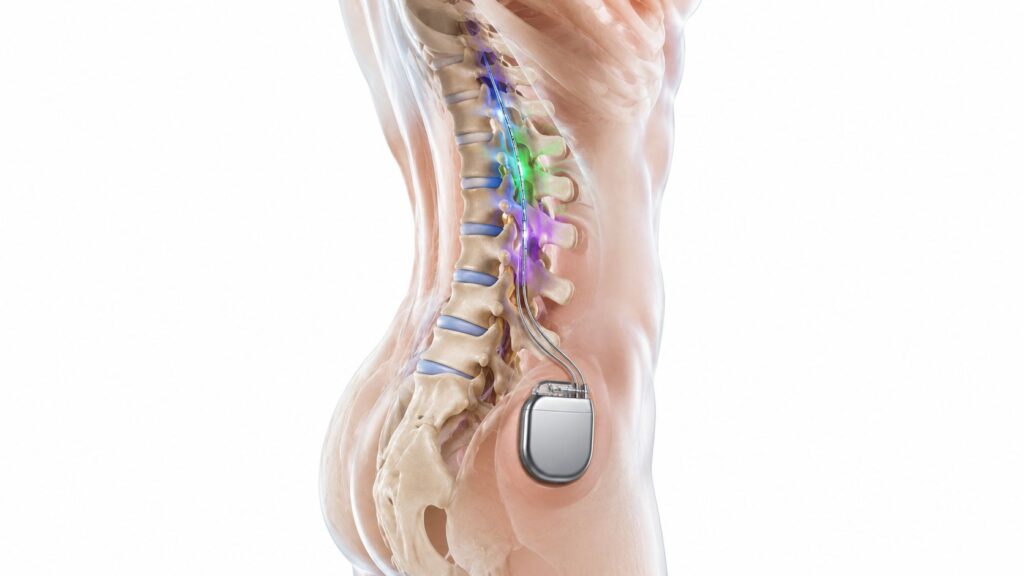
- Neuromodulation: This advanced technology includes Spinal Cord Stimulator Therapy, where a small device sends mild electrical impulses to the spinal cord to interrupt pain signals. High-frequency systems show excellent results, with over 70% of patients achieving significant, sustained pain relief. Learn more on our Spinal Cord Stimulator Therapy page. Peripheral Nerve Stimulation works similarly but targets nerves outside the spinal cord for more localized relief. See our Peripheral Nerve Stimulation for Chronic Pain page.
- Minimally Invasive Lumbar Decompression (MILD): For lumbar spinal stenosis, this procedure removes small pieces of bone and ligament to relieve nerve pressure without major surgery. We offer this at our MILD location.
- Regenerative Therapy: This frontier of pain medicine uses your body’s own healing abilities, injecting concentrated platelets (PRP) or cells to repair damaged tissue. Explore options on our Regenerative Therapy (PRP & Cell-Based Options) page.
Physical and Rehabilitation Interventions
Movement is medicine. These interventions are cornerstones of effective chronic pain treatment.
- Physical Therapy (PT): A physical therapist designs a custom exercise program to strengthen muscles, improve range of motion, and correct posture, reducing pain and improving function.
- Therapeutic Exercise: These are specific movements designed to improve strength, flexibility, and endurance. Research, like this Cochrane Review, confirms exercise reduces pain and improves function.
- Occupational Therapy: An occupational therapist helps you adapt daily tasks and modify your environment to maintain independence at home and work.
- Activity Modification: This involves pacing yourself—breaking down tasks and taking planned rests to avoid the “boom-bust” cycle of overexertion and subsequent flare-ups.
- Manual Therapies: Massage, spinal mobilization, and chiropractic care can alleviate muscle tension and improve joint mobility.
Psychological and Mind-Body Approaches
These therapies help you change your relationship with pain and develop powerful coping strategies.
- Cognitive Behavioral Therapy (CBT): Helps you identify and change negative thought patterns and behaviors related to pain, reducing pain intensity and improving function.
- Acceptance and Commitment Therapy (ACT): Teaches you to accept the presence of pain while committing to actions that align with your values, allowing you to live a meaningful life.
- Mindfulness-Based Stress Reduction (MBSR): Uses meditation and mindful breathing to reduce stress and alter your perception of pain.
- Biofeedback: Teaches you to control involuntary bodily functions like muscle tension to reduce pain.
- Meditation, Yoga, and Tai Chi: These practices combine physical postures, breathing, and meditation to improve flexibility, strength, and mental well-being, often proving transformative for people with chronic pain.
The Power of Self-Management and Lifestyle Changes
While your healthcare team provides treatment, the daily choices you make have an enormous impact on your chronic pain treatment success. Your daily habits are a critical part of your management plan.

-
Improve Sleep Hygiene: Chronic pain, poor sleep, and depression are often linked. Break the cycle by setting a consistent sleep schedule, creating a dark and cool bedroom, and avoiding screens before bed. Better sleep can directly reduce pain levels.
-
Adopt an Anti-Inflammatory Diet: While no diet is a magic cure, focusing on whole foods like fruits, vegetables, lean proteins, and healthy fats (olive oil, avocados) can help reduce inflammation. Limit processed foods, sugar, and unhealthy fats.
-
Manage Stress: Stress worsens pain. Simple techniques like deep breathing, progressive muscle relaxation, or spending time in nature can calm your nervous system and reduce pain perception. Make stress management a daily practice.
-
Practice Activity Pacing: Avoid the “boom-bust” cycle of overdoing it on good days and crashing on bad ones. Balance activity with rest by breaking tasks into smaller chunks and taking planned breaks. This helps prevent debilitating flare-ups.
-
Quit Smoking: Smoking impairs healing, reduces blood flow, and can make chronic pain worse. Quitting is one of the most powerful things you can do for your pain and overall health. Ask your provider about cessation support.
-
Stay Socially Connected: Isolation can worsen pain. Connecting with friends, family, or a support group provides emotional comfort and is crucial for your mental well-being and ability to cope.
Self-management gives you control. Start with small changes. Combined with professional chronic pain treatment, these habits can dramatically improve how you feel and function.
Frequently Asked Questions about Chronic Pain and Its Treatment
You’re not alone in having questions about chronic pain treatment. Here are answers to some of the most common ones we hear.
What are the most common types of chronic pain?
Understanding your pain type helps guide treatment. Common types include:
- Neuropathic Pain: From nerve damage itself, causing burning, shooting, or tingling sensations (e.g., sciatica, diabetic neuropathy).
- Musculoskeletal Pain: The most common type, affecting bones, joints, and muscles. It feels like aching or stiffness (e.g., arthritis, back pain). We treat related conditions like Spinal Stenosis & Degenerative Spine Disease and Post-Laminectomy Pain.
- Inflammatory Pain: Results from the body’s response to injury, often with swelling and redness (e.g., rheumatoid arthritis).
- Central Sensitization: Occurs when the nervous system becomes hypersensitive, amplifying pain signals (e.g., fibromyalgia).
Common conditions we treat include arthritis, fibromyalgia, and migraines. We offer specialized treatments like Botox for Chronic Migraine & Cervical Dystonia for stubborn cases.
What are the goals of an effective pain management plan?
The goal isn’t always zero pain, but rather meaningful improvements in your daily life.
- Pain Reduction: Research shows a 30% reduction in pain can be life-changing, allowing a return to cherished activities.
- Improved Daily Function: We aim to help you move more freely and perform daily tasks with less discomfort, restoring independence.
- Better Quality of Life: This includes improving your happiness, relationships, and ability to enjoy things that matter to you.
- Improved Psychological Well-being: Addressing the depression, anxiety, and stress that often accompany chronic pain is a key goal.
- Reduced Reliance on Medication: We focus on safer, more sustainable approaches, reflecting our opioid-free philosophy.
- Return to Work or Hobbies: We support your goals, whether it’s returning to a job through Workers Compensation or getting back to a favorite pastime.
What are the complications of unmanaged chronic pain?
Ignoring chronic pain can have serious consequences beyond physical discomfort.
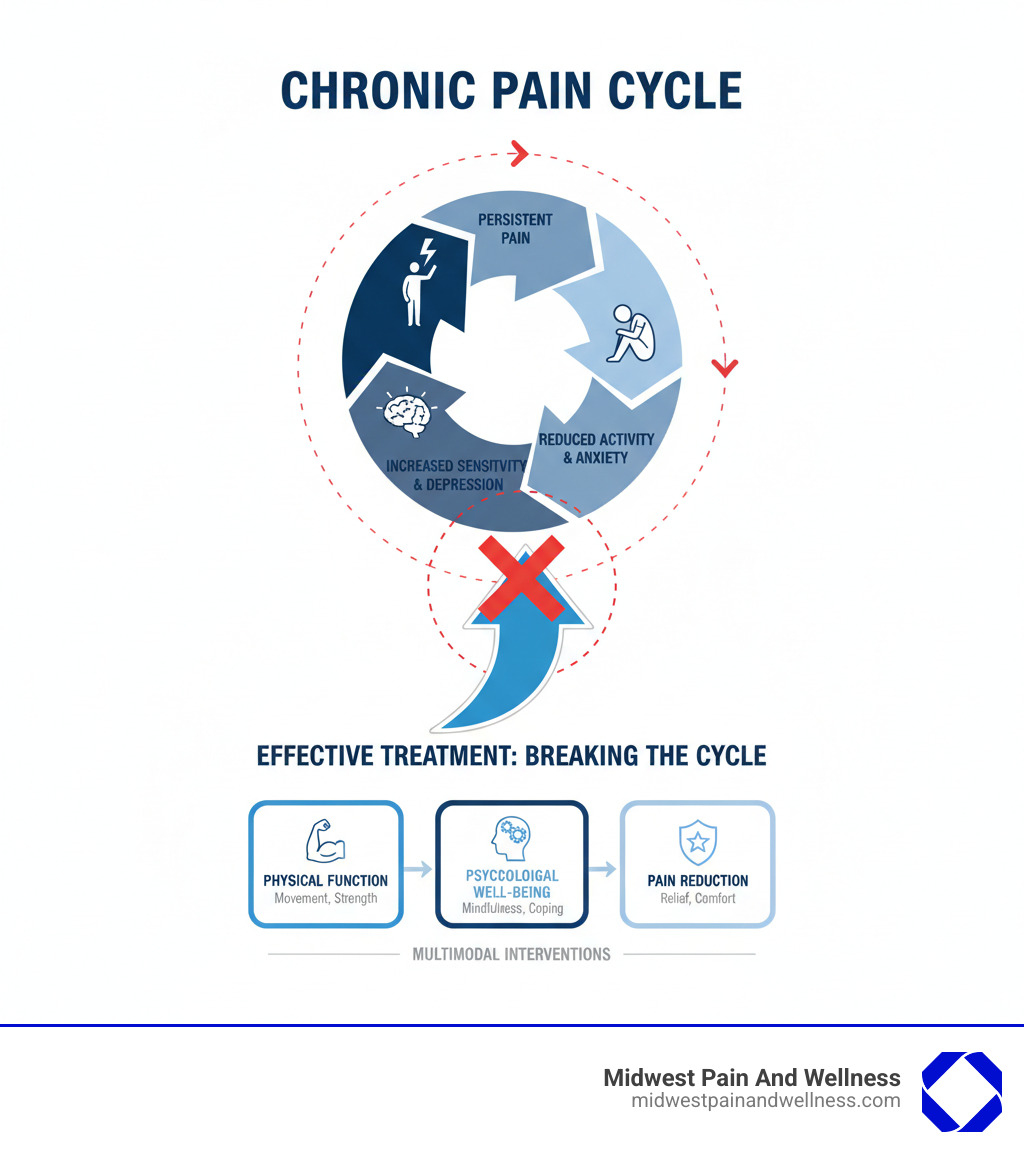
- Mental Health Impact: About 67% of people with chronic pain also have a mental health condition, most often depression and anxiety. This creates a vicious cycle of pain, depression, and insomnia.
- Suicide Risk: Studies show that 5-14% of people with chronic pain have attempted suicide, and 20% experience suicidal thoughts. This highlights the critical need for comprehensive support.
- Physical Deconditioning: When pain limits movement, muscles weaken and joints stiffen, which can make pain even worse.
- Social Isolation: Pain often leads to canceling plans and withdrawing from social life, which can be as painful as the physical symptoms.
- Sleep Disruption: Pain disrupts sleep, and lack of sleep lowers your pain threshold, creating a difficult cycle.
Unmanaged pain is also linked to lost income and may increase the risk of other health issues. Treating your pain is about protecting your long-term health.
Conclusion: Taking the Next Step Towards Pain Relief
You’ve taken an important step by learning about your options. Living with chronic pain is a heavy burden, but you don’t have to carry it alone.
We’ve covered the full landscape of chronic pain treatment, from understanding the nature of chronic pain to exploring the power of a multidisciplinary team. The evidence is clear: a comprehensive approach that addresses the physical, emotional, and social aspects of pain works best. This strategy is focused not just on reducing pain, but on improving your function and reclaiming your quality of life.
At Midwest Pain And Wellness in Chicago Ridge, Illinois, this is our core philosophy. Our double board-certified doctors provide comprehensive, opioid-free pain management. We use a multi-modal, interventional approach to create a custom care plan designed for your unique situation and long-term well-being.
Your goals are our goals. We are here to help you get back to living an active, joyful life.
The path to relief starts now. Don’t let chronic pain write your story. Explore our advanced treatment procedures to see how our team can help you find lasting relief. Let’s work together to make it happen.