A lot of people around Chicago Ridge, Oak Lawn, and Palos Heights walk into a pain clinic convinced they have “regular low back pain.” They’ve tried rest, stretching, anti-inflammatory medication, maybe even chiropractic care or standard back exercises. The pain eases for a while, then returns the moment they sit too long, stand too long, roll over in bed, or get out of the car.
That pattern matters.
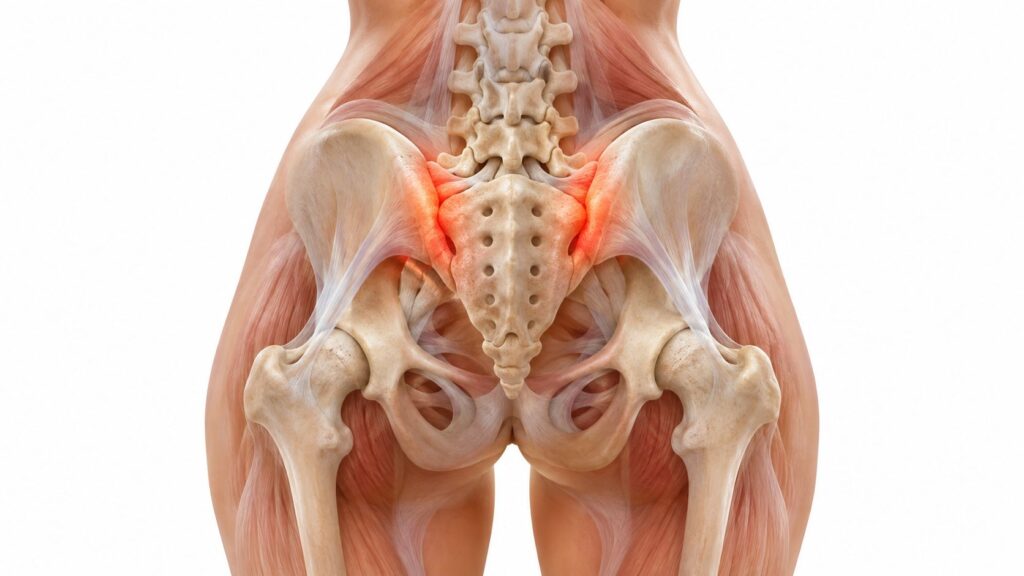
Sometimes the problem isn’t the lumbar spine at all. It’s the sacroiliac joint, the joint where the base of the spine meets the pelvis. When that joint becomes irritated, unstable, or inflamed, it can create pain that feels deep, stubborn, and strangely hard to pin down. It often sits off to one side of the low back or buttock, and it can mimic sciatica, facet pain, hip pain, or a disc problem.
The good news is that SI joint pain usually follows a clear treatment pathway once it’s identified correctly. The key is not guessing. The key is diagnosing it precisely, then moving step by step through the right sacroiliac joint pain treatment options with an opioid-sparing plan built around durable relief.
That Nagging Low Back Pain Might Not Be Your Back
A patient from Oak Lawn or Palos Hills comes in after months of “back pain” that has not acted like typical back pain. The ache sits low, often off to one side, and settles deep into the buttock. It flares getting out of the car, rising from a chair, rolling in bed, or walking farther than usual. By that point, many people have already tried rest, stretching, anti-inflammatory medication, or general back exercises without lasting relief.
That pattern deserves a closer look.

What SI joint pain often feels like
Pain from the sacroiliac joint is often easy to feel and hard to label. Patients usually describe it in plain language:
- A deep ache in the buttock or near the beltline
- Pain during position changes, especially sit-to-stand
- One-sided low back pain that feels lower than a common lumbar strain
- Pain with standing or walking that builds over time
- A sense that the pelvis or low back feels off, weak, or unstable
Some patients also notice pain toward the groin or upper thigh. Others are convinced they have sciatica, a hip problem, or a disc issue. All of those possibilities can overlap, which is exactly why SI joint pain is missed so often.
Why the SI joint gets overlooked
The SI joint sits where the spine and pelvis transfer load all day. When it becomes irritated, nearby muscles tighten, posture shifts, and walking mechanics change. A person may start sitting crooked, shortening stride length, or avoiding full weight on one side without realizing it. Over time, the pain picture gets muddy.
I see this regularly in clinic. Patients are not confused because they failed to pay attention. They are confused because SI joint pain can imitate several familiar problems at once.
That is where the decision-making journey starts. Before choosing injections, therapy, regenerative treatment, or surgery, the first job is to make sure the pain is coming from the SI joint and not the lumbar spine, hip, or surrounding nerves. A focused evaluation for back, hip, and joint pain conditions we treat helps narrow that down and keeps patients from wasting time on treatments that do not fit the source of pain.
For patients in Chicago Ridge and nearby communities, getting that distinction right often changes the entire treatment plan. It also supports an opioid-sparing approach. The goal is not to temporarily cover the pain. The goal is to identify the actual pain generator and choose the least invasive option that has a reasonable chance of lasting relief.
Confirming SI Joint Pain A Precise Diagnostic Process
The SI joint works like a keystone in the pelvis. It’s not designed for dramatic motion. Its job is stability, load transfer, and controlled force movement from the spine into the legs and back again. When that keystone is irritated, even ordinary movements can feel wrong.
A reliable diagnosis doesn’t come from one quick office maneuver. It comes from a sequence.

The exam starts with pattern recognition
A pain specialist usually begins by asking where the pain sits, what movements trigger it, what treatments have failed, and whether the pain is one-sided, position-related, or linked to prior injury, surgery, pregnancy, or altered gait.
The physical exam then looks for a reproducible SI pain pattern. That includes palpation over the joint and a group of provocative maneuvers designed to stress the SI joint in a controlled way. No single test is enough by itself. What matters is whether several pieces fit together.
Clinics that manage complex spine and joint complaints also need to rule out overlap with lumbar disc pain, facet pain, hip pathology, and nerve irritation. That broader context is part of why a focused pain evaluation matters. Patients can review related conditions on the clinic’s pain conditions treated page.
The most important step is the diagnostic injection
The most useful confirmation tool is an image-guided diagnostic SI joint injection. This is different from a treatment injection. Its main purpose is to answer a yes-or-no question: is the SI joint generating the pain?
Here’s how it works:
- Imaging guides the needle into the joint. Accuracy matters because the SI joint is deep and not easy to access by feel alone.
- A local anesthetic is placed into the joint. The goal is temporary numbness of the suspected pain source.
- The patient tracks what changes right after the procedure. If the usual pain drops in a clear, meaningful way during the anesthetic window, that strongly supports the diagnosis.
Why this matters before treatment
Without confirmation, it’s easy to overtreat the wrong structure. A patient may think they failed physical therapy when therapy targeted the lumbar spine instead of pelvic stability. Another patient may think an epidural “didn’t work” when the pain source was never a pinched spinal nerve.
Practical rule: The more precise the diagnosis, the more targeted and opioid-sparing the treatment plan can be.
Diagnostic clarity also helps decide who may benefit from a therapeutic joint injection, who is better suited for radiofrequency treatment, and who might eventually need a surgical referral because the problem is instability rather than inflammation alone.
For patients in Hickory Hills, Alsip, and nearby Illinois communities, that’s often the difference between cycling through generic back pain care and finally following a plan that fits the actual problem.
Starting with Conservative Care The Foundation of Treatment
After the diagnosis is clear, the next question is practical: what gives you the best chance of relief with the least disruption to your life? For many patients in Oak Lawn, Palos Hills, and nearby communities, the right answer is to start with focused conservative care before considering more invasive procedures.
That approach is not about delaying treatment. It is about matching the treatment to the stage of the problem. If pain is being driven by joint irritation, poor pelvic control, muscle imbalance, or repetitive strain, early treatment should address those factors directly.
What a sensible first-line plan usually includes
A strong starting plan often combines a few pieces at the same time:
- Anti-inflammatory medication when appropriate. NSAIDs can reduce pain during a flare if your stomach, kidneys, blood pressure, and other medical factors allow their use.
- Activity modification. The goal is to reduce repeated stress on the SI joint while keeping you moving as normally as possible.
- Targeted physical therapy. Treatment should build pelvic stability, not just treat this like routine low back pain.
- Short-term supports. Small changes in sitting, sleeping, walking, or getting in and out of a car can lower daily irritation.
- A structured treatment plan. Many patients benefit from care that combines rehab with image-guided options listed on our SI joint and spine procedure page when symptoms do not settle with exercise and medication alone.
Physical therapy helps most when it is specific
Generic back exercises often miss the problem.
For SI joint pain, therapy should focus on how the pelvis transfers force during walking, standing, lifting, and changing position. In practice, that usually means improving core coordination, building gluteal strength, addressing hip stiffness, and correcting movement habits that keep re-irritating the joint.
I often see patients who say they already tried therapy, but the details matter. A program built around hamstring stretching and lumbar mobility is different from a program built around pelvic stabilization and load control. One may calm symptoms briefly. The other has a better chance of changing the mechanics that keep the pain active.
Where conservative care helps, and where it may fall short
Conservative treatment can work very well, especially in earlier or less mechanically unstable cases. It can reduce inflammation, improve day-to-day function, and create a window where rehabilitation starts to take hold.
There are limits, though.
If pain keeps returning as soon as activity increases, or if progress stalls despite a well-run therapy program, that usually means the next decision needs to be more precise. Some patients need more than exercise and medication because the problem is no longer just irritation. It may involve persistent joint-mediated pain, ongoing instability, or pain signaling that has become harder to quiet with basic care alone.
The goal is durable relief with the lowest reasonable reliance on opioids. That means conservative care should be purposeful, time-limited, and honest about results. If it is helping, stay with it. If it is only helping halfway, the plan should change.
Advanced Interventional Therapies for Lasting Relief
A common turning point looks like this. A patient in Oak Lawn or Palos Hills gets some relief from therapy, uses less medication for a few weeks, then the pain returns the moment walking, stairs, or longer car rides pick back up. At that stage, the question is no longer whether treatment should continue. The question is which procedure fits the pain pattern and gives the best chance of durable relief without drifting toward long-term opioid use.
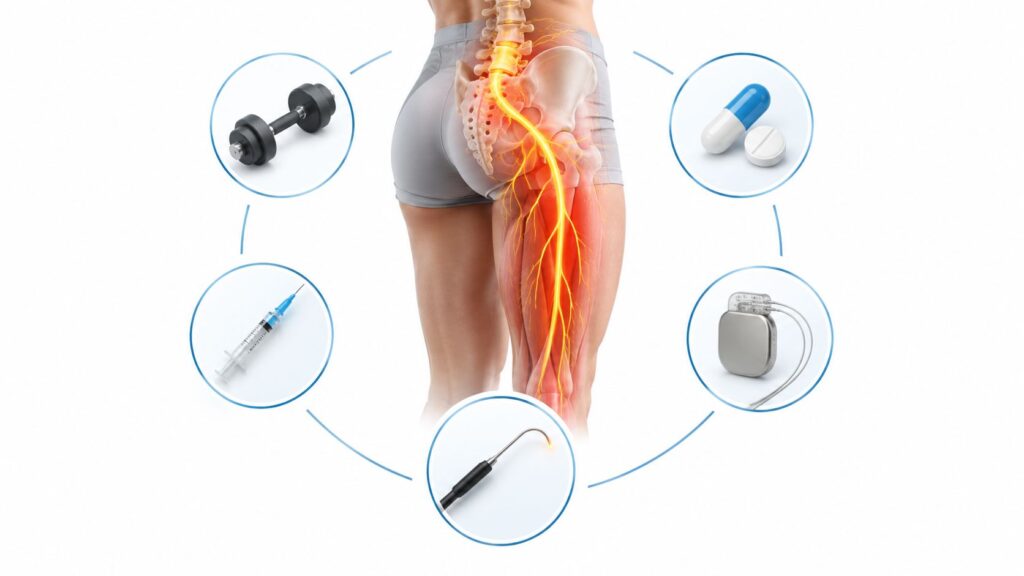
That is where image-guided care matters. Once the SI joint has been identified as the source, the treatment plan should become more precise. Some procedures calm inflammation inside the joint. Others target the nerves that carry pain from the back of the joint. Those are different tools, and they serve different goals.
Therapeutic injections versus nerve-targeting procedures
A therapeutic SI joint injection places anti-inflammatory medication into the joint after the diagnostic work has already pointed clearly to the SI joint. In the right patient, that can settle a flare, improve sleep, and create a useful window to restore movement and function.
The trade-off is durability. These injections often help, but many patients find the benefit fades with time. When relief is short-lived or keeps wearing off, radiofrequency ablation, also called radiofrequency neurotomy, often becomes the more practical next step.
RFA works on the pain signal itself. Instead of treating the inside of the joint, it targets the lateral branch nerves that transmit pain from the posterior SI joint. For patients with confirmed SI-mediated pain, that distinction matters. The goal is not to repeat the same temporary reset. The goal is to choose a procedure that matches the pain mechanism.
Why radiofrequency ablation is often the next decision point
In practice, RFA often sits in the middle of the treatment pathway. It is more durable than a steroid injection for many patients, but it is far less invasive than surgery. That makes it a reasonable option for people who have a clear diagnosis, have given conservative care a fair trial, and are not ready to consider fusion.
One clinical study reported longer average pain relief with lateral branch radiofrequency neurotomy than with steroid injection in patients with confirmed SI joint pain, according to this study summary on radiofrequency neurotomy duration. That lines up with what many pain specialists see clinically. A good response to a prior injection, followed by early recurrence, often suggests that a nerve-based treatment may offer a better next step.
If an SI joint injection clearly helps but the benefit fades too fast, I start thinking less about repeating the same injection and more about whether RFA gives the patient a better chance at sustained function.
Comparing Interventional SI Joint Treatments
| Treatment | Primary Goal | Typical Duration of Relief | Best For |
|---|---|---|---|
| Diagnostic SI joint injection | Confirm the SI joint as the pain source | Short-lived by design | Patients with unclear low back or buttock pain patterns |
| Therapeutic SI joint injection | Reduce joint inflammation and calm a flare | Usually temporary | Patients with confirmed SI pain who need symptom reduction |
| Radiofrequency ablation | Interrupt pain signaling from SI joint nerves | Often longer-lasting than steroid injection, though duration varies by technique and patient selection | Patients with recurring pain after conservative care or short-lived injection relief |
| Peripheral nerve stimulation or spinal cord stimulation | Modulate pain signaling in complex chronic pain cases | Variable and case-dependent | Select patients with persistent pain patterns that do not fit a simple injection-only pathway |
Other advanced options in complex cases
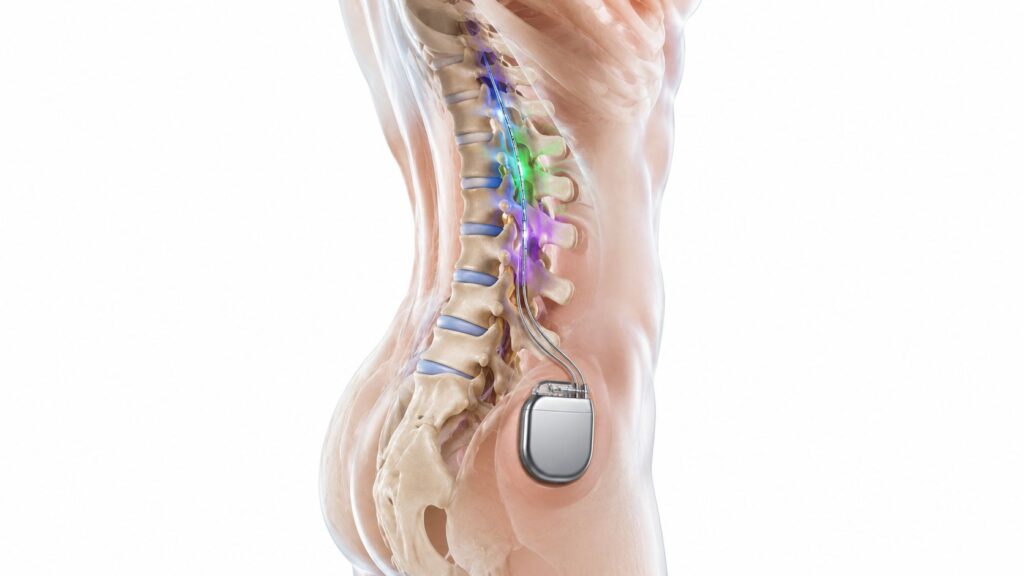
Some patients do not follow the usual pattern. They may have prior lumbar surgery, overlapping hip or spine pain, central sensitization, or persistent symptoms despite technically well-performed SI treatment. In those cases, peripheral nerve stimulation or spinal cord stimulation may be considered, not as standard SI joint care, but as part of a broader plan for chronic pain control.
Patients who want to see how these image-guided options fit into a broader care pathway can review the clinic’s image-guided treatment procedures and interventions.
The larger point is straightforward. Once SI pain is confirmed, the best next step is not the most aggressive option. It is the one that fits the diagnosis, matches the pain mechanism, and helps you stay active with the lowest reasonable reliance on opioids.
Exploring Regenerative Medicine for Joint Health
A common point in the SI joint treatment journey sounds like this: the diagnosis is finally clear, physical therapy and injections may have helped some, but the relief did not last long enough. At that stage, many patients in Oak Lawn, Palos Hills, and nearby Illinois communities ask a reasonable question. Is there an option aimed at tissue health, not just temporary pain control?
For selected patients, platelet-rich plasma (PRP) is part of that discussion.
PRP uses a sample of your own blood. That sample is processed to concentrate platelets and growth-related signaling proteins, and the concentrate is then placed into a targeted area under guidance. In SI joint care, the goal is usually not to "regenerate" a badly damaged joint in a dramatic way. The more realistic goal is to support irritated ligaments or other supporting tissues that may be contributing to ongoing pain and joint instability.
That distinction matters.
Patients often hear the term regenerative medicine and expect a cure. In practice, PRP is better viewed as a possible tool for the right problem, in the right patient, at the right point in the treatment pathway. I discuss it most often when the history and exam suggest that supportive tissues around the SI joint are still part of the pain pattern, especially if a patient wants to avoid repeated steroid exposure and is looking for an opioid-sparing plan with a longer horizon.
Why PRP appeals to some patients
The appeal is easy to understand. Steroid injections can reduce inflammation, but they do not strengthen ligament support. Radiofrequency ablation can quiet pain signals, but it does not address tissue quality. PRP enters the conversation because some patients want a strategy that aims beyond short-term symptom suppression.
That does not make it the first step.
In Illinois, the decision usually comes after the basics have been handled well. The diagnosis should be solid. Other pain sources, such as the lumbar spine or hip, should be considered carefully. The patient should also understand the trade-off. PRP is promising, but it is still less established for SI joint pain than more standard interventional options.
Where PRP fits in a careful treatment plan
A practical way to think about PRP is to place it between standard conservative care and surgery, but only for carefully selected cases. It may deserve discussion when pain appears tied to ligamentous strain or persistent SI dysfunction, and when the patient wants to pursue another non-opioid option before considering more definitive structural treatment.
It should not be presented as a substitute for precise diagnosis.
It should not be framed as a guaranteed answer if prior treatments failed for reasons that were never clarified. If the true pain generator is unclear, PRP can become an expensive detour rather than a smart next step. That is why patient selection matters so much. In clinic, the better question is not "Does PRP work?" The better question is "Does PRP make sense for this specific SI joint problem, given what we already know?"
Balanced view: PRP may help some patients with SI joint related pain, especially when supportive soft tissues appear involved, but expectations should stay grounded and the treatment plan should remain evidence-based.
For patients in the Chicago Ridge area, that usually leads to a straightforward decision process. Confirm the diagnosis. Review what has already been tried. Define the goal clearly, whether that is better sitting tolerance, easier walking, less pain with transfers, or a reduced need for repeat procedures. From there, PRP can be discussed as one option within a larger strategy for durable relief.
SI Joint Fusion A Definitive Surgical Solution
A common scenario in clinic is the patient from Chicago Ridge, Oak Lawn, or Palos Hills who has already done the work. They completed therapy, modified activity, tried image guided injections, and may have even had short term relief from more advanced procedures. But the pain keeps returning with walking, standing, rolling in bed, or getting up from a chair. At that point, the question changes from “What else can I try?” to “Is this a structural problem that needs a structural solution?”
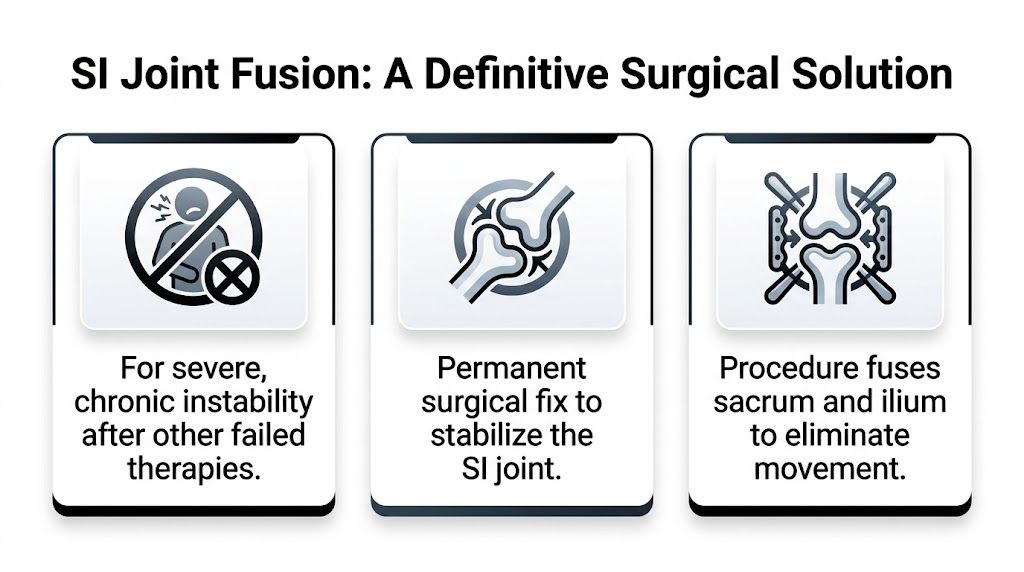
Most patients with SI joint pain will never need surgery. Fusion is reserved for a smaller group with a clearly confirmed SI joint pain source, meaningful functional loss, and persistent symptoms despite appropriate non surgical care.
What modern SI fusion actually means
Many patients still picture a large open surgery and a long recovery. Current SI joint fusion is usually minimally invasive. Small incisions and image guidance are used to place implants across the joint to limit painful motion and improve stability.
That distinction matters. Fusion is not meant for vague low back pain. It is considered when the SI joint has already been identified as the pain generator and the pattern suggests an ongoing mechanical problem rather than a temporary flare.
What the evidence supports
One of the better known randomized studies of minimally invasive SI joint fusion helped shift this conversation because it compared surgery with non surgical management in patients with confirmed chronic SI joint dysfunction. The takeaway was straightforward. In properly selected patients, fusion outperformed continued non surgical care over follow up.
That does not mean every patient with SI pain should move toward surgery. It means surgery belongs on the treatment roadmap for the subset of patients who have already moved through the earlier steps and still have disabling pain.
Who is a reasonable candidate
In practice, fusion makes the most sense when several pieces line up:
- The diagnosis is secure. History, physical exam, imaging review, and diagnostic injection findings are consistent with SI joint pain.
- The symptoms are chronic and functionally limiting. Pain interferes with walking, transfers, sleep, work, or daily activity in a meaningful way.
- Appropriate non surgical care has already been tried. The patient has not skipped straight to surgery.
- Relief from less invasive treatment has been incomplete or short lived. That raises concern for persistent instability or pathologic motion at the joint.
- The goal is durable improvement. The discussion is about restoring function and reducing repeated treatment cycles, not chasing a perfect pain score.
The trade-offs need to be clear
SI joint fusion can offer lasting relief, but it is still surgery. There are real considerations: recovery time, postoperative restrictions, implant related risks, and the fact that no procedure fixes every case. Published reviews of minimally invasive SI procedures also note that long term durability data are still developing, especially as techniques and devices continue to evolve, as discussed in this review of minimally invasive SI procedures.
I tell patients the same thing I would want explained to my own family. A good fusion candidate is not someone who is desperate. It is someone whose diagnosis is clear, whose pain pattern makes mechanical sense, and whose treatment history shows that less invasive care has been exhausted responsibly.
For the right patient, fusion is an opioid sparing decision built around durability. It can reduce the cycle of repeated flares, temporary procedures, and escalating medication use when the underlying issue is joint instability. If you are at that stage and want a careful review of whether surgery belongs in your plan, request an SI joint evaluation appointment.
Your Path Forward Finding an SI Joint Specialist in Illinois
A common scenario in clinic goes like this. Someone from Oak Lawn or Palos Hills has spent months treating “low back pain,” but the relief never lasts because the pain generator was never pinned down with enough precision. By the time they reach a specialist, they are tired of mixed opinions, temporary fixes, and medications that dull symptoms without changing the pattern.
At that point, the right question is not, “What procedure do I need?” It is, “What is the next smart step, based on a clear diagnosis and how my body responded to earlier treatment?”
The treatment pathway in plain language
Good SI joint care follows an ordered process:
- Confirm that the SI joint is responsible for the pain
- Use focused conservative treatment first
- Add image-guided procedures if pain returns or function stalls
- Refer for surgery only when the diagnosis is solid and less invasive care has been used appropriately
That sequence matters for a reason. It reduces guesswork, helps patients avoid drifting into long-term opioid use, and keeps each treatment choice tied to a specific goal.
Questions to ask an SI joint specialist
If you are looking for care in Chicago Ridge, Oak Lawn, Palos Hills, Palos Heights, Worth, Bridgeview, Hickory Hills, Alsip, Burbank, Evergreen Park, or Orland Park, ask direct questions and listen closely to how they are answered:
- How do you confirm that the SI joint is the pain source rather than the lumbar spine or hip?
- Do you use image guidance for diagnostic and therapeutic injections?
- How do you decide when physical therapy is helping and when the plan needs to change?
- If an injection gives short relief, what does that mean for the next step?
- Do you offer radiofrequency ablation, and who is a good candidate for it?
- When do you refer for SI joint fusion, and what findings make you hold off?
- How do you approach pain control while limiting opioid exposure?
A careful specialist should be comfortable with every one of those questions.
What a real treatment plan should look like
A real plan connects the diagnosis to the treatment and the treatment to function. It should explain what each step is trying to accomplish, how long relief is expected to last, and what the trade-offs are if it does not.
For example, short-term relief after a diagnostic or therapeutic injection can support the diagnosis, but it does not automatically mean repeated injections are the best long-term answer. Durable relief may come from rehabilitation, denervation procedures, regenerative options in selected cases, or surgical referral when instability remains the main issue. The point is to make decisions in sequence, not to keep repeating the same intervention because it worked briefly once.
For patients who want that kind of structured, opioid-sparing evaluation, Midwest Pain & Wellness in Chicago Ridge, led by Dr. Yaw Donkoh, is one Illinois option focused on interventional diagnosis and treatment for spine and joint pain. You can request an SI joint evaluation appointment if persistent buttock or low back pain is limiting your daily activity.
The goal is clarity, then a plan. Patients do better when the pain source is identified carefully, treatment is escalated for a reason, and expectations stay realistic from the start.