If you're living in Oak Lawn, Orland Park, Palos Heights, Bridgeview, Worth, Hickory Hills, Alsip, Burbank, Evergreen Park, or Palos Hills, chronic nerve pain can shrink your world in quiet ways. You may still go to work, drive to appointments, and try to sleep through the night, but everything starts revolving around pain. By the time many patients ask, “How does PNS work?”, they’ve often already tried medications, rest, injections, or other treatments and still feel stuck.
As a pain specialist, I hear the same concern often. People want relief, but they also want to stay clear-headed, active, and less dependent on opioid medication. That’s where Peripheral Nerve Stimulation, or PNS, enters the conversation. It’s not experimental. It’s a well-established pain treatment with a very practical goal: calm the pain signal at the nerve level so your body can function better again.
A New Path for Pain Relief in the Chicago Area
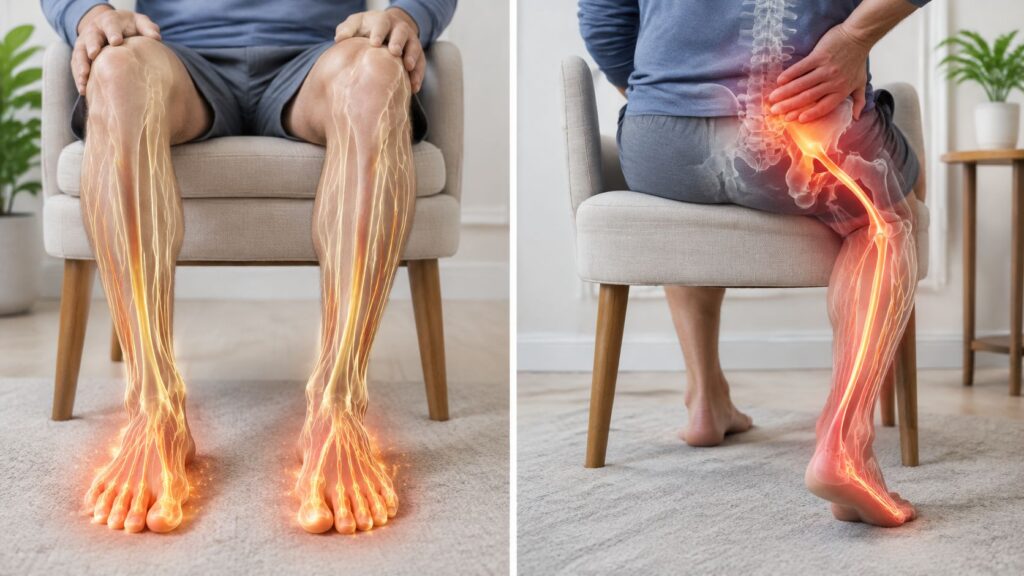
A patient from Palos Heights recently described her pain in a way I hear all the time. “It’s not just pain,” she said. “It’s the way it follows me everywhere.” She felt it while standing in the kitchen, while driving on Harlem Avenue, and while trying to fall asleep. The pain had a nerve-like quality. Sharp, burning, electric, and stubborn.
That kind of story matters because chronic pain doesn't only hurt. It changes how you move, how you sleep, and how much of your day gets spent planning around discomfort. For many people across the south and southwest suburbs, the hardest part is the feeling that they’ve run out of options.
Why opioid-sparing care matters
PNS has been used for chronic pain since the 1960s, and its role has become even more important as the need for opioid-sparing care has grown. According to Mount Sinai’s overview of peripheral nerve stimulation, opioid overdose deaths in the United States rose past 100,000 annually, and about 50 million American adults live with chronic pain. That combination is exactly why many patients ask for treatments that target pain without relying on long-term opioid use.
PNS offers a different path. Instead of trying to dull the whole body with medication, it focuses on a specific nerve or nerve region involved in the pain.
Practical rule: The more clearly we can identify the pain source, the more targeted a treatment like PNS can be.
Why patients feel hopeful about it
Patients often worry that an advanced pain treatment must mean a major surgery. PNS usually isn't that. The concept is more precise and much less intimidating than many people expect. A very small lead is placed near the nerve involved in the pain, and a pulse generator sends mild electrical signals to change how that pain message is carried.
That matters for someone in Orland Park or Oak Lawn who wants relief but also needs to keep living life. You may be caring for family, working, recovering from surgery, or trying to return to normal activity. A treatment that supports function, while helping reduce reliance on opioid medication, can be a meaningful shift.
What patients usually want to know first
Most questions fall into three buckets:
- “What is it doing?” People want a plain-language explanation, not a technical lecture.
- “Could it help my kind of pain?” That's where diagnosis and pain pattern matter.
- “What would the process look like for me?” Patients want to know what happens before, during, and after treatment.
Those are the right questions to ask.
How PNS Changes the Conversation with Your Nerves
Pain feels simple when you’re living with it. It hurts. But the biology behind it is more like a communication problem. A nerve sends a message. The spinal cord and brain interpret it. If that message keeps firing, the pain keeps demanding attention.
PNS works by changing that conversation.
Think of it like noise-canceling headphones
A useful analogy is noise-canceling headphones. If you're in a loud room, the headphones don't destroy the room. They reduce the unwanted signal so your brain experiences less disturbance. PNS works in a similar way. It delivers gentle electrical pulses near a peripheral nerve to interfere with pain messages before those messages dominate what your brain perceives.
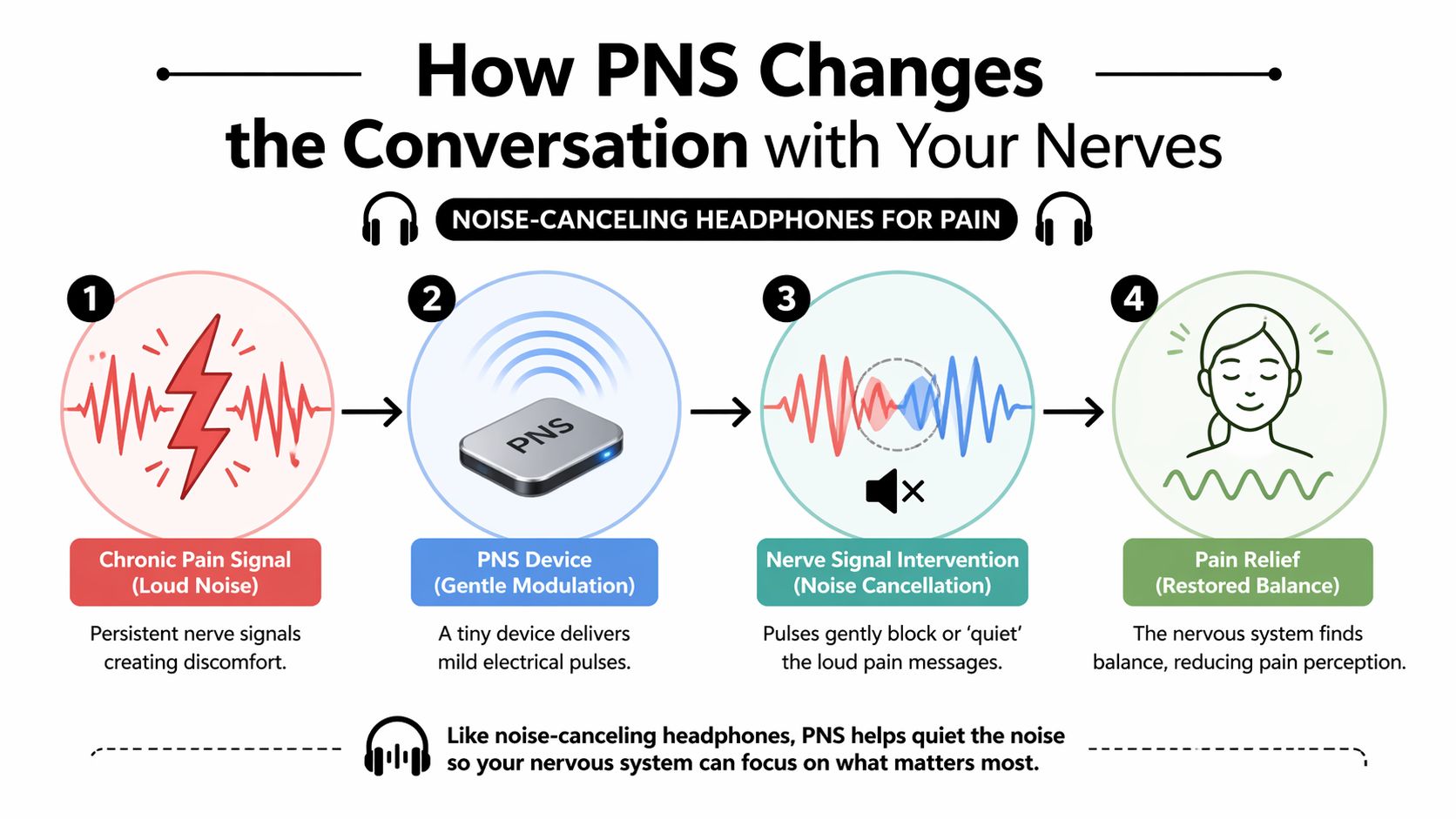
Some patients find that concept surprising. They assume the device is “shocking” the nerve. That isn’t the goal. The goal is modulation. In plain English, that means helping the nervous system send a different signal pattern.
The gate control idea in simple language
One of the best ways to understand PNS is through the gate control theory of pain. Certain nerve fibers carry pain signals, and other fibers can help block or dampen those signals. PNS stimulates larger, non-pain fibers called A-beta fibers, which can inhibit the smaller pain-carrying A-delta and C fibers.
If that sounds abstract, think of a crowded road.
- The pain signal is traffic. Too many pain messages are trying to get through.
- PNS creates a traffic controller. The mild electrical pulses change which signals get priority.
- The brain receives less of the distress signal. That often means less pain felt in daily life.
Many patients notice this as a mild tingling or vibrating sensation, especially early on. That sensation isn't the treatment failing. In many cases, it's a sign that non-pain signaling is taking over the space that pain used to occupy.
The goal isn't to make you feel numb. The goal is to reduce the pain signal enough that movement, sleep, and daily function become more manageable.
What’s happening beyond the local nerve
PNS starts near the painful nerve, but the effect doesn't stop there. The therapy changes how pain pathways behave, and research has shown that PNS affects brain regions involved in pain perception, including the somatosensory cortex and anterior cingulate, as described in this review of peripheral nerve stimulation in PMC.
That helps explain why patients sometimes say, “The pain feels less overwhelming,” not just less intense. Pain is both a signal and an experience. When the signal becomes less disruptive, the experience often changes too.
Why this matters for everyday life
For a patient in Hickory Hills or Palos Hills, this isn't just about medical theory. It’s about whether you can sit through a school event, get back behind the wheel comfortably, or stop waking up every time you roll onto one side.
PNS can be useful because it is:
- Targeted: It focuses on a specific nerve problem rather than treating the whole body broadly.
- Adjustable: Stimulation can be changed to fit comfort and response.
- Opioid-sparing: It may reduce the need to lean on medication for day-to-day pain control.
When patients understand how does PNS work, the treatment feels much less mysterious. It’s not magic. It’s a carefully applied way to quiet an overactive pain message.
Is PNS the Right Choice for Your Chronic Pain
PNS is not for every ache and pain. It works best when pain has a clear nerve-related pattern and when the treatment target can be identified with confidence. That’s why careful evaluation matters more than enthusiasm alone.

Conditions that may respond well
PNS is commonly considered for several chronic pain problems, especially when conservative care hasn’t provided enough relief. Examples include:
- Post-surgical nerve pain: Pain that lingers after healing should have happened.
- Peripheral neuropathic pain: Burning, stabbing, or electric pain linked to an irritated or damaged nerve.
- Complex regional pain syndrome: A severe and often disproportionate pain response after an injury or procedure.
- Occipital neuralgia: Head and scalp pain related to occipital nerve irritation.
- Post-amputation pain: Pain that continues after limb loss.
- Some cases of chronic back pain: Especially when a specific peripheral nerve contributor is suspected.
If you’re not sure whether your pain fits one of those categories, that’s common. Many people describe symptoms rather than diagnoses. They’ll say, “It burns down my leg,” or “It feels like a live wire near my shoulder blade.” Those details help more than people realize.
What makes someone a reasonable candidate
A strong PNS candidate often has a pain pattern that is localized enough to target, persistent enough to justify intervention, and disruptive enough to affect daily life. The question isn’t whether pain is severe. The question is whether the pain matches a nerve-based problem that PNS is designed to treat.
Clinical studies reported in the earlier linked PMC review found 50 to 70 percent pain reduction in responders, which is one reason pain specialists consider it for refractory cases. Relief is not identical for everyone, and candidacy still depends on diagnosis, exam findings, imaging when needed, and prior treatment response.
A good consultation should also sort out what PNS is not. It is not a cure-all for every pain syndrome. It is not a substitute for a careful diagnosis. And it works best when it’s part of a broader plan rather than a stand-alone shortcut.
Questions I’d want a patient to think about
If you live in Bridgeview, Alsip, Burbank, or nearby communities, these questions can help you think through whether a discussion about PNS makes sense:
- Does the pain feel nerve-like? Burning, zapping, tingling, and radiating symptoms often raise the question.
- Has the pain lasted despite reasonable care? If standard treatments haven’t gotten you where you need to be, a more targeted approach may be worth discussing.
- Is pain limiting your life? Trouble with work, sleep, walking, driving, or recovery after surgery matters.
For a broader look at diagnoses commonly managed in an interventional pain practice, review the clinic’s conditions we treat.
What matters most: The right treatment starts with the right pain map. We have to know which nerve is likely involved, or PNS becomes guesswork.
Your PNS Journey at Midwest Pain & Wellness
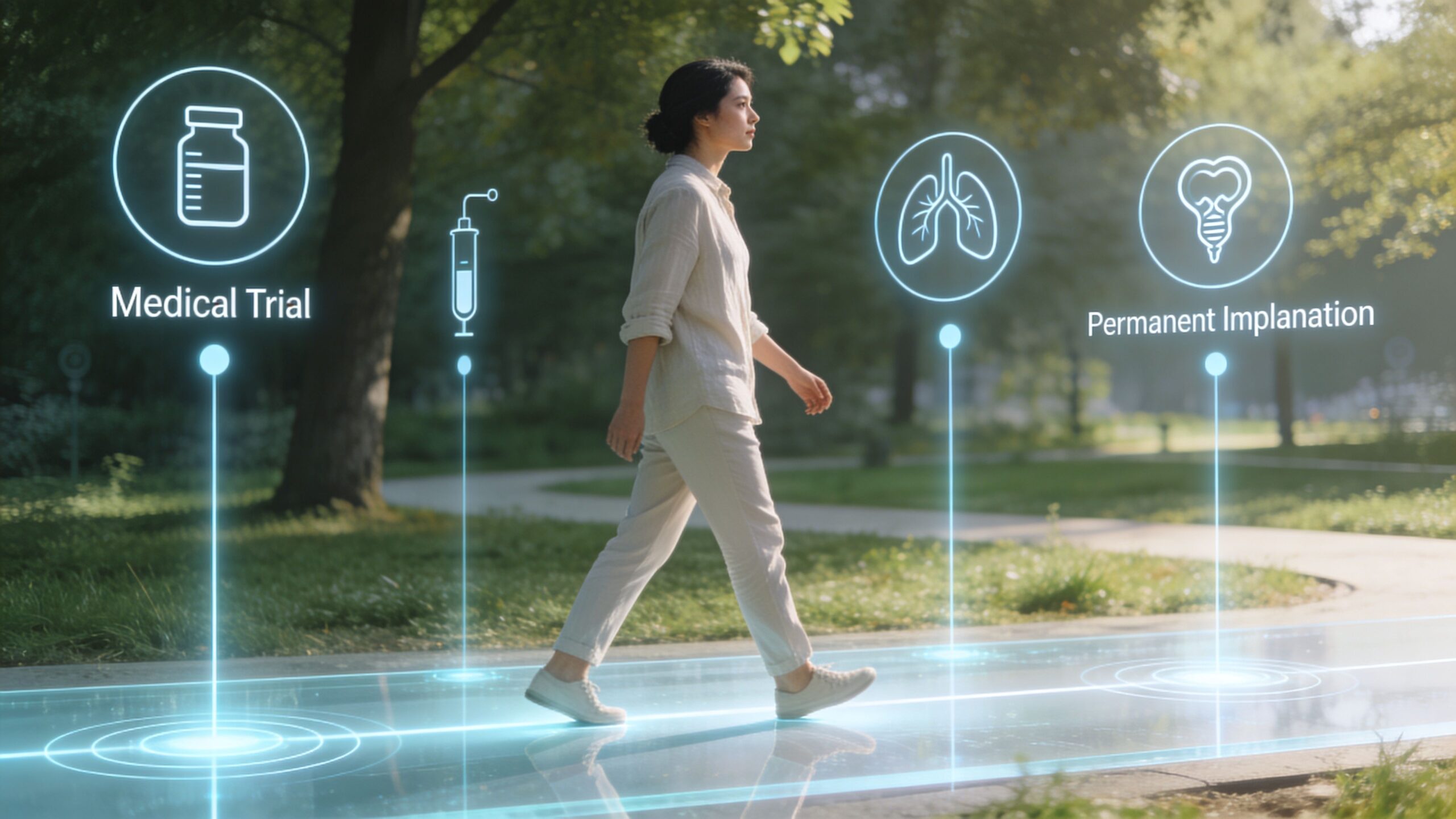
One reason patients feel more comfortable with PNS after a consultation is that the process usually happens in stages. You don't have to commit blindly to a permanent implant on day one. The treatment pathway is built to test whether the therapy is helping before moving forward.
Step one is the trial
The PNS process starts with a trial phase. A thin electrode is placed near the target nerve and connected to an external generator. If that trial provides meaningful relief, a small permanent pulse generator can then be implanted under the skin in an outpatient procedure, as described by the Neuromodulation Society’s patient overview of PNS.
For patients, the trial answers the most practical question. “Does this help my pain enough to matter in real life?” That’s more useful than speculation.
During the trial, you and your physician pay attention to things like:
- Functional change: Are you walking, sleeping, or sitting more comfortably?
- Pain pattern response: Is the original nerve pain quieter, less frequent, or less sharp?
- Comfort with stimulation: Does the therapy feel tolerable and adjustable?
What placement usually feels like
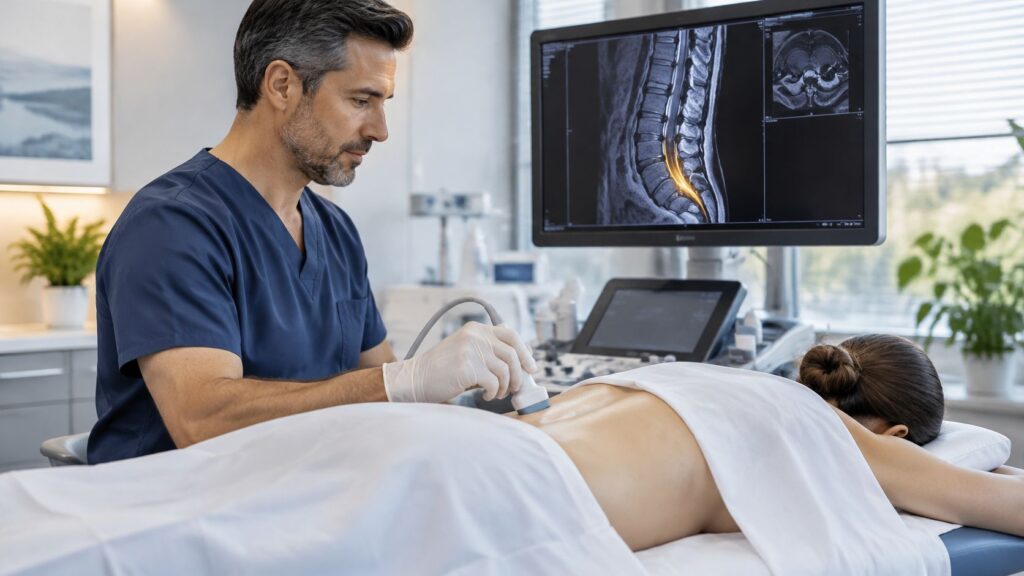
People often hear “lead placement” and imagine a major operation. In reality, modern PNS placement is designed to be minimally invasive. The electrode is positioned near the target nerve through a small access point, typically with local anesthesia on an outpatient basis.
The experience is much closer to a precision procedure than a hospital-style surgery. Patients are generally focused on comfort, clear instructions, and getting home safely the same day.
If the trial works
If the trial confirms that the therapy is helpful, the next step may be a permanent system. The implanted pulse generator sits under the skin and works much like a pacemaker in concept. It delivers programmed electrical stimulation through one or more electrodes.
Customization becomes important. PNS isn't a fixed one-setting treatment. Parameters can be adjusted based on your symptoms, your comfort, and how the pain behaves at different times of day.
To learn more about the physician behind that decision-making process, patients can read about Dr. Donkoh.
Many patients feel less anxious once they understand that the trial is there to gather real-world evidence from their own body, not force a permanent decision upfront.
Recovery and early follow-up
After placement, patients typically focus on a few basic goals. Protect the area, learn the device controls, and notice whether pain relief translates into better daily function. Light activity often returns quickly, though exact instructions depend on the treatment plan and the nerve being targeted.
In follow-up visits, the conversation usually centers on three things:
- How much your pain pattern changed
- Whether the stimulation feels comfortable
- What activities are becoming easier again
That step-by-step approach helps turn an intimidating-sounding therapy into something much more understandable. It’s a guided process, not a leap into the unknown.
Comparing Your Advanced Pain Relief Options
Not every interventional pain treatment works on the same target. Some calm a peripheral nerve. Some treat pain pathways higher up. Others interrupt pain signals from a facet joint or another structure. That’s why comparing options matters.
Temporary and long-term PNS approaches
Some PNS systems are designed for a temporary treatment period, such as the SPRINT system’s structured 60-day use described in the earlier cited clinical material. Others are intended for longer-term implantation after a successful trial. The choice depends on the pain condition, anatomy, treatment goals, and how a physician thinks your pain is most likely to respond.
A temporary system may be attractive when the goal is to provide neuromodulation without committing immediately to a long-term implanted generator. A long-term system may make more sense when symptoms are chronic, clearly targetable, and likely to need durable modulation.
How PNS compares with other procedures
A lot of confusion comes from mixing up PNS, spinal cord stimulation, and radiofrequency ablation. They’re all interventional pain treatments, but they don’t do the same job.
| Treatment | Target Area | Best For | Procedure Type |
|---|---|---|---|
| PNS | A specific peripheral nerve | Localized nerve-related pain, post-surgical nerve pain, occipital neuralgia, CRPS, selected back or limb pain | Trial stimulation, then temporary or implanted neuromodulation depending on plan |
| Spinal Cord Stimulation | Pain pathways near the spinal cord | Broader pain patterns that may involve the back, legs, or failed spine surgery syndromes | Trial stimulation followed by possible implanted system |
| Radiofrequency Ablation | Small sensory nerves serving painful joints | Pain coming from structures such as facet or sacroiliac joints rather than a peripheral nerve injury | Needle-based outpatient procedure that disrupts pain transmission |
Why one patient gets one recommendation and another doesn’t
A patient in Evergreen Park with burning pain along a defined nerve path may be a better fit for PNS. A patient with pain driven by arthritic facet joints may respond better to radiofrequency ablation. Someone with a broader spine-related pain pattern may be directed toward spinal cord stimulation instead.
That is why individualized assessment matters more than online self-diagnosis.
For an overview of interventional options offered in one pain practice setting, you can review procedures used for treatment.
The bigger picture
The best pain plan usually isn’t “pick the fanciest procedure.” It’s “match the tool to the pain generator.” In many cases, PNS becomes valuable because it is focused, adjustable, and reversible in its decision pathway.
Life After Your PNS Procedure What to Expect
Most patients don’t judge PNS by the procedure itself. They judge it by ordinary moments afterward. Can I sleep with less interruption? Can I walk through the grocery store without bracing? Can I sit through my commute without counting the minutes?
That’s the right way to think about it.

What recovery usually feels like
Because PNS placement is typically minimally invasive and outpatient-based, recovery is often more manageable than patients expect. The early phase is less about “healing from surgery” and more about protecting the site, learning how the system feels, and noticing patterns in relief.
Many patients are told to return to light activity in a measured way. The exact pace depends on where the lead was placed and what movement could irritate that area. Clear instructions matter here because comfort and lead stability both count.
Getting used to the stimulation
One of the most common questions is whether you’ll always feel the device working. Not necessarily. Some patients notice a mild tingling or vibration. Others feel very little but still experience pain relief.
The main point is that therapy can often be adjusted. If the stimulation feels too strong, too distracting, or not helpful enough at certain times, the settings can be fine-tuned with your care team. That flexibility is one reason PNS fits daily life better than many patients first assume.
Daily life with a pain-control tool
PNS works best when you think of it as part of a return-to-function plan.
- At work: You may use different settings depending on whether you’re sitting, standing, or moving more.
- At night: Sleep position and comfort become part of the discussion, especially early in treatment.
- During recovery from injury or surgery: The goal is often to make movement and rehabilitation more tolerable, not merely lower a pain score.
Relief matters. Function matters just as much. If a treatment helps you move, sleep, and participate in life again, that’s the outcome most patients care about.
Follow-up is part of success
Programming and follow-up are not side details. They are part of the treatment. If pain changes, activity increases, or the stimulation doesn’t feel right, the settings or plan may need to be adjusted.
That doesn’t mean something is going wrong. It means neuromodulation is interactive. A well-managed PNS plan pays attention to what your nervous system is doing in real life, not just what happened in the procedure room.
Frequently Asked Questions About PNS in Illinois
Patients near Chicago Ridge often ask very practical questions once they understand the basic idea. That’s where the conversation becomes less about theory and more about day-to-day decision-making.
Will I feel the stimulation all the time
Not always. Some people feel a mild tingling, vibration, or other non-pain sensation. Others notice relief without much awareness of the stimulation itself. The goal is comfort and pain reduction, not a constant distracting feeling.
If the stimulation feels uncomfortable, modern systems can often be adjusted. Some systems, including SPRINT, have app-based remote adjustments that improved adherence by 40 percent in some patient groups, according to the manufacturer information on how the SPRINT PNS system works.
Can I control the device
In many cases, yes. Patient control is one of the practical strengths of PNS. Depending on the system, you may be able to turn stimulation on or off and adjust intensity or other settings within the range prescribed by your physician.
That control matters because pain doesn't behave the same way all day. Sitting at work, walking through a store, and trying to sleep can create different needs.
Is PNS a way to avoid opioids
It can be part of an opioid-sparing pain plan. PNS is designed to target pain more directly than a whole-body medication approach. That doesn’t mean every patient stops medication, but it does support a strategy focused on reducing dependence on opioids whenever clinically appropriate.
Does insurance cover PNS
Coverage depends on your insurance plan, diagnosis, documentation, and medical necessity requirements. The best approach is to ask your clinic team to review benefits and prior authorization steps before treatment. Patients should expect some paperwork, especially when advanced interventional procedures are involved.
How long does it take to know if it’s helping
That depends on the type of system and the pain being treated. In general, the purpose of the trial or early treatment phase is to determine whether relief is meaningful in your actual life. The most useful signs are often practical ones: better sleep, easier walking, less pain with daily tasks, or less disruption during recovery.
Is this only for severe cases
Not necessarily. PNS is often considered when pain is persistent, targeted, and disruptive, especially after more conservative care hasn’t done enough. The decision isn’t based only on how intense the pain feels. It’s based on whether the pain pattern matches a treatment that can be precisely targeted.
Can I still do normal daily activities
Often yes, with guidance. Your physician will tell you what to avoid early on, especially movements that could disturb lead positioning. After that, the whole point is to support safer, more comfortable return to activity.
Do I need to live in Chicago Ridge to explore this option
No. Many patients travel from Oak Lawn, Palos Hills, Palos Heights, Worth, Bridgeview, Hickory Hills, Alsip, Burbank, Evergreen Park, and Orland Park for specialty pain care in Illinois. What matters is getting evaluated by a physician who can determine whether your pain pattern is a fit for PNS.
If you’re dealing with chronic nerve pain and want an opioid-sparing treatment plan built around function, diagnosis, and precision, Midwest Pain & Wellness can help you explore whether PNS or another interventional option fits your goals. A careful evaluation is the first step toward finding relief that makes sense for your life in Illinois.