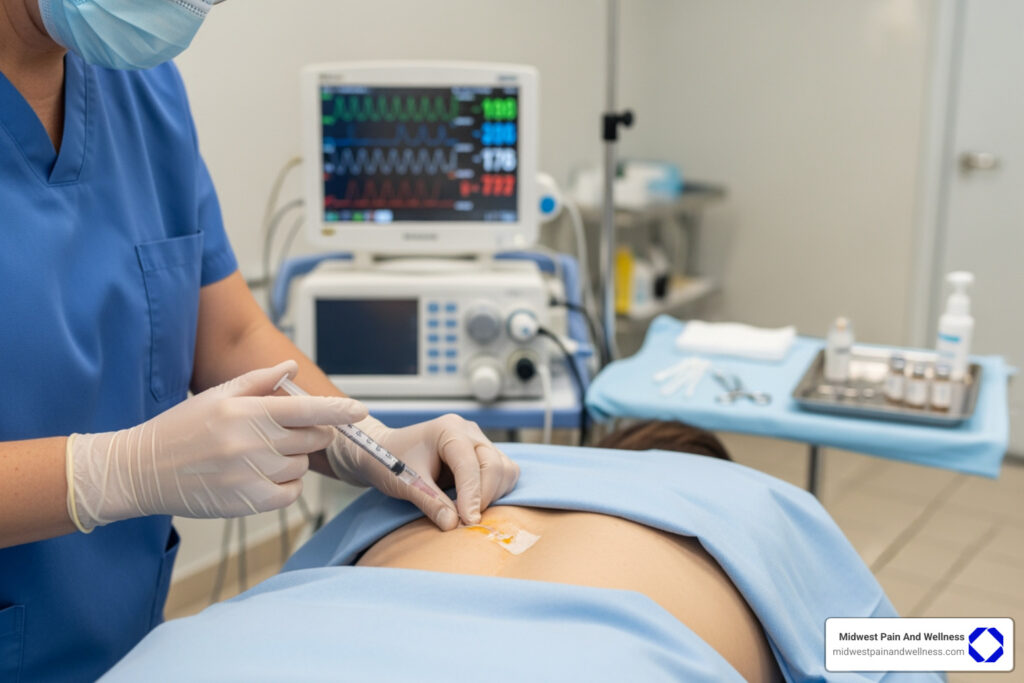
Understanding Botox for Chronic Migraine Relief
Migraine / headache + Botox treatment represents a proven medical solution for people living with chronic migraines. If you’re experiencing frequent, debilitating headaches, Botox might offer the relief you’ve been searching for.
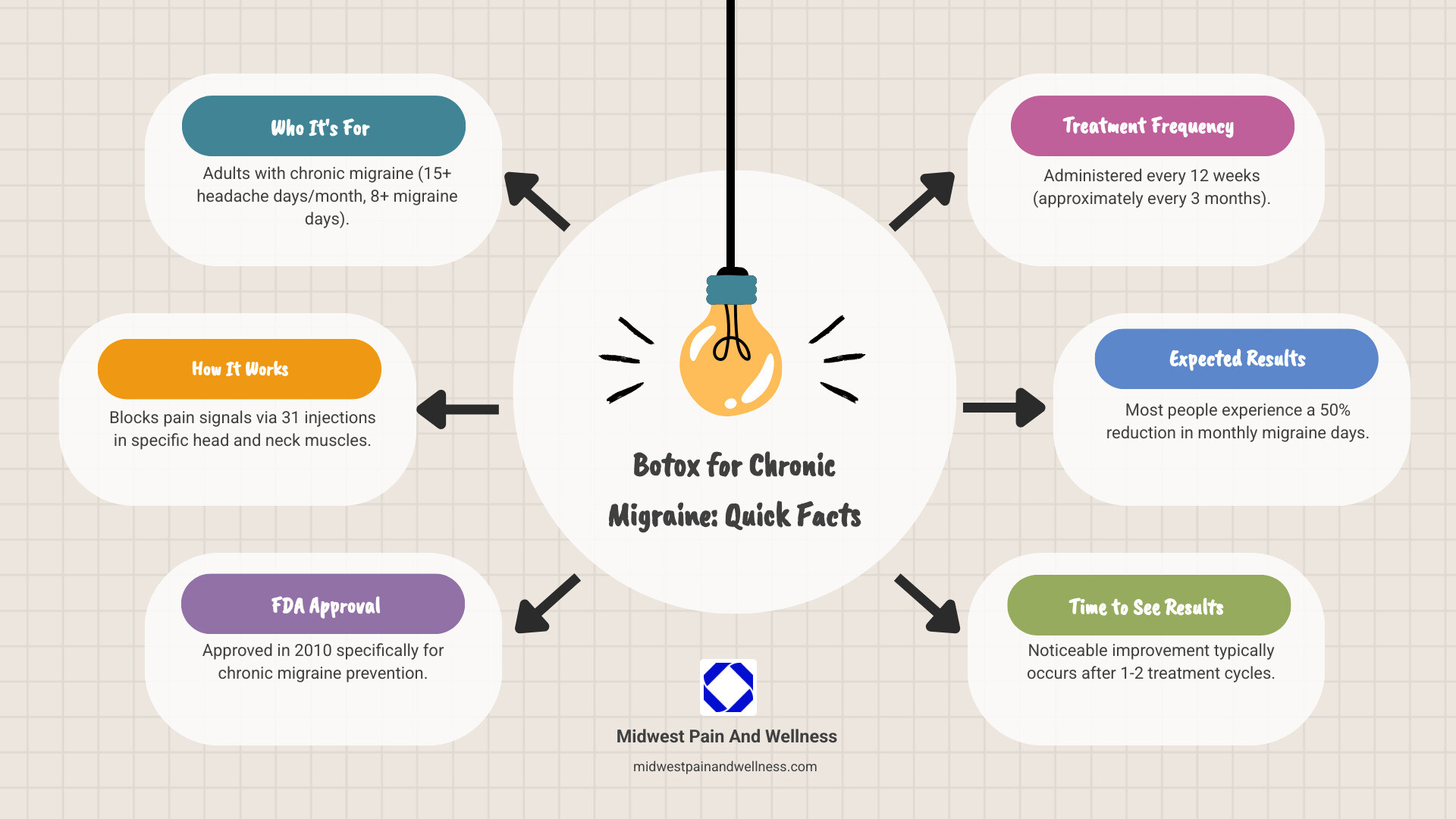
Quick Facts About Botox for Migraines:
- Who it’s for: Adults with chronic migraine (15+ headache days per month, with 8+ being migraine days)
- How it works: Blocks pain signals before they reach your brain through 31 small injections in specific head and neck muscles
- FDA approval: Approved in 2010 specifically for chronic migraine prevention
- Treatment frequency: Every 12 weeks (about every 3 months)
- Expected results: Most people experience a 50% reduction in monthly migraine days
- Time to see results: After 1-2 treatment cycles (may take 2-4 weeks to notice improvement)
For millions of Americans suffering from chronic migraines, Botox (onabotulinumtoxinA) has become a game-changer. While many people know Botox for smoothing wrinkles, its medical use goes far deeper. Since 2010, the FDA has approved it as a preventative treatment for chronic migraine headaches—not just a cosmetic procedure.
The difference is significant. When you’re dealing with headaches 15 or more days each month, traditional pain medications often fall short. Botox works differently. Instead of treating pain after it starts, it helps prevent migraine attacks from happening in the first place by blocking the release of chemicals that carry pain signals to your brain.
This isn’t about vanity. It’s about reclaiming your quality of life.
Understanding Botox and Its Role in Migraine Prevention
Botox, scientifically known as botulinum toxin type A, is a purified protein derived from the bacterium Clostridium botulinum. While the name might sound intimidating, in the hands of a trained specialist, it’s a powerful and safe tool for a variety of medical conditions, including chronic migraine / headache + Botox treatment.
At its core, Botox is a nerve toxin. But don’t worry, its therapeutic application is precisely controlled. When injected, it works by blocking the release of specific chemicals called neurotransmitters from nerve endings. These neurotransmitters are responsible for carrying pain signals. By blocking them, Botox effectively interrupts the pathway of pain transmission between the brain and nerves.
Imagine your brain constantly receiving “pain” messages from overactive nerves. Botox acts like a gentle interceptor, calming these overactive nerves and preventing those pain signals from ever reaching your brain. This mechanism is thought to also play a role in inhibiting central sensitization, a process where the nervous system becomes overly sensitive to pain, which is implicated in the development and progression of chronic migraines.
The U.S. Food and Drug Administration (FDA) officially approved Botox for chronic migraine / headache + Botox treatment in 2010. This approval came after extensive clinical trials demonstrated its effectiveness in reducing the frequency and severity of chronic migraines. This means that for individuals in Chicago Ridge, Illinois, and beyond, a new, evidence-based avenue for relief became available.
For those of us at Midwest Pain And Wellness, this understanding of how Botox works is central to our comprehensive approach to pain management. We continually explore advanced therapies that offer our patients long-term relief and improved quality of life. You can learn more about how we approach these complex conditions in our Migraine Pain Management Ultimate Guide. The FDA’s decision to approve Botox for chronic migraine was a landmark moment, as reported by sources like The FDA approved Botox for chronic migraine in 2010.
Who is a Candidate for Botox Migraine Treatment?
Not everyone with a headache is a candidate for migraine / headache + Botox treatment. This therapy is specifically approved for adult patients (age 18 and older) who suffer from chronic migraine. So, what exactly defines chronic migraine?
According to medical guidelines, chronic migraine is diagnosed when you experience:
- Headaches on 15 or more days per month.
- With at least 8 of those days being migraine days (meaning they have migraine-specific features like throbbing pain, sensitivity to light/sound, nausea, etc.).
- This pattern must persist for at least three months.
Our pain management specialists in Chicago Ridge, Illinois, will carefully assess your medical history and headache patterns to determine if you meet these criteria. Typically, Botox is considered when other traditional preventative treatments have not been successful, or if you’ve experienced intolerable side effects from them. It’s often recommended after you’ve tried and failed at least three different preventative medicines.
The decision to pursue migraine / headache + Botox treatment is a collaborative one between you and your healthcare provider. Our team at Midwest Pain And Wellness believes in individualized care, ensuring that this treatment aligns with your specific needs and health goals. We treat a wide range of conditions, and you can explore more about our conditions we treat to understand our comprehensive approach.
How Botox for Migraines Differs from Cosmetic Use
It’s natural to associate Botox with cosmetic treatments that smooth wrinkles. However, its application for chronic migraine / headache + Botox is distinctly different, both in purpose and execution. While the active ingredient (onabotulinumtoxinA) is the same, how it’s used varies significantly.
Here’s a breakdown of the key differences:
| Feature | Migraine Botox | Cosmetic Botox |
|---|---|---|
| Purpose | Prevent chronic migraine headaches | Reduce the appearance of wrinkles and fine lines |
| Dose | Standardized total dose of 155 Units | Varies, often lower total units per session |
| Injection Sites | 31 injections across 7 specific muscle areas in the head, neck, and shoulders | Fewer injections, primarily in facial muscles (e.g., forehead, around eyes, between eyebrows) |
| Mechanism | Blocks pain signals from reaching the brain; calms overactive nerves | Temporarily paralyzes specific muscles to relax the skin and smooth wrinkles |
| Frequency | Typically every 12 weeks | Varies, often every 3-4 months, or as needed for aesthetic maintenance |
| Medical Oversight | Administered by trained pain specialists or neurologists | Administered by dermatologists, plastic surgeons, or trained aesthetic practitioners |
When we administer migraine / headache + Botox for chronic migraine, our focus is entirely on interrupting pain pathways. We’re not aiming to paralyze facial muscles for aesthetic reasons. Instead, we target muscles that are connected to the nerves involved in migraine pain, such as those in the forehead, temples, back of the head, neck, and shoulders. This precise targeting is crucial for its effectiveness as a preventative treatment.
The Botox for Migraine / Headache + Botox Treatment Process: What to Expect
Starting any new medical treatment can bring questions and a bit of apprehension. Our goal at Midwest Pain And Wellness is to make the migraine / headache + Botox treatment process as clear and comfortable as possible. From your initial consultation to your follow-up appointments, we’re here to guide you.
How Botox is Administered for Migraine / Headache + Botox
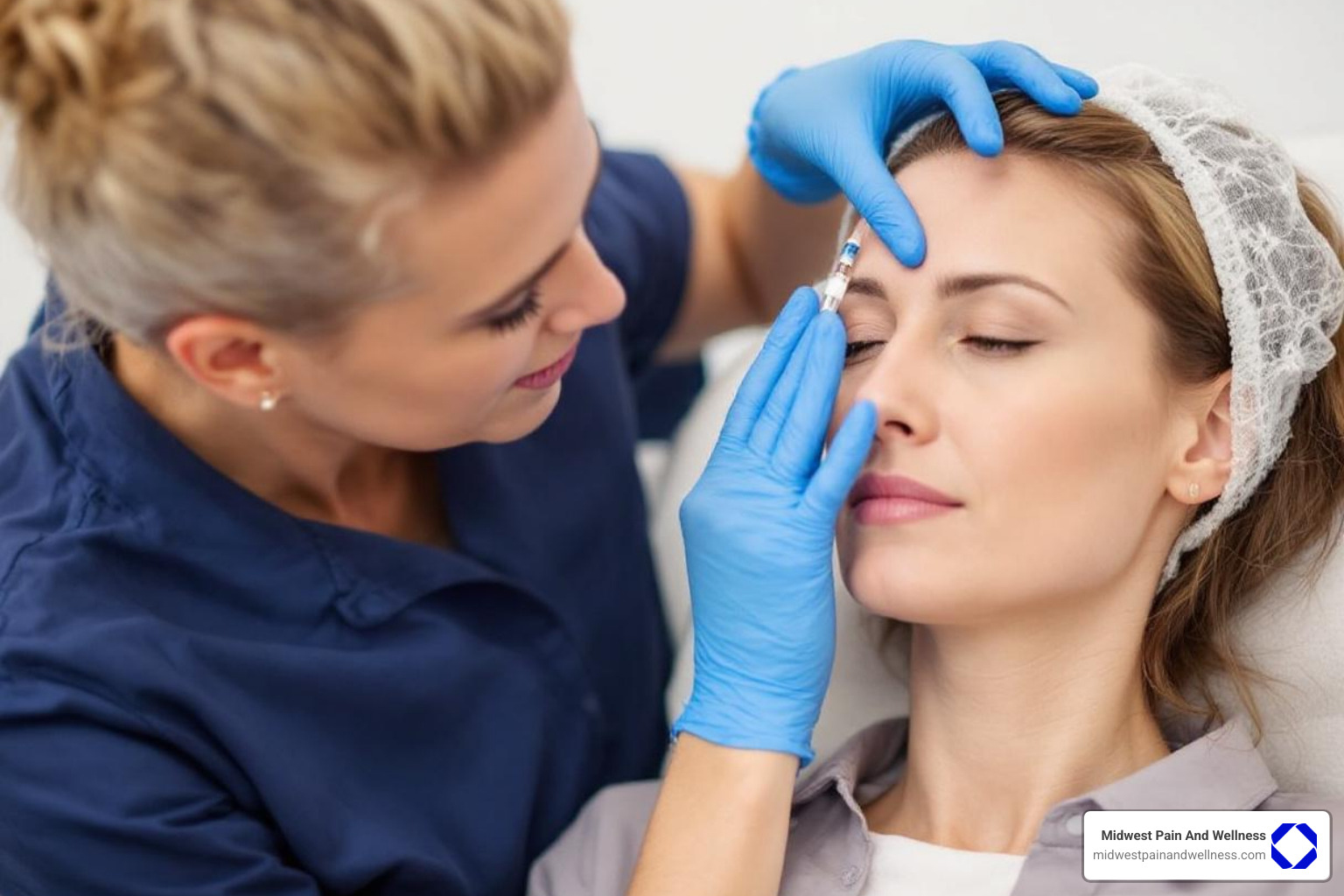
The administration of Botox for chronic migraine is a precise, standardized procedure. It’s a key reason why it’s so important to receive this treatment from an experienced and qualified pain management specialist, like our doctors in Chicago Ridge, Illinois.
During a typical session, you’ll receive 31 small injections. These injections are strategically placed across seven key muscle areas in your head and neck:
- Forehead: Several injections across the frontalis muscle.
- Temples: Injections into the temporalis muscles.
- Back of your head: Targeting muscles at the base of the skull (occipitalis).
- Neck: Injections into the cervical paraspinal muscles.
- Shoulders: Targeting the trapezius muscles.
The procedure usually takes between 15 and 20 minutes and is performed right here in our office. We use a very fine, sterile 30-gauge, 0.5-inch needle, which helps to minimize discomfort. Each injection delivers a small, precise dose of Botox (0.1 mL or 5 Units), totaling 155 Units across all sites.
During and After the Procedure
Most people describe the injections as a “quick pinch” or a “sting,” similar to a bug bite. While there are multiple injections, the discomfort is generally brief and manageable. We don’t typically use anesthesia, but if you’re concerned about pain, please discuss it with us during your consultation. Your comfort is our priority.
After the procedure, you can typically resume most of your normal daily activities right away. There’s usually no downtime. However, we do recommend a few simple precautions to ensure the best results and minimize potential side effects:
- Avoid rubbing or massaging the injection sites for at least 24 hours. This helps prevent the Botox from spreading to unintended areas.
- Do not lie down for about 4 hours after your treatment. Staying upright helps the Botox settle into the targeted muscles.
- Avoid strenuous exercise or activities that cause excessive sweating for at least 24 hours. This can increase blood flow to the injection sites and potentially affect the distribution of Botox.
- Avoid dyeing your hair or using chemical hair treatments for 24 hours before and after your treatment.
You might experience some mild redness, swelling, or tenderness at the injection sites, but these typically resolve quickly. We’ll provide you with detailed aftercare instructions at your appointment.
Benefits vs. Risks: A Balanced View
Deciding on any medical treatment involves weighing the potential benefits against the risks. At Midwest Pain And Wellness, we believe in open and honest discussions with our patients in Chicago Ridge, Illinois, to ensure you have all the information needed to make an informed choice about migraine / headache + Botox treatment. Our multi-modal, interventional approach prioritizes your safety and well-being. More about our expert team is available on our website.
Potential Benefits of Botox for Migraines
For eligible individuals suffering from chronic migraines, Botox can offer significant relief and a dramatically improved quality of life. The benefits often include:
- Reduced Migraine Frequency: Clinical trials have shown that most people experience a 50% reduction in their monthly migraine days, and sometimes even more. This can mean fewer days lost to debilitating pain.
- Decreased Severity and Duration: Beyond just reducing the number of migraines, Botox can also lessen how severe they are and how long they last.
- Improved Quality of Life: Imagine having more days free from pain to spend with family, pursue hobbies, or simply engage in daily activities without fear of an impending migraine. This is the ultimate goal of migraine / headache + Botox treatment.
- Complementary Treatment: Botox can often be used alongside your existing acute migraine medications without negative interactions. It acts as a preventative layer of defense, allowing other medications to be used more sparingly for breakthrough migraines.
- Long-Term Effectiveness: For many, consistent Botox treatments provide sustained relief over the long term, helping to break the cycle of chronic migraine.
Risks and Potential Side Effects
While generally safe when administered by a qualified professional, like our doctors at Midwest Pain And Wellness, migraine / headache + Botox treatment does carry potential risks and side effects. Most side effects are mild and temporary:
-
Common Side Effects:
- Neck Pain and Stiffness: This is one of the most common side effects, affecting about 9% of patients in clinical trials.
- Headache/Migraine: Ironically, a new headache or worsening of migraine can occur (about 5%).
- Injection Site Reactions: Mild pain, bruising, or swelling at the injection sites (affecting about 3-10%).
- Muscular Weakness: Around 4% of patients may experience generalized muscle weakness.
- Eyelid Ptosis (Drooping Eyelid): This can occur in about 4% of patients and is usually temporary.
- Flu-like Symptoms: Some individuals report feeling generally unwell, similar to having the flu.
- Temporary Appearance Changes: Due to injections in the forehead, some patients may notice a temporary change in eyebrow position.
-
Rare but Serious Risks: These are much less common but require immediate medical attention:
- Spread of Toxin Effect: Though rare, the botulinum toxin can spread from the injection site, causing symptoms consistent with botulism. This can lead to problems with swallowing, speaking, or breathing (which can be life-threatening), muscle weakness, double vision, blurred vision, or loss of bladder control. If you experience any of these symptoms hours to weeks after your injection, seek medical help right away.
- Allergic Reactions: Severe allergic reactions, including anaphylaxis, are possible but rare.
- Cardiovascular Events: In post-marketing experience, some cardiovascular events including arrhythmia and myocardial infarction, sometimes with fatal outcomes, have been reported, though a causal relationship is not established.
It’s crucial to be aware of these potential risks. We encourage you to Read the official Medication Guide for comprehensive safety information. You are also encouraged to report any negative side effects of prescription drugs to the FDA by visiting www.fda.gov/medwatch or calling 1-800-FDA-1088.
Long-Term Management and Outlook

Living with chronic migraine can be a long journey, but migraine / headache + Botox treatment offers a path to more consistent relief. Our team in Chicago Ridge, Illinois, is committed to supporting you through this journey, helping you achieve a better quality of life through effective pain management. We believe in more about chronic pain treatment that empowers you to live more fully.
How Long Does Botox for Migraine / Headache + Botox Last?
The effects of migraine / headache + Botox treatment are not permanent, but they are long-lasting enough to provide significant relief between treatments.
- Duration: The effects typically last between 10 and 12 weeks.
- Treatment Frequency: To maintain consistent relief and prevent migraines effectively, treatments are usually needed every 12 weeks (approximately every 3 months). Sticking to this regular schedule is key for preventative treatment.
- Time to See Results: While some patients might start to feel effects within one to two weeks, it’s important to be patient. It may take two to three treatment cycles (around 6 months of regular injections) before you experience the full benefits and optimal reduction in migraine frequency and severity. In clinical trials, if the number of chronic migraine days hasn’t reduced by at least 30% after two courses of treatment, your provider may recommend stopping the treatment.
The long-term outlook for individuals who respond well to migraine / headache + Botox is generally very positive. Many patients find that consistent treatments significantly reduce their migraine burden, allowing them to participate more fully in their lives.
Recovery and Contraindications
The recovery process after migraine / headache + Botox injections for migraine is usually minimal. As mentioned, most people experience no downtime and can return to their daily activities immediately, following a few simple precautions.
However, there are specific precautions and contraindications that our specialists will discuss with you to ensure your safety:
- Pregnancy and Breastfeeding: Botox is not approved for use during pregnancy or while breastfeeding. If you are pregnant, planning to become pregnant, or breastfeeding, our providers will discuss alternative safe and effective migraine treatment options with you.
- Allergies: You should not receive Botox if you have a known allergy to any botulinum toxin product or its ingredients.
- Skin Infection: If you have a skin infection at the proposed injection sites, treatment will be postponed until the infection clears.
- Neuromuscular Disorders: Individuals with certain pre-existing muscle or nerve conditions, such as Amyotrophic Lateral Sclerosis (ALS), myasthenia gravis, or Lambert-Eaton syndrome, are at an increased risk of serious side effects from Botox. It’s crucial to inform your provider about any such conditions.
- Medication Interactions: Be sure to inform your provider about all medications, supplements, and herbal remedies you are taking. Botox can interact with certain drugs, including muscle relaxants, allergy or cold medicine, and sleep medicine, potentially increasing the risk of side effects.
Your health and safety are our highest priority. We will conduct a thorough evaluation to ensure that migraine / headache + Botox treatment is appropriate and safe for you.
Frequently Asked Questions about Botox for Migraines
When considering migraine / headache + Botox treatment, it’s common to have many questions. Here are answers to some of the most frequently asked ones:
Does the treatment hurt?
Most patients describe the experience as a “quick pinch” or a “sting,” similar to a minor pinprick or a bug bite. While there are multiple injections (31 in total), the needle used is very small and fine, and the injections are shallow. The discomfort is brief and usually well-tolerated. No anesthesia is typically required, but if you’re particularly sensitive to pain, discussing this with your provider beforehand can help us make the experience as comfortable as possible for you.
Will my insurance cover Botox for migraines?
Insurance coverage for migraine / headache + Botox can vary. However, because it is an FDA-approved treatment for chronic migraine, many insurance plans, including Medicare and Medicaid, do provide coverage. Typically, insurance companies require that you meet specific criteria, such as:
- Having a diagnosis of chronic migraine (15 or more headache days per month).
- Having tried and failed or not tolerated at least two or three other preventative migraine medications.
- Receiving the treatment from a qualified specialist.
You will likely need pre-authorization from your insurance company before starting treatment. Our administrative team at Midwest Pain And Wellness can assist you with understanding your benefits and navigating the pre-authorization process. Additionally, patient assistance programs, such as those offered by the manufacturer (AbbVie), may be available to help with costs.
Can I stop my other migraine medications?
Botox for migraines is a preventative treatment, meaning it works to reduce the frequency and severity of your migraines over time. It is not an acute treatment designed to stop a migraine attack once it has started. Therefore, it is generally intended to be used in conjunction with your existing acute migraine medications (those you take when a migraine occurs) and potentially other preventative medications.
It is absolutely crucial that you do not stop any of your prescribed migraine medications without first consulting your doctor. Your provider will work with you to create a comprehensive treatment plan that may include Botox, other preventative medications, and acute treatments. Over time, as your migraines improve with Botox, your provider may adjust your other medications, but this should always be done under their medical guidance.
Take Control of Your Migraines
Chronic migraines can be incredibly debilitating, impacting every aspect of your life. But with advancements in treatment like migraine / headache + Botox, there is significant hope for achieving lasting relief and reclaiming your well-being. This FDA-approved preventative treatment offers a safe and effective option for many who haven’t found success with traditional therapies.
At Midwest Pain And Wellness in Chicago Ridge, Illinois, our double board-certified doctors are dedicated to providing comprehensive, opioid-free pain management. We use a multi-modal, interventional approach, collaborating with you to create custom care plans custom to your unique needs. If you’re struggling with chronic migraines, we invite you to explore how migraine / headache + Botox treatment could be a game-changer for you.
Don’t let chronic migraines dictate your life any longer. Schedule an appointment to discuss Botox for your chronic migraines with our expert team today. Let us help you find the path to long-term pain relief and a better quality of life.