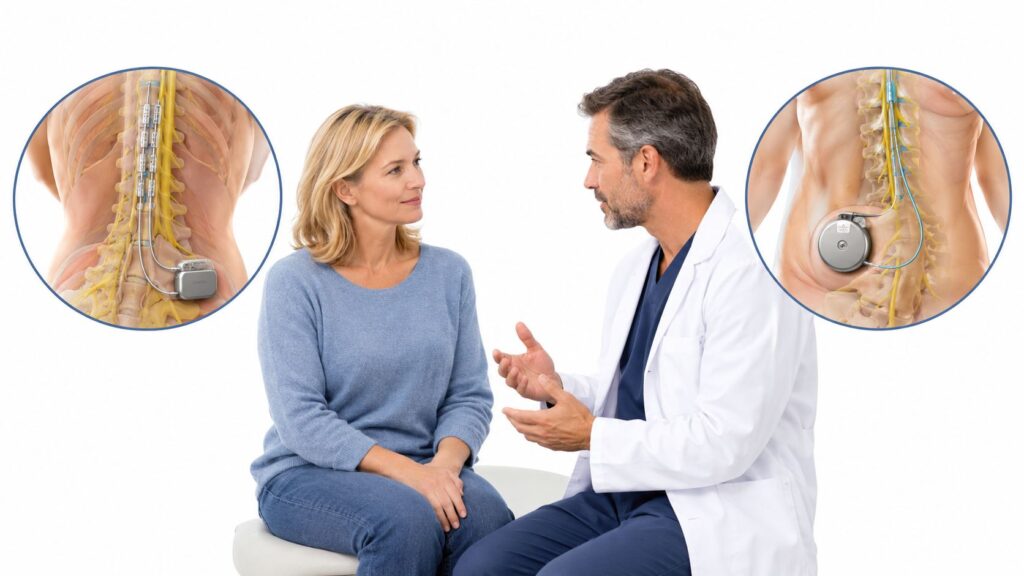
Understanding Chronic Pain and the Path to Relief
Biofeedback pain management is a non-invasive, drug-free technique that teaches you to control physiological processes like muscle tension and heart rate to reduce pain. Using real-time feedback from sensors, you learn self-regulation skills to break the pain-stress cycle and find lasting relief.
Key Benefits of Biofeedback for Pain:
- Non-pharmacological – No medications or side effects
- Evidence-based – Proven effective for migraines, back pain, fibromyalgia, and TMJ
- Self-empowering – You gain control over your body’s pain responses
- Complementary – Works alongside other treatments in a comprehensive care plan
- Long-lasting – Skills learned continue working after treatment ends
Chronic pain affects 20% of adults globally, impacting every aspect of life. While traditional approaches often rely on medications or invasive procedures, there’s another path.
Biofeedback represents a shift in pain management. Instead of being a passive recipient of treatment, you become an active participant in your healing. This mind-body technique uses monitoring equipment to show you what’s happening inside your body in real-time, then teaches you how to change it.
The beauty of biofeedback is its simplicity. By learning to control physical responses you normally can’t feel – such as subtle muscle tension or slight changes in skin temperature – you can interrupt the pain-stress cycle before it escalates.
This article will guide you through everything you need to know about biofeedback pain management: how it works, what conditions it treats, what to expect from therapy, and how it can fit into your personalized pain relief strategy.
Understanding Biofeedback: How It Puts You in Control of Pain
When you feel stressed, your shoulders may tense up or your jaw may clench without you realizing it. Biofeedback gives you the power to see that tension in real-time and learn to release it before it triggers pain.
Biofeedback pain management is not a treatment that happens to you; it’s a skill you learn. It creates a conversation between your body and mind, teaching you to control physical responses that usually run on autopilot, such as your heart rate, muscle tension, and breathing patterns.
Chronic pain creates a vicious cycle: pain causes stress, stress tenses muscles, and tense muscles create more pain. Your body gets stuck in a pattern of involuntary reactions that make everything worse. However, the mind-body connection works both ways. If stress increases pain, then relaxation can reduce it.
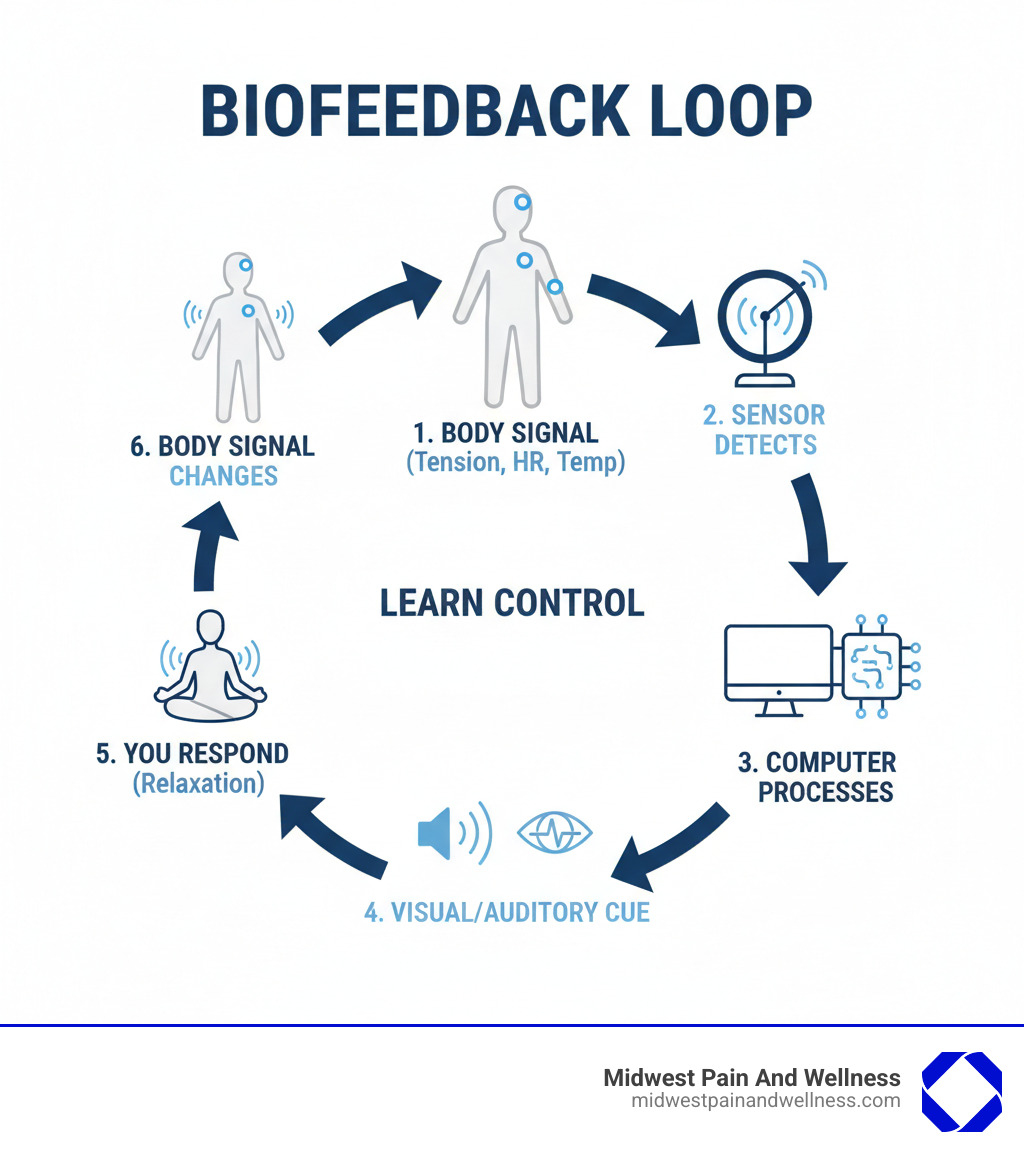
Biofeedback breaks the pain-stress cycle by making the invisible visible. Through real-time feedback, like a graph on a screen or tones that change with your body’s responses, you start to understand what’s happening inside you. This visual or auditory cue becomes your teacher. This is a form of operant conditioning; when you take a deep breath and see your heart rate slow down, your brain makes a connection. This positive feedback reinforces the behavior, and over time, you develop self-regulation skills that work even without the equipment.
The Biofeedback Process Explained
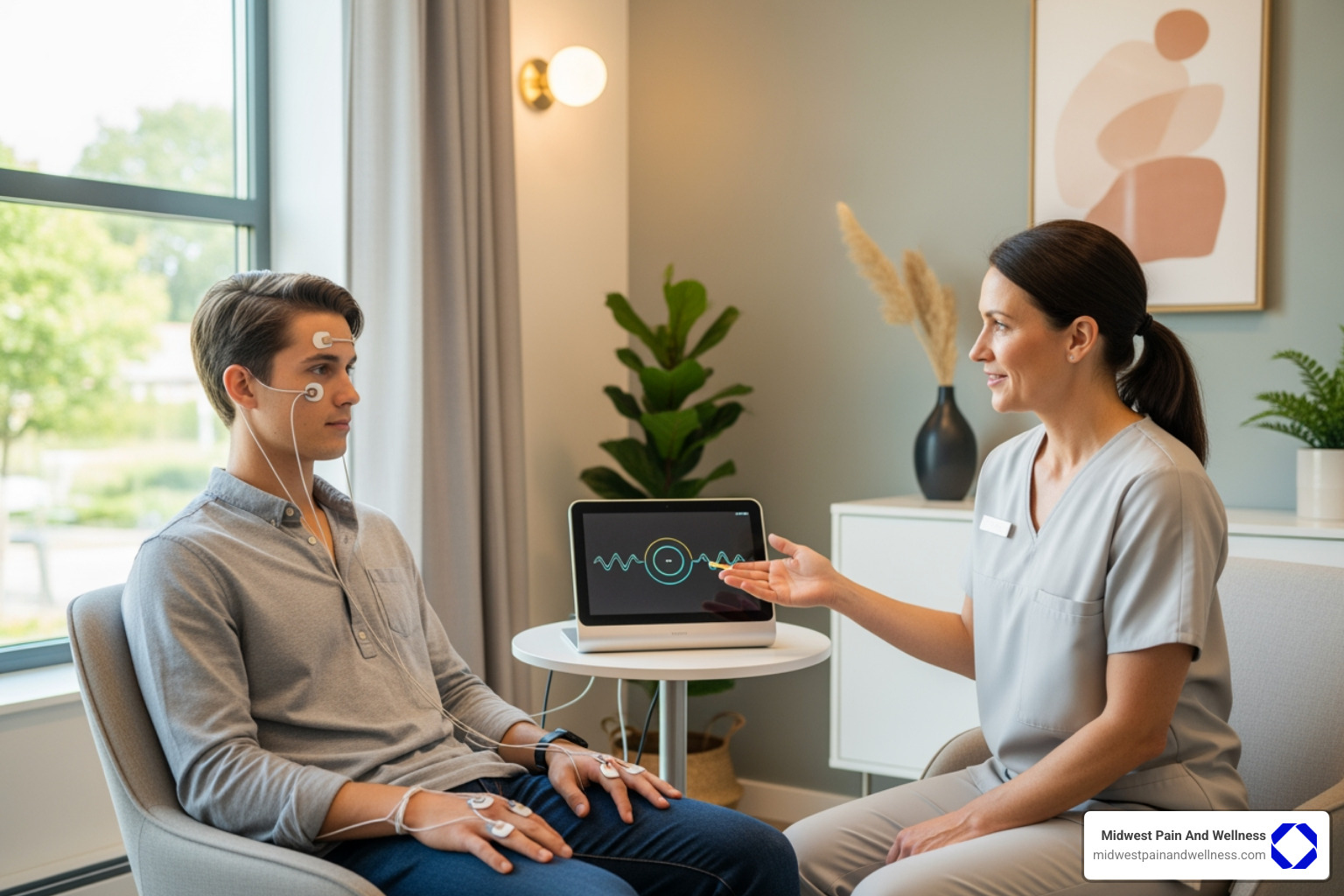
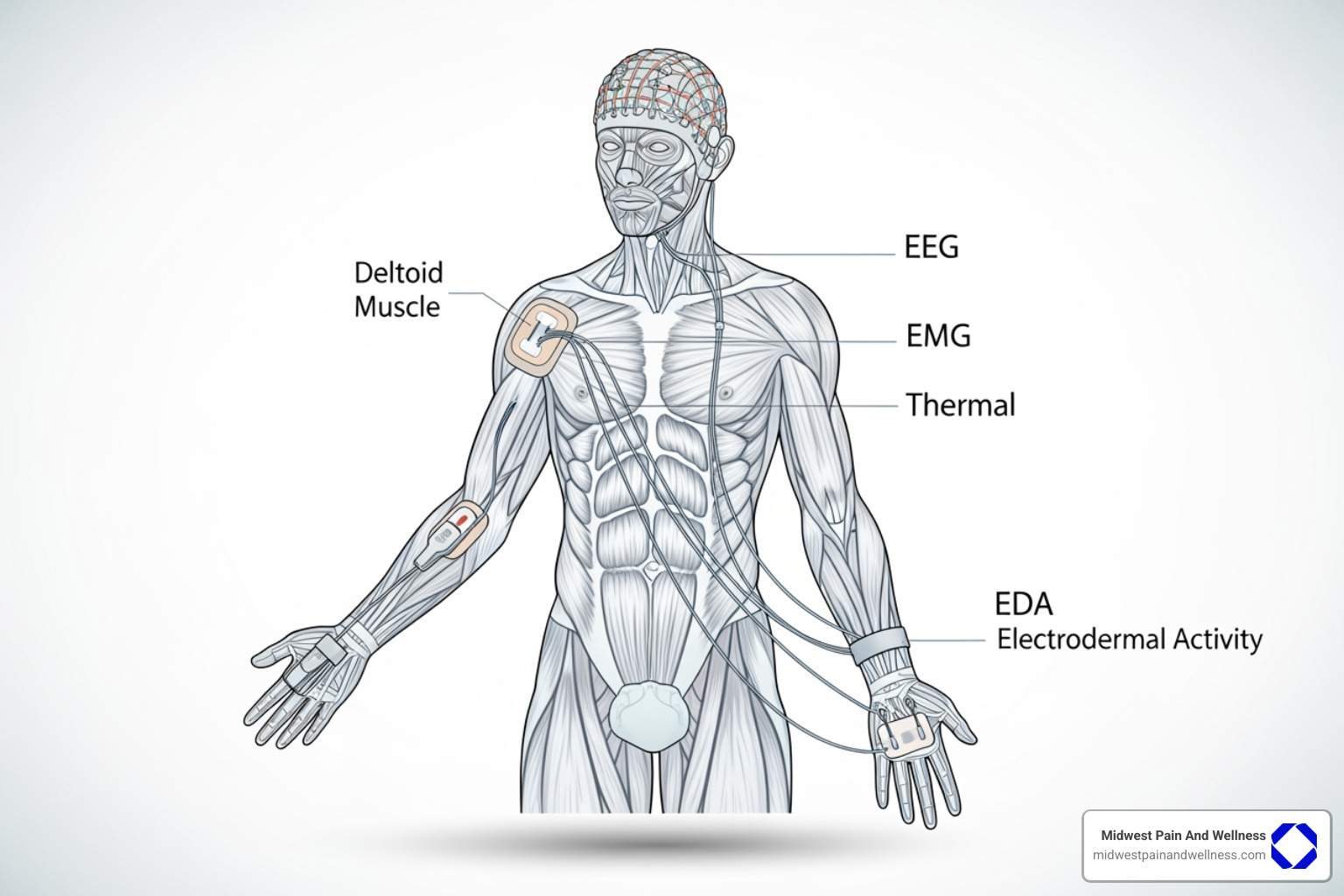
During a biofeedback session, a therapist places small, painless sensors on your skin. These non-invasive sensors gather information by monitoring your muscle activity (EMG), skin temperature, heart rate, breathing, or even brain wave activity (neurofeedback). Some track sweat gland activity to measure emotional stress. Each of these functions tells a story about how your body responds to pain and stress.
The computer translates this data into understandable feedback, such as a bar graph, a color-changing image, or a simple video game controlled by your relaxation. With your therapist’s guidance, you’ll practice relaxation techniques like deep breathing, progressive muscle relaxation, or guided imagery. The key is watching the feedback change as you practice, learning which strategies work for your body. With practice, you internalize these skills and eventually won’t need the equipment to control these responses on your own.
The Goal: From Involuntary Reaction to Conscious Response
The ultimate aim of biofeedback pain management is to transform your body’s automatic and unhelpful response to pain. Chronic pain puts your body on high alert, keeping muscles tense and your nervous system revved up, which amplifies pain perception.
Biofeedback teaches you to interrupt this pattern. When you learn to consciously reduce muscle strain in your shoulders or jaw, you can stop a headache or prevent back pain from worsening. Lowering your heart rate and calming your nervous system also has profound effects, shifting your body out of fight-or-flight mode and making pain less intense.
Some types of biofeedback, like thermal biofeedback, even help regulate blood flow. It teaches you to warm your hands, a skill that can prevent migraines in some people. Most importantly, deep relaxation activates your body’s natural pain-relief systems, reducing both the physical sensation and emotional suffering of pain.
This is empowerment in pain management. You’re not waiting for a pill to work; you’re actively changing how your body responds to pain and building skills that last a lifetime. At Midwest Pain And Wellness, we believe in giving you the tools to take control. To learn more, visit More info about our approach to pain.
Types of Biofeedback and the Conditions They Treat
Biofeedback is like a toolbox; different types of pain require different tools. Each technique uses specialized sensors to give you targeted feedback, helping you develop control where it’s needed most. Understanding which type of biofeedback matches your condition is the first step toward learning skills that address the root causes of your pain.
Electromyography (EMG) for Muscle-Related Pain
If your pain involves tight, knotted muscles, EMG biofeedback could be what you need. EMG (Electromyography) measures the tiny electrical signals your muscles produce when they contract. Sensors on your skin pick up this activity and translate it into feedback, allowing you to “see” your muscle tension – even subtle tension you weren’t aware of.
This awareness is powerful. By observing your muscle tension in real-time, you can experiment with relaxation techniques and immediately see what works. EMG biofeedback pain management is effective for conditions where muscle tension is a primary factor. For chronic low back pain, it helps you identify and relax overworked muscles. For neck and shoulder pain, it addresses chronic tension from stress or poor posture.
EMG can also help with tension headaches, which often originate from tight scalp and neck muscles. For those with temporomandibular joint disorders (TMJ) from jaw clenching, EMG can reveal these patterns and help you release them. It can even benefit pelvic pain by teaching you to relax or coordinate pelvic floor muscles. Mastering muscle control is a skill you carry with you, offering relief without medication or side effects. To see the conditions we treat, visit A look at conditions we treat.
Thermal Biofeedback for Vascular Conditions
When you’re stressed, your body redirects blood flow, making your hands cold. Thermal biofeedback uses this connection between your mental state and body temperature. A sensor on your finger or toe measures your skin temperature. Your goal is to learn how to consciously increase your skin temperature by regulating blood flow, which indicates a state of relaxation.
This is a trainable skill with clinical applications. For migraine headaches, which often involve abnormal blood vessel activity, learning to regulate blood flow can reduce their frequency and intensity. For Raynaud’s disease, a condition where blood vessels in fingers and toes constrict excessively, thermal biofeedback can teach you to keep those vessels open and maintain circulation. Beyond specific conditions, the ability to warm your hands is a reliable sign that your nervous system is shifting into a relaxed state, improving your overall resilience to pain.
Neurofeedback (EEG) and Heart Rate Variability (HRV)
Other forms of biofeedback tune into your brain and heart rhythms.
Neurofeedback, or EEG biofeedback, measures your brainwave activity. Your brain produces different electrical patterns depending on your mental state (e.g., alert, relaxed, anxious). Through real-time feedback, often via a video game, you learn to generate more helpful brainwave patterns. This can be beneficial for complex conditions like fibromyalgia, where the brain may process pain signals differently.
Neurofeedback also shows promise for anxiety, depression, and PTSD – conditions that often accompany and worsen chronic pain. It can help calm an overactive stress response system and improve emotional resilience.
Heart Rate Variability (HRV) biofeedback focuses on the subtle variations between heartbeats. A healthy heart has slight irregularities, reflecting an adaptable nervous system. Chronic pain and stress reduce HRV, indicating a rigid, stressed state. HRV biofeedback teaches you specific breathing techniques (around 5-6 breaths per minute) to optimize this variability. Practicing these patterns while watching your HRV feedback helps balance your nervous system, leading to better sleep, reduced anxiety, and a greater sense of control. Both neurofeedback and HRV are sophisticated approaches to biofeedback pain management that fine-tune your body’s control centers. For more details, explore Biofeedback as a Treatment of Chronic Pain.
The Science and Benefits of Biofeedback Pain Management
The science backing biofeedback pain management is solid. Research shows it works as a powerful complementary therapy for chronic pain. It’s a non-pharmacological intervention that teaches you to change physiological responses, like muscle tension and heart rate variability, to interrupt the pain-stress cycle. By learning these skills, you can foster relaxation and reduce the muscle strain that often worsens pain. Biofeedback doesn’t just mask symptoms; it helps you develop real control over the processes contributing to your pain, leading to improved functional outcomes and a better quality of life.
Proven Benefits of Biofeedback Pain Management
The impact of biofeedback pain management goes beyond the numbers on a pain scale. It’s about gaining skills that transform how you live. Here’s what patients often experience:
- Reduced pain intensity – Many people report significant decreases in their pain levels.
- Decreased reliance on medications – Some patients can reduce or even eliminate their need for painkillers.
- Improved sleep quality – Profound relaxation techniques can help restore sleep disrupted by chronic pain.
- Lowered anxiety and stress – The same skills that manage pain also reduce stress, a factor that often worsens pain.
- Long-term coping skills – These are tools you can use for the rest of your life, long after sessions are complete.
- Non-invasive with no side effects – Unlike many medications, biofeedback carries no risks or complications. It requires practice and may not work for everyone, but for most, it opens doors to better function and participation in life.
Comparing Biofeedback Pain Management to Other Strategies
It’s helpful to understand how biofeedback compares to traditional approaches. Medications work on you, while biofeedback teaches you to work with your body.
Traditional medications use chemicals to alter pain signals or reduce inflammation. You are a passive recipient. Biofeedback pain management, in contrast, teaches you to regulate your own physiological responses through real-time feedback. You actively learn to control muscle tension, heart rate, and even brainwaves, becoming a manager of your own body.
This difference leads to different outcomes. Medications carry potential side effects, from drowsiness to more serious long-term concerns like addiction. Biofeedback has no side effects. Medication works as long as you take it, and its effectiveness can decrease over time. Biofeedback develops lasting skills that you can use independently, long after treatment ends.
Medications primarily target symptom reduction. Biofeedback takes a holistic mind-body approach, addressing the underlying physiological and psychological responses that contribute to pain. While medications have their place, especially for acute pain, biofeedback pain management empowers you with control. It is often most effective when integrated into a comprehensive treatment plan.
At Midwest Pain And Wellness, we believe in this kind of multidisciplinary approach, combining the best of what works to create a care plan customized for you.
What to Expect from Your Biofeedback Therapy Journey
Starting biofeedback pain management requires your active participation. Think of it as learning a new, life-changing skill, not undergoing a passive treatment. Your practitioner is your coach, but you’re the one who has to train. The effort you put in translates directly into your ability to manage pain for life.
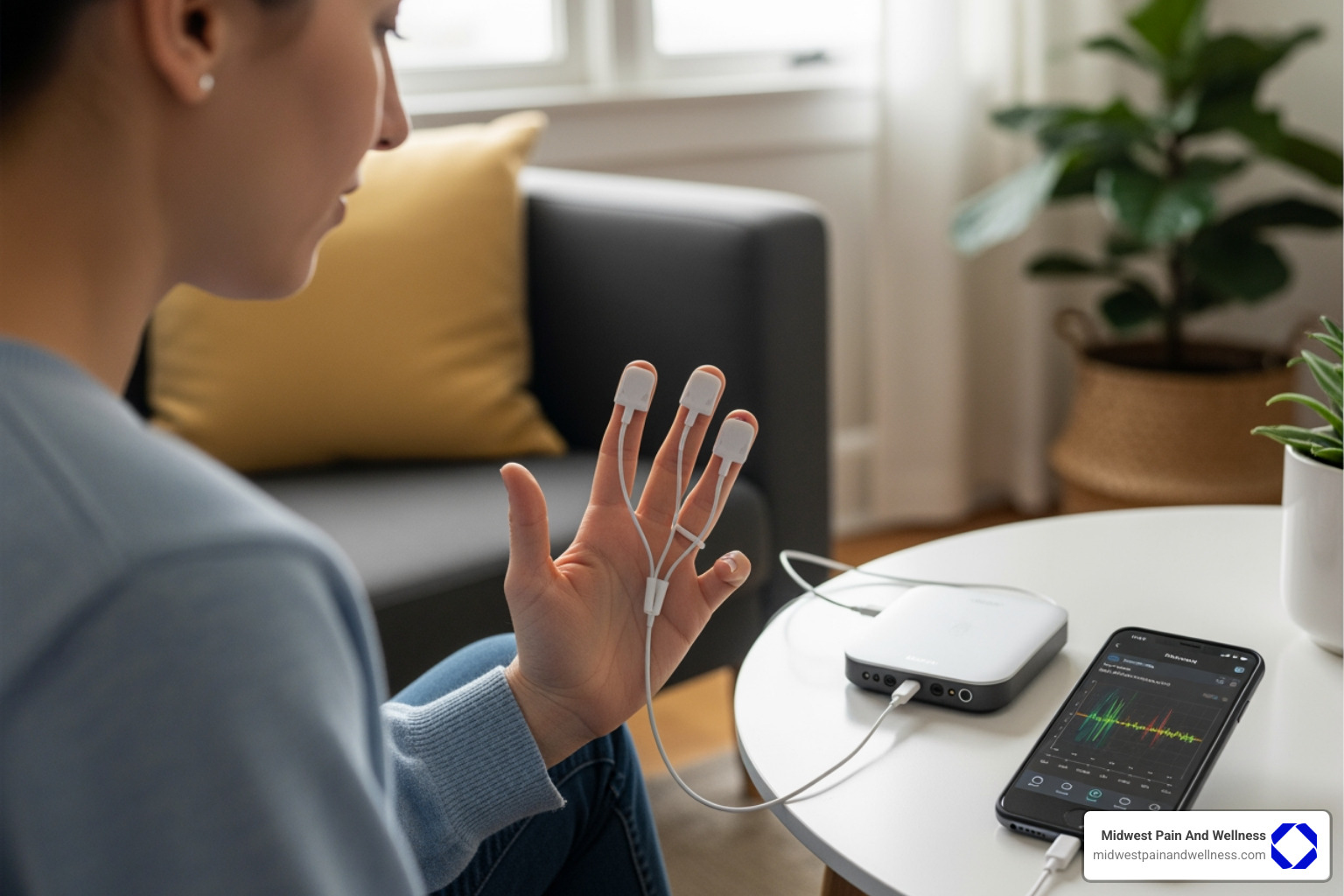
This journey extends beyond the clinic. You’ll be encouraged to practice at home, reinforcing what you’ve learned. You might even use modern tools like wearable devices or smartphone apps to support your progress.
Finding a Qualified Practitioner
Your first step is finding the right guide. Biofeedback practitioners come from various healthcare backgrounds, including psychologists, physical therapists, nurses, and counselors. Many experienced practitioners are certified through the Biofeedback Certification International Alliance (BCIA). This certification shows they have completed specialized training and have experience helping people like you.
When searching for a practitioner, don’t hesitate to ask questions. You deserve to feel confident in their abilities. Ask about their license and certifications (especially BCIA), their experience treating your specific condition, the expected number of sessions, the costs, and whether your insurance might provide coverage. A good practitioner will welcome these questions. Finding someone who has the right credentials and makes you feel comfortable is key.
The Typical Biofeedback Treatment Plan
While every person’s journey is unique, a general framework exists. Session duration is typically 30 to 60 minutes. A full course of treatment usually spans about 10 to 20 sessions over three months.
Early on, you might meet once or twice a week to build skills quickly. As you improve, sessions may become less frequent. Many people start noticing real benefits within the first 10 sessions. Some conditions respond faster, while others may need more time and practice. Consistency is key.
The ultimate goal is not to keep you in therapy forever. It’s to develop skills for life – self-regulation techniques you can use independently, without equipment, whenever you need them. Imagine being able to calm your nervous system or relax tense muscles just by using the techniques you’ve learned. That’s the power of biofeedback.
We create custom care plans that address your specific goals. To see how we integrate biofeedback with other procedures, please visit Explore our treatment procedures.
Frequently Asked Questions about Biofeedback Therapy
We know that trying a new approach to pain management can raise questions. We want you to feel informed and comfortable as you consider if biofeedback pain management is right for you. Here are answers to some of the most common questions we hear.
Is biofeedback painful?
No, biofeedback is a gentle and completely non-invasive approach. Painless sensors are placed on your skin to detect signals your body is already producing. There are no needles, shocks, or discomfort. The entire process is designed to promote relaxation and ease. If you’ve been hesitant about other treatments due to discomfort, biofeedback is a refreshingly gentle alternative.
How long does it take to see results from biofeedback?
The timeline varies by individual and condition. However, many people begin to notice benefits within their first 10 sessions, with some experiencing subtle improvements even earlier. Think of it like learning any new skill; some people pick it up faster than others. Consistent practice is the key to long-term success. The more you use the techniques, both in sessions and at home, the more likely you are to see and sustain meaningful improvements.
Is biofeedback a replacement for my current medical treatments?
No, and this is a crucial point. Biofeedback is a complementary therapy, meaning it works alongside, not in place of, your other treatments. It can be a powerful addition to your existing care plan, which may include medications, physical therapy, or counseling.
Many patients find that with biofeedback, they can eventually reduce their reliance on certain medications. However, that is a decision that must be made carefully and in collaboration with your doctor. Do not stop any prescribed medications or alter your treatment plan without first consulting your physician. We work closely with referring physicians to ensure biofeedback complements your existing treatments effectively.
If you have more questions, we encourage you to visit our frequently asked questions page for additional information.
Conclusion: Take the First Step Towards Mastering Your Pain
Living with chronic pain affects every corner of your life, but it doesn’t have to be in charge. Biofeedback pain management offers a different approach to relief. Instead of relying solely on external treatments, it teaches you to harness your body’s own abilities. By learning to influence functions like muscle tension and heart rate, you develop real, lasting skills. It’s non-invasive, drug-free, and gives you something invaluable: control.
The benefits go beyond pain reduction. Our patients often report sleeping better, feeling less anxious, and relying less on medications. They are returning to activities they love with a renewed sense of hope. That’s the power of learning to work with your body.
At Midwest Pain And Wellness, our philosophy is built on this kind of empowerment. We provide comprehensive, opioid-free pain management that treats you as a whole person. Our double board-certified doctors create custom care plans using current therapies like biofeedback as part of a multi-modal, interventional approach focused on long-term relief.
Biofeedback isn’t a magic bullet, but when integrated into a thoughtful, multidisciplinary treatment plan, it can be a cornerstone of your journey to a fuller life. You deserve care that sees you as an active partner in your healing.
If you’re ready to explore how biofeedback pain management can fit into your personalized pain relief strategy, we’re here to help you take that first step.
Explore our advanced treatment procedures to start your journey.