Why Finding the Right Pain Specialist in Chicago Matters
Pain management Chicago services can transform your life if you’re living with persistent discomfort. Whether you’re dealing with chronic back pain, arthritis, or nerve damage, the right specialist makes all the difference between continued suffering and regaining your quality of life.
Quick Answer: What to Look for in a Chicago Pain Management Provider
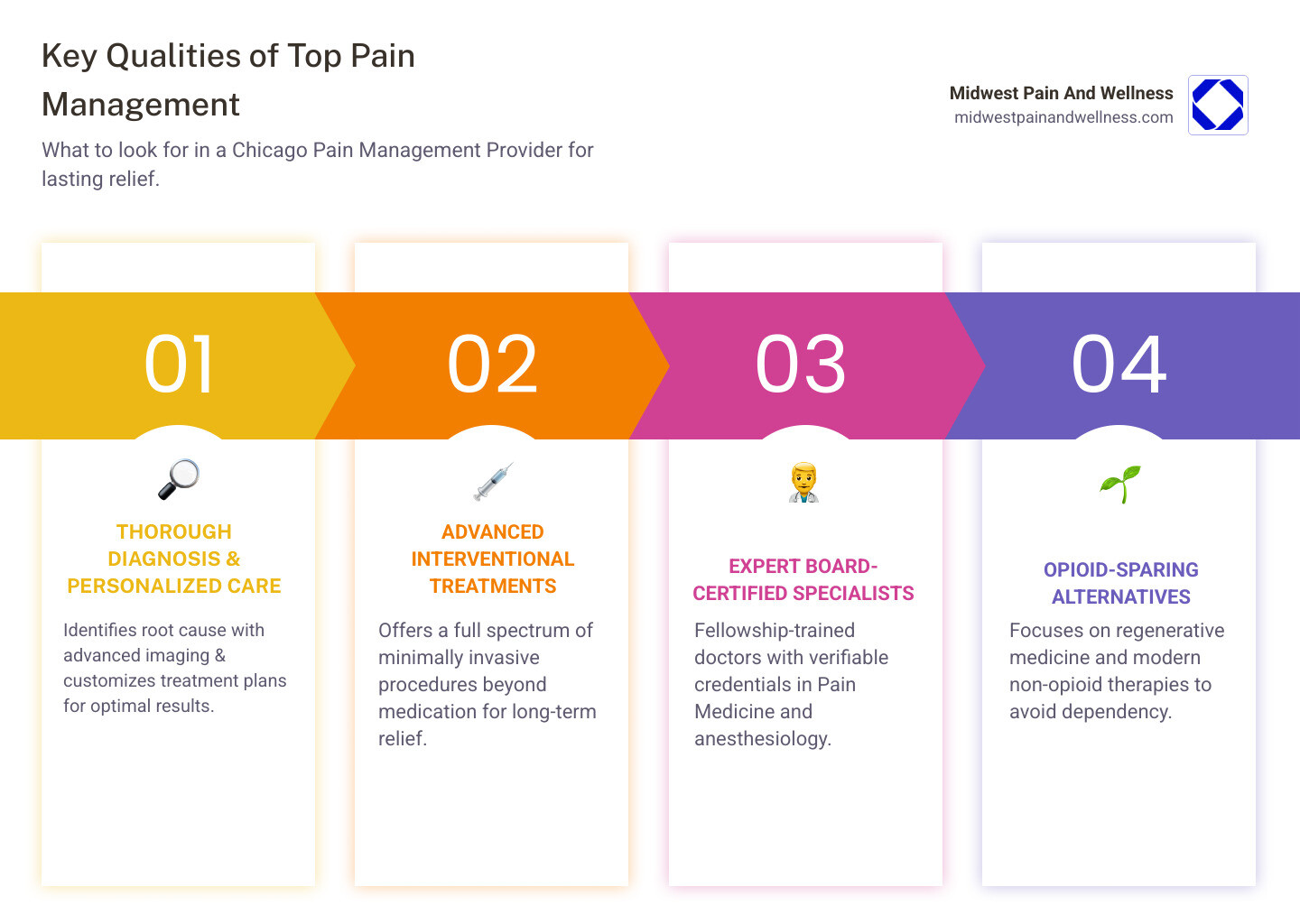
- Comprehensive diagnosis – They use advanced imaging and testing to find the root cause
- Multiple treatment options – They offer interventional procedures, not just medication
- Board-certified specialists – Doctors with fellowship training in pain medicine
- Opioid-free alternatives – Modern therapies like regenerative medicine and nerve blocks
- Personalized care plans – Custom treatment based on your specific condition and goals
Chronic pain affects millions of Americans every day. It’s more than just physical discomfort—it impacts your sleep, your work, your relationships, and your ability to enjoy simple pleasures like gardening or playing with your grandchildren.
The good news? You don’t have to live this way.
Pain management has evolved dramatically in recent years. Today’s specialists use advanced, minimally invasive techniques that target the source of your pain rather than just masking symptoms with medication. From spinal cord stimulation to regenerative therapies, modern pain management offers real hope for long-term relief.
But here’s the challenge: Not all pain clinics are created equal.
Some still rely heavily on medications that can lead to dependency. Others take a one-size-fits-all approach instead of treating you as an individual. And some lack the advanced training or technology needed to properly diagnose and treat complex pain conditions.
This guide will help you identify the five key qualities that separate exceptional pain management providers from the rest. You’ll learn what questions to ask, what credentials to look for, and what treatment approaches offer the best chance of getting your life back.
Whether you’re seeking your first pain specialist or looking for better care than you’re currently receiving, understanding these five factors will empower you to make the best choice for your health.
1. They Prioritize a Thorough Diagnosis and Personalized Treatment Plan
When you’re experiencing persistent pain, the first and most crucial step toward relief is an accurate diagnosis. A top-tier pain management Chicago clinic, like us at Midwest Pain And Wellness, understands that pain is a complex medical condition, not just a symptom. Our approach begins with a comprehensive patient assessment to uncover the true source of your discomfort. We believe that treating the underlying cause, rather than just masking symptoms, is key to achieving lasting relief and improving your quality of life.
During your initial consultation, our team will conduct a thorough evaluation, carefully reviewing your medical history, symptoms, and any previous treatments. We understand that pain can be associated with psychological stress, loss of strength, and sleep disturbance, and we consider all these factors in our assessment. Our goal is to work with you to alleviate discomfort and promote a better quality of life, alongside functional integration into the community.
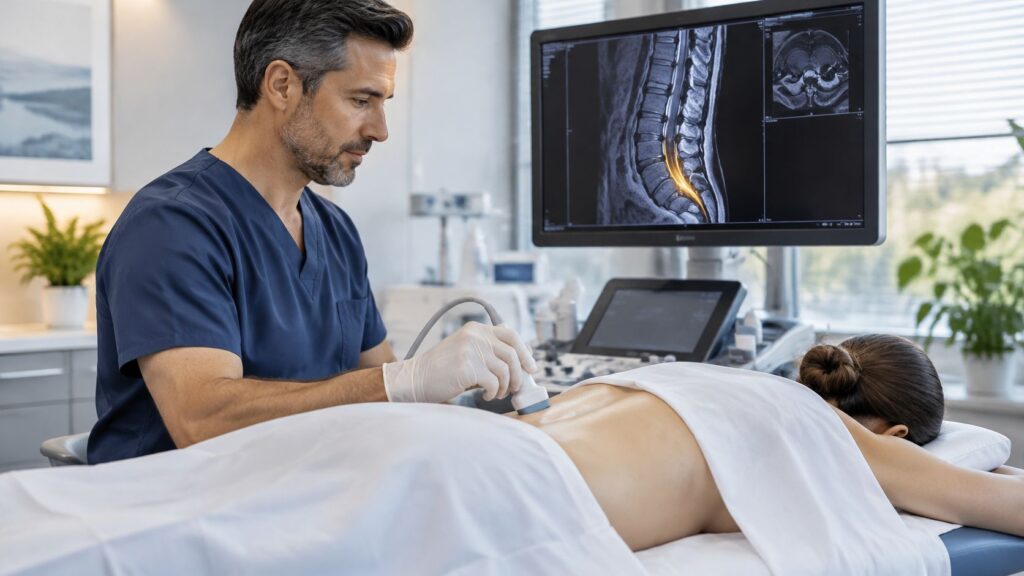
To achieve this, we use advanced diagnostic tools. This may include detailed physical examinations, neurological assessments, and a review of imaging studies such as X-rays, MRIs, and CT scans. In some cases, diagnostic nerve blocks may be performed. These involve injecting a local anesthetic near specific nerves to determine if they are the source of your pain. If the pain temporarily subsides after the injection, it helps us pinpoint the exact location causing your distress. This precision in diagnosis is vital for developing an effective treatment strategy.
Once we have a clear understanding of your condition, we develop an individualized, complex pain regimen for every patient. This personalized treatment plan is custom towards improving your pain, enhancing your quality of life, and helping you regain functional independence. We collaborate closely with you, and if needed, with your primary care physician and other specialists, to ensure a cohesive and comprehensive approach to your care. Our aim is to empower you to play an active role in managing your pain, helping you to regain confidence and independence.
Is your pain cause for concern? You can take a moment to evaluate your symptoms and risk factors with these helpful quizzes: Take back & neck pain quiz and Take hip & knee pain quiz.
Common Conditions Treated by Midwest Pain And Wellness
At Midwest Pain And Wellness in Chicago Ridge, we treat a wide array of conditions that cause both acute and chronic pain. Our expertise allows us to address the diverse needs of our patients, helping them find relief and restore their quality of life.
Here are some of the common conditions we treat:
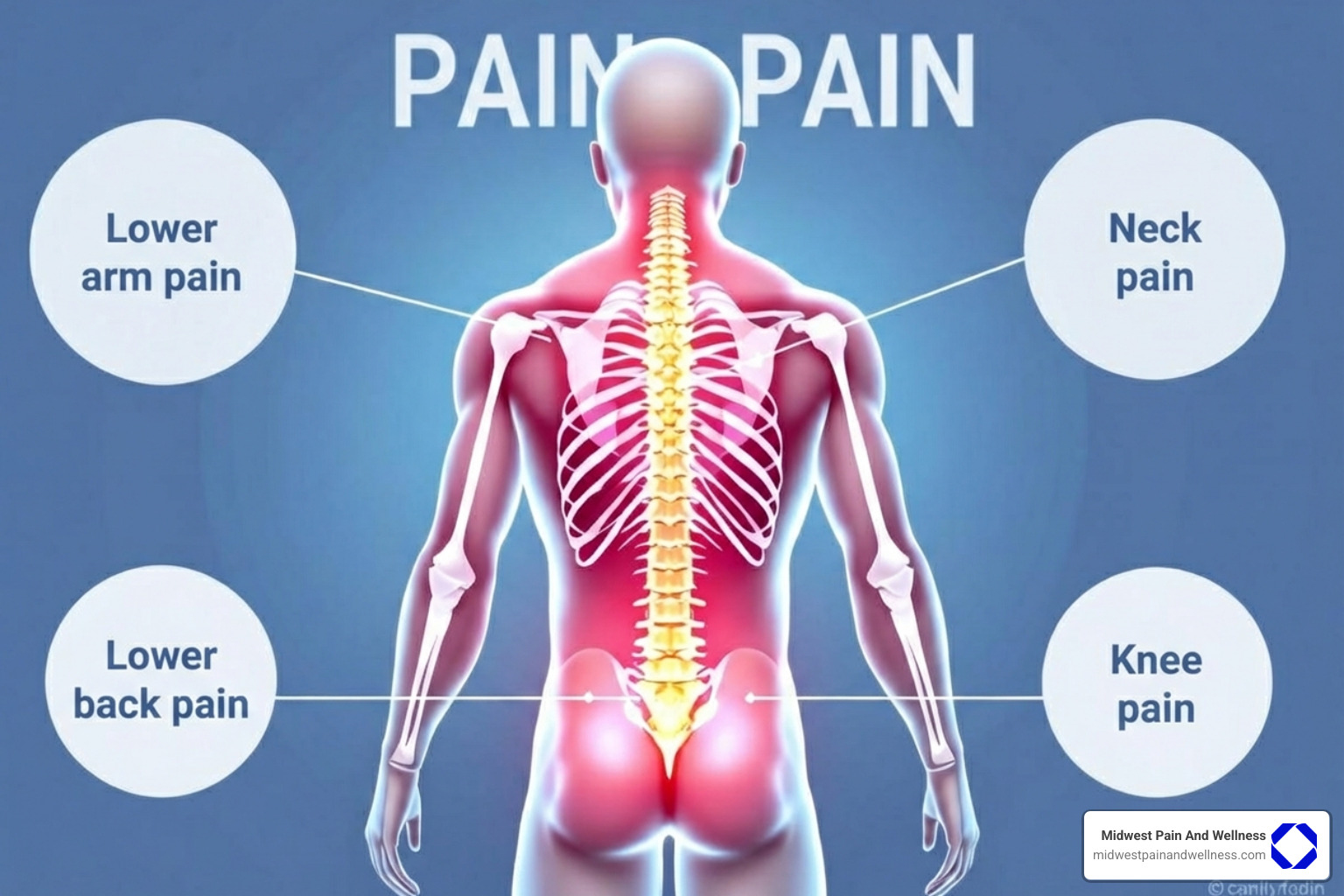
- Low Back Pain: Often stemming from issues like herniated discs, spinal stenosis, or degenerative disc disease.
- Neck Pain: Including chronic neck pain, cervical facet pain, and pain radiating into the arms.
- Arthritis: Managing pain associated with osteoarthritis and rheumatoid arthritis in various joints.
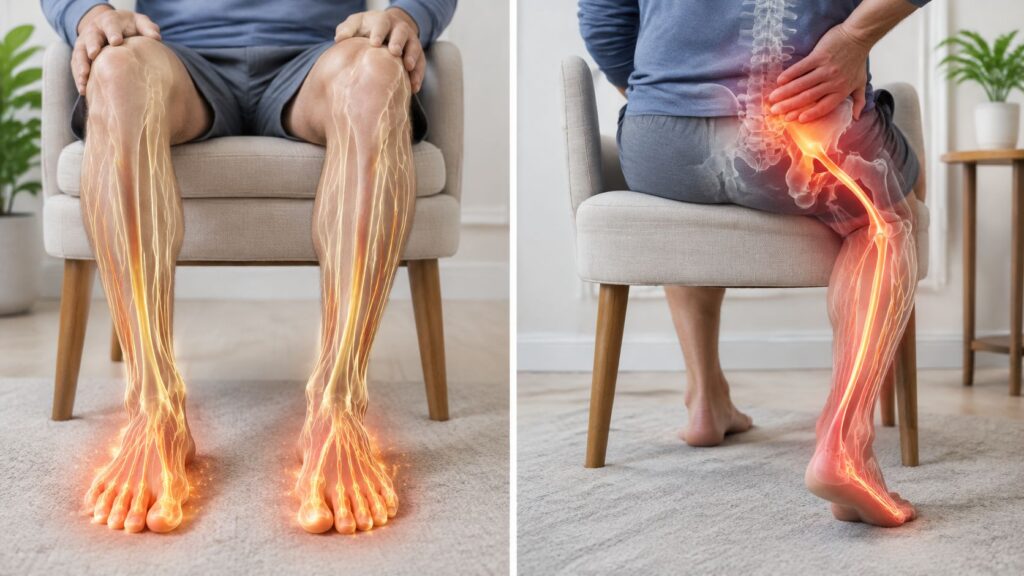
- Sciatica: Nerve pain caused by compression of the sciatic nerve, typically radiating down the leg.
- Herniated Discs: Treating pain caused by bulging or ruptured spinal discs in the neck or back.
- Fibromyalgia: A chronic disorder characterized by widespread pain, fatigue, and tenderness.
- Complex Regional Pain Syndrome (CRPS): A chronic pain condition often affecting an arm or a leg, typically after an injury, stroke, heart attack, or surgery.
- Cancer Pain: Providing palliative care for pain resulting from cancer and its treatments.
- Headaches and Migraines: Including chronic migraines and cervicogenic headaches.
- Post-Surgical Pain: Addressing persistent pain after various surgical procedures, including post-laminectomy pain.
- Vertebral Compression Fractures: Treating pain caused by fractures in the spine, often due to osteoporosis. You can find More info about vertebral compression fracture treatment.
- Post Laminectomy Pain: Managing persistent back pain that can occur after lumbar laminectomy surgery. Learn more about More info about post laminectomy pain treatment.
We understand that every patient’s pain experience is unique, and our comprehensive approach ensures that we address your specific condition with the most effective and personalized care.
2. They Offer a Full Spectrum of Advanced, Interventional Treatments
A truly effective pain management Chicago provider will offer more than just medication. At Midwest Pain And Wellness, we pride ourselves on our multi-modal, interventional approach to pain management. This means we use a wide range of advanced, minimally invasive procedures designed to target the source of your pain directly, reduce inflammation, and restore physical function. Our primary goal is to provide long-term relief without the need for surgery, helping you return to your maximum activity level and enjoy life once more.
Interventional pain management focuses on using precise techniques, often guided by imaging, to deliver treatment directly to the affected area. This can lead to more effective pain relief with fewer side effects compared to systemic medications. We believe in minimizing the use of invasive procedures where possible, opting for targeted interventions that offer significant benefits.
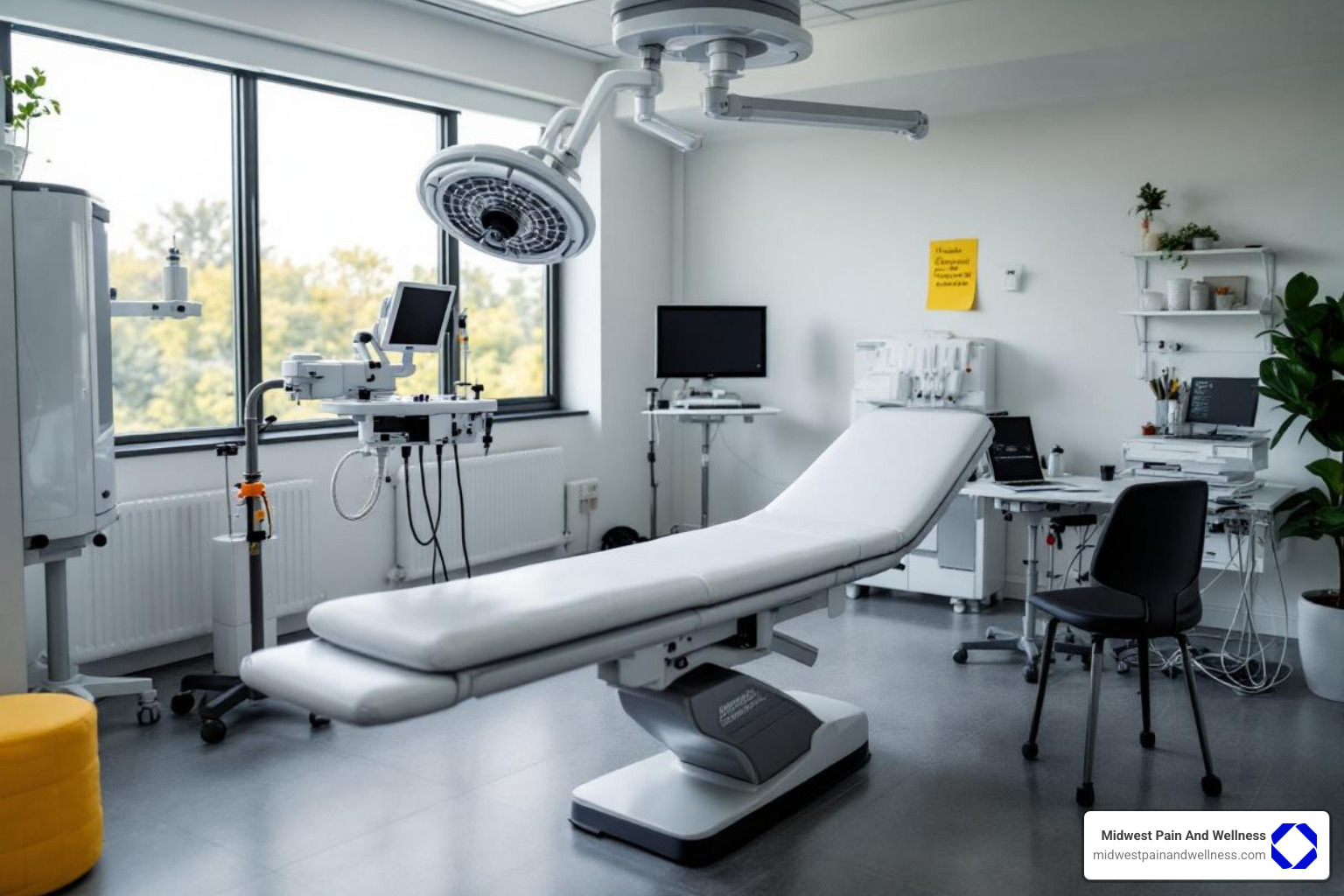
Exploring Interventional Pain Management Options at Midwest Pain And Wellness
Our comprehensive suite of interventional treatments includes:
- Pain Injections: These are often the first line of interventional treatment, delivering medication directly to the source of pain. More info about pain injections.
- Epidural Steroid Injections: Used to alleviate low back and/or leg pain stemming from disc herniation, sciatica, or nerve root compression by reducing inflammation in the spine. More info about epidural injections.
- Facet Joint Injections: Targeting the small joints in the spine (facet joints) that can cause back or neck pain. These injections can be diagnostic or therapeutic. More info about facet joint injections.
- Radiofrequency Ablation (RFA): A procedure that uses heat generated by radio waves to target specific nerves, disrupting their ability to send pain signals. This is particularly effective for chronic neck and back pain, including facet joint pain.
- Spinal Cord Stimulation (SCS): A neuromodulation technique involving the implantation of a small device that sends mild electrical pulses to the spinal cord, blocking pain signals before they reach the brain. This is a valuable option for conditions like complex regional pain syndrome (CRPS) and post-laminectomy syndrome. More info about spinal cord stimulator therapy.
- Peripheral Nerve Stimulation (PNS): Similar to SCS, but targets specific peripheral nerves outside the spinal cord. It’s used for localized chronic pain. More info about peripheral nerve stimulation.
- Minimally Invasive Lumbar Decompression (MILD): A procedure used to treat lumbar spinal stenosis, a narrowing of the spinal canal that can cause leg pain and difficulty walking. More info about MILD.
These are just some of the many interventional therapies we offer. Our approach is always to find the most appropriate and effective treatment for your unique situation, with the ultimate goal of restoring your comfort and functionality.
3. Their Specialists Have Verifiable Expertise and Credentials
When entrusting your health to a pain management Chicago provider, the expertise and credentials of the specialists are paramount. At Midwest Pain And Wellness, we believe that the highest level of training and certification translates directly into superior patient care. Our doctors are double board-certified, demonstrating a profound commitment to excellence in their field.
What does “double board-certified” mean? It signifies that our physicians have not only completed extensive residencies and passed rigorous examinations in two distinct medical specialties, often Anesthesiology and Pain Medicine, but also maintain these certifications through ongoing education and practice. This dual expertise provides a unique perspective on pain, combining a deep understanding of anesthesia techniques with specialized knowledge in diagnosing and treating complex pain conditions.
Furthermore, our specialists are fellowship-trained in Interventional Pain Medicine. A fellowship is an additional period of specialized training after residency, focusing intensively on advanced diagnostic and treatment procedures for pain. This specialized training ensures that our team is at the forefront of the latest techniques and evidence-based practices in pain management.
We operate as a multi-disciplinary team, recognizing that the best outcomes often come from a collaborative approach. While our physicians lead your care, we also work closely with other practitioners, such as physical therapists and chiropractors, to ensure a holistic and integrated treatment plan. This collaborative spirit means you benefit from a wide range of expertise focused on your well-being.
While we don’t claim specific awards given to other institutions, we recognize the importance of industry recognition and adherence to high standards. Professional organizations like the American Pain Society (APS) and the International Association for the Study of Pain (IASP) set benchmarks for exemplary care. We continuously strive to meet and exceed these standards in our practice.
Key Considerations for Pain Management in Chicago
When choosing a pain management clinic in Chicago Ridge, here are some key considerations for patients:
- Checking Physician Credentials: Always verify that your pain specialist is board-certified, preferably in both Anesthesiology and Pain Medicine, and has completed fellowship training in Interventional Pain Medicine. These certifications indicate a high level of expertise and dedication to the field.
- Reading Patient Reviews: Patient testimonials and reviews can offer valuable insights into the patient experience, the effectiveness of treatments, and the clinic’s overall approach to care.
- Hospital Affiliations: While we operate as an independent clinic, understanding a physician’s hospital affiliations can sometimes provide context about their broader medical community involvement.
- Research and Clinical Trial Involvement: A clinic that engages in or supports research often demonstrates a commitment to advancing pain management. Supporting pain management research helps to develop new and more effective treatments for the future.
- Professional Organization Memberships: Membership in esteemed organizations like Spine.org and the International Association for the Study of Pain | IASP indicates a commitment to staying current with best practices and contributing to the broader field of pain medicine.
By considering these factors, you can make an informed decision and choose a pain management Chicago provider who is truly dedicated to your long-term health and well-being.
4. They Champion Modern Alternatives to Opioids
One of the most critical aspects of modern pain management Chicago is addressing the challenges of opioid use. The opioid crisis has highlighted the need for effective, non-addictive pain relief methods. At Midwest Pain And Wellness, we are committed to providing comprehensive, opioid-free pain management solutions, focusing on strategies that minimize or eliminate the need for long-term opioid prescriptions.
We understand the federal and state requirements surrounding opioid prescriptions and prioritize patient safety above all else. Our approach centers on opioid-sparing techniques and alternative pain relief methods, aiming to reduce opioid consumption and avoid medication dependency. We believe that long-term pain relief should improve your life, not create new challenges.
Our double board-certified doctors use a multi-modal, interventional approach that integrates various therapies. This includes advanced minimally invasive procedures, physical therapy, and innovative regenerative treatments. The goal is always to treat the underlying source of your pain, providing sustainable relief that allows you to regain control of your life without relying on potentially addictive medications.
We see patients return to engaging in physical activities they once enjoyed, like gardening or walking, thanks to our focus on restoring function and reducing pain through alternative methods. This shift away from heavy reliance on opioids is a cornerstone of our patient care philosophy.
Innovative and Regenerative Therapies at Midwest Pain And Wellness
At Midwest Pain And Wellness in Chicago Ridge, we offer a range of innovative and regenerative therapies that exemplify our commitment to opioid-free pain management:
- Regenerative Medicine: These therapies aim to repair damaged tissues and promote the body’s natural healing processes. They represent a cutting-edge approach to long-term pain relief. You can learn more about our various options at More info about regenerative therapy options.
- Platelet-Rich Plasma (PRP) Therapy: PRP uses a concentration of your own platelets to accelerate healing of injured tendons, ligaments, muscles, and joints. It’s a natural way to stimulate tissue repair and reduce pain.
- Amniotic Fluid Injections: These injections contain growth factors and other healing components derived from amniotic fluid, promoting tissue regeneration and reducing inflammation in damaged areas. More info about amniotic fluid injections.
- Botox for Chronic Conditions: Beyond cosmetic uses, Botox is an FDA-approved therapy for chronic migraines and can also be used to treat certain types of muscle pain and cervical dystonia. It works by blocking pain signals and relaxing muscles. More info about Botox for migraines.
- Hyaluronic Acid Injections: Often used for osteoarthritis of the knees, these injections supplement the natural lubricating fluid in joints, reducing pain and improving mobility. More info about hyaluronic acid for knee pain.
- Bioidentical Hormone Replacement Therapy (BHRT): Hormonal imbalances can contribute to chronic pain, especially in conditions like fibromyalgia or certain types of neuropathic pain. BHRT can help restore hormonal balance, which in turn can alleviate pain symptoms and improve overall well-being. More info about BHRT for pain management.
By offering these diverse and advanced therapies, we provide our patients with effective alternatives to opioids, focusing on sustainable pain relief and a path towards a healthier, more active life.
Frequently Asked Questions about Pain Management
We understand you likely have many questions when considering pain management Chicago services. Here are answers to some of the most common inquiries we receive:
When should I see a pain management doctor?
It’s a good idea to see a pain management doctor the moment you start having pain that makes you pause and think about it. This can help prevent acute pain from becoming chronic and reaching a point where it significantly interferes with your day-to-day life. However, if it does reach that point, or if you experience any of the following, we recommend scheduling an appointment immediately:
- Pain Interfering with Daily Life: If your pain prevents you from working, sleeping, or engaging in activities you enjoy, it’s time to seek specialized care.
- Pain Lasting More Than 3 Months: Pain that persists beyond the normal healing time of three months is considered chronic and often requires a specialized approach.
- When Primary Treatments Fail: If conservative treatments like over-the-counter medications, physical therapy, or chiropractic care haven’t provided adequate relief, a pain management specialist can offer advanced options.
- Seeking Non-Surgical Options: If you’re looking for ways to manage your pain without undergoing surgery, our interventional techniques can often provide significant relief.
What conditions qualify for pain management?
Any form of chronic pain will generally qualify for pain management treatment. In some cases, acute pain, especially if severe or likely to become chronic, will also benefit from our care. Our comprehensive approach allows us to address a wide range of conditions, including:
- Chronic Pain: From back and neck pain to neuropathic pain, fibromyalgia, and arthritis.
- Acute Pain from Injury: Such as sports injuries or acute musculoskeletal trauma.
- Work-Related Injuries: We understand the complexities of workers’ compensation cases and provide specialized care for work-related pain. You can find More info about workers compensation.
- Post-Surgical Pain: Persistent pain that occurs after surgical procedures.
- Nerve Pain: Conditions like sciatica, trigeminal neuralgia, and peripheral neuropathy.
- Cancer Pain: Providing supportive care to improve comfort and quality of life for cancer patients.
If you’re unsure if your condition qualifies, we encourage you to schedule a consultation with us. We’re here to help you determine the best course of action.
Does insurance cover pain management services?
Most insurance providers do cover pain management services, especially for established and evidence-based treatments. However, the extent of coverage can vary depending on your specific plan and the type of treatment.
Here’s what you should know:
- Accepted Insurance Plans: We accept a wide range of insurance plans, and our team can help you understand your benefits.
- Coverage for Established Treatments: More established treatments, such as epidural injections, radiofrequency ablation, and spinal cord stimulation, are typically covered by most insurance policies, at least partially.
- Pre-authorization Requirements: Many interventional pain procedures require pre-authorization from your insurance company. Our office staff is experienced in navigating these requirements and will work with your insurer to ensure proper authorization for your care.
- Experimental Treatments: While we accept innovative therapies, more experimental treatments might have limited or no coverage. We will always discuss this with you upfront.
We recommend checking with your specific insurance provider or calling our office to verify your coverage. We are committed to making our care accessible and will work with you to understand your financial options.
Conclusion: Take the Next Step Towards a Pain-Free Life
Navigating the landscape of pain management Chicago can feel overwhelming, but by focusing on these five key qualities, you can confidently choose a provider that’s right for you. We’ve seen how a comprehensive diagnosis, a full spectrum of advanced interventional treatments, verifiable expertise, a commitment to opioid-free alternatives, and personalized care plans can truly transform lives.
At Midwest Pain And Wellness in Chicago Ridge, we embody these principles. Our double board-certified doctors use a multi-modal, interventional approach, collaborating with other practitioners to create custom care plans for long-term pain relief. We believe you deserve to live a life free from the constraints of chronic pain.
You don’t have to live with daily discomfort. Take the next step towards regaining control of your life and refinding the joy of movement. We are here to partner with you on your journey to lasting relief and improved quality of life.
Ready to explore how we can help you? Explore the conditions we treat and start your journey to relief today.