Why Effective Back Pain Treatment Matters Now More Than Ever
Back pain treatment is something most Americans will need at some point in their lives. Back pain is one of the most common reasons people visit a doctor, and understanding your options can be the difference between ongoing suffering and genuine relief.
Quick Overview: Main Back Pain Treatment Options
- At-Home Care: Staying active, heat/ice therapy, proper posture, and gentle exercise
- Medications: Over-the-counter NSAIDs, muscle relaxants, and prescription options
- Physical Therapy: Personalized exercises to strengthen your core and improve mobility
- Complementary Therapies: Acupuncture, massage, and chiropractic care
- Injections: Epidural, facet joint, and nerve blocks for targeted relief
- Advanced Options: Radiofrequency ablation, spinal cord stimulation, and surgery when needed
This guide walks you through the full spectrum of back pain treatment—from simple lifestyle changes you can start today to advanced interventional procedures for persistent pain. You’ll learn which red flags require immediate attention, how to work with your doctor to pinpoint the cause, and what treatment paths might work best for your specific situation.
Most importantly, you’ll find that you don’t have to live with chronic back pain. With the right combination of therapies custom to your needs, long-term relief is possible.
Understanding Your Back Pain: Causes, Types, and When to See a Doctor
Back pain can be a tricky beast, sometimes appearing out of nowhere, other times building up slowly. Understanding its origins and nature is the first step toward effective back pain treatment.

Common Culprits Behind Back Pain
Back pain often stems from mechanical issues affecting our spine, muscles, ligaments, and discs. Here are some of the most common causes we see:
- Muscle or Ligament Strain: This is perhaps the most frequent cause. Overuse, improper lifting, or sudden awkward movements can strain the muscles or ligaments supporting your spine. It’s like pulling a muscle in your arm, but in a much more central and impactful area of your body.
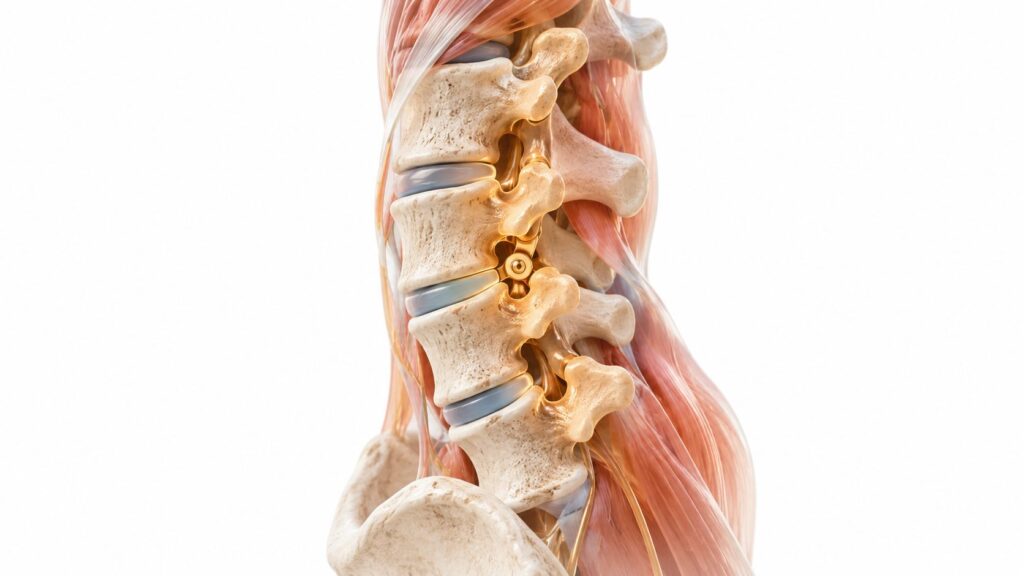
- Degenerative Disc Disease: As we age, the discs between our vertebrae can lose their hydration and elasticity, leading to pain. It’s a natural process, but for some, it can cause significant discomfort.
- Herniated Discs: Sometimes, the soft, gel-like center of a spinal disc can push through a tear in its tougher exterior. This “herniation” can press on nearby nerves, causing pain that often radiates to other parts of the body, like your leg.
- Spinal Stenosis: This condition involves the narrowing of the spaces within your spine, which can put pressure on the spinal cord and the nerves that travel through it. Think of it like a crowded hallway, where nerves get squeezed.
- Osteoporosis: This condition causes your bones to become weak and brittle, making them susceptible to painful fractures, even from minor stresses. The vertebrae in your spine are particularly vulnerable.
- Sciatica: This isn’t a condition itself, but a symptom. It describes pain that radiates along the path of the sciatic nerve, which branches from your lower back through your hips and buttocks and down each leg. It typically occurs when a herniated disc or bone spur in the spine compresses part of the nerve.
Less common but serious causes can include infections, tumors, or inflammatory diseases.
Acute vs. Chronic Pain: Understanding the Timeline
When we talk about back pain, it’s important to distinguish between two main types:
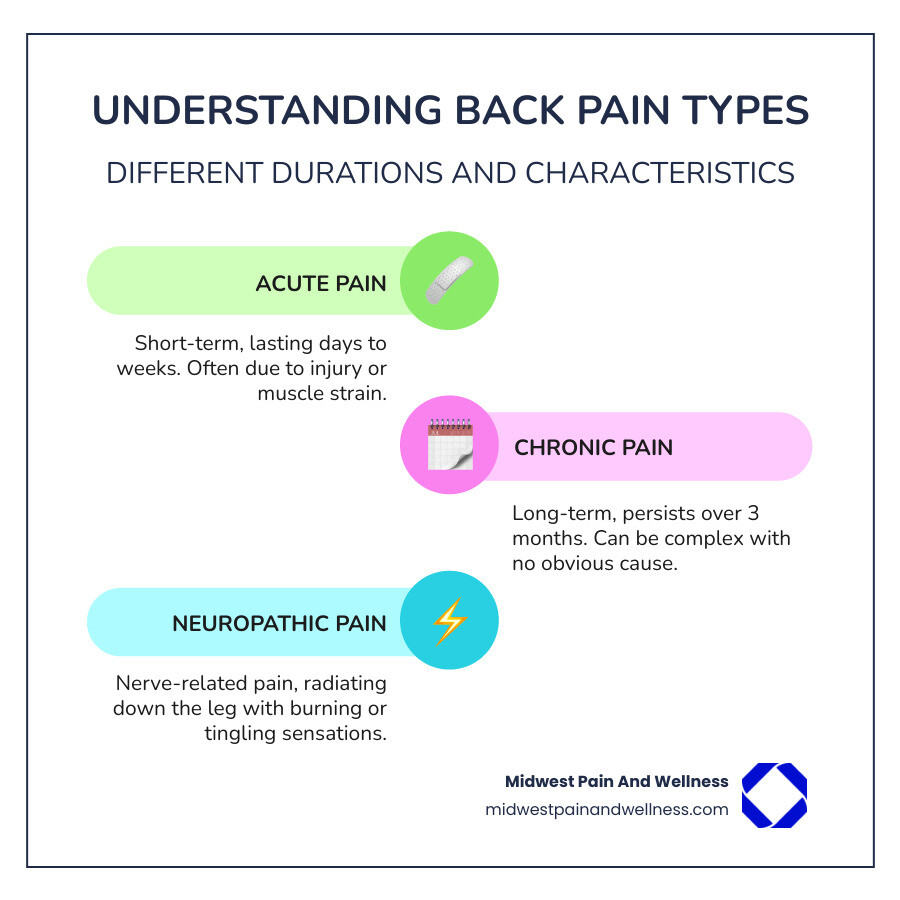
- Acute Pain: This type of pain is usually short-term, often appearing suddenly due to an injury, strain, or specific event. Most acute low back pain gets better within a month using home treatment, especially for people younger than age 60. For many, it resolves within several weeks, typically 4 to 6 weeks, with basic self-care. It’s the body’s immediate alarm system.
- Chronic Pain: This is pain that persists for a longer duration, generally defined as lasting more than three months. Unlike acute pain, chronic back pain can linger even after the initial injury or cause has healed. For many, the pain lasts several months, sometimes years. Managing chronic pain often requires a more comprehensive and sustained approach, which we explore in our Chronic Pain Treatment strategies.
Red Flags: When to Seek Immediate Medical Attention
While most back pain resolves on its own, there are certain “red flags” that indicate a more serious underlying condition requiring prompt medical attention. Don’t hesitate to contact your doctor or seek emergency care if you experience back pain accompanied by any of the following:
- Fever or chills: This could signal an infection.
- Unexplained weight loss: This might be a symptom of a more serious systemic disease.
- Loss of bladder or bowel control: This is a critical symptom that could indicate nerve compression affecting the cauda equina, a medical emergency.
- Progressive weakness, numbness, or tingling in your legs: This suggests significant nerve involvement or damage.
- Pain following a trauma: If your back pain started after a fall, car accident, or other injury, it’s crucial to get it checked.
- New back pain with a history of cancer or HIV: These conditions increase the risk of spinal tumors or infections.
- Severe continuous back pain lasting longer than 48 hours: Especially if it prevents daily activities or is accompanied by leg pain.
You can find more information on when to seek help from the Back Pain: Diagnosis, Treatment, and Steps to Take guide.
The Diagnostic Process: How Doctors Pinpoint the Cause
When you visit us for back pain, our goal is to accurately identify the source of your discomfort. This typically involves a thorough diagnostic process:
- Physical Examination: Your healthcare professional will examine your back, assess your ability to sit, stand, walk, and lift your legs. We’ll also check your reflexes, muscle strength, and sensation.
- Pain Assessment Scale: We’ll ask you to rate your pain on a scale (e.g., zero to 10) and discuss how it affects your daily activities. This helps us understand the severity and impact of your pain.
- Imaging Tests: While not always necessary for initial back pain, imaging may be used if we suspect a serious underlying cause or if your pain persists.
- X-rays: These can reveal issues like arthritis or broken bones, though they don’t show problems with soft tissues like spinal cord, muscles, nerves, or discs.
- MRI and CT scans: These generate detailed images that can reveal herniated discs, issues with bones, muscles, tissue, tendons, nerves, ligaments, and blood vessels.
- Blood tests: These can help determine if an infection or other condition might be causing your pain.
- Nerve Studies (EMG): Electromyography (EMG) measures the electrical impulses produced by nerves and the responses of your muscles. This can confirm nerve pressure caused by herniated discs or narrowing of the spinal canal (spinal stenosis).
Our comprehensive approach ensures we get a clear picture of your condition. To learn more about our diagnostic methods, you can Explore diagnostic approaches at Midwest Pain And Wellness.
Foundational Strategies: Lifestyle and At-Home Management
Sometimes, the most effective back pain treatment starts right at home with simple, consistent lifestyle adjustments. Think of these as the building blocks for a healthy, pain-free back.
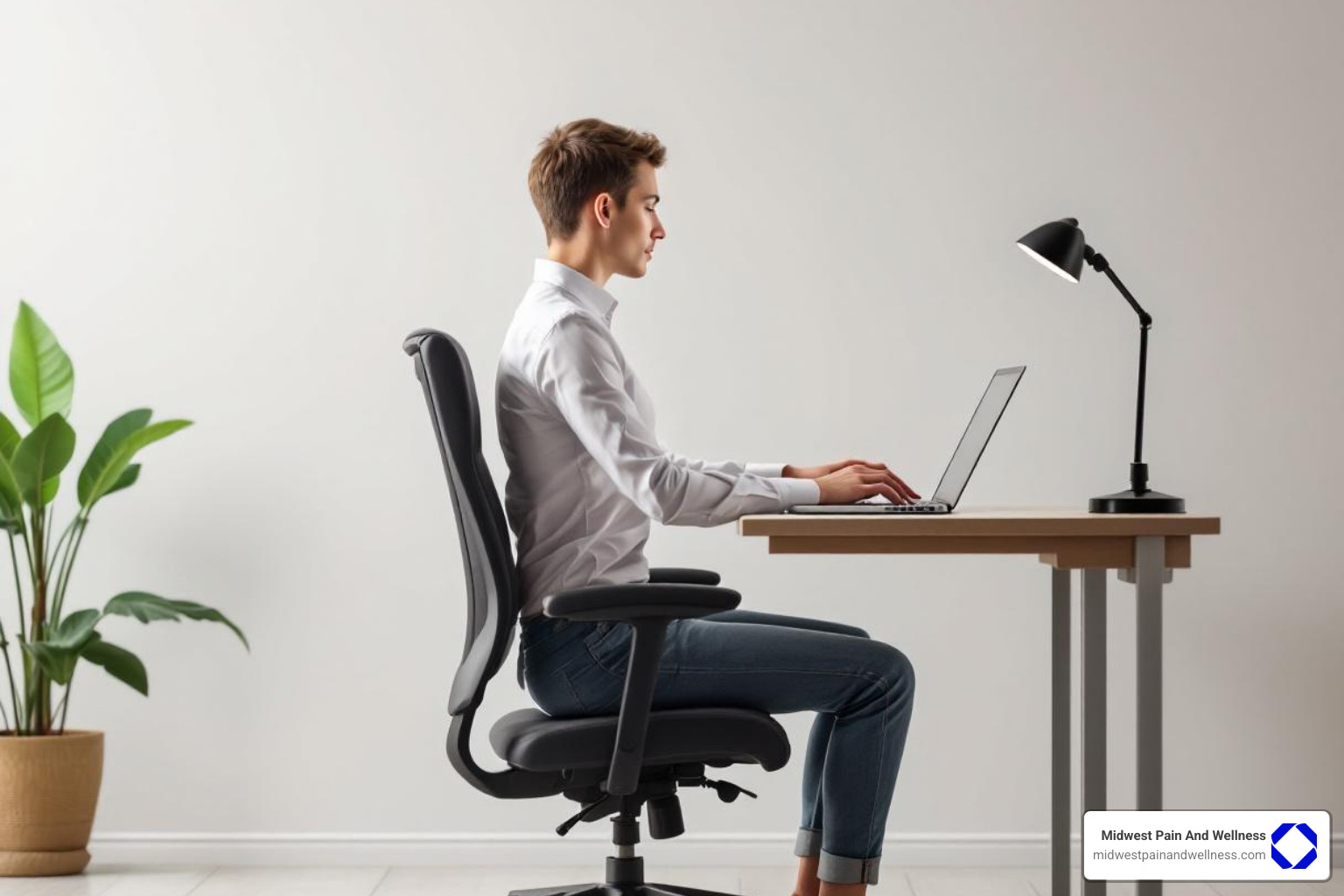
What are the best at-home back pain treatment strategies?
We’ve learned a lot about what helps and what hinders back pain recovery over the years. One of the biggest shifts in thinking has been around bed rest.
- The Myth of Bed Rest: For many years, the standard advice for back pain was prolonged bed rest. However, research now overwhelmingly shows that lying down longer than a day or two isn’t helpful and can actually delay recovery. Almost no one needs bed rest, except possibly those with unstable spinal fractures awaiting surgery.
- Risks of Inactivity: Staying in bed for any prolonged period can make you stiff and increase pain. When you don’t move, you lose muscle strength and flexibility. With bed rest, you can lose about 1 percent of your muscle strength each day, and 20 to 30 percent in a week!
- Gentle Activity is Key: The sooner you start moving, even a little bit, or return to activities such as walking, the faster you are likely to improve. We encourage you to continue your activities as much as you can. Try light activity, such as walking, and only stop activities that genuinely increase your pain, but don’t avoid activity out of fear of pain.
- Heat and Ice Therapy: Applying hot or cold packs can often help relieve pain. Cold packs can reduce inflammation and numb the area, while hot packs can increase blood flow and relax tense muscles.
The Impact of Posture and Sleep Positions
Believe it or not, how you sit, stand, and sleep can significantly affect your back.
- Good Posture Practices: Poor posture is a major contributor to back pain. If your sitting posture is poor, the discs in your lower spine are loaded even more than when you’re standing. We recommend:
- Sitting: Keep your feet flat on the floor, back supported, and shoulders relaxed. Take frequent breaks to stand, stretch, and move around.
- Standing: Distribute your weight evenly on both feet, keep your shoulders back, and your stomach tucked in.
- Proper Lifting Techniques: When lifting objects, especially heavy ones, always use your leg muscles, not your back. Bend at your knees, keep your back straight, and hold the object close to your body. If it’s too heavy, ask for help!
- Best Sleep Positions: Your sleep position can either alleviate or exacerbate back pain.
- For side sleepers: Place a pillow between your knees. This helps keep your hips, pelvis, and spine aligned.
- For back sleepers: Lift your knees slightly with a pillow. This helps maintain the natural curve of your lower back and reduces pressure.
Recommended Exercises and Stretches for Relief
Exercise is often the best way to relieve lower back pain and is foundational for back pain treatment.
- Core Strengthening: Your core muscles (abdominal and back muscles) are rarely used during everyday activities, so they need to be toned through specific, targeted exercises. Strengthening these muscles provides crucial support for your spine and reduces pressure on your lower back. You can find some simple core exercises to get started.
- Flexibility Stretches: Many back problems are caused by tight muscles, which put added stress on your entire spine. Daily stretching promotes spinal health and can significantly reduce pain. Focus on:
- Hamstring stretches: Tight hamstrings can pull on your pelvis, contributing to lower back pain.
- Yoga-inspired stretching: Yoga can stretch and strengthen muscles, improve flexibility, and improve posture.
- Tai Chi-inspired movement: These gentle, flowing movements can improve balance, flexibility, and reduce pain.
One set of exercises does not work for everyone. It’s crucial to consult with a healthcare professional to tailor exercises to your specific symptoms, condition, and comfort level.
How Lifestyle Choices Affect Your Back
Beyond movement, other lifestyle factors play a huge role in your back health.
- Weight Management: Extra weight, especially around the midsection, puts a significant strain on your back. It can cause your spine to tilt and stress unevenly, leading to loss of proper support and unnatural curvature over time. Maintaining a healthy weight is a powerful preventative and back pain treatment strategy.
- Anti-inflammatory Diet: Some diets are highly inflammatory due to trans fats, refined sugars, and processed foods. These can contribute to chronic back pain. Reducing these foods and focusing on a healthy, balanced diet can help reduce inflammation throughout your body, including your back.
- Smoking’s Impact: This is a big one. Smoking restricts blood flow to the discs that cushion your vertebrae, potentially leading to quicker disc degeneration. It also reduces calcium absorption and new bone growth, increasing the risk of a fracture due to osteoporosis, a condition where bones become weak and brittle. If you smoke, quitting is one of the best things you can do for your back health.
Non-Surgical Back Pain Treatment: From Therapy to Medications
When lifestyle changes aren’t enough, we turn to a range of non-surgical back pain treatment options. Our approach often involves a multi-modal strategy, combining different therapies for the best results.
Over-the-Counter and Prescription Medications
Medications can provide crucial relief, allowing you to engage in other therapies like physical activity.
- Nonsteroidal Anti-inflammatory Drugs (NSAIDs): Medications like ibuprofen and naproxen are often the first line of defense for acute back pain. They help reduce both pain and inflammation. We advise using the lowest effective dose for the shortest possible period due to potential side effects.
- Muscle Relaxants: For severe muscle spasms that often accompany acute back pain, muscle relaxants can be prescribed. However, they can cause side effects like dizziness and sleepiness.
- Antidepressants for Chronic Pain: Certain antidepressants, such as duloxetine, can help manage chronic back pain even in individuals not experiencing depression. They affect how the brain processes pain signals.
- Opioid-Free Pain Management: At Midwest Pain And Wellness, we prioritize opioid-free pain management strategies. While prescription pain relievers (opioids) may be used for severe acute back pain for a very short time with close medical supervision, they are generally not recommended as a first-line or long-term strategy for chronic back pain. Prolonged use leads to tolerance, dependence, and habit formation, without addressing the root cause.
The Crucial Role of Physical Therapy
Physical therapy is a cornerstone of effective back pain treatment. It’s not just about temporary relief; it’s about building long-term resilience.
- Personalized Exercise Programs: Our physical therapists work with you to create a custom exercise program based on your specific condition and pain points. This isn’t a one-size-fits-all approach.
- Strengthening and Stabilization: A key focus is strengthening the muscles that support your back, including your core (abdominal and back muscles). This improves stability, mobility, and posture, which in turn can significantly decrease pain.
- Posture Correction: Physical therapy teaches you proper body mechanics and posture for daily activities, helping you move more efficiently and avoid re-injury.
- Manual Therapy: This can include spinal manipulation, mobilization, or soft tissue techniques like massage, often used in conjunction with exercise to reduce pain and improve function.
We believe that consistent engagement in a home exercise program is even more important than in-clinic sessions, as it’s key to maintaining your spine’s strength and stability. Our team is dedicated to your Rehabilitation Pain Management.
Complementary and Alternative Therapies
Many people find relief through complementary and alternative therapies, which we may integrate into your comprehensive back pain treatment plan.
- Acupuncture: This traditional Chinese practice involves inserting thin needles into specific points on the body. While studies on its effectiveness for back pain have shown mixed results, some patients report significant pain relief. We offer Acupuncture Pain Relief as part of our holistic approach.
- Massage Therapy: Massage can reduce low back pain for a short time, especially when it stems from tense or overworked muscles. It’s often most effective when combined with exercises and proper movement techniques.
- Chiropractic Care: This involves spinal manipulation, where a practitioner uses their hands or a small instrument to apply controlled force to a spinal joint. This can restore mobility and reduce pain.
- Biofeedback: This technique teaches you to control certain body functions, like muscle tension, to reduce pain. While it may provide short-term relief, more evidence is needed to confirm long-term benefits.
- Transcutaneous Electrical Nerve Stimulation (TENS): TENS devices send mild electrical pulses to nerve endings in the skin to relieve pain. While some studies show mixed results and some guidelines do not routinely recommend it, some patients find it helpful.
Always discuss the benefits and risks of any alternative therapy with your healthcare professional before starting.
Advanced Interventional and Surgical Solutions
When conservative back pain treatment options haven’t provided sufficient relief, we may explore advanced interventional procedures or, in rare cases, surgical solutions. These targeted approaches aim to provide more direct and long-lasting relief.
Minimally Invasive Injections and Procedures
These procedures are often used to identify the source of pain, reduce inflammation, or block pain signals, allowing patients to participate more effectively in physical therapy and rehabilitation.
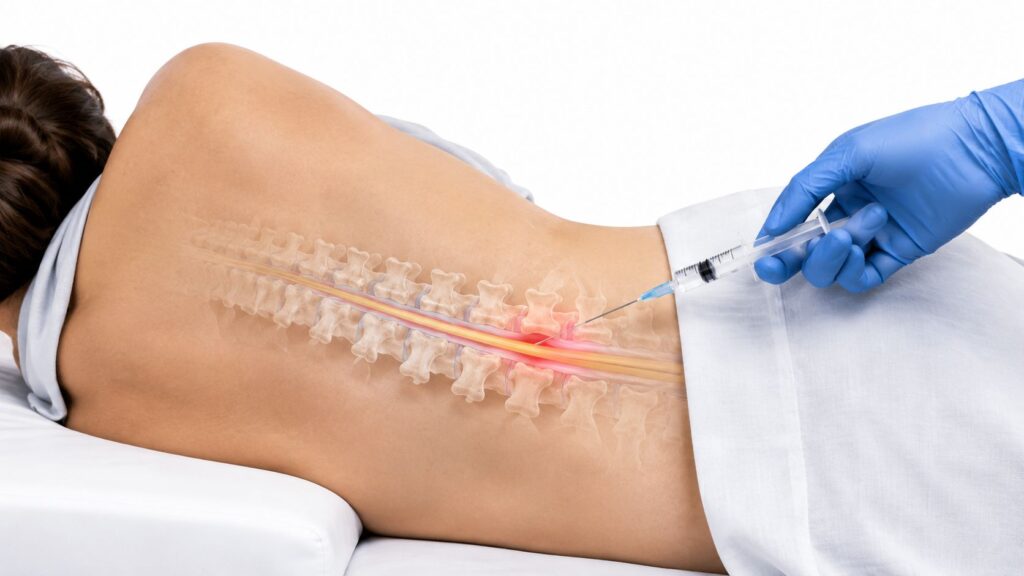
- Epidural Injections Chicago: These injections deliver anti-inflammatory medication (like corticosteroids) and sometimes a numbing agent directly into the epidural space around your spinal nerves. They are commonly used to treat pain that radiates down the leg due to nerve compression or irritation, such as from a herniated disc.
- Facet Joint Injections Chicago Complete Guide: Facet joints are small joints located between each vertebra that allow for movement. If these joints become arthritic or inflamed, they can cause significant back pain. Injections deliver medication directly into these joints to reduce inflammation and pain.
- Nerve Block for Pain: A nerve block involves injecting an anesthetic and/or corticosteroid near a specific nerve or group of nerves to block pain signals. This can provide temporary relief and help diagnose the source of pain.
- Radiofrequency Ablation: If nerve blocks provide temporary relief, radiofrequency ablation might be considered. This procedure uses radio waves to heat and damage specific nerves, preventing them from sending pain signals to the brain for an extended period.
- Minimally Invasive Lumbar Decompression MILD PIL D in Chicago Ridge: This procedure is designed to treat lumbar spinal stenosis by removing small amounts of bone and ligament that are compressing nerves in the lower back. It’s a less invasive alternative to traditional open surgery.
Neuromodulation for Chronic Pain
For persistent, severe chronic pain that hasn’t responded to other treatments, neuromodulation techniques can offer significant relief by altering how your nervous system processes pain.
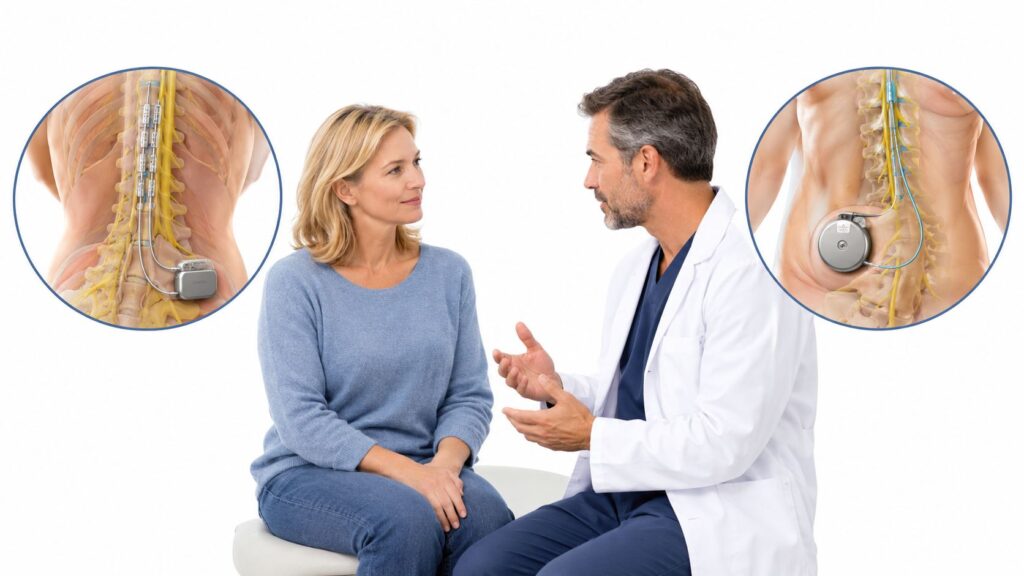
- Spinal Cord Stimulator Therapy in Chicago Ridge: This therapy involves implanting a small device under the skin that sends mild electrical pulses to the spinal cord. These pulses interfere with pain signals traveling to the brain, replacing them with a more pleasant sensation or simply blocking them. The levels of electricity are typically not felt by the patient.
- Peripheral Nerve Stimulation for Chronic Pain in Chicago Ridge: Similar to spinal cord stimulation, this technique involves placing small electrodes near specific peripheral nerves (nerves outside the brain and spinal cord) to deliver electrical pulses and block pain signals.
When is surgery the right choice for back pain treatment?
Surgery for back pain is generally considered a last resort, recommended only when all other conservative and interventional treatments have failed to provide relief, and there is a clear anatomical cause for the pain. Not everyone is a candidate for surgery, even if pain persists.
Here are some common criteria for considering surgery:
- Severe nerve compression: Especially if it’s causing progressive muscle weakness, numbness, or radiating pain (like sciatica).
- Progressive weakness or loss of function: If nerve compression is leading to a worsening inability to move or control your limbs.
- Loss of bowel or bladder control: This is a medical emergency that often requires urgent surgical intervention.
- Failed conservative care: Typically, a significant period (e.g., 6-12 months) of non-surgical back pain treatment has been attempted without success.
- Structural problems: Such as unstable spinal fractures, severe spinal stenosis, or certain types of spondylolisthesis.
Common surgical procedures for back pain include:
- Laminectomy: This surgery treats spinal stenosis by removing bony spurs and parts of the bone walls of the vertebrae (lamina) to open up the spinal canal and relieve pressure on the nerves.
- Discectomy/Microdiscectomy: These procedures remove part of a herniated disc that is pressing on a nerve root or the spinal canal. A microdiscectomy uses a smaller incision and microscopic visualization.
- Spinal Fusion: This surgery joins two or more vertebrae together, often using bone grafts or metal hardware, to stabilize a segment of the spine. It’s typically used for conditions like degenerative disc disease or spondylolisthesis where vertebrae have slipped out of alignment.
- Foraminotomy: This procedure cleans out and widens the area where nerve roots exit the spinal canal, relieving pressure from spinal stenosis.
- Disc Replacement Surgery: In some cases, a damaged disc can be replaced with a synthetic one. This is generally limited to patients without complicating factors.
- Laser Surgery: This technique uses a needle that delivers laser energy to reduce the size of a damaged disc, relieving nerve pressure.
Research shows that surgery can be helpful for people with herniated discs, spinal stenosis, and spondylolisthesis. Recovery time from surgery depends on the type of procedure and your overall health, and often involves a dedicated rehabilitation program.
Frequently Asked Questions about Back Pain
We understand you have questions, and we’re here to provide clear, straightforward answers about back pain treatment.
How long does it take for most back pain to get better?
Most acute low back pain improves on its own within 4 to 6 weeks with home treatment, especially for those under 60. Staying active often speeds up recovery. If pain lasts over three months, it’s considered chronic and requires a consistent, personalized management plan for long-term relief.
Are imaging tests like MRIs always necessary for back pain?
No, imaging tests like X-rays, MRIs, or CT scans are not always necessary, especially for new-onset back pain. In fact, routine imaging in a non-specialist setting is generally not recommended. Your doctor can often diagnose the cause of your pain through a thorough physical examination and by discussing your symptoms and medical history.
Imaging is typically considered when:
- There are “red flag” symptoms (like fever, unexplained weight loss, loss of bowel/bladder control, progressive weakness).
- Your pain is severe and doesn’t improve after several weeks (e.g., 4-12 weeks) of conservative back pain treatment.
- We are planning specific interventional procedures or surgery, and need to visualize the exact anatomical structures.
Often, imaging results can show changes that are normal for your age and not actually the source of your pain, which can sometimes lead to unnecessary anxiety or interventions.
Can back pain be permanently cured?
For acute back pain, a permanent “cure” is often possible. With proper self-care, activity modification, and sometimes short-term medication or physical therapy, the pain can resolve completely and not return.
For chronic back pain, the concept shifts from “cure” to effective long-term management. While the pain might not disappear entirely for everyone, our goal is to significantly reduce your pain levels, improve your function, and improve your overall quality of life. This involves a focus on long-term strategies that empower you to manage your symptoms, stay active, and live a fulfilling life despite your condition. We emphasize Effective Pain Management Strategies that focus on function and well-being.
Conclusion: Your Path to Long-Term Relief
Navigating the landscape of back pain treatment can feel overwhelming, but we hope this guide has shed some light on the many avenues available. From foundational lifestyle adjustments and at-home strategies to advanced interventional procedures and, when necessary, surgical solutions, a comprehensive spectrum of care exists to help you find relief.
The key to successful back pain treatment lies in a personalized plan, custom to your unique condition, symptoms, and lifestyle. Your active participation in your care, coupled with expert guidance, is crucial for achieving lasting results.
At Midwest Pain And Wellness, our double board-certified specialists use a multi-modal, interventional approach to create custom, opioid-free care plans for long-term relief. For a comprehensive evaluation of conditions like Spinal Stenosis and Degenerative Spine Disease, contact our team to start your journey toward a life with less pain.