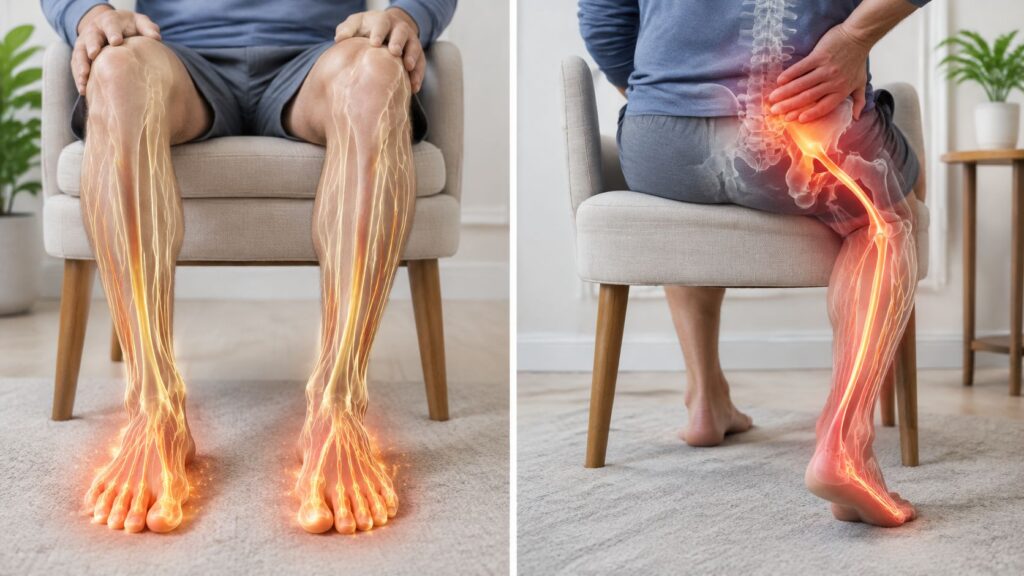
If your shoulder pain has been hanging on for months, daily life probably feels smaller than it used to. Reaching for a dish in the top cabinet hurts. Pulling on a coat sleeve becomes a two-handed project. Sleeping on one side is out of the question, and even simple tasks like backing out of the driveway or lifting a grandchild can trigger that familiar sharp ache.
For many people across Oak Lawn, Palos Hills, Palos Heights, Worth, Bridgeview, Hickory Hills, Alsip, Burbank, Evergreen Park, Orland Park, and nearby Illinois communities, that kind of pain doesn't just stay in the shoulder. It affects sleep, mood, work, and confidence in movement. If you've already tried rest, medication, or exercises and still feel stuck, a Suprascapular Nerve Block may be one of the targeted options your pain specialist discusses.
Some patients first come across this treatment while looking for ways to calm persistent nerve-related pain. If that's you, it may help to read more about how nerve pain is treated in everyday terms before focusing on the shoulder itself.
Your Path from Chronic Shoulder Pain to Relief
Chronic shoulder pain rarely starts as a big dramatic event. Often it begins with a nagging pull when you reach overhead, a pinch while fastening a seatbelt, or soreness after carrying groceries. Then the pain settles in and stops feeling temporary.
That's when many people start guarding the arm. They stop reaching, lifting, or sleeping in normal positions. The shoulder gets stiffer, weaker, and more irritable. A frustrating cycle develops. Pain limits movement, and less movement often makes the shoulder harder to use.
Why a targeted block can help
A suprascapular nerve block is a precise injection around a key shoulder nerve. Instead of trying to calm the whole body with medication or shutting down the entire arm, the goal is to quiet a major pain pathway coming from the shoulder itself.
A simple way to think about it is this. If one room in your house has a wiring problem, you don't need to cut power to the whole block. You go to the right circuit. This procedure works on that same principle. It targets one of the most important pain-carrying nerves in the shoulder.
Many patients feel relieved just hearing that this isn't a major surgery. It's a focused, image-guided procedure designed to reduce pain and make shoulder movement more manageable.
Who usually asks about this option
This procedure often comes up when shoulder pain has become persistent enough to interfere with normal life, especially when the goals are to:
- Sleep more comfortably without sharp pain when turning in bed
- Move the shoulder more freely so dressing, driving, or reaching feels less restricted
- Reduce reliance on medication when pills alone haven't given enough relief
- Support rehabilitation by making shoulder exercises more tolerable
For many people in the southwest suburbs of Chicago, the biggest question isn't what the procedure is called. It's simpler than that. They want to know whether they can get through the night, get back to work, or use their arm without bracing for pain every time.
Understanding the Source of Your Shoulder Pain
The shoulder is complicated. Several muscles, tendons, joints, and nerves work together in a small space. When something in that system gets irritated, the brain doesn't always tell you exactly which structure is responsible. It just sends the message that your shoulder hurts.
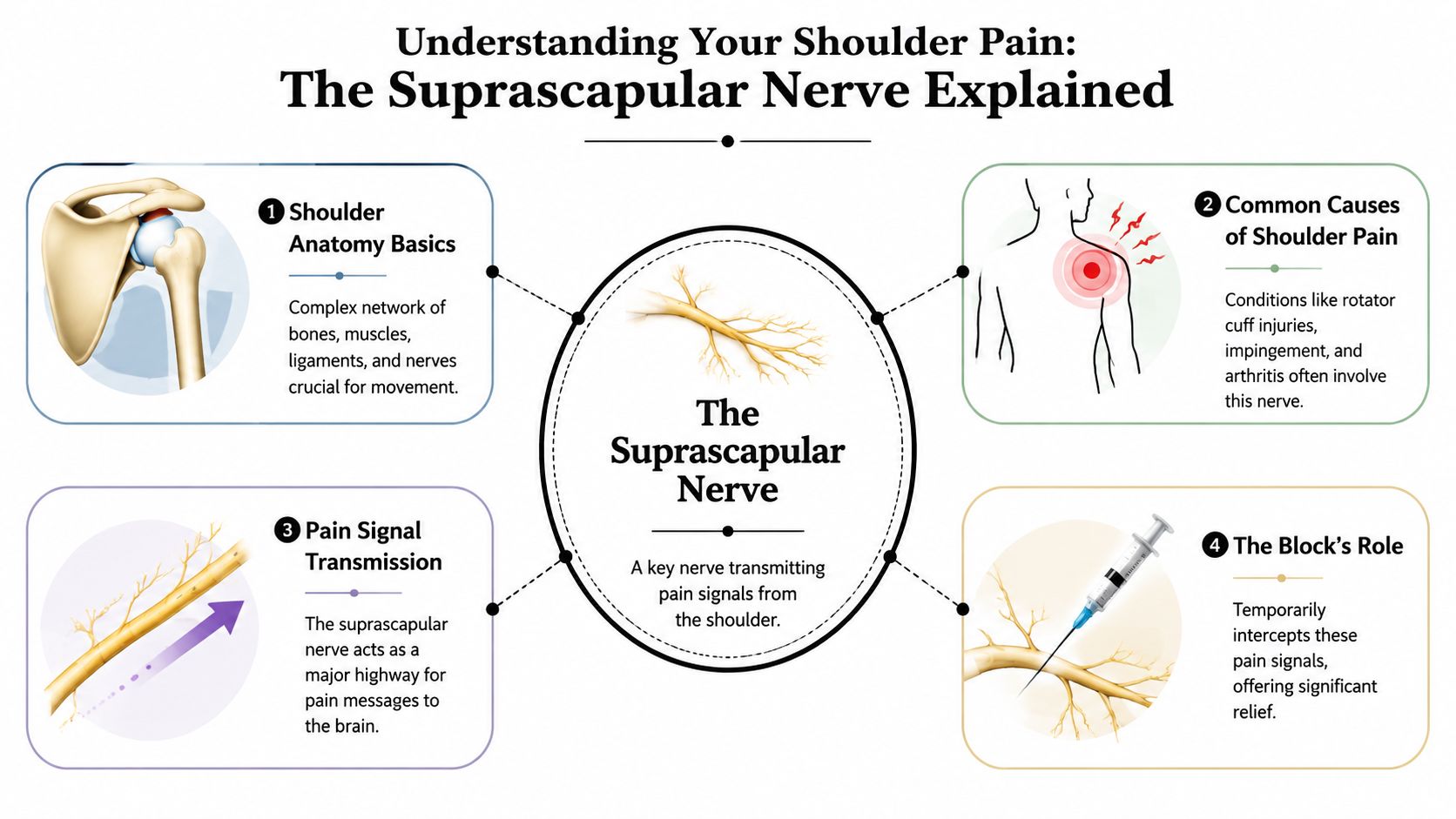
One nerve matters more than most in this conversation. The suprascapular nerve carries a large share of the shoulder's pain signals. It was first targeted for blocks in 1941, and it accounts for about 70% of the shoulder's sensory innervation, which is why pain specialists often consider it when treating frozen shoulder, rotator cuff problems, and related conditions. A review also found that combining local anesthetic and corticosteroid in a suprascapular nerve block led to significant pain reduction at 3 months for over 60% of patients, as described in this clinical review of suprascapular nerve block evidence.
Think of the nerve as a pain cable
If the shoulder were a home security system, the suprascapular nerve would be one of the main cables carrying alarm signals back to the control panel. When that cable keeps transmitting pain, the brain keeps receiving the message that something is wrong.
A suprascapular nerve block doesn't repair a torn tendon or reverse arthritis by itself. What it does is interrupt that pain traffic. That can make the shoulder feel less guarded and more usable.
Conditions that often involve this nerve
This block is commonly considered when pain seems to be driven by problems such as:
- Rotator cuff tears or irritation that make lifting and reaching painful
- Frozen shoulder with stiffness and pain in multiple directions
- Adhesive capsulitis when the joint capsule becomes painful and tight
- Degenerative glenohumeral arthritis with aching, grinding, or loss of motion
Some patients worry that a nerve block means the shoulder pain is “all nerve pain.” That isn't what this means. The shoulder can still have tendon, joint, or inflammatory problems. The point is that this nerve carries a large share of the discomfort from those conditions.
Practical rule: A nerve block is often less about “numbing everything” and more about identifying whether a major pain pathway is driving your symptoms.
That distinction matters. When a patient gets meaningful relief after this type of injection, it helps confirm that the suprascapular nerve is an important part of the pain picture.
The Nerve Block Procedure What to Expect at Our Clinic
Patients often experience more apprehension regarding the unknown than the injection itself. Knowing what the visit feels like tends to lower anxiety right away.
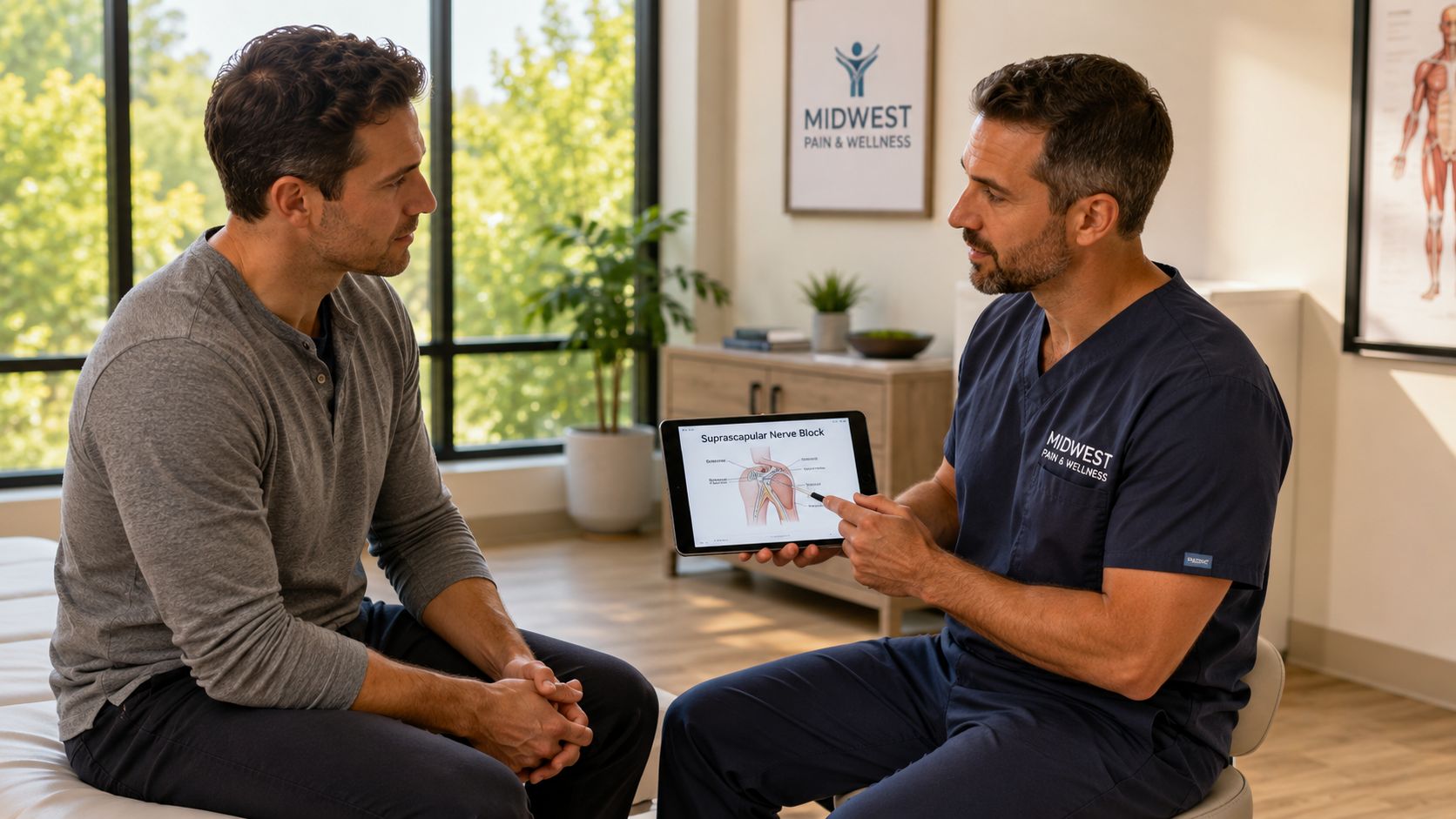
You'll usually be brought into a procedure room and positioned so the back of the shoulder blade area is accessible. The skin is cleaned carefully. The cleaning solution often feels cold. After that, the physician uses ultrasound to look beneath the skin in real time and identify the right pathway for the injection.
Why ultrasound guidance matters
With current ultrasound-guided technique, the preferred target isn't the suprascapular notch itself. The more technically reliable target is the floor of the scapular spine, which places medication near the nerve before it branches and improves reproducibility, as explained in ASRA's discussion of ultrasound-guided suprascapular nerve block technique.
That may sound highly technical, but the patient-friendly takeaway is simple. The physician can see where the medication is going and avoid a blind approach. For anyone exploring care through an interventional pain management clinic, image guidance is one of the key reasons these procedures are more precise than many people expect.
What the injection usually feels like
The procedure itself is typically brief. Most patients describe a few distinct sensations:
- A cold swipe on the skin from the cleansing solution
- A small pinch or burn when the skin is numbed
- Pressure deeper in the shoulder area during the main injection
Sharp, severe pain during the procedure isn't the goal. If a patient feels something unexpected, they can say so right away and the physician can adjust.
Some people expect a dramatic feeling when the medicine goes in. Often it's less eventful than they imagined. The appointment is usually memorable not because it's intense, but because it's quicker and more controlled than expected.
The best procedures are often the least dramatic. Careful positioning, real-time imaging, and steady communication make a big difference.
Afterward, you'll be monitored briefly and given instructions about activity and follow-up. Many patients are able to walk out with only mild soreness at the injection site.
Benefits and Realistic Outcomes for Your Shoulder
The biggest question is fair and direct. Will this help?
The answer depends on the diagnosis, how long the pain has been present, and whether the suprascapular nerve is a major pain generator in your case. Still, this procedure has meaningful evidence behind it, and it helps to think about the results in two phases rather than expecting one instant, permanent change.
Phase one and phase two relief
The first phase comes from the local anesthetic. That part can provide early relief and gives useful diagnostic information. If the shoulder pain eases soon after the injection, it suggests the targeted nerve is playing an important role.
The second phase comes later from the steroid component. That part is meant to calm inflammation and extend relief beyond the initial numbing window.
What the outcomes looked like
In a study of 71 patients, 81.2% reported a significant pain decrease at 72 hours after a suprascapular nerve block. Relief remained present in 76.1% at 3 months and 61.8% at 6 months, and 43.7% had complete pain remission by the 6-month follow-up, according to the findings summarized in the verified data.
Those numbers are encouraging, but they should be read with the right mindset. They don't promise the same result for every person. They show that many patients do get meaningful relief, sometimes lasting well beyond the first few days.
What success often looks like in real life
For a patient, success doesn't always mean the shoulder feels brand new. Often it means:
- The pain becomes quieter instead of dominating every movement
- Sleep improves because rolling onto the shoulder is less aggravating
- Daily tasks become possible again such as washing hair or reaching into a cabinet
- Rehabilitation becomes more productive because movement is less painful
A good response can create breathing room. When pain drops enough, patients can participate more consistently in exercise, stretching, and other treatment strategies that help restore function.
A successful nerve block often opens the door to better movement. That's important because pain relief and function work best together, not separately.
That's why realistic expectations matter. The goal is usually not to “erase” every problem in one visit. The goal is to reduce pain enough to move forward.
Understanding Risks Recovery and Aftercare
A suprascapular nerve block is generally considered a low-risk procedure, especially when image guidance is used, but it's still a medical intervention. Patients deserve a clear explanation of both the benefits and the limits.
The medication used in the block has a two-stage timeline. The local anesthetic can provide immediate relief for a few hours. The steroid usually starts working after 24 to 72 hours and may peak around 1 week, based on this patient information on suprascapular nerve block timing and risks.

What you might notice after the injection
It's common to have some temporary soreness where the needle entered. Some patients feel encouraged right away because the anesthetic helps early, then notice that this wears off before the steroid has fully kicked in. That gap can be confusing if no one has warned you about it.
A simple pain diary can help. Write down how the shoulder feels later that day, the next morning, and over the next several days. That record is useful at follow-up because it separates the immediate numbing effect from the longer therapeutic effect.
Risks to know about
Possible complications are uncommon, but they can include:
- Bleeding at or near the injection site
- Infection involving the skin or deeper tissue
- Nerve irritation or injury causing unusual symptoms after the procedure
- Rare pneumothorax, which means air around the lung
That last risk sounds alarming, and it's one reason image guidance and proper needle trajectory matter so much. Precision lowers avoidable risk.
Practical recovery guidance
Individuals can generally return to light activity fairly quickly, but it's smart to take the day in a measured way. Helpful aftercare usually includes:
- Use the arm sensibly rather than testing it with heavy lifting right away
- Apply ice if needed when the injection site feels sore
- Track changes in pain and motion so your follow-up discussion is specific
- Call the clinic promptly if you develop concerning symptoms such as worsening pain, fever, unusual weakness, or breathing difficulty
Recovery is usually straightforward. The part that causes the most confusion isn't danger. It's timing. Patients often expect one smooth line of improvement, when in reality the response can come in stages.
How This Block Compares to Other Shoulder Treatments
A suprascapular nerve block isn't the only procedure used around the shoulder. The right choice depends on the clinical goal. Some procedures are selected for surgery-related anesthesia. Others are better suited to ongoing pain management or longer-term nerve treatment.
One of the most useful comparisons is with the interscalene block. Evidence suggests the suprascapular nerve block may be slower in the first 4 hours, becomes non-inferior by 8 hours, and shows similar opioid use over 48 hours while reducing dyspnea and diaphragm weakness risk, as noted in this comparison of suprascapular and interscalene block outcomes.
The simplest way to think about the options
If the main need is immediate, dense postoperative shoulder anesthesia, another block may be chosen in some settings. If the goal is to treat chronic shoulder pain while preserving more normal breathing mechanics and reducing the chance of diaphragm-related discomfort, the suprascapular approach can be attractive.
Some patients also ask about procedures that aim for longer-lasting nerve treatment. In those discussions, a pain specialist may bring up options such as radiofrequency ablation or neuromodulation. If you're curious about how targeted nerve therapies can work over time, this overview of how peripheral nerve stimulation works gives helpful context.
Shoulder pain block comparison
| Feature | Suprascapular Nerve Block | Interscalene Block | Radiofrequency Ablation (RFA) |
|---|---|---|---|
| Primary use | Chronic shoulder pain, diagnostic and therapeutic relief | Often used when very strong early shoulder anesthesia is needed | Longer-term treatment strategy for selected pain patterns |
| Early onset profile | May be slower in the first few hours | Often stronger early effect | Not designed for immediate numbing relief |
| Breathing impact | Phrenic-sparing advantage is a key consideration | More concern for diaphragm weakness and dyspnea | Different risk profile, depends on target and technique |
| Muscle function for rehab | Often favored when preserving function matters | Can interfere more with comfortable shoulder and breathing mechanics early on | Used for a different clinical purpose |
| Best question it answers | Can we reduce chronic shoulder pain and help function? | How do we manage very early postoperative shoulder pain? | Can a longer-acting nerve-targeted option fit this diagnosis? |
The best shoulder procedure isn't the “strongest” one. It's the one that matches the reason you're treating the pain in the first place.
That's why a careful consultation matters. The same painful shoulder can lead to different recommendations depending on whether the priority is diagnosis, same-day recovery, rehab participation, or a longer-acting strategy.
Your Questions Answered
Will the injection hurt
Most patients say it's tolerable. You'll usually feel the cold cleaning solution, a quick pinch from the numbing medicine, and then pressure rather than sharp pain during the main injection.
How soon can I go back to normal activity
Many people return to routine light activity quickly, but it's wise to avoid pushing the shoulder hard the same day. If the shoulder feels better right away, that early improvement can come from the anesthetic, so don't use that temporary relief as a reason to overdo it.
How many blocks will I need
There isn't one standard number for everyone. Some patients get strong relief from a single injection. Others need a broader treatment plan built around the response, diagnosis, and how long the improvement lasts.
Is this meant to replace all other treatment
Usually, no. A suprascapular nerve block often works best as one part of a larger pain plan. It may help lower pain enough to make movement, exercise, and daily function more realistic again.
What should make me call after the procedure
Call if you have symptoms that feel out of proportion to normal soreness, especially fever, increasing redness, unusual weakness, severe worsening pain, or any breathing trouble. Patients should never feel like they have to guess whether a symptom matters.
Can this fit workers' compensation or injury-related care
In many pain practices, interventional procedures can be part of a care plan for workers' compensation or injury cases when they're medically appropriate. Coverage and authorization depend on the details of the claim and insurance arrangement, so the clinic team can review that with you directly.
If chronic shoulder pain is limiting your sleep, work, or daily movement in Oak Lawn, Palos Hills, Palos Heights, Worth, Bridgeview, Hickory Hills, Alsip, Burbank, Evergreen Park, Orland Park, or nearby Illinois communities, Midwest Pain & Wellness can help you explore whether a suprascapular nerve block fits your diagnosis and goals. Dr. Yaw Donkoh and the team provide compassionate, image-guided, opioid-sparing pain care in Chicago Ridge, with treatment plans customized for the person, not just the scan.