Understanding CRPS: A Painful Reality Affecting Thousands
CRPS pain management is a comprehensive approach combining physical therapy, medications, psychological support, and interventional treatments to reduce pain, restore function, and improve quality of life.
Key CRPS Pain Management Strategies:
- Physical Therapy: Graded motor imagery, mirror therapy, and gentle exercises
- Medications: Bisphosphonates, anticonvulsants, corticosteroids, and topical treatments
- Interventional Treatments: Sympathetic nerve blocks, spinal cord stimulation, and dorsal root ganglion stimulation
- Psychological Support: Cognitive Behavioral Therapy (CBT) and relaxation techniques
- Lifestyle Adjustments: Pacing activities, stress management, and self-care strategies
Complex Regional Pain Syndrome (CRPS) is a chronic neurological condition causing disproportionate pain, typically in a limb, after an injury or sometimes without a clear trigger. The pain is often described as burning, stinging, or a squeezing sensation.
CRPS affects approximately 200,000 people every year in the United States, with women being three to four times more likely to develop it than men. The condition peaks between ages 50 and 70, though it can occur at any age.
While there’s no cure, research shows that around 85% of people see symptom reduction within two years. Early diagnosis and the right treatments can significantly improve function and quality of life.
This isn’t about simply masking pain—it’s about retraining your nervous system, restoring movement, and reclaiming your life. Effective management strategies exist that don’t rely on opioids or invasive surgery.
Understanding Complex Regional Pain Syndrome (CRPS)
CRPS can be a medical mystery, with a nervous system that has gone into overdrive. Understanding this condition is the first step toward effective CRPS pain management.
What is CRPS?
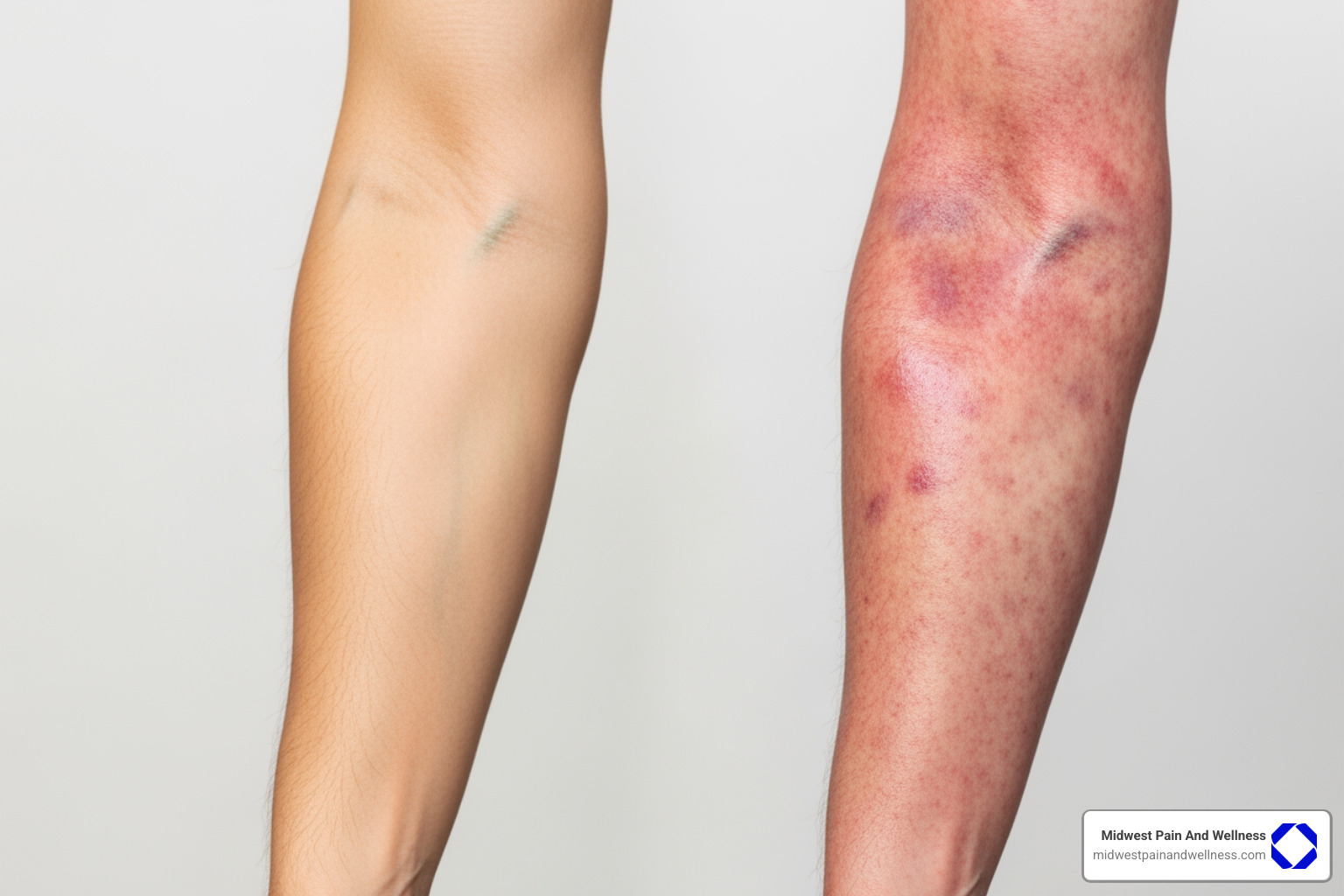
Complex Regional Pain Syndrome is a chronic pain condition that typically affects one limb after an injury or trauma like a fracture, surgery, or stroke. The pain of CRPS is disproportionate to the original injury. Formerly known as Reflex Sympathetic Dystrophy (RSD), it involves the central and peripheral nervous systems, causing pain pathways to become sensitized. Essentially, the body’s alarm system gets stuck “on.”
The Two Types of CRPS
Medical professionals recognize two main types of CRPS:
- CRPS Type 1 (formerly Reflex Sympathetic Dystrophy or RSD): This is the most common type (90% of cases) and occurs after an illness or injury without confirmed direct nerve damage.
- CRPS Type 2 (formerly Causalgia): This type is diagnosed when there is a confirmed nerve injury, with symptoms directly linked to that damage.
Both types present significant challenges for CRPS pain management, requiring a custom approach.
What Causes CRPS?
The exact cause of CRPS is unclear but likely involves the inflammatory, immune, and nervous systems. It often follows specific triggers:
- Nerve trauma or injury: Over 90% of cases result from damage to sensory and autonomic nerve fibers.
- Fractures: About 40% of cases develop after a fracture.
- Surgery: Post-operative complications can trigger CRPS.
- Sprains and strains: Even minor injuries can lead to CRPS.
- Stroke or heart attack: These events can precede the onset of CRPS.
- No clear cause: In 10-20% of cases, CRPS occurs without a known trigger.
Common Symptoms of CRPS
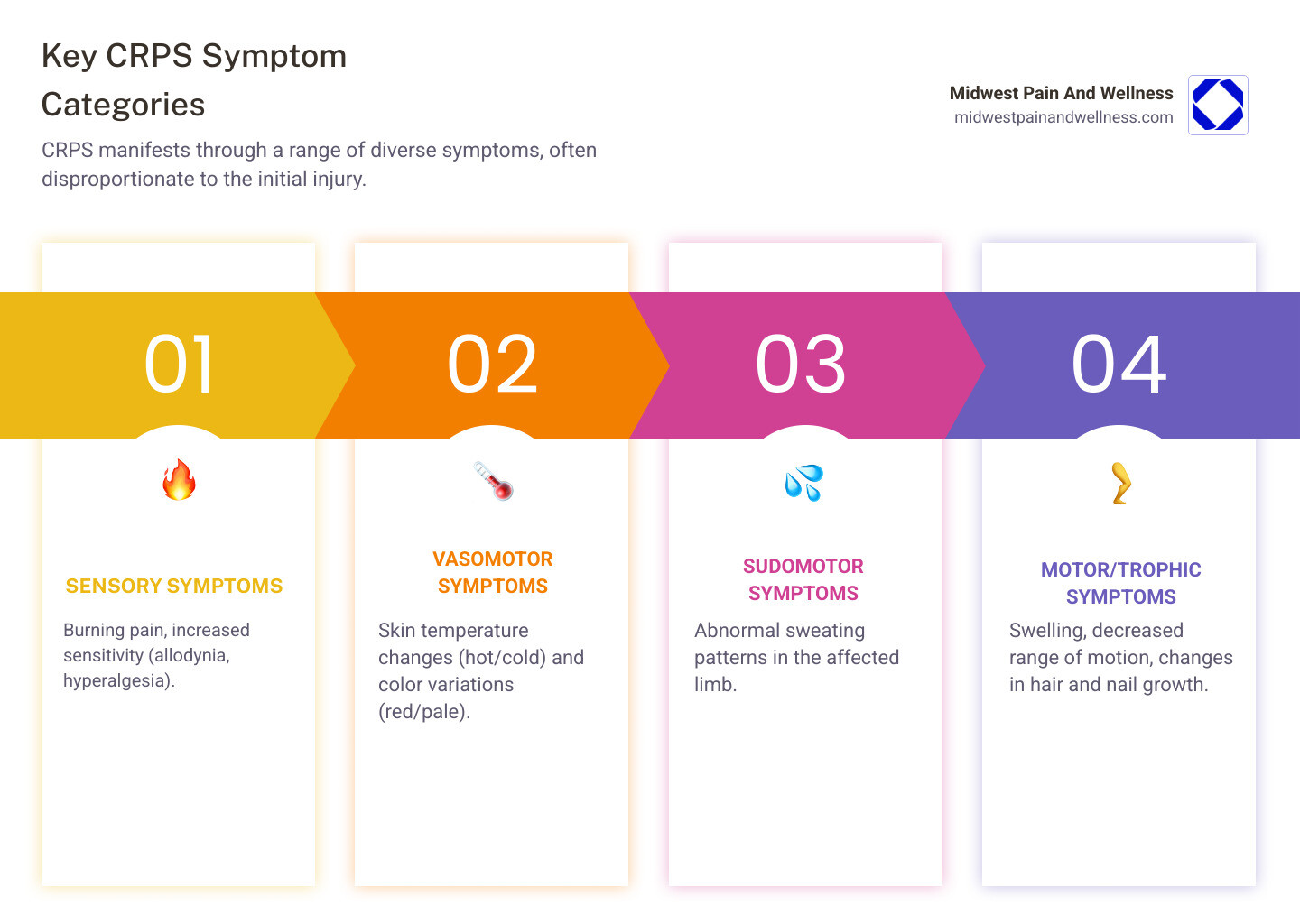
CRPS symptoms fall into several categories, which are vital for diagnosis and guiding CRPS pain management:
- Sensory symptoms:
- Burning pain: A constant, intense, and deep burning sensation.
- Allodynia: Pain from a stimulus that is not normally painful, like a light touch.
- Hyperalgesia: Increased sensitivity to a painful stimulus.
- “Pins and needles” or a squeezing sensation.
- Vasomotor symptoms:
- Temperature changes: The affected limb may feel warmer or cooler than the other limb.
- Skin color changes: Skin can appear blotchy, blue, purple, pale, or red.
- Sudomotor symptoms:
- Sweating changes: Abnormal sweating patterns (too much or too little) in the affected area.
- Motor/Trophic symptoms:
- Swelling (edema): Localized swelling in the limb.
- Decreased range of motion: Joint stiffness making movement difficult.
- Hair/nail growth changes: Abnormal growth, texture, or loss.
- Skin texture changes: Skin can become thin, shiny, or dry.
- Impaired muscle strength: Weakness, tremors, or difficulty coordinating movements.
Getting a Diagnosis: The First Step to Relief
Getting an accurate diagnosis for persistent, disproportionate limb pain is critical. Early diagnosis dramatically improves CRPS pain management outcomes and can prevent the condition from becoming more severe.
There is no single test for CRPS. It is a “diagnosis of exclusion,” requiring a methodical approach to rule out other conditions while identifying the characteristic pattern of CRPS symptoms.
The Diagnostic Process
We start by listening to your story, conducting a thorough physical examination and taking a detailed medical history. The gold standard for diagnosis is the Budapest Criteria. These require continuing pain that is disproportionate to any trigger, plus a specific combination of reported symptoms and observed signs across four categories: sensory, vasomotor, sudomotor, and motor/trophic.
The Budapest Criteria are highly sensitive (99%) for diagnosis, but other conditions must still be carefully ruled out to ensure accuracy.
Diagnostic Tests for CRPS
While no single test is definitive, several tools help build a complete picture and eliminate other diagnoses. A three-phase bone scan can show changes in bone metabolism and blood flow. X-rays may reveal bone loss (osteopenia) in later stages.
MRI scans are helpful for identifying soft tissue changes or nerve compression that could support a CRPS diagnosis or point to another condition. We may also use sympathetic nervous system tests, like sweat production studies, to measure differences in skin temperature and moisture between limbs, which indicate autonomic dysfunction.
In cases of suspected CRPS Type 2, nerve conduction studies can confirm specific nerve injuries. An accurate diagnosis is the foundation of an effective CRPS pain management plan. For more information, visit our page on CRPS diagnosis and treatment information.
A Multi-Modal Approach to CRPS Pain Management
At Midwest Pain And Wellness, we take a holistic, multi-faceted approach to CRPS pain management. Our goal is to help you reclaim movement and improve your daily life with comprehensive, opioid-free pain relief. Our double board-certified doctors use an interventional approach, collaborating with specialists to create custom care plans for long-term relief.
The Role of Physical and Occupational Therapy
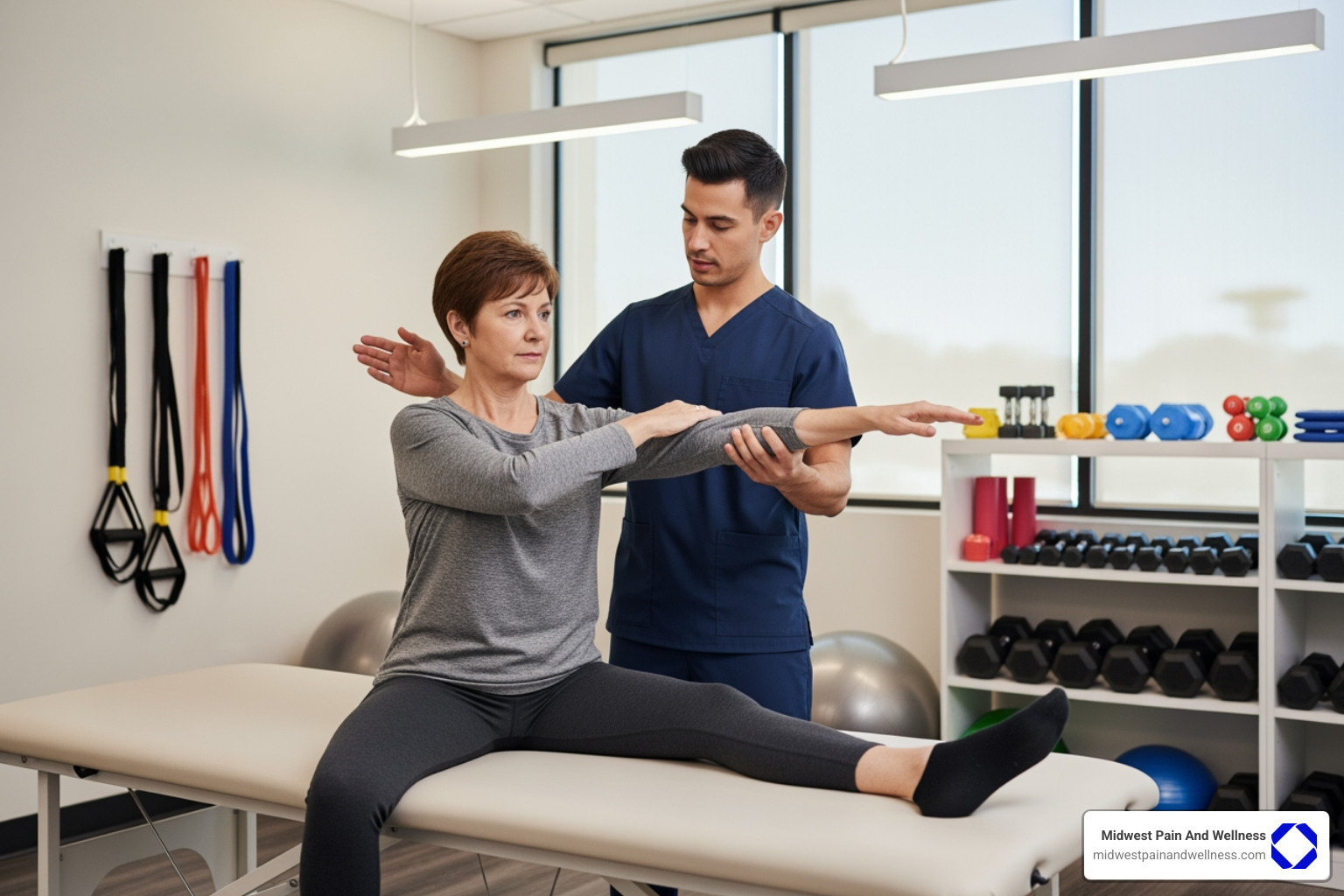
Physical and occupational therapy are the foundation of CRPS pain management. Gentle, guided exercise is crucial. Keeping the limb active improves blood flow, reduces stiffness, and helps reset the nervous system changes linked to chronic pain.
Our therapists recommend a variety of custom techniques:
- Graded motor imagery (GMI): This technique uses mental exercises and visualization to “retrain your brain,” helping it accept the affected limb as normal again.
- Mirror therapy: By reflecting the healthy limb, this technique “tricks” the brain into seeing the painful limb moving normally, which can reduce pain and improve function.
- Desensitization techniques: We gradually expose the skin to different textures to reduce hypersensitivity over time.
- Gentle exercises and range-of-motion activities: These are customized to your comfort level, often starting with hydrotherapy (exercising in water) to support the limb.
To explore more about our comprehensive treatment options, please visit our website: CRPS treatment options.
Effective Medications for CRPS Pain Management
While no single pill is FDA-approved for CRPS, several medications can manage symptoms. We focus on an opioid-free approach targeting nerve pain and inflammation.
Bisphosphonates (e.g., Pamidronate) can reduce pain over several months by addressing bone turnover. For acute flares, a short course of Corticosteroids (e.g., Prednisolone) can reduce inflammation and pain.
For neuropathic pain, Anticonvulsants like Gabapentin and Pregabalin calm overactive nerve signals. Antidepressants (like Amitriptyline) can help manage pain and improve sleep. Finally, Topical analgesics such as Ketamine cream can be applied directly to the skin to reduce localized sensitivity.
Psychological Support and Coping Strategies
Living with chronic pain is emotionally challenging, so psychological support is a vital part of CRPS pain management. We encourage strategies that empower you:
- Cognitive Behavioral Therapy (CBT): Helps you change unhelpful thought patterns and behaviors related to pain.
- Biofeedback: Teaches you to control bodily responses like heart rate and muscle tension to reduce pain and stress.
- Relaxation techniques: Mindfulness, meditation, and deep breathing can manage stress and alter pain perception.
- Support groups: Connecting with others who understand offers immense emotional comfort and practical advice.
For more support resources, please visit our dedicated page: Support resources for CRPS.
Advanced Interventional Treatments for Lasting Relief
When pain persists despite other therapies, we turn to advanced interventional options. At our Chicago Ridge, Illinois clinic, we specialize in minimally invasive procedures that target pain signals directly, interrupting the pathways causing distress. These are precision tools in our CRPS pain management toolkit.
These treatments are about fundamentally changing how your nervous system processes pain, offering a real chance at lasting relief.
Nerve Blocks for CRPS Pain Management
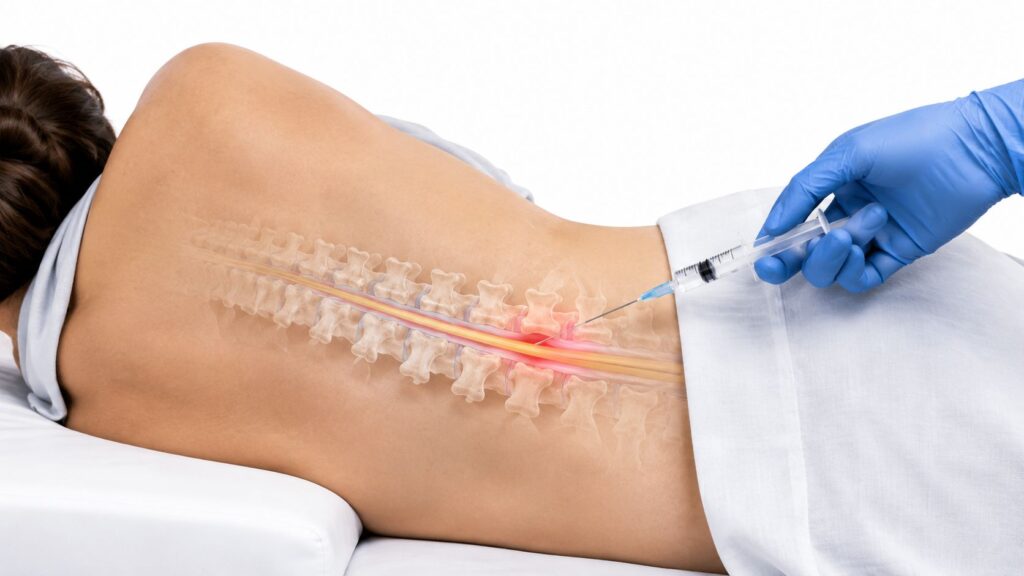
Nerve blocks temporarily “turn off” the nerves sending pain signals. We inject a local anesthetic, often with a corticosteroid, near specific nerves. These blocks are both diagnostic (confirming which nerves are involved) and therapeutic (providing pain relief that can last for days or weeks).
For CRPS, we focus on sympathetic nerve blocks. For upper limb CRPS, a stellate ganglion block targets sympathetic nerves in the neck. For lower limb CRPS, a lumbar sympathetic block targets nerves near the lumbar spine. These blocks can break the pain cycle, allowing you to engage more fully in physical therapy.
Neurostimulation Therapies
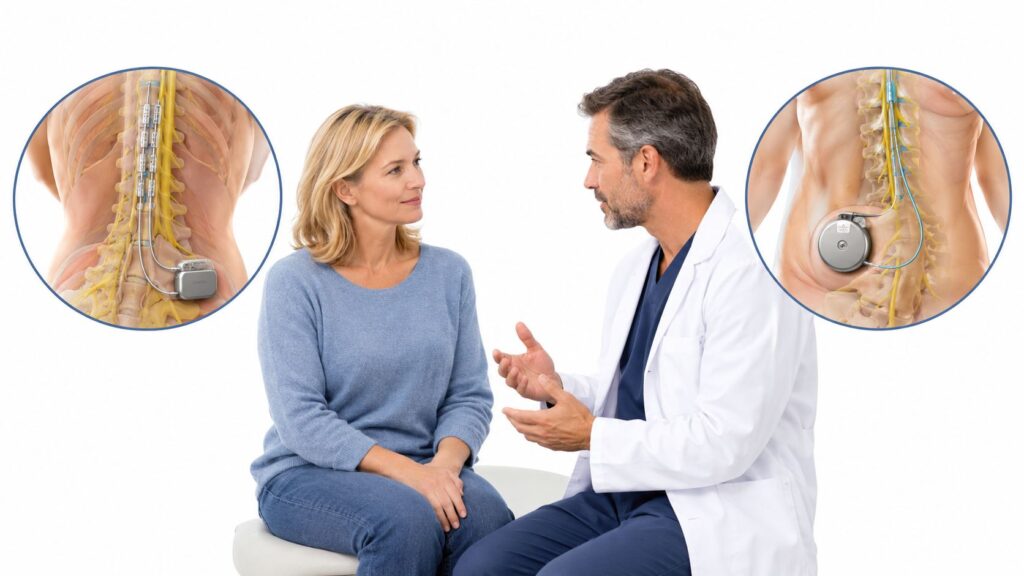
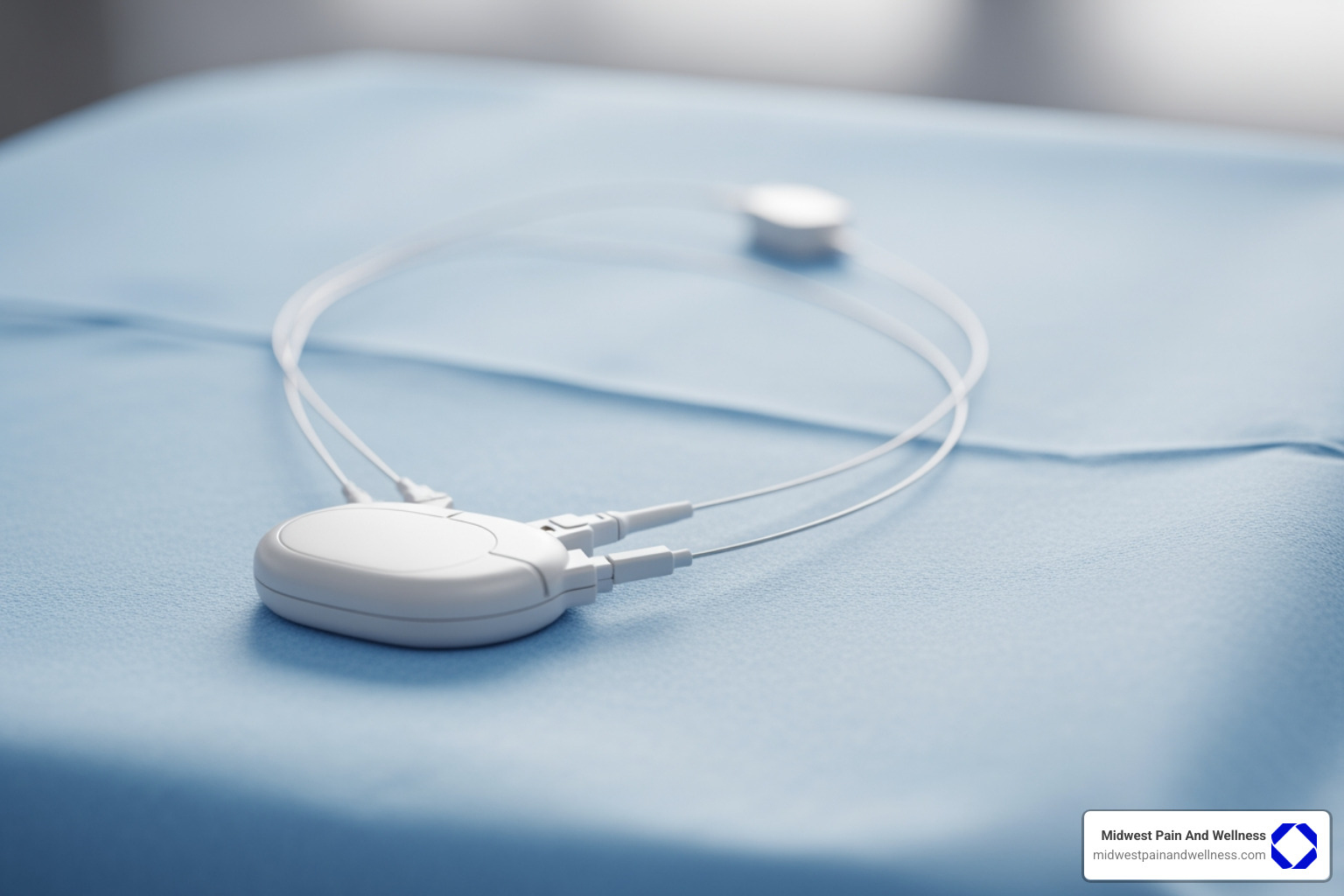
When nerve blocks provide only temporary relief, neurostimulation may be the next step. These devices use gentle electrical impulses to block or modify pain signals before they reach the brain.
- Spinal Cord Stimulation (SCS) is a proven therapy for chronic CRPS. Thin wires (leads) are placed in the epidural space near the spinal cord, connected to a small generator that sends gentle electrical impulses to block pain signals. A 5-7 day trial period allows you to test the system’s effectiveness before committing to a permanent implant.
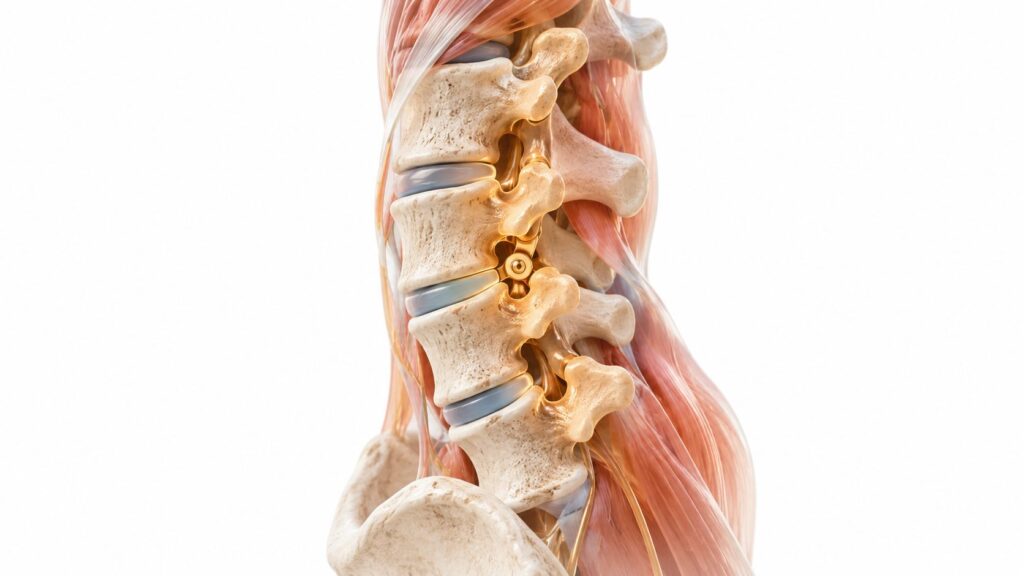
- Dorsal Root Ganglion (DRG) stimulation is an excellent option for more targeted relief. The DRG is a nerve cluster acting as a sensory relay station. Stimulating the specific DRG corresponding to your pain provides highly localized relief, often with higher success rates than traditional SCS.
- Peripheral Nerve Stimulation (PNS) is even more direct, placing electrodes next to the specific peripheral nerve causing your pain.
- High-frequency (10-kHz) SCS is a newer option that often works without the tingling sensation (paresthesia) of older systems.
You can learn more about the latest research and treatments for CRPS on our interventional pain management page.
Other Interventional Options
For severe, widespread CRPS, an intrathecal drug pump may be an option. This implanted device delivers medication directly to the spinal fluid, allowing for smaller doses and fewer side effects. Radiofrequency ablation uses heat to temporarily disable pain-transmitting nerves, with relief lasting for months. Finally, ketamine infusions, given in a controlled setting, can provide significant short-term relief for severe cases by blocking key pain receptors in the brain.
Living and Thriving with CRPS
Living with CRPS is a battle, but hope and effective strategies are within reach. While there is no cure, our mission at Midwest Pain And Wellness is to empower you to thrive. We know that effective CRPS pain management can lead to significant life improvements.
Studies show remarkable progress is possible. One Dutch study found 41% of patients returned to work without restrictions, while a US study reported symptom resolution in 74% of patients. These numbers highlight the potential for recovery.
Daily Coping and Lifestyle Adjustments
Taking an active role in your daily care is a powerful step. A key strategy is pacing your activities—balancing activity with rest to avoid triggering pain flares. This marathon-not-a-sprint approach yields the best results.
Continuing with gentle movement like walking or swimming is vital for mobility and circulation. A healthy, balanced diet supports overall well-being and can help manage inflammation. Some find alternative therapies like acupuncture or Reiki offer additional comfort and relaxation. Quitting smoking is also critical, as smoking hinders nerve regeneration; we have resources to help you more info on quitting smoking. Finally, managing existing health conditions like diabetes improves your body’s ability to heal.
The Future of CRPS Research
The medical community is actively researching CRPS, bringing hope for future CRPS pain management strategies. Key efforts like the NIH HEAL Initiative® and the BRAIN Initiative® are focused on improving pain management and understanding the brain’s role in neurological pain.
Researchers are also identifying new drug targets by exploring the immune system, genetics, and even gut bacteria. This promises more personalized treatments. For those interested, participating in clinical trials offers access to cutting-edge treatments. You can search for ongoing trials here: Search for CRPS Clinical Trials.
Conclusion: Reclaiming Your Life from CRPS
Living with CRPS is a challenging journey, but you don’t have to walk it alone. As we’ve explored, effective CRPS pain management is not a single fix but a thoughtful, multi-modal approach. It addresses the condition from every angle—physical, emotional, and neurological.
This comprehensive strategy builds a bridge back to a more comfortable life. Gentle therapies retrain the brain and body, medications ease symptoms, and advanced interventional procedures offer significant relief. Together, these elements create a clear path toward less pain and better function.
Here at Midwest Pain And Wellness in Chicago Ridge, Illinois, we understand this journey. Our mission is to offer compassionate, thorough, and effective care with a focus on opioid-free solutions. Our double board-certified doctors are experts in a multi-modal, interventional approach, creating custom care plans for your unique needs. Our goal is simple: to help you manage your CRPS effectively, so you can break free from chronic pain and reclaim your life.
If you are struggling with CRPS, know that hope and healing are possible. We invite you to find the power of personalized CRPS pain management. To learn more about our services and how we can help you find lasting relief, please visit More info about our interventional pain services.