Understanding Diabetic Neuropathy and Finding Relief in Naperville
Diabetic neuropathy Naperville residents face is a common but serious complication of diabetes that affects nerves throughout the body. If you’re experiencing tingling, numbness, or burning pain in your feet or hands, you’re not alone—and effective treatment is available in our community.
What You Need to Know Right Now:
- What it is: Nerve damage caused by prolonged high blood sugar levels
- Who it affects: About half of all people with diabetes develop some degree of nerve damage
- Common symptoms: Numbness, tingling, burning pain, muscle weakness, and balance problems
- Where it starts: Usually begins in the feet and gradually moves upward
- Treatment options: Multi-modal approaches including lifestyle changes, interventional procedures, and regenerative therapies
- Local care: Specialized treatment available in Naperville focusing on opioid-free pain management
Over 20 million Americans suffer from neuropathy, with diabetes as the leading cause. Research shows that 60-70% of diabetics will develop peripheral neuropathy in their lifetime. This nerve damage causes more than discomfort; it can significantly impact your ability to walk, sleep, work, and enjoy daily activities.
The pain from diabetic neuropathy ranges from mild tingling to severe discomfort. Some patients describe it as burning sensations, sharp electric shocks, or extreme sensitivity where even wearing socks is painful. Others experience numbness that puts them at risk for injuries they can’t feel.
While diabetic neuropathy is a progressive condition, it doesn’t have to control your life. Modern treatments focus on managing symptoms, slowing progression, and addressing the root causes of nerve damage. Naperville residents have access to comprehensive care that goes beyond simply masking pain with medication. Effective management lies in early detection, proper blood sugar control, and a multi-modal treatment approach custom to your specific needs.
Understanding Diabetic Neuropathy: Causes and Progression
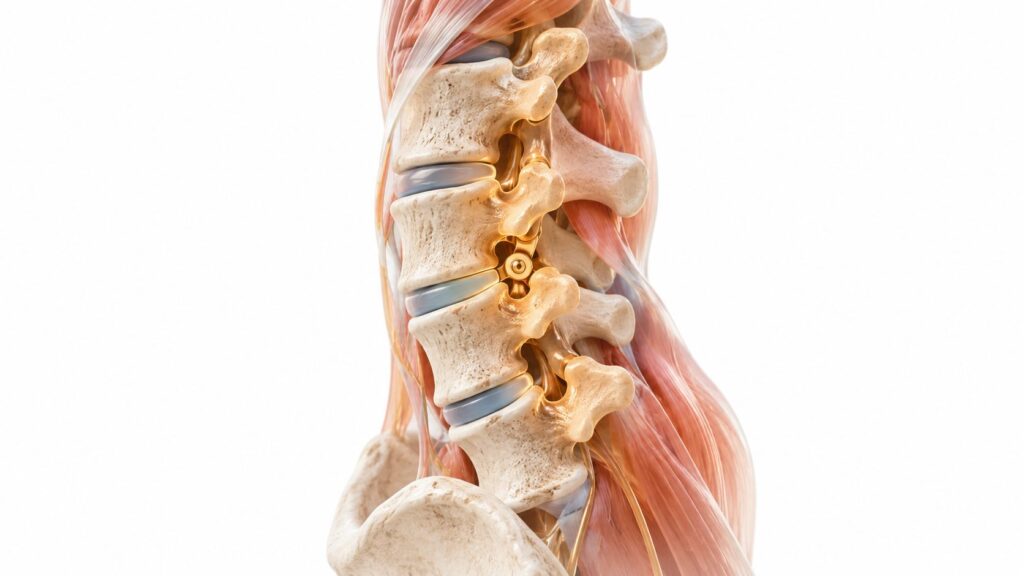
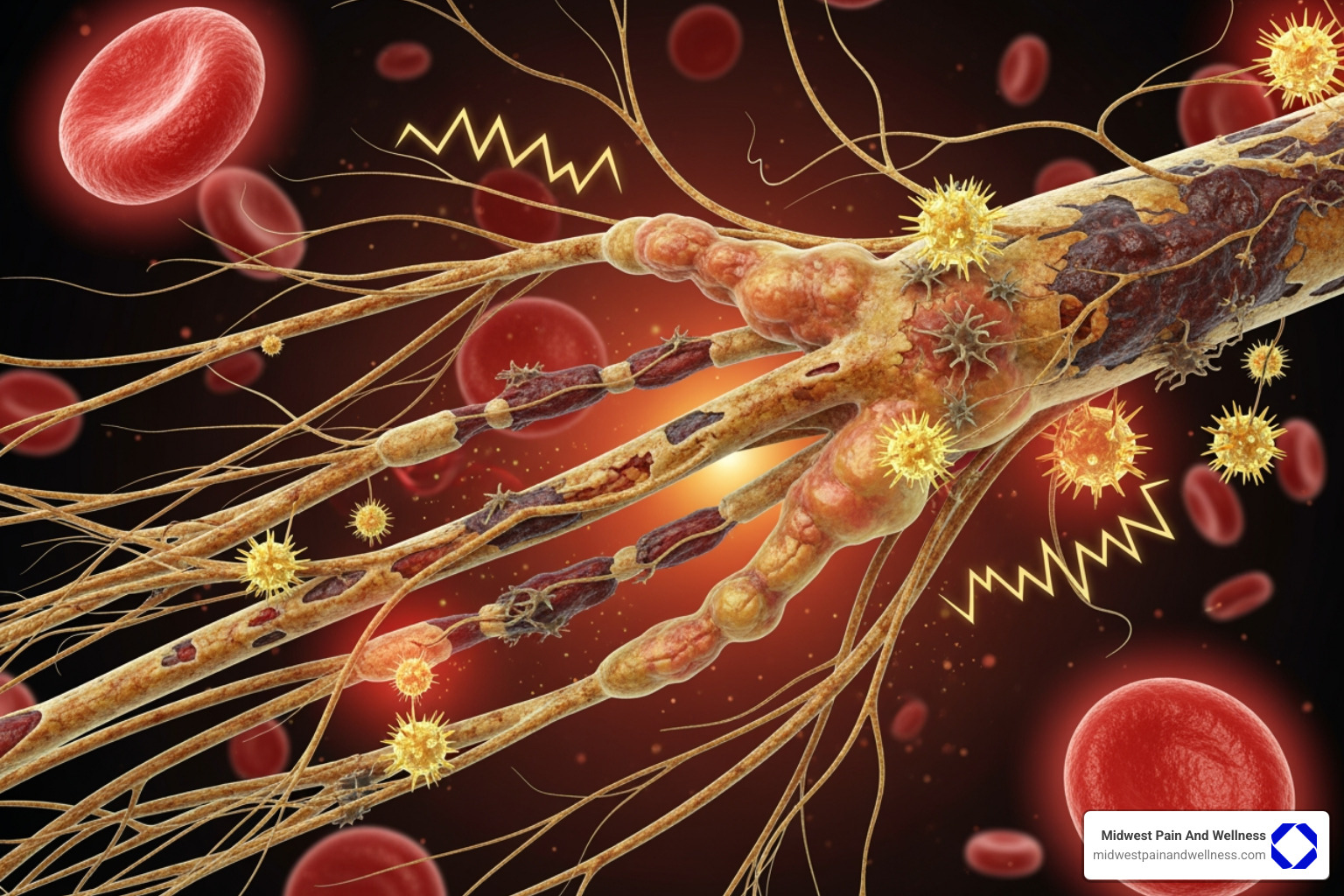
Diabetic neuropathy is nerve damage caused by diabetes, a complication that develops gradually due to prolonged high blood sugar levels. High blood sugar damages nerves by fraying their protective coating and compromising the small blood vessels that nourish them. This disrupts nerve signals between the brain and body.
According to the American Diabetes Association, about half of all people with diabetes will develop some form of nerve damage, highlighting the importance of blood sugar management.
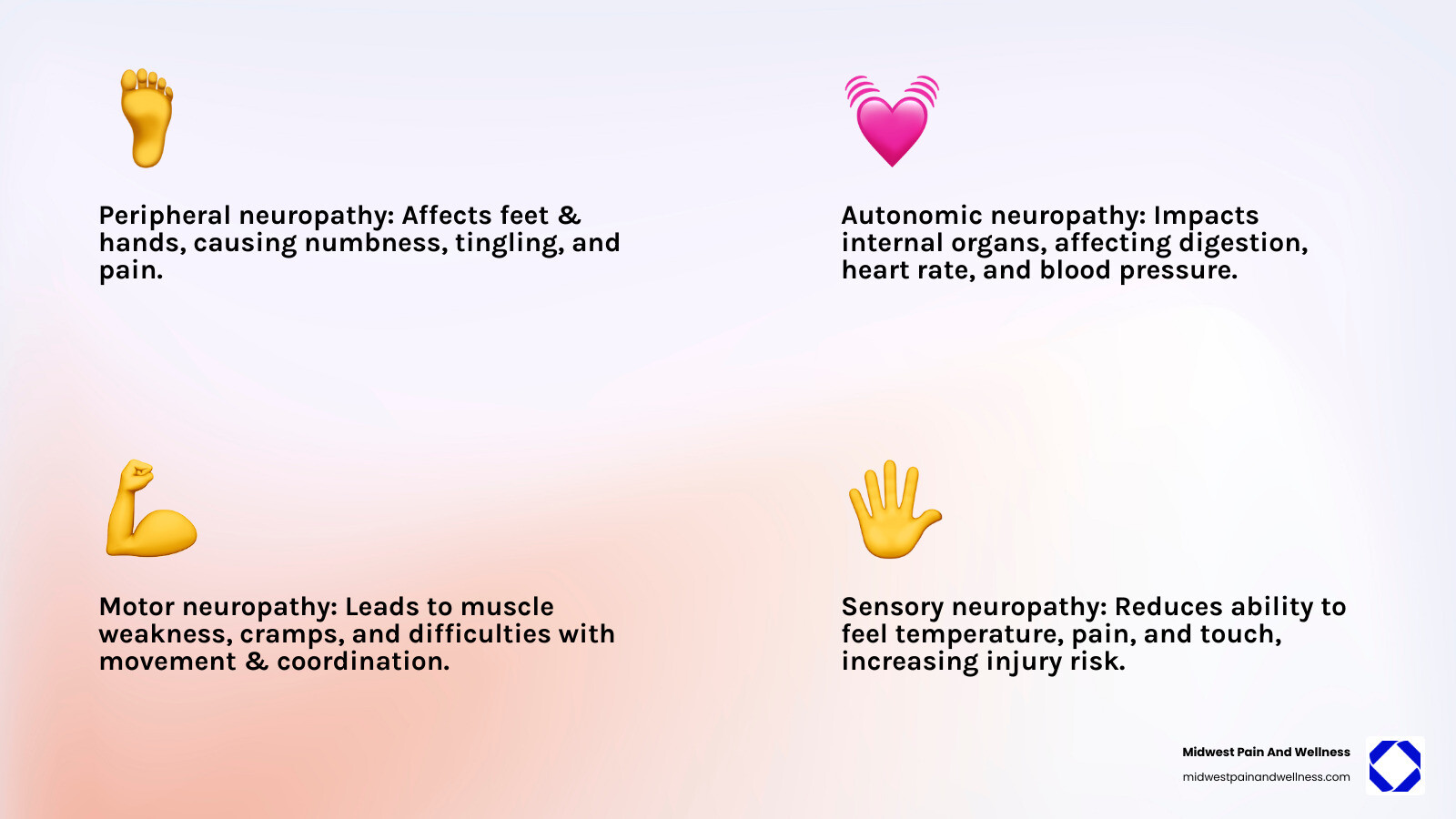
Peripheral neuropathy is the most common type we see in patients with diabetic neuropathy Naperville. It affects nerves outside the brain and spinal cord, which is why symptoms typically start in the feet and hands and gradually move up the legs.
Diabetic neuropathy can impact three main types of nerves:
- Sensory nerves help you feel pain, temperature, and touch. Damage can cause numbness, tingling, or burning sensations.
- Motor nerves control muscles and movement. Damage leads to weakness, difficulty walking, and balance problems.
- Autonomic nerves regulate involuntary body functions like digestion, heart rate, and blood pressure. Damage can cause digestive issues or dizziness.
While prolonged high blood glucose is the primary cause, other factors can contribute. Metabolic syndrome—a cluster of conditions including high blood pressure, abnormal cholesterol, and insulin resistance—can also cause nerve damage. Sometimes medications, inflammation, or genetics play a role. Understanding these causes is empowering, as controlling your diabetes today can protect your nerves tomorrow.
Recognizing the Symptoms of Diabetic Neuropathy in Naperville
Diabetic neuropathy Naperville patients experience often begins quietly. You might dismiss early symptoms like minor numbness in your toes or occasional tingling. Recognizing these early signs is crucial for managing the condition and slowing its progression.
Most people first notice symptoms in their feet and hands. The numbness or tingling often starts in the toes and moves upward over time. Many patients describe a “pins and needles” sensation or sharp, burning pain that is often worse at night. Another common symptom is extreme sensitivity to touch, where the weight of a bedsheet can be painful.
Muscle weakness may appear as difficulty gripping objects or tripping more often. Loss of balance occurs because damaged nerves can’t properly communicate your foot’s position to your brain, increasing fall risk.
Here are early warning signs that should prompt you to seek medical attention:
- Persistent tingling or numbness in your toes or fingers
- Unexplained sharp pains in your feet, especially at night
- Difficulty walking or maintaining balance
- Sores on your feet that you don’t feel or that heal slowly
- Changes in foot temperature or color
- Increased sensitivity where light touch becomes painful
If you have diabetes and notice these symptoms, don’t dismiss them. Early diagnosis and treatment can slow nerve damage and preserve your quality of life.
How Local Specialists Diagnose the Condition
When you visit us with concerns about nerve damage, we start by listening to your story. Our diagnostic process includes a thorough patient history review, covering your diabetes management, symptoms, and other health conditions.
A comprehensive physical and neuromuscular exam follows. We check for signs of nerve damage by testing reflexes and sensation. We use specialized tools like a monofilament to check for light touch and a tuning fork to test vibration sense. These simple tests help us identify the affected nerves.
In some cases, we may recommend nerve conduction studies to measure how quickly electrical signals travel through your nerves, providing valuable data for your treatment plan. Our goal is to gather all the necessary information to create an individualized treatment plan that addresses your specific needs. You can learn more about our comprehensive diagnostic process on our conditions page. We aim to understand exactly what’s happening in your body so we can help you find real relief.
Comprehensive Treatment for Diabetic Neuropathy Naperville
Living with diabetic neuropathy Naperville doesn’t mean accepting constant pain. At Midwest Pain And Wellness, we see you as a whole person, not just a set of symptoms. Our philosophy is a multi-modal approach, using multiple strategies together rather than a single solution.
Our unique approach is committed to opioid-free pain management. We focus on therapies that address the root cause of nerve damage for lasting relief, avoiding the side effects and dependency of long-term opioid use. We create individualized treatment plans custom to your specific challenges, needs, and goals. We also believe in collaboration, working with specialists like nutritionists and physical therapists to ensure you receive comprehensive support.
Our double board-certified doctors use the most current therapies with compassion. We understand how chronic nerve pain affects your life and are here to help you reclaim it.

The Critical Role of Lifestyle and Dietary Changes
The most powerful treatment for diabetic neuropathy Naperville residents can access isn’t a prescription; it’s your daily choices. Research shows lifestyle modification is a key treatment for pre-diabetic and diabetic neuropathy. These changes are the foundation that makes other treatments more effective.
Blood sugar control is paramount. Since high blood glucose damages nerves, keeping levels stable is your first line of defense. This involves regular monitoring and following your management plan.
Diet plays a pivotal role in managing neuropathy. An anti-inflammatory diet—rich in colorful vegetables, lean proteins, healthy fats, and fruits—can protect nerves. It’s important to minimize processed foods, refined sugars, and unhealthy fats.
Exercise is also a game-changer. It improves circulation to the nerves, helps manage blood sugar, strengthens muscles, and improves balance. Moderate activities like walking, swimming, or cycling are effective. We can help you find a safe routine.
Finally, weight management is key. A healthy weight improves insulin sensitivity and blood sugar control, creating a better environment for your body to heal. We know these changes can be overwhelming, and we are here to guide and support you to make them sustainable.
Advanced Interventional and Regenerative Therapies
While lifestyle changes are foundational, our advanced interventional and regenerative therapies can manage severe pain and promote healing.
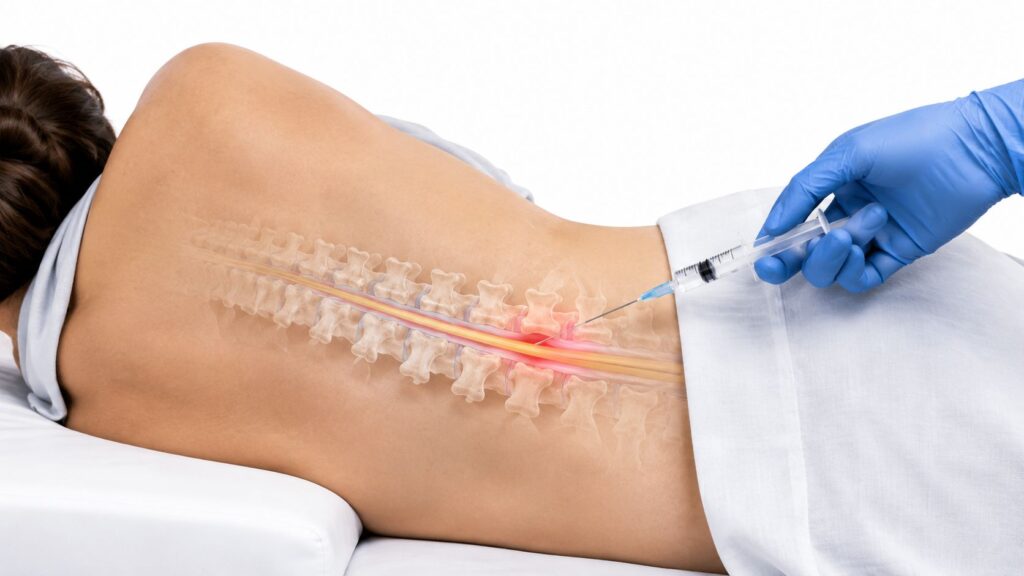
Interventional pain procedures, like nerve blocks, are minimally invasive treatments targeting the pain’s source. We inject an anesthetic or steroid near the nerve to interrupt pain signals and reduce inflammation. Performed in-office, these can provide relief for weeks or months.
Regenerative medicine is an exciting development. These therapies work with your body’s natural healing processes to repair damaged tissue. Platelet-Rich Plasma (PRP) therapy is a prime example. We concentrate platelets from your own blood and inject the solution around damaged nerves. The growth factors stimulate tissue repair and can promote new nerve tissue growth. You can learn more about our advanced regenerative therapies.
For severe nerve pain unresponsive to other treatments, we offer ketamine therapy. Ketamine targets specific pain receptors, acting as a “reset button” for malfunctioning nerve pathways to reduce pain intensity.
Many of our treatments also focus on improving blood supply to your nerves. Increasing circulation delivers vital oxygen and nutrients, helping nerves repair and function better. We use a range of procedures to help you achieve relief, focusing on opioid-free, long-term solutions. Our goal is to restore your quality of life.
Preventing Complications and Managing Long-Term Health
If diabetic neuropathy Naperville residents experience goes untreated, the consequences can be serious. The biggest danger is often numbness, not pain. When your feet are numb, you can’t feel minor injuries like a blister or a small cut. A tiny, unfelt wound can become infected. Poor blood flow and nerve function make these infections hard to heal, potentially leading to foot ulcers, tissue death, or even amputation. Understanding these risks is key to prevention, and most of these complications are preventable with consistent care.
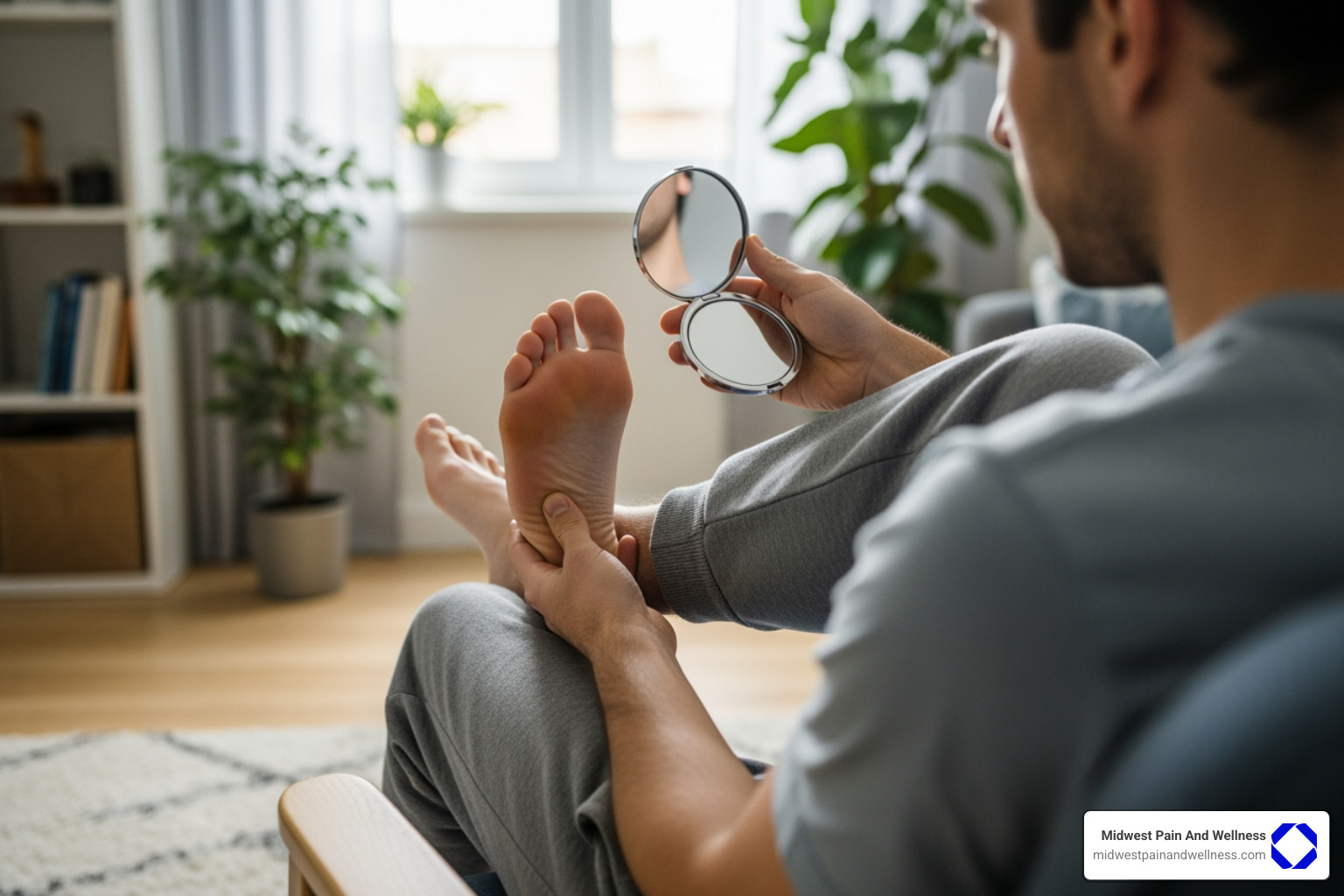
One of the most important habits is checking your feet daily. Look for cuts, blisters, redness, or swelling. This simple routine can catch problems early. Proper footwear is also vital. Always wear well-fitting, comfortable, and supportive shoes, and never walk barefoot, even at home.
Regular appointments with your healthcare team are essential for monitoring your diabetes and catching early signs of foot problems. Neuropathy can also cause balance problems, increasing fall risk. Strengthening and balance exercises help. Make your home safer by removing throw rugs, improving lighting, and clearing walkways.
Motor nerve damage can cause foot deformities, increasing ulcer risk, while autonomic nerve damage can lead to dry, cracked skin. Regular moisturizing (but not between the toes) and proper nail care are important preventive steps. Managing long-term health with neuropathy requires vigilance, but these measures, combined with good blood sugar control and our treatments, can help you avoid serious complications and maintain your quality of life.
Frequently Asked Questions about Diabetic Neuropathy
We want to address the most common concerns we hear from patients dealing with diabetic neuropathy Naperville.
Can diabetic neuropathy be reversed?
This is a common question. While complete reversal of advanced nerve damage is difficult, it doesn’t mean improvement isn’t possible. Our focus is on managing the condition, slowing its progression, and relieving symptoms. Many patients see significant improvement with aggressive blood sugar control and lifestyle changes. Early intervention can help some nerve fibers heal. Excitingly, advanced treatments like regenerative therapies show promise in promoting nerve healing. Our goal is to actively improve your nerve health and reduce discomfort.
What is the first sign of diabetic neuropathy?
Recognizing early signs is key to successful management. The first sign is typically a change in sensation in the toes or feet. This might be a gradual tingling, numbness, or a burning or prickly sensation. Symptoms are often mild and intermittent at first, perhaps noticeable at night. It’s easy to dismiss them, but they typically worsen and spread over time. If you have diabetes and notice unusual sensations in your feet or hands, don’t wait. Early detection is key to preventing more serious damage.
Are there treatments besides medication?
Absolutely, and this is where our approach at Midwest Pain And Wellness really shines. We believe in a comprehensive approach that goes beyond medication to address both symptoms and underlying causes.
- Lifestyle changes are foundational: strict blood sugar control, an anti-inflammatory diet, regular exercise, and a healthy weight protect your nerves.
- Physical therapy can improve strength, balance, and mobility.
- Interventional procedures like nerve blocks offer targeted, lasting pain relief.
- Regenerative medicine, including Platelet-Rich Plasma (PRP) therapy, uses your body’s own healing abilities to repair tissue and support nerve regeneration.
We may also incorporate complementary therapies like nutritional counseling into your personalized plan. Our commitment is to opioid-free, sustainable, long-term relief. Every treatment plan we create is customized to your unique needs.
Take Control of Your Nerve Health in Naperville
Diabetic neuropathy Naperville is a serious condition, but it doesn’t have to be a life sentence of pain. With the right approach and support, you can find significant relief and reclaim your life. We’ve covered how high blood sugar damages nerves and the importance of recognizing warning signs. Treatment goes beyond pills; foundational lifestyle changes combined with our advanced interventional and regenerative therapies give your body its best chance to heal.
You don’t have to face this alone. At Midwest Pain And Wellness, we provide individualized care that addresses the root cause of your pain. Our double board-certified doctors create custom, opioid-free treatment plans, avoiding one-size-fits-all solutions. Modern treatments offer significant relief, and we’ve seen patients return to their favorite activities and get restful sleep after suffering from pain. These results come from comprehensive, science-based, compassionate care.
Whether you’ve been told to “live with it” or are just noticing the first symptoms, you’re in the right place. Our approach combines the latest interventional techniques with regenerative medicine, physical therapy, and lifestyle guidance for the best possible outcome. Taking the first step can be daunting, which is why we invite you to learn more about why patients choose us and what makes our approach different.
Waiting allows nerve damage to progress. Reaching out today changes that trajectory, moving you toward improved nerve health and quality of life.
Take the first step toward relief. Schedule your consultation today and let’s start building your personalized path to better health. Your nerves—and your future self—will thank you.