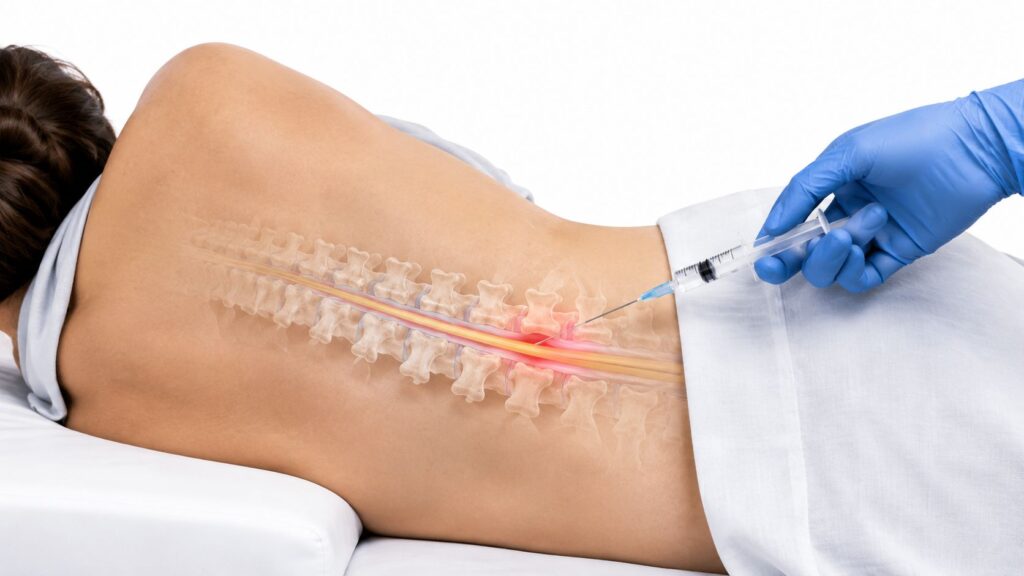
Why Traditional Pain Relief Isn’t Enough Anymore
Functional pain management is a patient-centered approach that investigates the root causes of your pain by looking at the interconnectedness of your biology, psychology, and social factors—rather than just masking symptoms with medication.
Quick Answer: What Makes Functional Pain Management Different?
- Traditional Approach: Treats pain symptoms with medication or procedures
- Functional Approach: Investigates why you have pain in the first place
- Focus: Restoring your body’s ability to heal by addressing biological factors (inflammation, hormones, nutrition), psychological factors (stress, past trauma), and lifestyle factors (sleep, diet, relationships)
- Goal: Positive vitality and improved daily function, not just the absence of pain
- Methods: Combines nutrition, stress management, restorative movement, and targeted therapies custom to your unique situation
If you’re one of the 51.6 million Americans experiencing chronic pain, you already know how it limits your life. Maybe you’ve tried medications that only provided temporary relief. Perhaps you’re concerned about long-term opioid use. Or you’ve been told “you’ll just have to live with it.”
The truth is, chronic pain costs our country $560 billion annually in medical expenses and lost productivity. But more importantly, it costs you the ability to enjoy simple pleasures—playing with your grandchildren, gardening, or even getting a good night’s sleep.
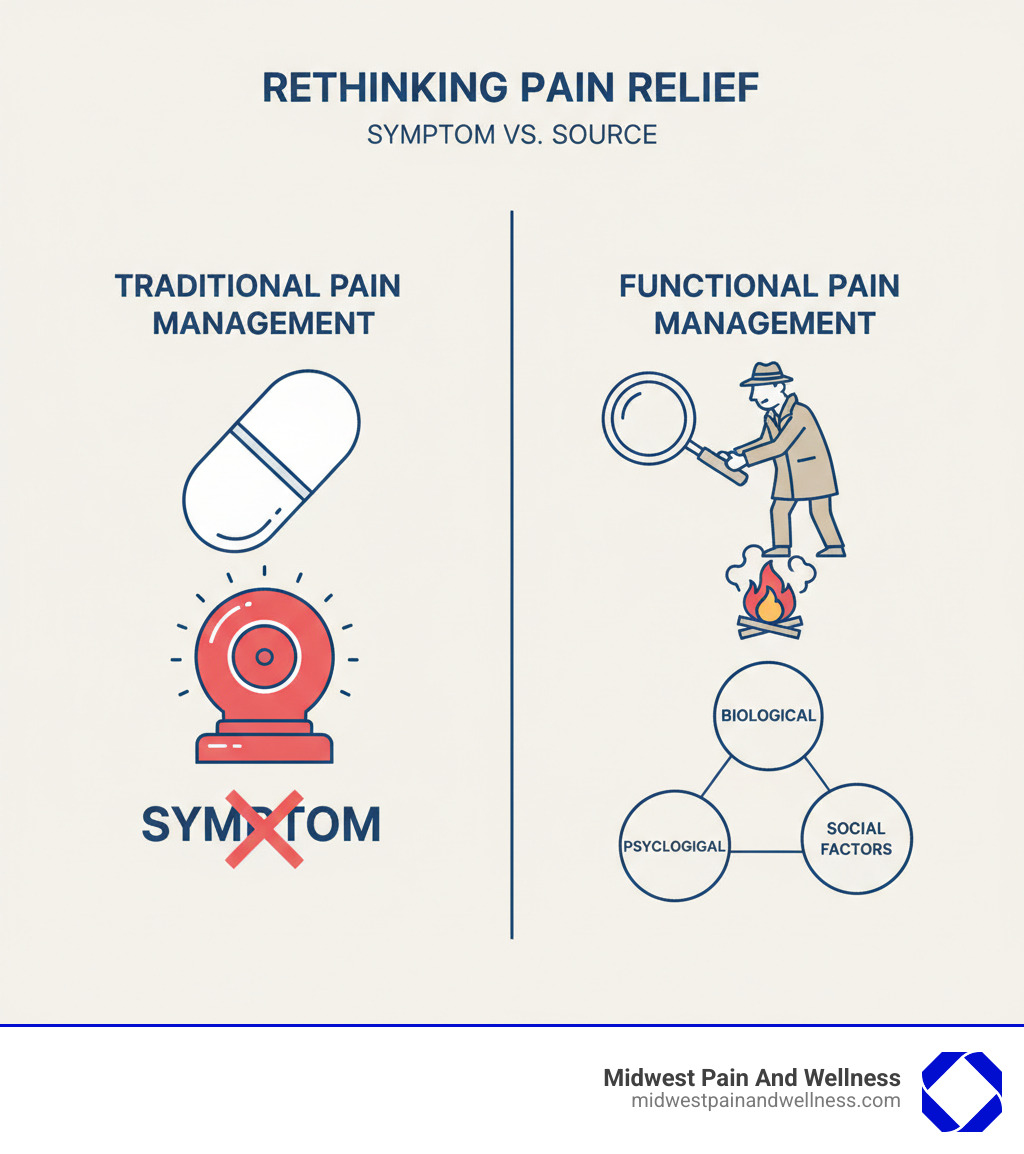
Traditional pain management often focuses on the symptom—the pain itself. It asks “what hurts?” and prescribes accordingly. Functional pain management asks a different question: “why does it hurt?”
This shift from treating symptoms to uncovering causes represents a fundamental rethinking of pain relief. As one functional medicine approach defines it: “We identify health as a positive vitality, not just the absence of disease.”
What is Functional Pain Management?: A Shift from “What” to “Why”
Here at Midwest Pain And Wellness, we truly get it: chronic pain is rarely a simple puzzle with an easy answer. It’s a deeply personal and often complex experience, shaped by many different things. And that’s exactly where functional pain management shines! This approach isn’t just about making the pain go away for a little while. Instead, it’s all about digging deep to find out why you’re hurting in the first place. We don’t just ask “what hurts?”; we go further, asking “why does it hurt?”.
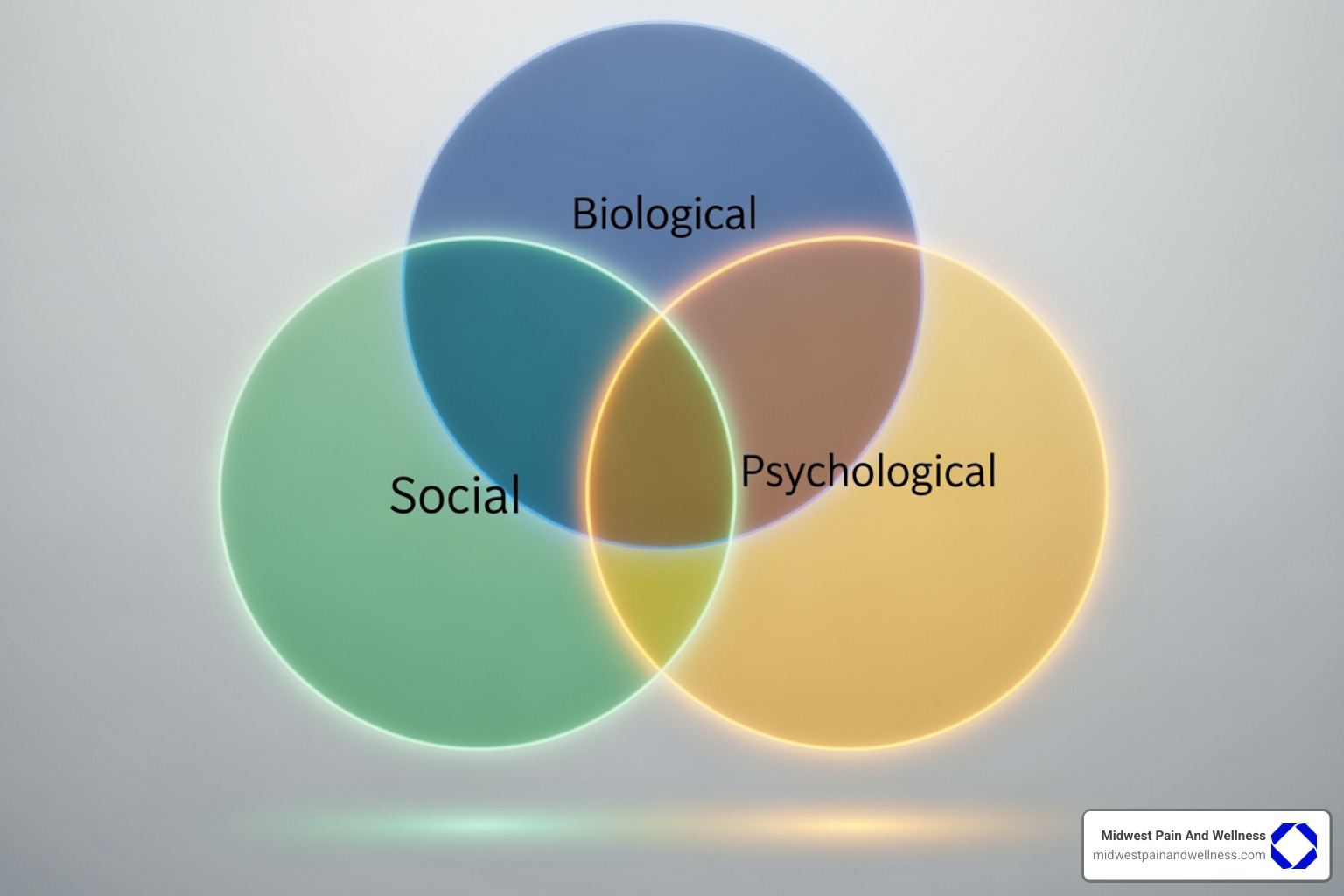
Think of your body not as a bunch of separate parts, but as one amazing, connected system. Pain in one spot might actually be a clue to an imbalance or problem somewhere else entirely. By taking this whole-person view, also known as the biopsychosocial model, we can uncover the true root causes of your discomfort. That’s the heart of functional pain management: a thorough, detective-like approach that treats you – your whole self – not just a single pain point.
The Core Principles of the Functional Approach
Our approach at Midwest Pain And Wellness is built on a few key ideas that guide every step of your journey back to feeling good:
- We take a holistic view. This means we see you as a whole person. Your physical symptoms are just one piece of a bigger picture that includes how you feel emotionally, your lifestyle, and your surroundings. Everything in your life, from yesterday to years ago, brings you to your current health. And the choices you make today will shape your health tomorrow.
- You’ll receive personalized care. We know there’s no magic bullet or one-size-fits-all answer for chronic pain. That’s why we create treatment plans made just for you, based on your unique needs, health story, and what you hope to achieve. This makes sure the therapies we suggest are the very best fit.
- Our methods are always science-based. Even though functional pain management looks at the whole person, it’s always backed by solid scientific evidence. We use smart diagnostic tools and practices proven by research to understand what’s going on in your body and guide your treatment plan.
- We believe in patient empowerment. You are a key player in your own health! Our goal is to give you the knowledge and tools you need to feel better for the long term. We want you to feel strong and confident in taking an active role in your healing.
- We put the biopsychosocial model in practice. This idea is super important to how we think about pain. It means we understand that chronic pain isn’t just physical. It comes from a mix of your biological makeup (like your body’s chemistry), psychological factors (like your thoughts and emotions), and social influences (like your relationships and work). As research points out, pain involves many complex parts, from physical feelings to how we live, feel, and think about it. Seeing these connections is vital for real, lasting relief.
How It Differs from Traditional Pain Management
To really grasp how powerful functional pain management can be, it helps to see how it’s different from the more traditional ways of treating pain you might have tried before.
| Feature | Traditional Pain Management | Functional Pain Management |
|---|---|---|
| Primary Goal | Symptom suppression; reduce pain sensation | Root cause resolution; restore function and vitality |
| Focus | Medication, injections, surgery | Lifestyle modifications, integrative therapies, targeted treatments |
| Patient Role | Passive recipient of treatment | Active participant in healing journey |
| View of Pain | Primarily physical; “what hurts?” | Biopsychosocial; “why does it hurt?” |
| Treatment Plan | Often standardized, symptom-driven | Highly personalized, comprehensive |
| Long-term Vision | Managing symptoms | Achieving lasting well-being and positive vitality |
Often, traditional pain management leans heavily on medicines, including opioids, to quiet down pain signals. While these can offer quick, temporary relief, they usually don’t fix the deeper problems. Plus, they come with their own set of concerns. For example, steroid injections, a common traditional method, might help for a bit, but they can also lead to things like weight gain or higher blood pressure. They aren’t a permanent fix for chronic pain.
In contrast, our functional pain management approach at Midwest Pain And Wellness aims to find and deal with the true beginnings of your pain. We much prefer non-medication and non-opioid treatments. These don’t carry the same risks as opioids. We truly believe that making real changes to your lifestyle plays a huge part in managing chronic pain. By tackling these underlying causes, you might find yourself needing fewer other treatments, or perhaps none at all!
Uncovering the Root Causes: The Biopsychosocial Assessment
Imagine trying to solve a puzzle without all the pieces. That’s often what traditional pain management feels like. At Midwest Pain And Wellness, we believe in getting the whole picture. We call this a biopsychosocial assessment. It’s a deep dive into your unique health story, because your pain isn’t just a symptom—it’s a story waiting to be understood. We look far beyond where it hurts, exploring how your body, mind, and daily life all play a part. This complete look is how we open up lasting relief.
Biological Factors: Your Body’s Blueprint
Think of your body as an amazing, intricate machine. When something goes wrong, it’s rarely just one small part. Many biological factors can quietly contribute to chronic pain. In functional pain management, we act like detectives, carefully checking these elements to find any hidden imbalances.
We start by looking at your body’s own blueprint. This includes your genetics, which can sometimes make you more prone to certain conditions or how you feel pain. Then, there’s inflammation—a major player in many pain conditions, often working silently. By finding out what’s causing this inflammation (from your diet to your environment), we can help calm it down and ease your pain.
Hormonal imbalances are another big piece of the puzzle. Hormones control so much in your body, including how you feel pain and handle stress. When they’re out of whack, pain can get worse. That’s why we offer specialized services like our Bioidentical Hormone Replacement (BHRT) Pain Management in Chicago Ridge to bring things back into balance.
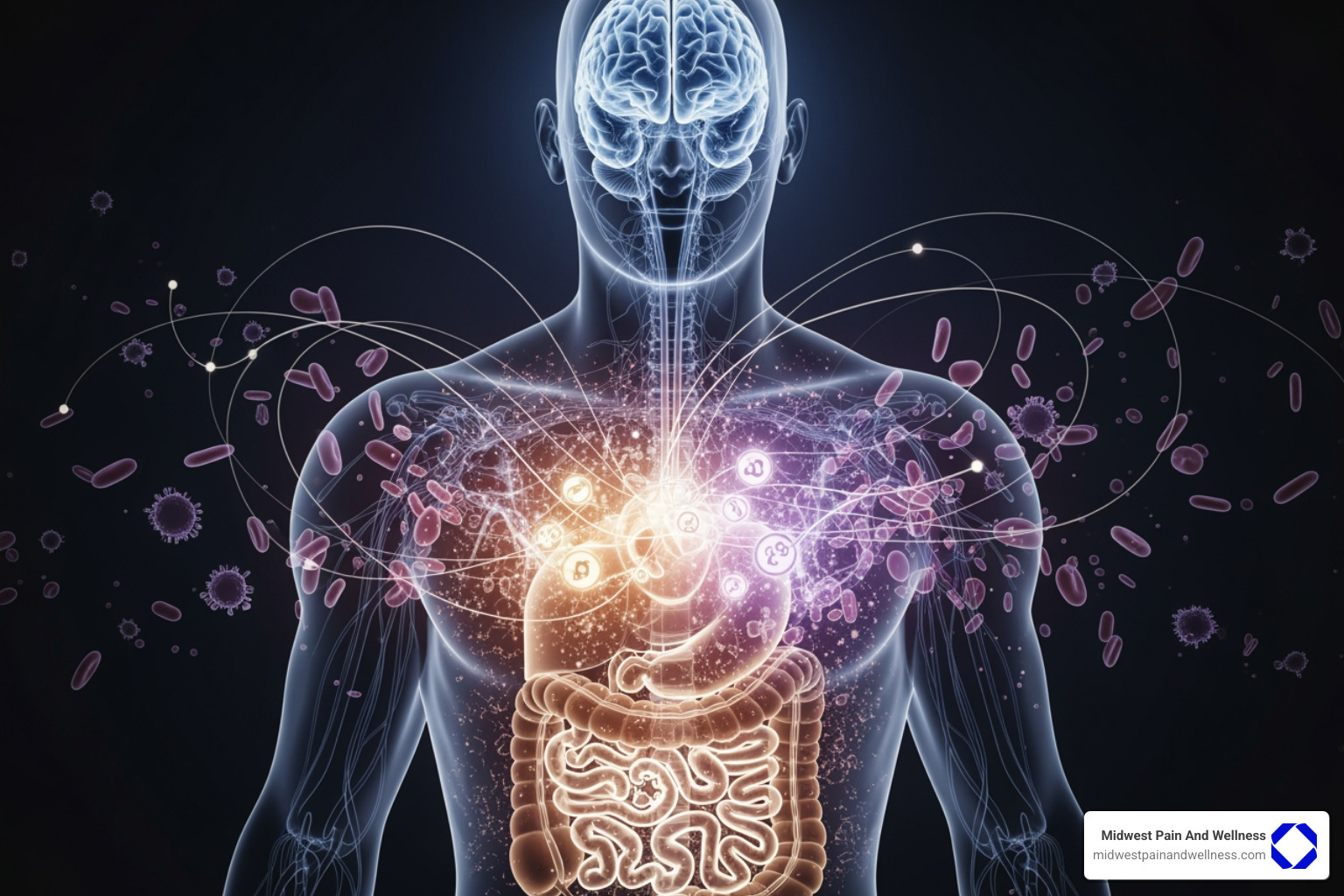
And don’t forget about what you put into your body! Nutritional deficiencies can stop your body from healing and cause inflammation or nerve pain. Even your gut health, which might seem unrelated, is super important for your immune system and how much inflammation you have. A healthy gut often means a healthier you.
Finally, we always check for any underlying conditions that could be causing your pain. We treat a wide range of issues here at Midwest Pain And Wellness. You can explore more about the specific Conditions We Treat on our website.
Psychological Factors: The Mind-Pain Connection
It’s a common misunderstanding that if pain has a psychological link, it’s not ‘real.’ But your mind and body are deeply connected, especially with chronic pain! These psychological factors don’t make your pain any less real; instead, they powerfully shape how you feel it and how you cope.
Let’s talk about stress and cortisol. When you’re constantly stressed, your body produces more cortisol, which can actually make your pain feel worse and slow down healing. Functional pain management emphasizes strategies to lower stress, so your brain doesn’t perceive pain as strongly.
It’s also true that anxiety and depression often go hand-in-hand with chronic pain. In fact, people with chronic pain are much more likely to experience these mental health challenges. They can make managing pain even harder and really affect your daily life. That’s why we see addressing these as a key part of your healing.
Even past trauma can play a role. Experiences like PTSD can deeply affect your nervous system, making you more sensitive to pain. And then there’s pain catastrophizing, which is when your thoughts about pain become overly negative—like thinking the worst, feeling helpless, or constantly dwelling on it. This can seriously ramp up your pain. Learning to shift these thought patterns is a big step towards feeling better.
As research clearly shows, the way our mind and emotions interact with our body (what we call psychosocial processes) has a huge impact on chronic pain. Our thorough assessment always includes looking at these vital connections to get a full picture of your pain experience.
Social & Lifestyle Factors: Your Environment and Habits
Beyond your biology and psychology, your daily life and surroundings play a huge part in your pain journey. We really dig into these social and lifestyle factors to find both potential pain triggers and amazing opportunities for healing.
Think about your relationships. Strong connections with loved ones can be a huge support, while stress from strained relationships can actually add to your pain. Your work environment also matters. Things like physical demands, high stress, or even certain toxins at work can contribute to or worsen chronic pain. Even though we’re in Chicago Ridge, Illinois, we know your work life, no matter where it is, is important to consider.
Then there are your sleep patterns. It’s simple: bad sleep often means worse pain. When you don’t get good, restorative sleep, your body can’t heal properly. Conditions like sleep apnea, which really mess with sleep quality, need to be addressed. Did you know that most people with chronic pain (about 67-88%) struggle with sleep?
And let’s not forget physical activity. While it might sound counterintuitive when you’re in pain, moving your body in the right ways can make a huge difference. A lot of sitting can actually worsen pain, but gentle, restorative exercise can boost your strength, flexibility, and overall well-being.
Finally, your diet is an incredibly powerful tool. Some foods can fuel inflammation and pain, while others are like medicine, helping to calm your body down. We’ll look closely at what you eat to find any triggers and suggest changes that support your healing journey.
Your Personalized Path to Positive Vitality
After we’ve thoroughly explored all the biological, psychological, and social factors contributing to your pain, that’s when the real magic begins! We start on a truly collaborative journey with you. Our goal isn’t just to quiet your pain; it’s to help you refind what it feels like to have positive vitality. Imagine thriving, not just surviving. That’s the ultimate destination on your personalized path.
At Midwest Pain And Wellness, we believe in a powerful truth: there’s rarely just one answer to chronic pain. That’s why we bring together many different therapies. This multi-modal approach means combining various interventions and giving you the tools to manage your own health. We blend conventional, interventional, and complementary therapies to create a plan that’s truly holistic and designed just for you.
The Role of Nutrition in Functional Pain Management
Think of your food as powerful medicine. In functional pain management, what you eat can either stir up inflammation or help calm it down. This directly impacts how much pain you feel.
We often recommend anti-inflammatory diets. These diets are packed with whole foods, healthy fats like omega-3s, and antioxidants. At the same time, we help you cut back on processed foods, sugar, and unhealthy fats that can worsen inflammation. For example, a Mediterranean pattern of eating is well-known for lowering inflammation. It can even improve pain and overall quality of life for conditions like fibromyalgia, as research has shown.
Because your body is unique, so should your diet be. We can help you build a personalized diet plan custom to your specific needs. Sometimes, this involves food sensitivity testing to pinpoint exactly which foods might be triggering your pain or inflammation. And remember that hormones play a big role in pain! Our services like Bioidentical Hormone Replacement (BHRT) Pain Management in Chicago Ridge can be a crucial part of this personalized plan, working hand-in-hand with your nutritional strategy.
Integrating Stress, Sleep, and Movement Therapies
Beyond what’s on your plate, how you manage daily stress, how well you sleep, and how you move your body are all vital pieces of the puzzle in our functional pain management plans.
Learning to calm your mind can be incredibly powerful. Techniques like mindfulness and meditation can actually change how your brain perceives pain. They do this by lowering stress hormones like cortisol. Many studies show that mindfulness helps improve physical health and pain function. We also use Cognitive Behavioral Therapy (CBT), a proven psychological therapy. It helps you recognize and change negative thoughts and behaviors linked to pain. This improves your coping skills and overall function.
Good sleep is not a luxury; it’s a necessity for healing! Since poor sleep can make pain worse, developing healthy sleep habits is a top priority. We’ll give you education and support to improve your sleep hygiene. We address any sleep disturbances to make sure your body gets the restorative rest it needs to repair and recover.
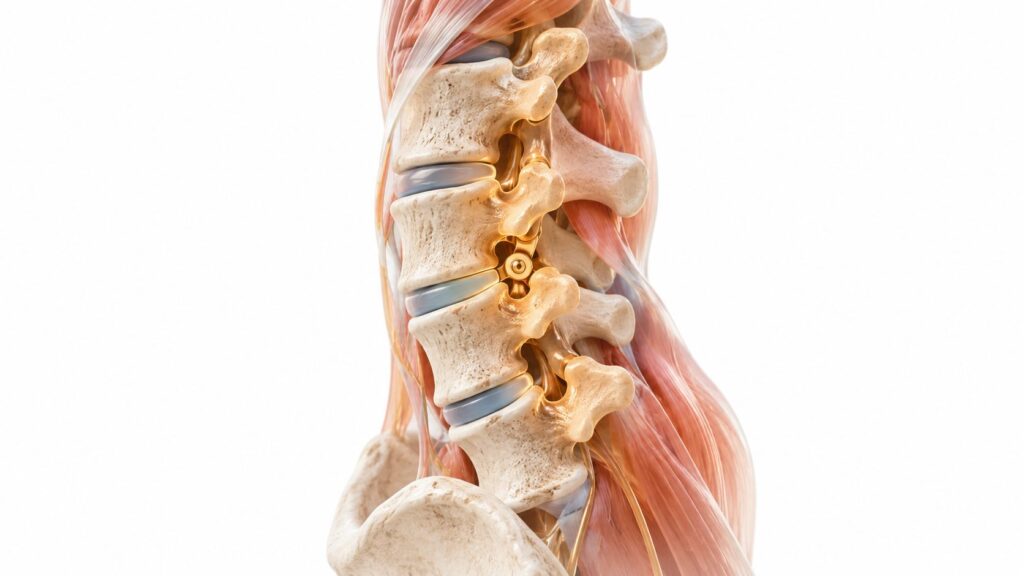
And of course, movement is key! Restorative exercise strengthens muscles, improves flexibility, and helps your posture. All of these reduce pain and can even prevent future injuries. We’ll create an individualized exercise program just for you. This often focuses on gentle, low-impact activities like yoga, always respecting what your body can do. For specific issues like Spinal Stenosis & Degenerative Spine Disease (Neck, Mid-Back, Low Back), targeted movement therapies can truly make a world of difference.
Frequently Asked Questions about Functional Pain Management
You’re probably wondering if this approach is right for you, or how it actually works in practice. We hear these questions all the time at Midwest Pain And Wellness, and we’re glad you’re asking them. Let’s walk through the most common concerns people have when they first learn about functional pain management.
Who is a good candidate for this approach?
If you’re reading this, chances are you’re already a great candidate. This approach truly shines for people who’ve been stuck in the cycle of temporary relief followed by more pain. Maybe you’ve tried medication after medication, only to find yourself right back where you started a few months later.
Functional pain management is especially helpful if you’ve been dealing with pain for longer than three months—what we call chronic pain. It’s not about how tough you are or how much you can endure. It’s about finally getting to the bottom of why your body is hurting in the first place.
People with fibromyalgia often find tremendous relief with this approach because their condition involves so many interconnected factors—sleep disturbances, stress responses, inflammation, and more. Similarly, those with autoimmune conditions or arthritis benefit from addressing the underlying inflammation and immune system imbalances rather than just masking the discomfort.
Have you been told your pain is “unexplained” or “all in your head”? That’s incredibly frustrating, and you’re definitely a candidate for functional pain management. When traditional diagnostics come up empty, it usually means we need to look deeper—at your gut health, your stress response, your nutritional status, and the intricate ways your body systems interact.
If you’re specifically seeking non-opioid solutions, you’re in the right place. At Midwest Pain And Wellness, our commitment is to provide comprehensive, opioid-free pain management. We believe there’s a better path forward than relying on medications that carry significant risks and often don’t address the real problem.
Finally, this approach works best if you’re ready to be an active partner in your healing. We’ll guide you, support you, and provide expert care, but lasting change requires your engagement with lifestyle modifications and treatment recommendations. If you’re willing to invest in your health, we’re here to walk that journey with you.
What kind of providers offer functional pain management?
This is an important question because not all pain management practices are created equal. Providers who truly offer functional pain management have a fundamentally different philosophy—they’re committed to understanding the whole person, not just treating symptoms.
At Midwest Pain And Wellness, our double board-certified doctors bring extensive training in interventional pain management combined with a holistic, integrative perspective. We don’t just ask “where does it hurt?” We ask “why does it hurt, and what can we do to help your body heal?”
The key isn’t necessarily a specific credential on the wall (though some practitioners do carry specialized certifications like Functional Pain Manager). What really matters is the practitioner’s philosophy and expertise in identifying and treating root causes. It’s about having collaborative teams who work together—sometimes involving nutritionists, physical therapists, mental health professionals, and other specialists—to create truly comprehensive care.
We use a multi-modal, interventional approach, which means we’re not limited to one type of treatment. We can offer advanced procedures when needed, but we integrate them with nutrition, stress management, movement therapies, and other interventions custom specifically to you. This collaborative, customized approach is what sets functional pain management apart.
What conditions benefit most from this approach?
The honest answer? Almost any chronic pain condition can benefit from functional pain management. But some conditions respond particularly well because they have multiple underlying contributors that traditional approaches often miss.
Chronic back pain is one of the most common reasons people come to us. Instead of just offering injections or medications, we look at your posture, core strength, inflammation levels, stress responses, and even how you sleep. For conditions like Spinal Stenosis & Degenerative Spine Disease (Neck, Mid-Back, Low Back), this comprehensive approach can make the difference between managing symptoms and actually improving function.
Fibromyalgia patients often tell us they’ve felt dismissed or misunderstood by other providers. This condition is the perfect example of why functional pain management works—it involves sleep disturbances, stress responses, inflammation, nutritional factors, and pain processing changes in the brain. By addressing all these elements simultaneously through personalized diet plans, stress management techniques, and gentle movement, we can significantly improve both symptoms and quality of life.
If you’re dealing with arthritis, managing inflammation becomes crucial. Through anti-inflammatory diets, targeted nutritional support, and therapies that support joint health, we can reduce pain and help you move more freely again.
Chronic migraines respond beautifully when we identify your specific triggers—whether they’re dietary, hormonal, stress-related, or environmental. Our Botox for Chronic Migraine, Cervical Dystonia in Chicago Ridge can be integrated into a broader functional plan that addresses the underlying factors contributing to your headaches.
Even post-laminectomy pain—persistent discomfort after back surgery—benefits from this approach. Our Post-Laminectomy Pain Treatment in Chicago Ridge focuses on restoring function and addressing any ongoing contributors to your discomfort, rather than accepting that pain is just “part of recovery.”
Neuropathic pain, caused by nerve damage, often requires a comprehensive approach that targets nerve health, reduces inflammation, and addresses central sensitization—the way your nervous system has become hypersensitive to pain signals. This complexity is exactly what functional pain management was designed to handle.
The truth is, if you’re living with chronic pain of any kind, you deserve an approach that looks at the whole picture. You can explore more about the specific Conditions We Treat at Midwest Pain And Wellness to see how we might help your particular situation.
Conclusion: Take the First Step Towards Lasting Relief
You’ve just finded a different way of thinking about pain—one that doesn’t accept “you’ll just have to live with it” as the final answer. Functional pain management represents more than just another treatment option; it’s a fundamental shift in how we understand and address chronic pain.
Instead of simply covering up symptoms, this approach asks the deeper questions: Why does your body hurt? What’s driving the inflammation? How are your sleep, stress, and nutrition affecting your pain? By investigating these root causes, we can help you achieve something far more meaningful than temporary relief—we can help you reclaim your life.
Think about what that could mean for you. Perhaps it’s playing with your grandchildren without wincing. Maybe it’s returning to the garden you love or simply waking up feeling rested instead of dreading another day of discomfort. These aren’t just dreams—they’re realistic goals when you address the underlying causes of your pain rather than just masking the symptoms.
At Midwest Pain And Wellness, we’re committed to walking this journey with you. Our double board-certified doctors use a multi-modal, interventional approach that’s firmly rooted in opioid-free pain management. We don’t believe in one-size-fits-all solutions because we know your pain story is uniquely yours. That’s why we collaborate with other practitioners to create custom care plans designed specifically for your long-term relief.
We empower you to become an active participant in your healing. Through personalized nutrition plans, stress management techniques, restorative movement, and targeted therapies, you’ll gain the tools and knowledge to take control of your health. This isn’t about quick fixes—it’s about building lasting vitality that extends far beyond the absence of pain.
The truth is, chronic pain has likely stolen enough from you already. It’s taken too many moments of joy, too many opportunities to fully engage with life. But it doesn’t have to define your future. With functional pain management, you have the opportunity to write a different story—one where you thrive instead of merely survive.
Ready to explore what’s possible? We invite you to take that first step today. Explore our comprehensive treatment procedures to see the full range of therapies we offer. Your journey to lasting relief and positive vitality starts with a single decision to try something different.
We’re here in Chicago Ridge, Illinois, ready to help you find what life can feel like when you address pain at its source. Let’s find your path to wellness together.