Understanding Your Path to Pain Relief Without Surgery
Non surgical pain relief offers proven ways to manage pain without the risks of invasive procedures or opioid medications. If you’re dealing with chronic discomfort, you have more options than you might think.
Quick Overview: Your Non-Surgical Pain Relief Options
- Physical Therapy – Strengthens muscles, improves mobility, and reduces strain on painful areas
- Non-Opioid Medications – NSAIDs, acetaminophen, topical treatments, and nerve pain medications
- Targeted Injections – Corticosteroid injections, nerve blocks, and regenerative therapies like PRP
- Advanced Procedures – Radiofrequency ablation, spinal cord stimulation, and minimally invasive techniques
- Mind-Body Techniques – Cognitive behavioral therapy, biofeedback, and stress reduction methods
- Alternative Therapies – Acupuncture, massage, and shockwave therapy
Pain is your nervous system’s alarm, a signal that something needs attention. It can be a sharp sting, a dull ache, or a constant throb affecting every part of your life. With over 58 million Americans living with arthritis alone—the leading cause of work disability—finding effective relief is critical.
The good news is that research shows non-surgical therapies are often as effective as opioids for many types of pain and are the preferred approach for chronic conditions. These methods carry fewer risks, require less downtime, and focus on the root cause of your discomfort.
Chronic pain, lasting three months or more, can be frustrating. Many feel stuck between constant discomfort and invasive surgery.
But there’s a middle ground.
Modern pain management offers a middle ground, combining proven treatments with innovative therapies for real relief without surgery. From physical therapy and injections to advanced procedures like radiofrequency ablation, these approaches work together to help you regain function and improve your quality of life.
Understanding Your Pain and Treatment Goals
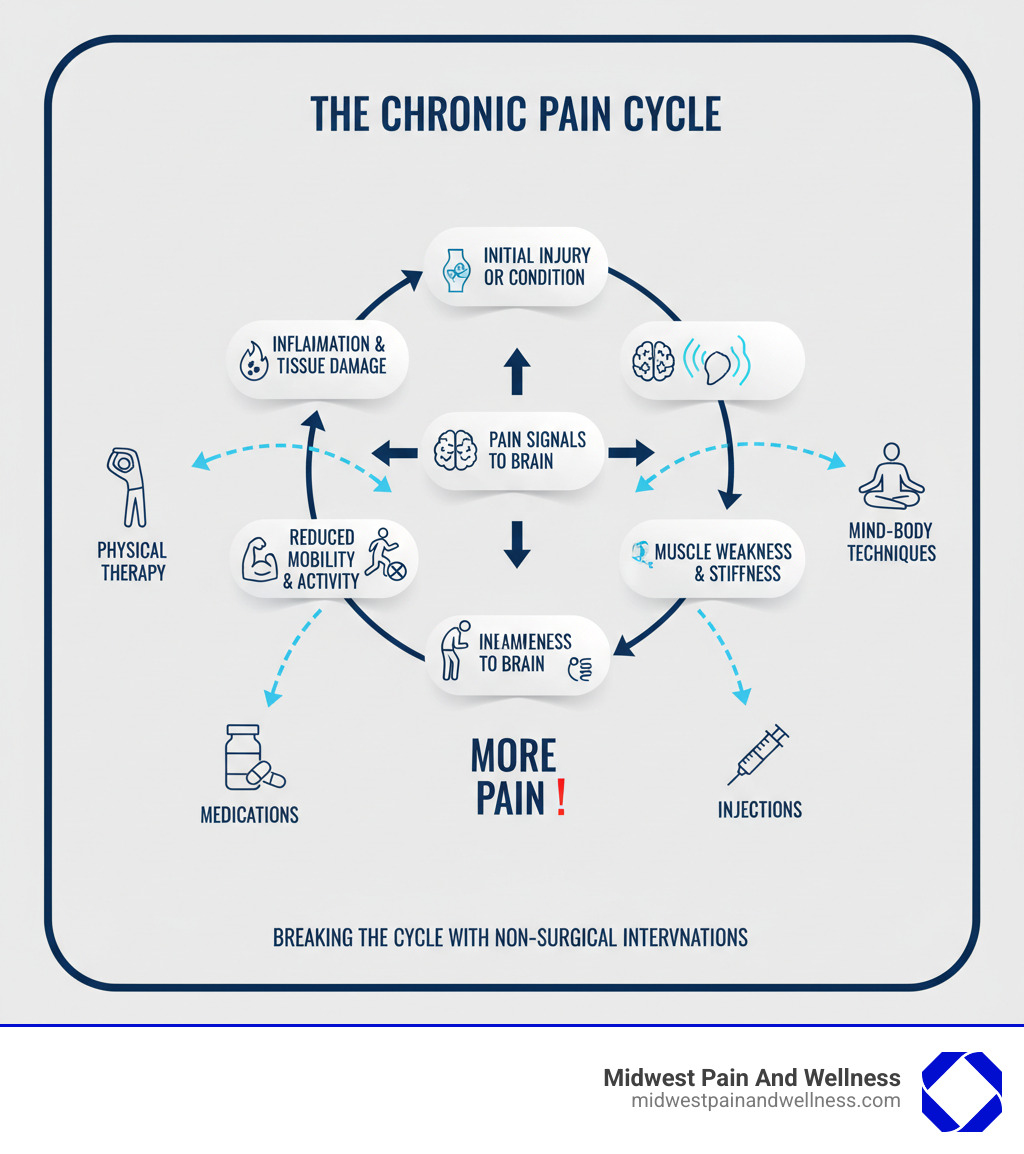
Pain is your body’s alarm system. Before you can find lasting relief, you need to understand what type of pain you’re dealing with and what realistic goals look like for your situation.
Acute pain is sudden, usually from a specific injury, and typically fades as you heal. Chronic pain is different. It lasts three months or longer, often persisting well past the normal healing time and affecting your work, mood, and daily life. Conditions like arthritis, persistent back pain, and nerve damage commonly cause this type of lasting pain.
At Midwest Pain And Wellness, we start with a thorough diagnosis to find the cause of your pain. We then work with you to set functional goals for pain management—not just reducing your pain level, but helping you return to activities you love. Our double board-certified doctors use a multi-modal, interventional approach, creating a custom care plan for long-term relief.
Why Choose Non-Surgical Methods First?
For most pain, especially chronic conditions, non surgical pain relief is the best starting point. Here’s why.
Non-surgical treatments carry lower risk than surgery, avoiding complications like infection or anesthesia reactions. The downtime is also minimal, with many people returning to normal activities quickly, unlike the weeks or months of surgical recovery.
Most importantly, non-surgical methods often focus on the root cause, promoting natural healing. The CDC supports this approach, noting that non-opioid therapies are often as effective as opioids for many types of acute pain and are preferred for chronic pain. This means you can avoid surgery risks while still getting real relief.
We don’t believe you should have to accept pain as a permanent part of your life. Our comprehensive approach allows us to treat a wide range of issues without surgery. To see the specific problems we address, visit our Conditions We Treat page.
When is Surgery a Necessary Consideration?
While we prioritize non surgical pain relief, surgery is sometimes the right answer. We view it as a last resort—something to consider only after you’ve thoroughly explored conservative treatments without success.
Severe structural issues, like significant spinal instability or major disc herniation compressing nerves, may require surgical correction if they don’t respond to other treatments.
Immediate surgical evaluation may be needed for “red flag” symptoms like new bowel or bladder control problems, significant weakness in limbs, or progressive trouble with balance, as these suggest potential neurological compromise.
If you’ve tried various non-surgical options without meaningful improvement, surgery might be the next step. However, as experts at Johns Hopkins Medicine point out, surgery is the most invasive, highest-risk strategy for chronic back pain, is irreversible, and doesn’t guarantee complete relief.
We believe you should never feel rushed into an invasive procedure. Getting a second opinion is always wise. Our goal is to give you choices that serve your long-term health and well-being.
Even after spinal surgery, some people continue to experience pain. If that’s your situation, we offer specialized care through our Post Laminectomy Pain Treatment in Chicago Ridge program to address ongoing discomfort.
The Core Pillars of Non-Surgical Pain Relief
Think of non surgical pain relief like building a house. You need a solid foundation. The treatments in this section are the essential building blocks that form the basis of most successful pain management plans, focusing on restoring function and managing symptoms.
Physical Therapy and Exercise
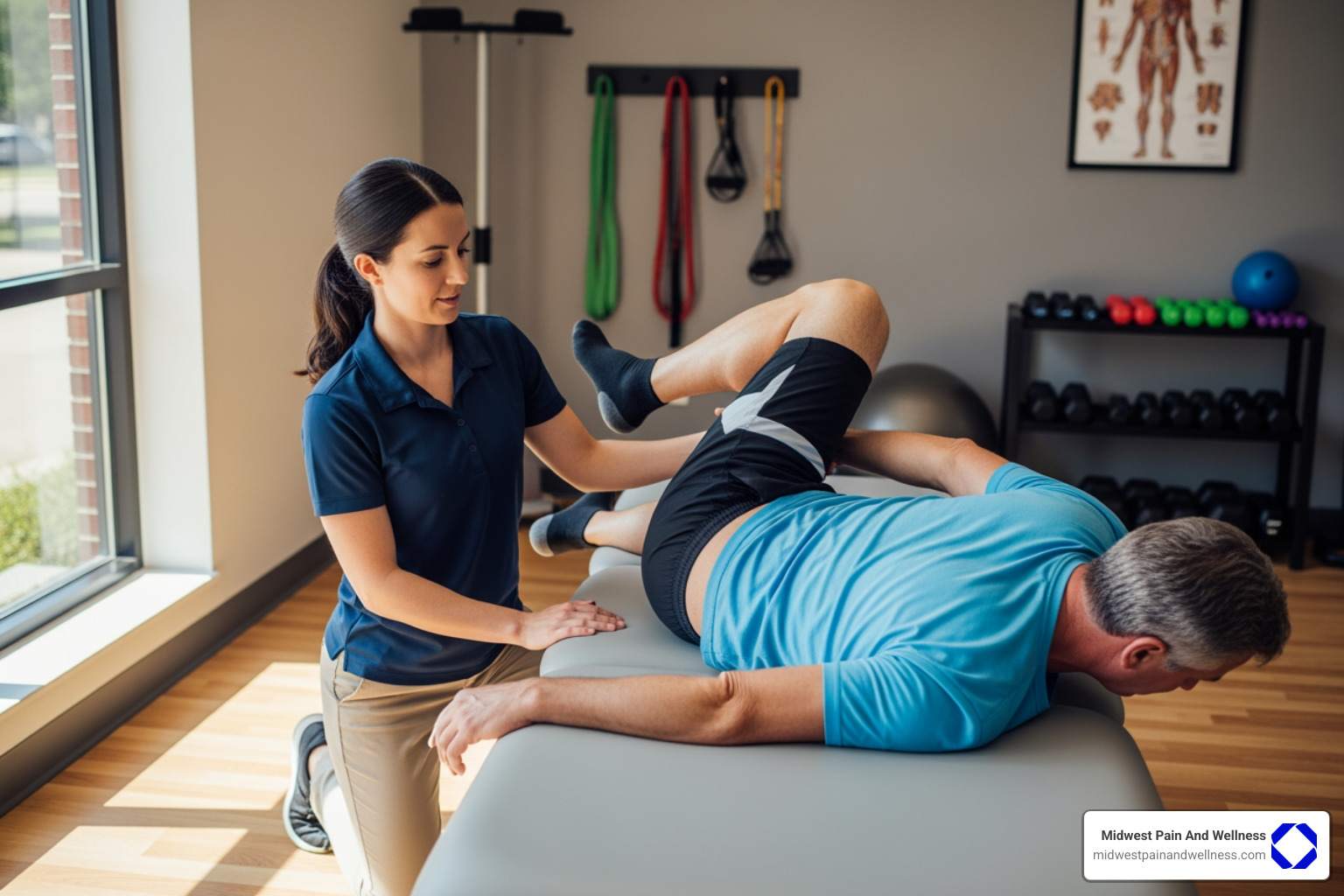
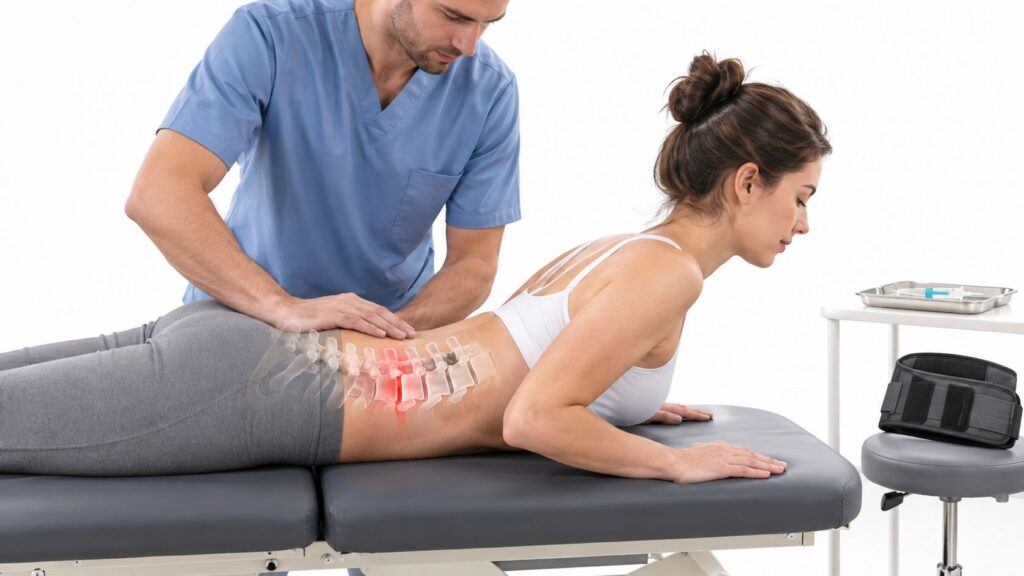
Physical therapy is a powerful tool for non surgical pain relief, involving a personalized program from a skilled professional designed for your body and your pain.
Effective physical therapy focuses on strengthening the muscles around painful areas to create natural support. For example, a strong core reduces strain on the spine. Improving mobility is also key. Therapists use hands-on techniques and targeted exercises to restore range of motion, which is crucial for conditions like arthritis where movement can slow joint damage.
Your therapist also teaches you how to reduce strain during daily activities and corrects your posture to prevent unnecessary stress on your spine and joints. Your home exercise program is vital for long-term strength and stability.
For individuals recovering from workplace injuries, physical therapy is often the cornerstone of getting back to work safely. If you’re dealing with a work-related injury in Chicago Ridge, our team provides comprehensive rehabilitation through Workers Compensation Chicago Ridge.
Medication Management (Non-Opioid First)
When medication is needed, we prioritize non-opioid medications, which aligns with current medical guidelines. We emphasize non-opioids because opioids can lead to tolerance, dependence, and addiction, and they primarily mask pain rather than promoting healing.
- NSAIDs (ibuprofen, naproxen) reduce pain and inflammation but can have side effects with long-term use.
- Acetaminophen (Tylenol®) reduces pain without affecting inflammation.
- Topical agents (creams, patches) deliver localized relief with fewer systemic side effects.
- Certain antidepressants and anticonvulsants (like gabapentin) are remarkably effective for chronic nerve pain by calming overactive nerves and changing how the nervous system processes pain signals.
Beyond standard pain medications, we also offer specialized treatments for specific conditions. Botox for Chronic Migraine, Cervical Dystonia in Chicago Ridge provides targeted relief for debilitating headaches and muscle spasms.
Injections for Targeted Relief
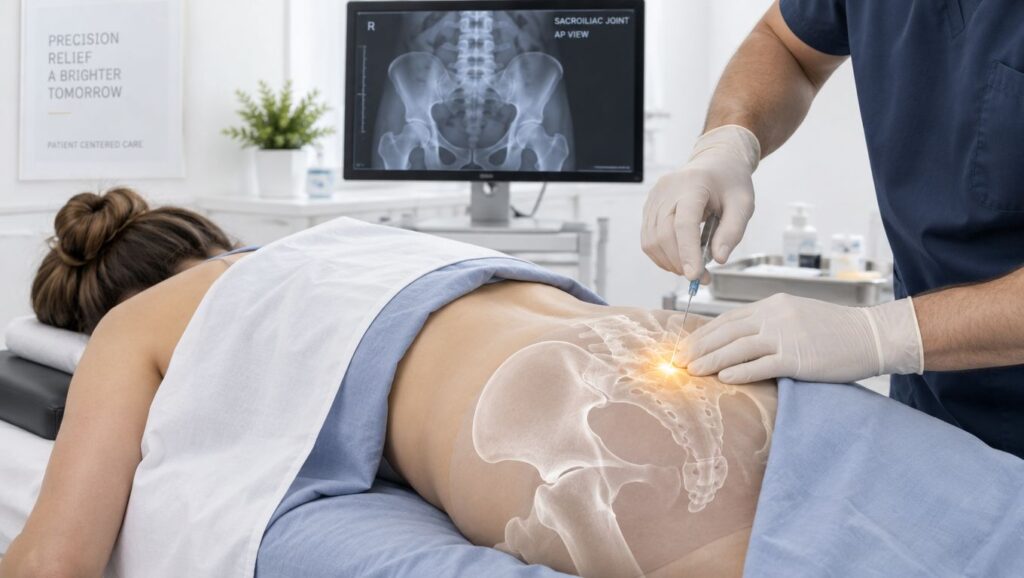
When oral medications and physical therapy aren’t enough, targeted injections deliver medication directly to the source of pain, reducing inflammation and interrupting pain signals.
- Corticosteroid injections are powerful anti-inflammatories that provide weeks or months of relief, creating a window for physical therapy. They are a tool to break a pain cycle, not a permanent solution.
- Epidural steroid injections specifically target inflammation around spinal nerves, common in sciatica or spinal stenosis.
- Facet joint injections and nerve blocks help diagnose the source of pain while providing immediate, localized relief.
- Regenerative therapies like Platelet-Rich Plasma (PRP) use your body’s own growth factors to stimulate natural healing and repair damaged tissue, offering potentially longer-lasting relief. The downside is that insurance coverage is often limited for these newer therapies, and results can vary.
At Midwest Pain And Wellness, we specialize in these advanced regenerative approaches. Our Regenerative Therapy (PRP & Cell-Based Options) in Chicago Ridge program harnesses your body’s own healing capabilities to provide lasting non surgical pain relief.
Advanced and Complementary Therapies

When foundational treatments aren’t enough, it’s time to explore innovative procedures and holistic methods. These advanced approaches offer more options for effective non surgical pain relief, especially for complex or persistent pain.
Advanced Interventional Non-Surgical Pain Relief
For chronic pain that hasn’t responded to other treatments, advanced interventional procedures offer targeted, long-lasting non surgical pain relief by disrupting pain signals without open surgery.
- Radiofrequency Ablation (RFA) uses heat to interrupt pain-sending nerves, effective for chronic joint pain and lasting six months or more.
- Spinal Cord Stimulation (SCS) uses a small implanted device to send mild electrical pulses that block pain signals from reaching the brain. It’s life-changing for many with chronic back pain or failed back surgery syndrome. Our specialists offer advanced Spinal Cord Stimulator Therapy in Chicago Ridge.
- Peripheral Nerve Stimulation (PNS) works like SCS but targets specific peripheral nerves for localized chronic pain. Learn more on our page on Peripheral Nerve Stimulation for Chronic Pain in Chicago Ridge.
- Minimally Invasive Lumbar Decompression (MILD) is for lumbar spinal stenosis. It relieves pressure on nerves by removing small pieces of bone and ligament through a tiny incision. Learn more about Minimally Invasive Lumbar Decompression (MILD) in Chicago Ridge.
What is Shockwave Therapy?
Shockwave therapy is a cutting-edge, non-invasive option for stubborn musculoskeletal conditions. It uses high-energy sound waves to target painful areas, triggering a healing response by increasing blood flow, stimulating tissue regeneration, and providing nerve desensitization. It’s effective for conditions like plantar fasciitis, tennis elbow, Achilles tendinitis, and chronic shoulder pain.
What to expect during a session: A session lasts 15-30 minutes. A handheld device applies the waves to the affected area. While you may feel a pulsing sensation, it’s generally well-tolerated. Most people need 3-6 weekly sessions for optimal results. This option promotes natural healing without invasive procedures, making it a promising addition to modern non surgical pain relief approaches.
Mind-Body and Integrative Techniques
Your thoughts and stress levels can influence pain. Mind-body techniques provide non surgical pain relief by teaching you to manage your body’s response to pain and stress.

- Cognitive Behavioral Therapy (CBT) helps you change negative thought patterns and behaviors related to pain, reducing its perceived intensity.
- Biofeedback uses sensors to teach you to control bodily functions like muscle tension and heart rate, which can directly impact pain.
- Mindfulness-Based Stress Reduction (MBSR) and relaxation techniques like meditation and deep breathing calm your nervous system, changing your relationship with pain and reducing how much it interferes with your life.
- Education on pain coping strategies is also valuable. Understanding how pain works and learning to manage flare-ups is empowering. We believe informed patients are better equipped to manage their pain long-term.
Frequently Asked Questions about Non-Surgical Pain Relief
We often hear similar questions from our patients exploring non surgical pain relief options. Here, we address some of the most common inquiries.
Which non-surgical method is best for arthritis?
For the more than 58 million Americans with arthritis, there’s no single “best” treatment. A multi-modal approach—combining several therapies—offers the most comprehensive relief.
The foundation is physical therapy to improve mobility and strengthen supporting muscles, combined with regular low-impact exercise like swimming or cycling to reduce stiffness. An anti-inflammatory diet can also help reduce the inflammation that drives arthritis pain.
For flare-ups, non-opioid medications and targeted corticosteroid injections can manage discomfort. We also offer regenerative options and viscosupplementation for certain joints. Maintaining a healthy weight is also crucial for relieving pressure on joints.
For conditions like Spinal Stenosis, Degenerative Spine Disease (Neck, Mid-Back, Low-Back), which often involve arthritic changes in the spine, this comprehensive approach is critical. Our team works with you to find the right combination for your specific situation.
How long does it take for non-surgical treatments to work?
The timeline for relief from non surgical pain relief methods varies depending on the treatment, your condition’s severity, and your body’s response.
- Some treatments work quickly. Nerve blocks or corticosteroid injections can provide relief within hours or days. This is valuable for acute flare-ups and enables participation in physical therapy.
- Other treatments take time. Physical therapy and lifestyle changes show gradual improvement over weeks or months. Consistency is key. For example, shockwave therapy may require several sessions before you see optimal results.
- Chronic pain management is a process. It’s unrealistic to expect overnight relief for a long-standing issue. Our goal is long-term improvement, which may involve trying and combining different therapies over time.
Are these treatments covered by insurance?
Navigating insurance coverage for non surgical pain relief can be complex, but we’re here to help you understand what to expect.
- Most insurance plans cover foundational treatments like physical therapy, non-opioid medications, and common injections (e.g., corticosteroid), though deductibles and co-pays apply.
- Advanced procedures like radiofrequency ablation and spinal cord stimulation are often covered when deemed medically necessary after conservative treatments have failed.
- Coverage for newer regenerative therapies (like PRP) and integrative options (like acupuncture) varies widely. Some plans consider them experimental, so coverage is not guaranteed.
The best approach is to contact your insurance provider directly to understand your benefits. Our team at Midwest Pain And Wellness can provide necessary documentation to help clarify coverage.
Take Control of Your Pain Without Surgery
You don’t have to accept pain as your new normal. We’ve explored many proven non surgical pain relief options—from physical therapy to advanced procedures—that offer a real path to reclaiming an active, comfortable life.
What matters most is that your pain is unique, and your treatment should be too. The most effective approach combines multiple therapies custom to your specific condition and goals.
This is about genuine healing and restoring function, not just masking symptoms. It’s about empowering you with choices beyond living with pain or facing invasive surgery.
At Midwest Pain And Wellness in Chicago Ridge, our double board-certified doctors specialize in comprehensive, opioid-free pain management. We use a multi-modal, interventional approach, collaborating with other practitioners to create a holistic care plan customized for you.
Every patient receives an individualized strategy for long-term relief. We listen, explain your options clearly, and guide you through your healing journey.
You deserve to live without constant pain. You deserve a care team that sees you as a whole person and offers treatments that work with your body, not against it.
Ready to start your journey toward lasting relief? Explore Our Treatment Procedures to find how we can help you achieve the non surgical pain relief you’ve been searching for. Your path to a more comfortable, active future begins with a single step—and we’re here to guide you every step of the way.