Introduction: Why Specialized Pain Care in Naperville Matters
Pain management Naperville offers specialized medical care for chronic and acute pain conditions through interventional procedures, personalized treatment plans, and opioid-free therapies.
Top Pain Management Clinics in Naperville Provide:
- Multidisciplinary Teams – Physiatrists, anesthesiologists, and physical therapists working together
- Interventional Therapies – Nerve blocks, epidural injections, and radiofrequency treatments
- Personalized Care Plans – Customized to your specific pain condition and lifestyle goals
- Opioid-Free Options – Focus on long-term relief without addictive medications
- Board-Certified Physicians – Fellowship-trained specialists in pain medicine
- Insurance Coverage – Most accept Medicare and commercial PPO plans
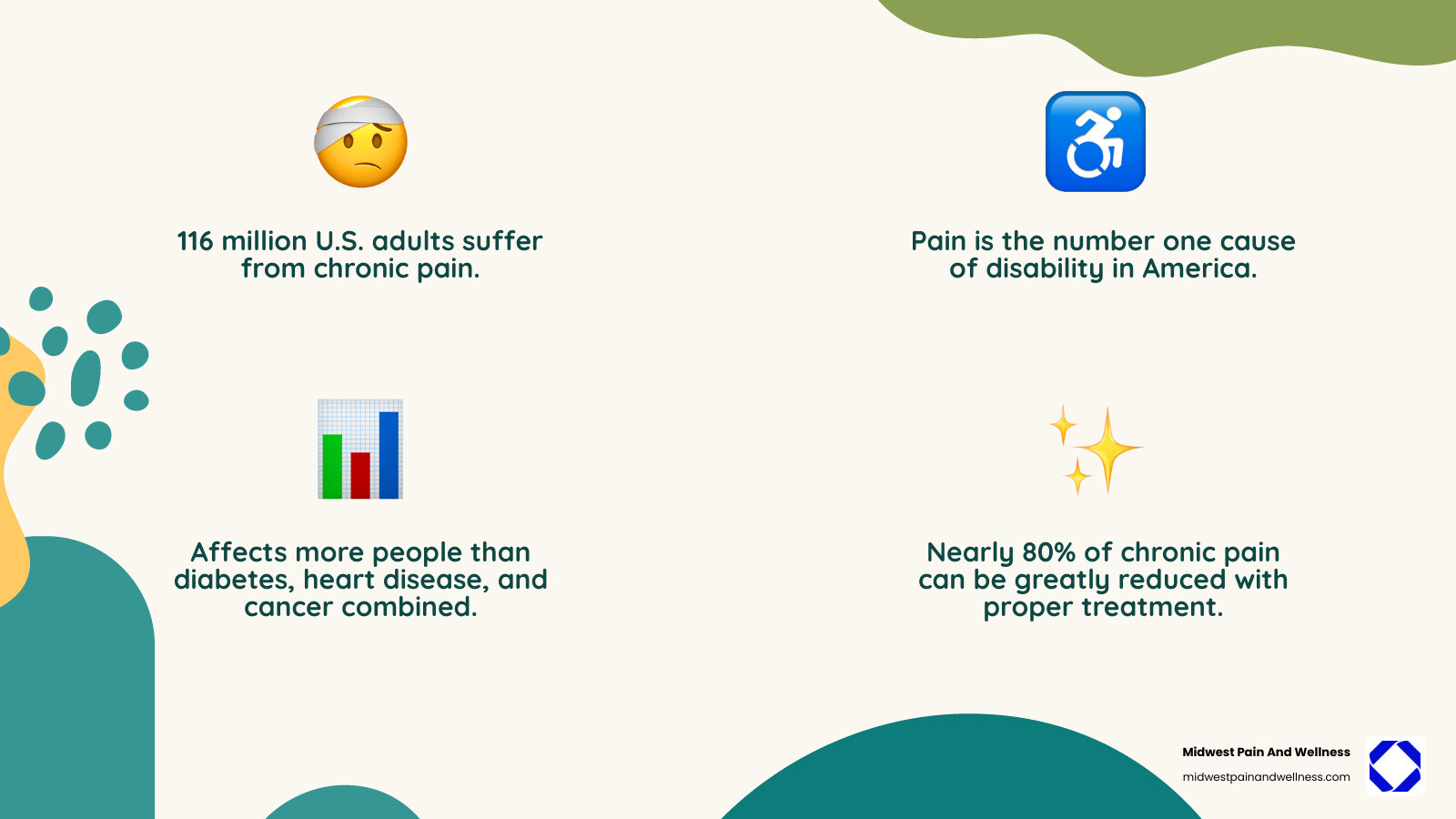
The statistics are sobering. 116 million U.S. adults suffer from chronic pain – that’s roughly half the adult population. Pain is the number one cause of disability in America, affecting more people than diabetes, heart disease, and cancer combined. It’s also the primary reason we seek medical care.
But here’s the encouraging news: nearly 80% of chronic pain can be greatly reduced with the right treatment approach. For Naperville residents dealing with persistent back pain, arthritis, migraines, or nerve pain, specialized pain management offers real hope for relief.
The challenge? Not all pain clinics are created equal. Some focus heavily on medication management, while others emphasize interventional procedures. Some take a holistic, multidisciplinary approach, while others operate more like assembly lines.
This guide helps you evaluate what separates the best pain management clinics from the rest. We’ll walk through the seven hallmarks of excellence that define top-tier care, so you can make an informed choice about your treatment.
Pain management naperville vocab explained:
What is Pain Management and What Conditions Does It Treat?
Pain management is a specialized medical approach dedicated to the prevention, diagnosis, and treatment of pain. It draws on a wide range of scientific disciplines and, in some cases, alternative healing modalities, to address both acute (short-term) and chronic (long-term) pain. Our goal in pain management is not just to mask symptoms, but to uncover the root cause of discomfort and provide lasting relief, helping you reclaim your quality of life.
The impact of pain in the United States is staggering. It affects more Americans than diabetes, heart disease, and cancer combined, making it the number one cause of disability. This isn’t just about physical discomfort; pain disturbs all aspects of life – energy, activity, mood, and sleep. The annual cost to the U.S. economy exceeds $560 billion, highlighting the profound societal burden. But as we’ve mentioned, the good news is that nearly 80% of chronic pain can be greatly reduced with effective, specialized care.
We treat a wide variety of conditions that cause persistent pain, including but not limited to:
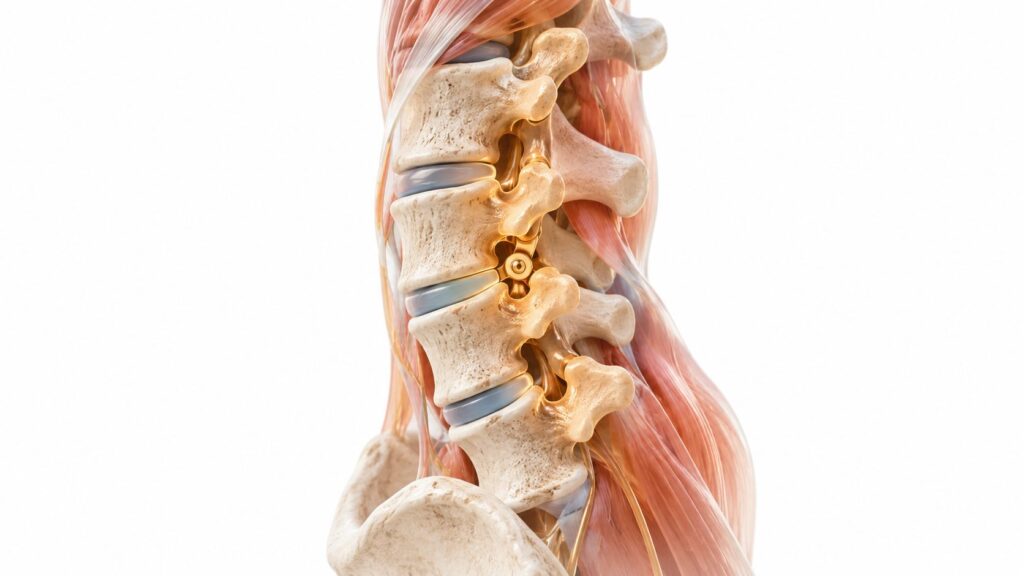
- Back Pain: This is perhaps the most common complaint, ranging from acute strains to chronic conditions like degenerative disc disease, herniated discs, spinal stenosis, and facet syndrome. Lumbar, cervical, and thoracic pain are all areas we address.
- Neck Pain: Often linked to poor posture, injuries, or conditions like cervical radiculopathy and whiplash headache.
- Arthritis: Including osteoarthritis in the knee, hip, and shoulder, which can significantly limit mobility and cause constant discomfort.
- Headaches and Migraines: Beyond common tension headaches, we manage chronic migraines and occipital neuralgia.
- Complex Regional Pain Syndrome (CRPS): A chronic pain condition usually affecting an arm or leg, often after an injury, stroke, heart attack, or surgery.
- Neuropathic Pain: Conditions like peripheral neuropathy and Diabetic Neuropathy Naperville, which result from nerve damage, causing burning, tingling, or shooting pain.
- Musculoskeletal Pain Disorders: Such as myofascial pain syndrome, piriformis syndrome, and pain from old injuries or recent trauma.
- Post-Surgical Pain: Including post-laminectomy syndrome (failed back surgery syndrome).
- Cancer Pain: Providing supportive pain relief for patients undergoing cancer treatment.
- Pelvic Pain: Chronic pain in the pelvic region that can be debilitating.
For a more comprehensive list and detailed explanations of the conditions we treat, please visit our page on More on conditions we treat.
The 7 Hallmarks of the Best Pain Management Naperville Clinics

Choosing a pain management clinic is a significant decision, especially when you’re seeking relief from persistent discomfort. For residents of Naperville, understanding what truly defines excellence in pain care can make all the difference. This section explains the key features that define excellence, helping you make an informed choice.
1. A Multidisciplinary Team: The Gold Standard for Pain Management in Naperville
The human body is complex, and pain is rarely a simple issue. The best pain management clinics in Naperville understand this, adopting a multidisciplinary approach that brings together a diverse team of specialists. This isn’t just a buzzword; it’s a commitment to treating the whole person, not just the symptom.
A truly comprehensive team might include:
- Physiatrists (Physical Medicine and Rehabilitation Physicians): Specialists focused on restoring function and quality of life for people with physical disabilities or pain.
- Anesthesiologists (with pain fellowship training): Experts in nerve blocks, injections, and other interventional procedures.
- Physical Therapists: Who guide patients through exercises, manual therapy, and movement strategies to strengthen the body and improve mobility.
- Psychologists or Behavioral Health Specialists: Who help patients develop coping mechanisms, manage the emotional toll of chronic pain, and address factors like sleep disturbance, anxiety, and depression.
- Nurses and Physician Assistants: Providing crucial support, education, and follow-up care.
This collaborative model ensures that every aspect of your pain experience – physical, emotional, and functional – is addressed. Specialists work together, communicating and coordinating to develop a personalized strategy that maximizes outcomes. It means a more holistic, effective, and ultimately, more successful path to pain relief.
2. Advanced, Evidence-Based Interventional Therapies
Top pain management clinics in Naperville prioritize advanced, evidence-based interventional therapies. These are minimally invasive procedures designed to target the source of pain directly, often providing significant relief where other treatments have failed. The goal is to reduce pain without impacting daily activities, allowing for swift recovery and a return to normal life.
Some of the cutting-edge interventional procedures we and other leading clinics use include:
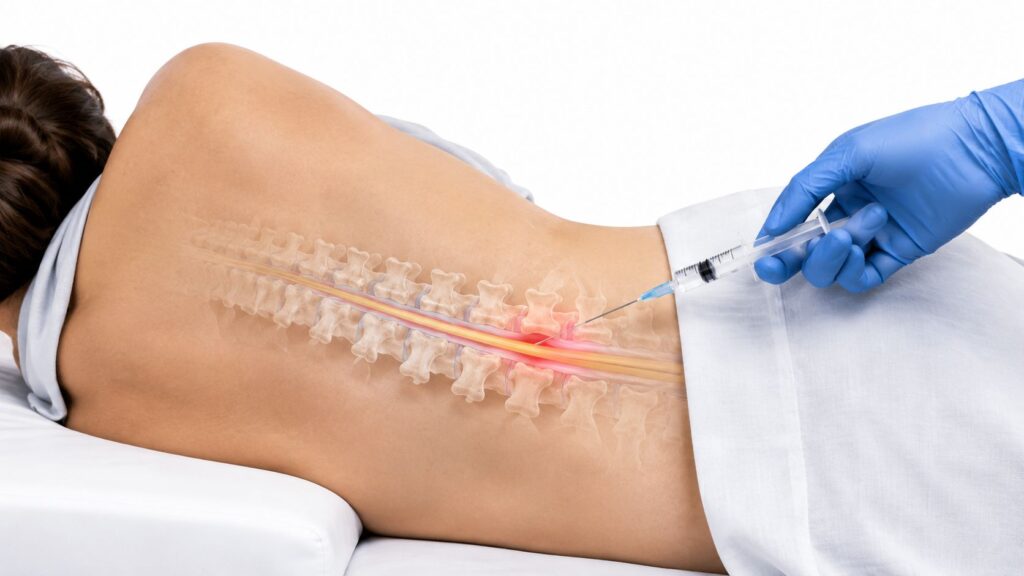
- Epidural Steroid Injections: Administered in the caudal, cervical, lumbar, or thoracic regions, these injections deliver anti-inflammatory medication directly to nerves in the spine, reducing inflammation and pain.
- Radiofrequency Neurotomy (or Ablation): Uses heat generated by radio waves to “turn off” nerve signals from specific facet joints, offering long-term relief for chronic neck and back pain.
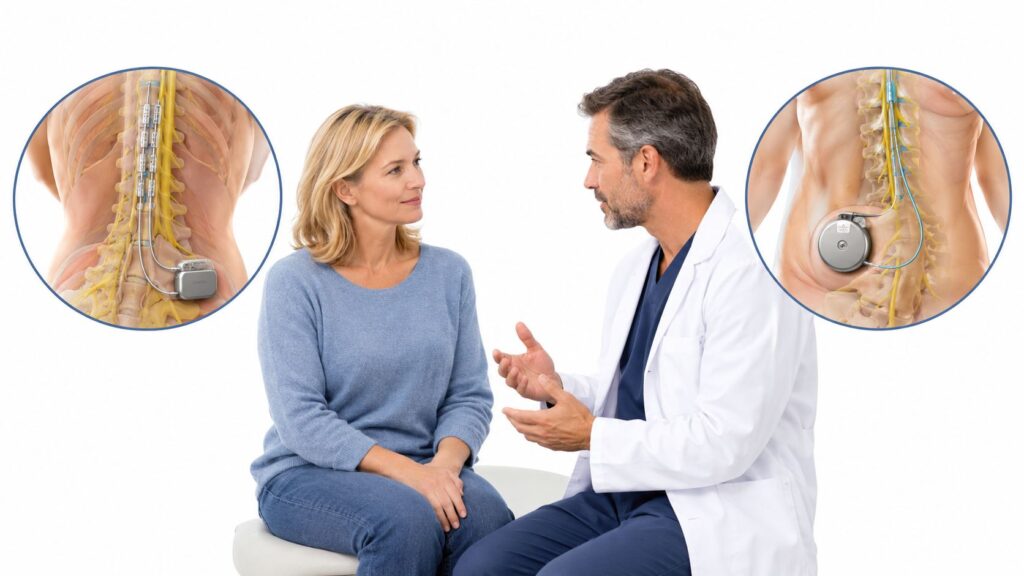
- Spinal Cord Stimulator Implants: For severe, chronic pain that hasn’t responded to other treatments, a small device is implanted to send mild electrical pulses to the spinal cord, blocking pain signals.
- Nerve Blocks: Injections that numb specific nerves or nerve groups to diagnose and treat various pain conditions, such as occipital nerve blocks for headaches or lumbar sympathetic blocks for certain types of leg pain.
- Discography: A diagnostic procedure to identify if a specific disc is the source of back pain.
- IDET (Intradiscal Electrothermal Therapy) and Nucleoplasty: Minimally invasive procedures to treat certain types of disc-related pain.
- Trigger Point Injections: Target specific “trigger points” (knots of muscle that cause pain) to alleviate myofascial pain.
- Joint Injections: For conditions like arthritis in the hip, knee, or sacroiliac joint.
- Botox for Migraines: Specific Botox injections can effectively reduce the frequency and severity of chronic migraines.
Crucially, many of these procedures are performed with fluoroscopic guidance, an advanced imaging technique that ensures precision and safety, allowing specialists to target the exact pain source. To learn more about the specific procedures we offer, please visit our page on Explore our treatment procedures.
3. Customized and Functional Treatment Plans
One size does not fit all when it comes to pain. A hallmark of the best pain management Naperville clinics is their commitment to creating personalized, patient-centered treatment plans. This begins with a comprehensive diagnostic evaluation, where specialists dig deep to uncover the root cause of your discomfort. We listen carefully to your needs and understand how pain impacts your daily life.
Your initial consultation will involve a thorough review of your medical history, physical examination, and potentially diagnostic imaging or tests. Based on this, a custom plan is developed that aligns with your individual goals – whether that’s returning to work, playing with your grandchildren, enjoying a walk in the park, or simply improving your sleep.
The focus is always on restoring functionality and improving your quality of life. This means that while we address painful symptoms, we also empower you to regain normal activities. We believe in working with you to achieve your individual goals for daily activities without the constant burden of chronic pain. For more insights into this approach, explore our information on Functional Pain Management.
4. Opioid-Free Solutions: The Future of Pain Management in Naperville

In the past, opioids were often a first line of defense against pain. However, we now understand the significant risks associated with long-term opioid use, including addiction, dependence, and diminishing effectiveness. The future of pain management in Naperville, and indeed across the country, lies in opioid-free solutions.
Leading clinics are dedicated to providing effective pain relief that focuses on non-addictive therapies. This approach prioritizes addressing the root cause of your pain rather than simply masking it with medication. By exploring interventional procedures, physical therapy, behavioral strategies, and other modalities, we aim for long-term wellness and sustainable pain relief without the dangers of opioid dependency.
Our philosophy at Midwest Pain and Wellness is firmly rooted in this principle. We are committed to Opioid-Free Pain Management because we believe in delivering care that supports your overall health and avoids creating new problems while solving existing ones. This commitment is crucial for your long-term health and peace of mind.
5. Highly Qualified, Board-Certified Physicians
When entrusting your care to a pain management specialist, their credentials matter immensely. The best clinics in Naperville feature highly qualified, board-certified physicians. This means that in addition to their medical degree, they have completed rigorous training programs, passed comprehensive examinations, and demonstrated expertise in their field.
Look for doctors who are:
- Board-Certified in Pain Medicine: This signifies specialized knowledge and skills in diagnosing and treating pain conditions.
- Fellowship-Trained: Many top pain physicians complete a fellowship, an additional year or more of specialized training in pain management after their residency.
- Double Board-Certified: Our doctors, for instance, are double board-certified, demonstrating expertise in multiple relevant specialties, which contributes to a more comprehensive understanding of complex pain issues.
Beyond individual physician qualifications, clinic accreditation is also a strong indicator of quality. For example, clinics accredited by The Joint Commission adhere to the highest standards for quality and safety in healthcare delivery, undergoing regular evaluations to ensure they meet stringent performance requirements. This provides an added layer of assurance regarding the level of care you can expect.
6. Robust Patient Education and Resources
Empowerment comes from understanding. A top pain management clinic doesn’t just treat you; it educates you. They provide robust patient education and resources, ensuring you understand your condition, your treatment options, and what you can do to manage your pain effectively.
This might include:
- Interactive Online Libraries: With detailed information about various pain conditions and procedures.
- Narrated Videos: Explaining complex medical concepts in an easy-to-understand format.
- Printable Brochures: For quick reference and to share with family members.
- Dedicated Time for Questions: Physicians and staff who patiently answer all your queries, ensuring you feel confident and informed about your care plan.
When you’re dealing with pain, having access to clear, reliable information helps you make informed decisions and actively participate in your recovery journey. It’s about being a partner in your own health.
7. Clear Insurance and Cost Policies
Navigating healthcare costs and insurance can be as painful as the condition itself if not handled transparently. The best pain management Naperville clinics are upfront about their insurance acceptance and cost policies.
Key considerations include:
- Insurance Coverage: Most reputable clinics accept a wide range of commercial insurance plans and Medicare. It’s always a good practice to check with the clinic and your specific health plan to confirm that a doctor is included in your network before scheduling an appointment.
- PPO vs. HMO: PPO plans often allow you to see specialists without a referral, while HMOs typically require one. Understanding your plan’s requirements is essential.
- Cost Transparency: Some clinics, for example, pride themselves on charging significantly less for services compared to hospitals by not charging facility fees. This can make a substantial difference in out-of-pocket costs. Always inquire about potential facility fees, co-pays, and deductibles upfront.
A clear understanding of costs ensures there are no unpleasant surprises, allowing you to focus on what truly matters: your recovery.
Frequently Asked Questions About Pain Management
What is the first step to seeking pain management?
The first step to seeking pain management is typically an initial consultation with a pain specialist. During this visit, we will conduct a comprehensive evaluation, which includes a detailed medical history review, a thorough physical examination, and a discussion about your pain experience – its onset, duration, intensity, and how it impacts your daily life. We may also review any previous diagnostic imaging (like X-rays, MRIs) or order new tests to pinpoint the exact source of your pain. Together, we’ll establish clear, patient-centered treatment goals, ensuring our approach is custom to your unique needs and aspirations.
How long does it take to see results from treatment?
The timeline for seeing results from pain management treatment can vary significantly depending on the individual, the specific condition being treated, and the chosen therapies. Some interventional procedures, like certain nerve blocks, can offer immediate relief, sometimes within hours or days. Other treatments, such as physical therapy or medication adjustments, may require several weeks or even months to show noticeable improvement as your body heals and strengthens. Our focus is always on achieving long-term, sustainable results rather than just quick fixes. We’ll set realistic expectations with you and continuously monitor your progress, adjusting your treatment plan as needed to optimize outcomes.
Do I need a referral to see a pain specialist in Naperville?
Whether you need a referral to see a pain specialist in Naperville largely depends on your insurance plan. If you have a PPO (Preferred Provider Organization) plan, you often do not need a referral to see a specialist, though it’s always a good idea to inform your primary care physician. If you have an HMO (Health Maintenance Organization) plan, a referral from your primary care physician is typically required before you can see a specialist. The best practice is always to call the pain management clinic directly and also contact your insurance provider beforehand to understand their specific requirements and confirm coverage. This proactive step can save you time and ensure a smooth start to your pain management journey.
Conclusion: Your Path to a Pain-Free Life in Naperville
Living with chronic pain can feel like an unending battle, but for residents of Naperville, there is genuine hope for relief. By understanding the seven hallmarks of excellence – a multidisciplinary team, advanced interventional therapies, customized treatment plans, opioid-free solutions, highly qualified physicians, robust patient education, and clear cost policies – you are well-equipped to choose a pain management clinic that can truly transform your life.
The statistics are on your side: nearly 80% of chronic pain can be greatly reduced with the right approach. We at Midwest Pain and Wellness embody these principles with our double board-certified doctors and patient-first approach, committed to providing comprehensive, opioid-free pain management using current therapies. While we are located in Chicago Ridge, our expertise and dedication to these hallmarks of excellence are universally applied, and we are here to offer you a path toward lasting relief and improved quality of life.
Don’t let pain dictate your life any longer. Take the first step toward a better tomorrow. Learn more about our team and find how our multi-modal, interventional approach, developed in collaboration with other practitioners, can create a custom care plan for your long-term pain relief.