If you're searching how to manage neuropathic pain, you're probably already frustrated. The pain may burn, sting, tingle, zap, or feel like electric shocks. It may wake you up at night, flare when a bedsheet touches your skin, or make standing, walking, driving, or working harder than it should be.
What makes nerve pain especially maddening is that a lot of common pain advice doesn't fit. Many people try over-the-counter pain relievers, rest, stretching on their own, or a single prescription and assume that if those don't work, they just have to live with it. That's usually the wrong conclusion. Neuropathic pain needs a diagnosis-specific, stepwise plan that addresses the nerve problem, protects function, and escalates intelligently when the basics aren't enough.
For patients in Oak Lawn, Orland Park, Palos Hills, Palos Heights, Worth, Bridgeview, Hickory Hills, Alsip, Burbank, and Evergreen Park, the goal isn't to chase random remedies. The goal is to identify the pain generator, build a multimodal treatment plan, and use procedures only when they fit the pattern and the timing.
Starting with an Accurate Neuropathy Diagnosis
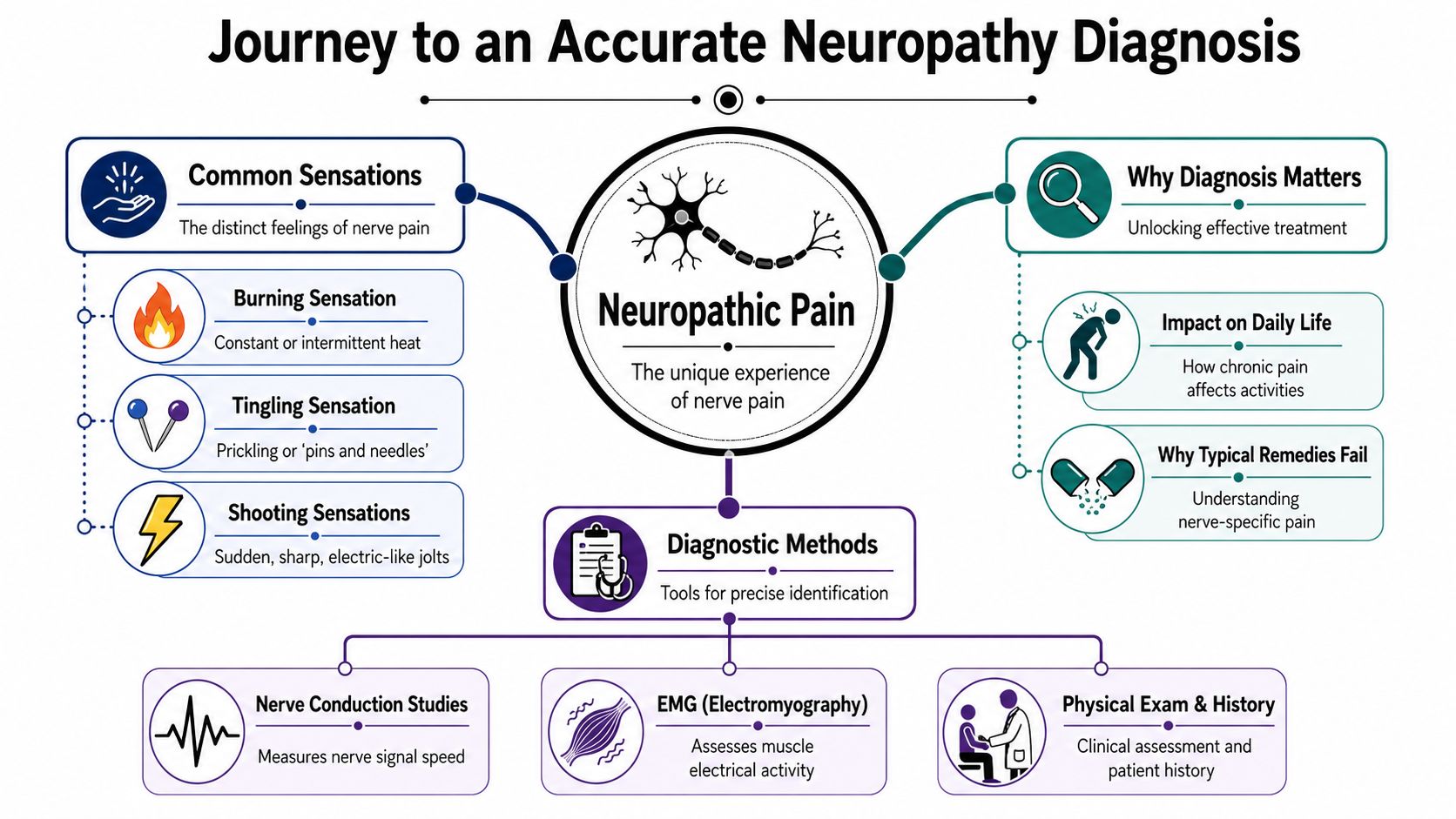
Neuropathic pain doesn't behave like a simple muscle strain or arthritic ache. Patients often describe burning, tingling, shooting pain, numbness, hypersensitivity, or a sensation that even light contact is unbearable. Those details matter. In pain medicine, the words you use to describe your symptoms often point us toward whether the problem is nerve-related, where it may be coming from, and what treatment sequence makes sense.
What a real evaluation should include
A proper neuropathy workup starts with history and exam, not guesswork. I want to know where the pain starts, where it travels, whether it's constant or intermittent, what triggers it, whether weakness or balance trouble is present, and what you've already tried.
A focused evaluation often includes:
- Symptom mapping that identifies whether the pain is localized, follows a nerve distribution, or appears more diffuse
- A neurological exam checking sensation, strength, reflexes, coordination, and gait
- Medication review to see what has failed, what caused side effects, and whether polypharmacy is already creating risk
- Testing when needed such as nerve conduction studies, EMG, imaging, or other workup to clarify the source
Practical rule: If the pain is burning, electric, stabbing, numb, or overly sensitive to touch, don't assume it's the same as routine back, joint, or muscle pain.
This is also where we separate several look-alike problems. Peripheral neuropathy, a pinched nerve in the spine, post-surgical nerve pain, diabetic neuropathy, and focal nerve entrapment can all feel similar to patients, but they don't always get treated the same way.
Why common self-treatment often fails
A major reason patients lose time is simple. They receive generic pain advice for a nerve problem. The NHS notes that neuropathic pain usually does not improve with common painkillers such as paracetamol and ibuprofen, which is why a diagnosis-specific plan often turns toward treatments such as gabapentinoids, tricyclic antidepressants, and SNRIs rather than one-size-fits-all analgesics (NHS guidance on peripheral neuropathy treatment).
That doesn't mean someone made a mistake by trying over-the-counter medication first. It means the biology of nerve pain is different. If the issue is abnormal signaling in damaged or irritated nerves, standard pain relievers often won't calm that process enough to restore function.
Here is where patients in Oak Lawn or Palos Hills often tell me the same thing in different words: "I've tried the usual stuff and nothing touches it." That's useful information, not a dead end. It tells us to stop treating this like a generic pain complaint and start treating it like neuropathic pain.
The diagnosis should guide the next move
The next step depends on the pattern. Localized nerve pain may respond well to topical options. Broader neuropathic pain may need oral medication plus rehabilitation support. Pain tied to a compressed or inflamed nerve may eventually call for image-guided intervention. But none of those decisions should happen blindly.
A specialist evaluation should also ask a harder question. What is this pain doing to your life right now? If you can't sleep, can't work comfortably, avoid walking, or feel unsteady on your feet, those functional losses shape the treatment plan just as much as the diagnosis itself.
For patients who aren't sure where to start, reviewing the clinic's conditions we treat for spine, nerve, and chronic pain care can help you see whether your symptoms fit a neuropathic pattern worth evaluating.
Building Your Foundational Multimodal Treatment Plan
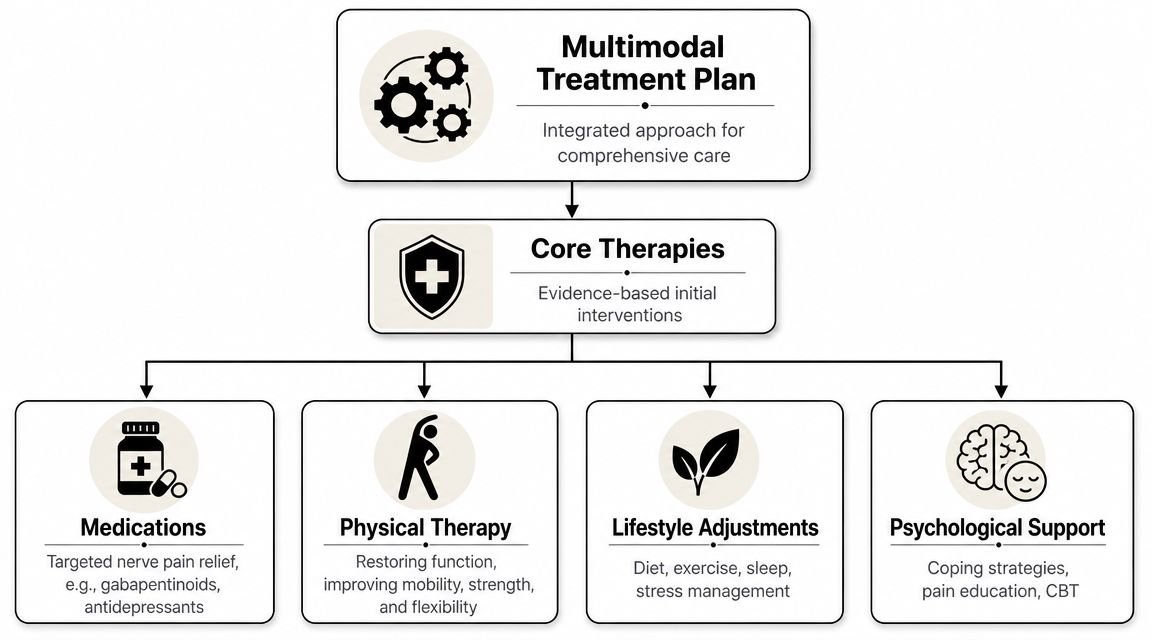
Once the diagnosis is established, treatment should follow the pattern of the pain. Neuropathic pain usually responds poorly to a one-treatment approach. In practice, the best early plan combines a few lower-risk tools that target nerve signaling, protect mobility, and limit side effects.
Start with the lowest-risk building blocks
A good foundation is built around function. I want patients walking more steadily, sleeping more reliably, and getting through work or home tasks with less pain interference. That often means combining education, activity pacing, targeted rehabilitation, and a medication plan that fits the patient sitting in front of me, not a generic checklist.
A useful framework looks like this:
| Focus | Why it matters in neuropathic pain | Practical goal |
|---|---|---|
| Education | Reduces trial-and-error care | Helps you understand which treatments match nerve pain |
| Activity and rehab | Prevents deconditioning and fear-based avoidance | Keeps you moving safely |
| Psychological support | Reduces pain-related distress and improves treatment follow-through | Improves coping and consistency |
| Topical treatment | Targets focal pain with low systemic exposure | Useful when pain is localized |
| Oral medication | Calms overactive nerve signaling | Helps when symptoms are broader or persistent |
Common advice is often wrong here. Patients with nerve pain are frequently told to rest, wait it out, or keep cycling through over-the-counter pain relievers. That approach can waste months. For neuropathic pain, the better sequence is targeted diagnosis first, then a layered plan that matches whether the pain is focal, widespread, irritated by movement, or tied to weakness, numbness, or balance problems.
Topicals have a real role in focal nerve pain
If symptoms are confined to a smaller area, topical treatment often makes more sense than starting with a systemic drug. Lidocaine or capsaicin may be reasonable options for localized neuropathic pain, especially for older adults, patients with medication sensitivity, or anyone already taking several prescriptions.
The trade-off is straightforward. Topicals usually carry less risk of sedation, dizziness, or drug interaction, but they may not do enough for broader symptoms that involve both feet, a larger nerve distribution, or significant sleep disruption. In clinic, that distinction matters a lot more than whether a treatment sounds strong on paper.
Oral medications should be chosen for fit, not force
For more diffuse or persistent neuropathic pain, first-line oral options often include gabapentin or pregabalin, tricyclic antidepressants, and SNRIs. These medications are used because they can reduce abnormal nerve signaling. They are not interchangeable, and they are not "stronger" in a simple way.
The right choice depends on the trade-offs. A patient with insomnia may tolerate one option well. A patient with daytime fatigue, balance trouble, kidney disease, dry mouth, constipation, or multiple sedating medications may need a different starting point or a slower titration. I would rather start with the medication the patient can stay on safely than choose one that looks aggressive but creates falls, grogginess, or poor adherence.
The practical question is not which medication sounds strongest. It is which option has the best chance of improving function with acceptable side effects.
Rehab and pain psychology are part of treatment, not extras
Patients sometimes hear "physical therapy" and assume they are being told the pain is mechanical or minor. That misses the point. In neuropathic pain, guided movement can help reduce guarding, improve gait, maintain strength, and prevent the secondary problems that show up after months of pain avoidance.
Psychological support matters for similar reasons. Chronic nerve pain often disrupts sleep, raises anxiety, and trains the body to expect pain with routine activity. Addressing those patterns does not replace medical treatment. It helps the rest of the plan work better.
A specialist-built plan should have sequence
The order matters. Start with the treatments most likely to help at the lowest overall risk. Reassess early. Adjust based on response, side effects, and function. If pain remains limiting despite an appropriate foundation, the next step may be an image-guided procedure or another targeted option from the clinic's interventional pain treatment procedures.
That is the difference between multimodal care and scattered trial and error. The goal is not to hand you three unrelated treatments and hope one sticks. The goal is to build a plan that makes clinical sense for your type of neuropathic pain and your day-to-day life.
Advanced Interventional Pain Management Options
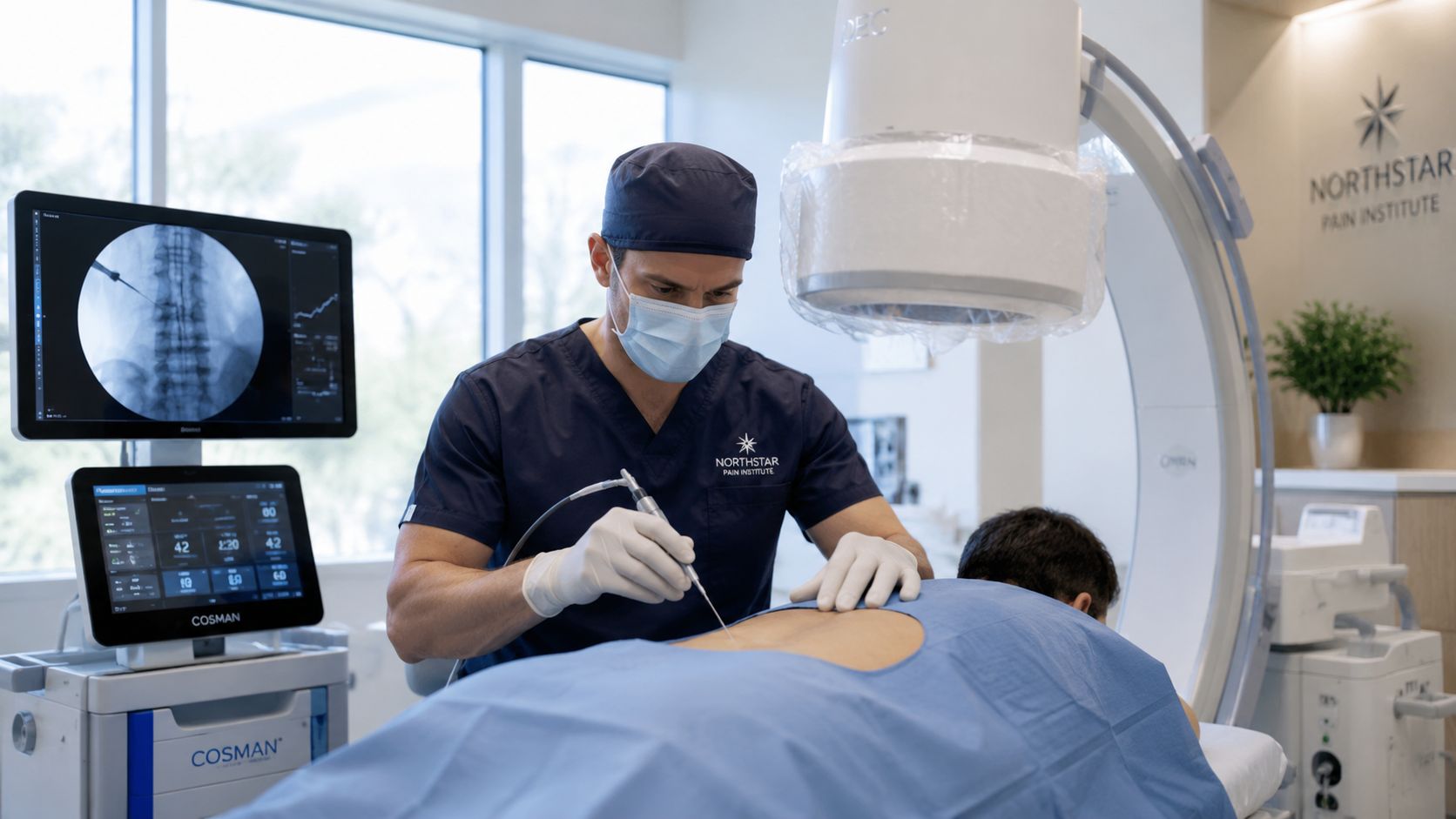
A common mistake in neuropathic pain care is staying too long with treatments that were never likely to solve the problem. If burning, electric, stabbing, or radiating pain is still disrupting sleep, walking, work, or basic daily tasks after the right foundation has been built, the next step is often a targeted procedure. The goal is straightforward: lower pain enough to restore movement, therapy tolerance, concentration, and day-to-day function.
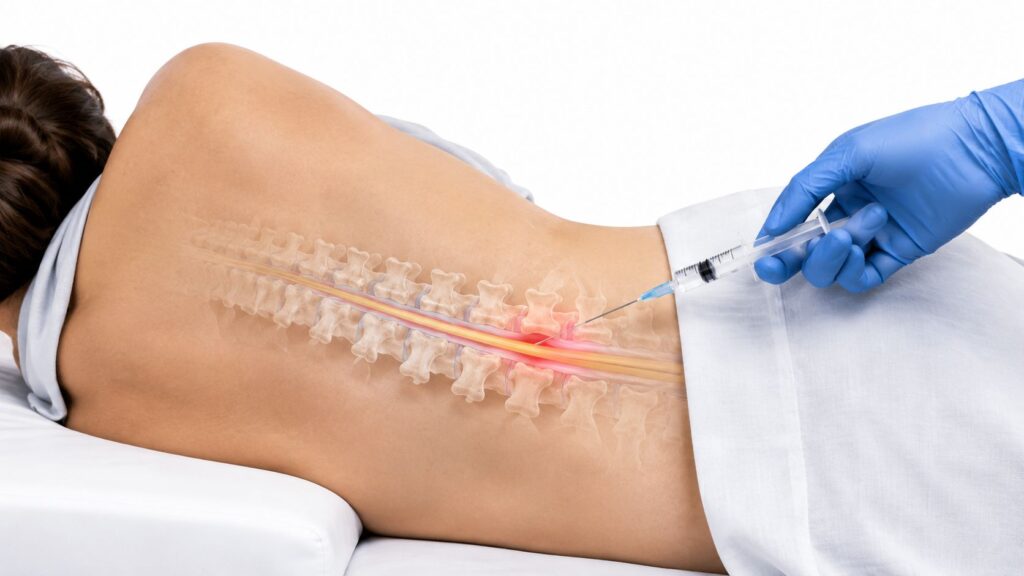
Nerve blocks and targeted injections
Nerve blocks are useful because they can answer two questions at once. They may reduce pain, and they may help confirm which nerve or pain pathway is driving the symptoms. That matters when prior care has lumped every type of leg, foot, arm, or back pain into the same category.
In practice, I use blocks to get more precise. If a patient from Oak Lawn or Orland Park tells me the pain shoots in a specific distribution, worsens with certain positions, and has not responded to broad treatment, a well-chosen block can help sort out whether we are dealing with a focal nerve source, a spinal nerve root problem, or a different pain generator entirely.
Some injections help most as short-term tools. They can calm an irritated area enough for someone to restart physical therapy, tolerate sitting at work, or sleep through the night. That is a meaningful result, but it needs to be framed accurately. Injections rarely carry chronic neuropathic pain by themselves for the long haul.
Radiofrequency-based approaches
Radiofrequency treatment is not one single procedure. The target and the goal determine whether it fits.
In selected cases, radiofrequency-based treatment can reduce pain for a period of time and create room for rehabilitation. That can be useful for someone who needs enough relief to walk with less guarding, return to driving, or stay active with family responsibilities. The trade-off is that benefit may fade, repeat treatment is sometimes needed, and success depends on choosing the right target. A technically good procedure aimed at the wrong structure usually disappoints.
This is one reason generic advice often fails patients with nerve pain. "Try an injection" is not a plan. The useful question is which procedure matches the diagnosis, the exam, the imaging when relevant, and the patient's functional goals.
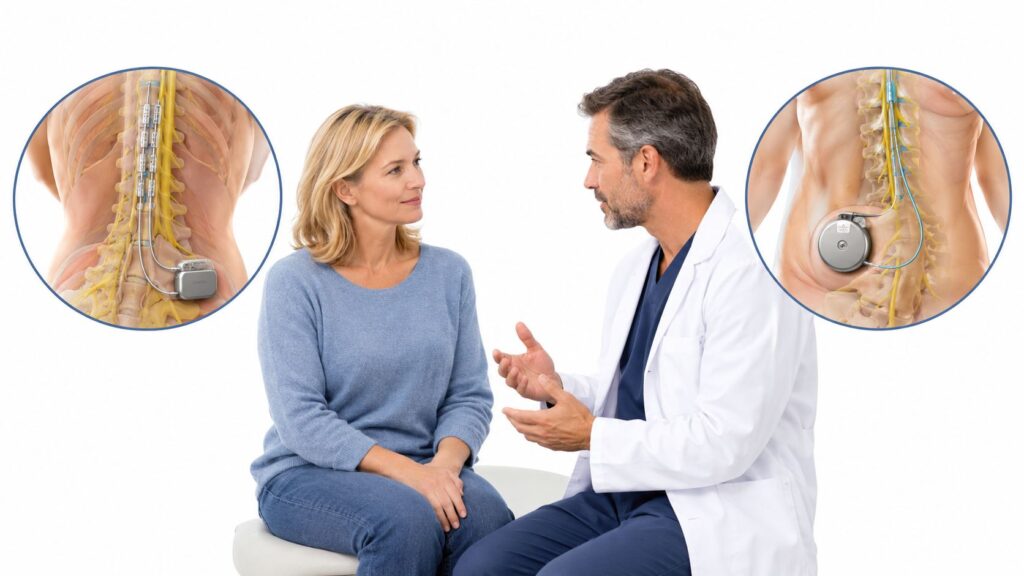
Spinal cord stimulation and peripheral nerve stimulation
Neuromodulation becomes part of the discussion when pain remains persistent and limiting despite appropriate conservative care. These treatments change pain signaling. They do not erase the original condition, and they are not first-line care.
Spinal cord stimulation is usually considered for more established, refractory neuropathic pain patterns. Peripheral nerve stimulation is more focal and may fit better when a specific peripheral nerve is the source. The distinction matters. A patient with a localized nerve injury and a patient with broader radicular or post-surgical neuropathic pain may both have "nerve pain," but they are not automatically candidates for the same device.
A careful workup comes first. That includes confirming the diagnosis, reviewing what has already been tried, checking whether the pain pattern is anatomically coherent, and deciding whether the expected gain is realistic. Good candidates are usually looking for practical improvements such as better sleep, longer walking tolerance, less pain with work duties, or reduced reliance on medication. Patients do better when they understand that the goal is meaningful relief and better function, not a guarantee of zero pain.
Interventions work best in sequence
I do not frame procedures as a failure point. I frame them as later tools in the right order of care.
That distinction matters because scattered treatment frustrates patients. Someone gets a medication from one office, an injection from another, then hears about a stimulator before anyone has clearly explained the diagnosis. A specialist-led sequence is more effective. Confirm the pain pattern. Build the nonprocedural base. Use image-guided interventions when the exam and history point to a target. Consider neuromodulation only when the earlier steps were appropriate and still left the patient significantly limited.
At a clinic such as Midwest Pain & Wellness's interventional treatment procedures, options may include image-guided injections, radiofrequency treatment, peripheral nerve stimulation, spinal cord stimulation, and other targeted procedures chosen to match the pain generator rather than the latest trend.
Regenerative treatments such as PRP also come up in pain practice. They may make sense for selected musculoskeletal conditions. They should not be presented as a catch-all answer for neuropathic pain.
What patients should expect from advanced care
A useful pre-procedure discussion should answer a few practical questions:
| Question | Why it matters |
|---|---|
| What problem are we targeting | A clear target improves decision-making and sets better expectations |
| Is this diagnostic, therapeutic, or both | The purpose affects how success is measured |
| What level of relief is realistic | Partial relief can still be worthwhile if function improves |
| How will this help function | Relief should translate into walking, sleeping, working, or participating in rehab |
| What is the backup plan if it helps only briefly | Neuropathic pain usually needs staged care, not one isolated treatment |
The best advanced care gets your life moving again. If a procedure helps you stand longer, drive with less pain, return to exercise, or cut back on sedating medication, that is a meaningful win.
Prioritizing Function with an Opioid-Sparing Strategy
The most productive way to manage neuropathic pain is to focus on function first. Pain scores matter, but they aren't the whole story. A treatment plan that lowers pain while leaving you sedated, dizzy, unsteady, or mentally foggy isn't a real win.
Why opioid-sparing care makes sense
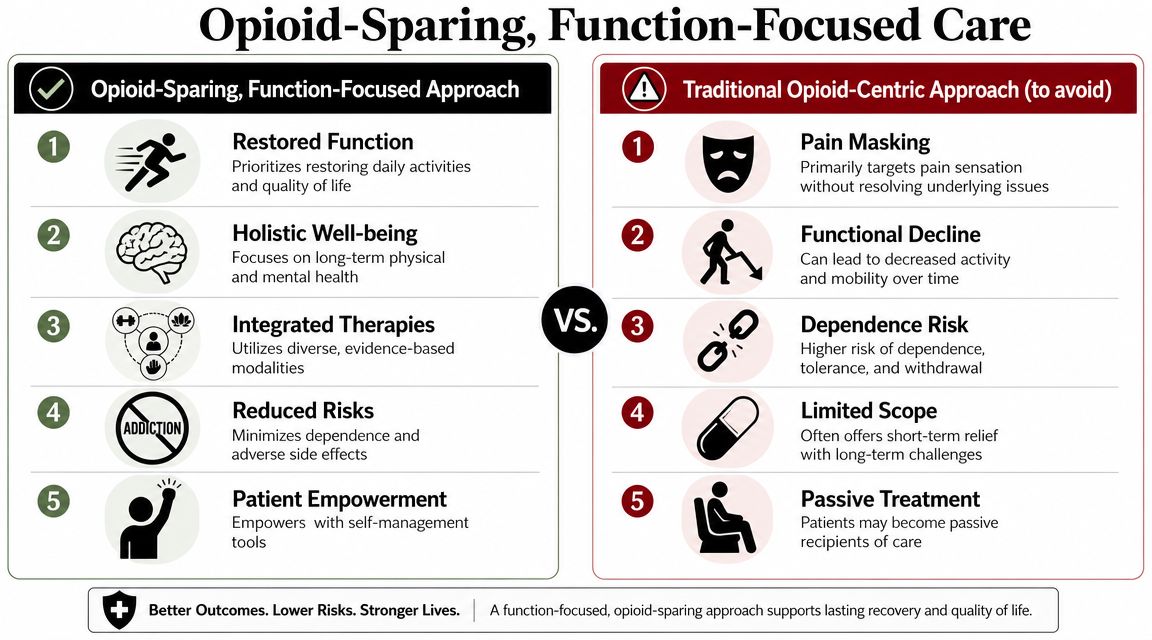
Opioids may have a role in selected pain situations, but neuropathic pain care shouldn't default to an opioid-centric model. Nerve pain usually responds better to diagnosis-specific treatment, layered nonopioid medications when appropriate, rehabilitation support, and targeted interventions when the pattern calls for them.
That matters even more in older adults and medically complex patients. Managing neuropathic pain involves a real trade-off between pain relief and safety risks such as sedation, dizziness, and falls. CAPC recommends assessing gait stability and fall risk, and Mayo Clinic highlights the need for physical therapy and walking aids when weakness or imbalance is present (CAPC discussion of neuropathic pain treatment in serious illness).
The practical point is simple. If a treatment makes pain somewhat better but makes walking less safe, concentration worse, or daily activity harder, then the plan needs to be adjusted.
What function-focused care looks like in practice
A function-focused plan doesn't ask only, "How much does it hurt?" It also asks:
- Can you walk safely
- Can you sleep through the night
- Can you work, drive, cook, or care for family
- Are medications causing dizziness or mental clouding
- Has fear of pain caused you to stop moving
This changes the conversation. Instead of chasing a perfect pain score, we focus on restoring the tasks that make daily life livable.
For a patient in Burbank or Evergreen Park, that might mean choosing a topical option over a systemic one because balance is already shaky. For another patient, it may mean backing down a medication dose that helped pain but caused too much daytime sedation. For someone with persistent focal nerve pain, it may mean moving toward a targeted procedure because medication burden is becoming the bigger problem.
"Better" isn't just less pain. Better means safer walking, clearer thinking, and more participation in daily life.
Safety isn't a side issue
This is one of the biggest gaps in online advice about neuropathic pain. Many articles discuss symptom relief but barely mention fall risk, medication interactions, driving safety, or how existing medical problems change the treatment choice.
When treating nerve pain in older adults or people with multiple conditions, a careful clinician should think about:
| Safety concern | Why it changes treatment decisions |
|---|---|
| Sedation | Can interfere with driving, work, and concentration |
| Dizziness | Raises fall risk, especially with gait instability |
| Polypharmacy | Increases interaction risk and side effect stacking |
| Weakness or imbalance | May require gait support and rehab emphasis |
| Kidney or other medical issues | Can influence medication selection and dosing |
That is one reason an opioid-sparing, multimodal model tends to be more durable. It spreads the work across several lower-risk strategies instead of trying to force one medication to do everything.
The goal is durability, not a quick mask
Patients often tell me they don't want to feel "drugged." That's a reasonable concern. People want enough pain relief to function, not a treatment plan that disconnects them from their own lives.
A good neuropathic pain plan tries to reduce suffering while keeping you steady, alert, and engaged. That may mean combining topical treatment, selective oral medication, lifestyle adjustment, rehab support, and intervention when indicated. It is a more thoughtful approach than escalating to stronger painkillers and hoping function somehow follows.
When to See a Pain Specialist and Critical Red Flags
A common scenario looks like this. Someone in Oak Lawn or Orland Park has burning foot pain, numb toes, or a sharp electric pain after surgery. They try rest, over-the-counter medication, maybe a few medication changes, and are told to "give it time." Months later, the pain is still there, sleep is worse, walking is less steady, and no one has explained what type of nerve pain they have.
That is usually the point where specialist care should have started sooner.
General pain advice is often built around muscle strain, arthritis, or back pain. Neuropathic pain behaves differently. It needs the right diagnosis first, then a stepwise plan that matches the pattern of pain, the cause, your medical history, and your day-to-day goals. If that sequence is missing, people often spend too long repeating treatments that were never likely to help.
Signs it's time to move beyond basic care
A pain specialist visit makes sense when the problem is no longer simple, predictable, or improving. I usually recommend an evaluation if any of the following are happening:
- Pain is limiting function, including walking, sleeping, working, driving, or managing routine tasks at home
- Symptoms still suggest nerve pain despite basic treatment, such as burning, tingling, stabbing, electric shocks, numbness, or pain from light touch
- You have been switched from one medication to another without a clear diagnosis-driven plan
- Side effects are getting in the way, especially sedation, dizziness, confusion, constipation, or balance problems
- The pain is focal and persistent, which may make targeted treatment or an interventional option more appropriate
- Symptoms keep returning or spreading, even after repeated short-term treatment
- Other medical conditions complicate treatment choices, such as diabetes, kidney disease, gait instability, or a long medication list
At that stage, the question is not just how to lower pain scores. The question is what is causing the pain, what is safe to use, and what sequence gives you the best chance of better function.
For many patients near Chicago Ridge, that is where a specialist adds value. The goal is to stop guessing and build a plan that is specific.
Red flags that need urgent medical attention
Some symptoms should not wait for a routine pain visit.
Seek urgent medical care if you develop:
- New or worsening significant weakness
- Loss of bladder or bowel control
- Rapidly progressive numbness
- Sudden major balance problems or repeated falls
- Severe pain after trauma
- Fever, drainage, redness, or swelling after a procedure or surgery
- A sudden neurological change that is clearly different from your usual pattern
These findings can signal a spinal emergency, serious nerve compression, infection, or another neurological problem that needs prompt assessment.
If weakness is appearing or normal body function is changing, get evaluated the same day.
What to do next
The right next step is usually straightforward:
- Confirm the diagnosis
- Match treatment to the neuropathic pain pattern
- Use a multimodal plan instead of relying on one medication
- Escalate to targeted procedures when conservative care has clearly fallen short
- Protect function, safety, and independence throughout treatment
If you are ready for a diagnosis-driven plan, you can schedule a neuropathic pain evaluation.
If neuropathic pain is limiting your sleep, mobility, or ability to work, Midwest Pain & Wellness offers evaluation and interventional pain management for patients in Chicago Ridge and surrounding Illinois communities, including Oak Lawn, Orland Park, Palos Hills, Palos Heights, Worth, Bridgeview, Hickory Hills, Alsip, Burbank, and Evergreen Park. The focus is a diagnosis-driven, opioid-sparing plan that uses medication, targeted procedures, and coordinated care to help restore function.