If you're waiting for surgery, or you're home with an ice pack, a prescription bottle, and a lot of questions, pain is probably near the top of your mind. Most patients don't ask whether they'll feel something after surgery. They ask how much, how long, and whether what they're feeling is normal.
Those are the right questions. Postoperative pain is common, but it shouldn't feel mysterious, and it shouldn't be brushed aside. Good pain care isn't just about getting through the first night. It also helps you move, breathe fully, sleep, and lower the chance that short-term pain turns into a longer problem.
Navigating Pain After Surgery
Postoperative pain is the discomfort that happens after a procedure because tissue has been cut, stretched, stitched, cauterized, or otherwise disturbed during surgery. In plain terms, your body is reacting to an injury that was necessary to fix another problem.
Your concern is justified. Over 80% of patients in the United States report postoperative pain, and 88% of those describe it as moderate, severe, or extreme according to this review on poorly controlled postoperative pain. The same review notes that a national survey found 86% of surgical patients experienced postsurgical pain overall, and 75% of those with pain rated it as moderate to extreme in the immediate postoperative period.
That matters because pain after surgery isn't only soreness. It can also include muscle spasm, inflammation, swelling, and sometimes irritated or healing nerves. Some patients feel a deep ache. Others feel pulling, throbbing, or sharp pain when they move, cough, or stand up for the first time.
Why patients often feel unprepared
Many people hear, "Some pain is normal," and assume that means they just have to tolerate it. That's not the standard. Normal recovery pain should still be managed thoughtfully.
A better approach starts with three ideas:
- Pain should be anticipated: You shouldn't wait until pain is out of control to address it.
- Treatment should be layered: Medication is only one part of the plan.
- New nerve-type symptoms deserve attention: If pain feels burning, electrical, or unusually sensitive, it may help to learn more about relieving nerve pain after surgery and beyond.
Good postoperative care doesn't promise zero pain. It aims for tolerable pain, safer recovery, and steady improvement.
Patients across Illinois communities such as Oak Lawn, Palos Hills, Palos Heights, Worth, Bridgeview, Hickory Hills, Alsip, Burbank, Evergreen Park, and Orland Park often tell me the same thing. They feel better once they know what pain means, what recovery usually looks like, and when to speak up. That clarity reduces fear and helps patients make better decisions day by day.
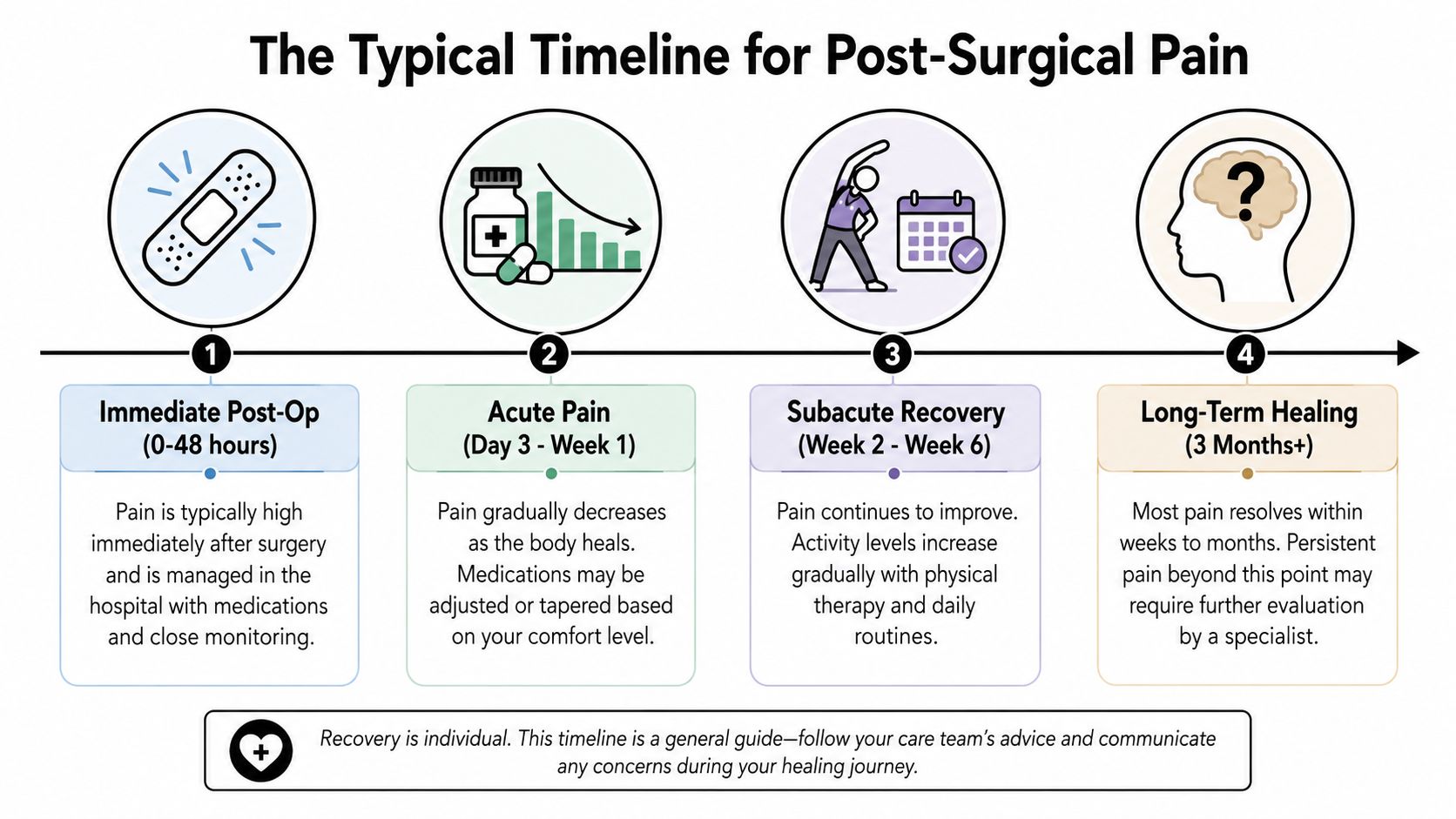
The Typical Timeline for Post-Surgical Pain
What is postoperative pain in the first place? It's the body's expected response to surgical trauma. Tissue injury triggers inflammation at the surgical site, and the nervous system becomes more alert while healing is underway.
Researchers describe this as peripheral sensitization at the injury site and central sensitization involving long-term changes in the spinal cord, which can make pain pathways more responsive, as summarized in this review of postoperative pain mechanisms. Patients don't need to memorize those terms. What matters is the lived experience: the area feels tender, movement can hurt more than rest, and the nervous system may temporarily overreact to normal input.
The early phase
The first days are usually the most intense. That's when swelling is highest, the incision is fresh, and the body is mounting its healing response. Pain often peaks with position changes, coughing, walking, or trying to sleep in a new position.
A few patterns are usually expected:
- Incisional soreness: The cut itself feels tender or tight.
- Inflammatory pain: The area may throb, feel hot, or ache more later in the day.
- Muscle guarding: Nearby muscles tense up to protect the area, which can add stiffness.
The healing curve
After the first stretch, most patients should notice a gradual downward trend. Not perfect relief. Not a straight line. But a general curve in the right direction.
That's the most useful mental model. Recovery pain often rises and falls during the day, but the overall direction should slowly improve over days and weeks. A walk may stir things up for a few hours, then settle. A new exercise may cause soreness, then ease. That pattern is different from pain that keeps escalating.
If you'd like a plain-language overview of tissue recovery stages, understanding wound healing for clinicians gives helpful context on why soreness, swelling, and tissue remodeling change over time.
The longer view
By the subacute stage, many patients still have discomfort, but it usually becomes less alarming and more predictable. Pain may shift from sharp to sore, from constant to activity-based, or from broad swelling to one stubborn spot.
Practical rule: Ask yourself whether the pain is gradually becoming easier to manage, even if it hasn't disappeared.
If pain is still intense, changing in quality, or not following that healing curve, it deserves a closer look. Once symptoms continue well past expected healing, the question is no longer just recovery. It becomes whether the nervous system needs more focused treatment.
Distinguishing Normal Healing from Red Flags
The hardest part for many patients isn't the pain itself. It's deciding whether the pain they're feeling is ordinary healing or a sign that something isn't right.
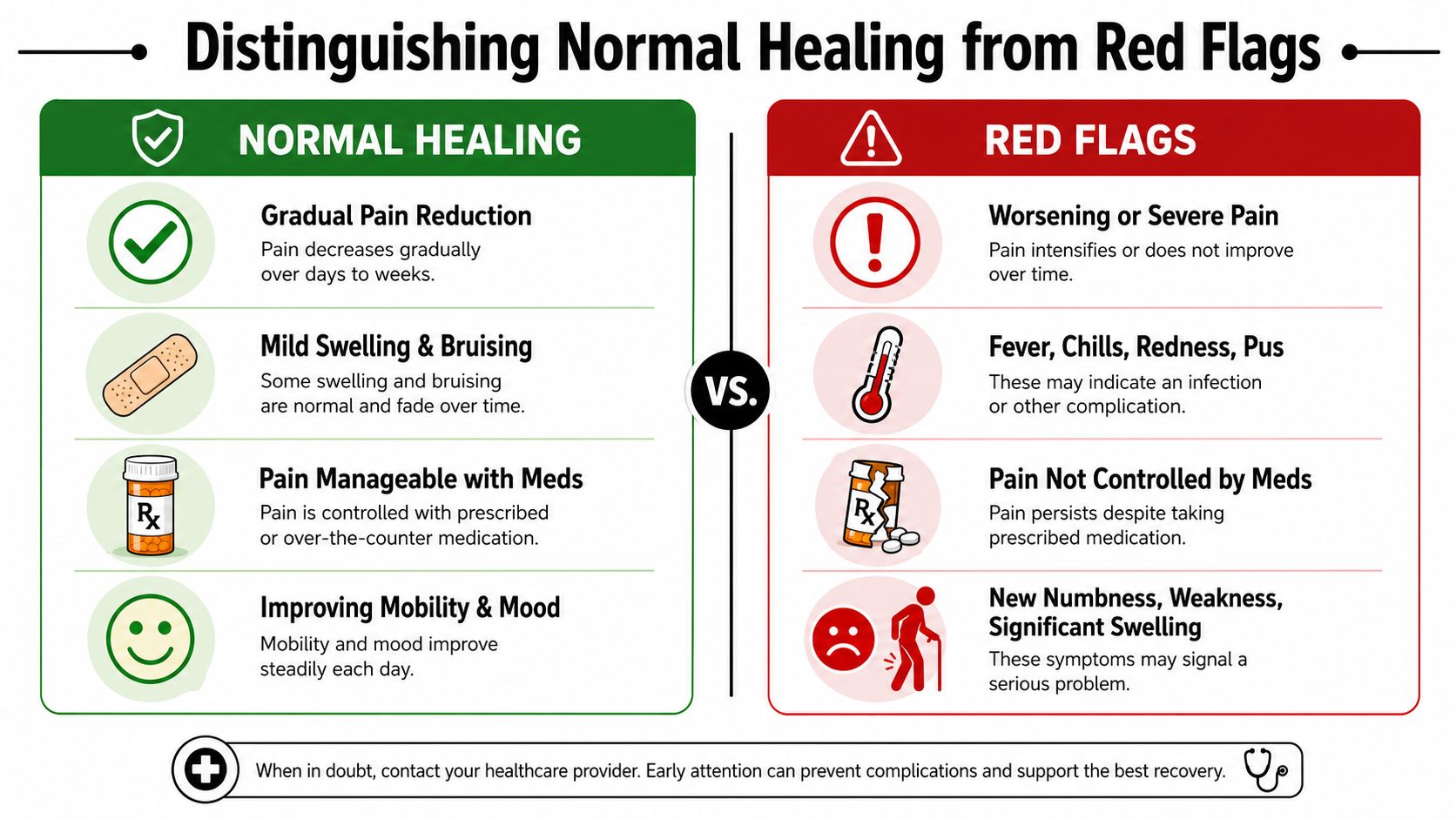
A simple comparison helps. Normal recovery pain tends to be unpleasant but understandable. Complication-related pain often feels out of proportion, suddenly worse, or accompanied by other concerning changes.
What normal healing pain usually looks like
In most recoveries, pain has a pattern you can follow. The incision is sore. The surrounding tissues may feel bruised, stiff, or swollen. Activity increases discomfort, and rest, ice, elevation, or prescribed medication usually help.
Common reassuring signs include:
- Gradual improvement: The pain still comes and goes, but the average day is a bit better than the week before.
- Expected tenderness: Touching near the incision may hurt, especially early on.
- Mild swelling or bruising: The area may look irritated without looking infected.
- Recovering function: Walking, standing, or daily tasks slowly become easier.
Red flags that should prompt a call to your surgeon
Red flags aren't subtle "maybe" symptoms. They usually involve change. More pain instead of less. More swelling instead of less. New neurologic symptoms instead of routine soreness.
A practical way to think about it is by category:
| Concern | What patients often notice |
|---|---|
| Possible infection | Increasing redness, warmth, drainage, pus, fever, chills, or pain that keeps intensifying rather than settling |
| Possible hematoma or abnormal bleeding | Sudden swelling, firmness, pressure, expanding bruising, or a painful sense of fullness |
| Possible nerve injury or nerve irritation | New burning, shooting, electric, tingling, numb, or unusually sensitive pain |
If your pain is worsening while your recovery should be settling, don't wait for your next routine follow-up.
Symptoms that deserve prompt attention
Call the surgical team sooner rather than later if you notice:
- Pain that breaks the trend: Yesterday was tolerable. Today it's markedly worse without a clear reason.
- Drainage that looks concerning: Especially if it appears thick, foul-smelling, or pus-like.
- New weakness or numbness: Difficulty lifting a foot, gripping, or feeling part of the skin normally.
- Pain uncontrolled by the plan you were given: Not just "still uncomfortable," but pain that isn't responding in the way your team expected.
Patients often worry they'll overreact. In practice, surgeons would rather hear from you early than late. Most calls turn out to be manageable issues, and that's reassuring. The rare serious issue is exactly why calling matters.
When Acute Discomfort Becomes Chronic Pain
Some postoperative pain heals on schedule. Some doesn't. When pain persists beyond the expected recovery window, it becomes a different clinical problem.
Persistent postsurgical pain isn't rare. It affects 10% to 50% of individuals after surgery, with a median incidence between 20% and 30% at 6 to 12 months post-op, according to this review on persistent postsurgical pain. The same review found that the severity of pain on the first day after surgery is a powerful predictor of who later develops this chronic condition.
How chronic post-surgical pain feels different
This isn't the same incision pain lasting longer. The character often changes.
Patients may describe:
- Burning pain
- Tingling or pins-and-needles
- Electrical or shooting pain
- Pain from light touch or clothing
- A pain quality that feels different from the original surgical problem
That shift matters because chronic post-surgical pain often involves nerve injury, nerve irritation, or a nervous system that remains sensitized after the tissue itself should be improving.
The time threshold matters
Pain specialists often get involved when pain persists past the usual healing period. In some patients, post-surgical pain can continue beyond the typical 3 to 6 months and may reflect a pain process that needs more than routine aftercare.
Persistent pain after surgery is not a sign of weakness, and it doesn't mean the pain is "in your head." It means the pain system may need targeted treatment.
Why early control matters
One of the clearest lessons in pain medicine is that severe early pain isn't something to just tough out. Strong pain signals in the immediate postoperative period can increase the risk that the nervous system stays activated longer than it should.
That doesn't mean everyone with a painful first week will develop chronic pain. It does mean that uncontrolled pain deserves attention, especially if it starts taking on nerve-like features or stops following the usual recovery curve. The earlier that pattern is recognized, the more options patients usually have.
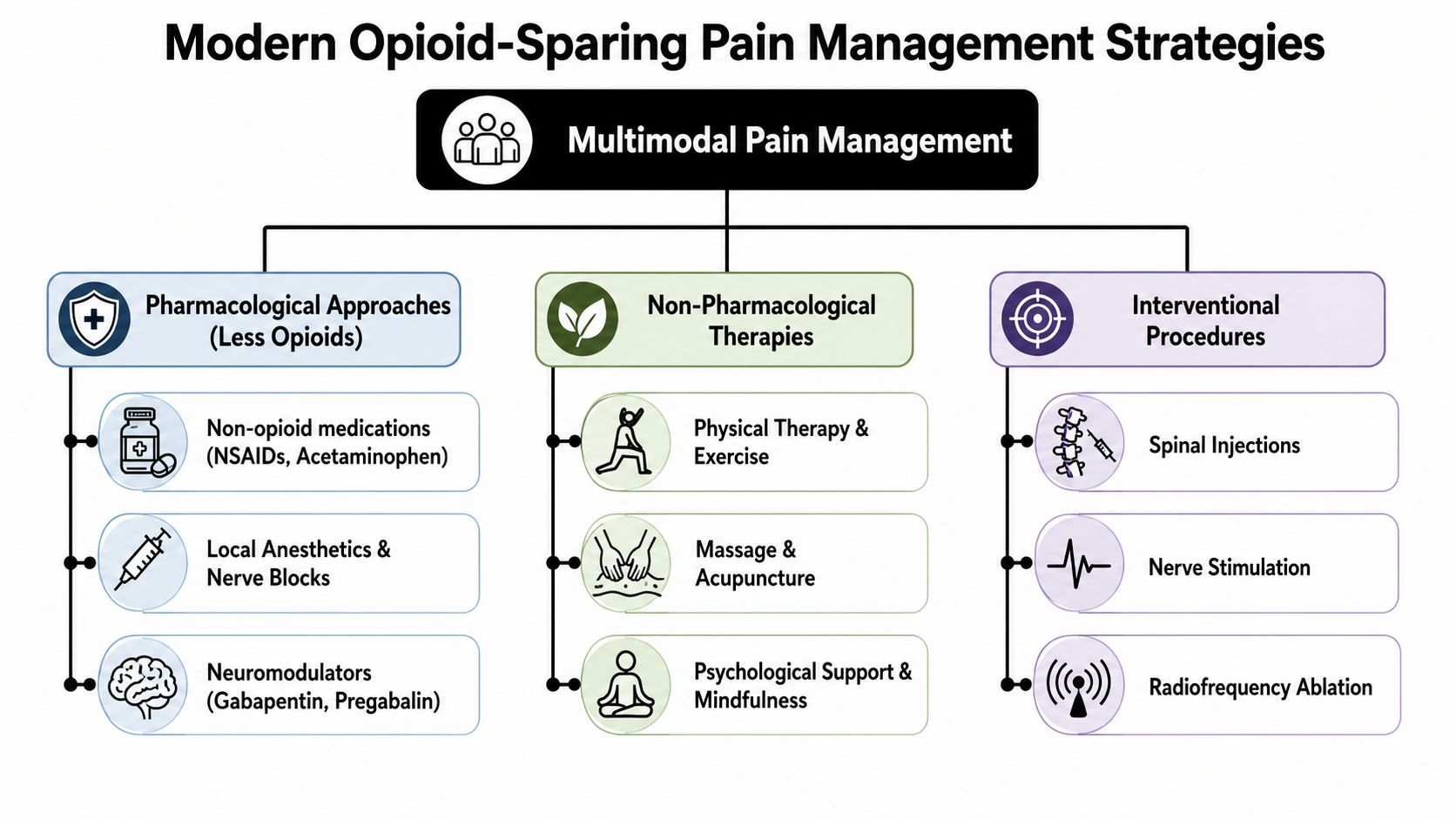
Modern Opioid-Sparing Pain Management Strategies
The old model of postoperative pain care was too simple. Give opioids, wait, and hope the pain settles. That approach can help some patients in the short term, but it often creates trade-offs that patients know well: sedation, constipation, nausea, brain fog, and concern about ongoing dependence.
Modern care is better when it's multimodal. Clinical practice guidelines state that optimal postoperative pain management begins in the preoperative period with an individualized assessment and a multimodal care plan specific to the individual and the procedure, as described in this guideline summary.
Start before the surgery if possible
The best pain plan often begins before the operation. That means reviewing your prior pain history, current medications, sleep, prior opioid exposure, nerve symptoms, and the type of procedure being done.
Realistic planning is essential. A knee replacement, abdominal surgery, spine operation, and hernia repair don't produce the same pain pattern. A patient with baseline nerve pain or long-standing back pain also won't recover exactly like someone starting from zero.
The foundation of opioid-sparing treatment
A layered strategy often includes several categories at once instead of leaning on one drug class.
- Non-opioid medications: Acetaminophen and anti-inflammatory medication can reduce the inflammatory component of pain when medically appropriate.
- Nerve-pain modulators: Some patients benefit when pain has burning, tingling, or hypersensitive features. If that's the issue, learning more about how to manage neuropathic pain can help you understand why standard pain pills sometimes fall short.
- Local anesthetics: These can numb surgical tissues for a period of time and lower pain in the earliest phase. Patients who want a background overview of a common long-acting option can review long-acting local anesthetic details.
Interventional options that can make a real difference
Pain that is localized, nerve-driven, or lingering beyond normal recovery often responds better to targeted treatment than to increasing medication.
Some examples include:
Regional and epidural blocks
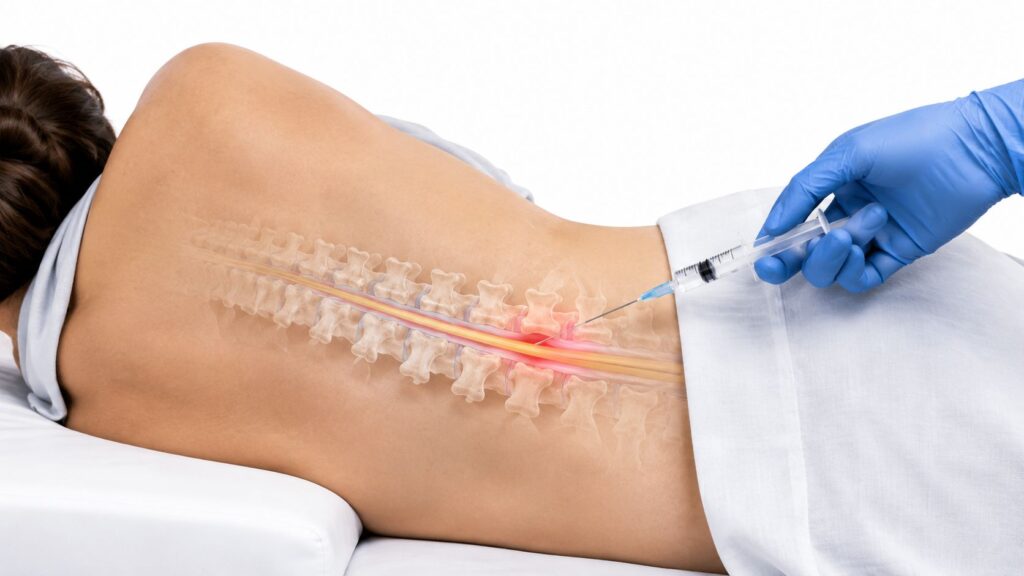
These techniques interrupt pain signals from a specific area during or after surgery. They can reduce the need for systemic medication and are especially helpful when one region is clearly responsible for most of the pain.
Image-guided injections
For patients in Worth, Bridgeview, Oak Lawn, or nearby Illinois communities whose pain remains focused around inflamed joints, irritated nerve roots, or post-surgical soft tissue structures, image-guided procedures can place treatment precisely where it belongs. Precision matters. Broad treatment often produces broad side effects.
Radiofrequency procedures and neuromodulation
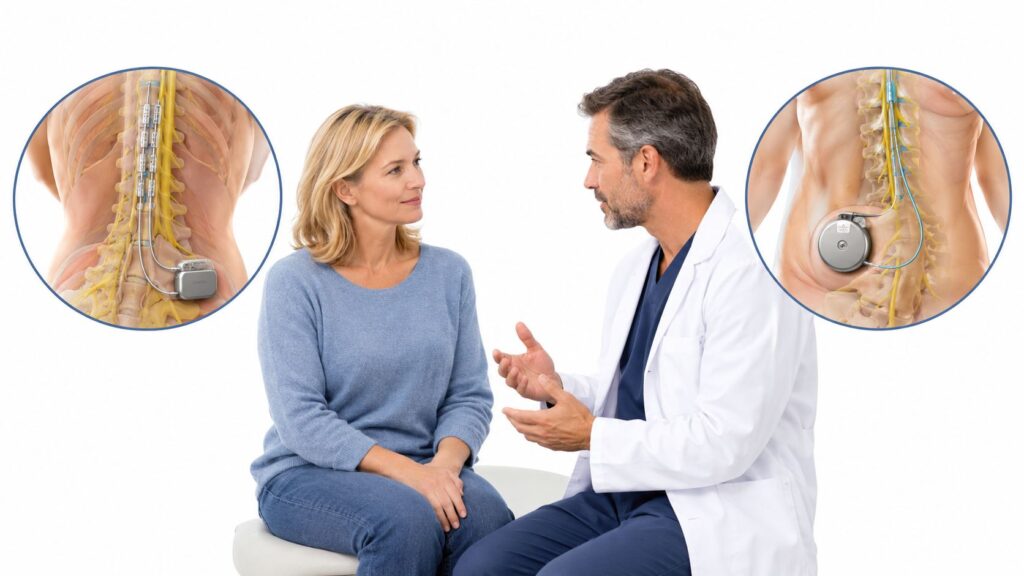
When pain becomes chronic and clearly follows a nerve pathway, some patients need a more advanced strategy. Radiofrequency techniques can help in selected pain generators. Neuromodulation, including peripheral nerve stimulation or spinal cord stimulation, may help when persistent pain no longer responds to simpler steps.
Opioid-sparing care doesn't mean refusing pain medicine. It means using the least burdensome mix of treatments that gives meaningful relief and function.
What usually doesn't work well
Several patterns tend to fail patients:
- Chasing pain after it spikes: Waiting until pain is severe makes it harder to regain control.
- Using only one tool: One pill, one ice pack, or one visit usually isn't enough for complex recovery pain.
- Ignoring function: If treatment lowers pain a bit but you still can't sleep, walk, or participate in rehab, the plan needs adjustment.
- Staying on autopilot: If symptoms are changing, the plan should change too.
Physical therapy can be an important collaborative part of recovery, but it isn't the same thing as pain management. A pain and wellness clinic coordinates medications, procedures, diagnostics, and rehabilitation support so treatment matches the actual pain mechanism.
When to Contact a Pain Specialist in the Chicago Area
Some postoperative discomfort belongs with your surgeon's routine follow-up. Some doesn't. A pain specialist becomes useful when symptoms stop behaving like ordinary recovery pain and start interfering with healing, function, or medication safety.
Clear reasons to seek a pain evaluation
A consultation makes sense if any of these apply:
- The pain isn't following the healing curve: Instead of gradually easing, it stays stuck or keeps flaring harder.
- The pain sounds neuropathic: Burning, shooting, electrical, or tingling pain often needs a different treatment approach.
- You're approaching or past the chronic phase: In some patients, post-surgical pain persists beyond the typical healing period of 3 to 6 months and often stems from nerve damage incurred during surgery, resulting in a pain quality that differs from the preoperative experience, as described in this overview of post-surgical pain.
- You want to minimize opioid reliance: That's a valid reason by itself.
Local access matters
If you live in Hickory Hills, Alsip, Burbank, Evergreen Park, Orland Park, Palos Heights, Palos Hills, or nearby Illinois communities around Chicago Ridge, specialist pain care shouldn't require waiting until the problem becomes entrenched.
A helpful first step is learning how to find a specialist doctor for pain concerns. The right referral is usually one where the physician can evaluate post-surgical pain, distinguish mechanical pain from nerve pain, and offer interventional options instead of renewing medication.
The best time to involve a pain specialist is often before frustration turns into months of stalled recovery.
What to Expect From Your Pain Clinic Visit
A pain clinic visit should feel structured, not intimidating. The purpose isn't to hand you a generic pain scale, refill medication, and send you home. It's to determine why the pain is persisting and what kind of treatment fits the mechanism.
At a first visit, expect a detailed conversation about the surgery, the timeline since the procedure, where the pain is located, what it feels like, what makes it worse, and what has or hasn't helped. The quality of the pain matters. Aching, pressure, burning, numbness, and electric pain point in different directions.
What the evaluation often includes
Most visits involve a few core pieces:
- History review: Your surgery, imaging, medication response, and recovery pattern
- Focused exam: Strength, sensation, tenderness, range of motion, and nerve findings
- Treatment planning: A personalized plan that may combine medication adjustments, targeted procedures, and rehab coordination
A good clinic also communicates with your surgeon and other treating providers. Postoperative pain care works better when everyone is treating the same problem with the same roadmap.
You shouldn't leave wondering what happens next. You should leave knowing what the likely pain source is, which red flags still matter, what treatments are reasonable now, and what progress should look like over the next phase of recovery.
If pain after surgery isn't easing the way it should, Midwest Pain & Wellness offers expert, opioid-sparing care for post-surgical, nerve, spine, and chronic pain conditions in the Chicago Ridge area. Dr. Yaw Donkoh and the team provide personalized evaluations and advanced interventional treatment options for patients across Oak Lawn, Orland Park, Palos Hills, Palos Heights, Worth, Bridgeview, Hickory Hills, Alsip, Burbank, and Evergreen Park, Illinois.