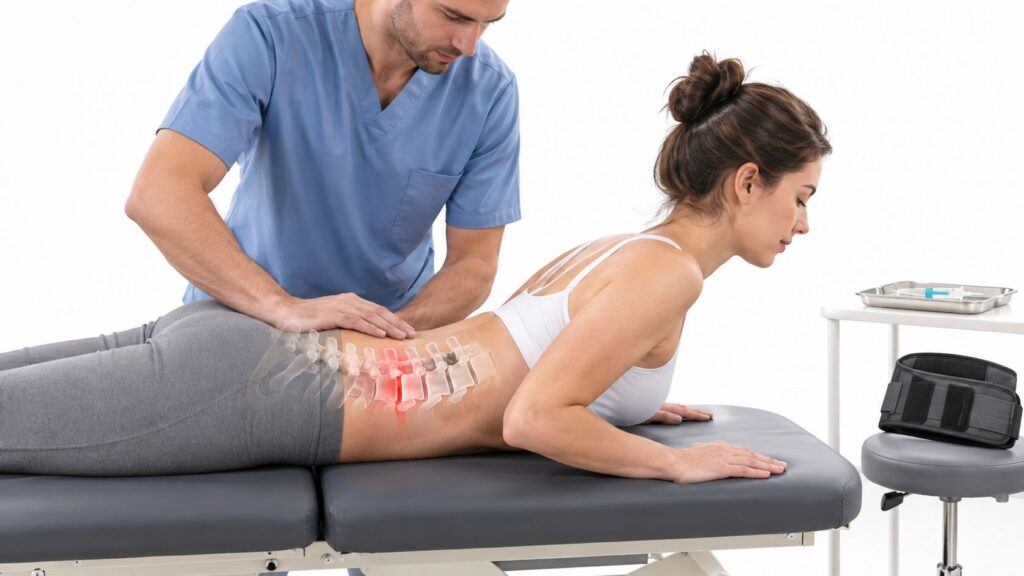
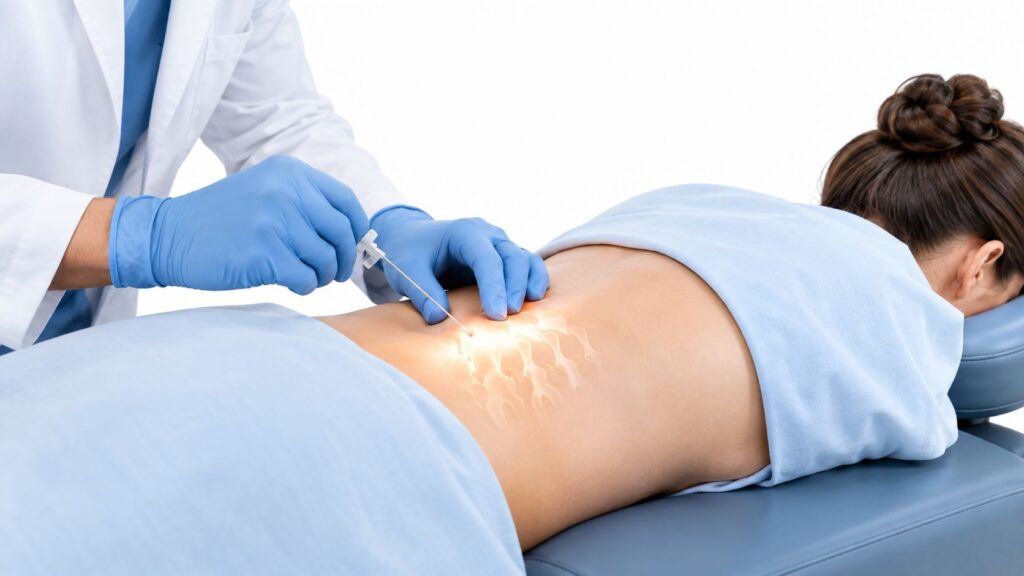
Living with back, neck, joint, or nerve pain often creates a strange kind of hesitation. You know something needs to change, but once someone says you may need an injection, the questions start fast. Is it safe? Is it just masking the pain? How does the doctor know the medication is going to the right place?
That uncertainty is common for patients across the Chicago Ridge area, including Oak Lawn, Palos Hills, Palos Heights, Worth, Bridgeview, Hickory Hills, Alsip, Burbank, Evergreen Park, and Orland Park. Many have already tried rest, medications, home exercises, or therapy and still feel limited by pain that keeps showing up during work, sleep, walking, or even getting out of a car.
A fluoroscopy guided injection isn't a blind shot. It's a targeted, minimally invasive outpatient procedure that helps place medication exactly where pain is coming from. For the right patient, that precision matters. It can calm inflammation, clarify diagnosis, and create room to move again with less pain and less reliance on opioids.
Your Path to Precise Pain Relief
A typical patient story starts the same way. Someone has low back pain that begins to travel into the buttock or down the leg. Sitting gets difficult. Standing too long gets worse. Sleep becomes lighter because every turn in bed reminds them something is wrong.
Then they hear a recommendation for an injection and immediately picture a large needle and a vague process.
What usually helps is understanding that a fluoroscopy guided injection is built around precision. The goal isn't to “try a shot and hope.” The goal is to identify the painful structure, guide the needle carefully, and treat the area that is generating symptoms.

Why patients ask for more clarity
Patients from Oak Lawn to Orland Park often arrive after months of mixed advice. One person has been told the pain is “just arthritis.” Another has been told surgery may be in the future. Someone else has had an MRI but still doesn't understand why the pain spreads into the arm or leg.
A guided injection can help in two ways:
- Target treatment directly: The medication is delivered to a painful joint, nerve root, or inflamed area instead of relying only on pills that affect the whole body.
- Support diagnosis: If a very specific injection relieves pain in a pattern that matches symptoms, that tells us something useful about the true pain source.
- Keep care minimally invasive: These procedures are done without a hospital stay and are commonly part of a broader pain management plan.
The most important first step isn't rushing into treatment. It's matching the procedure to the pattern of pain.
What relief can mean in real life
For some patients, success means walking through a grocery store without leaning on the cart. For others, it means being able to sit through a workday, drive without flaring leg pain, or sleep on one side again.
That shift matters. Pain relief isn't only about a pain score. It's about function, confidence, and getting part of your normal routine back.
Understanding Fluoroscopy Guided Injections
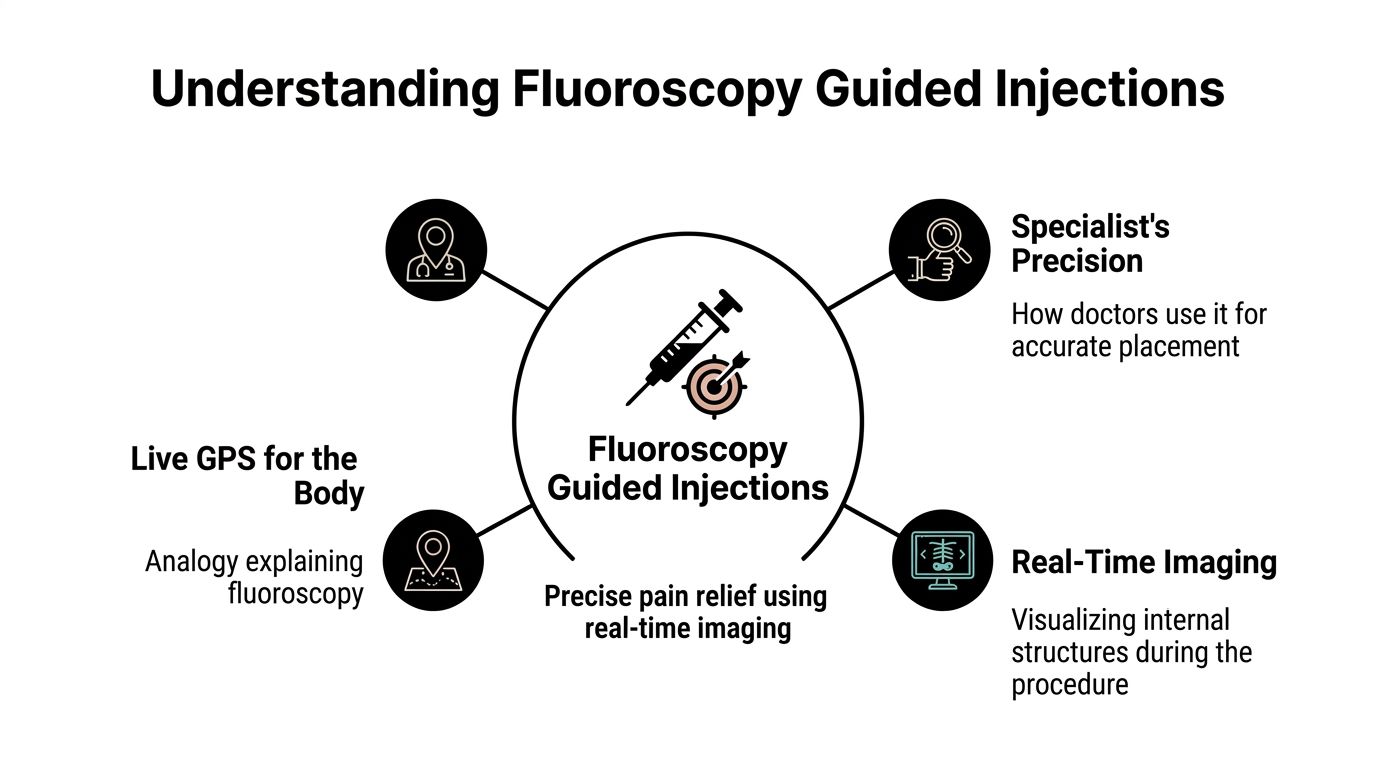
A fluoroscopy guided injection uses real-time X-ray imaging to help place a needle accurately. The easiest way to think about it is as a live GPS for the body. Instead of estimating where a painful structure might be, the physician sees the anatomy during the procedure and adjusts needle placement with immediate visual feedback.
That matters because pain structures can be small, deep, and close to sensitive tissue. A few millimeters can make the difference between hitting the intended target and missing it.
What the doctor is actually looking at
Fluoroscopy shows moving X-ray images on a screen while the procedure is happening. In practical terms, that lets the specialist line up the anatomy, guide the needle, and verify the target before medication is delivered.
During many procedures, the physician uses a radiopaque marker to identify the entry site and target, then captures a “last image hold” with the marker in place before inserting the needle. That image can then be compared with the post-contrast view to confirm accurate targeting, as described in this procedural review on image-guided injections.
If you've ever looked at a medical diagram and finally understood what your doctor meant, you can learn about Natomy's illustration software, which shows how modern medical visuals can make anatomy and procedures easier for patients to follow.
What gets injected
The injection usually includes two components:
- Local anesthetic: This can provide early numbing and also helps us understand whether the targeted structure is involved in your pain.
- Corticosteroid medication: This is a strong anti-inflammatory medicine intended to calm irritated tissue.
Some injections are more diagnostic. Others are more therapeutic. Many do both. If you'd like a plain-language explanation of how these procedures are used around nerves, this overview of what a nerve block injection is can help connect the dots.
Practical rule: Fluoroscopy isn't the treatment by itself. It's the guidance system that helps deliver treatment with accuracy.
Conditions We Treat with This Procedure
Fluoroscopy guided injections are usually the right fit when the pain generator is deep, small, or difficult to reach with confidence based on exam alone. For many patients, the question is not just "What hurts?" It is "Can we identify the structure accurately enough for an injection to be worth doing?"
That decision matters. A guided injection can be used to treat inflammation, to test whether a specific structure is causing pain, or to do both at once.
Spine-related leg and arm pain
One of the clearest examples is radicular pain. Patients often describe it as burning, shooting, electric, or traveling pain that starts in the neck or back and runs down an arm or leg. Sciatica is the term many patients use when this pattern starts in the low back and tracks into the buttock, thigh, calf, or foot.
That pattern usually points to an irritated spinal nerve root. A disc problem, arthritis, or narrowing around the nerve can all contribute. In those cases, precision changes the value of the procedure. The goal is to place medication near the irritated nerve, not merely into the general region. If you want a closer look at how this works in the lower back, our guide to how an epidural injection works for nerve-related back and leg pain explains the logic in plain language.
Cervical radiculopathy follows the same principle in the neck. Pain may spread into the shoulder, arm, or hand, sometimes with tingling, numbness, or weakness. A fluoroscopy guided injection can help when the history, exam, and imaging all point to one level as the likely source.
Facet joints and sacroiliac joint pain
Some pain stays closer to home. It may sit along the low back just off the spine, or lower near the beltline and upper buttock. Patients often notice it more with standing, twisting, arching backward, rolling over in bed, or getting up from a chair.
Two common sources are:
- Facet joints: Small joints in the spine that can become irritated from arthritis, injury, or repetitive stress.
- Sacroiliac joints: Deep joints between the spine and pelvis that can send pain into the buttock, groin, or upper leg.
These problems can mimic other causes of low back pain. That is one reason guided injections are useful here. A targeted injection may reduce inflammation, but it can also answer a diagnostic question. If the expected pain improves after numbing the joint, that gives patients and physicians better footing for deciding what comes next, whether that is physical therapy, longer-term joint treatment, or a different plan entirely.
Joint pain that needs accurate access
Fluoroscopy also helps with selected joint injections, especially when the joint sits deep or the target space is narrow. The hip is a common example. It can be difficult to access confidently without imaging, particularly in patients whose symptoms could be coming from the joint itself, the spine, or nearby soft tissue.
That distinction matters during decision-making. Some joints are well suited to ultrasound guidance. Others are better served by fluoroscopy because bony landmarks and contrast confirmation make placement more certain. The right choice depends on the structure being treated, the body region, and whether the injection is mainly diagnostic, therapeutic, or both.
An injection is rarely the whole treatment plan. It is one step in a larger strategy to reduce pain, improve function, and clarify whether a more durable option makes sense if symptoms return.
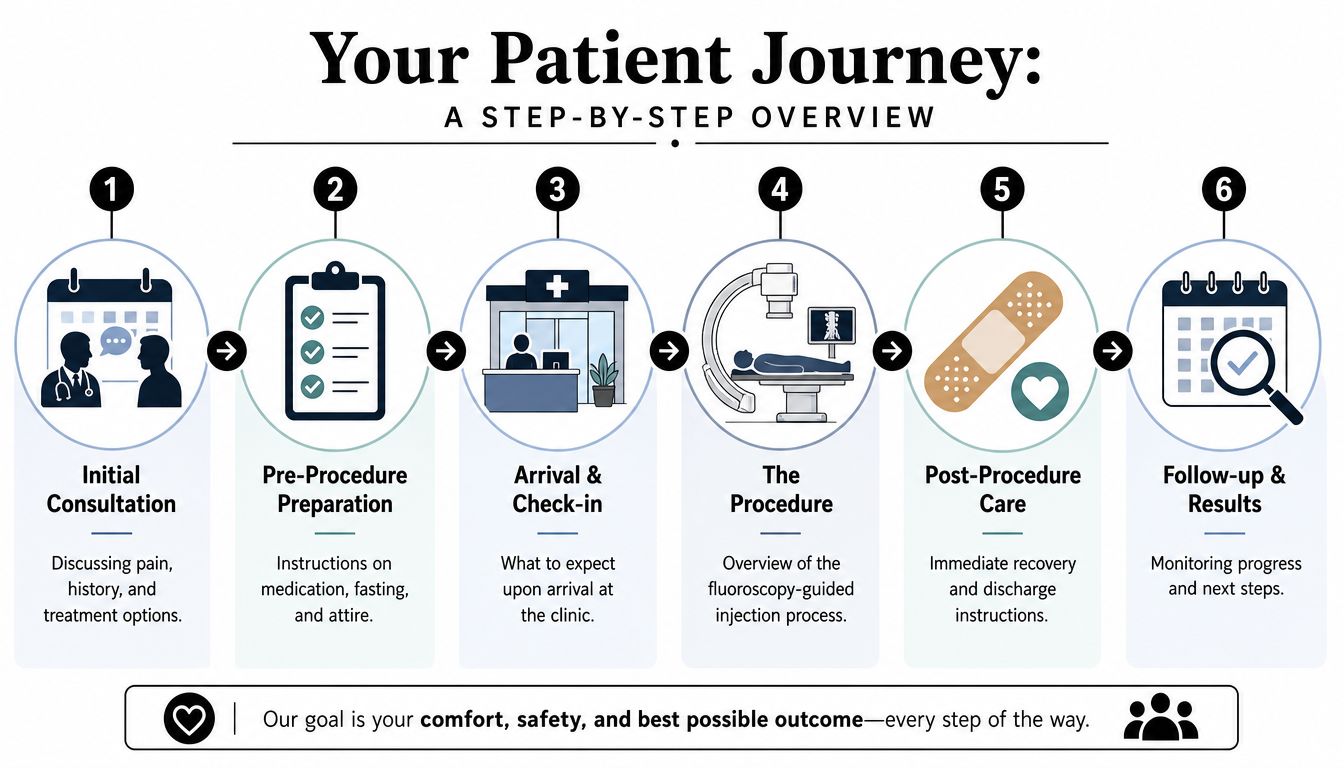
Your Patient Journey A Step by Step Overview
Most patients feel better once they know what the day will look like. A fluoroscopy guided injection is an outpatient procedure, and the rhythm is usually calm and organized rather than dramatic or overwhelming.
Before procedure day
The process starts with a pain evaluation. Symptoms, prior treatment, imaging, medical history, and functional limits all matter. The question isn't just where you hurt. It's what pattern the pain follows, what has already failed, and what structure is most likely responsible.
You may also receive instructions about eating, medications, and arranging a driver if your procedure plan calls for it. Comfortable clothing helps, and bringing a current medication list is always useful.
What happens in the procedure room
Fluoroscopy-guided injections are minimally invasive outpatient procedures that typically take about 30 minutes, using real-time X-ray guidance to confirm needle positioning before a corticosteroid and numbing medication are placed into the joint or pain-generating structure, as outlined in this clinical overview of fluoroscopy-guided injections.
A typical sequence looks like this:
- Positioning: You'll lie in the position that gives the safest access to the target.
- Skin preparation: The area is cleaned carefully to reduce infection risk.
- Local numbing: The skin and deeper tissue may be numbed first.
- Imaging guidance: The physician uses the fluoroscope to align the target and guide the needle.
- Contrast confirmation when needed: This helps verify the needle is where it should be.
- Medication delivery: The anesthetic and anti-inflammatory medication are injected.
If you want a broader patient-friendly explanation of this process in the spine, this page on how an epidural injection works is a useful companion.
Most patients are surprised by how methodical the procedure feels. The pace is deliberate because precision matters more than speed.
Going home and early recovery
Afterward, you'll usually spend a short period being monitored, then head home the same day. Some people feel temporary soreness at the injection site. Others notice numbness or heaviness for a short time from the anesthetic before the steroid has had time to work.
Relief isn't always immediate. The numbing medicine may create an early window of improvement, while the anti-inflammatory effect can take longer to declare itself. Your follow-up plan matters because the response helps guide what comes next.
Benefits Risks and Key Alternatives
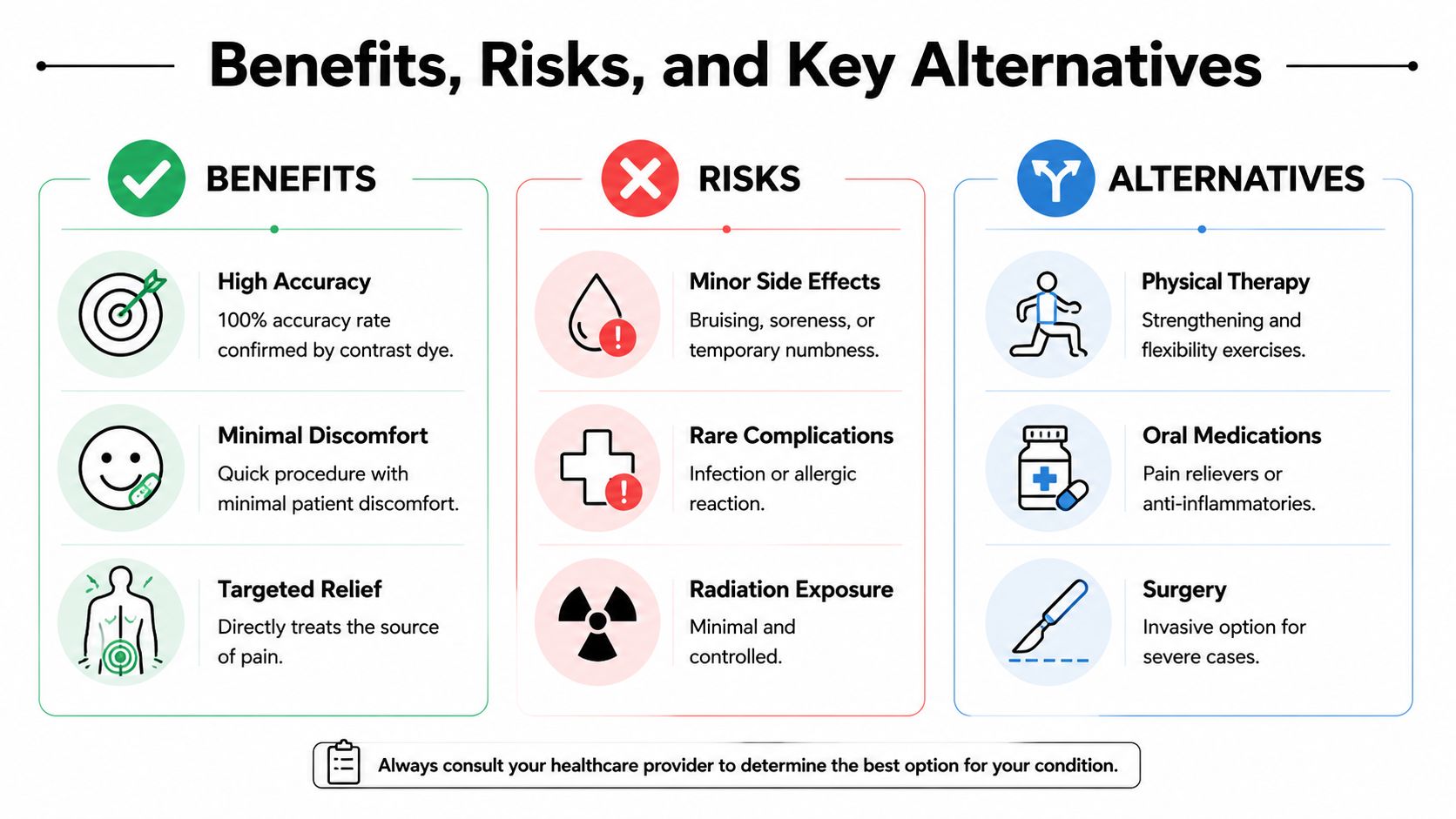
Choosing a guided injection is usually not a yes-or-no decision. The better question is whether this type of guidance matches the structure causing pain, your goals, and the role the injection is supposed to play in your longer treatment plan.
Benefits that matter in practice
Fluoroscopy is especially useful when the target is deep, small, or surrounded by structures we need to avoid. In the spine and sacroiliac region, that real-time X-ray view helps match the needle path to the anatomy instead of relying on surface landmarks alone.
Patients often notice three practical advantages:
- More precise targeting for deep pain generators: That matters for epidural, facet, and sacroiliac injections where a few millimeters can change the result.
- Confirmation of spread when contrast is used: This helps verify that medication is reaching the intended area rather than being placed near it.
- A more useful diagnostic result: If pain improves after a well-placed injection, that response can help confirm the source of symptoms and guide what comes next.
That last point matters more than many patients expect. An injection is not only treatment. It can also help answer a clinical question.
Risks and realistic expectations
Every procedure carries risk, even when performed carefully. Standard risks include bleeding, infection, allergic reaction, temporary soreness, and side effects related to the injected medication. Fluoroscopy also involves radiation exposure, which is one reason physicians use efficient technique and limit imaging to what is needed for safe placement.
The other risk is disappointment from choosing the right procedure for the wrong problem.
| Situation | Why results may be limited |
|---|---|
| Pain source is uncertain | Accurate needle placement does not help if the wrong structure is being treated |
| Symptoms are diffuse or driven by several conditions | A single local injection may only address part of the pain picture |
| The goal is long-term cure from one procedure | Relief may be temporary, partial, or mainly diagnostic |
I often tell patients this plainly. A precise injection can clarify the diagnosis, reduce inflammation, and create a window for better movement or therapy. It does not reverse every degenerative change or prevent future flare-ups.
Key alternatives and how to weigh them
Patients often need a procedure-specific comparison for each pain generator. Fluoroscopy and ultrasound are both useful tools, but they are not interchangeable for every target.
For deep spinal structures, fluoroscopy is often preferred because bony landmarks are clear and contrast can confirm placement. For superficial soft-tissue, peripheral nerve, or some joint targets, ultrasound may be a strong option because it avoids radiation and shows soft tissue well in real time. If you are weighing those options, this guide to ultrasound guidance for nerve blocks explains where ultrasound fits best.
The decision should also include alternatives beyond image type. In some cases, physical therapy, medication changes, activity modification, radiofrequency ablation, or no injection at all may be the better next step. The right choice depends on what the injection is meant to do: confirm a diagnosis, calm a flare, improve function, or buy time while a broader plan starts working.
That is a key decision point for patients. Not just whether a fluoroscopy guided injection can be done, but whether it is the right tool for this stage of care.
Why Choose Midwest Pain & Wellness for Your Procedure
The technology matters, but the judgment behind it matters just as much. A fluoroscope doesn't decide who is a good candidate, what structure should be targeted, or when an injection should be diagnostic versus therapeutic. The physician does.
Dr. Yaw Donkoh is double board-certified in Anesthesiology and Pain Medicine, which is directly relevant to image-guided spine and joint procedures. That background matters because the procedure isn't just about placing a needle. It's about understanding anatomy, pain patterns, safety, medication selection, and what to do when an injection is not the right next step.
What patients should look for
When choosing where to have a fluoroscopy guided injection in Illinois, focus on a few essentials:
- Training that fits the procedure: Spine and joint interventions require specialized interventional pain expertise.
- A broader treatment framework: Injections should fit into a larger plan, not function as isolated events.
- An opioid-sparing mindset: Targeted procedures often help reduce reliance on medications that don't address the source of pain.
- Local access: Follow-up is easier when your clinic is close to home.
For patients in Chicago Ridge and nearby communities such as Alsip, Burbank, and Evergreen Park, Midwest Pain & Wellness provides interventional pain management with image-guided procedures as part of a broader, personalized treatment plan.
Why the bigger plan matters
An injection can calm inflammation, confirm diagnosis, or open a window for better movement. But sometimes the right next step is a different procedure, a rehabilitative phase, or a more durable treatment strategy.
That's the value of pain management care that doesn't treat every problem with the same tool. Good interventional care should know when to proceed, when to pause, and when to pivot.
Frequently Asked Questions About Guided Injections
How long does relief last
A common scenario goes like this. The first few hours feel better because of the numbing medicine. Then that wears off, and patients wonder whether the injection failed. In many cases, the anti-inflammatory medicine needs more time to take effect.
How long relief lasts depends on the structure treated, how much inflammation is present, and the job of the injection itself. Some injections are mainly diagnostic. They help confirm the pain source. Others are intended to calm inflammation and create a longer stretch of relief. For joint pain, relief may last weeks to months. For nerve-related pain, the pattern can be different.
The more useful question is not only "How long will this last?" but also "What will we learn from the response?" That answer helps patients decide whether another injection, physical therapy, radiofrequency ablation, or a different plan makes more sense.
Is the radiation safe
Yes, when the procedure is performed with proper technique, radiation exposure is kept low and used only as needed.
Fluoroscopy works like a live road map during the procedure. It helps confirm level, angle, and final needle position, which matters most in deeper spinal targets where a few millimeters can change both safety and accuracy. Good technique keeps imaging brief, uses careful positioning, and avoids unnecessary exposures.
For many spine procedures, that trade-off is reasonable. Patients get more precise targeting, and the radiation dose remains limited.
How many injections can I get in a year
There is no single number that fits every patient.
The decision turns on three factors. How much relief the injection gives, how long that relief lasts, and whether repeated steroid exposure still makes sense for the condition being treated. If an injection provides strong relief for a meaningful period and helps you function better, repeating it may be appropriate. If benefit is brief or fades with each repeat, the better choice may be to reconsider the diagnosis or move to a treatment with a longer expected effect.
Patients deserve a plan, not a cycle of repeat procedures without a clear reason.
When is it time to move on from injections
An injection has done its job when it either gives durable relief or provides useful diagnostic information. If it does neither, the plan should change.
A few signs usually point in that direction:
- Relief is short-lived: Brief benefit can mean the target was informative, but steroids may not be the best long-term tool.
- Function does not improve: Pain scores matter less if walking, sleeping, or daily activity stay the same.
- The pattern changes: New weakness, numbness, or a different pain distribution may call for a new evaluation.
- A more durable option fits better: Some patients do better with rehabilitation, medication adjustment, radiofrequency ablation, or another intervention aimed at longer control.
Even a partial response can be useful. In pain medicine, that response often helps narrow the diagnosis and guide the next decision with more confidence.
If chronic pain is limiting your life in Oak Lawn, Palos Hills, Palos Heights, Worth, Bridgeview, Hickory Hills, Alsip, Burbank, Evergreen Park, Orland Park, or the surrounding Illinois communities near Chicago Ridge, Midwest Pain & Wellness can help you evaluate whether a fluoroscopy guided injection fits your diagnosis, your goals, and your long-term treatment plan.