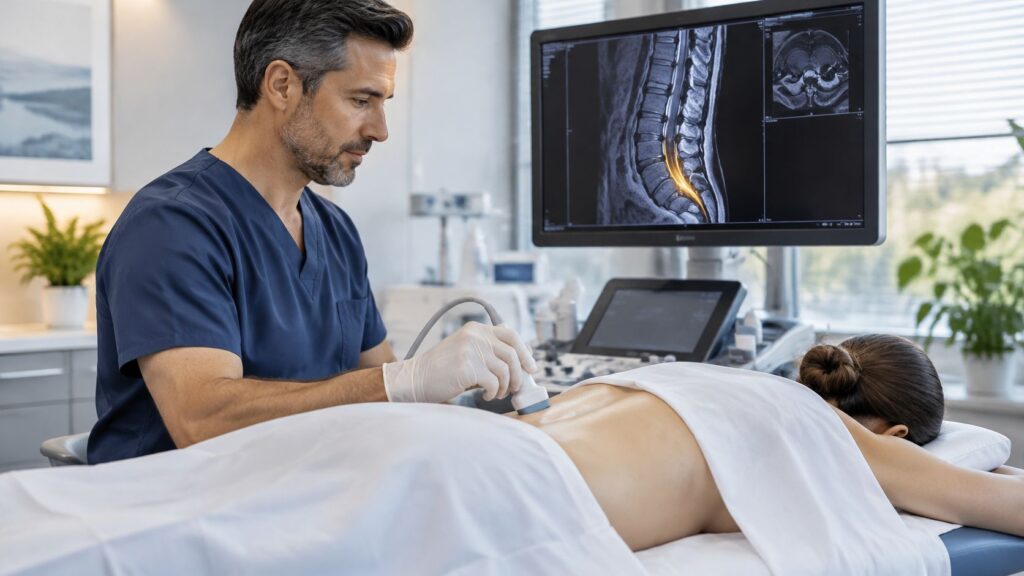
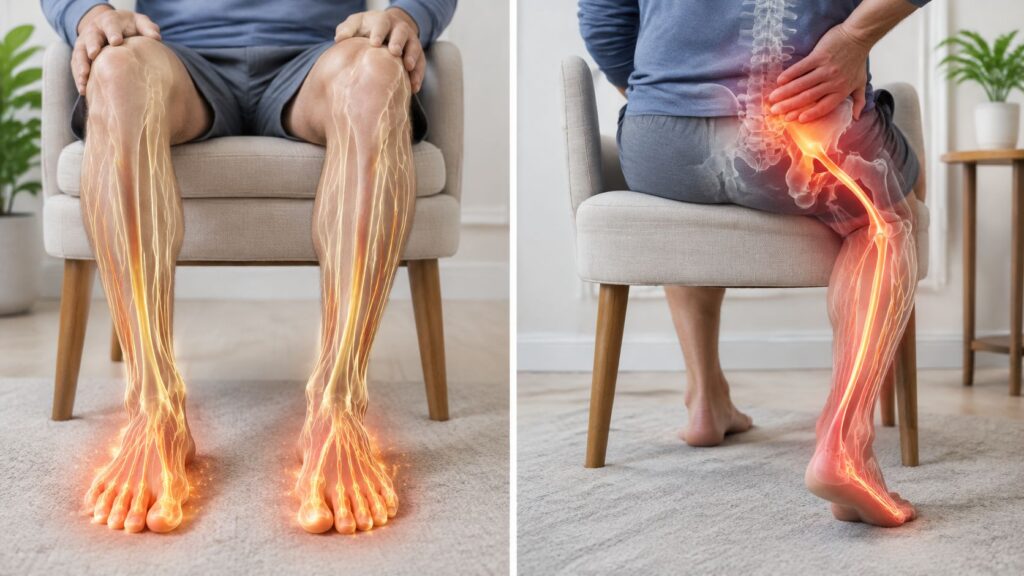
Burning feet at bedtime. Tingling that makes socks feel strange. Numbness that turns a short walk into a guessing game. If you're dealing with neuropathy pain in the south or southwest suburbs of Chicago, you're probably not looking for a vague definition. You want to know why this is happening, what helps, and whether you can get relief without ending up on opioids.
That question comes up every day for people in Oak Lawn, Palos Hills, Palos Heights, Worth, Bridgeview, Hickory Hills, Alsip, Burbank, Evergreen Park, Orland Park, and nearby communities around Chicago Ridge, Illinois. Neuropathy pain often starts subtly, then begins to shape everything around it. Sleep gets lighter. Balance gets less reliable. Errands take longer. People stop walking for exercise, avoid stairs, or sit out activities they used to enjoy.
Peripheral neuropathy pain treatment should be practical, stepwise, and focused on function. That means identifying the cause, protecting the nerves that are still healthy, reducing pain with non-opioid strategies, and using advanced procedures when simpler measures aren't enough. For many patients, there is a real path forward.
Living with Neuropathy Pain in the Chicago Suburbs
A lot of patients describe the same pattern. The day starts stiff but manageable. By afternoon, the feet feel hot, prickly, or strangely deadened. By night, the pain gets louder. Someone in Orland Park may stop taking evening walks because the pavement feels harsh and unpredictable. Someone in Oak Lawn may dread bedtime because the sheets brushing the feet can trigger burning pain.
Neuropathy rarely affects only the body. Chronic pain changes mood, patience, confidence, and sleep. If that emotional strain sounds familiar, this overview of understanding chronic pain and depression can help put words to what many patients experience.
What matters is that you don't have to treat this as something to endure. Good care starts with understanding the pattern of symptoms and matching treatment to the type of nerve pain you have. For some people, that begins with medication adjustment. For others, it means moving toward targeted procedures that interrupt pain signaling without sedating the whole body.
Neuropathy pain is frustrating because it can hurt and numb at the same time. That combination often makes patients feel dismissed until they get a focused evaluation.
A useful starting point is learning more about how to relieve nerve pain, especially if you've already tried rest, shoe changes, or over-the-counter products without much success.
What local patients usually want to know
- Will this keep getting worse: Sometimes it progresses, especially when the underlying cause isn't addressed.
- Can I avoid opioids: In most cases, yes. Modern neuropathy care usually starts with opioid-sparing options.
- Do I need something more advanced than exercise alone: Sometimes. Exercise and rehab matter, but they aren't always enough when nerve pain remains severe.
Understanding What Causes Neuropathy Pain
Neuropathy pain starts when a peripheral nerve is injured, irritated, or metabolically stressed enough that it stops sending clean signals. The result can feel contradictory. Burning and numbness often show up together. Some patients describe electric shocks, others report pins and needles, calf tightness, foot sensitivity, or a vague sense that the floor does not feel right under them.
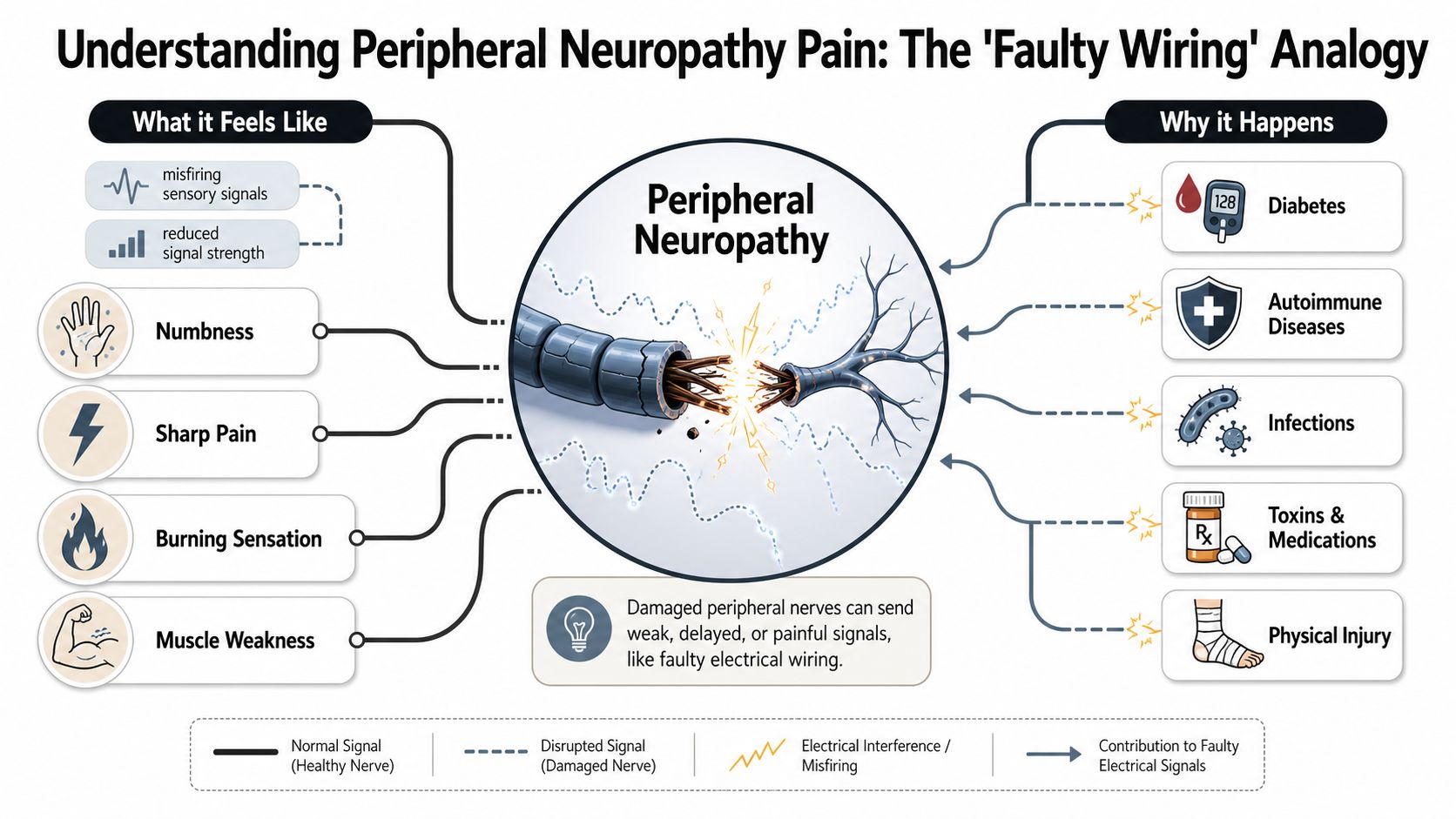
In clinic, I tell patients from Orland Park, Oak Lawn, and Palos Hills that neuropathy is a cause category, not a single diagnosis. Finding the driver matters because treatment works better when we address both the nerve pain and the reason the nerve is under stress in the first place.
The most common reason
Diabetes is the most common cause of peripheral neuropathy. The National Institute of Diabetes and Digestive and Kidney Diseases notes that diabetic neuropathy becomes more likely over time, especially when blood sugar has been harder to control. High glucose levels can injure small nerve fibers first, which is why symptoms often begin in the toes and feet and then gradually move upward.
That pattern affects more than comfort. It can change balance, slow walking, disturb sleep, and make it harder to notice blisters or skin injury before they become a larger foot problem.
For readers trying to better understand the inflammatory side of diabetes, this evidence-based guide to diabetes inflammation adds helpful background in plain language.
Other causes that matter
Diabetes is common, but it is far from the only explanation.
- Chemotherapy exposure: Some patients develop persistent nerve pain after cancer treatment, especially in the hands and feet.
- Physical injury: A nerve that has been compressed, stretched, or cut can keep generating pain long after the original injury heals.
- Vitamin deficiencies: Low B vitamins and other nutritional problems can contribute to nerve dysfunction.
- Autoimmune and infectious conditions: Inflammation from systemic illness can damage peripheral nerves.
- Medication or toxin exposure: Alcohol, certain medications, and environmental toxins can injure nerves over time.
Real cases are often mixed. A patient may have diabetic neuropathy and also have a separate pinched nerve in the low back, or scar-related nerve irritation after surgery. Those distinctions matter because the treatment path is different. If symptoms seem to shoot from the back into the leg, follow a clear nerve root pattern, or come with new weakness, reviewing these spinal nerve injury symptoms can help clarify whether the spine may be part of the problem.
That is one reason a careful evaluation matters so much. At Midwest Pain & Wellness, the goal is not to label every tingling foot as "neuropathy" and stop there. The goal is to identify the pain generator, rule out overlapping causes, and build a step-by-step treatment plan that protects function and uses opioid-sparing options whenever possible.
Diagnosis and Foundational Conservative Care
A good neuropathy workup starts with pattern recognition. In clinic, I want to know where the symptoms began, whether both sides are involved, how far they travel, what time of day they flare, and whether numbness is now affecting balance, sleep, or basic tasks like driving, stairs, or grocery shopping. For many patients in Orland Park, Oak Lawn, Palos Hills, and nearby south and southwest suburbs, those details matter more than the word "neuropathy" itself because they help separate a diffuse nerve problem from a trapped nerve, a spine-related issue, or more than one pain source at the same time.
The physical exam adds another layer. We check light touch, pin sensation, reflexes, strength, gait, and foot integrity. Skin changes, calluses, weakness, and unsteadiness often tell us as much as the pain description.
What the diagnostic process often includes
Some patients need testing beyond the office exam. That may include lab work to look for common medical contributors, or nerve testing when the diagnosis is unclear or the pattern does not fit a typical length-dependent neuropathy. The point is to answer three practical questions: Is this peripheral neuropathy, what is driving it, and is there anything dangerous or time-sensitive that needs a different referral path?
That evaluation also shapes treatment expectations. A patient with mild numbness and preserved strength may benefit from a gradual rehab-focused plan. A patient with worsening weakness, falls, foot wounds, or rapidly changing symptoms needs a faster and more coordinated response.
At Midwest Pain & Wellness, diagnosis is not separate from treatment planning. It guides which conservative steps make sense first, which specialists need to be involved, and when it is reasonable to move beyond basic care without wasting months on measures that are unlikely to restore function.
Conservative care still matters
Foundational care is not a placeholder before a procedure. It reduces risk, protects mobility, and gives us a clearer baseline before considering injections or other advanced options.
Common first steps include:
- Gait and balance training: Patients with numb feet often need specific work on stability, turning, uneven surfaces, and fall prevention.
- Targeted physical therapy: Therapy can help maintain walking tolerance, joint mobility, and strength around areas that have started to compensate for sensory loss.
- Footwear and orthotic support: Better shoe structure can reduce pressure points, improve stability, and protect areas that no longer feel minor injuries well.
- Daily foot checks: This is especially important for patients with diabetes or dense numbness, since blisters and skin breakdown may go unnoticed.
- TENS in selected cases: Some patients get partial symptom relief, but results are mixed, so it is usually a tool to try rather than a treatment to rely on.
There are trade-offs here. Physical therapy can improve confidence and function, but it does not directly calm nerve firing in every patient. Better footwear can reduce irritation, but it will not fix a progressing metabolic or compressive cause. Daily foot monitoring does not lower pain, yet it can prevent wounds that create a much bigger problem.
The standard I use is straightforward. Conservative care should make walking safer, daily activity easier, or pain more manageable. If it does not, the plan should change.
Modern Medication Management Beyond Opioids
A patient from Orland Park or Oak Lawn will often tell me the same thing: “I can handle taking a pill if it helps me sleep and walk again, but I do not want to feel drugged.” That is the right standard. Medication for neuropathy should lower pain enough to improve function, while keeping your thinking clear and your balance safe.
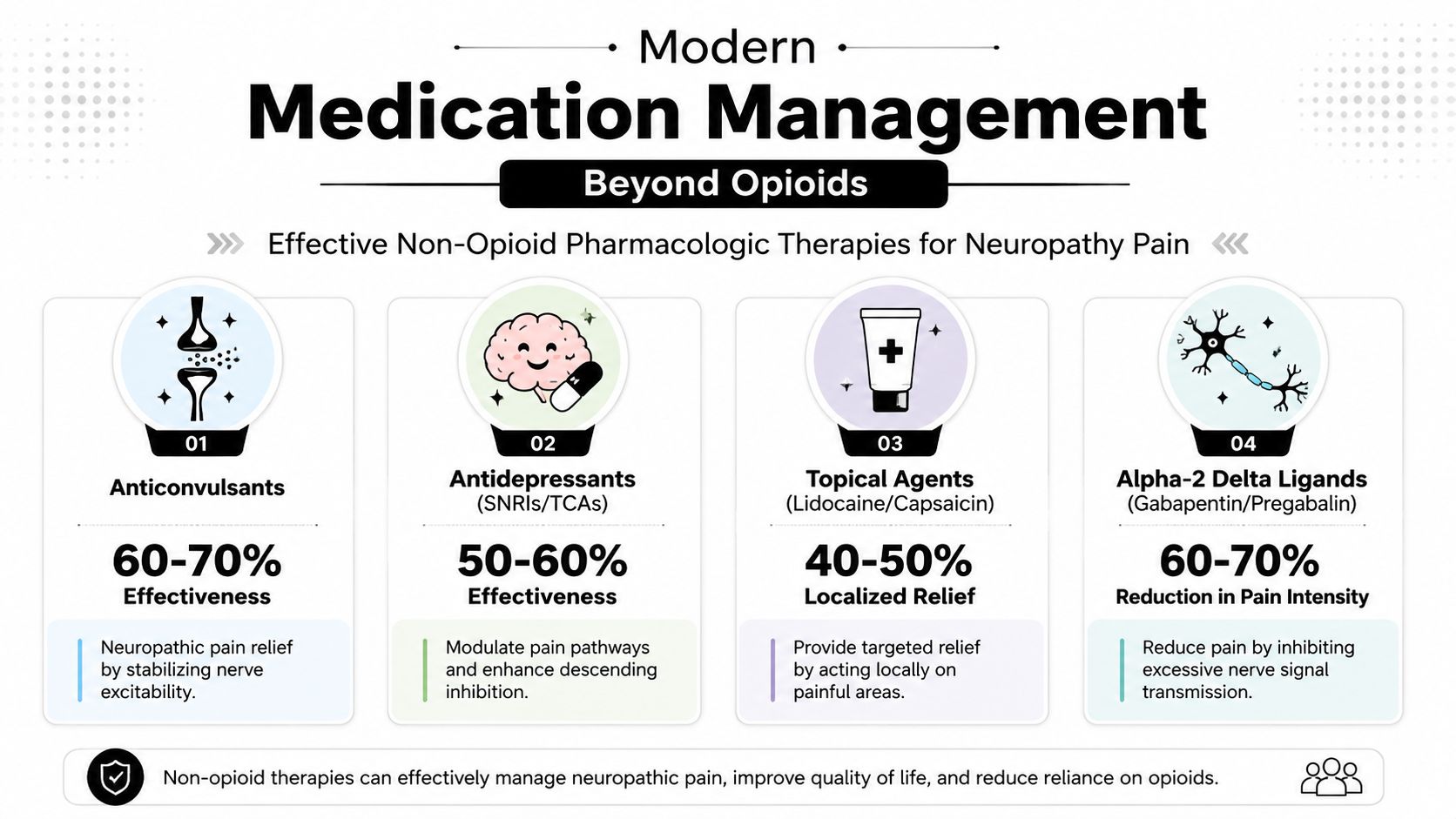
Nerve pain behaves differently than pain from a strain or arthritis flare. The problem is often abnormal nerve signaling, so the medicines we use are aimed at calming those signals or changing how the brain and spinal cord process them. Current guidelines favor non-opioid options first for neuropathy, and in my practice opioids are generally not a first or second step because they rarely address the underlying nerve problem well and often create new problems with sedation, constipation, dependence, and reduced activity.
Which medicines are used first
Several medication groups are commonly used in peripheral neuropathy pain treatment:
| Medication group | Common examples | Main role |
|---|---|---|
| Gabapentinoids | Gabapentin, pregabalin | Calm overactive nerve firing |
| SNRIs | Duloxetine, venlafaxine | Modulate pain pathways |
| Tricyclic antidepressants | Amitriptyline, nortriptyline | Reduce neuropathic pain signaling |
| Topical agents | Lidocaine, capsaicin | Help localized symptoms in selected patients |
The best choice depends on the pattern of symptoms and the patient in front of me. Burning foot pain that keeps someone awake may respond differently than daytime tingling with poor balance. A patient with kidney disease, glaucoma, heart rhythm concerns, or a history of falls may need a different plan than a younger patient whose main problem is nighttime pain.
Trade-offs matter here. Gabapentin or pregabalin can help with burning, stabbing, or electrical pain, but they can also cause dizziness, swelling, or brain fog. Duloxetine may help pain and sleep, especially if chronic pain has started affecting mood, but nausea or blood pressure changes can limit it. Tricyclic medications can be effective in selected patients, though dry mouth, constipation, and sedation make them a poor fit for some older adults.
Topical treatment deserves more attention than it usually gets. If pain is localized, for example over part of the foot or around a surgical scar, lidocaine or capsaicin may reduce symptoms without the whole-body side effects that come with oral medication. That can be useful for patients in Palos Hills or nearby communities who need to stay alert for work, driving, or caregiving.
Prescription antidepressants and anticonvulsants are often used even when depression or seizures are not part of the diagnosis. They affect pain pathways directly. I explain that early because many patients understandably pause when they hear the name of the medication before they hear why it was prescribed.
A good medication plan is measured by function. Better sleep. Longer walking tolerance. Fewer pain spikes at night. Enough relief to participate in therapy, return to errands, or get through a workday with less distraction.
If a medicine lowers pain but leaves you too sedated to think clearly or steady on your feet, it is the wrong fit.
Medication is also not the whole plan at Midwest Pain & Wellness. If symptoms are focal, mixed, or not responding the way they should, image-guided diagnostic treatment may help clarify the source of pain. Patients who want to understand how precision procedures fit into that process can review our overview of ultrasound-guided nerve block techniques before deciding whether medication alone is enough.
Advanced Interventional Treatments in the Chicago Area
A common South Suburban pattern looks like this. A patient from Orland Park, Oak Lawn, or Palos Hills has tried the reasonable first steps, still cannot sleep through the burning in the feet, and starts worrying that stronger pain pills are the only option left. They are not.
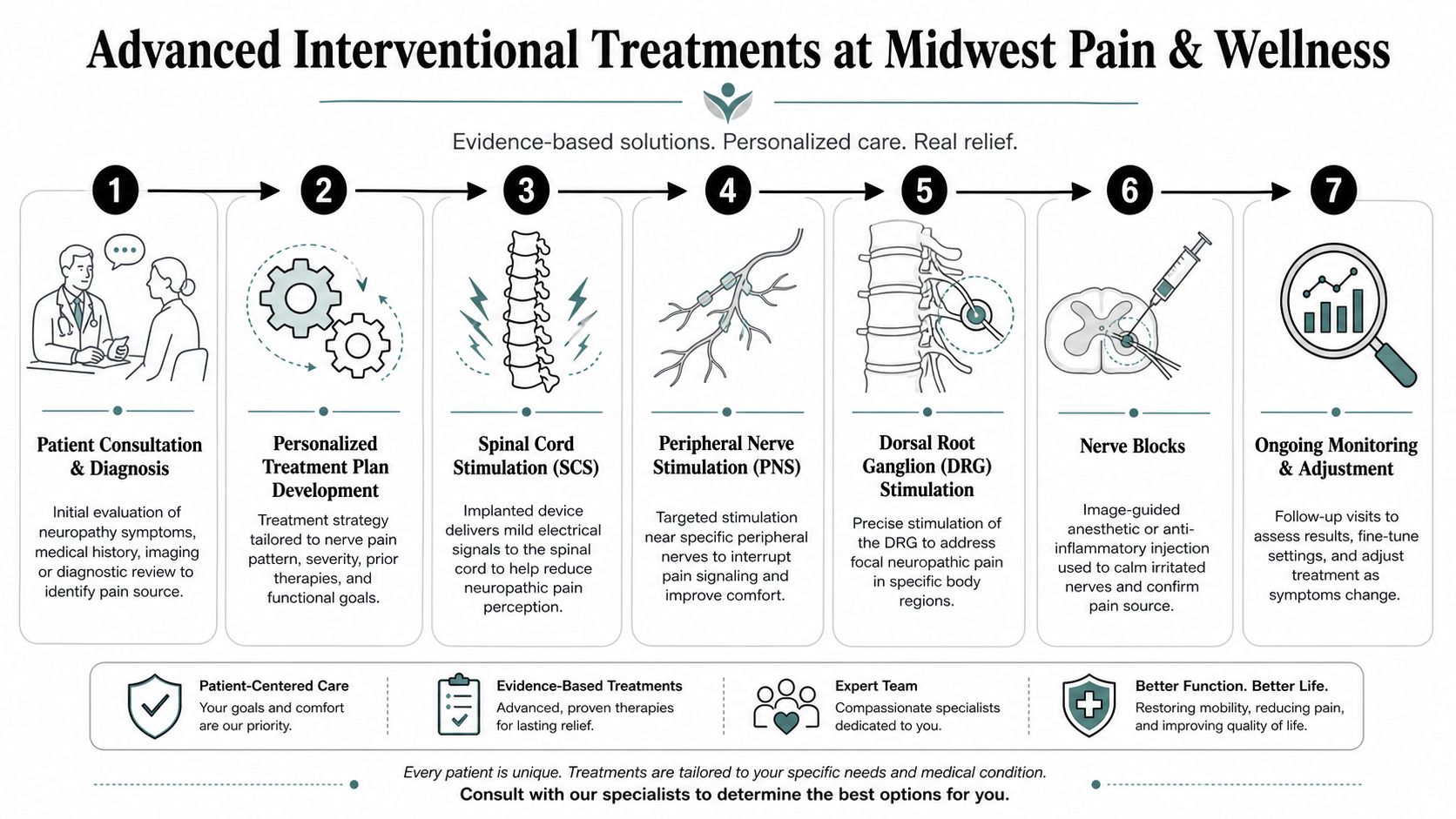
Interventional pain care gives us another path. The goal is not to stack procedures on top of symptoms. The goal is to identify the pain generator, treat it with precision, and improve walking, sleep, balance, and day-to-day function while avoiding opioids whenever possible.
Nerve blocks and targeted diagnostic procedures
Nerve blocks can help in two different ways. They may calm an irritated nerve, and they may clarify the diagnosis. That second point matters more than many patients expect.
Neuropathy is not always one uniform process. Some patients have diffuse burning from diabetes or chemotherapy, but also have a second problem such as tarsal tunnel irritation, a painful scar, nerve entrapment after surgery, or focal pain after an injury. In that setting, a well-placed block can tell us whether a specific nerve is driving part of the pain pattern. That often changes the treatment plan.
Accuracy matters. Image guidance helps place treatment where it belongs and reduces guesswork, especially in smaller peripheral nerves. Patients who want a practical overview can review our page on ultrasound-guided nerve block techniques.
Radiofrequency and other next-step options
Radiofrequency treatment is used more often for certain spine and joint pain conditions, but the broader principle still applies in select neuropathy cases. If a discrete nerve pathway is repeatedly triggering pain, a longer-acting targeted procedure may make more sense than increasing medication alone.
The trade-off is selection. These procedures are helpful when the source is reasonably well defined. They are less useful for widespread numbness and burning that does not map to a treatable focal nerve problem. That is why a careful exam and, at times, diagnostic blocks come first.
Spinal cord stimulation and peripheral nerve stimulation
For stubborn neuropathic pain that continues to limit sleep, standing, or walking, neuromodulation may be the next discussion. This includes spinal cord stimulation and peripheral nerve stimulation. These treatments use electrical stimulation to change how pain signals are processed, and they are considered only after more conservative care has not restored enough function.
A key practical point is reversibility. Patients usually complete a trial before any permanent implant decision is made. That allows us to judge real-world benefit, such as better sleep, fewer pain flares, or longer walking tolerance, before committing to a longer-term plan. Long-term follow-up has shown that many appropriately selected patients achieve meaningful pain reduction.
I also tell patients what these devices do not do. They do not cure the underlying neuropathy. They do not fit every pain pattern. They can, however, be a reasonable opioid-sparing option for painful diabetic neuropathy, post-surgical nerve pain, post-amputation pain, and other refractory neuropathic conditions. As noted earlier in the article, clinical pharmacy guidance also discusses neuromodulation as part of treatment planning for peripheral neuropathy. Some patients exploring nutritional support alongside medical care also ask about B vitamins, and this guide to sublingual B vitamin benefits is one example of the broader conversation, though supplements do not replace a formal neuropathy workup.
Where regenerative options fit
Regenerative treatments such as PRP come up often in clinic. For pure diffuse peripheral neuropathy, they are not a standard answer. For mixed cases, where nerve pain overlaps with tendon injury, joint inflammation, or soft tissue pathology, they may have a role.
That distinction matters in real practice. A patient may describe "neuropathy pain" in the same leg that also has arthritis, plantar fascia strain, or a chronic tendon problem. Treating the musculoskeletal pain generator can lower the total pain burden even when it does not directly reverse nerve injury.
At Midwest Pain & Wellness, the interventional pathway is usually stepwise. Confirm the diagnosis. Define whether the pain is diffuse, focal, or mixed. Use image-guided procedures when they are likely to answer a diagnostic question or improve function. Consider neuromodulation for carefully selected patients who remain limited after conservative care.
Advanced procedures work best when they are matched to the right pain pattern, the right patient, and a clear functional goal.
Lifestyle and Self-Management for Lasting Relief
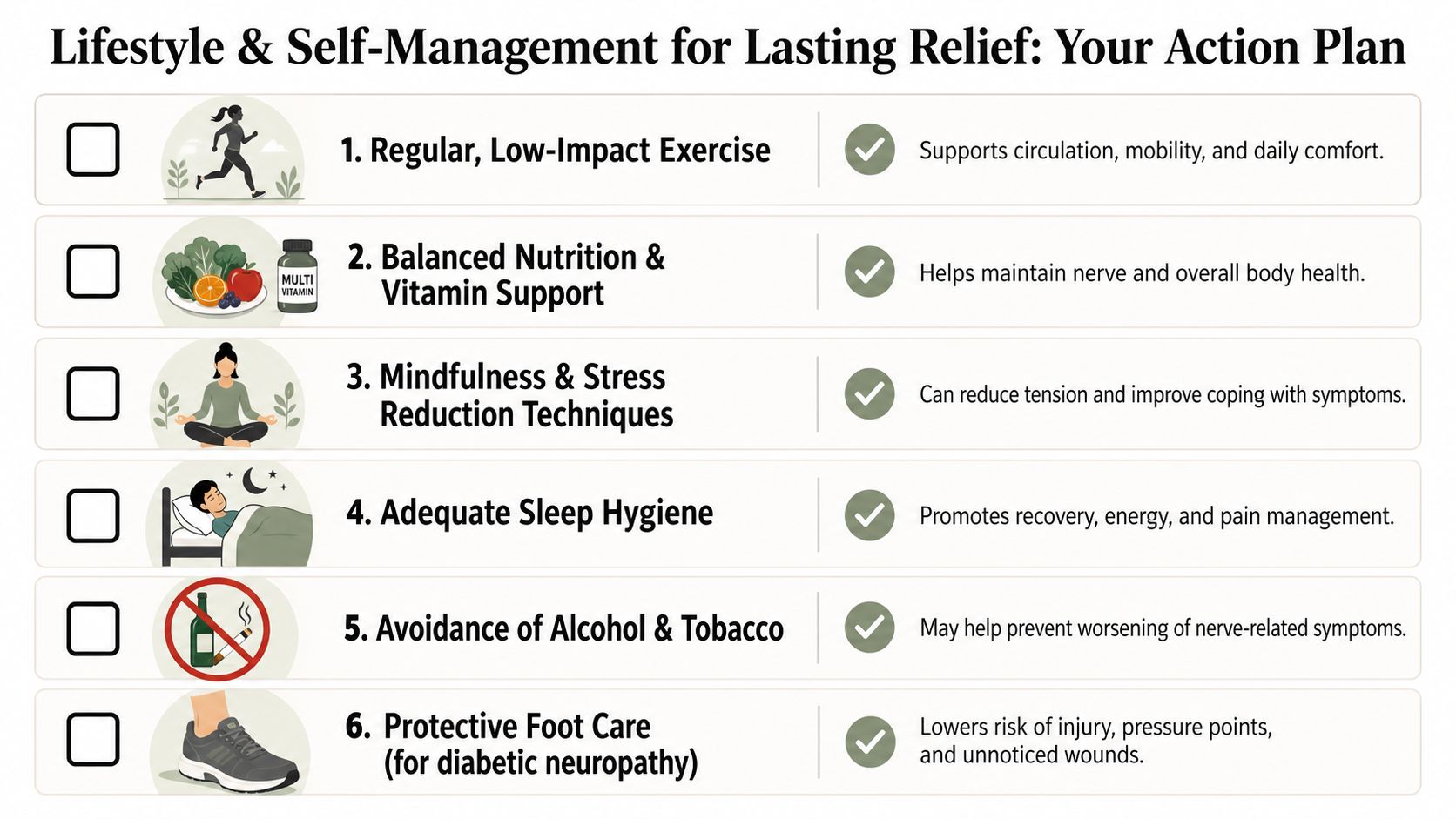
Treatment doesn't stop when you leave the office. Daily habits affect pain intensity, balance, skin safety, sleep, and the rate at which symptoms progress. The right home strategy supports medical care rather than competing with it.
What helps at home
- Blood sugar control: For diabetic neuropathy, this remains foundational.
- Low-impact movement: Walking, stationary cycling, and guided exercise often help maintain circulation, joint mobility, and confidence with movement.
- Foot protection: Check the feet daily, wear supportive shoes, and don't ignore small skin changes.
- Sleep discipline: Nerve pain is harder to manage when sleep is fragmented.
- Avoid alcohol and tobacco: Both can work against nerve health and pain control.
The supplement question patients ask all the time
Patients often ask whether diet or supplements can reverse neuropathy. The honest answer is nuanced. Authoritative sources often say there is no cure, but interest in whether diet and supplements can reverse damage is common. Data supports some compounds like alpha-lipoic acid for pain reduction, which highlights the difference between symptom management and reversing nerve damage, as discussed in this federal review touching on alpha-lipoic acid and neuropathy questions.
That distinction matters. A patient may feel less burning, sleep better, and walk farther with a smart nutrition plan and selected supplements, yet still have underlying nerve injury. That's still meaningful progress. Reduced pain and preserved function count.
For people exploring vitamin support, this guide to sublingual B vitamin benefits is a reasonable general education resource, especially when deficiency is part of the discussion. Supplement decisions should still be individualized, because not every neuropathy comes from the same mechanism.
What usually doesn't work well
Some approaches promise nerve "reversal" in overly simple terms. Be careful with that language. Neuropathy improves best when the plan matches the cause, the symptom pattern, and the level of nerve dysfunction.
Relief is realistic. Overpromising isn't. The most durable gains usually come from combining cause control, symptom treatment, and functional rehabilitation.
Your Patient Journey at Midwest Pain and Wellness
A typical patient journey starts with a call from someone who's tired of guessing. Maybe they live in Hickory Hills and have numb feet that worsen at night. Maybe they live in Burbank and were told to "watch it" for months, but walking is getting less reliable. The first visit should slow things down enough to sort out what type of pain they're experiencing.
What the first visit feels like
The consultation usually includes a detailed history, medication review, focused physical exam, and discussion of prior treatments. The important part is pattern recognition. Is this length-dependent diabetic neuropathy, focal nerve injury, post-surgical nerve pain, mixed spine and nerve pain, or something else?
That conversation should also cover function. Can you sleep. Walk through the grocery store. Drive safely. Stay steady in the shower. Those details help shape the plan better than pain intensity alone.
If a procedure is recommended
When in-office treatment is appropriate, patients are guided through what the procedure is for, what it can and can't do, and how comfort and safety are handled. Image guidance may be used when precision matters. Follow-up is part of the treatment, not an afterthought. The plan is adjusted based on how your body responds, not on a rigid template.
For patients in Oak Lawn, Palos Heights, Alsip, Evergreen Park, Worth, Bridgeview, and surrounding Illinois communities, that kind of process matters. It lowers anxiety and replaces uncertainty with a clear path.
Chicago Area Neuropathy Treatment FAQs
Do you accept patients from Alsip, Worth, Evergreen Park, and nearby suburbs
Yes. Patients commonly travel from Oak Lawn, Palos Hills, Palos Heights, Worth, Bridgeview, Hickory Hills, Alsip, Burbank, Evergreen Park, Orland Park, and other nearby Illinois communities around Chicago Ridge for evaluation and treatment.
Do I need a referral
Sometimes yes, sometimes no. It depends on your insurance plan and the details of your coverage. If you're not sure, call before your visit so the office can help clarify what your plan requires.
What kinds of treatment might be discussed
That depends on your diagnosis and what you've already tried. Some patients start with medication adjustment and coordinated conservative care. Others may be candidates for image-guided injections, nerve blocks, or neuromodulation evaluation when symptoms remain limiting.
Will I be put on opioids
Not as a routine first step for neuropathy. Current care standards emphasize non-opioid strategies first, then more targeted interventional options if needed.
How soon should I get evaluated
Sooner is better if numbness is spreading, balance is worsening, sleep is being disrupted, or foot injuries are going unnoticed. Waiting often allows secondary problems to build up around the pain.
Can neuropathy pain be treated even if the numbness remains
Often, yes. Pain relief and improved function are still possible even when sensation doesn't fully normalize. That's one reason a structured peripheral neuropathy pain treatment plan can be worthwhile even after symptoms have been present for a while.
If neuropathy pain is limiting your sleep, balance, or daily routine, a focused evaluation can help clarify your options and build a step-by-step plan that doesn't rely on opioids. Learn more or request an appointment with Midwest Pain & Wellness.