Bad weather can trigger headaches, especially migraine, but it doesn't cause them in everyone. In the strongest diary evidence, sudden pressure drops were associated with attacks in 18 of 28 patients, or 64%, rather than in every person with migraine.
You notice the pattern before you can explain it. A storm system moves across Illinois, the air feels heavy, and a familiar ache begins behind one eye or across your forehead. In Chicago Ridge, Palos Heights, Palos Hills, Evergreen Park, and Hickory Hills, a warm humid day can be followed by a sharp cold front, disrupted sleep, indoor dryness, glare, or a change in your normal routine. The headache may arrive during the same window, but weather might be only one part of the chain.
The useful question isn't, “Can bad weather cause headaches?” It's, “Which weather changes lower my headache threshold, and what else is happening at the same time?” That distinction helps you prepare without blaming every rainy day, and it helps a pain and wellness clinic choose treatment based on your actual pattern rather than on a forecast alone.
Table of Contents
- Why Your Headache Seems to Track the Forecast
- How Weather Changes Affect Headache Pathways
- Migraine Sensitivity Versus Tension-Type Headaches
- Tracking Triggers and Preventing Weather-Linked Headaches
- When Self-Care Is Not Enough and Clinic Options Exist
- What to Expect from a Chicago Ridge Headache Evaluation
- Red Flags and When to Seek Urgent Medical Care
Why Your Headache Seems to Track the Forecast
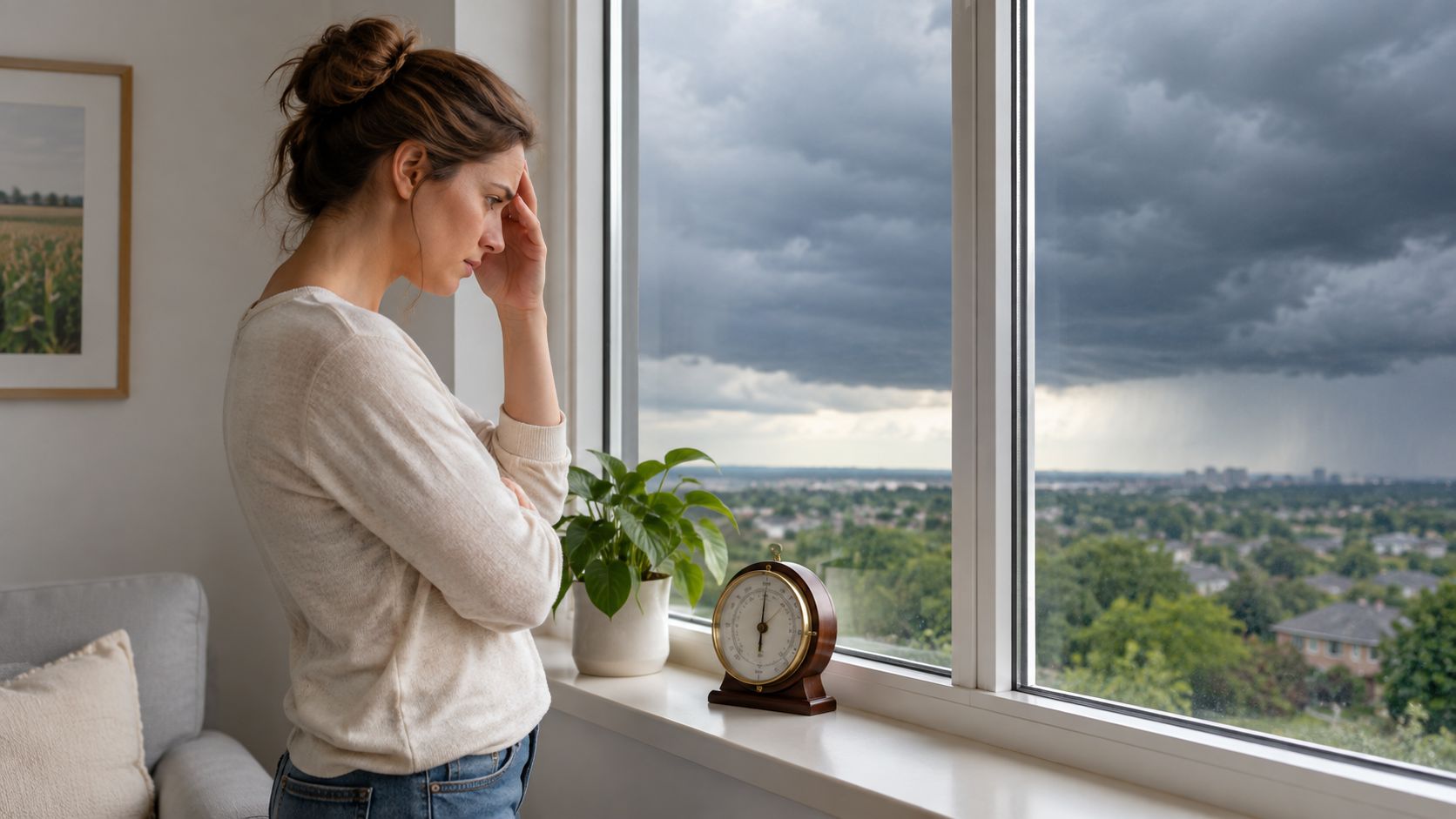
You wake in Chicago Ridge with pressure around your temples. Overnight, a storm has moved through, your bedroom feels warm and damp, and you slept poorly because thunder kept waking you. You skip breakfast to get to work, drink less water than usual, and notice that the headache intensifies by late morning. It feels natural to blame the storm, but the storm arrived with several possible contributors.
Weather is best understood as a trigger or amplifier, not a universal cause. A falling pressure system may coincide with the beginning of a migraine, while humidity, heat, bright light, dehydration, stress, and disrupted sleep may lower the same person's threshold. Another person can experience the identical forecast without developing head pain at all.
Weather rarely travels alone
A forecast doesn't cause symptoms in isolation. Consider what changes around a storm:
- Sleep: Thunder, temperature shifts, or anxiety about severe weather can interrupt restorative sleep.
- Hydration: Heat, humidity, and indoor heating or cooling can change how much fluid you need.
- Routine: Delayed meals, different caffeine timing, less activity, or extra time indoors may all matter.
- Sensory load: Glare after a storm, pressure in the sinuses, strong wind, and fluctuating light can add stress.
- Medication patterns: Waiting until pain is intense to use prescribed acute medication can make control more difficult.
That doesn't mean the weather is irrelevant. It means the useful pattern may be “pressure drop plus poor sleep and missed lunch,” rather than “rain causes my headache.” Keeping that distinction in mind can also help you review what causes migraine headaches without reducing every attack to one environmental explanation.
Practical rule: A forecast can tell you when to prepare, but your diary should tell you what actually triggers your symptoms.
For residents across Chicago Ridge, Palos Heights, Palos Hills, Evergreen Park, and Hickory Hills, rapidly changing Illinois weather makes this especially important. A storm front can bring a pressure trend, temperature change, wind, humidity, altered light, and schedule disruption within the same period. Rather than trying to avoid normal life whenever rain appears, identify the combination that repeatedly precedes your headache.
That approach also leads to better treatment decisions. If your symptoms are occasional and respond to established self-care, preparation may be enough. If attacks are frequent, disabling, or becoming harder to control, a clinician can evaluate migraine, tension-type headache, neck-related pain, medication overuse, and other contributors instead of treating the weather as the diagnosis.
How Weather Changes Affect Headache Pathways
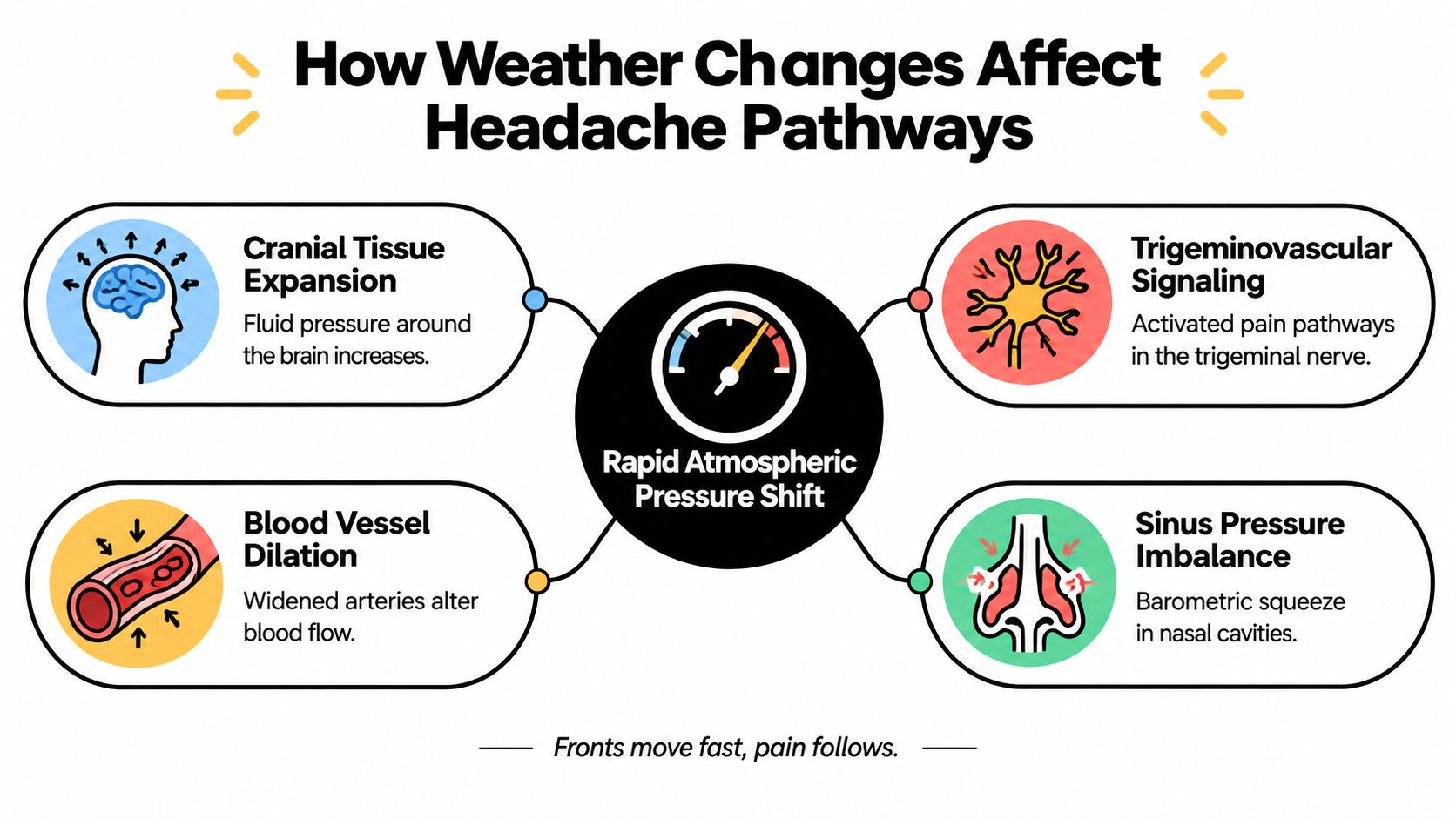
Barometric pressure is the weight of the atmosphere around you. Your body has tissues and air-filled spaces that respond to changes in the surrounding environment, so a rapid pressure shift may act less like a switch and more like a change in load on an already sensitive system. In someone with migraine susceptibility, that added input may interact with pain pathways that are already close to their threshold.
The clearest practical distinction is between a changing pressure trend and a particular weather label. “Rainy” and “cloudy” describe what you see, but they don't tell you whether pressure is rising or falling, how quickly the front is moving, or whether temperature and humidity are changing at the same time.
Pressure changes may matter more than the sky
A Japanese year-long diary study followed 28 patients with migraine who lived within 10 kilometers of a meteorological observatory. Weather change was associated with migraine development in 18 of 28 participants, or 64%, and 14 specifically identified low barometric pressure as a trigger. Migraine frequency increased when pressure changed by more than 5 hectopascals, or hPa, from the headache day to the following day (study details).
That finding supports a short-term change effect, not a rule that low pressure causes every headache. Researchers have proposed that pressure shifts may influence mechanosensitive signaling in cranial tissues or interact with the trigeminovascular system, a network involved in migraine pain. These mechanisms remain plausible explanations, not proof that a particular storm caused a particular attack.
For readers who experience forehead pressure or facial discomfort, it can be useful to distinguish migraine from jaw, neck, and sinus-related pain. A general resource on managing tension headaches can provide context, but persistent or changing symptoms still deserve an individualized clinical assessment.
Temperature and humidity add different stresses
Temperature may influence risk directly for some people and indirectly for many others. Heat can increase fluid loss and interfere with sleep, while cold air may tighten neck muscles or make outdoor activity less comfortable. Bright sunlight after a cold front can also create a sensory burden for a person who is light-sensitive.
Humidity is similarly individual. A diary study of 20 people with migraine over 12 consecutive months found a highly significant weather relationship in six participants. In that sensitive subgroup, lower temperature and higher humidity were associated with attack onset and greater headache intensity (German diary study).
The evidence becomes less consistent when researchers look across broader populations. A meta-analysis of 31 studies found significant associations between migraine and temperature, with an odds ratio of 1.15, and ambient pressure, with an odds ratio of 1.07. Humidity wasn't statistically significant in that analysis, with an odds ratio of 1.04 (meta-analysis.)
The practical conclusion is straightforward. Don't ask whether Illinois weather is “bad” in general. Record whether falling pressure, temperature swings, humidity, glare, or the combination repeatedly appears before your attacks.
Migraine Sensitivity Versus Tension-Type Headaches
Not every weather-linked headache has the same biology. Migraine is more likely to involve a recognizable pattern such as one-sided or throbbing pain, nausea, light sensitivity, sound sensitivity, or visual symptoms. Tension-type headache more often feels like pressure or a band around the head, although real patients can have overlapping features and no description can replace an examination.
Pressure sensitivity appears more consistently in migraine research than in ordinary tension-type headache. In one Japanese analysis, pressure-related migraine occurred in 72.7% of patients with migraine with aura and 75.0% of those with migraine without aura, compared with 21.4% of people with tension-type headache (pressure-related headache analysis). These figures don't diagnose an individual, but they help explain why one person may feel a storm approaching while another notices only neck tightness after a long day.
What your symptom pattern can suggest
A weather-sensitive migraine may begin before or during a rapidly changing front and may include sensory sensitivity, nausea, aura, or a need to stop normal activity. A tension-type headache may instead track prolonged sitting, jaw clenching, neck muscle strain, work stress, or poor sleep, with weather acting as a secondary aggravating factor rather than the main driver.
The distinction matters because treatment should target the dominant pathway. A person whose attacks include aura and nausea may need a migraine-focused preventive and acute plan. Someone with pressure across the forehead and substantial jaw tension may benefit from evaluation of cervical, muscular, or temporomandibular contributors alongside headache care. A practical overview of nonprescription comfort measures is available in the Evo Dyne Products migraine relief guide, but recurring or disabling attacks need more than trial-and-error products.
Frequency is better established than duration
Research more strongly supports an association between pressure changes and migraine occurrence than it supports the claim that weather makes every attack more severe or longer-lasting. A 2025 systematic review found that several studies connected pressure drops or rapid fluctuations with increased migraine frequency, while fewer found an association with severity, and none supported a relationship with attack duration (systematic review).
That difference changes how you plan. You shouldn't assume that every approaching storm requires cancellation of work or a change in preventive treatment. Instead, use your own repeated pattern. If a pressure shift reliably precedes an attack, prepare your prescribed acute medication and protect sleep and hydration. If an attack is unusually severe, prolonged, or different from your established migraine, treat that change as a clinical issue rather than automatically assigning it to the forecast.
Tracking Triggers and Preventing Weather-Linked Headaches
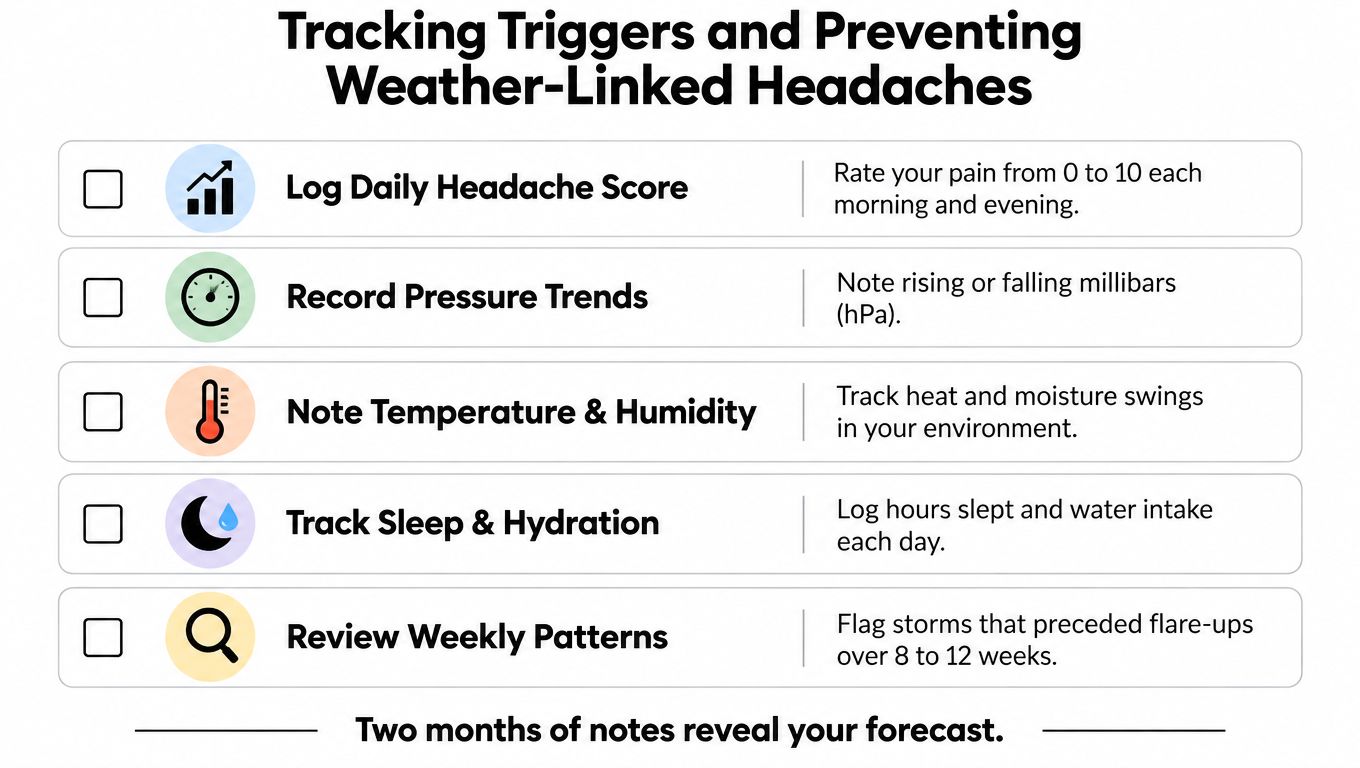
Guessing from memory is unreliable. A headache diary turns “storms seem to trigger me” into a pattern that you and your clinician can evaluate. The useful record doesn't need to be complicated, but it should capture both the weather and the conditions that travel with it.
Use the same format each day for 8 to 12 weeks. Record the time your headache began, its intensity, its main symptoms, and what you took for relief. Add the pressure trend, temperature, humidity, sleep, hydration, meals, caffeine, stress, exercise, and medication use.
Build a diary that answers useful questions
A simple entry might include:
- Morning and evening symptoms: Note whether pain is absent, emerging, or established, and describe nausea, light sensitivity, aura, neck pain, or jaw discomfort.
- Pressure direction: Record whether barometric pressure is rising, falling, or relatively stable. The direction and speed of change may be more useful than a single reading.
- Temperature and humidity: Write down meaningful swings, especially during a hot humid day, a dry indoor period, or a sharp cold front.
- Body basics: Log sleep quality, water intake, meals, caffeine timing, and stress. These details help separate a weather trigger from a missed-meal or dehydration pattern.
- Medication use: Include the name or category of prescribed medication, when you used it, and whether it helped.
The German diary study described earlier found that weather relationships were concentrated in a sensitive subgroup, which is why a personal record is more useful than assuming every patient should react the same way. Your diary might show that pressure matters, or it might show that the repeatable combination is poor sleep, low fluid intake, and glare after a front.
Prepare instead of trying to predict perfectly
Regularity is often more practical than avoidance. Keep sleep and wake times as consistent as possible, eat at predictable intervals, and drink regularly during heat, humidity, dry indoor air, or temperature changes. Limit abrupt changes in caffeine rather than alternating between heavy intake and sudden withdrawal.
If your clinician has prescribed acute medication, keep it available before a front that has previously preceded an attack. That doesn't mean taking it automatically whenever the forecast changes. It means removing the delay that can occur when you are away from home, at work, or searching for medication after pain has already escalated.
You can also reduce avoidable sensory stress. Use sunglasses in strong glare, take breaks from overheated environments, and avoid allowing a storm forecast to replace normal meals or hydration. These steps won't eliminate migraine, but they can prevent several modifiable factors from stacking on top of a pressure change.
For a broader prevention routine, see how to prevent migraine attacks. Bring the diary to an appointment. A reproducible pattern gives a clinician a better basis for deciding whether education and lifestyle measures are enough or whether preventive treatment deserves consideration.
When Self-Care Is Not Enough and Clinic Options Exist
Self-care works best when headaches are occasional, recognizable, and responsive to an established plan. It becomes less adequate when attacks repeatedly interrupt work, sleep, driving, family responsibilities, or exercise, or when you need acute medication so often that the treatment itself may be contributing to more frequent headaches.
Weather may be part of the picture without being the main treatment target. A 2024 review reported that weather-related factors, including barometric pressure, humidity, and wind, appear to account for roughly 20% of migraine attacks, while also emphasizing that findings are inconsistent and the same weather pattern may trigger symptoms in one person but not another (2024 review). That makes a broad, multimodal assessment more sensible than chasing weather alone.
Match the intervention to the pattern
A clinician may begin with medication review, migraine education, sleep and hydration guidance, and a plan for acute treatment. If migraine is frequent or difficult to control, preventive medication or Botox for chronic migraine may be considered when clinically appropriate. These options are not interchangeable, and the choice depends on diagnosis, other health conditions, prior response, and functional goals.
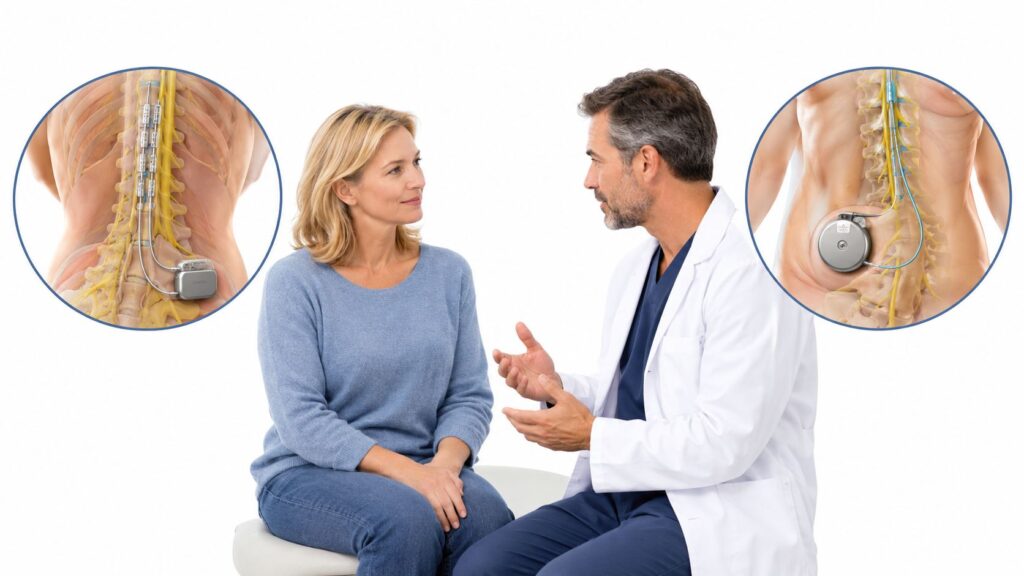
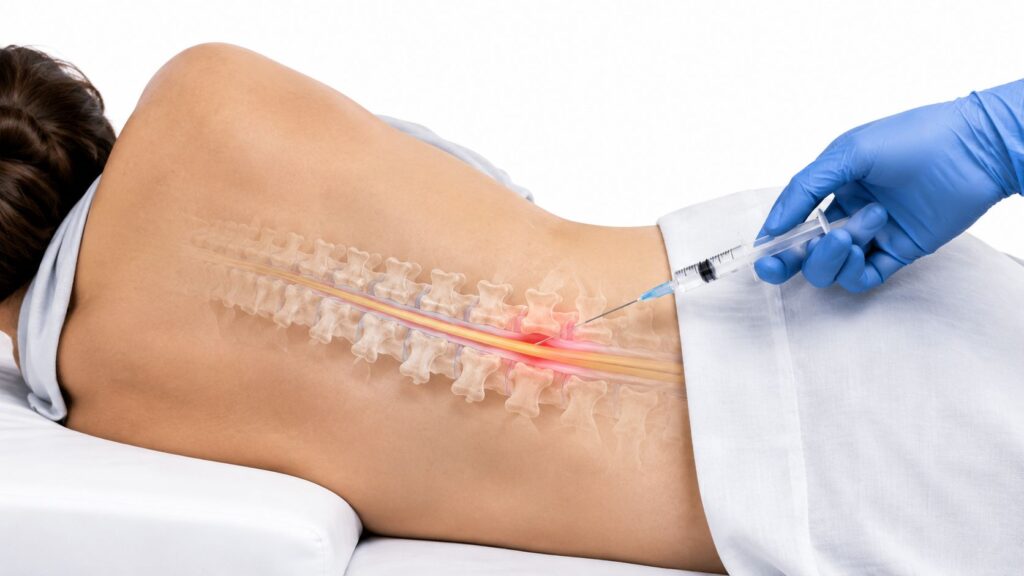
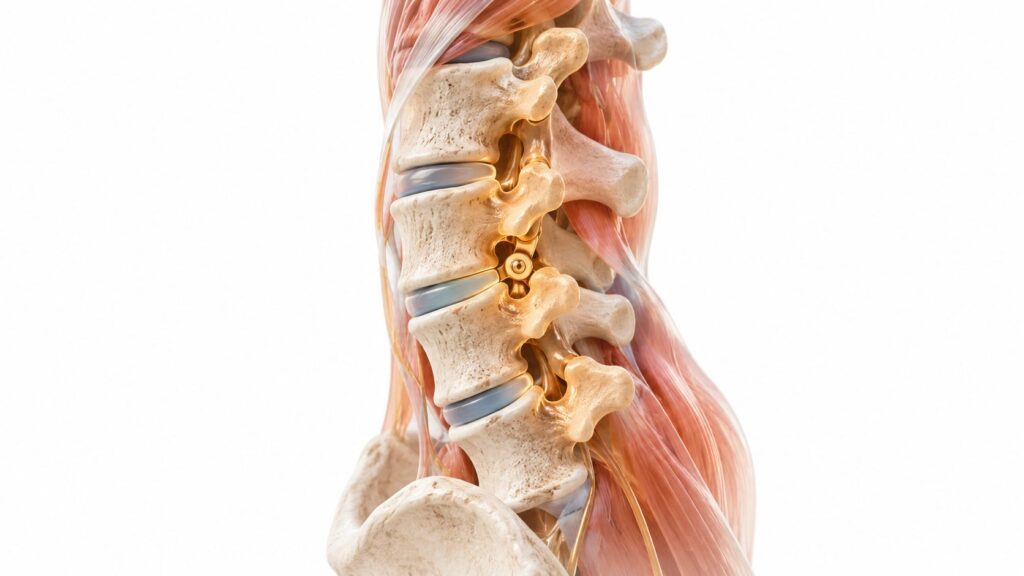
Image-guided injections can help when a neck, nerve, or joint contributor is present. Depending on the examination, a plan may include targeted nerve or joint injections, medial branch or epidural blocks, or radiofrequency ablation for a confirmed pain generator. Neuromodulation may also be discussed for selected nerve-related or persistent pain conditions. Each intervention has trade-offs, including temporary benefit, procedural risks, cost or coverage limitations, and the need for accurate diagnosis.
A pain clinic may coordinate with primary care providers, surgeons, chiropractors, and rehabilitation professionals rather than treating headache as an isolated symptom. If jaw clenching or temporomandibular pain appears to amplify your headaches, the educational discussion from All Stars Dental on TMD and headaches may help you understand why dental or jaw evaluation can sometimes belong in a larger plan.
Know when the balance has changed
Consider professional evaluation when your attacks are becoming more frequent, disabling, difficult to distinguish from other pain, or less responsive to your usual medication. The same applies when neck pain, nerve symptoms, jaw pain, or a history of injury appears alongside the headache.
The goal isn't to replace every home strategy with a procedure. It is to identify what self-management can reasonably address, what needs preventive medication, and whether a targeted intervention could improve function. Opioid-sparing care generally prioritizes diagnosis, education, appropriate medication, rehabilitation, and carefully selected procedures instead of relying on escalating short-term relief.
What to Expect from a Chicago Ridge Headache Evaluation
A headache evaluation should begin with your story, not with the assumption that weather is the cause. The clinician will ask when symptoms began, how they feel, how long they last, what occurs before them, whether aura or nausea appears, and how headaches affect work, sleep, driving, and daily activities.
Bring your diary, medication list, prior records, and any relevant imaging reports. The examination may assess neurologic function, the neck, muscle tension, jaw movement, posture, and areas of nerve sensitivity. Imaging isn't automatically necessary for every established headache pattern, but it may be considered when the history or examination raises a specific concern.
Turn observations into a treatment plan
A written plan should identify likely headache types, modifiable triggers, acute treatment instructions, and preventive options when indicated. It should also clarify what to do before a known pressure change, how to judge whether treatment is working, and when to return for reassessment.
A multidisciplinary, opioid-sparing approach makes sense for persistent headaches because migraine can coexist with cervical pain, nerve irritation, sleep disruption, jaw tension, or post-surgical and injury-related symptoms. Treating only the weather-related timing may leave the underlying contributors untouched. Coordinated care can also prevent conflicting recommendations between a pain specialist, primary care provider, surgeon, or rehabilitation professional.
Patients in Chicago Ridge and nearby Palos Heights, Palos Hills, Evergreen Park, and Hickory Hills can ask about practical access, weekday scheduling, record transfer, and communication with referring providers. The purpose of a chronic headache specialist evaluation is not to prove that weather caused your pain. It is to determine which pattern is present and select care that supports fewer interruptions and better function.
Red Flags and When to Seek Urgent Medical Care
A known migraine pattern that appears before a storm can often be tracked and managed, but new or unusual symptoms shouldn't be dismissed as weather. Seek urgent medical evaluation for a sudden thunderclap headache, fever with neck stiffness, a neurologic deficit, confusion, or a sudden major change in an established headache pattern. Weather may influence familiar symptoms, but it doesn't explain away danger signs. Keep your diary and medication list available for routine care, and seek prompt help when the headache no longer behaves like your usual one.
Midwest Pain & Wellness offers personalized, opioid-sparing evaluation and treatment for chronic headaches, migraine, neck and nerve pain, including medication planning, image-guided procedures, and Botox for chronic migraine when appropriate. If weather-linked attacks are disrupting your life, visit Midwest Pain & Wellness to request an evaluation and discuss a practical plan for prevention and relief.