Why a Headache Specialist Matters for Chronic Pain Relief
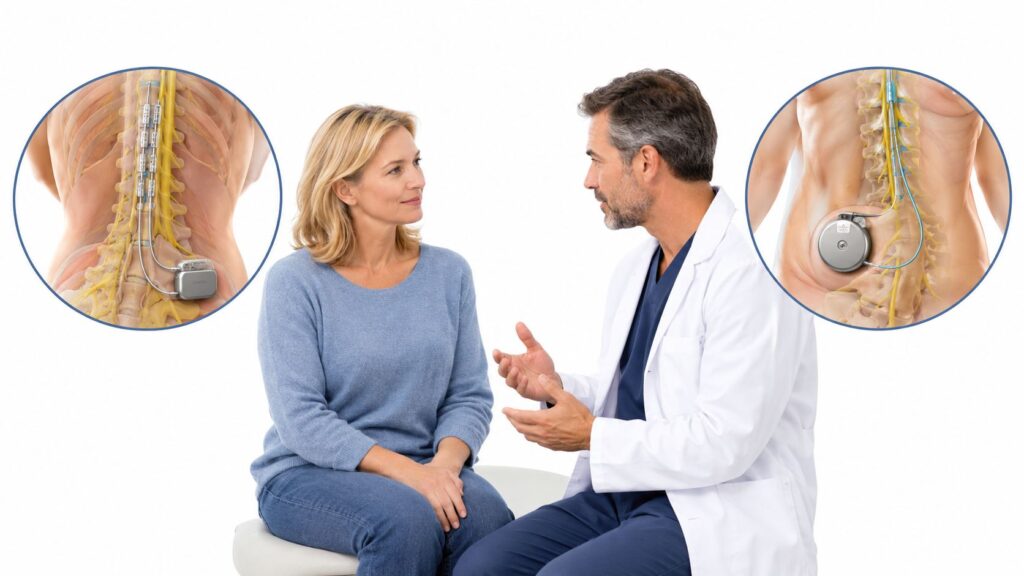
A headache specialist is a medical professional with advanced training specifically in diagnosing and treating complex headache disorders. These specialists typically complete fellowship training beyond a neurology residency and may hold certifications from the United Council for Neurologic Subspecialties (UCNS) or the American Headache Society.
Key differences between headache specialists and general neurologists:
- Training: Specialists complete 1-2 years of additional fellowship training focused exclusively on headache medicine.
- Expertise: They possess deeper knowledge of newer treatments and complex cases like chronic migraine.
- Treatment options: They offer advanced therapies including nerve blocks, CGRP inhibitors, and Botox injections.
- Patient volume: They manage higher volumes of headache cases, building extensive experience with treatment-resistant conditions.
When to consider seeing a headache specialist:
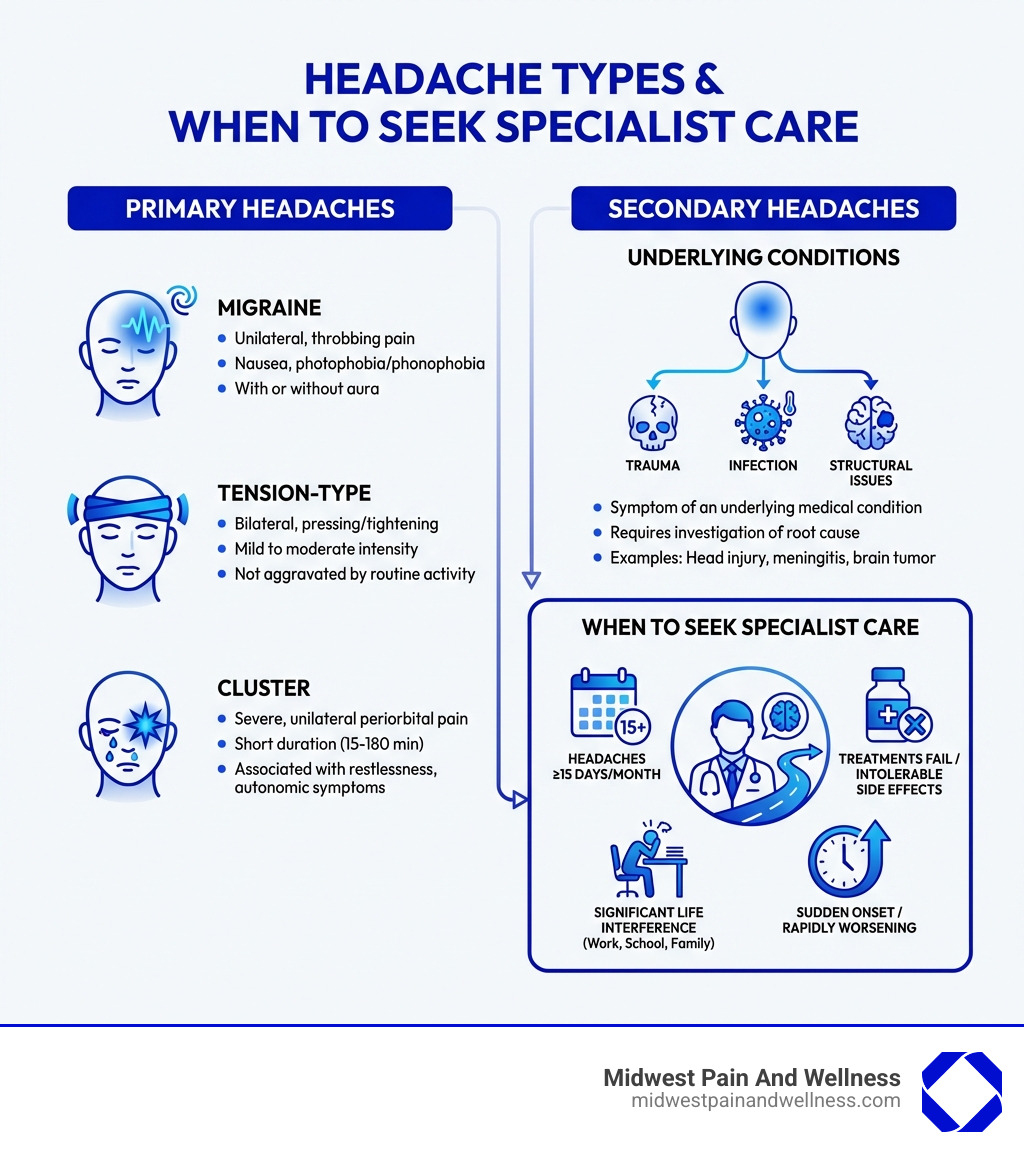
- Headaches occur 15 or more days per month.
- Current treatments aren’t working or cause intolerable side effects.
- Severe headaches occur during pregnancy or nursing.
- Sudden onset or rapidly worsening headache pain.
- Headaches interfere significantly with work, school, or family life.
Headaches rank as the third most commonly reported source of pain worldwide, yet there is only one headache specialist for every 80,000 people in need. This shortage means many suffer for years without accessing specialized care. A 2015 survey found that only 2.8% of graduating neurology residents chose headache medicine as their first fellowship choice, contributing to this critical shortage.
As Dr. Yaw Donkoh, a double board-certified physician at Midwest Pain And Wellness, I’ve seen how a multi-modal, opioid-free approach can transform outcomes. My fellowship training in interventional pain management allows me to offer specialized procedures like nerve blocks and trigger point injections that complement traditional therapies.
Defining the Headache Specialist: Beyond General Neurology
Understanding the role of a headache specialist versus a general neurologist is crucial for long-term relief. While a general practitioner handles common ailments, complex brain pain often requires a subspecialist.
A general neurologist treats a vast array of disorders, including stroke, Parkinson’s, and epilepsy. They complete a 1-year internship and a 3-year residency. However, a headache specialist pursues an additional 1-2 year fellowship dedicated entirely to headache medicine. This focused training covers intricate mechanisms, latest diagnostic techniques, and cutting-edge treatments.
Historically, headache disorders received little attention in medical education. A 2004 study revealed medical schools offered an average of just one hour of teaching on headache disorders. This gap is why a general neurologist may not have the same depth of experience with refractory cases as a dedicated specialist.
| Feature | General Neurologist | Headache Specialist |
|---|---|---|
| Primary Focus | Broad range of neurological disorders | Exclusively headache and facial pain disorders |
| Training | Residency in neurology | Neurology residency + 1-2 year headache fellowship |
| Certification | Board-certified in Neurology | Board-certified + often UCNS certified in Headache Medicine |
| Expertise Depth | Knowledgeable in common headache types | Deep expertise in complex and refractory types |
| Treatment Range | Standard medications | Advanced therapies and interventional procedures |
| Patient Volume | Diverse patient population | High volume of chronic headache patients |
The Training Path of a Headache Specialist
Becoming a headache specialist involves a 12-year training path: medical school, a 1-year internship, and a 3-year neurology residency. After board certification, aspiring specialists complete a 1-2 year fellowship focused exclusively on headache disorders. This culminates in board certification in Headache Medicine, often through the UCNS. At Midwest Pain And Wellness in Chicago Ridge, Illinois, we emphasize this in-depth training to tackle even the most stubborn headaches.
How to Find a Qualified Headache Specialist
Finding the right specialist can be challenging due to the national shortage. We recommend these steps:
- Primary Care Referral: Your PCP can guide you toward appropriate specialists based on your history.
- Online Directories: Use the American Migraine Foundation’s “Find a Doctor” page or the UCNS website directory.
- Insurance Providers: Check your network for covered specialists to manage costs.
- Recommendations: Seek word-of-mouth advice from support groups in the Chicago Ridge area.
- Telehealth: Some specialists offer virtual evaluations, though interventional procedures require in-person visits at our Chicago Ridge clinic.
When to Seek Specialized Care for Chronic Pain
When headaches become a persistent, debilitating force, it’s time for specialized care. We advise patients to seek a headache specialist if:
- Frequency: Headaches occur 15 or more days per month.
- Ineffectiveness: Current treatments fail to provide adequate control.
- Medication Overuse: You take over-the-counter relievers more than 2-3 days a week.
- Pregnancy/Nursing: You need safe management for severe pain during these periods.
- Red Flags: You experience symptoms that demand urgent evaluation.
Red flag symptoms requiring immediate consultation:
- Sudden, “thunderclap” headaches.
- Headache with vomiting (without nausea).
- Changes in vision or speech.
- Weakness, numbness, or confusion.
- Headache following a head injury.
- Fever, stiff neck, or rash accompanying pain.
- New headache pain in individuals over 50.
At Midwest Pain And Wellness, we treat a wide range of chronic pain conditions. Learn more on our More info about conditions we treat page.
Conditions Treated by Specialized Clinicians
A headache specialist diagnoses and tailors treatments for complex conditions that often baffle general practitioners:
- Chronic Migraine: A neurological disorder with throbbing pain and sensory sensitivity occurring 15+ days a month.
- Cluster Headaches: Excruciating pain around one eye, occurring in “clusters.”
- Tension-Type Headache: Dull, aching pain often described as a tight band around the head.
- Cervicogenic Headache: Pain originating from neck structures, often due to injury or poor posture.
- Post-Traumatic Headache (PTH): Persistent pain following a head injury or concussion.
- Vestibular Migraine: Migraine affecting balance, causing dizziness or vertigo.
According to WHO data on headache disorder prevalence, migraine is the third most prevalent illness globally. This widespread impact makes specialized care essential for those suffering from chronic pain.
Advanced Diagnostic Tools and Interventional Treatments
Our diagnostic process in Chicago Ridge begins with a meticulous health history. We analyze frequency, triggers, and lifestyle impacts. This conversation is often the most crucial tool for a headache specialist.
When necessary, we use advanced imaging:
- MRI Scans: Detailed images of the brain to rule out structural issues like tumors or aneurysms.
- CT Imaging: Used in urgent situations to assess bleeding or recent injury.
- EEG: Measures brain wave function if seizure activity is suspected.
Midwest Pain And Wellness focuses on comprehensive, opioid-free management. We use a multi-modal approach, which you can explore on our Effective pain management strategies page and our Migraine pain management: the ultimate guide.
Interventional Approaches for Long-Term Relief
For many, oral medications are insufficient. Interventional tools allow us to address pain pathways directly:
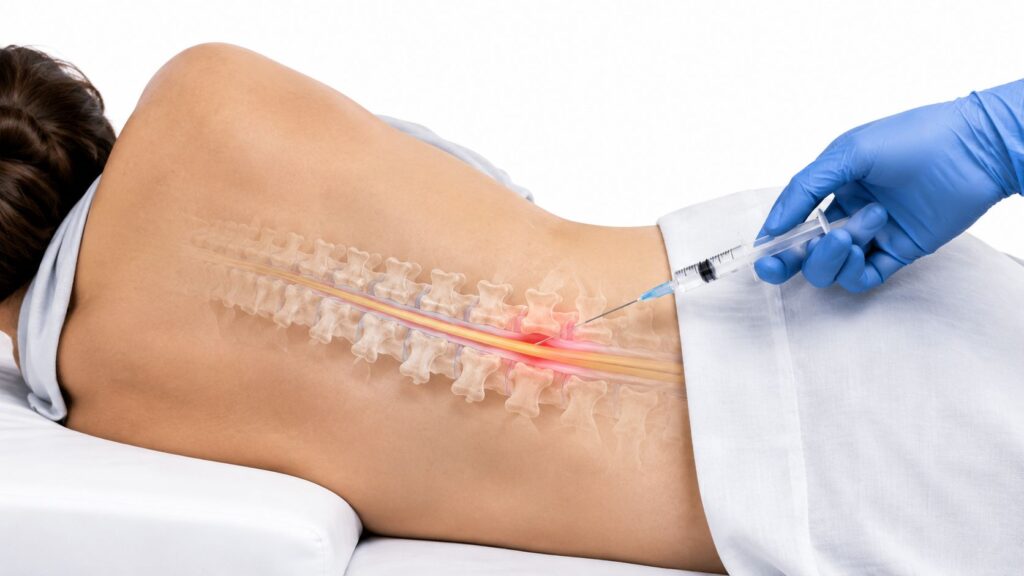
- Nerve Blocks: Injecting anesthetic near specific nerves to interrupt pain signals.
- Trigger Point Injections: Treating muscle knots in the neck and shoulders to alleviate referred pain.
- CGRP Inhibitors: A newer class of medications targeting molecules involved in migraine signaling.
- Wearable Devices: Non-invasive electrical stimulation (like CEFALY) to modulate nerve activity.
- Botox for Chronic Migraine: Highly effective preventive treatment involving injections into specific head and neck muscles. We specialize in Botox for chronic migraine in Chicago Ridge.
- Opioid-Free Protocols: We prioritize sustainable solutions that avoid the risks of addiction and medication overuse headaches.
These tools allow us to manage the underlying mechanisms of pain, fostering improved quality of life.
The Critical Shortage of Specialized Headache Care
There is a staggering imbalance in healthcare: only 1 headache specialist for every 80,000 people in need. This shortage leads to long wait times and delayed diagnoses for chronic pain sufferers in communities like Chicago Ridge.
Historically, headache medicine received minimal attention in medical school. A 2015 survey showed only 2.8% of neurology residents chose headache medicine as their first fellowship choice. This lack of interest contributes to the scarcity of experts.
Organizations like the American Headache Society are addressing this through the REACH program. You can find more details on the American Headache Society specialist shortage data page. At Midwest Pain And Wellness, we are committed to bridging this gap by providing specialized, interventional care to our Illinois community.
Frequently Asked Questions about Headache Medicine
Can primary care physicians specialize in headache medicine?
While PCPs don’t typically undergo formal fellowship training, some develop significant experience. Additionally, the National Headache Foundation offers certification to nurse practitioners, physician assistants, and psychologists. At Midwest Pain And Wellness, we use a collaborative approach to ensure comprehensive care.
What is the difference between a migraine and a headache?
All migraines are headaches, but not all headaches are migraines.
- Pain Quality: Tension headaches are dull and aching. Migraines are moderate to severe, often throbbing, and usually affect one side.
- Symptoms: Migraines include sensory sensitivity (light/sound), nausea, and sometimes an “aura” (visual disturbances).
- Impact: Migraines are often debilitating, requiring rest in a dark, quiet room.
How do specialists create personalized treatment plans?
We believe in custom care plans custom to the individual:
- Assessment: We track symptoms, medical history, and lifestyle factors.
- Trigger Management: Identifying factors like stress, diet, or sleep patterns.
- Lifestyle Modification: Optimizing sleep hygiene and stress management.
- Multi-Modal Care: Combining acute treatments, preventive therapies (like Botox), and interventional procedures.
- Shared Decision-Making: We work with you to set realistic goals, such as reducing headache days or pain intensity.
Conclusion
Living with chronic migraines is an uphill battle, but a headache specialist offers a path to relief. At Midwest Pain And Wellness, our double board-certified doctors provide comprehensive, opioid-free care in Chicago Ridge, Illinois. We use interventional approaches to create custom care plans that make a real difference.
To learn more about our team, visit our About Dr. Donkoh page. Don’t let pain dictate your life. Contact our team today or Schedule your consultation for Botox for chronic migraine to start your journey toward a pain-managed future.