Finding the Right Spinal Stenosis Care in Your Community
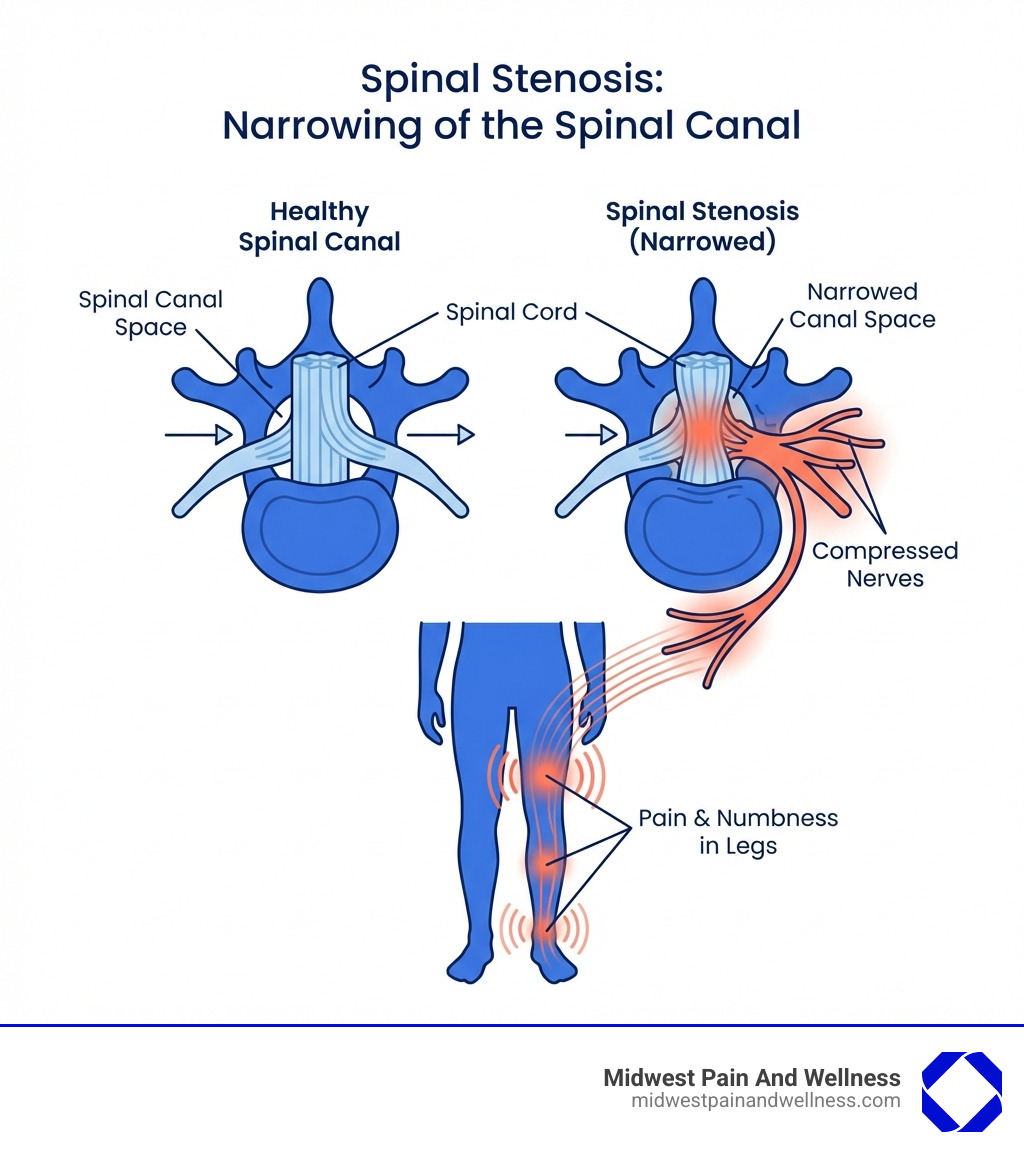
If you’re looking for a spinal stenosis doctor palos heights, you’ll find that the area is served by several experienced, board-certified specialists. Living with spinal stenosis means dealing with pain that radiates down your legs, numbness that makes walking difficult, and constant discomfort that affects every part of your daily life. The narrowing of your spinal canal puts pressure on nerves, creating symptoms that often worsen when you stand or walk.
The good news? You don’t have to travel far for expert care. Palos Heights offers access to fellowship-trained spine specialists who understand that 95% of spinal stenosis patients don’t need surgery. These doctors focus on conservative treatments first—including physical therapy, targeted injections, and advanced pain management techniques—before ever considering surgical options.
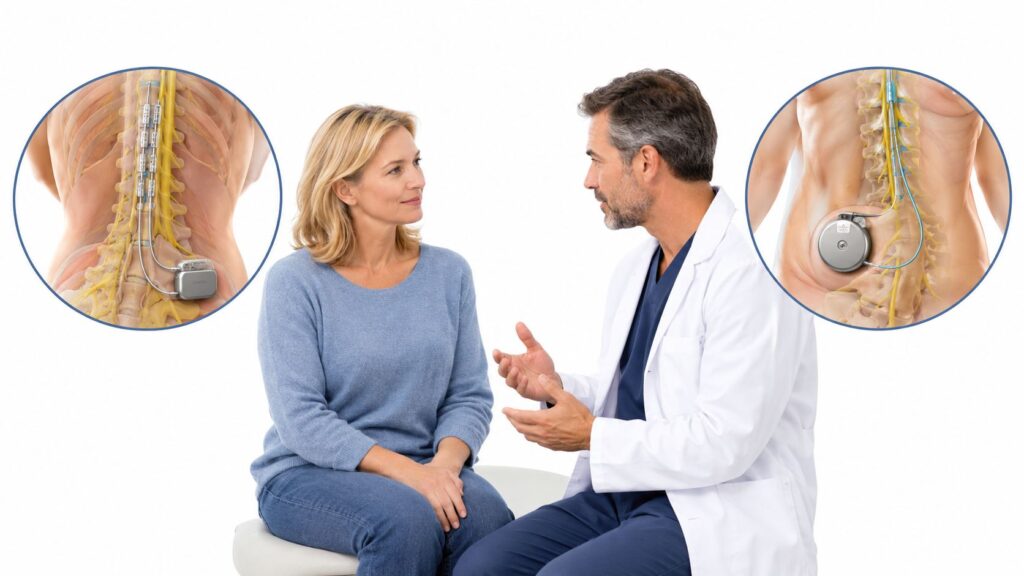
Finding the right specialist means looking for someone who listens, explains your options clearly, and creates a treatment plan custom to your specific situation. Whether you need minimally invasive procedures or comprehensive pain management, the specialists in Palos Heights bring decades of combined experience to help you find relief.
Understanding Spinal Stenosis: Symptoms and Diagnosis
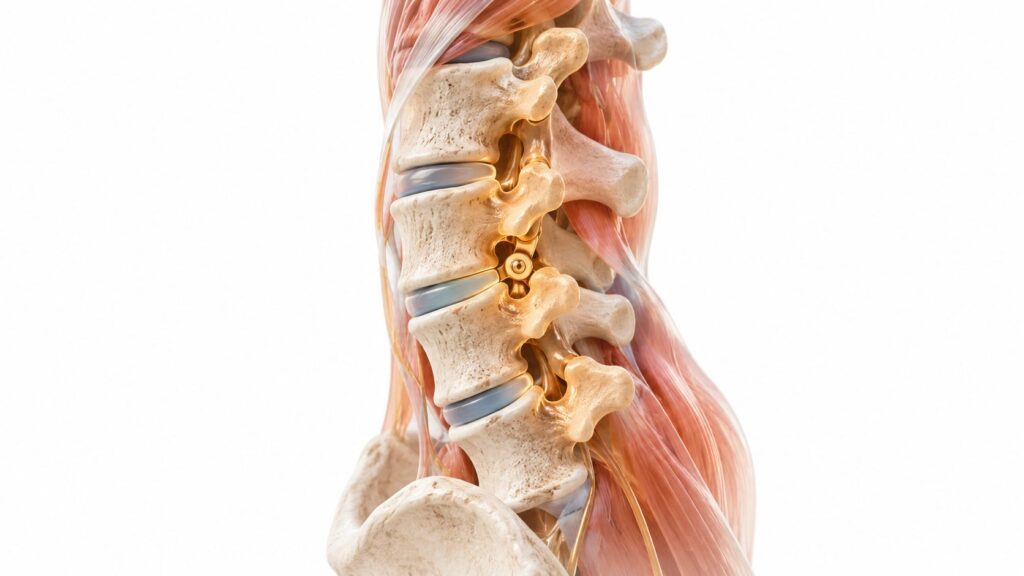
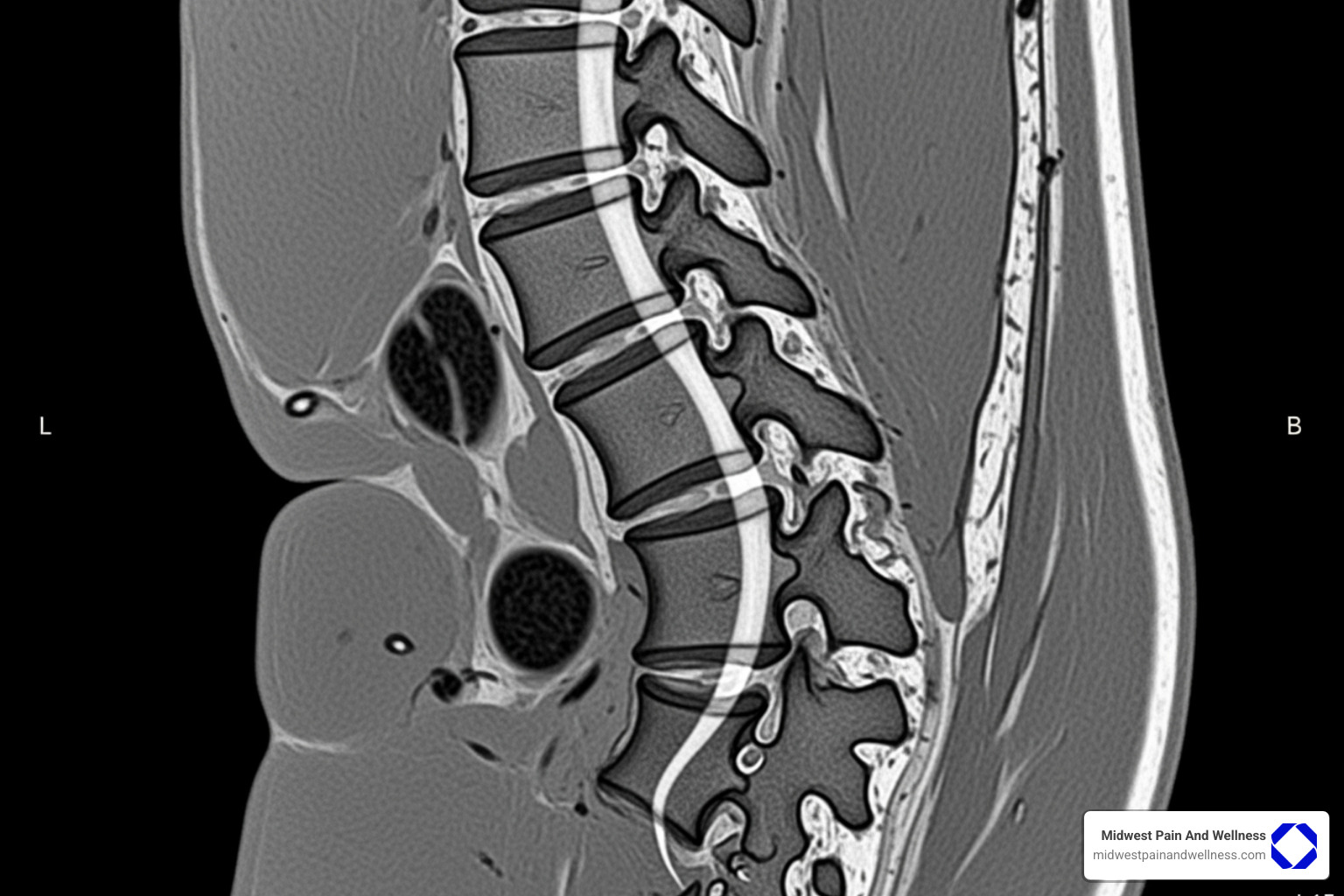
Spinal stenosis is a condition where the spaces within your spine narrow, which can put pressure on the spinal cord and the nerves that travel through the spine to your arms and legs. This narrowing can occur anywhere along your spine, but it’s most common in the lower back (lumbar spinal stenosis) and neck (cervical spinal stenosis). Lumbar spinal stenosis is the most common form of the condition.
The primary causes of this narrowing are often related to the natural aging process and wear and tear on the spine. As we get older, the discs that cushion our vertebrae can lose height and dry out. Conditions like arthritis can also cause the facet joints in your spine and the ligaments connecting them to thicken. These structural changes then press on the spinal canal, leading to the pain and discomfort we associate with spinal stenosis. For a deeper understanding of the condition, you can review resources from trusted medical institutions like the Mayo Clinic.
For more information on various conditions we treat, including spinal stenosis, you can explore our resources. More info about conditions we treat
Common Symptoms You Shouldn’t Ignore
While some individuals with spinal stenosis may not experience any symptoms, for those who do, the signs can be quite disruptive. Symptoms typically develop gradually and tend to worsen over time.
Here are some common symptoms you should be aware of:
- Back Pain: This is often a primary indicator, especially in the lower back.
- Leg Pain (Sciatica): Pain, tingling, numbness, or weakness that radiates down one or both legs.
- Buttock Pain: Discomfort that can spread from your lower back into your buttocks.
- Leg Heaviness: A feeling of fatigue or heaviness in your legs, especially during physical activity.
- Numbness or Weakness: A loss of sensation or strength in your legs or arms.
- Muscle Cramps: Involuntary contractions of muscles in the affected limbs.
- Balance Issues: Difficulty maintaining balance or a feeling of unsteadiness.
- Pain Relief When Sitting or Bending Forward: A classic sign of spinal stenosis is that symptoms often improve when you lean forward or sit down, as these positions can momentarily take pressure off the compressed nerves.
While most symptoms of spinal stenosis develop gradually, certain signs warrant immediate medical attention. If you experience any of the following, please seek emergency care:
- Sudden or severe weakness in your legs or arms.
- Loss of bladder or bowel control (cauda equina syndrome).
- Rapidly worsening numbness or tingling.
How Specialists Diagnose Spinal Stenosis
Accurate diagnosis is the first crucial step toward effective treatment. When you visit a spinal stenosis doctor Palos Heights, they will conduct a thorough evaluation to understand your specific condition.
The diagnostic process typically involves:
- Physical Examination: Your doctor will assess your range of motion, muscle strength, reflexes, and check for any areas of tenderness or pain.
- Medical History Review: We will discuss your symptoms in detail, including when they started, what makes them better or worse, and any previous treatments you’ve tried.
- Diagnostic Tools: To confirm the diagnosis and identify the exact location and severity of the narrowing, specialists use various imaging tests:
- X-rays: These can show the bony structure of your spine, revealing any narrowing of the spinal canal or changes in spinal alignment.
- MRI (Magnetic Resonance Imaging) Scans: MRI provides detailed images of soft tissues, including the spinal cord, nerves, and discs, making it excellent for visualizing nerve compression.
- CT (Computed Tomography) Scans: CT scans offer cross-sectional images of the spine, providing a clear view of bone structures.
- Myelogram: In some cases, a special dye is injected into the spinal canal before an X-ray or CT scan to highlight the spinal cord and nerve roots, making any compression more visible.
By combining these diagnostic methods, your Palos Heights specialist can develop a precise understanding of your spinal stenosis and formulate the most effective treatment plan for you.
Finding the Right Specialist in Palos Heights
Finding the right specialist is a pivotal step in managing spinal stenosis. In Palos Heights, you have access to highly skilled pain management specialists and orthopedic surgeons who are dedicated to helping patients find relief. When seeking a spinal stenosis doctor Palos Heights, it’s important to consider their qualifications, such as board certification and fellowship training, as these signify a deep commitment to their field and advanced expertise.
Board certification represents a provider’s dedication to ongoing training and mastering their specialty. Similarly, fellowship-trained physicians have undergone additional specialized training beyond their residency, often focusing on specific areas like spine surgery or minimally invasive techniques. This extra training often translates to more refined skills and a broader range of treatment options for complex conditions like spinal stenosis.
We believe in a personalized approach to care, where thoughtful decision-making and clear communication are key cornerstones for delivering optimal care. Our goal is to collaborate with you to create custom care plans for long-term pain relief, focusing on an opioid-free, multi-modal, interventional approach.
Find a back pain specialist near you

Our Expert Team at Midwest Pain and Wellness
At Midwest Pain and Wellness, our double board-certified doctors are experts in diagnosing and treating spinal stenosis. We provide comprehensive, opioid-free pain management using a multi-modal, interventional approach. This means we combine various therapies—from physical therapy and medication management to advanced, minimally invasive procedures—to create a custom care plan for your long-term pain relief. Our team is committed to a patient-centric approach, emphasizing open communication and your active involvement in the treatment plan.
Evaluating a Doctor’s Experience and Patient Reviews
Choosing the right spinal stenosis doctor Palos Heights involves more than just looking at their medical degree. We encourage you to consider several factors to ensure you find a specialist who aligns with your needs and preferences.
- Years in Practice and Fellowship Training: Experience matters. A doctor with many years in practice brings a vast depth of knowledge. Fellowship training indicates specialized expertise in spine conditions.
- Board Certification: As mentioned earlier, board certification is a hallmark of excellence, signifying a doctor’s dedication to ongoing training and mastery of their specialty.
- Treatment Frequency: Some provider directories use a ‘treatment frequency’ feature. This can help you understand how often a provider treats a specific condition, like lumbar spinal stenosis, compared to other doctors.
- Patient Ratings and Testimonials: Patient reviews can offer a glimpse into the quality of care, communication style, and overall patient experience. Reading testimonials can help you understand a doctor’s approach and the support you can expect from their team.
- Importance of Communication: A doctor’s ability to communicate clearly and involve you in decision-making is paramount. This ensures you understand your condition, treatment options, and feel confident in the path forward.
At Midwest Pain and Wellness, we prioritize open communication and patient involvement in crafting your care plan. We believe that an informed patient is an empowered patient. Patient testimonials and care team information
Comprehensive Treatment Options Available in Palos Heights
When addressing spinal stenosis, our philosophy at Midwest Pain and Wellness, and a common approach among many specialists in Palos Heights, is to prioritize conservative care first. We advocate for a multi-modal, interventional approach, carefully crafting custom care plans designed for long-term pain relief, often without the need for opioids. This comprehensive strategy ensures that you receive the most appropriate and least invasive treatments for your condition.
Non-Surgical and Interventional Pain Management
For many individuals living with spinal stenosis, non-surgical and interventional pain management techniques can provide significant relief. These treatments aim to reduce pain, improve function, and improve your quality of life without resorting to surgery.
Here are some of the effective non-surgical options available:
- Physical Therapy (PT): A cornerstone of non-surgical treatment, physical therapy focuses on exercises to strengthen core muscles, improve flexibility, and improve mobility.
- Anti-inflammatory Medication: Non-steroidal anti-inflammatory drugs (NSAIDs) can help reduce inflammation and pain associated with spinal stenosis.
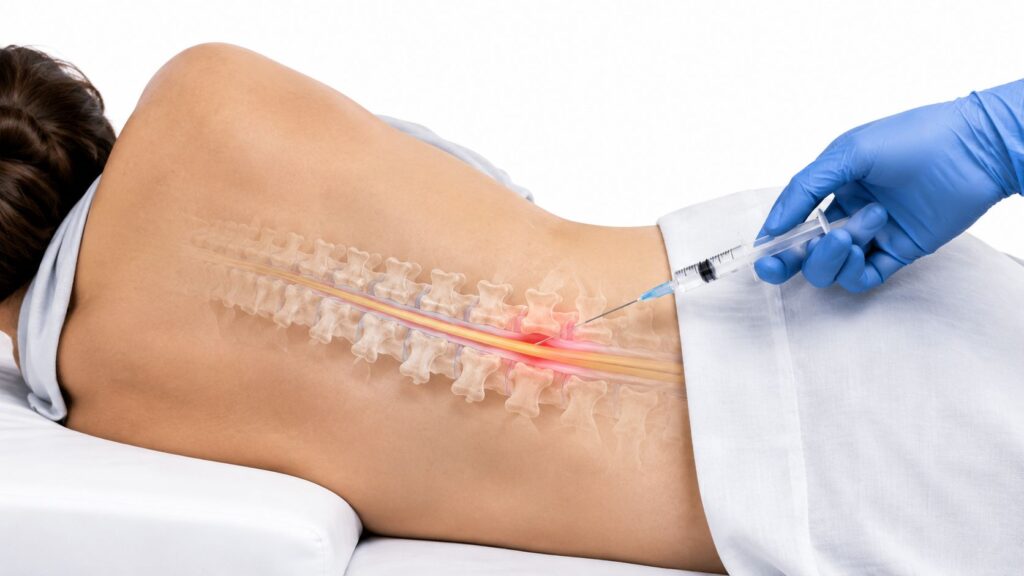
- Epidural Steroid Injections: These injections deliver corticosteroids directly into the epidural space around the spinal nerves to reduce inflammation and swelling, providing significant pain relief.
- Minimally Invasive Lumbar Decompression (MILD): This is an advanced interventional procedure that removes small pieces of bone and thickened ligament that are pressing on the nerves in the lumbar spine through a tiny incision.
- Superion® Indirect Decompression System: This is another minimally invasive option that involves implanting a small device between the spinous processes in the lower back to create more space for the nerves.
- Back Braces: A back brace can sometimes provide temporary support and pain relief by limiting movement and promoting proper spinal alignment.
Our double board-certified doctors at Midwest Pain and Wellness are experts in utilizing these and other therapies as part of our multi-modal, interventional approach. We collaborate with other practitioners to create a comprehensive plan custom to your unique needs.
More info about our treatment procedures
The Role of Physical Therapy and Rehabilitation
Physical therapy and rehabilitation play a vital role in both non-surgical management and post-operative recovery for spinal stenosis. It’s not just about temporary relief; it’s about building long-term resilience and function.
The benefits of engaging in a structured physical therapy program include:
- Strengthening Core Muscles: A strong core provides better support for your spine.
- Improving Flexibility: Gentle stretching and mobility exercises can help alleviate stiffness.
- Enhancing Mobility: PT can improve walking, balance, and daily activities.
- Pain Management Techniques: Learning proper body mechanics can empower you to manage your symptoms.
- Post-Treatment Recovery: Rehabilitation is crucial for a smooth and effective recovery after any procedure.
Many specialists in the Palos Heights area emphasize the importance of physical therapy. We can also help connect you with local rehabilitation support to ensure continuity of care close to home.
When is Surgery Considered?
While the focus is often on conservative treatments first, there are circumstances where surgery becomes a necessary and effective option. Approximately 95% of patients may not require surgery, but for the remaining 5%, it can be life-changing.
Surgery is typically considered when:
- Failure of Conservative Treatments: You have undergone several months of non-surgical treatments without improvement.
- Severe Symptoms: You experience significant pain, weakness, or numbness that severely impacts your quality of life.
- Neurological Deficits: You develop progressive weakness, loss of sensation, or loss of bowel or bladder control (cauda equina syndrome).
The goal of spinal stenosis surgery is to decompress the nerves by creating more space within the spinal canal. Common surgical procedures include:
- Laminectomy: Removal of the lamina (the bony arch of a vertebra) to enlarge the spinal canal.
- Laminotomy: Removal of only a portion of the lamina.
- Foraminotomy: Enlarging the opening (foramen) where a nerve root exits the spinal canal.
- Spinal Fusion: In cases of instability, two or more vertebrae may be fused together to stabilize the spine.
- Minimally Invasive Spinal Surgery: Many specialists now excel in minimally invasive techniques. These procedures use smaller incisions and specialized instruments, which can lead to less muscle damage, less pain, and a faster recovery time.
If surgical intervention is deemed necessary, our double board-certified pain management doctors will work closely with you and may provide surgical referrals to highly qualified spinal stenosis doctor Palos Heights specialists, ensuring you receive comprehensive and coordinated care.
Frequently Asked Questions about Spinal Stenosis Care
We understand that navigating a spinal stenosis diagnosis can bring many questions. Here, we address some of the most common inquiries we receive, drawing on our expertise and the collective knowledge of specialists in the Palos Heights area.
How do I know if my back pain is caused by spinal stenosis?
It’s a common question, as back pain can stem from many sources. However, certain characteristics of pain caused by spinal stenosis can help differentiate it. The key differentiator is often the relationship between your pain and your body position.
- Pain that worsens with standing or walking: If your back or leg pain increases significantly when you stand upright or walk, it’s a strong indicator of spinal stenosis. This is because standing upright narrows the spinal canal further.
- Relief upon sitting or bending forward: Conversely, if your pain is significantly relieved when you sit down or lean forward (like over a shopping cart), this suggests spinal stenosis. These positions open up the spinal canal, temporarily easing nerve compression.
- Leg symptoms: Beyond just back pain, spinal stenosis often causes symptoms in your legs, such as numbness, tingling, weakness, or a feeling of heaviness.
While these are strong clues, a professional diagnosis from a spinal stenosis doctor Palos Heights is essential. They can confirm the cause of your pain through a thorough physical exam and diagnostic imaging like MRI or CT scans.
Is surgery always required for spinal stenosis?
Absolutely not. This is one of the most important messages we want to convey. A remarkable 95% of people do not require surgical care for spinal stenosis. Our approach at Midwest Pain and Wellness also heavily emphasizes conservative and non-surgical treatments first.
- Non-surgical success: Many individuals find significant and lasting relief through a combination of physical therapy, anti-inflammatory medications, and interventional pain management techniques such as epidural steroid injections or minimally invasive procedures like MILD.
- Role of interventional pain management: Our multi-modal, interventional approach is specifically designed to manage spinal stenosis pain effectively without immediate recourse to surgery.
- When surgery becomes the best option: Surgery is typically considered when conservative treatments have been exhausted and symptoms remain severe, or if there are signs of progressive neurological deficit. In these cases, surgical procedures performed by qualified spine specialists can effectively decompress the nerves and provide lasting relief.
- Patient-specific factors: The decision for surgery is highly individualized. Your spinal stenosis doctor Palos Heights will discuss all options with you to determine the best course of action.
What should I expect during my first consultation with a spinal stenosis doctor in Palos Heights?
Your first consultation is a critical step in your journey toward relief. When you meet with a spinal stenosis doctor Palos Heights, you can expect a comprehensive and thorough evaluation.
Here’s a general overview of what typically occurs:
- Symptom Discussion: The doctor will begin by asking you to describe your symptoms in detail: when they started, what makes them better or worse, and how they affect your daily life.
- Thorough Physical Exam: The physical examination will involve assessing your posture, range of motion, muscle strength, reflexes, and sensation in your arms and legs.
- Review of Medical History: You’ll be asked about your past medical conditions, previous surgeries, medications, and any family history of spinal conditions.
- Potential Imaging Orders: If you haven’t had recent imaging, the doctor will likely order diagnostic tests such as X-rays, MRI scans, or CT scans to visualize the spinal canal and identify the extent of the narrowing.
- Treatment Plan Discussion: Once a diagnosis is made, your doctor will discuss the available treatment options, including non-surgical and surgical approaches. They will explain the pros and cons of each option and collaborate with you to formulate a personalized treatment plan.
At Midwest Pain and Wellness, our initial consultation focuses on understanding your unique situation to develop a custom care plan that aligns with our opioid-free, multi-modal, interventional approach.
Your Path to Relief from Spinal Stenosis
Living with spinal stenosis can be challenging, but as we’ve explored, the Palos Heights community offers a wealth of expertise and comprehensive care options to help you find relief. From understanding the nuances of the condition to identifying highly qualified specialists, you now have a clearer path forward.
We’ve seen that the area is served by experienced professionals, including fellowship-trained specialists and board-certified surgeons, all of whom bring specialized knowledge and a commitment to patient care in addressing spinal stenosis. The importance of a multi-modal approach cannot be overstated. Whether it’s through targeted physical therapy, anti-inflammatory medications, advanced interventional procedures like MILD, or, when necessary, surgical decompression, the goal is always to reduce pain and restore function. We’ve highlighted that for a significant majority of patients, surgery is not the first or only answer.
At Midwest Pain and Wellness, we are proud to contribute to this ecosystem of care in Palos Heights and the broader Chicago Ridge area. Our approach is centered on providing comprehensive, opioid-free pain management using current therapies. Our double board-certified doctors use a multi-modal, interventional approach, collaborating with other practitioners to create custom care plans for long-term pain relief. We believe in empowering you with knowledge and providing effective treatments that allow you to live a fuller, more active life.
Your journey to relief from spinal stenosis begins with informed choices and the right team by your side. We encourage you to reach out, ask questions, and take that crucial first step towards a life with less pain.