The Overwhelming Impact of Chronic Headaches
A headache clinic is a specialized medical facility that focuses on diagnosing, treating, and managing various types of headaches and related conditions through a comprehensive, multidisciplinary approach.
What You Need to Know About Headache Clinics:
- Who They Help: People with chronic headaches, migraines, cluster headaches, and other complex headache disorders
- What They Offer: Advanced diagnostic tools, personalized treatment plans, medication management, and interventional procedures
- The Team: Neurologists, pain specialists, physiotherapists, psychologists, and other experts working together
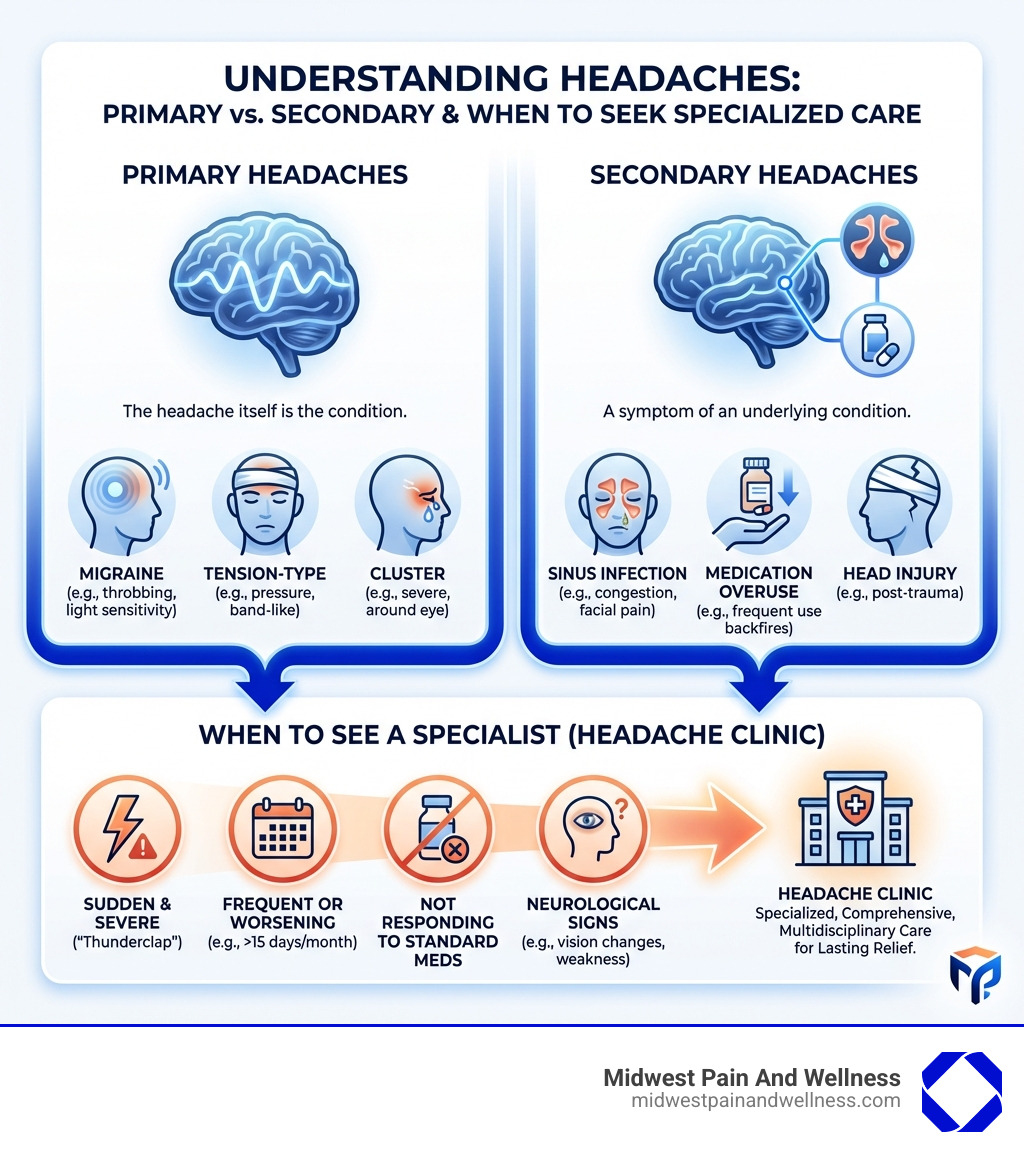
- When to Go: If headaches are frequent, severe, or not responding to standard treatments
- Treatment Approach: Combines medical therapies, lifestyle guidance, and non-opioid options
Headaches affect more than 1 billion people worldwide. If you’re among them, you know the overwhelming impact this can have on your daily life. What many people don’t realize is just how serious this problem has become.
Migraine alone is the 2nd leading cause of years lived with disability globally. These aren’t just inconvenient moments of discomfort. For millions of people, headaches mean missing work, canceling plans with family, and watching life pass by from a darkened room.
In the United States, headaches cost our economy more than $30 billion a year. But the true cost can’t be measured in dollars. It’s measured in missed soccer games, declined promotions, and relationships strained by chronic pain.
The good news? You don’t have to manage this alone. While over-the-counter medications and general medical care work for some people, many headache disorders require specialized expertise. There are over 200 different types of headaches, each with its own causes, triggers, and most effective treatments.
Specialized headache clinics exist specifically to help people who haven’t found relief through standard care. These centers bring together experts from multiple disciplines to create comprehensive treatment plans custom to your specific condition. They offer advanced diagnostic tools, cutting-edge treatments, and most importantly, hope for a better quality of life.
Understanding the Role of a Specialized Headache Clinic
When persistent headaches don’t respond to general care, a specialized headache clinic offers the next level of expertise. A headache clinic is a dedicated center focused on the complexities of headache disorders, going beyond general practice. We dig deep to find the root cause of your pain, offering advanced diagnostics and personalized, opioid-free treatment plans for sustainable, long-term solutions.
What is a headache clinic and what services are offered?
A headache clinic is a specialized medical facility designed to diagnose, treat, and manage various headache types with an integrated, multidisciplinary approach. We consider all contributing factors to your condition.
The services typically offered at a headache clinic are extensive and customized:
- Comprehensive Evaluation: We start with a thorough assessment, including a detailed medical history, neurological exam, and a review of your headache patterns and triggers to accurately identify your headache type.
- Personalized Treatment Plans: Based on your diagnosis, we develop a customized treatment strategy that combines various therapies, creating a plan that fits your unique needs for long-term relief.
- Advanced Diagnostic Tools: When necessary, we use advanced tools like specialized imaging to rule out secondary causes and confirm complex diagnoses.
- Acute and Preventive Treatments: We offer a range of options, including acute medications to stop a headache and preventive treatments to reduce the frequency and severity of future attacks.
- Medication Management: Our specialists are experts in the latest headache medications, such as triptans and CGRP inhibitors. We carefully manage your regimen to optimize effectiveness and minimize side effects.
- Interventional Procedures: For many patients, procedures like nerve blocks, trigger point injections, and Botox for chronic migraine can provide significant relief. We specialize in these at Midwest Pain And Wellness.
We believe in empowering you with knowledge and involving you in your treatment decisions. For more information about our comprehensive approach to pain management, please visit our page on More info about our approach to pain management.
Why Your Primary Care Provider is a Key Partner
While a headache clinic provides specialized care, your primary care provider (PCP) is a vital partner in your healthcare journey, often serving as your first point of contact.
Your PCP can:
- Provide Initial Diagnosis: They can often identify common headache types and initiate basic treatments.
- Facilitate Referrals: When headaches become complex, your PCP can refer you to a specialized headache clinic, ensuring a smooth transition.
- Collaborate on Care: At Midwest Pain And Wellness, our double board-certified doctors work closely with your PCP to ensure your headache treatment integrates with your overall health management.
- Support Long-Term Management: Your PCP will continue to be involved in your long-term health, helping monitor your progress and manage other conditions.
This partnership combines specialist expertise with your PCP’s foundational knowledge, ensuring you receive the best possible care.
Common Conditions Treated and Their Symptoms
With over 200 different types of headaches, an accurate diagnosis is the cornerstone of effective treatment. Headaches are generally categorized as primary (the condition itself) or secondary (a symptom of an underlying issue), and pinpointing the exact cause is crucial.
Migraine Headaches
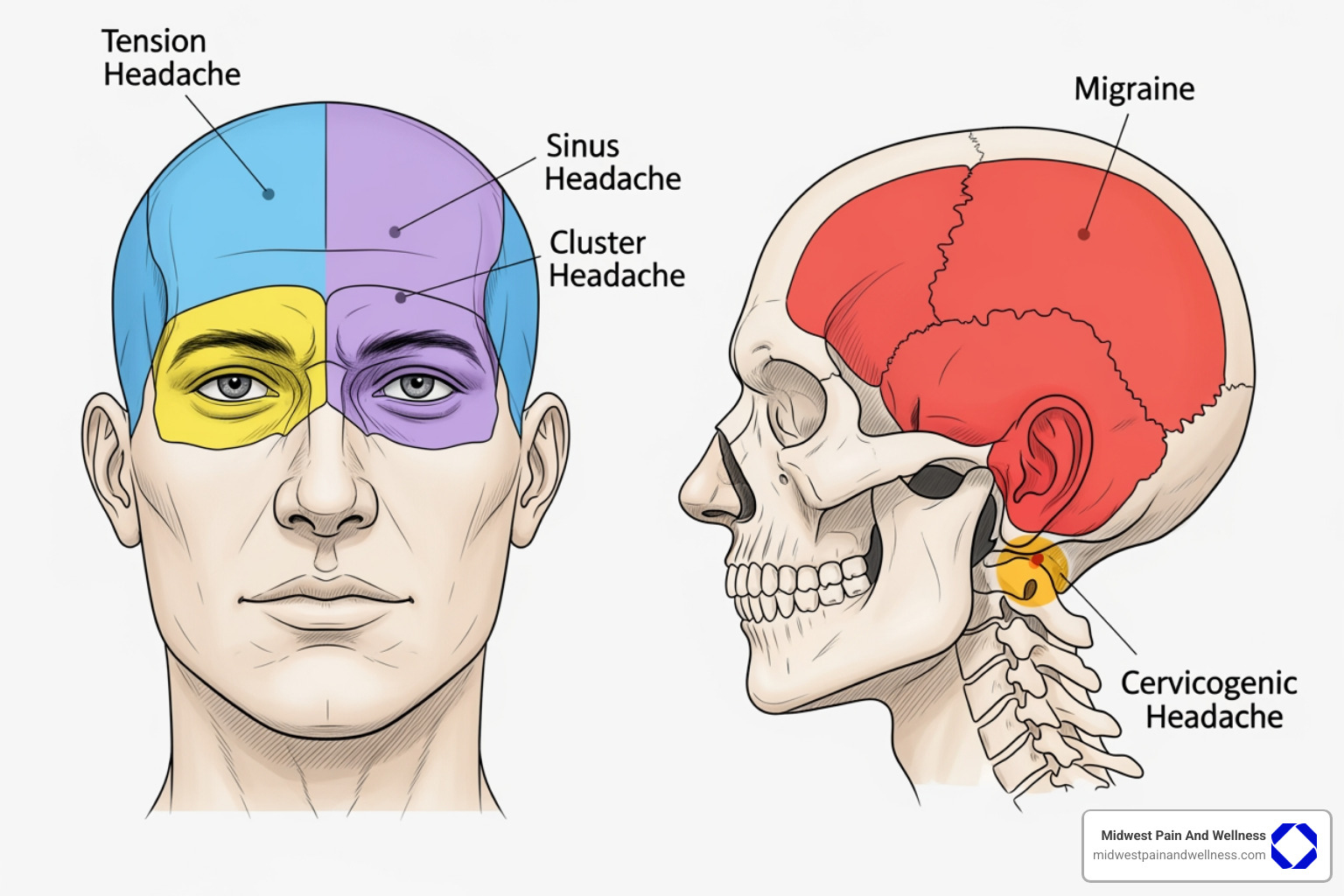
Migraine is a complex neurological disorder affecting over 1 billion people worldwide and is the 2nd leading cause of years lived with disability. While three times more common in women, it also impacts ten percent of children and one in 16 men.
Common symptoms of migraine include:
- Moderate to Severe Throbbing Pain: Often pulsating or pounding, typically on one side of the head.
- Nausea and Vomiting: A common accompanying symptom that can be debilitating.
- Sensitivity to Light (Photophobia) and Sound (Phonophobia): Often causes people to seek dark, quiet rooms.
- Aura: About 25-30% of people with migraine experience an aura, which can include visual disturbances (flashing lights, blind spots), tingling, or speech difficulties.
- Vestibular Migraine: This type affects balance, causing dizziness and vertigo, sometimes without a severe headache. Treatment combines medication, lifestyle changes, and vestibular therapy.
- Hormonal Migraines: Many women experience migraines linked to hormonal changes (menstruation, pregnancy, menopause). Understanding this connection is key to effective treatment.
We understand the unique challenges of migraine and focus on identifying triggers and implementing preventive strategies.
To help differentiate between common headache types, here’s a quick comparison:
| Feature | Migraine | Tension-Type Headache (TTH) |
|---|---|---|
| Pain Intensity | Moderate to severe | Mild to moderate |
| Pain Quality | Throbbing, pulsating, pounding | Pressing, tightening, dull ache |
| Location | Often unilateral (one side), but can be bilateral | Bilateral (both sides), “band-like” around the head |
| Aggravated by Activity | Yes, routine physical activity worsens pain | No, generally not aggravated by routine physical activity |
| Associated Symptoms | Nausea/vomiting, sensitivity to light and sound | May have mild sensitivity to light or sound, but not both; no nausea/vomiting |
| Aura | Can occur (visual, sensory, speech disturbances) | Typically no aura |
| Impact on Daily Life | Often debilitating, significant impairment | Less debilitating, can still perform daily activities |
Tension-Type Headaches (TTH)
Tension-type headaches (TTH) are the most common type of headache. They are typically characterized by:
- Mild to Moderate Pain: The pain is usually not as intense as a migraine.
- Pressing or Tightening Sensation: Often described as a band tightening around the head.
- Bilateral Pain: The pain usually affects both sides of the head.
- Not Aggravated by Routine Activity: TTH generally doesn’t worsen with physical activity.
While often managed with over-the-counter pain relievers, our headache clinic can help identify triggers for chronic TTH and provide strategies for prevention. For further reading on headache disorders, we recommend visiting Further reading on headache disorders.
Other Complex Headache Disorders
Our headache clinic also addresses other complex headache disorders:
- Cluster Headaches: Characterized by severe, one-sided pain around the eye with autonomic symptoms (tearing, nasal congestion). Attacks occur in clusters followed by periods of remission.
- Post-Traumatic Headache (PTH): Develops after a head injury like a concussion. PTH can mimic other headache types and persist for months or years. We offer specialized management for pain relief and rehabilitation.
- Cervicogenic Headaches: This pain originates in the neck and is referred to the head, often accompanied by neck stiffness. Our multidisciplinary team is skilled in diagnosing and treating this headache type.
- Medication Overuse Headache (MOH): Paradoxically caused by the frequent use of acute headache medications. Treatment requires withdrawal from the overused medication under medical supervision.
The Multidisciplinary Team Approach to Headache Care
Chronic headaches often require more than one perspective. A specialized headache clinic uses a multidisciplinary team approach, bringing together diverse experts to treat the whole person, not just the symptoms. This collaborative model ensures all aspects of your headache disorder—from neurological to psychological factors—are addressed for the most comprehensive care possible.
Who Makes Up the Headache Treatment Team?
The team at a specialized headache clinic is composed of various healthcare professionals who contribute their unique skills. At Midwest Pain And Wellness, our commitment to a multi-modal, interventional approach means we draw on a wide range of expertise.
A typical headache treatment team may include:
- Neurologists: Physicians specializing in the brain and nervous system who diagnose and medically manage complex headache disorders.
- Pain Management Specialists: Our double board-certified doctors are experts in diagnosing and treating chronic pain conditions like headaches with interventional techniques.
- Anesthesiologists: Often involved in administering nerve blocks and other pain-relieving procedures.
- Physiotherapists: Focus on physical rehabilitation, addressing musculoskeletal issues in the neck and shoulders that can contribute to headaches.
- Chiropractors: Skilled in spinal adjustments and manual therapies to alleviate headaches from neck dysfunction.
- Psychologists/Behavioral Therapists: Address the psychological impact of chronic pain with strategies like cognitive behavioral therapy (CBT).
- Nurse Practitioners: Play a vital role in patient education, medication management, and ongoing support.
Our team at Midwest Pain And Wellness exemplifies this collaborative spirit. Learn more about the professionals on your healing journey on our More info about our expert team page.
What to Expect During Your Appointment at a Headache Clinic
Visiting a specialized headache clinic is a comprehensive experience. Our goal is to make you feel heard and confident in your path to relief. Here’s what you can generally expect:
- Initial Consultation: Your first visit is an in-depth conversation about your headaches, including their frequency, intensity, duration, triggers, and what brings relief.
- Detailed Medical History: We’ll review your complete medical and family history, along with lifestyle factors like diet, sleep, and stress.
- Headache Diary Review: If you keep a headache diary, bring it with you. This provides invaluable data about your headache patterns.
- Physical and Neurological Exam: Our specialists will perform a thorough examination to assess your neurological function and look for signs of underlying conditions.
- Diagnostic Testing: Depending on your symptoms, we may recommend tests like an MRI or CT scan to rule out secondary causes of headaches.
- Development of a Care Plan: After a comprehensive evaluation, we’ll discuss your diagnosis and collaboratively develop a personalized care plan, explaining all recommended treatments and lifestyle changes.
Our approach is rooted in scientific understanding. You can find more information about the scientific research on migraine pathophysiology at Scientific research on migraine pathophysiology.
Advanced Treatments and Integrated Therapies
When over-the-counter medication isn’t enough for chronic headaches, it’s time to explore advanced treatments and integrated therapies. At Midwest Pain And Wellness, we combine medical, interventional, and lifestyle approaches for comprehensive, opioid-free solutions. Our multi-modal, interventional approach is designed for lasting relief.
We understand that chronic pain requires a dynamic and personalized strategy. For more in-depth information about our approach, you can visit our More info about our chronic pain treatments page.
Advanced Medical and Interventional Options
Our headache clinic offers a range of cutting-edge treatments designed to target specific headache mechanisms, especially when conservative treatments have not been sufficient:
- CGRP Monoclonal Antibodies: These innovative preventive medications target a key peptide in the migraine pathway and are highly effective for both episodic and chronic migraine.
- Nerve Blocks: An injection of anesthetic, sometimes with a corticosteroid, near specific nerves can block pain signals and provide rapid relief.
- Trigger Point Injections: For headaches related to muscle tension, injecting local anesthetic into specific “trigger points” in the muscles can release tension and alleviate pain.
- Botox for Chronic Migraine: Approved for chronic migraine (15 or more headache days per month), Botox injections can significantly reduce headache frequency. We are experts in providing Botox for Chronic Migraine in Chicago Ridge.
- Infusion Therapy: For severe, prolonged attacks, intravenous infusions of medications like DHE or magnesium can break the headache cycle and provide sustained relief.
These advanced options are administered by our double board-certified doctors, ensuring the highest standard of care.
Lifestyle Modifications and Complementary Therapies
We also emphasize the powerful role of lifestyle and complementary therapies in managing headaches. These approaches empower you to take an active role in your health.
- Diet and Nutrition: Identifying and avoiding dietary triggers, along with a balanced diet and proper hydration, can be vital.
- Sleep Hygiene: Consistent, quality sleep is a cornerstone of headache prevention. We provide guidance on establishing healthy sleep routines.
- Stress Management Techniques: Techniques such as mindfulness, meditation, and yoga can help reduce stress, a common headache trigger.
- Physical Therapy: For headaches linked to neck or jaw issues, physical therapy can improve posture, strengthen muscles, and reduce pain.
- Acupuncture: This practice has shown promise in reducing the frequency and intensity of chronic headaches for many individuals.
- Biofeedback: This technique teaches you to control bodily functions like muscle tension to help manage headache triggers.
- Exercise Prescription: Regular, moderate aerobic exercise can be a powerful preventive measure. We help develop a safe and effective routine.
By integrating these strategies into your care plan, we aim to provide comprehensive relief and improve your overall well-being.
Frequently Asked Questions about Headache Clinics
When considering specialized care for your headaches, you likely have many questions. We’re here to provide clarity on how a headache clinic can help.
Do I need a referral to see a specialist at a headache clinic?
The requirement for a referral can vary based on the clinic and your insurance.
- Referral Policies Vary: Some clinics require a referral from your primary care provider (PCP) to ensure proper communication of your medical history.
- Insurance Requirements: Your insurance plan may require a referral for coverage of specialist visits. It’s always best to check with your provider.
- Direct Booking Options: Some clinics, including Midwest Pain And Wellness, may offer direct booking. However, we still encourage collaboration with your PCP.
- Benefits of a PCP Referral for Coordinated Care: A referral ensures seamless communication and coordinated management between our specialists and your primary doctor.
We recommend contacting our office to inquire about our current referral policy.
How is a headache clinic different from just seeing a neurologist?
While neurologists are experts in the nervous system, a headache clinic offers a more focused and comprehensive level of care for headache disorders.
- Specialized Focus: A headache clinic focuses exclusively on headache and facial pain, offering deeper expertise than a general neurologist who treats a broad range of conditions.
- Multidisciplinary Team: A headache clinic brings together a team of specialists (pain doctors, therapists, etc.) to collaborate on your care, which is less common in a general neurology practice.
- Access to a Wider Range of Interventional Treatments: Headache clinics are often better equipped to offer a broad array of interventional procedures like nerve blocks, Botox, and infusion therapies.
- Integrated Approach to Care: At Midwest Pain And Wellness, we integrate lifestyle modifications and complementary therapies into your treatment plan for a more holistic and sustainable path to relief.
A headache clinic provides a deeper, more integrated approach to headache management than a general neurology practice.
How long does it take to see results from treatment?
The timeline for seeing results is highly individual and depends on several factors.
- Personalized Journey: The timeline for results is unique to each patient and depends on the headache type, its severity, and your individual response to treatment.
- Varies by Condition and Treatment:
- Acute Treatments (e.g., triptans) can work within minutes to hours.
- Preventive Medications (like CGRP inhibitors or Botox) may take several weeks to months to show their full effect.
- Interventional Procedures like nerve blocks can provide immediate relief that lasts for weeks or months.
- Lifestyle Changes and complementary therapies show benefits that accumulate over time.
- Acute vs. Preventive Goals: It’s important to differentiate between acute relief (immediate pain reduction) and preventive strategies (reducing the overall burden of headaches over time).
- Importance of Follow-up and Adherence to the Plan: Consistent follow-up appointments are crucial to monitor progress and adjust your personalized plan as needed.
Our team at Midwest Pain And Wellness is committed to finding the most effective strategies for you and will manage your expectations regarding treatment timelines.
Take Control of Your Headaches Today
Living with chronic headaches doesn’t have to be your permanent reality. The overwhelming impact of headache disorders, from the daily pain to the significant disruption of your life and the global economic burden, is a challenge we understand deeply. But it’s a challenge you don’t have to face alone.
Seeking specialized care at a dedicated headache clinic offers a guide of hope. It provides access to expert diagnosis, a comprehensive multidisciplinary team, advanced treatment options, and personalized care plans that go far beyond general approaches. We believe in empowering you with the knowledge, tools, and support necessary to regain control over your life.
At Midwest Pain And Wellness, located in Chicago Ridge, Illinois, we are dedicated to providing comprehensive, opioid-free pain management using current therapies. Our double board-certified doctors use a multi-modal, interventional approach, collaborating with other practitioners to create custom care plans for long-term pain relief. We are committed to helping you find lasting relief and improve your quality of life.
Don’t let headaches define your days any longer. Take the next step towards a brighter, pain-free future. Learn more about how we can help with advanced migraine treatments and start your journey towards lasting relief by visiting our page on Take the next step and learn about our advanced migraine treatments.