Finding Relief from Chronic Pain: Your Guide to Spinal Cord Stimulation in Chicago Ridge
Spinal cord stimulator chicago ridge services offer hope for those living with persistent pain that hasn’t responded to traditional treatments. If you’re searching for effective pain relief, here’s what you need to know:
Quick Answer: SCS Services in Chicago Ridge
- What it is: An implantable device that sends electrical pulses to your spinal cord to block pain signals
- Who it helps: Adults with chronic neuropathic pain from failed back surgery, CRPS, or nerve injuries
- How it works: A trial period (3-7 days) tests effectiveness before permanent implantation
- Success rate: Approximately 75% of recipients experience 50-70% pain reduction
- Where to start: Midwest Pain And Wellness in Chicago Ridge offers comprehensive SCS evaluation and treatment
When you have a chronic pain condition that isn’t getting better even with the best noninvasive treatment, it may be time to consider a more direct approach. Many people in Chicago Ridge struggle with back pain, leg pain, or nerve-related discomfort that limits their daily activities and quality of life.
Spinal cord stimulation has been used for decades to help people manage chronic pain. The technology has advanced significantly in recent years, offering both traditional and newer paresthesia-free options that don’t produce tingling sensations.
This guide will walk you through everything you need to know about spinal cord stimulators—from understanding how they work to finding the right specialist in Chicago Ridge. You’ll learn about the trial process, what to expect from the procedure, and whether this treatment might be right for your specific pain condition.
Understanding Spinal Cord Stimulation (SCS) Therapy
Imagine a pacemaker, but for your pain. That’s essentially what a spinal cord stimulator (SCS) is—an implantable medical device designed to manage chronic pain. At Midwest Pain And Wellness, we understand that chronic pain can feel like an unending battle, and our goal is to provide advanced, effective solutions like SCS.
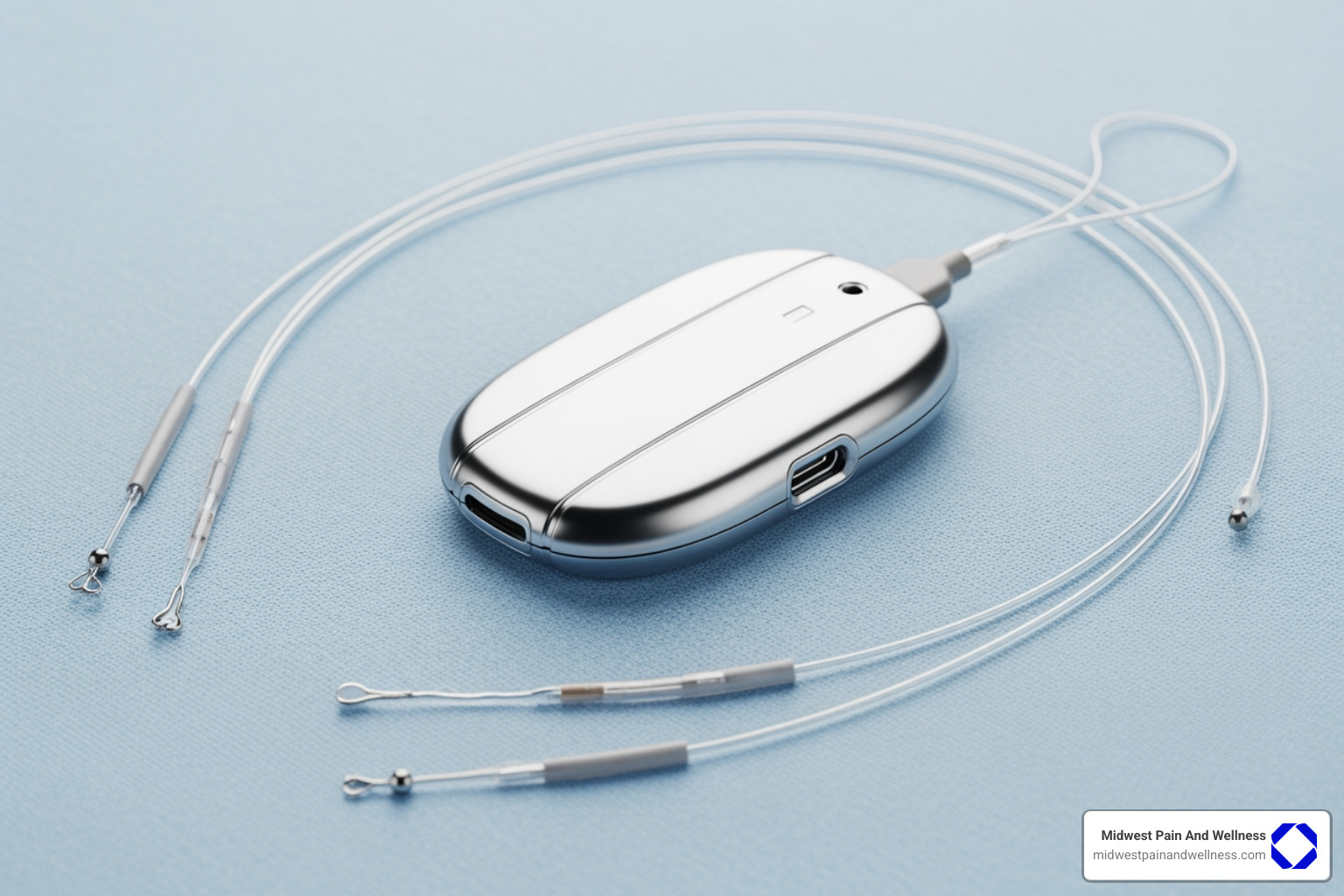
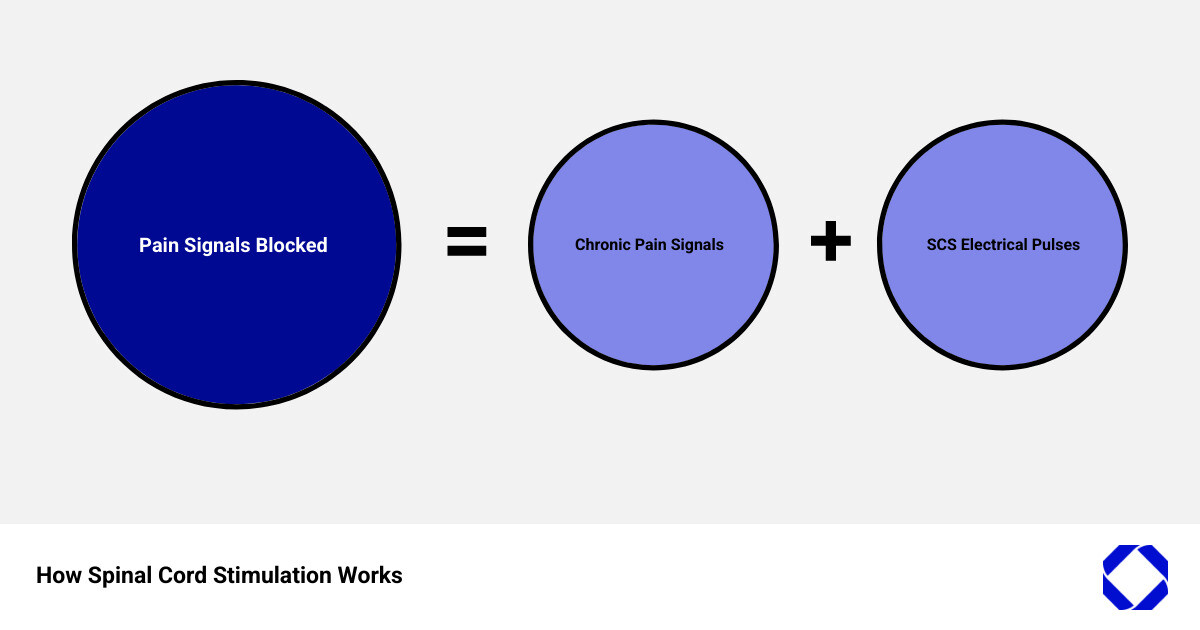
A spinal cord stimulator works by transmitting small amounts of electrical current to the affected spinal nerves. These gentle electrical pulses interfere with pain signals as they travel up through the spinal cord to the brain, effectively “masking” them. This concept is often explained by the “gate control theory” of pain, where the electrical signals essentially close a “gate” to pain messages, preventing them from reaching your brain or changing how your brain perceives them. Instead of feeling intense pain, some patients might experience a mild, pleasant tingling sensation, while others report no sensation at all, just relief.
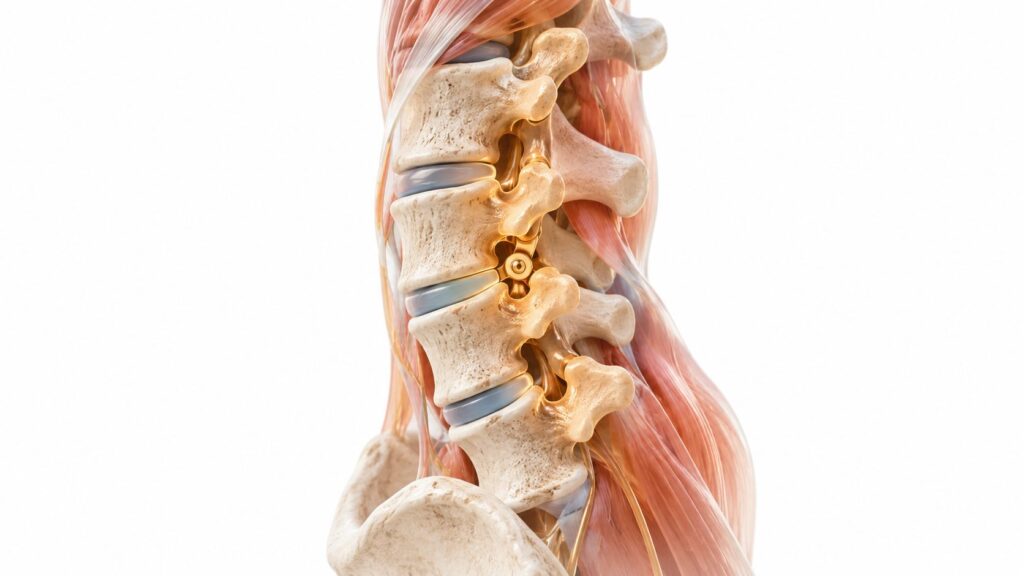
The device is placed near the spinal cord in the epidural space, a natural space around your spinal cord. This ingenious technology helps reduce the perception of pain while you move, stand, and even sleep, allowing you to regain control over your life.
Modern advancements in SCS technology mean we can offer more custom solutions than ever before. Historically, SCS therapy produced a tingling sensation, known as paresthesia, in the area where pain was felt. While many patients still find this sensation comforting and effective, newer systems offer “paresthesia-free” options. These use high-frequency or burst waveforms that modulate pain signals without creating any noticeable tingling. This means we can often fine-tune the therapy during your trial and follow-ups to find the most comfortable and effective program for your unique needs. We are proud to offer these advanced options as part of our Spinal Cord Stimulation at Midwest Pain And Wellness services.
Is SCS the Right Choice for Your Chronic Pain?
Deciding on a treatment for chronic pain is a significant step, and we’re here to guide you through the candidacy evaluation process. Spinal cord stimulation is typically considered when more conservative treatments—like medications, physical therapy, or injections—have not provided adequate relief. Many of our patients come to us after struggling with persistent pain for years, often feeling that traditional approaches have failed them.

One of the major benefits of SCS over major surgery is its minimally invasive nature and, importantly, its reversibility. Unlike some surgical procedures, a spinal cord stimulator can be removed if it’s not effective or if your pain condition changes. This allows you to “try out” the therapy during a temporary trial period before committing to a permanent implant, giving you peace of mind.
For many, SCS offers a pathway to reduced reliance on opioids and other strong pain medications. Our clinic is committed to an opioid-free, interventional philosophy for pain management, and SCS aligns perfectly with this approach by addressing pain at its source. By effectively managing pain, SCS can lead to improved function, increased activity tolerance, better sleep quality, and an overall improvement in your quality of life.
Conditions Treated with Spinal Cord Stimulation
Spinal cord stimulators are particularly effective for chronic neuropathic pain, which is pain caused by damage or dysfunction of the nervous system. Some of the common conditions we treat with SCS therapy include:
- Post-Laminectomy Syndrome (Failed Back Surgery Syndrome – FBSS): Persistent back or leg pain after spinal surgery.
- Complex Regional Pain Syndrome (CRPS): A chronic pain condition often affecting an arm or leg, usually after an injury, stroke, heart attack, or surgery.
- Chronic Radicular Pain: Pain that radiates from the spine along a nerve root, often into an arm or leg.
- Neuropathic Pain: General nerve pain, such as burning, stabbing, or tingling sensations.
- Peripheral Neuropathy: Nerve damage outside of the brain and spinal cord, often causing weakness, numbness, and pain, especially in the hands and feet.
Other treatable conditions where SCS may be beneficial include:
- Arachnoiditis: Inflammation and scarring of the arachnoid membrane, one of the three membranes that cover the brain and spinal cord.
- Painful Diabetic Neuropathy: Nerve damage caused by diabetes, leading to pain, numbness, or weakness.
- Ischemic Leg Pain: Pain due to reduced blood flow to the legs.
- Chronic Lower Back and Leg Pain: When other treatments haven’t worked.
If you’re experiencing any of these conditions, especially if conservative care has fallen short, we encourage you to explore our comprehensive approach to Conditions We Treat.
Benefits of a spinal cord stimulator in Chicago Ridge
Choosing a spinal cord stimulator chicago ridge provider like Midwest Pain And Wellness offers numerous advantages for managing your chronic pain:
- Targeted Pain Relief: SCS delivers electrical pulses directly to the specific nerves causing your pain, providing focused relief.
- Minimally Invasive Approach: The implantation procedure is less invasive than traditional open surgeries, often performed as an outpatient procedure.
- Increased Mobility: By reducing pain, SCS can significantly improve your ability to move, exercise, and participate in daily activities you once enjoyed.
- Better Sleep Quality: Chronic pain often disrupts sleep. By alleviating pain, SCS can help you achieve more restful and restorative sleep.
- Potential to Decrease Pain Medication: Many patients are able to reduce their reliance on pain medications, including opioids, which can have significant side effects.
- Trying the Therapy Before Committing: The trial period is a unique and invaluable benefit, allowing you to experience the potential relief before a permanent implant.
Our ultimate goal is to help you achieve long-term pain relief and improve your overall well-being. Learn more about our philosophy and other treatment options on our Chronic Pain Treatment page.
Alternative Non-Surgical Pain Relief Options
While spinal cord stimulation offers remarkable relief for many, it’s just one tool in our comprehensive pain management toolbox. At Midwest Pain And Wellness, we believe in a multi-modal, interventional approach, meaning we consider a wide range of treatments to find what’s best for you. If SCS isn’t suitable or if you’re exploring other avenues, we offer various Procedures We Use For Treatment, including:
- Physical Therapy: Custom exercises and movements to strengthen muscles, improve flexibility, and restore function.
- Epidural Steroid Injections: Injections of anti-inflammatory medication into the epidural space to reduce nerve inflammation and pain.
- Nerve Blocks: Injections that temporarily block pain signals from specific nerves.
- Radiofrequency Ablation: A procedure that uses heat to disable nerves responsible for sending pain signals.
- Medication Management: Careful oversight of pharmacological treatments, focusing on efficacy and minimizing side effects, often as part of an opioid-free strategy.
We work closely with you to create a custom care plan, ensuring all aspects of your pain are addressed.
The Process for a Spinal Cord Stimulator in Chicago Ridge
Starting on the journey toward a spinal cord stimulator involves a thoughtful and thorough process, ensuring it’s the right solution for your unique pain experience. At Midwest Pain And Wellness in Chicago Ridge, our approach is centered around a comprehensive consultation, a focused physical exam, and a detailed review of your medical history, imaging, prior procedures, and medications. We follow a clear, 3-step process: Assess, Recommend, and Treat.
Step 1: The SCS Trial Period
The spinal cord stimulator trial is a crucial step. It’s like a test drive for your pain relief, allowing you to experience the potential benefits before committing to a permanent implant.
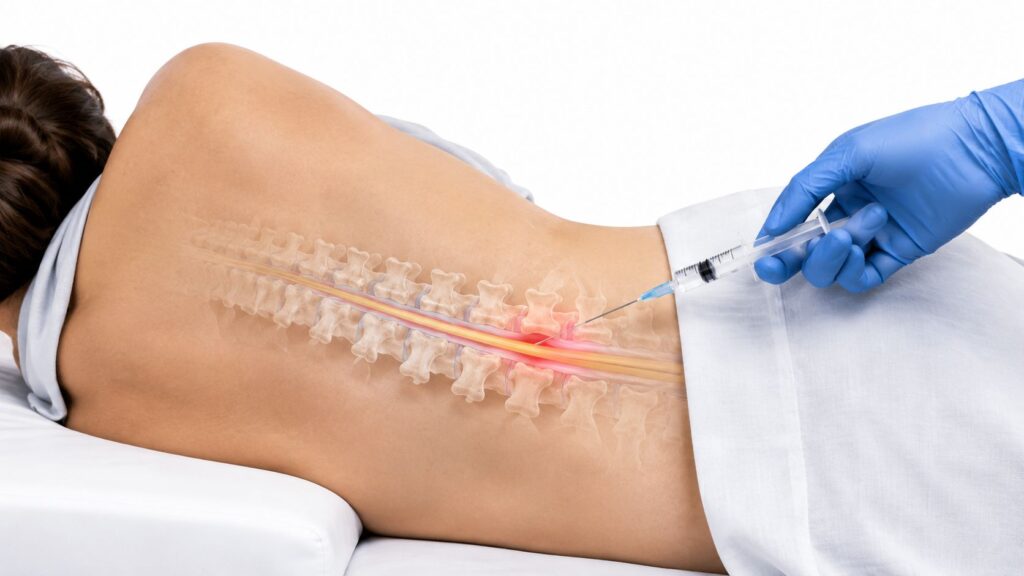
This is a minimally invasive outpatient procedure, typically performed under local anesthetic. Special, temporary leads (thin wires with electrodes) are carefully inserted into the epidural space near your spinal cord. These leads are then connected to an external, wearable device that you control with a remote.
The trial period usually lasts for 3 to 7 days, during which you go about your normal daily activities. This allows you to assess how the stimulation impacts your pain during various movements and situations. We encourage you to track your pain levels, function, and any changes in medication during this time. For the trial to be considered successful, you should experience at least a 50% reduction in your pain. Approximately 50% of patients respond favorably to this trial, often seeing their severe pain reduced to a tingling sensation or no sensation at all. This trial phase is an excellent opportunity to determine if SCS is truly effective for you.
Step 2: Permanent Implantation
If your trial period is successful and you’ve experienced significant pain relief, we can proceed with permanent implantation. This is also an outpatient procedure, typically lasting about an hour, performed under sedation or a light anesthetic.
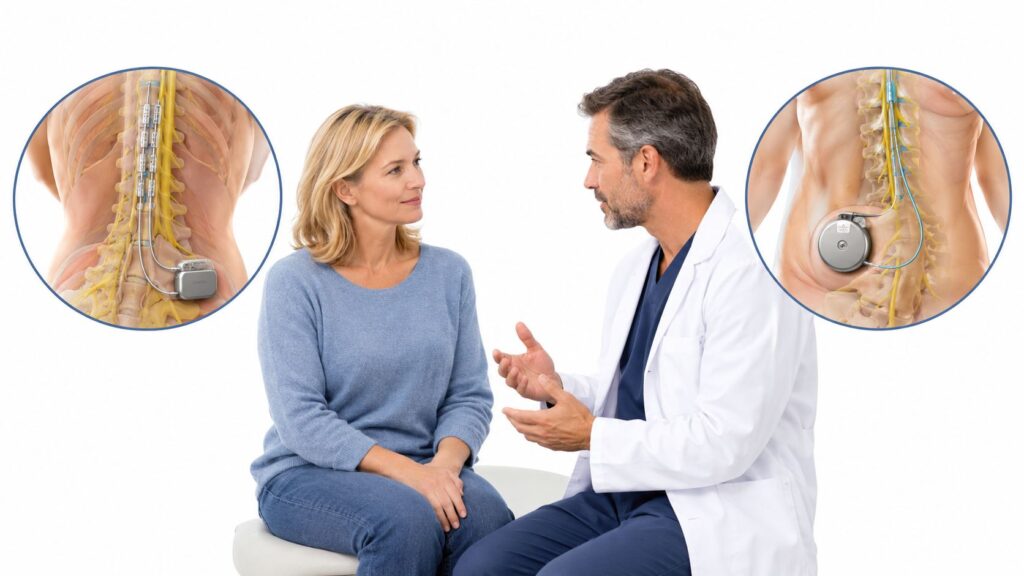
During this procedure, the temporary leads are removed, and permanent leads are precisely implanted into the epidural space. These permanent leads are then connected to a small, implantable pulse generator (IPG), which is essentially the battery and computer of the system. The IPG is inserted through a small incision, usually in your abdomen or buttocks, where it’s discreet and comfortable.
Once implanted, your doctor will program the device to deliver the electrical pulses that best manage your pain. You’ll also receive a handheld remote, allowing you to adjust the stimulation levels within programmed parameters, turn the device on or off, and even select different programs for varying pain needs. This patient-controlled remote empowers you to manage your pain effectively in your daily life.
Life with an SCS: Success, Risks, and Long-Term Care
Life with a spinal cord stimulator can be transformative, offering a new lease on activity and comfort. We’ve seen many patients in Chicago Ridge reclaim their lives thanks to this innovative therapy.
Success Rates and Expected Outcomes
The success rates for spinal cord stimulation are very encouraging. Clinical data shows that the procedure has been effective in approximately 75% of recipients. For those who respond favorably, the estimated pain reduction is substantial, often ranging from 50% to 70%. In many cases, people who use SCS will see a significant improvement of 50-80% in their pain levels.
Beyond just pain reduction, patients often experience improved ability to stand, walk, and sleep. We frequently observe an increased activity tolerance, allowing individuals to engage in hobbies, work, and social activities they had previously given up due to pain. While SCS is not a cure for pain, it significantly alters how you perceive and experience it, leading to a much better quality of life. For more detailed insights, you can visit our Spinal Cord Stimulation at Midwest Pain And Wellness page.
Potential Risks and Side Effects
Like any medical procedure, SCS implantation carries some potential risks, though the overall risks are generally low. We believe in open communication and will discuss all potential side effects with you thoroughly. Some possible risks include:
- Infection: At the incision site where the leads or IPG are implanted.
- Bleeding: Around the implantation site.
- Lead Migration or Breakage: The leads might shift from their optimal position or, rarely, break, which could reduce effectiveness or require repositioning.
- Device Malfunction: Although rare, the device itself could malfunction.
- Discomfort at Implant Site: Some patients may feel discomfort or pressure where the IPG is placed.
- Inadequate Pain Relief: Despite a successful trial, some patients may not achieve the desired long-term pain relief.
The importance of choosing experienced specialists for this procedure cannot be overstated. Our double board-certified doctors at Midwest Pain And Wellness have experience in SCS implantation and management, prioritizing your safety and optimal outcomes.
Device Longevity, Maintenance, and Insurance
Modern spinal cord stimulator implants are designed for durability and longevity. The battery lifespan of the latest devices can range from five to twenty years, depending on the type of battery and usage. There are generally two types of IPG batteries:
- Rechargeable: These batteries have a longer overall lifespan but require regular recharging, typically with a portable, external charger that you use at home.
- Non-rechargeable: These do not require recharging but will eventually need to be replaced through a minor surgical procedure when the battery depletes.
If a follow-up procedure is needed for a battery change, it’s typically a straightforward process. We also provide routine programming follow-ups to fine-tune your therapy and ensure you’re getting the best possible pain relief.
Regarding costs and insurance, SCS therapy is often covered by most major insurance plans. However, insurers typically require specific documentation, including evidence of persistent pain despite conservative therapies, appropriate psychological and medical screening, and a successful trial period. We understand that navigating insurance can be complex, and our team will assist you with benefit verification and obtaining any necessary prior authorizations.
Frequently Asked Questions about SCS Therapy
We know you’ll have questions, and we’re here to provide clear, comprehensive answers. Here are some of the most common inquiries we receive about spinal cord stimulator therapy:
Will the SCS implant be visible or affect my daily activities?
The spinal cord stimulator implant is designed to be discreet. While the implantable pulse generator (IPG) is about the diameter of a silver dollar and placed just under your skin, it’s typically not visible. You might be able to feel the device if you press on the skin where it’s located, but for most people, it’s positioned comfortably and conveniently. So, generally, the only way someone will know you have it is if you choose to tell them!
Following the permanent implantation procedure, you’ll have some temporary restrictions. We usually recommend avoiding strenuous activities, heavy lifting, bending, stretching, and twisting for about 2 to 4 weeks to allow the surgical sites to heal properly. Most people can return to their regular activities within a few days or weeks after this initial recovery period.
Additionally, many modern SCS systems are MRI-conditional. This means that under specific conditions and with proper protocols, you can safely undergo an MRI scan. Our team will review these details with you to ensure your safety and peace of mind.
Can I stop taking pain medication with a spinal cord stimulator?
One of the primary goals of spinal cord stimulation is to reduce your pain and improve your function, and for many patients, this includes significantly reducing their dependence on pain medications. At Midwest Pain And Wellness, we are dedicated to an opioid-free pain management philosophy whenever possible.
While SCS is not a cure for chronic pain, it aims to help you reduce the amount of pain medication you need. In some cases, people are able to stop taking pain medications altogether. For others, SCS may help you reduce the dosage or frequency of your medication. The outcome varies for each individual, and we will work closely with you to develop a personalized treatment plan that may integrate SCS as part of a comprehensive Pain Management Naperville strategy, focusing on your overall well-being.
How do I find a specialist for a spinal cord stimulator in Chicago Ridge?
Finding the right specialist is crucial for successful spinal cord stimulation therapy. When searching for a provider for a spinal cord stimulator chicago ridge, we recommend looking for board-certified pain management physicians who specialize in interventional pain techniques. These specialists have the expertise to accurately diagnose your pain, determine if SCS is appropriate, and perform the implantation procedure with precision.
At Midwest Pain And Wellness, our double board-certified doctors use a multi-modal, interventional approach to pain management. We collaborate with other practitioners to create custom care plans, ensuring comprehensive and coordinated care. Our team is dedicated to providing you with the highest standard of care, from your initial consultation through long-term follow-up. You can learn more about Our Team and easily schedule Appointments online to begin your journey toward pain relief.
Conclusion: Take the Next Step Towards Pain Relief in Chicago Ridge
Chronic pain can be debilitating, impacting every aspect of your life. However, advanced treatments like spinal cord stimulation offer a powerful solution, providing hope and significant relief for many individuals in Chicago Ridge and beyond. SCS is an effective, minimally invasive option that can help reduce pain, improve function, and decrease your reliance on pain medications, allowing you to reclaim your life.
At Midwest Pain And Wellness, we are committed to providing expert, coordinated care. Our team of specialists is ready to guide you through every step of the SCS process, from initial assessment and trial to permanent implantation and ongoing management. If you’ve been struggling with persistent chronic pain and conservative treatments haven’t worked, it might be time to explore how a spinal cord stimulator chicago ridge solution could benefit you.
Don’t let chronic pain define your life any longer. We invite you to learn more and take the next step towards lasting pain relief. Find out if SCS is right for your post-laminectomy pain in Chicago Ridge by scheduling a consultation with us today. Your journey to a more comfortable, active life starts here.