What is Opioid-Free Pain Management and Why is it Crucial for Chicago Patients?
Opioid-free pain management refers to a comprehensive approach to alleviating chronic or acute pain without the use of opioid medications. This philosophy prioritizes non-addictive treatments, focusing on identifying and addressing the root cause of pain, rather than simply masking symptoms. It encompasses a wide array of therapies, from interventional procedures and regenerative medicine to physical therapy, acupuncture, and lifestyle modifications.
For patients in Chicago, this approach is not just a preference, but often a crucial necessity. The importance of avoiding opioid dependence and the severe side effects associated with these powerful drugs cannot be overstated. We understand that chronic pain can significantly impact daily life, leading to restricted mobility, anxiety, depression, and a reduced quality of life. The journey to effective pain relief shouldn’t come with the added burden of addiction risks.
The opioid crisis has cast a long shadow over pain management, making it imperative for clinics to offer safer alternatives. Consider these sobering opioid dependence statistics:
- Nearly 20% of American adults live with chronic pain, and for 8%, it limits at least one major life activity.
- Chronic pain contributes to an estimated $560 billion annually in medical costs, lost productivity, and disability programs in the United States.
- Tragically, the annual death toll from opioid overdoses now surpasses that of many cancers, making drug overdose the leading cause of death for Americans under the age of 50.
- Pain, whether acute or chronic, is an unpleasant physical and emotional experience affecting millions, leading to increased stress, de-conditioning, and sleep disturbances.
These figures underscore the urgent need for effective, yet safe, pain management solutions. Opioid-free approaches offer numerous benefits for patients, including improved quality of life, significantly reduced risks of addiction and overdose, and a path toward sustainable, long-term relief. By focusing on the body’s natural healing capabilities and targeted interventions, we help patients reclaim their lives free from the cycle of opioid reliance. The goal is not just pain reduction, but a return to function and overall well-being.
What Non-Opioid Treatments and Approaches Do Leading Chicago Clinics Offer?

A comprehensive overview of non-opioid treatment modalities reveals a diverse and advanced landscape of options available to patients seeking relief in the Chicago area. These treatments aim to reduce pain, restore function, and improve quality of life without the risks associated with opioids.
Interventional Pain Management Techniques
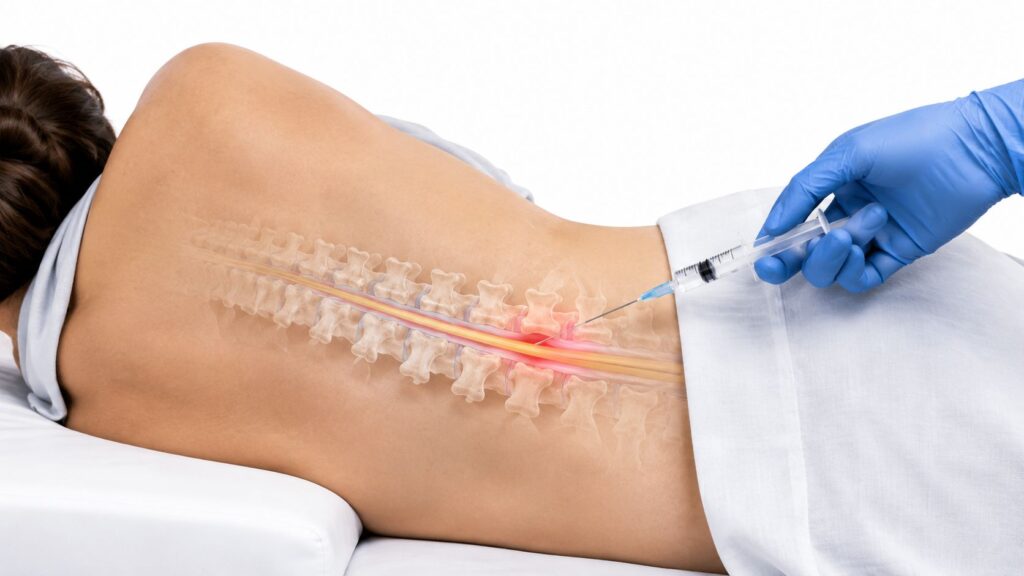
Interventional pain management focuses on minimally invasive procedures that directly target the source of pain. These techniques are often highly effective in providing significant and lasting relief. At Midwest Pain and Wellness, we utilize a range of these advanced procedures:
- Pain Injections: These targeted injections deliver medication directly to the site of pain or inflammation. Common types include:
- Epidural Injections Chicago: Used to treat pain originating from the spine, such as sciatica or herniated discs, by reducing inflammation around spinal nerves.
- Facet Joint Injections Chicago: Targeting the small joints between vertebrae, these injections can relieve pain caused by arthritis or injury in the spine.
- Nerve Blocks for Pain: These injections temporarily interrupt pain signals from specific nerves, providing relief for various neuropathic conditions.
- Dorsal Root Ganglion (DRG) Stimulation: A form of neuromodulation that targets the DRG, a cluster of nerves responsible for transmitting pain signals, offering precise pain relief for specific areas.
- Botox for Chronic Migraine and Cervical Dystonia in Chicago Ridge: Beyond cosmetic uses, Botox injections can effectively treat chronic migraines and the painful muscle spasms associated with cervical dystonia.
- Hyaluronic Acid Injection for Knee Pain Chicago: Often referred to as “viscosupplementation,” these injections lubricate the knee joint, reducing pain and improving mobility for individuals with osteoarthritis.
Regenerative Medicine Options
Regenerative medicine harnesses the body’s own healing mechanisms to repair damaged tissues and reduce pain. These cutting-edge therapies are gaining popularity for their potential to offer long-term solutions:
- Regenerative Therapy (PRP & Cell-Based Options) in Chicago Ridge: Platelet-Rich Plasma (PRP) therapy uses concentrated platelets from the patient’s own blood to stimulate healing. Cell-based therapies (often referred to as stem cell therapies) utilize cells to repair and regenerate damaged tissues, offering promising results for joint, tendon, and ligament issues.
- Amniotic Fluid Injections Pain Chicago: These injections contain growth factors and anti-inflammatory proteins derived from amniotic tissue, which can support tissue repair and reduce inflammation in injured areas.
Neuromodulation and Advanced Therapies
Neuromodulation techniques involve altering nerve activity through electrical stimulation to reduce pain signals. These advanced therapies can provide significant relief for complex and chronic pain conditions:
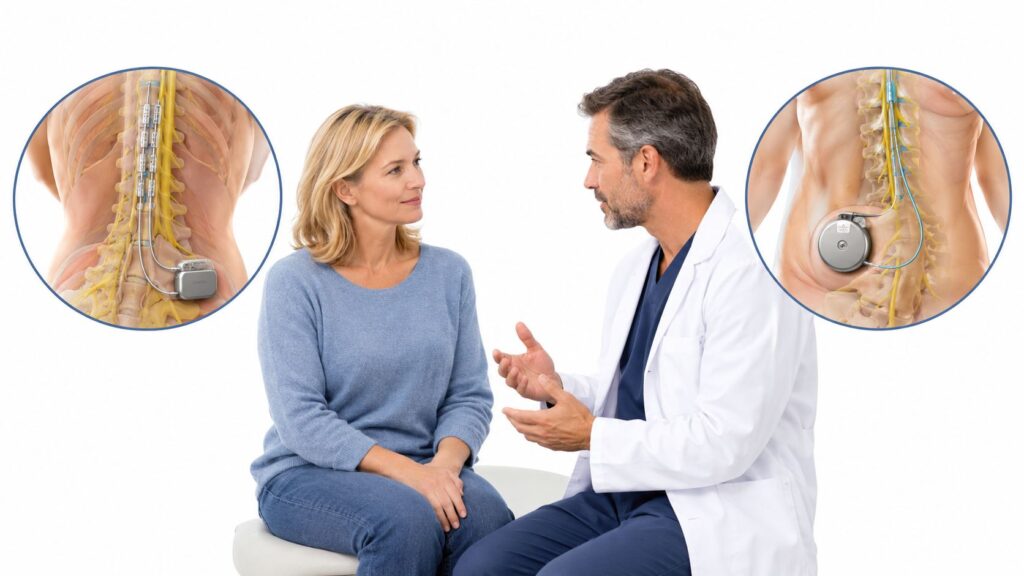
- Peripheral Nerve Stimulation (PNS): This involves implanting a small device near a peripheral nerve to deliver mild electrical pulses, interrupting pain signals before they reach the brain. We offer peripheral nerve stimulation and peripheral nerve stimulation for chronic pain in Chicago Ridge.
- Spinal Cord Stimulator Therapy in Chicago Ridge: A similar concept to PNS, but the device is implanted near the spinal cord, delivering electrical pulses to block pain signals from reaching the brain. This can be highly effective for chronic back and leg pain, especially after failed back surgery.
- Dynamic Neuromodulation with FirstTx®: This innovative technology uses a bidirectional microcurrent to not only block painful stimuli but also engage the body’s natural healing potential, leading to pain relief.
Complementary and Alternative Therapies
Many clinics integrate complementary therapies into their opioid-free pain management plans, recognizing the holistic nature of pain:
- Acupuncture Pain Relief: An ancient Chinese practice involving the insertion of thin needles into specific points on the body to stimulate energy flow and reduce pain.
- Physical Therapy: Essential for strengthening muscles, improving flexibility, and restoring function, physical therapy is a cornerstone of non-surgical pain relief.
- Chiropractic Care: Focuses on spinal adjustments and alignment to alleviate musculoskeletal pain.
- Functional Nutrition: Addressing pain through dietary changes, identifying inflammatory foods, and recommending supplements to support overall health and reduce inflammation.
- Massage Therapy: Helps relax muscles, improve circulation, and reduce tension that can contribute to pain.
- Biofeedback Pain Management: A technique that teaches patients to control involuntary bodily processes, such as heart rate or muscle tension, to manage pain. We provide a complete guide to biofeedback pain management.
Conditions Commonly Treated with These Approaches
These diverse, non-opioid strategies are effectively used to treat a wide range of conditions, including:
- Back Pain
- Neck Pain
- Arthritis (Osteoarthritis and Rheumatoid Arthritis)
- Neuropathic Pain (e.g., sciatica, diabetic neuropathy, post-herpetic neuralgia)
- Fibromyalgia
- Migraines and Chronic Headaches
- Sports Injuries (e.g., rotator cuff tears, meniscus tears, plantar fasciitis)
- Post-Surgical Pain
- Complex Regional Pain Syndrome (CRPS)
- Chronic Pelvic Pain
- Vertebral Compression Fractures
- Sacroiliac Joint Dysfunction
- Carpal Tunnel Syndrome
- Disc Herniation
- Stenosis
- Myofascial Pain
Our focus is always on providing non-surgical pain relief and helping our patients achieve lasting comfort and improved mobility.
What Should You Look for in Opioid-Free Pain Specialists and Clinics in Chicago?

Choosing the right opioid-free pain management clinic is a critical step toward effective and sustainable relief. When evaluating your options in Chicago, several key factors should guide your decision, ensuring you receive the highest quality of care.
Key Qualifications for Leading Doctors and Specialists
The expertise of your pain specialist is paramount. Look for doctors with:
- Board Certifications: Physicians who are board-certified in pain medicine, anesthesiology, physiatry, or interventional pain management demonstrate a high level of specialized training and commitment to their field. For example, our doctors at Midwest Pain and Wellness are double board-certified, ensuring a deep understanding of complex pain conditions and the most effective treatment modalities.
- Specialized Training in Non-Opioid Techniques: Beyond general pain management, inquire about their specific training and experience in the non-opioid treatments mentioned above, such as advanced interventional procedures, regenerative therapies, and neuromodulation.
- Multidisciplinary Approach: The best specialists understand that pain is complex and often requires a team effort. They should collaborate with other healthcare professionals, including physical therapists, chiropractors, psychologists, and primary care physicians, to offer comprehensive care.
- Patient-Centered Philosophy: A truly effective pain specialist will listen attentively to your concerns, understand your unique pain experience, and involve you in the decision-making process for your treatment plan. They should prioritize your long-term well-being and functional goals.
Clinic Characteristics
The clinic environment and its capabilities also play a significant role:
- State-of-the-Art Facilities: Modern clinics are equipped with advanced diagnostic tools and treatment technologies that enable precise diagnosis and effective, minimally invasive procedures.
- Advanced Diagnostic Tools: Accurate diagnosis is the foundation of effective pain management. Look for clinics that utilize tools such as advanced imaging, nerve conduction studies, and diagnostic injections to pinpoint the exact source of your pain.
- Comprehensive Evaluation Process: A thorough initial assessment, including a detailed medical history, physical examination, and review of previous treatments, is crucial for developing a personalized treatment plan.
- Commitment to Ethical Pain Management: A clinic focused on opioid-free care will demonstrate a clear commitment to responsible prescribing practices and prioritize non-addictive alternatives.
Accessibility and Location Considerations
Practical aspects like location and scheduling can greatly impact your treatment journey:
- Clinics in Chicago and Surrounding Areas: Consider the convenience of the clinic’s location for regular appointments. Our clinic, Midwest Pain and Wellness, is conveniently located in Chicago Ridge, making us accessible to many in the Chicagoland area.
- Flexible Scheduling and Same-Day Appointments: Chronic pain can be unpredictable. Clinics offering flexible scheduling, including evening or weekend appointments, and potentially same-day or next-day availability, can be a significant advantage.
At Midwest Pain and Wellness, our commitment to double board-certified doctors and a multi-modal, interventional approach ensures that we are at the forefront of opioid-free pain management. We believe in providing compassionate, innovative care that is grounded in evidence-based practices.
Questions to Ask a Potential Clinic About Their Non-Opioid Focus:
When you’re evaluating clinics, don’t hesitate to ask these important questions:
- What percentage of your patients are managed without opioids?
- What specific non-opioid treatments do you specialize in for my condition?
- Do you have a multidisciplinary team, and how do they collaborate on patient care?
- What is your approach to long-term pain management without medication?
- How do you monitor patient progress and adjust treatment plans?
- What resources do you provide for lifestyle modifications, such as physical therapy or nutrition guidance?
- Can you provide examples of success stories for patients with conditions similar to mine who achieved relief without opioids?
How Do Patient Experiences and Testimonials Guide Your Choice of an Opioid-Free Clinic?

When seeking an opioid-free pain management clinic, the experiences and testimonials of other patients can be incredibly valuable. These accounts offer insights into the clinic’s effectiveness, the quality of care, and the overall patient journey. While statistics and qualifications are important, real patient stories often paint the clearest picture of what you can expect.
The Value of Patient Reviews and Testimonials
Patient reviews provide social proof and build trust. They can highlight aspects of care that are not always evident from a clinic’s official description, such as the doctor’s bedside manner, the attentiveness of the staff, or the ease of scheduling. In the context of opioid-free pain management, testimonials are particularly insightful because they often speak to:
- Focus on Long-Term Relief: Patients frequently share how non-opioid treatments provided sustained relief, allowing them to return to activities they love without constant reliance on medication.
- Reduction in Pain Levels and Improved Functionality: Testimonials often detail significant reductions in pain scores and, crucially, improvements in daily activities, mobility, and overall physical function.
- Avoidance of Opioids: Many patients express gratitude for finding a path to pain relief that avoided the risks of opioid addiction, emphasizing the peace of mind that comes with non-addictive solutions.
- Compassionate Care: The emotional aspect of chronic pain is profound. Reviews often praise clinics and doctors for their empathy, understanding, and supportive approach.
- Successful Outcomes for Specific Conditions: Patients with similar conditions to yours can offer reassurance by sharing their successful outcomes with particular opioid-free treatments.
Real Patient Stories Highlighting Success with Opioid-Free Treatments
At Midwest Pain and Wellness, our patient testimonials frequently underscore our commitment to effective, opioid-free care. For instance, patients often share how they received gentle cortisone shots for a herniated disc, experiencing significant relief without the need for sedatives or heavy pain medication. We hear stories of individuals who, after years of unsuccessful treatments elsewhere, found lasting comfort through a transforaminal epidural steroid injection performed by our skilled team. Many nervous patients undergoing a nerve stimulator trial have praised our staff for their kindness and supportive care, making a potentially daunting experience much easier.
These stories often highlight:
- Effective Relief After Previous Failures: Patients who had exhausted other options, including opioid-based treatments, often find success with our multi-modal, interventional approaches.
- Gentle Procedures: Our patients frequently commend the gentle and precise nature of our injections and procedures, minimizing discomfort during treatment.
- Supportive Staff: The entire team, from front desk to medical assistants and physicians, plays a crucial role in creating a positive and healing environment.
These testimonials are a testament to our commitment to opioid-free pain management and our mission to help patients overcome pain and live life to the fullest. We believe that hearing directly from those who have walked a similar path can provide immense comfort and guidance in your own journey to finding the right care.
How Can You Choose the Best Opioid-Free Pain Management Clinic in Chicago?
Navigating the options for pain management can feel overwhelming, but by following a structured approach, you can confidently choose the best opioid-free clinic in Chicago for your needs.
A Step-by-Step Guide to Selecting the Right Clinic
- Define Your Needs: Start by clearly identifying your type of pain, its severity, and your personal goals for treatment. Are you looking for acute relief, long-term management, or a specific type of therapy?
- Prioritize an Explicit Opioid-Free Focus: Ensure the clinic’s mission and treatment philosophy are explicitly centered on non-opioid solutions. Look for language on their website or in your initial consultation that emphasizes drug-free or non-narcotic approaches.
- Evaluate the Range and Effectiveness of Treatments Offered: A comprehensive clinic should offer a broad spectrum of non-opioid therapies, from interventional procedures and regenerative medicine to physical therapy and complementary approaches. Inquire about the success rates of these treatments for conditions similar to yours.
- Assess Doctor Qualifications and Experience: As discussed, look for board-certified specialists with specific training in non-opioid pain management techniques. Experience in treating your particular condition is also a strong indicator of expertise.
- Consider Location and Accessibility for Ongoing Care: Choose a clinic that is conveniently located and offers flexible scheduling to accommodate your routine. Consistent attendance is key to the success of many pain management programs. Our clinic, Midwest Pain and Wellness, is located in Chicago Ridge, making it an accessible option for many in the area.
- Understand Insurance Options and Financial Considerations: Verify that the clinic accepts your insurance plan, including Medicare, commercial insurance, or workers’ compensation. Discuss any out-of-pocket costs or payment plans upfront to avoid surprises.
- Seek Patient Testimonials and Reviews: Read online reviews and ask for patient success stories to gauge the experiences of others. Pay attention to comments about the effectiveness of treatments, the compassion of the staff, and overall patient satisfaction.
- Schedule an Initial Consultation: This is your opportunity to meet the team, discuss your pain, and ask all your questions. A good clinic will take the time to listen and provide clear, understandable answers.
The Importance of a Personalized Treatment Plan and Collaborative Care
Effective opioid-free pain management is never a one-size-fits-all solution. The best clinics will emphasize a personalized treatment plan tailored to your unique diagnosis, medical history, lifestyle, and goals. This plan should be dynamic, evolving as your condition changes and your response to treatments is observed.
Furthermore, collaborative care is a hallmark of leading opioid-free clinics. This means your pain specialist works in concert with other healthcare providers, such as your primary care physician, physical therapists, chiropractors, and mental health professionals. This integrated approach ensures that all aspects of your health are considered, leading to more holistic and sustainable pain relief.
At Midwest Pain and Wellness, we pride ourselves on offering comprehensive, opioid-free pain management with double board-certified doctors. We emphasize personalized, multi-modal strategies and actively collaborate with other practitioners to ensure long-term relief for our patients. We encourage you to explore our approach to the conditions we treat and discover how our patient-centered care can help you live a life with less pain.
Frequently Asked Questions about Opioid-Free Pain Management in Chicago
What is the typical duration of opioid-free pain management treatment?
The duration of opioid-free pain management treatment varies significantly based on the individual’s specific condition, its severity, and their response to therapy. For acute pain, a few visits might suffice. However, for chronic conditions, treatment can involve ongoing management, including periodic procedures, regular physical therapy, and lifestyle adjustments. Our goal is always to achieve lasting relief and improved function, which can be a journey tailored to each patient’s unique needs.
Are opioid-free treatments covered by insurance?
Many opioid-free treatments are indeed covered by various insurance plans. This often includes interventional procedures like epidural injections, nerve blocks, and spinal cord stimulator therapy, as well as physical therapy, chiropractic care, and even some regenerative therapies like PRP. We accept Medicare and most commercial insurance plans. However, it is always best practice to verify your specific coverage directly with your insurance provider and the clinic prior to your appointment to understand any potential out-of-pocket costs.
Can opioid-free pain management help with severe chronic pain?
Absolutely. Opioid-free pain management is often highly effective for severe chronic pain, even when other treatments have failed. By utilizing a combination of advanced interventional procedures, cutting-edge regenerative medicine, and rehabilitative therapies, we can address the underlying causes of pain. Our multi-modal approach aims to provide significant and lasting relief, empowering patients to manage their pain effectively and improve their quality of life without the reliance on opioids. Many patients with severe conditions like complex regional pain syndrome, neuropathic pain, or chronic back pain find profound relief through these methods.
Conclusion
Choosing an opioid-free pain management clinic in Chicago offers a safe and effective pathway to reclaiming your life from chronic pain. By focusing on comprehensive, non-addictive treatments and expert care, you can achieve sustainable relief and improve your overall well-being. We encourage you to research thoroughly, ask questions, and find a clinic that aligns with your health philosophy and needs. At Midwest Pain and Wellness, we are dedicated to providing you with the most current, compassionate, and effective opioid-free pain management solutions available.