Chronic Pain Affects Millions — Here’s How to Take Back Control
How to manage chronic pain? is one of the most important questions you can ask for your long-term health and quality of life. Here’s a quick overview of the most effective strategies:
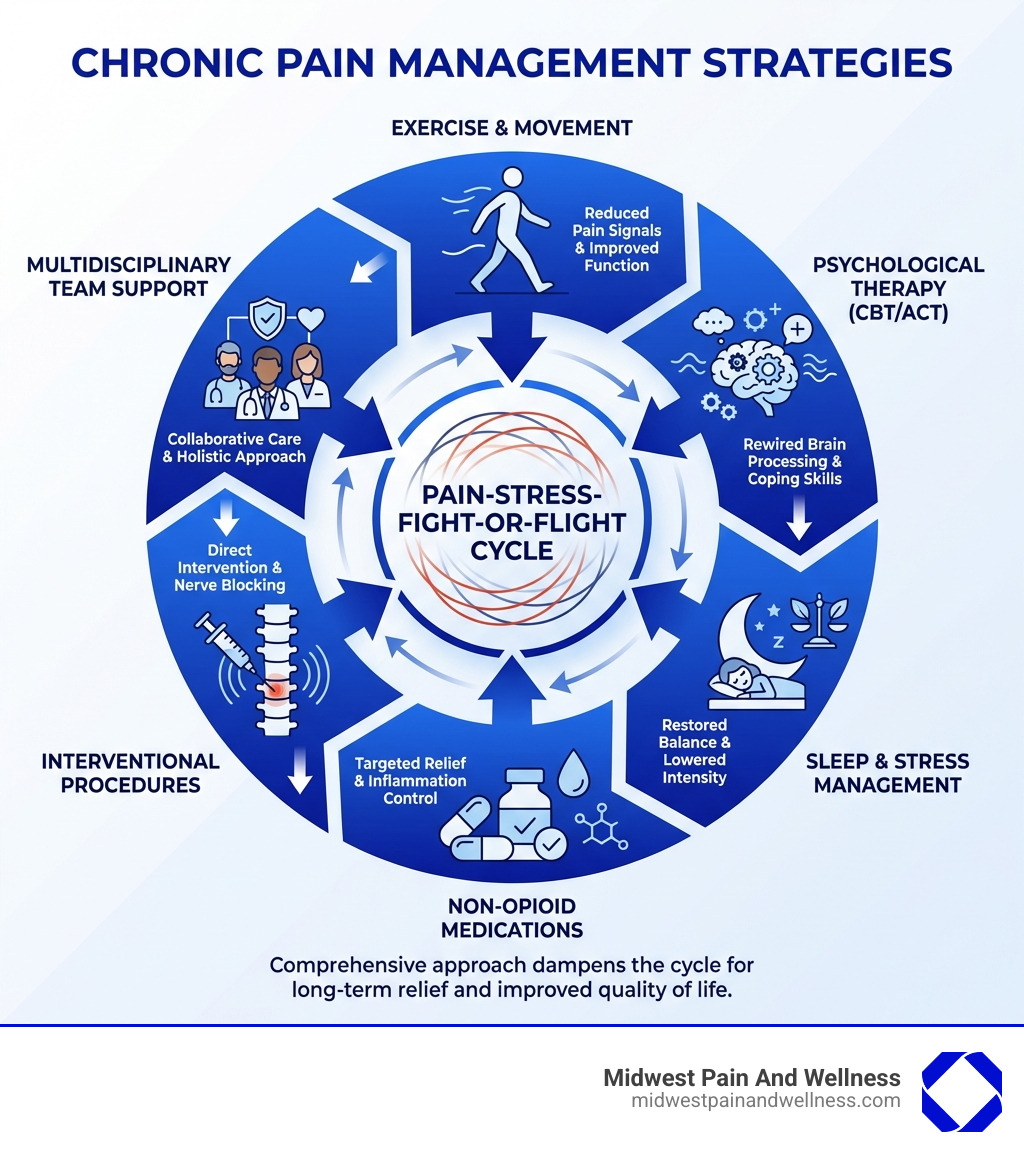
- Move regularly — gentle exercise like walking, swimming, or yoga helps block pain signals
- Try psychological therapy — CBT and mindfulness rewire how your brain processes pain
- Improve sleep and reduce stress — both directly affect how you feel pain
- Work with a multidisciplinary team — doctors, physical therapists, and psychologists together get better results
- Explore non-opioid treatments — antidepressants, anticonvulsants, TENS, nerve blocks, and more
- Avoid opioids for long-term use — they rarely reduce pain by more than one-third after 18 months
Chronic pain is pain that lasts longer than 3 months. It’s not just a physical problem — it affects your mood, sleep, relationships, and ability to do the things you love.
And it’s incredibly common. 3 out of 10 people in the U.S. live with persistent, chronic pain every day.
Unlike a broken bone or a sprained ankle, chronic pain doesn’t always have a clear cause. It can linger long after an injury heals, or appear with no obvious injury at all. That makes it frustrating — and often misunderstood.
The good news? There are real, evidence-based strategies that work. You don’t have to just live with it.
I’m Dr. Yaw Donkoh, a double board-certified physician in anesthesiology and interventional pain management, and founder of Midwest Pain and Wellness — and helping patients find lasting, non-opioid solutions to chronic pain is at the heart of what I do. In this guide, I’ll walk you through exactly how to manage chronic pain using the most current, effective approaches available.
Understanding the Science: What is Chronic Pain?
To understand how to manage chronic pain?, we first have to understand what it actually is. In the medical world, we distinguish between acute and chronic pain. Acute pain is your body’s alarm system; it tells you that you’ve stepped on a LEGO or burned your hand on the stove. It usually resolves once the tissue heals.
Chronic pain is different. It is defined by the 3-month threshold. If pain persists or recurs for longer than 12 weeks, it has moved into the chronic category. At this stage, the pain is often no longer just a symptom of an injury—it becomes the disease itself.
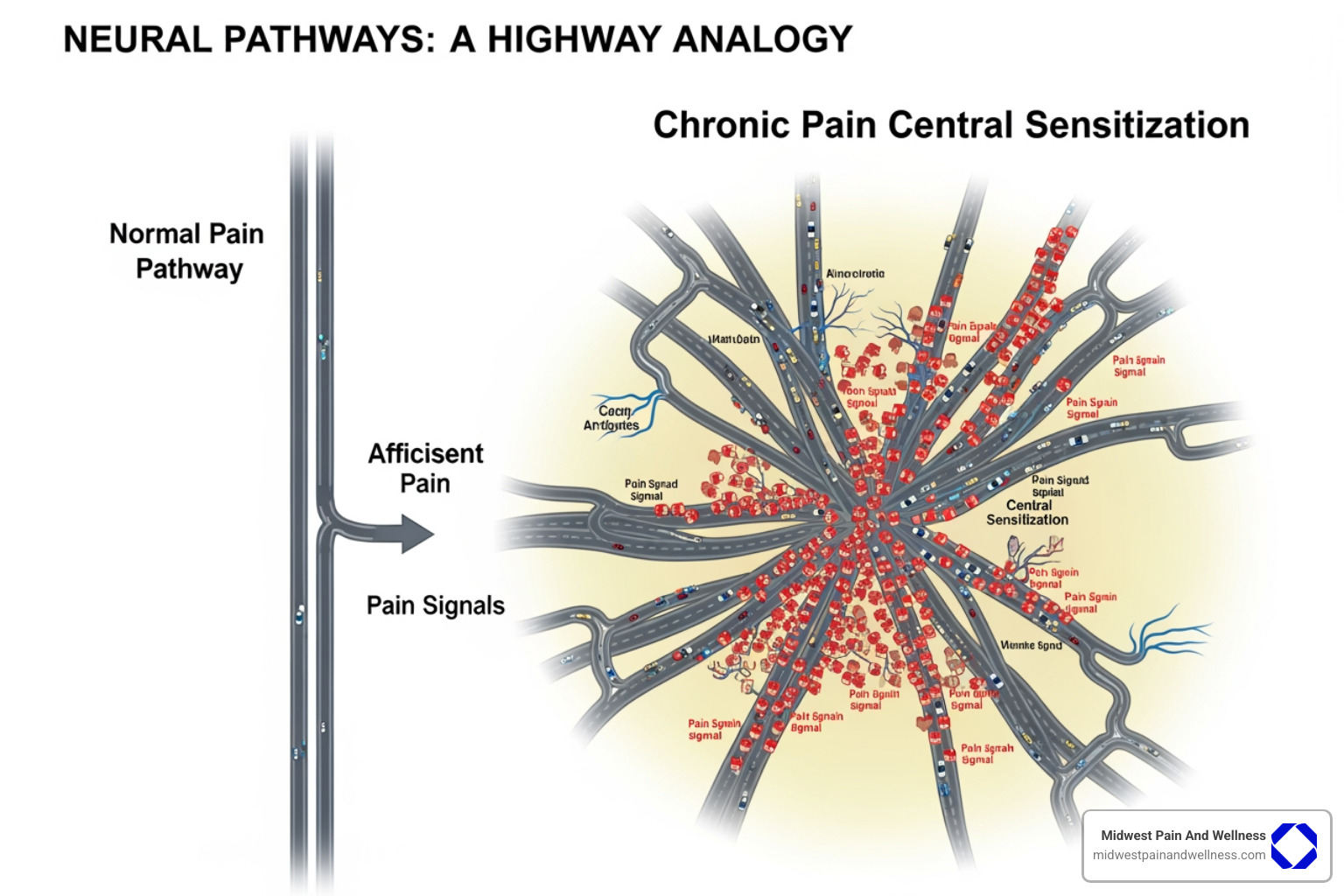
This shift happens due to a process called central sensitization. Think of your nervous system like a city’s highway system. In a healthy body, there is one clear road for pain signals to travel. But with chronic pain, the “city” grows, and the brain builds multiple new “highways” (neural pathways) to carry those signals. Eventually, the system becomes so sensitive that even a light touch or a gentle movement can trigger a massive traffic jam of pain.
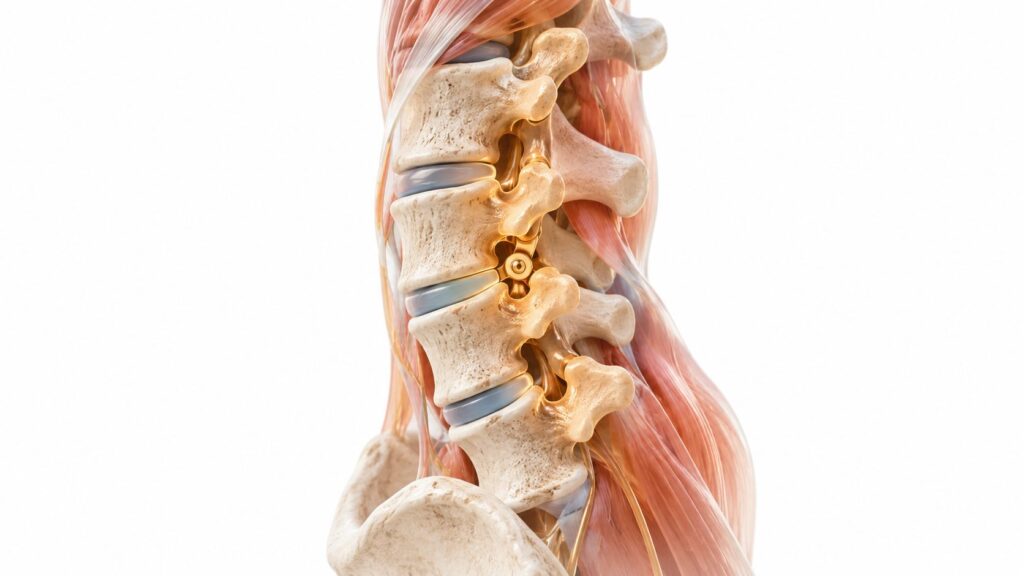
Nerve damage and scientific research on changes in brain structure show that persistent pain can actually physically alter the brain’s gray matter. This is why “just toughening up” doesn’t work; the hardware of your body has changed.
Assessing Your Pain Levels
Because pain is a deeply personal experience, there is no blood test or X-ray that can tell us exactly how much you hurt. Instead, we rely on a subjective 0-10 scale.
- 0: No pain at all.
- 10: The worst pain imaginable.
However, we look at more than just a number. We look at the functional impact. Can you walk to the mailbox? Can you play with your grandkids? Keeping a pain diary can help you track these patterns. We also recognize diagnostic limitations; many patients have severe pain even when their MRIs look “normal.” This is why finding the right specialist is key. You can find more info about what is a pain management doctor to understand how we bridge the gap between diagnosis and daily relief.
How to Manage Chronic Pain Through Lifestyle and Self-Care
While medical treatments are vital, a huge part of how to manage chronic pain? happens in your own home. Self-care isn’t just a buzzword; it’s a clinical necessity.
One of the most effective tools is pacing. Many people with chronic pain fall into a “boom and bust” cycle: they feel good one day, do way too much, and then spend three days in bed recovering. Pacing means doing tasks in smaller steps and taking breaks before the pain spikes.
Other essential lifestyle changes include:
- Stress Reduction: Stress triggers the “fight or flight” response, which causes muscles to tense and inflammation to rise, amplifying pain.
- Anti-inflammatory Diet: Focusing on whole foods, healthy fats, and lean proteins can reduce the systemic inflammation that fuels joint and muscle pain.
- Smoking Cessation: Smoking restricts blood flow to your discs and joints, making it harder for your body to heal.
Practicing deep breathing techniques for pain relief can help calm the nervous system and break the fight-or-flight cycle. For a deeper dive into these habits, check out more info about effective pain management strategies.
How to manage chronic pain with psychological therapy
It might feel insulting if a doctor suggests a psychologist for physical pain, but the brain is where pain is processed. Cognitive Behavioral Therapy (CBT) and Acceptance and Commitment Therapy (ACT) are gold-standard treatments.
CBT helps you identify “catastrophizing” thoughts, such as “This pain will never end.” These thoughts actually increase the brain’s sensitivity to pain. By modifying these thoughts, we can literally rewire the brain’s response. You can explore CBT resources from the APA to see how this works.
Improving Sleep and Nutrition
There is a bidirectional link between sleep and pain. If you don’t sleep, your pain feels worse the next day. If you are in pain, you can’t sleep. To break this cycle, we recommend:
- Regular Routines: Go to bed and wake up at the same time every day.
- Avoiding Naps: This ensures you are tired enough to fall asleep at night.
- Nutrition: Hydration and nutrient-dense foods provide the building blocks your nerves need to function correctly.
For practical help on resting, see these tips for getting a good night’s sleep.
Professional Treatments and Multidisciplinary Care
At Midwest Pain and Wellness, we believe in a multidisciplinary team approach. This means we don’t just look at your spine or your joints in isolation. We coordinate care across different disciplines:
- Physical Therapy (PT): Helps strengthen muscles to take the load off your joints.
- Occupational Therapy: Teaches you how to modify daily tasks to reduce strain.
- Movement Therapy: Activities like Yoga and Tai Chi are excellent for maintaining flexibility without overexertion.
You can read more info about functional pain management to see how these therapies integrate into a total care plan.
How to manage chronic pain without opioids
For many years, opioids were the “go-to” for pain. We now know that for chronic, non-cancer pain, they are often not the best choice. In fact, chronic opioid therapy rarely shows more than a one-third reduction in pain when used longer than 18 months.
Instead, we use a variety of non-opioid medications:
- NSAIDs and Acetaminophen: For inflammation and general pain.
- Anticonvulsants (like Gabapentin): Excellent for nerve-related pain.
- Antidepressants: These can help modulate how the brain perceives pain signals.
- Topical Treatments: Creams and patches that deliver relief directly to the site.
| Feature | Acute Pain Treatment | Chronic Pain Treatment |
|---|---|---|
| Primary Goal | Cure / Heal Injury | Function / Quality of Life |
| Medication | Opioids (short-term), NSAIDs | Adjuvants, Topicals, Non-Opioids |
| Approach | Rest / Immobilization | Active Movement / Pacing |
| Timeline | Days to Weeks | Ongoing / Long-term |
For more on our philosophy, see more info about opioid-free pain management.
Interventional Procedures and Advanced Relief
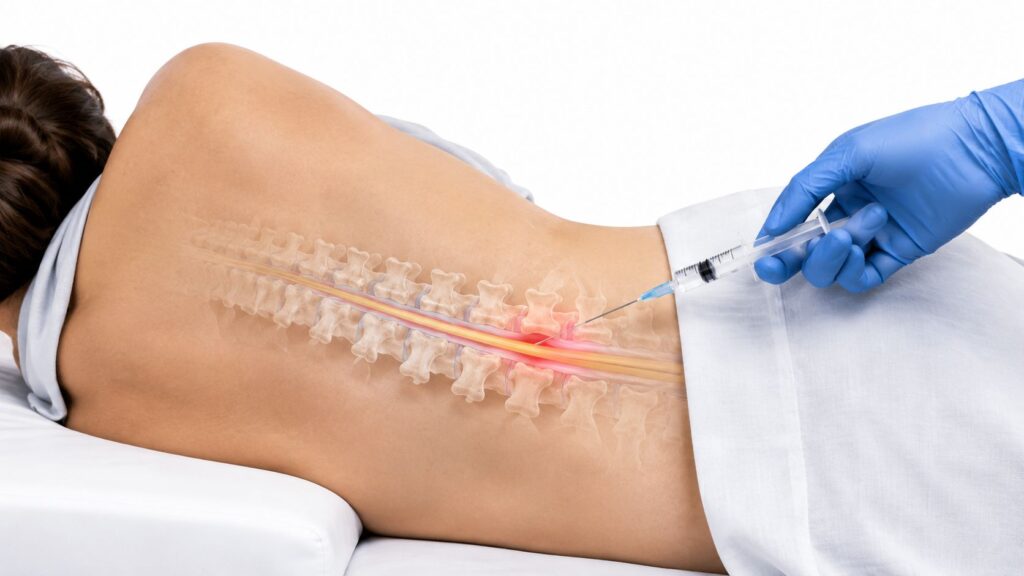
When lifestyle changes and medications aren’t enough, we turn to interventional procedures. These are minimally invasive techniques designed to “turn off” the pain at the source:
- Nerve Blocks & Epidural Injections: Delivering anti-inflammatory medication directly to the affected nerve.
- Radiofrequency Ablation (RFA): Using heat to temporarily disable a nerve’s ability to send pain signals.
- Spinal Cord Stimulation: An implanted device that sends mild electrical pulses to the spinal cord to mask pain.
- TENS Units: Portable devices that use electrical currents to provide relief through the skin.
These procedures provide a “window of relief” that allows you to engage more fully in physical therapy and exercise. Explore more info about non-surgical pain relief for a full list of options.
Creating Your Personalized Pain Management Plan
The most important step in how to manage chronic pain? is moving from a passive “fix me” mindset to an active “collaborative care” mindset.
Your plan should include:
- Specific Goals: Instead of saying “I want to be pain-free,” try “I want to walk for 20 minutes without a flare-up.”
- Social Support: Connect with friends, family, or support groups to reduce the isolation that often accompanies chronic illness.
- A Flare-up Protocol: Knowing exactly what to do when the pain gets bad prevents panic and ER visits.
Resources like The Pain Toolkit for self-management offer practical advice for daily living. You can also find more info about treatment procedures to see which interventions might fit your specific needs.
Frequently Asked Questions about Chronic Pain
What should I do during a sudden pain flare-up?
Don’t panic! Panic increases muscle tension, which makes the pain worse.
- Pace yourself: Scale back your activity but don’t stop moving entirely.
- Use relaxation techniques: Deep breathing or mindfulness can help lower your nervous system’s “volume.”
- Reassess: Think about what might have triggered it (stress, overexertion) and adjust your plan.
- Contact us: If the flare-up is unusual or severe, reach out to your healthcare provider.
Why are opioids not recommended for long-term non-cancer pain?
There are several reasons:
- Tolerance: Over time, you need higher doses to get the same effect.
- Opioid-Induced Hyperalgesia (OIH): Long-term use can actually make your nerves more sensitive to pain.
- Addiction Risks: The risk of dependence is a serious concern for long-term therapy.
- Effectiveness: Studies show they often fail to provide significant relief beyond the 18-month mark for non-cancer conditions. Check out more info about chronic pain treatment for better alternatives.
How does exercise help if it causes temporary discomfort?
It feels counterintuitive, but movement is medicine.
- Blocking Signals: Exercise releases endorphins, which are the body’s natural painkillers.
- Stretching: It prevents the stiffness that leads to more pain.
- Long-term Gains: While it might hurt slightly at first, the long-term benefit of stronger muscles and better flexibility far outweighs the initial discomfort. For more guidance, see gentle exercise advice from the British Pain Society.
Conclusion
At Midwest Pain and Wellness, we understand that chronic pain is a complex, exhausting battle. But it is a battle you can win. By using a multi-modal, opioid-free approach, we focus on restoring your function and giving you back your life.
Our double board-certified doctors are experts in the latest interventional procedures and collaborate with you to create a custom care plan that addresses the root of your pain. Whether you are in Chicago Ridge or the surrounding Naperville area, we are here to support your journey toward long-term relief.
Ready to start your journey? Learn more about the conditions we treat and take the first step toward winning the war against chronic pain today.