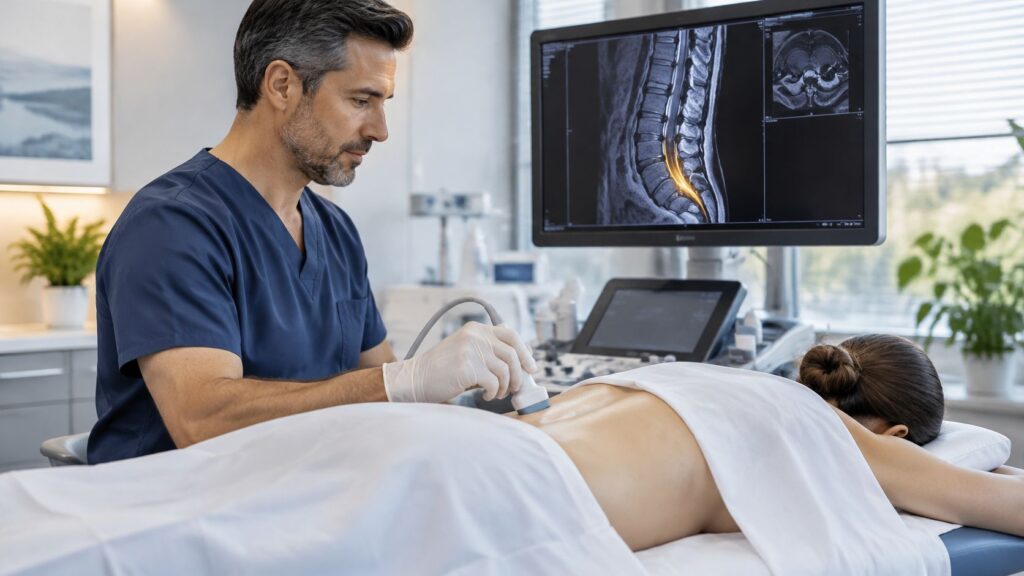
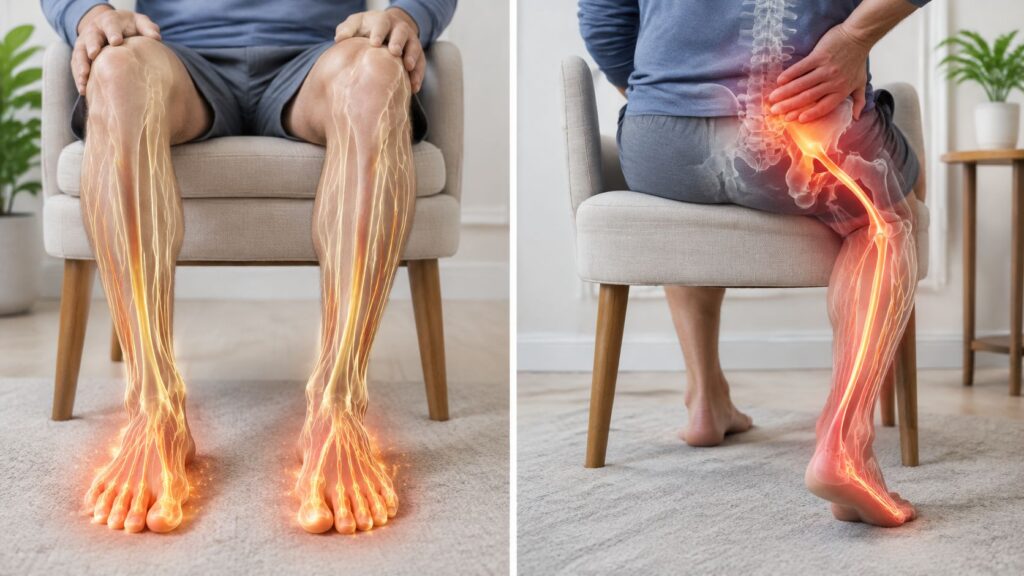
You expected surgery to move you forward. Instead, weeks later, the incision looks clean, the surgeon says healing is progressing, and you're still feeling burning, electric shocks, stabbing pain, or pins and needles near the surgical area. That mismatch can be frightening, especially when routine soreness should be settling while the pain seems sharper, stranger, or more sensitive to light touch.
This pattern may reflect post-surgical neuropathic pain, a nerve-related condition that needs a different evaluation from ordinary tissue soreness. It can follow breast, chest, hernia, amputation, spine, or joint surgery, and it can emerge after an initially comfortable recovery. For patients in Chicago Ridge, Palos Heights, Palos Hills, Evergreen Park, and Hickory Hills, recognizing the pattern early can make it easier to seek coordinated care from a pain and wellness clinic rather than just being told to wait.
Table of Contents
- When Surgery Heals But the Pain Doesn't Go Away
- What Post-Surgical Neuropathic Pain Actually Is
- Which Surgeries Carry the Highest Nerve-Injury Risk
- How Doctors Tell Nerve Pain Apart From Normal Surgical Pain
- Treatment Options From Conservative Care to Neuromodulation
- Why Early Specialist Evaluation Changes the Outcome
- Your Recovery Roadmap and Local Referral Pathway
When Surgery Heals But the Pain Doesn't Go Away
Consider someone who feels reasonably comfortable after a mastectomy. The incision closes, swelling decreases, and follow-up is reassuring. Then a strip of skin beside the scar begins to burn beneath clothing. A light touch feels like a spark. The discomfort may travel toward the chest wall or under the arm, even though nothing looks infected.
A similar experience can occur after thoracotomy, hernia repair, or knee replacement. The patient may describe a deep ache at first, followed later by stabbing jolts or a hot, prickling sensation. The surgeon may find no obvious wound problem, but that doesn't mean the pain is imaginary or insignificant. It may mean the tissues have improved while nearby nerves remain irritated, compressed, stretched, or injured.
Practical rule: Pain that feels burning, electric, shock-like, or unusually sensitive to clothing deserves a nerve-focused assessment.
Routine postoperative pain generally follows the healing tissues. It tends to improve as inflammation and surgical trauma settle. Neuropathic pain behaves differently. It can remain in a narrow nerve distribution, flare with touch, or feel disproportionate to what the incision looks like.
The distinction matters because the treatment pathway changes. A patient may need sensory mapping, medication aimed at abnormal nerve signaling, a diagnostic nerve block, or an interventional plan rather than repeated escalation of standard pain medicine. The goal isn't to label every lingering ache as nerve pain. The goal is to identify the patients whose symptoms point to a distinct mechanism and act before reduced movement, poor sleep, and fear of activity become part of the problem.
What Post-Surgical Neuropathic Pain Actually Is
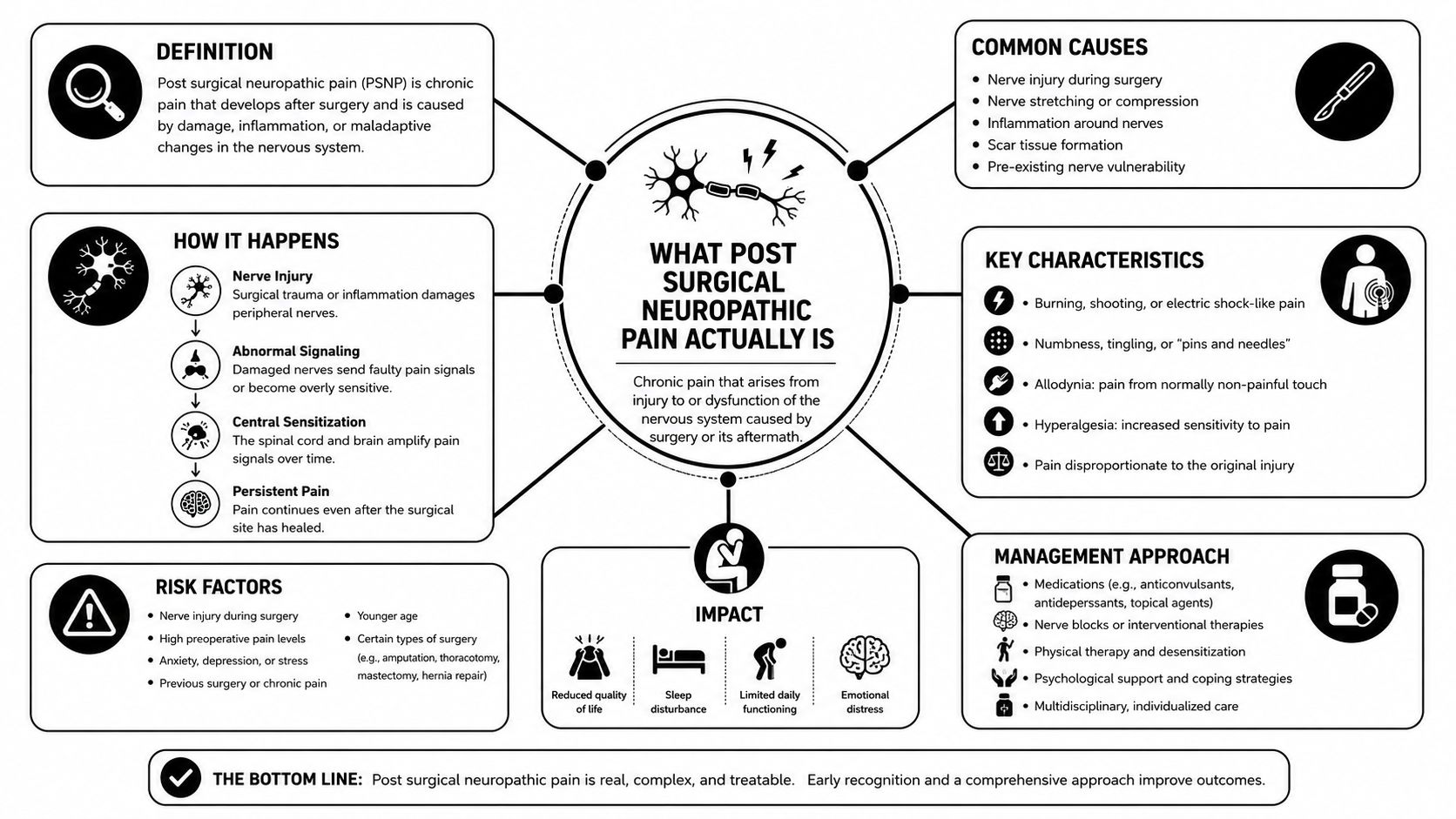
Post-surgical neuropathic pain begins when an operation or the healing process disrupts a nerve. The nerve may be cut, stretched, compressed, inflamed, or affected by scar tissue. Even after the incision and deeper tissues start healing, the nerve can continue sending abnormal signals.
A house with damaged wiring provides a useful comparison. The walls and flooring may look repaired, while faulty wiring still causes flickering signals. Neuropathic pain works similarly. Routine postoperative soreness usually comes from healing skin, muscle, bone, or connective tissue. Nerve pain comes from signaling that has become overly sensitive or misdirected.
Patients may describe the sensation in several ways:
- Burning or scorching: The area feels hot even when the skin temperature is normal.
- Electric or shooting: Jolts travel along a recognizable path.
- Pins and needles: Tingling may occur with numbness or prickling.
- Allodynia: Light contact from clothing or a bedsheet becomes painful.
- Hyperalgesia: A painful stimulus feels far more intense than expected.
The injured structure might be a small peripheral nerve beside the incision, a larger nerve in an arm or leg, a nerve plexus, or a spinal nerve root. Symptom location gives a specialist clues about which anatomy to examine. Scar tissue and changing inflammation can also restrict how a nerve moves. As a result, symptoms may become clearer weeks or months after surgery rather than appearing immediately.
Neuropathic pain is one form of chronic postsurgical pain, not another name for every pain that lasts after an operation. A 2023 review reported persistent postsurgical pain in about 10% to 50% of patients worldwide. It also reported severe cases in the United Kingdom affecting 2% to 10% of adults undergoing surgery, equivalent to at least 140,000 patients each year. In the populations discussed, surgically induced neuropathic pain occurred in 60% of limb-amputation patients, 20% to 40% after mastectomy, 20% after hernia repair, and 20% to 40% after thoracotomy (2023 review of post-surgical neuropathic pain).
Which Surgeries Carry the Highest Nerve-Injury Risk
The type and location of an operation provide useful clues about nerve-injury risk. An incision may cross a superficial nerve, surgical positioning may place traction on a nerve, or the procedure may alter the chest wall or an entire limb. Each situation creates a different recovery pattern. The risk belongs to the procedure, not to every patient who undergoes it, so follow-up should focus on the operation performed rather than on a general promise that soreness will fade.
A systematic summary found cumulative neuropathic pain risk within six months ranging from 3.2% after laparoscopic herniorrhaphy to 37.1% after breast cancer surgery. Another review reported definite or probable neuropathic pain in 6% after total hip or knee arthroplasty, 31% to 45% after hernia surgery, 52% to 66% after thoracotomy, and 68% to 74% after mastectomy (procedure-specific review of postsurgical neuropathic pain).
| Procedure | Estimated neuropathic pain incidence | Most commonly injured nerve or nerve region |
|---|---|---|
| Mastectomy | 68% to 74% definite or probable neuropathic pain in the cited review | Intercostal and intercostobrachial nerve regions |
| Thoracotomy | 52% to 66% definite or probable neuropathic pain in the cited review | Intercostal nerve region |
| Hernia surgery | 31% to 45% definite or probable neuropathic pain in the cited review | Ilioinguinal, iliohypogastric, and genitofemoral nerve regions |
| Total hip or knee arthroplasty | 6% definite or probable neuropathic pain in the cited review | Peripheral nerves around the operative limb |
| Laparoscopic herniorrhaphy | 3.2% cumulative risk within six months in the cited summary | Nerves near the abdominal wall and groin |
These figures describe groups, not an individual forecast. A patient's incision, surgical technique, nerve anatomy, and early recovery can all change the picture.
Amputation deserves separate attention. Removal of a limb changes how the nervous system represents that body region, while injured peripheral nerves can continue sending signals from the residual limb. The result may include phantom limb pain with burning, electric, or other neuropathic qualities. Review data reported surgically induced neuropathic pain in 60% of limb-amputation patients, as noted earlier.
Personal factors can change the picture
Procedure risk is only one part of the assessment. A study of traumatic peripheral nerve surgery found that injury to a major nerve increased the odds of persistent pain, with an odds ratio of 1.6. Younger age and fewer years since surgery were also associated with pain outcomes in that analysis (study of predictors after traumatic peripheral nerve surgery).
Early sensory changes deserve attention. Hyperalgesia soon after surgery may indicate that the nervous system is becoming unusually reactive. Severe acute pain, pain sensitivity before surgery, anxiety or depression, diabetes, and prior radiation can complicate recovery. None guarantees persistent neuropathic pain. Together, they support closer follow-up and earlier referral to a pain specialist, including for patients in Chicago Ridge and the southwest suburbs who need procedure-specific evaluation.
How Doctors Tell Nerve Pain Apart From Normal Surgical Pain
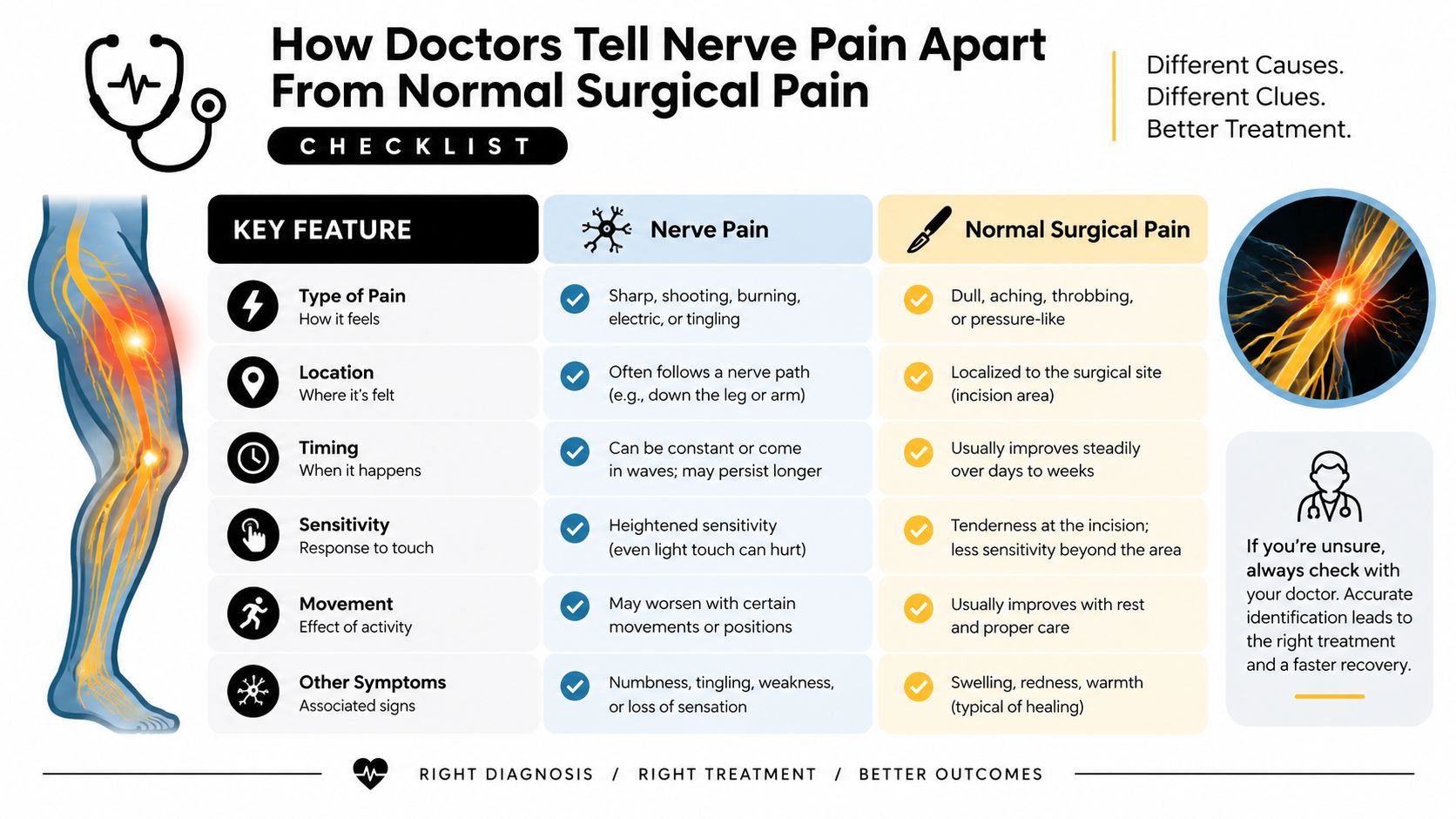
A specialist doesn't diagnose neuropathic pain from one adjective. “Sharp” can describe nerve pain, inflammation, a muscle spasm, or a mechanical problem. The clinician combines the surgical history, timing, distribution, triggers, examination, and response to carefully selected tests.
The history maps the mechanism
Expect questions such as:
- Quality: Does it burn, shock, stab, tingle, or feel numb?
- Timing: Did it start immediately, after an initially comfortable period, or after a change in activity?
- Distribution: Does it follow a narrow strip, a limb, a joint, or a spinal nerve pattern?
- Triggers: Do clothing, touch, movement, coughing, or pressure provoke it?
- Function: Has pain changed walking, lifting, sleep, work, or rehabilitation?
The physical examination then compares sensation on both sides. The specialist may test light touch, pin sensation, temperature, vibration, strength, reflexes, and the presence of allodynia or hyperalgesia. A sensory map can reveal whether symptoms correspond to a peripheral nerve, a nerve root, or a less defined postsurgical pain pattern.
Validated screeners such as the DN4 questionnaire can organize symptoms and support clinical judgment. They don't replace an examination, and a score alone doesn't identify the injured structure. Quantitative sensory testing, nerve conduction studies, electromyography, ultrasound, or MRI may help when weakness, entrapment, spinal involvement, or another structural problem remains possible.
Know when the situation is urgent
Call the surgical team or seek same-day medical guidance for progressive weakness, new bowel or bladder changes, spreading numbness, fever, unexplained swelling, wound drainage, or rapidly worsening pain. Those findings may point to infection, a compressive problem, a vascular issue, or another complication that shouldn't wait for a routine pain consultation.
If you're also trying to understand the documentation or insurance questions that can follow suspected nerve injury, a nerve damage claim compensation guide can provide general legal context. It doesn't diagnose pain or determine whether a particular treatment is appropriate.
For a plain-language overview of the clinical process, review how nerve pain is diagnosed. Bring your operative report, medication list, imaging, and a short symptom timeline. Clear records help the clinician distinguish a new nerve syndrome from the original surgical condition.
Treatment Options From Conservative Care to Neuromodulation
A burning groin scar after hernia surgery, electric pain down the leg after spine surgery, and painful sensitivity around a knee replacement may all reflect nerve injury, but they do not share the same treatment target. Care should match the suspected nerve, the degree of functional loss, and the patient's goals. Improvement often comes from combining several measured interventions rather than searching for one universal solution.
Start with function and symptom control
Conservative care may include graded rehabilitation, desensitization, gentle nerve-mobility exercises, sleep protection, and a gradual return to meaningful activity. A physical therapist can reduce guarding without repeatedly provoking the affected nerve. Transcutaneous electrical nerve stimulation may serve as a noninvasive adjunct, although its benefit varies with the patient and pain pattern.
Medication choices include gabapentinoids, duloxetine, tricyclic medications, and topical lidocaine or capsaicin. Each option has possible benefits, side effects, contraindications, and medication interactions. The prescribing clinician should review kidney function, mood symptoms, sedation risk, cardiac history, current medications, and whether the patient needs to stay alert for work or driving.
Pain and mood affect each other in both directions. Ongoing pain can disturb sleep and reduce activity, while anxiety or depression can make pain harder to manage. The resource understanding the back pain and depression link can help patients and families discuss those emotional effects without treating them as evidence that the pain is psychological.
Escalate when the target becomes clearer
A diagnostic nerve block can test whether a particular nerve contributes to the symptoms. If the response supports that target, an ultrasound-guided therapeutic block may calm local irritation and make rehabilitation easier. Epidural injections may have a role when pain arises from a spinal nerve root. Radiofrequency ablation is considered only when the anatomy and diagnostic workup identify a suitable target.
Persistent pain that remains disabling despite appropriate conservative treatment may lead to a discussion of peripheral nerve stimulation, spinal cord stimulation, or dorsal root ganglion stimulation. Regenerative options such as platelet-rich plasma may also be reviewed, although availability and supporting evidence differ by condition.
Evidence is not equally strong for every approach. A review of neuropathic pain after total knee arthroplasty found that evidence for four common management approaches remained equivocal. A case-based review after lumbar spine surgery described multimodal care as a framework, not proof that one intervention works for every pain phenotype. That uncertainty supports careful goal-setting and follow-up rather than abandoning treatment.
| Approach | Examples | Typical use | Evidence note |
|---|---|---|---|
| Rehabilitation | Graded therapy, desensitization, nerve mobility, sleep support | Restore movement and reduce guarding | Tailor to tolerance and the suspected nerve pattern |
| Medication | Gabapentinoids, duloxetine, tricyclics, topical lidocaine or capsaicin | Reduce abnormal nerve signaling | Response and tolerability vary |
| Diagnostic and therapeutic procedures | Ultrasound-guided blocks, epidural injections | Confirm or calm a suspected pain source | Most useful when examination identifies a plausible target |
| Radiofrequency treatment | Target-specific radiofrequency ablation | Selected confirmed pain generators | Not appropriate for every injured nerve |
| Neuromodulation | Peripheral nerve, spinal cord, or dorsal root ganglion stimulation | Refractory neuropathic pain with functional limitations | Requires careful selection and shared decision-making |
| Regenerative options | PRP and related therapies | Selected cases after discussion of alternatives | Evidence remains condition-specific and evolving |
For patients in Chicago Ridge and the southwest suburbs, Midwest Pain & Wellness offers multimodal pain care that may include image-guided injections, nerve blocks, radiofrequency procedures, peripheral nerve stimulation, spinal cord stimulation, and regenerative options. Before discussing whether neuromodulation fits the pain pattern, patients can review how spinal cord stimulation works to understand how electrical stimulation is used to alter pain signaling.
Why Early Specialist Evaluation Changes the Outcome
The incision may look normal while the pain pattern is changing. Burning, electric shocks, pain from light touch, or symptoms that do not follow the expected postoperative course can signal nerve involvement. A referral does not imply that the operation was performed incorrectly. It gives the surgeon and pain specialist a chance to connect the operative details, examination, and symptom pattern before those clues become harder to separate.
A practical threshold is two to four weeks of persistent nerve-type symptoms. This timing does not automatically call for an injection or another invasive treatment. It means the patient should discuss the symptoms with the surgical team or a pain specialist rather than continue waiting without a focused assessment.
What early coordination can accomplish
The surgeon can share the operative report, positioning details, known nerve findings, pathology, and postoperative imaging. The pain specialist can add sensory mapping, medication review, and a function-based plan. Keeping these records together can reduce repeated testing and conflicting prescriptions.
Early evaluation may reveal treatable compression, a wound complication, or a mechanical pain source. It can also clarify whether persistent symptoms are becoming less tied to the original injury and more influenced by sensitization. That distinction affects the next decision. Patients may then progress through appropriate conservative care, targeted diagnostic work, and discussion of neuromodulation with a documented timeline.
A referral is not a commitment to an injection or implant. It is a commitment to finding out what kind of pain you have.
Persistent pain after surgery is common enough to deserve attention, and preoperative anxiety or depression combined with intense acute postoperative pain may increase the likelihood of ongoing symptoms. The practical response is coordination among surgical and pain teams, attention to sleep and movement, and support for mental health when needed. These factors belong in the same plan as the suspected nerve mechanism, not in separate boxes (review discussing psychosocial and postoperative predictors).
For patients in Chicago Ridge and the southwest suburbs, a local pain specialist can coordinate records with the operating team and arrange assessment when nerve-type symptoms persist.
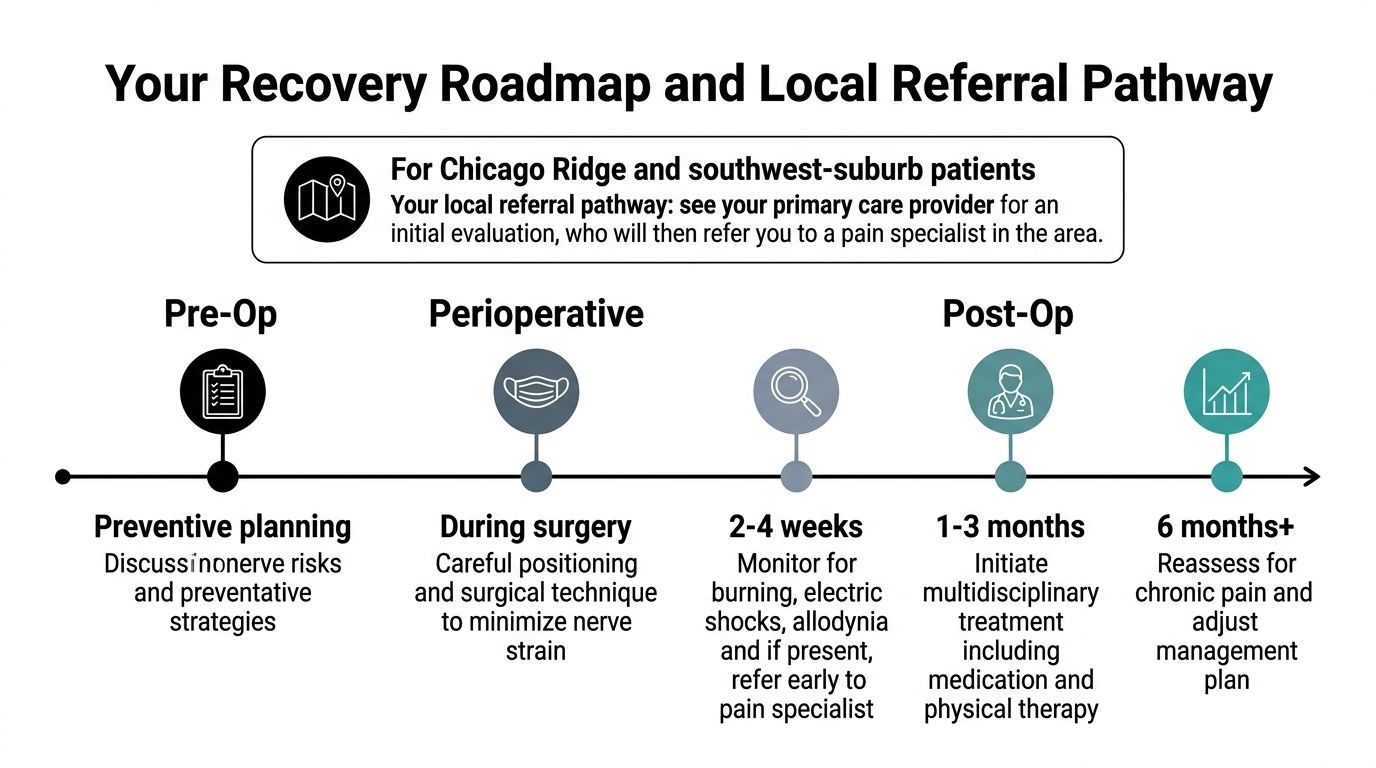
Your Recovery Roadmap and Local Referral Pathway
A useful recovery plan starts before the operation and stays specific afterward. Before surgery, record your baseline pain, numbness, weakness, walking tolerance, sleep quality, and current medications. Ask the surgical team which nerves are near the operative field, what symptoms would be expected, and how to report changes.
During preoperative planning, discuss regional anesthesia or other nerve-sparing strategies when appropriate for your procedure. Ask whether preoperative or perioperative medication is suitable for your risk profile. Don't start a gabapentinoid or antidepressant on your own. Your surgical and pain teams should decide whether such medication fits your medical history.
Use time points as decision points
At two to four weeks, report burning, electric shocks, new allodynia, spreading numbness, or pain that is not following the expected recovery pattern. At six weeks, review whether conservative care and medication have improved sleep, movement, and daily function. At twelve weeks, persistent symptoms may justify a more targeted diagnostic and interventional discussion, especially if a DN4 screening result and examination continue to support neuropathic pain.
If function remains limited despite appropriate trials, a longer-term neuromodulation review may be reasonable. The objective isn't to chase a calendar deadline. It's to make each checkpoint answer a practical question: Is the pain improving, is function returning, and does the working diagnosis still make sense?
For Chicago Ridge, Palos Heights, Palos Hills, Evergreen Park, and Hickory Hills patients, the local pathway can begin with a primary care provider, the operating surgeon, or a direct pain consultation when permitted by insurance and referral requirements. Surgeons can coordinate operative notes, imaging, medication history, and prior rehabilitation with Midwest Pain & Wellness, a pain and wellness clinic serving the area. Patients should bring their surgical date, procedure name, discharge instructions, medication list, imaging reports, operative report if available, and a brief day-by-day symptom record.
The guide on how to find a specialist doctor can help you prepare for that conversation and identify the information a new clinician will need. Don't wait for the pain to become unbearable before reporting a nerve-like pattern. Early clarity gives you more choices, while coordinated follow-up keeps the focus on safe recovery and restored function.
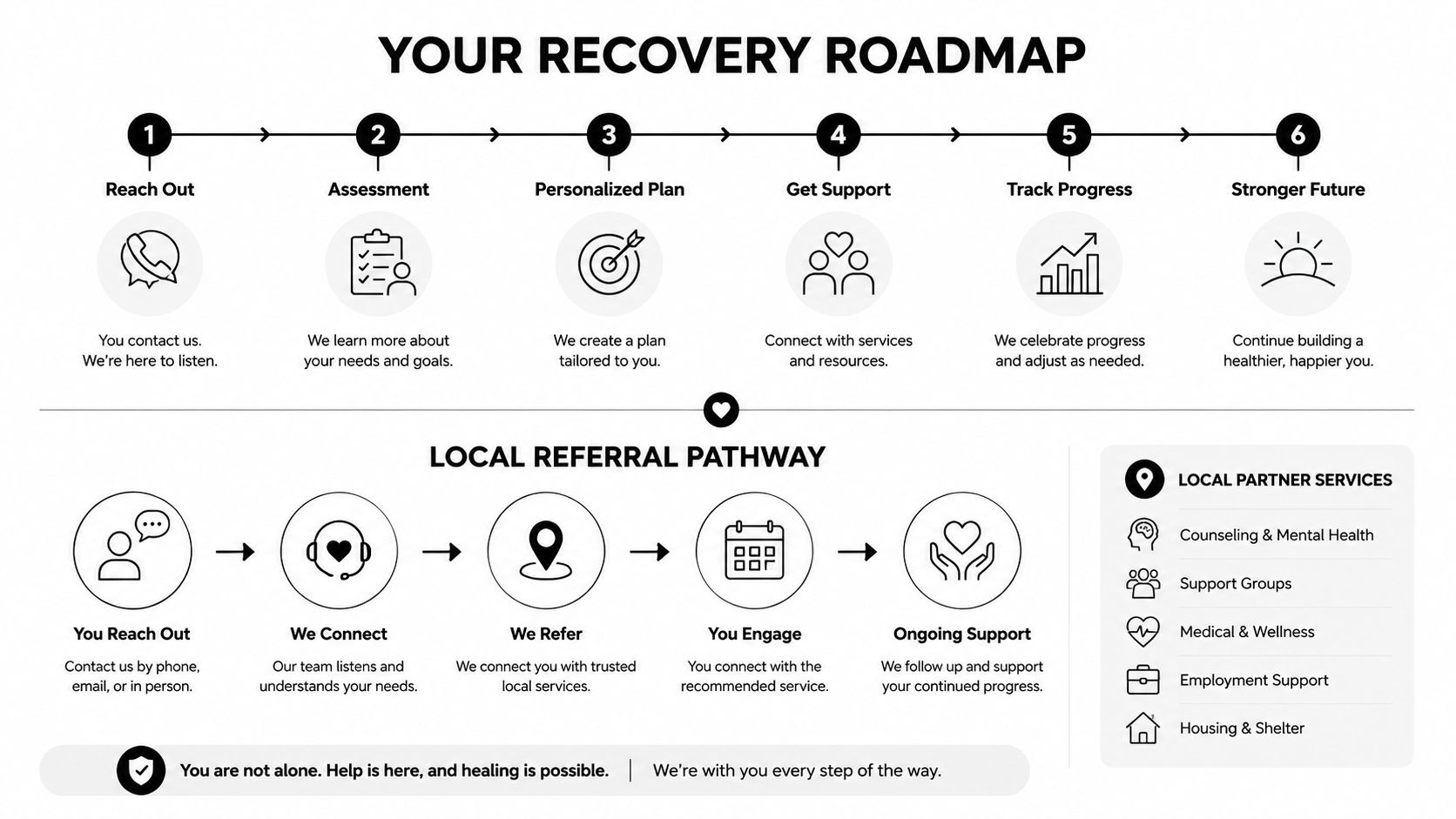
Midwest Pain & Wellness evaluates post-surgical neuropathic pain through individualized, opioid-sparing care, including medication planning, rehabilitation coordination, image-guided procedures, nerve blocks, radiofrequency treatment, and neuromodulation when appropriate. If you're in Chicago Ridge, Palos Heights, Palos Hills, Evergreen Park, or Hickory Hills and your surgical pain feels burning, electric, unusually sensitive, or persistently limiting, visit Midwest Pain & Wellness to request an evaluation and begin a clearer recovery plan.