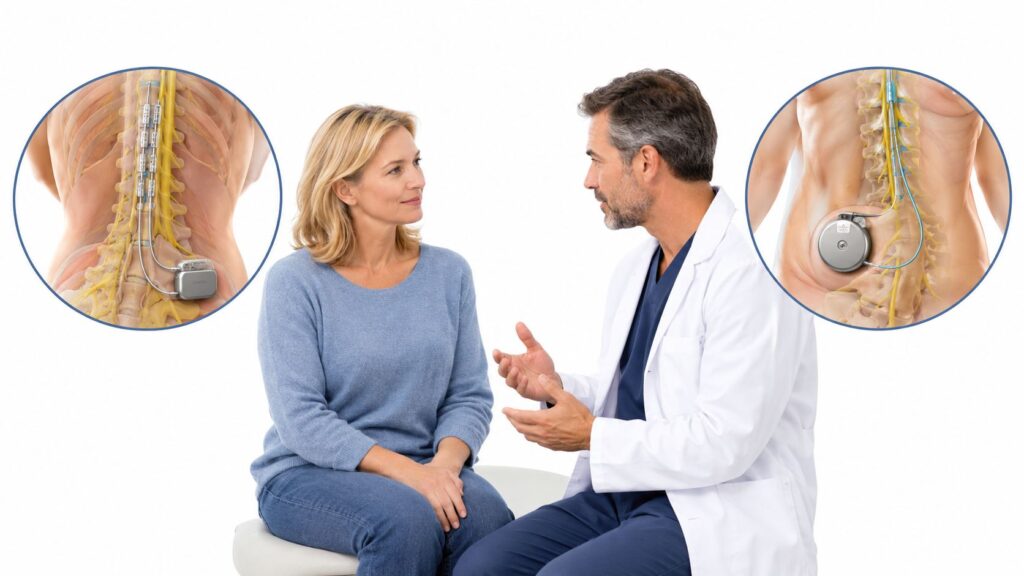
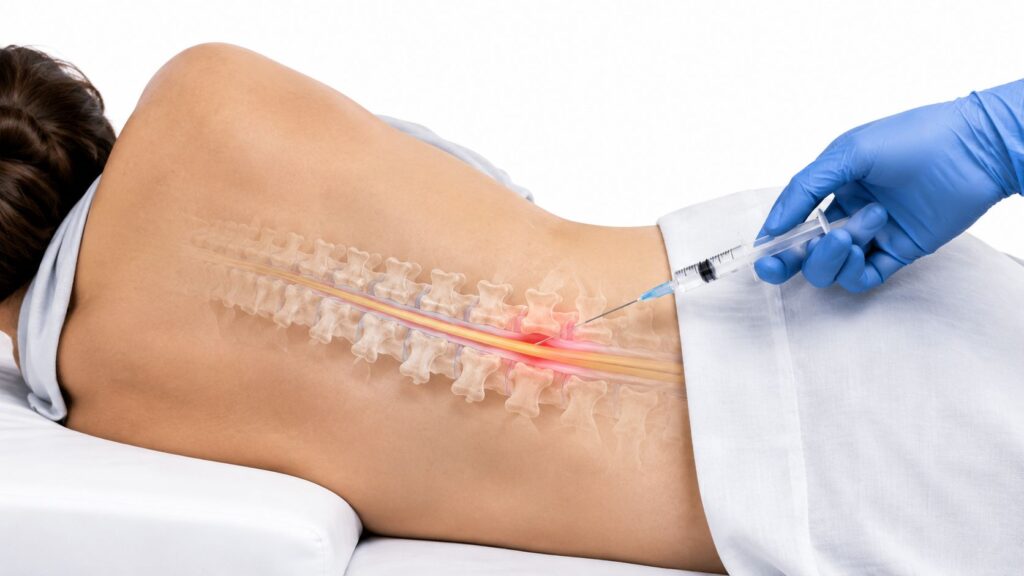
A facet joint injection is a targeted, image-guided spinal procedure that delivers local anesthetic, often with corticosteroid, into or near a facet joint or its supplying nerves. Facet joints are implicated in approximately 15%–45% of low-back pain, 54%–67% of neck pain, and 48% of thoracic pain, but the injection's most important role is often diagnosing the pain source rather than promising permanent relief.
You may be dealing with pain that has lingered through sleep, work, driving, and ordinary movement. Perhaps your MRI mentions arthritis, but nobody can say with confidence whether those findings explain the pain. Or maybe your back hurts when you stand upright and twist, while sitting down briefly helps. In that situation, a facet injection can provide useful information and, in selected cases, short-term symptom relief.
The key is to understand what the procedure can and can't do. A diagnostic injection tests whether a facet joint or its medial-branch nerve contributes to your pain. A therapeutic injection adds steroid in an attempt to calm inflammation. Neither should be presented as a guaranteed cure for chronic spinal pain.
Table of Contents
- Understanding Facet Joint Injections and Spinal Pain
- Identifying the Right Candidates for Facet Injections
- What to Expect During the Image-Guided Procedure
- Evaluating the Benefits and Limitations of Treatment
- Navigating Potential Risks and Safety Precautions
- Exploring Alternatives Like Radiofrequency Ablation
- Finding Expert Pain Management in Chicago Ridge
Understanding Facet Joint Injections and Spinal Pain
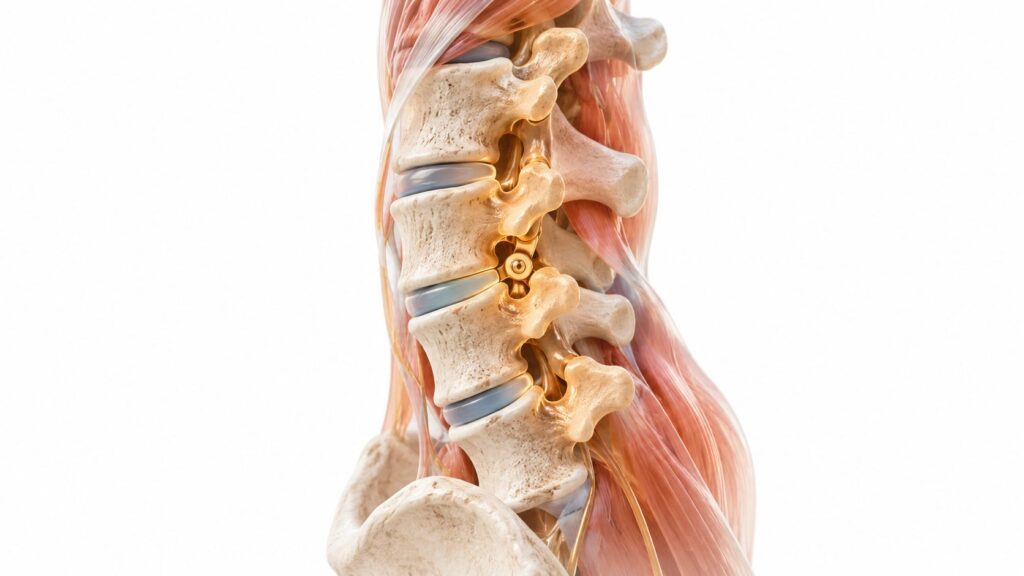
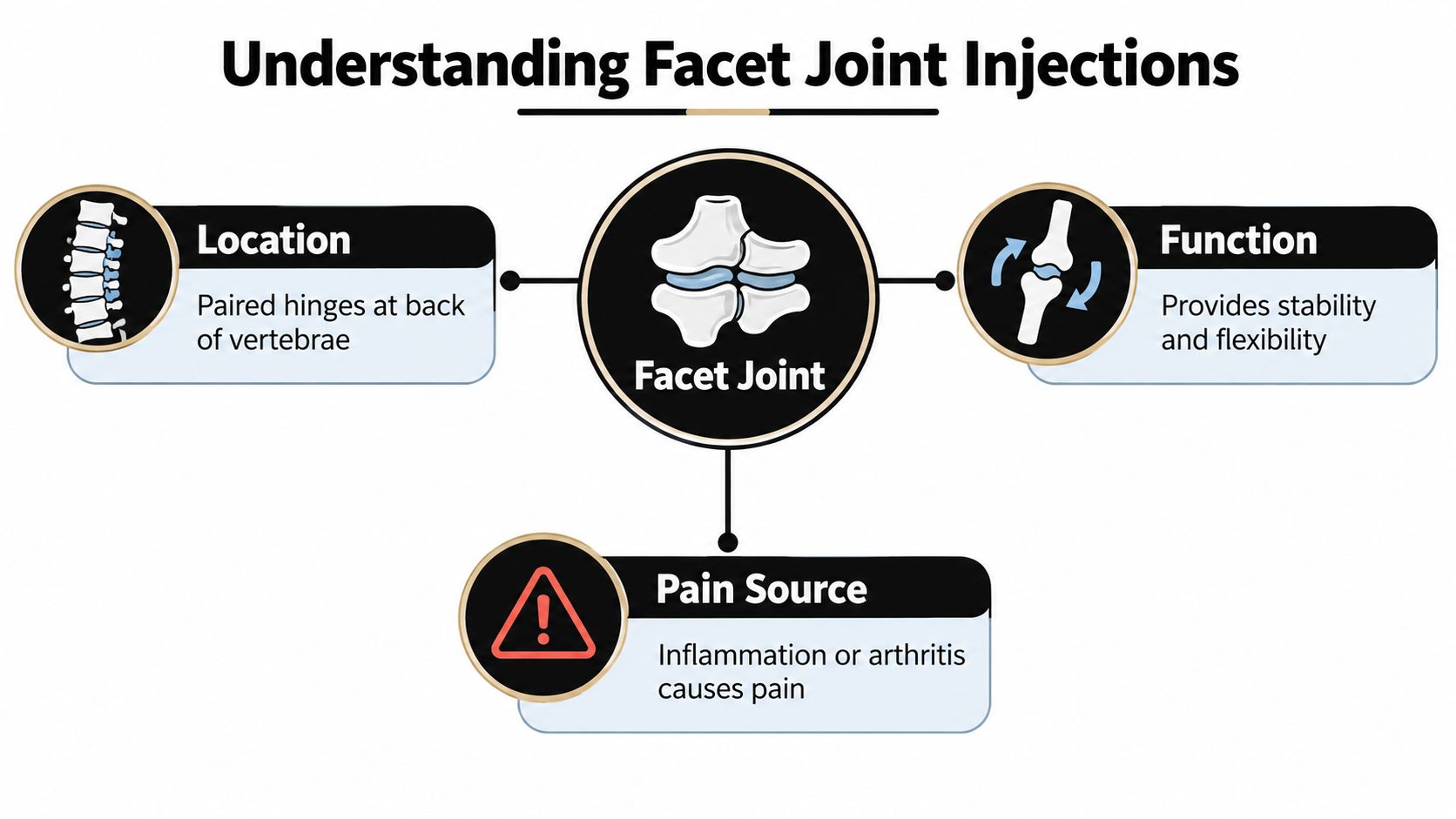
Facet joints are paired synovial joints at the back of the vertebrae. They help stabilize the spine while guiding movement through the neck, mid-back, and lower back. When these joints become irritated, inflamed, or arthritic, they can contribute to axial pain, meaning pain centered in the neck or back rather than pain traveling along a nerve into an arm or leg.
The difficulty is that several spinal structures can create similar symptoms. Muscles, discs, nerves, sacroiliac joints, and facet joints may all produce overlapping pain patterns. Routine imaging can show degenerative changes, but it can't reliably prove that a particular facet joint is the active pain generator. Published clinical reviews estimate that facet joints are implicated in approximately 15%–45% of patients with low-back pain, 54%–67% of patients with neck pain, and 48% of patients with thoracic pain (clinical review of facet-mediated spinal pain).
Diagnosis comes before treatment
A diagnostic facet injection temporarily numbs the joint or the medial-branch nerve that carries pain signals from it. If a familiar activity, such as standing, walking, extending your back, or turning your neck, becomes meaningfully easier while the anesthetic is active, that response supports facet-mediated pain. It doesn't prove that steroid will provide durable relief, but it helps refine the diagnosis.
A therapeutic facet injection usually combines local anesthetic with corticosteroid. The intention is to reduce inflammation and create a window in which you can move more comfortably, sleep better, or participate in rehabilitation. The benefit may be temporary, and current clinical guidance does not support assuming that routine steroid injections provide lasting relief for everyone.
Practical rule: A technically successful injection can still be clinically valuable if it clarifies the pain source, even when the steroid effect fades.
People often search for additional non-opioid options while deciding how to manage chronic back pain. A general resource on how to find CBD for back pain in 2026 may help you understand another category of symptom-management products, but it shouldn't replace a diagnostic evaluation or discussion of medication safety with a clinician.
Identifying the Right Candidates for Facet Injections
Facet-mediated pain usually behaves like mechanical spinal pain. It may worsen when you lean backward, rotate, stand for extended periods, or load the spine. It can remain localized or refer into nearby areas such as the buttock, shoulder region, or thigh. Pain extending below the knee or beyond the elbow makes a facet source less likely and should prompt assessment for nerve-root irritation or another diagnosis.
An MRI can't settle this question on its own. Degenerative facet changes can appear in people who have no pain, while someone with significant symptoms may have limited or inconclusive imaging findings. I use the scan to understand anatomy and exclude concerning conditions, but I combine it with the history, physical examination, pain pattern, and response to carefully selected diagnostic blocks.
Functional impairment matters
For Medicare coverage purposes, facet interventions are generally considered for moderate-to-severe, predominantly axial neck or low-back pain that causes measurable functional impairment and has lasted at least 3 months despite documented noninvasive conservative treatment (CMS coverage guidance for facet interventions).
That doesn't mean every patient needs to meet identical insurance criteria to have a clinical discussion. It does mean the decision should be tied to function. Tell your clinician what pain prevents you from doing:
- Walking: You can't tolerate ordinary distances or standing tasks.
- Sleep: Turning in bed or maintaining one position repeatedly wakes you.
- Work: Sitting, lifting, reaching, or driving has become difficult.
- Rehabilitation: Pain stops you from performing a structured exercise program.
Conditions that need a different pathway
The evaluation should exclude untreated radiculopathy, neurogenic claudication, fracture, tumor, infection, and significant spinal deformity when those conditions could explain the symptoms. An injection aimed at a facet joint isn't the right first step if a different problem requires urgent or more specific treatment.
A medial branch block is related but distinct. It places anesthetic near the small nerves supplying the facet joints rather than directly inside the joint. Patients who want a more detailed explanation can review what a medial branch block involves before discussing whether that diagnostic approach fits their symptoms.
What to Expect During the Image-Guided Procedure
Before the procedure, the clinician reviews your symptoms, medications, allergies, and the question the injection is meant to answer. You usually lie face down for a lumbar or thoracic injection. Cervical procedures require adjusted positioning so the target can be viewed safely.
The skin is cleaned, and local anesthetic numbs the needle-entry site. Under live fluoroscopy, the clinician identifies the spinal level and advances the needle with controlled precision. For an intra-articular lumbar injection, fluoroscopy provides reliable visualization of needle placement. Approximately 0.2–0.5 mL of contrast is then injected to confirm entry into the joint capsule and create an arthrogram (technical review of lumbar facet injections). This confirmation helps distinguish accurate delivery from medication spreading into nearby tissue.
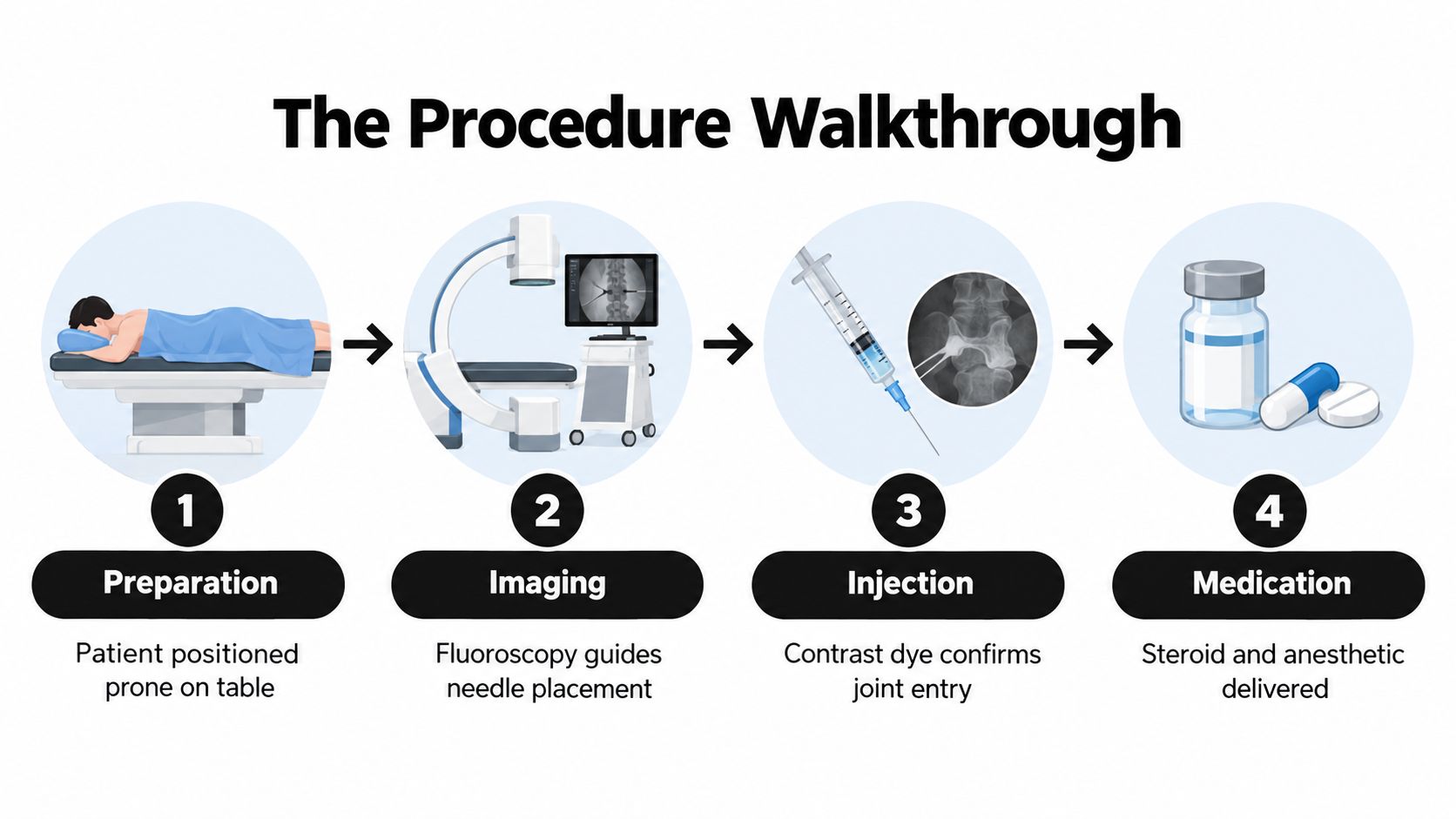
Precision changes the meaning of the test
The injection is not just a dose placed near a painful area. Its diagnostic value depends on delivering medication to the intended joint or nerve. Broad spread can produce relief without proving that the facet joint caused the pain, which makes image guidance important for interpreting the response.
The procedure itself is brief. After medication delivery, you remain under observation for a short period and receive instructions about safely testing your usual pain-provoking activities. A diagnostic response may last only as long as the anesthetic, but that timing can help determine whether a longer-lasting, opioid-free treatment such as radiofrequency ablation deserves consideration.
Record what you could do before the injection, what changed afterward, and how long the change lasted. This functional record is more useful than pain intensity alone. Information about fluoroscopy-guided injections can help you prepare questions about imaging, needle placement, and post-procedure monitoring. The clinical guidance on facet injection technique and safety also explains why controlled technique matters.
Evaluating the Benefits and Limitations of Treatment
You may report clear relief immediately after a facet injection, then notice your usual pain return as the anesthetic wears off. That pattern does not automatically mean the procedure failed. The timing and functional change help determine whether a facet joint or medial-branch nerve contributes to your symptoms and whether a longer-lasting, opioid-free treatment such as radiofrequency ablation is appropriate.
Steroid benefit is less predictable than short-term anesthetic relief. A placebo-controlled randomized trial included 229 participants who received an intra-articular facet injection with bupivacaine and steroid, a medial-branch block, or saline. After one month, only 24 patients met the study's positive categorical outcome, and the investigators found little long-term therapeutic value from intra-articular facet injections. A randomized placebo-controlled trial and systematic evidence review likewise questions whether steroid injections provide durable relief.
What counts as meaningful improvement
Pain scores matter, but function determines whether treatment is helping you return to daily activity. Before the injection, set a specific target and record what you could do, what changed afterward, and how long the change lasted.
- Sleep: Fewer awakenings or more time in a comfortable position.
- Mobility: Greater tolerance for walking, standing, or household tasks.
- Exercise: More consistent participation in physical therapy or a home program.
- Medication use: Less reliance on rescue medication when clinically appropriate.
A meaningful response may be brief. If it identifies the pain generator and creates enough relief for rehabilitation, it has provided useful diagnostic information and may support a later radiofrequency procedure.
The trade-off remains important. A therapeutic injection may calm an inflammatory flare, but it cannot reverse arthritis or promise lasting relief. If the benefit is short-lived or absent, repeating the same injection without reassessing the diagnosis rarely makes sense. The next step could involve a different diagnostic block, a change to rehabilitation, or evaluation of another source of pain. A longer-lasting procedure should follow convincing diagnostic evidence, not just repeated temporary relief.
Navigating Potential Risks and Safety Precautions
A facet injection can be technically precise and still carry meaningful risk. Image guidance helps the clinician reach the intended joint or nerve, but it does not eliminate infection, bleeding or hematoma, nerve irritation, dural puncture, allergic reaction, vasovagal symptoms, or capsular rupture. The relevant risk depends on your anatomy, medications, and medical history, so consent should address your situation rather than rely on generic reassurance.
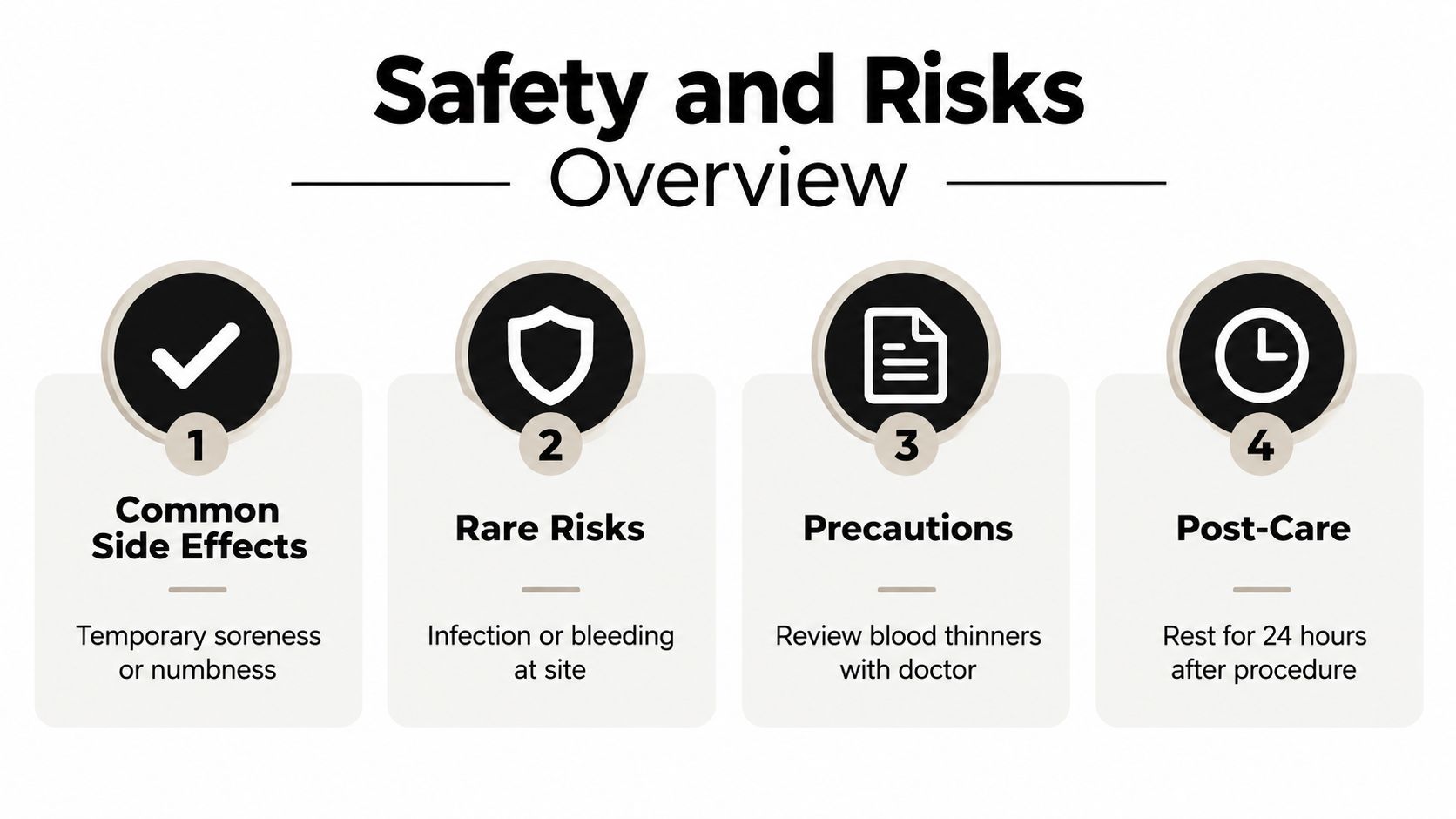
Tell the clinician what could change the plan
Before scheduling, disclose:
- Infection: An active infection near the injection site may require postponement or another approach.
- Bleeding risk: Bleeding disorders and anticoagulant use require individualized review.
- Allergies: Report reactions to medications, local anesthetics, or contrast agents.
- Pregnancy: Pregnancy can affect imaging and medication decisions.
- Neurologic symptoms: Weakness, progressive numbness, or other neurologic conditions may call for a different evaluation.
- All medications: Include prescriptions, over-the-counter products, and supplements.
Never stop an anticoagulant or another prescribed medication on your own. The procedural clinician and prescribing clinician should decide whether an adjustment is safe.
Small volumes support safer testing
The injected volume serves two purposes. It limits stress on the joint capsule and helps keep a diagnostic block specific. If medication spreads beyond the target, pain relief may come from another structure, producing a misleading result and weakening the case for a later nerve-targeted treatment.
Afterward, temporary soreness or numbness may occur. Confirm which symptoms are expected, when ordinary activities can resume, and which changes require an urgent call. Clear aftercare instructions matter when the injection is testing a pain source, not just delivering medication. A clean diagnostic result can guide longer-lasting, opioid-free treatment, while an unclear response should prompt reassessment rather than automatic repetition.
Exploring Alternatives Like Radiofrequency Ablation
Facet injections and radiofrequency ablation serve different purposes. An injection can place anesthetic and steroid into or near a joint, while a medial branch block tests the nerves that carry pain from that joint. Radiofrequency ablation, or RFA, uses controlled thermal energy to interrupt pain signals carried by selected medial-branch nerves.
The most useful treatment pathway is staged. First, the clinician determines whether the symptoms and examination fit facet-mediated pain. A diagnostic block then tests the suspected nerves. If the response meets the required threshold and is reproducible, RFA may offer a longer-lasting, opioid-sparing option than repeating steroid injections.
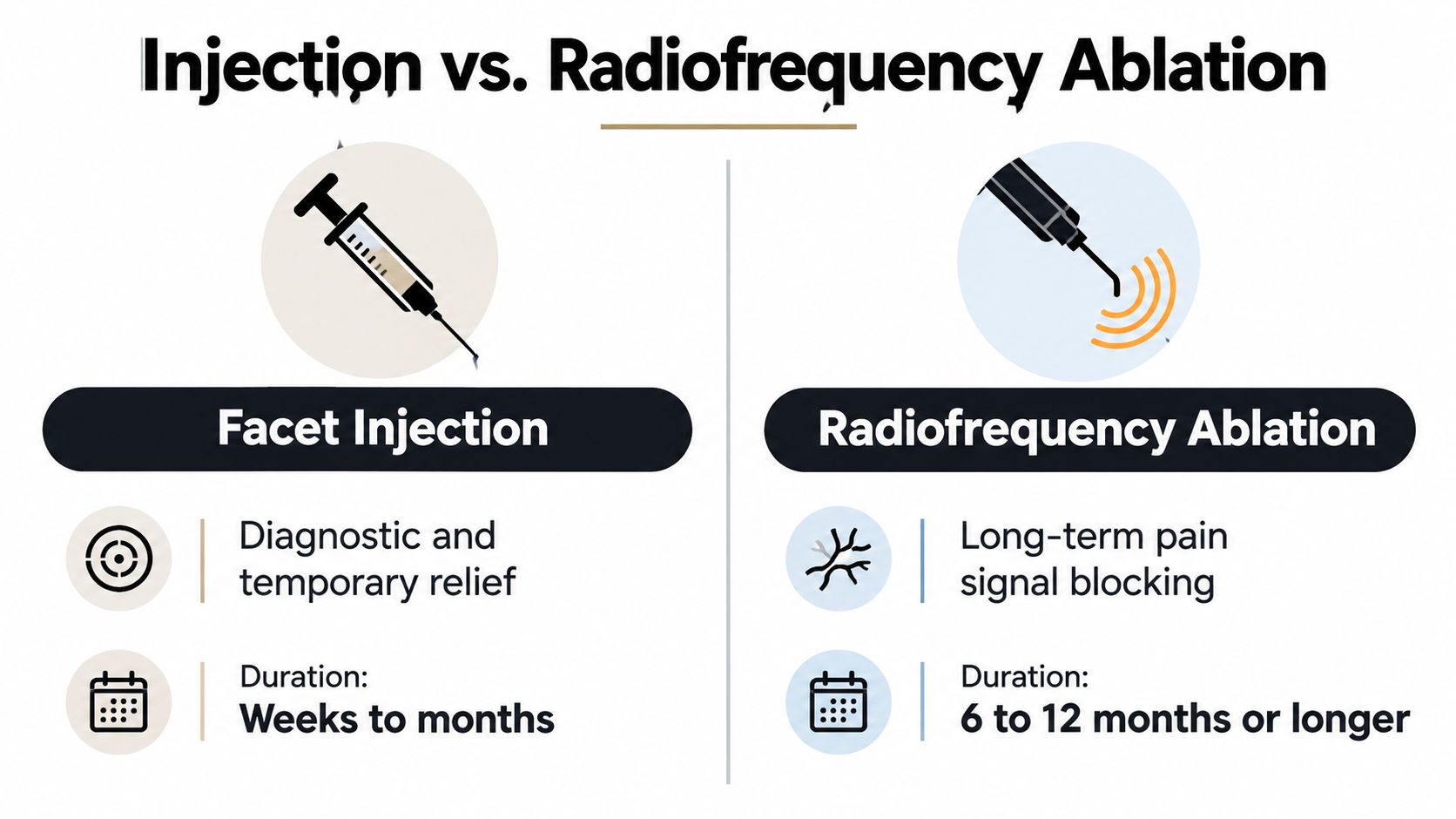
The diagnostic threshold is deliberate
CMS coverage criteria require at least 80% consistent relief of the primary pain after the first diagnostic procedure, followed by two medically reasonable diagnostic procedures with that same minimum response before therapeutic treatment such as RFA is considered (CMS criteria for diagnostic facet procedures).
This standard exists because RFA changes nerve signaling for a longer period. Proceeding without convincing diagnostic evidence risks treating the wrong structure. A strong response should also be assessed against the activities that normally trigger your pain, not just a resting pain score.
Other options may fit different diagnoses. Targeted rehabilitation can improve strength, movement tolerance, and spinal control. Regenerative treatments such as platelet-rich plasma may be discussed for selected joint or soft-tissue conditions, but suitability depends on the diagnosis and evidence for that specific problem. Minimally invasive lumbar decompression is aimed at particular structural causes of stenosis, not routine facet-mediated axial pain.
If you're comparing procedure pathways, information about radiofrequency ablation costs can help you prepare practical questions about candidacy, coverage, and what the treatment is intended to accomplish.
Finding Expert Pain Management in Chicago Ridge
Complex spinal pain deserves more than a scan-based decision. A specialized interventional pain consultation combines your history, physical examination, functional limitations, imaging, medication review, and response to prior care before recommending an injection. That approach is especially important when the procedure may determine whether you're a candidate for RFA or another intervention.
Midwest Pain & Wellness is a pain and wellness clinic in Chicago Ridge, Illinois, led by double board-certified interventional pain specialist Dr. Yaw Donkoh. The practice provides opioid-sparing care that may include image-guided injections, medial-branch blocks, facet interventions, radiofrequency ablation, targeted physical therapy, peripheral nerve and spinal cord stimulation, minimally invasive lumbar decompression, and other condition-specific treatments.
Local care should connect diagnosis with function
Patients in Chicago Ridge, Palos Heights, Palos Hills, Evergreen Park, and Hickory Hills, IL may benefit from a plan that connects the procedure to a practical goal. That might mean returning to walking, sleeping more consistently, participating in rehabilitation, or reducing dependence on opioid medication when clinically appropriate.
A pain and wellness clinic isn't the same as a physical therapist, and the services solve different problems. Physical therapy can build capacity and improve movement, while an interventional pain specialist evaluates whether a precise injection, diagnostic block, RFA, or another procedure is appropriate. The strongest plans often coordinate both rather than treating them as competing choices.
Midwest Pain & Wellness works with surgeons, primary care providers, chiropractors, and rehabilitation therapists to coordinate care. Its broader services include regenerative options such as PRP and cell-based therapies, kyphoplasty for vertebral compression fractures, Botox for chronic migraine and cervical dystonia, and treatments for spine, nerve, injury, and post-surgical pain. The appropriate choice depends on the diagnosis, anatomy, medical history, and functional objective.
If persistent neck or back pain is limiting your life, schedule an evaluation rather than assuming an MRI or a previous injection has already answered the question. Ask whether the proposed procedure is diagnostic or therapeutic, how success will be measured, and what the next step will be if the response confirms facet-mediated pain.
Midwest Pain & Wellness offers image-guided facet injections, medial-branch blocks, radiofrequency ablation, and coordinated rehabilitation planning for adults with persistent spinal pain. Visit Midwest Pain & Wellness to request a consultation in the Chicago Ridge area and discuss an opioid-sparing plan focused on restoring function.