Understanding Your Options for CRPS Relief in Chicago
CRPS treatment with spinal cord stimulator Chicago offers hope for individuals suffering from one of the most challenging chronic pain conditions. If you’re dealing with Complex Regional Pain Syndrome and searching for relief in the Chicago area, here’s what you need to know:
Quick Answer: What to Expect from SCS for CRPS
- What it is: A minimally invasive device that sends gentle electrical pulses to your spinal cord to interrupt pain signals
- Who it helps: CRPS patients who haven’t found relief with medications, physical therapy, or nerve blocks
- The process: A 5-7 day trial period first, then permanent implant if successful (50% or more pain reduction)
- Key benefits: Significant pain reduction, less need for medications, improved daily function
- Timeline: Outpatient procedure with quick recovery, device lasts 5-10 years
Complex Regional Pain Syndrome can feel like your body is trapped in a never-ending cycle of burning pain, swelling, and sensitivity. The good news is that early treatment matters. Studies show over 75% of patients achieve good to excellent results when CRPS is treated within two years of onset. Spinal cord stimulation is a proven, opioid-free approach that gives you control over your pain.
Unlike medications that affect your entire body or surgeries that permanently alter your anatomy, SCS is reversible and adjustable. It works by substituting pain sensations with a gentle tingling or by blocking pain signals entirely with newer high-frequency devices.
In Chicago, you have access to pain management specialists who use this advanced technology as part of a comprehensive treatment approach, addressing not just your pain signals, but your overall quality of life.
Understanding Complex Regional Pain Syndrome (CRPS)
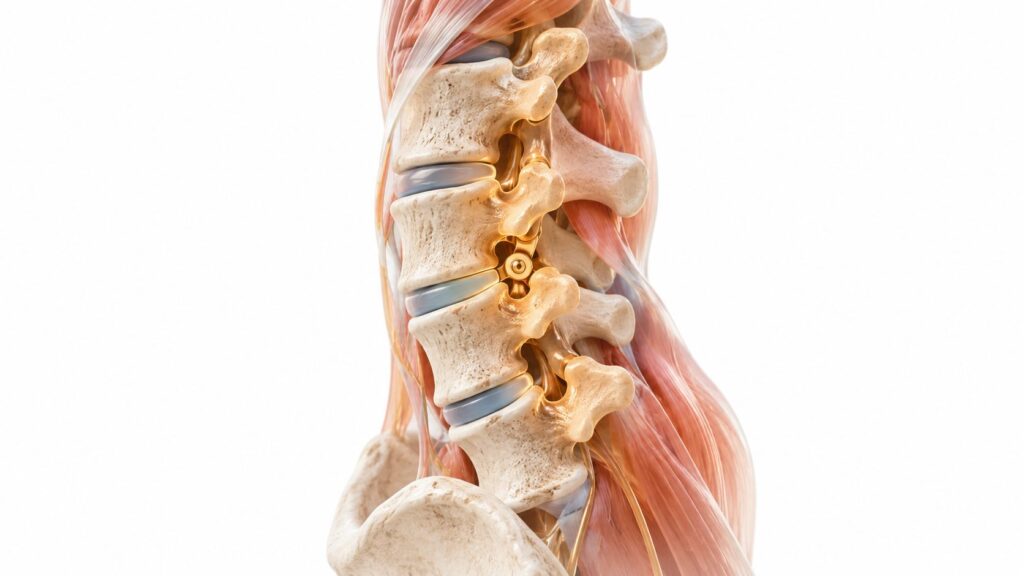
Complex Regional Pain Syndrome (CRPS), sometimes known as Reflex Sympathetic Dystrophy (RSD), is a chronic pain condition that often affects a limb after an injury, surgery, or trauma. The pain is typically excessive and prolonged, lasting far beyond the normal healing time.
Medical scientists believe CRPS is caused by damage to, or a malfunction of, the peripheral and central nervous systems. This dysfunction leads to debilitating symptoms that significantly impact a person’s quality of life. For additional information about CRPS from a medical perspective, the National Institute of Neurological Disorders and Stroke provides comprehensive resources.
At Midwest Pain And Wellness, we understand the critical importance of early diagnosis and intervention. Research indicates that when CRPS is treated within two years of its onset, over 75% of patients experience good to excellent results. This statistic underscores why we advocate for prompt evaluation and a custom treatment plan. For more in-depth information about managing this challenging condition, please visit our page on CRPS Pain Management.
What is CRPS and Who Does It Affect?
CRPS involves a complex interplay between the nervous system, immune system, and psychological factors. It can affect anyone but is more common in women.
There are two main forms of CRPS:
- CRPS-I (formerly Reflex Sympathetic Dystrophy): This form occurs without a confirmed nerve injury and is often triggered by minor trauma like a sprain or fracture.
- CRPS-II (formerly Causalgia): This form is diagnosed when there is a confirmed nerve injury.
Both forms are characterized by severe pain and dysfunction, believed to arise from the brain’s misinterpretation of pain signals after an injury.
Common triggers for CRPS include:
- Fractures
- Sprains or strains
- Surgery
- Soft tissue injuries (e.g., burns, cuts)
- Limb immobilization (e.g., cast)
- Crush injuries
Key Symptoms and How CRPS is Diagnosed
The primary symptom of CRPS is constant, intense pain—often described as burning or throbbing—that is disproportionate to the original injury.
Other common signs include:
- Extreme sensitivity to touch or cold.
- Changes in skin color, temperature (warmer or cooler), or texture (shiny, thin, sweaty).
- Abnormal hair and nail growth.
- Persistent swelling and joint stiffness.
- Muscle spasms, weakness, or atrophy in the affected limb.
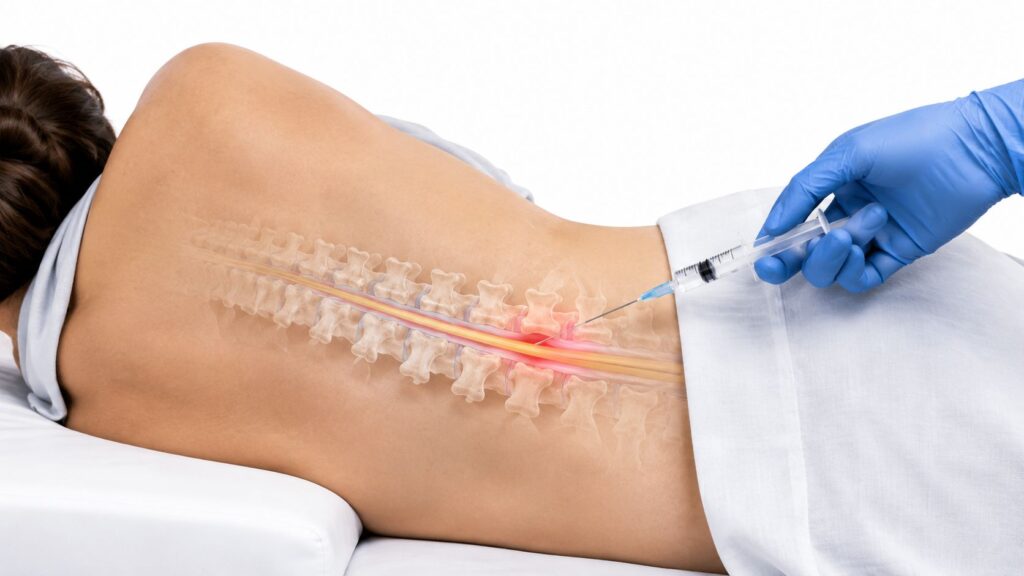
Diagnosing CRPS involves a thorough medical history and physical exam to look for these characteristic signs. While no single test is definitive, imaging tests can rule out other conditions. A key diagnostic tool used in our Chicago Ridge clinic is a sympathetic nerve block. In this procedure, an anesthetic is injected near the sympathetic nerves of the affected limb. If the block provides significant pain relief, it strongly supports a CRPS diagnosis and helps guide our treatment strategy.
How Spinal Cord Stimulation Offers a New Path for CRPS Sufferers
For many individuals with CRPS, conventional treatments may not provide sufficient relief. This is where advanced neuromodulation techniques, particularly spinal cord stimulation (SCS), offer a guide of hope. SCS is a cutting-edge, opioid-free alternative that can dramatically change the lives of those suffering from chronic pain.
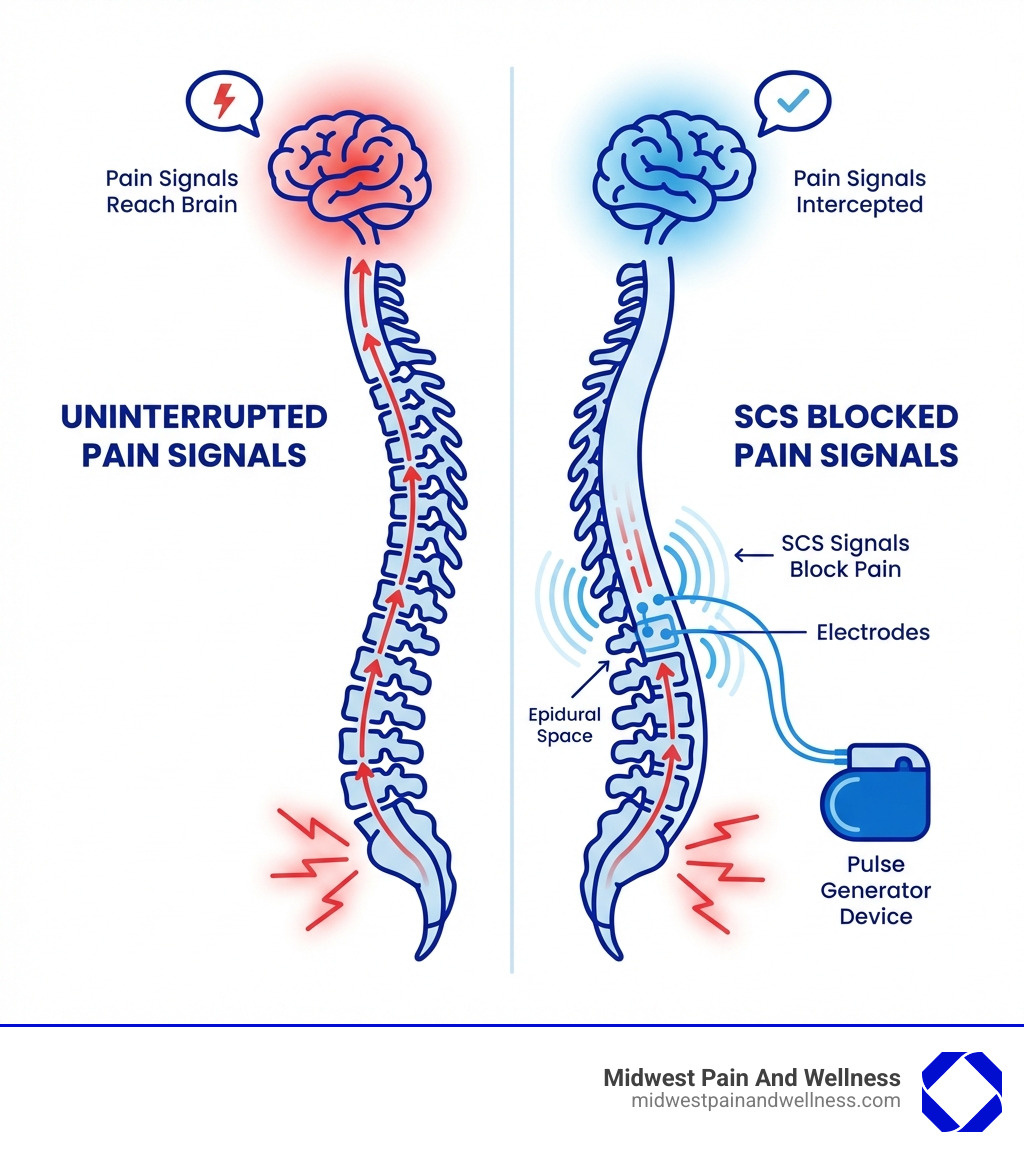
Neuromodulation works by directly modifying nerve activity. It’s based on the “gate control theory” of pain, where gentle electrical pulses are introduced to the spinal cord, effectively closing the “pain gate” and preventing pain signals from reaching your brain. This innovative approach provides an effective, long-term solution for managing chronic pain without heavy reliance on oral medications. For a deeper dive into our comprehensive strategies for managing persistent pain, explore our page on Chronic Pain Treatment.
The Science Behind SCS and Neuromodulation
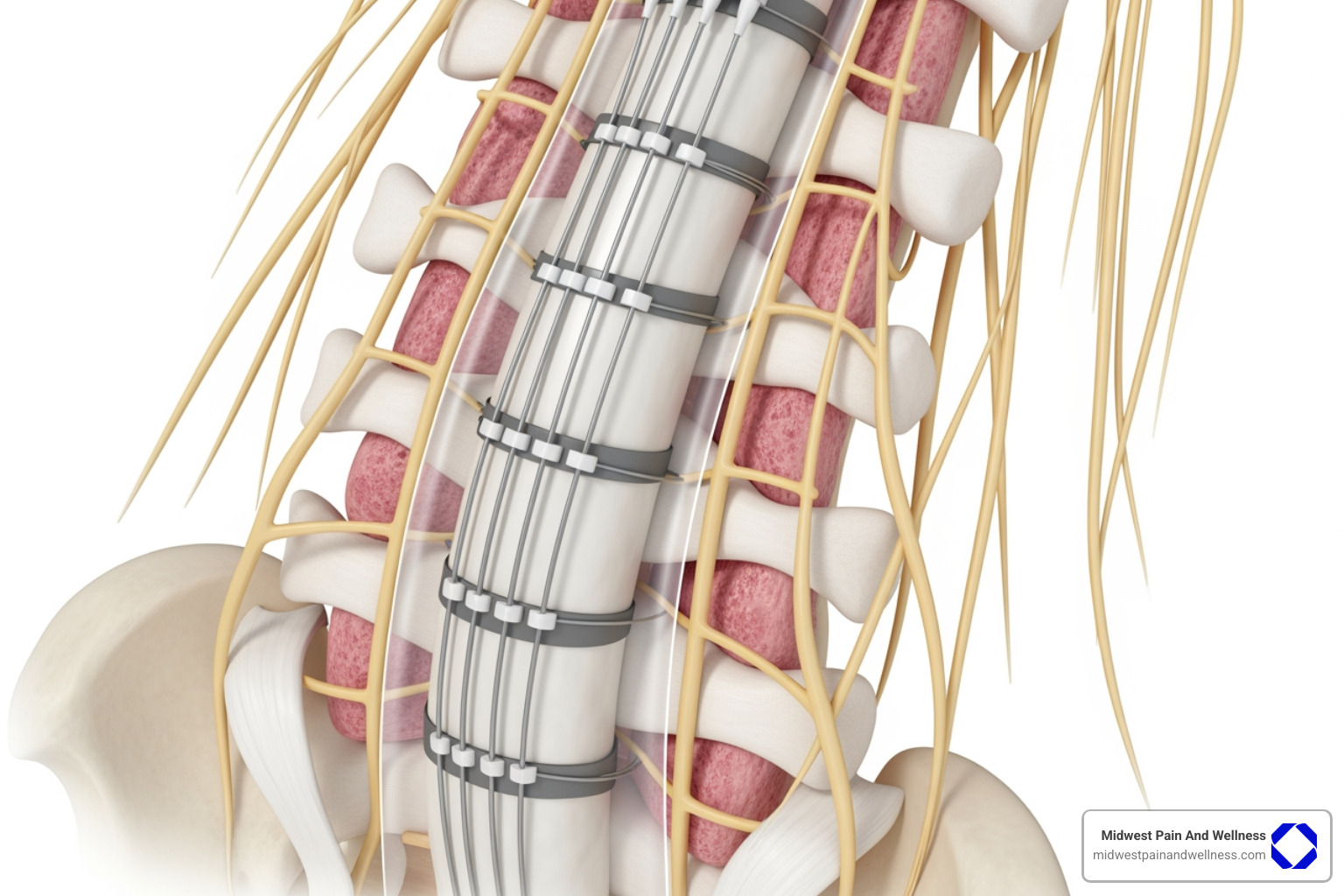
At its core, spinal cord stimulation is designed to alleviate chronic pain by altering how your brain perceives pain signals. An SCS system consists of:
- Leads (electrodes): Thin wires placed in the epidural space near the spinal cord.
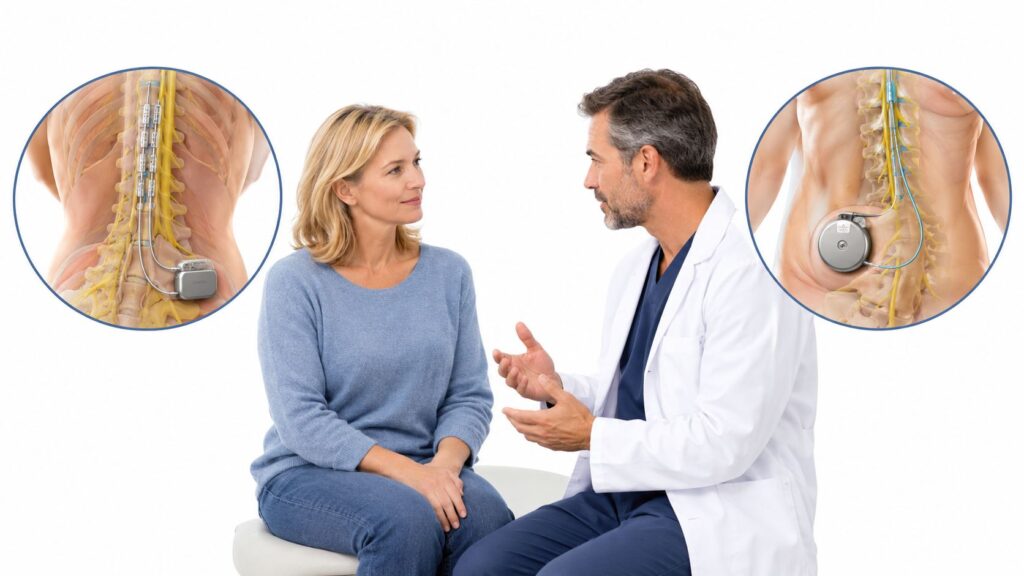
- Pulse Generator (IPG): A small, battery-powered device, similar to a pacemaker, implanted under the skin.
- Extension Wire: Connects the leads to the IPG.
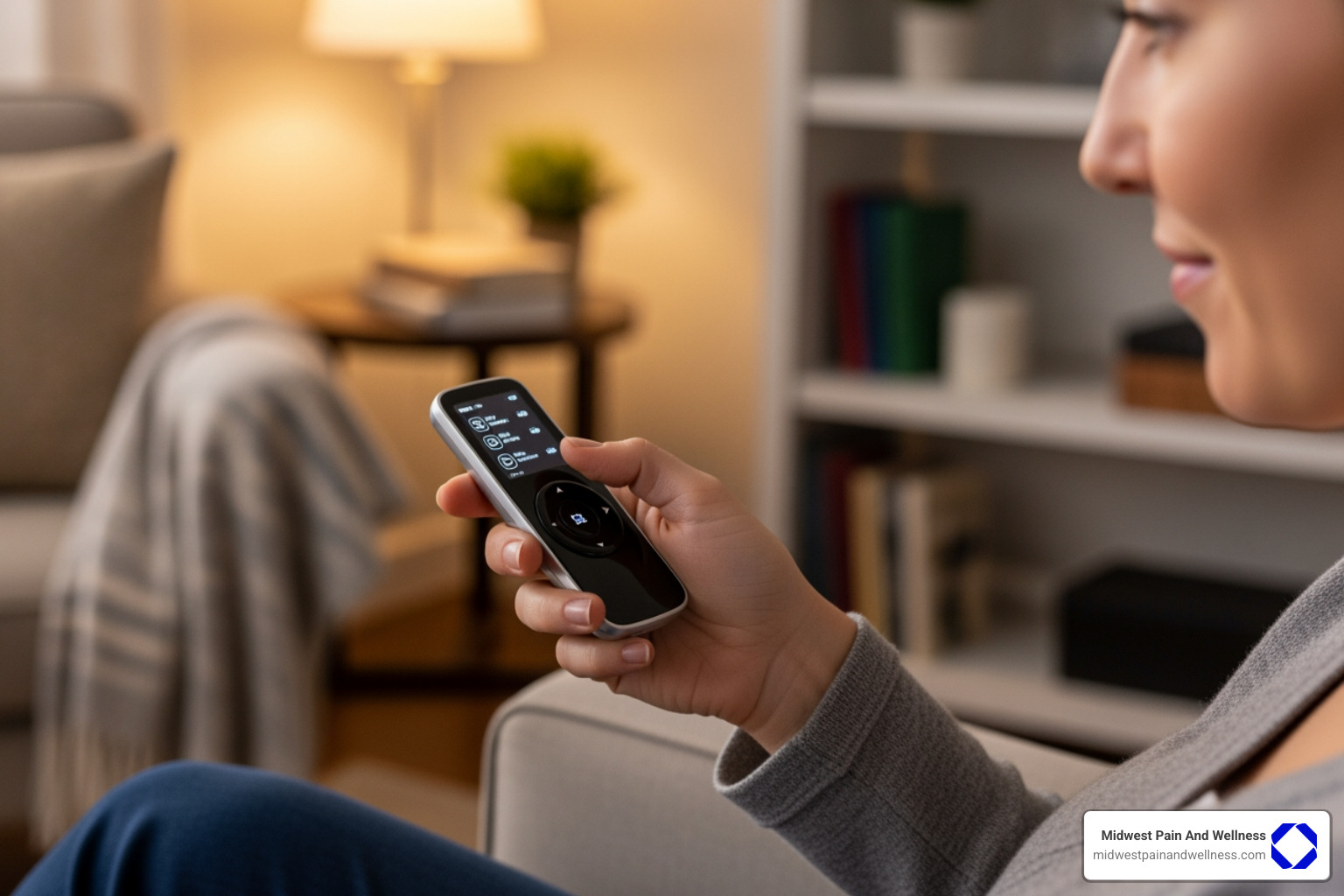
- External Programmer: A remote control that allows you to adjust the stimulation settings.
When activated, the IPG sends mild electrical pulses to specific nerves. Instead of pain, you might feel a gentle tingling (paresthesia). Newer technologies, including high-frequency stimulation and Dorsal Root Ganglion (DRG) stimulation, can offer pain relief without any paresthesia. DRG stimulation is particularly effective for localized neuropathic pain like that seen in CRPS.
These custom electrical fields block pain impulses from traveling to the brain. The exact positioning of electrodes is crucial for success, which is why specialized expertise is so important. To learn more about how these advanced therapies work, we invite you to read our An overview of Neuromodulation.
Major Benefits of SCS for CRPS
Choosing crps treatment with spinal cord stimulator Chicago offers a multitude of benefits:
- Significant Pain Reduction: Many patients report a 50% or greater reduction in pain, which is the goal for a successful trial.
- Reduced Need for Pain Medication: SCS can significantly lessen or eliminate the need for oral pain medications, including opioids, helping you avoid their side effects.
- Improved Daily Function: Less pain allows you to regain functionality and participate more fully in work, hobbies, and daily life.
- Reversible Procedure: Unlike many surgeries, SCS is completely reversible and can be removed without permanent damage to the spinal cord.
- Patient-Controlled Pain Management: An external remote gives you control to adjust stimulation levels within parameters set by your doctor, offering personalized relief.
Your Guide to CRPS Treatment with Spinal Cord Stimulator in Chicago
Starting on the journey of crps treatment with spinal cord stimulator Chicago involves a carefully structured, two-phase process designed to ensure the best possible outcome. At Midwest Pain And Wellness in Chicago Ridge, we guide you through each step, from initial assessment to permanent implantation and long-term management.
For more details on how we approach SCS therapy, visit our dedicated page: More info about Spinal Cord Stimulator Therapy in Chicago Ridge.
Step 1: Determining if You Are a Candidate
The first step is to determine if SCS is the right treatment for your CRPS. Our pain specialists will conduct a thorough evaluation. You may be a good candidate if:
- You have chronic neuropathic pain (burning, tingling) in your limbs or back for six months or more.
- Conservative treatments (medications, physical therapy, nerve blocks) have not provided adequate relief.
- You are psychologically prepared and have realistic expectations.
- You have no medical conditions that would make the procedure unsafe.
Your consultation is an opportunity to discuss your pain history, previous treatments, and goals. We will ensure you fully understand the procedure and what to expect. Meet our dedicated team and learn more about their expertise on our About Dr. Donkoh and Learn about our team of specialists pages.
Step 2: The SCS Trial Period
Once you are deemed a suitable candidate, the next step is the SCS trial. This temporary phase allows you to “test-drive” the technology before committing to a permanent implant.
During the trial:
- Temporary Device: Fine leads are inserted into the epidural space and connected to an external pulse generator you wear on a belt.
- Duration: The trial typically lasts for 5-7 days.
- Goal: The goal for a successful trial is achieving a 50% or more reduction in your pain.
- Patient Control: You will use an external programmer to control the stimulation, helping us assess how well the device addresses your specific pain patterns.
- Assessment: You’ll monitor your pain levels and daily activities, providing valuable feedback to our team.
This trial is essential for assessing the effectiveness of SCS for your unique pain. If it isn’t successful, the temporary leads are simply removed.
Step 3: The Permanent Implant Procedure for crps treatment with spinal cord stimulator chicago
If the trial is successful, we can proceed with the permanent implantation. This is a minimally invasive outpatient procedure, often performed under twilight anesthesia.
During the permanent implant:
- Implanting the Pulse Generator (IPG): The leads are permanently placed, and the battery-powered IPG is implanted discreetly under the skin, typically in your lower back or abdomen.
- Outpatient Surgery: Most patients go home the same day.
- Recovery Timeline: You can usually return to light activity within a few days, though we will provide specific guidelines on bending or heavy lifting to ensure proper healing.
- Long-Term Management: We schedule follow-up appointments to monitor and adjust the device programming as needed. We also encourage combining SCS with physical therapy to achieve optimal long-term results.
Comparing SCS with Other CRPS Treatment Options
At Midwest Pain And Wellness, we advocate for a multi-modal, interventional approach to chronic pain management, especially for complex conditions like CRPS. This means we provide a range of advanced therapies custom to your individual needs. Spinal cord stimulation is a powerful tool, but it’s important to understand how it compares to other common CRPS treatments.
Here’s a comparison of SCS with other common CRPS treatment options:
| Feature | Spinal Cord Stimulation (SCS) | Medications (e.g., gabapentin, antidepressants, opioids) | Nerve Blocks (e.g., sympathetic blocks) |
|---|---|---|---|
| Invasiveness | Minimally invasive (trial, then outpatient implant) | Non-invasive (oral pills) | Minimally invasive (injections) |
| Mechanism | Direct electrical modulation of pain signals at spinal cord | Systemic chemical action on brain/nervous system | Temporary interruption of nerve signals (chemical or thermal) |
| Side Effects | Potential for infection, lead migration, hardware issues (rare), paresthesia (tingling) | Systemic (drowsiness, nausea, constipation, dependency, cognitive issues) | Temporary numbness, weakness, bruising, infection (rare) |
| Long-Term Relief | Often provides sustained, long-term pain reduction | Can be effective but often requires continuous use and dosage escalation | Temporary relief (hours to weeks), often used diagnostically or for flares |
| Reversibility | Fully reversible (device can be removed) | Reversible (stop taking medication, but withdrawal can occur) | Reversible (effects wear off) |
| Patient Control | High (patient can adjust stimulation levels with remote) | Low (dosage set by doctor) | None (effect is passive) |
| Opioid-Free | Yes, often reduces/eliminates opioid need | Can be opioid-based, or non-opioid but still systemic | Yes |
As you can see, SCS offers unique advantages, particularly in terms of long-term, patient-controlled, and opioid-sparing pain relief.
Can SCS Reduce or Eliminate the Need for Pain Medication?
One of the most significant benefits of crps treatment with spinal cord stimulator Chicago is its potential to reduce or even eliminate your reliance on pain medication. For many CRPS patients, long-term use of oral pain relievers, especially opioids, comes with undesirable side effects like drowsiness, cognitive impairment, and the risk of dependency.
By directly interrupting pain signals, SCS provides relief that lessens the need for systemic medications. Many patients report a substantial decrease in their medication intake or are able to discontinue certain drugs entirely. This not only minimizes side effects but also improves your overall quality of life, allowing you to be more alert and active. This reduction in opioid dependency is a key goal of our interventional pain management philosophy.
How to Find a Specialist for crps treatment with spinal cord stimulator chicago
Finding the right specialist for crps treatment with spinal cord stimulator Chicago is paramount. Look for a team with experience in advanced neuromodulation for CRPS. Key qualifications include:
- Board-Certified Pain Physicians: Ensure they are double board-certified in pain management.
- Specific Experience: Ask about their track record with SCS for CRPS patients.
- Collaborative, Multi-Modal Care: The clinic should work with other practitioners to create a holistic, custom care plan.
- Focus on Opioid-Free Solutions: Prioritize clinics that offer sustainable relief without relying on long-term opioid use.
- Local Accessibility: A local specialist in the Chicago Ridge area ensures convenient follow-up care.
At Midwest Pain And Wellness, our double board-certified doctors, like Dr. Donkoh, meet these criteria, using a multi-modal, interventional approach for long-term, opioid-free pain relief. Learn more about our lead physician on our About Dr. Donkoh page. Asking these questions during your consultation will help you find the best fit for your treatment.
Frequently Asked Questions about SCS for CRPS
We understand you likely have many questions about crps treatment with spinal cord stimulator Chicago. Here, we address some of the most common inquiries to help you feel more informed and confident about this treatment option.
What is the success rate of SCS for CRPS?
The success rate for SCS in CRPS patients is very positive, particularly with early intervention. Studies show that over 75% of patients see good to excellent results when treated within two years of onset. A successful trial, defined as a 50% or greater pain reduction, is the key indicator for long-term success. Our careful patient selection process is designed to recommend SCS only for those most likely to benefit, maximizing the chances of significant, lasting pain relief.
What are the risks or limitations of SCS?
While spinal cord stimulation is generally considered safe, like any medical procedure, it carries some potential risks and limitations:
- Infection: There’s a small risk of infection at the surgical site.
- Lead Migration: The leads can sometimes shift, which may reduce effectiveness and require a minor revision procedure.
- Hardware Failure: Although rare, components of the system can malfunction and may need repair or replacement.
- Paresthesia: Some patients may find the tingling sensation unpleasant, though newer devices can provide paresthesia-free relief.
- Not a Cure: SCS is a pain management tool, not a cure for CRPS. It helps block pain signals but does not eliminate the underlying condition.
- Reversible: A significant advantage is that the device can be removed if it no longer provides benefit, typically without damage to the spine.
Our team will thoroughly discuss all potential risks and benefits with you during your consultation, ensuring you make an informed decision about your CRPS treatment.
How long does the SCS device last?
The lifespan of your SCS device primarily depends on its battery:
- Rechargeable IPGs: These devices have batteries that can be recharged non-invasively through the skin. They typically last for 5-10 years before the internal battery may need to be replaced through a minor surgical procedure.
- Non-Rechargeable IPGs: These devices have batteries that last several years, depending on usage. Once depleted, the entire pulse generator is replaced in a surgical procedure.
During your consultation, we will discuss the different types of SCS systems available and help you choose the one that best fits your lifestyle and needs. Battery replacement is a straightforward procedure that is less involved than the initial implantation.
Take the Next Step Towards a Life with Less Pain
Living with Complex Regional Pain Syndrome can be an isolating and debilitating experience, but with advanced options like crps treatment with spinal cord stimulator Chicago, there is genuine hope for significant relief. We’ve explored how SCS works by gently modulating pain signals, offering a powerful, patient-controlled, and often opioid-free pathway to improved quality of life.
At Midwest Pain And Wellness in Chicago Ridge, we are dedicated to empowering you. We understand that effective pain management requires more than just treating symptoms; it demands a personalized, multi-modal treatment plan. Our double board-certified pain specialists collaborate with you to create a comprehensive strategy, ensuring you receive the most current therapies available.
Don’t let CRPS dictate your life any longer. We invite you to take the first step towards reclaiming your comfort and freedom. Schedule your consultation with our expert team today and find how we can help you find lasting pain relief.
Schedule your consultation for pain treatment in Chicago Ridge today.