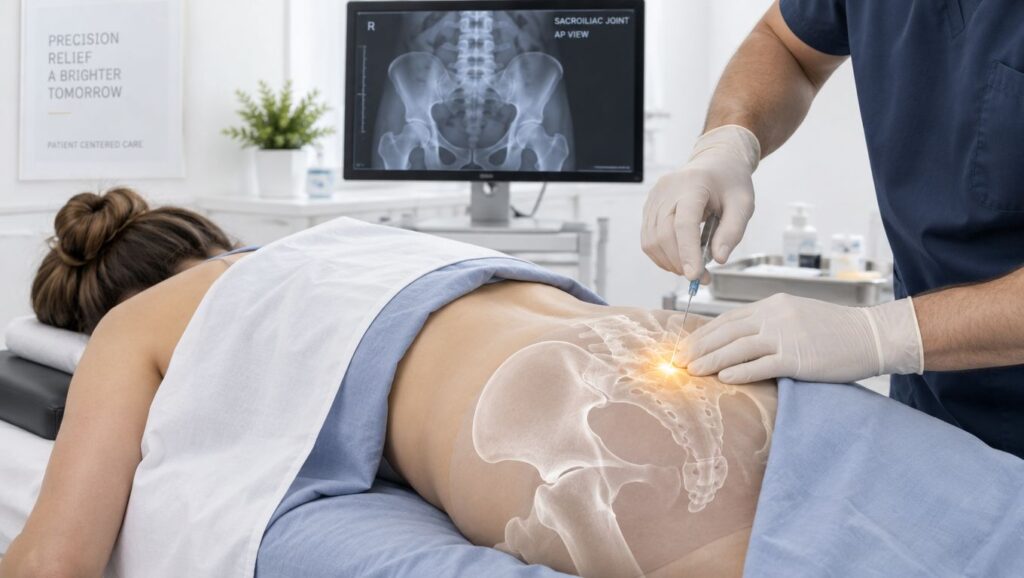
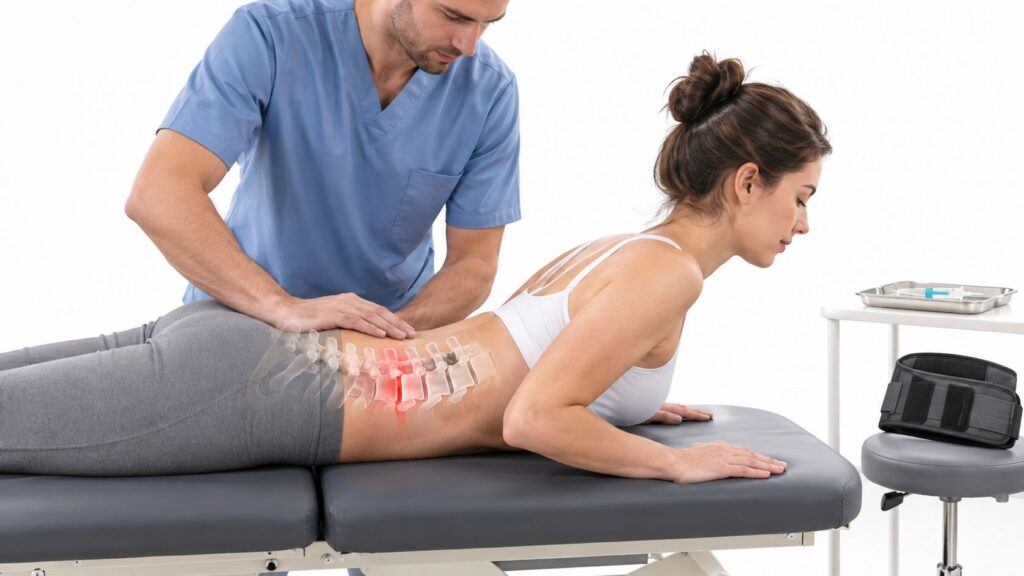
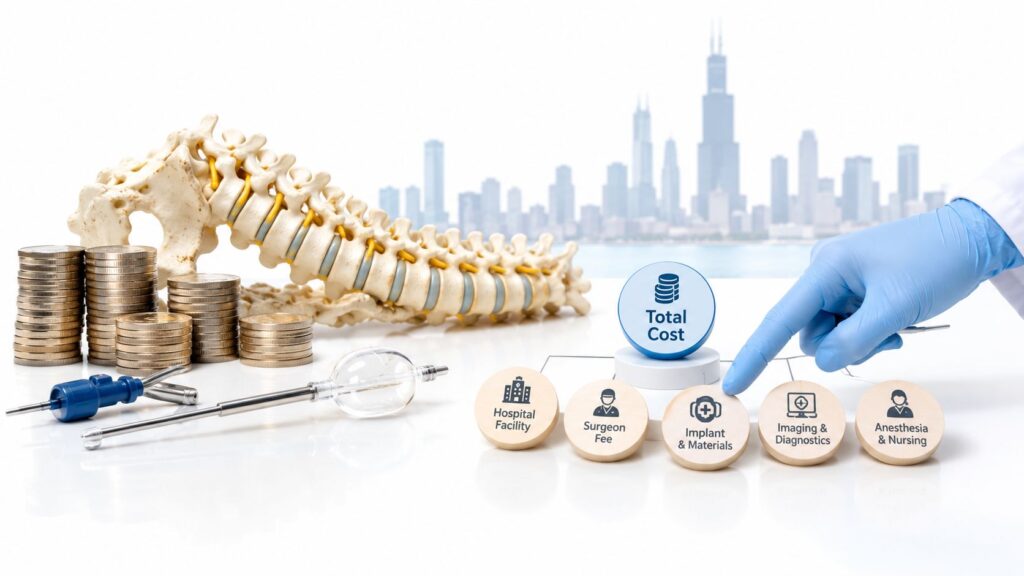
PRP gets a lot of attention because it sits at the intersection of biology, procedure, and hope, but the evidence is more modest than many ads imply. In a 2024 systematic review and meta-analysis of randomized controlled trials in chronic noncancer pain, 103 comparisons from 7,142 patients showed that platelet-rich plasma produced a statistically significant pain reduction versus placebo or active drug treatments, with an SMD of −0.37. When follow-up reached 3 months or longer, the effect was larger, with an SMD of −0.69, which is exactly why realistic expectations matter in a pain clinic, not a marketing brochure. The right takeaway is simple. PRP can help selected patients, but it works best as one part of a broader, opioid-sparing plan rather than as a miracle injection. For patients who want a deeper look at regenerative options for the spine, the overview of stem cell therapy for spine can help put PRP in context.
What the Evidence Says About Platelet Rich Plasma Benefits
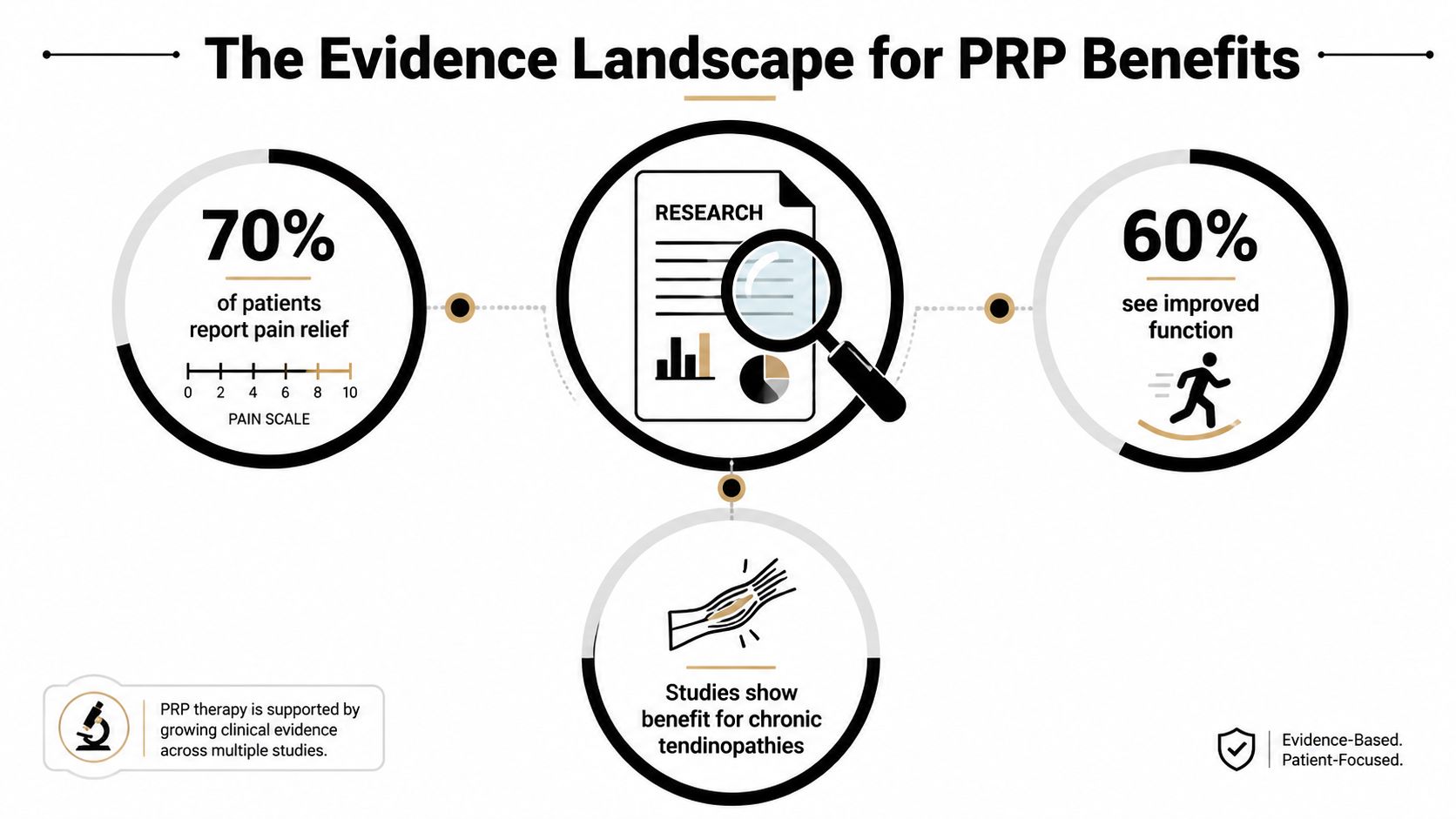
The strongest thing I can say about platelet rich plasma benefits is that they're real, but not dramatic for everyone. The 2024 meta-analysis in chronic noncancer pain pooled a large body of randomized evidence and found a small overall reduction in pain, with better results when outcomes were measured beyond the immediate post-injection period (systematic review and meta-analysis). That pattern matters in practice. A treatment that looks underwhelming at one or two weeks can still become meaningful by the time tissue irritation settles and repair signaling has had time to work.
Why that nuance matters for chronic pain
Patients in Chicago Ridge and nearby Illinois communities often want a direct answer. Will PRP fix the problem, or won't it? The honest answer is that it can reduce pain and sometimes improve function, but the size of the benefit depends on the condition, the tissue involved, the quality of patient selection, and the rest of the treatment plan. At Midwest Pain & Wellness, PRP fits into a broader strategy that may also involve medication optimization, targeted exercise, image-guided injections, or other interventional tools. The point is to reduce pain enough to move, sleep, and function better, not to sell a cure where none exists.
A practical way to think about PRP is this. It is most useful when pain comes from irritated tendons, joints, or carefully selected spine structures that have not responded well enough to conservative care. In those cases, the treatment is trying to change the local healing environment, not just numb the area for a few hours. The evidence supports that distinction more than the hype does.
For a clinic-level overview of regenerative medicine in pain care, our internal resource on regenerative medicine and tissue engineering is a useful companion piece.
Practical rule: If a treatment promises instant transformation, be skeptical. PRP usually earns trust by producing gradual, measurable change.
The best candidate is usually someone who wants to avoid escalating pain medications or delay surgery, understands that results may be partial, and is willing to combine PRP with the rest of a recovery plan. That is where it earns its place.
How Platelet Rich Plasma Works Inside Your Body
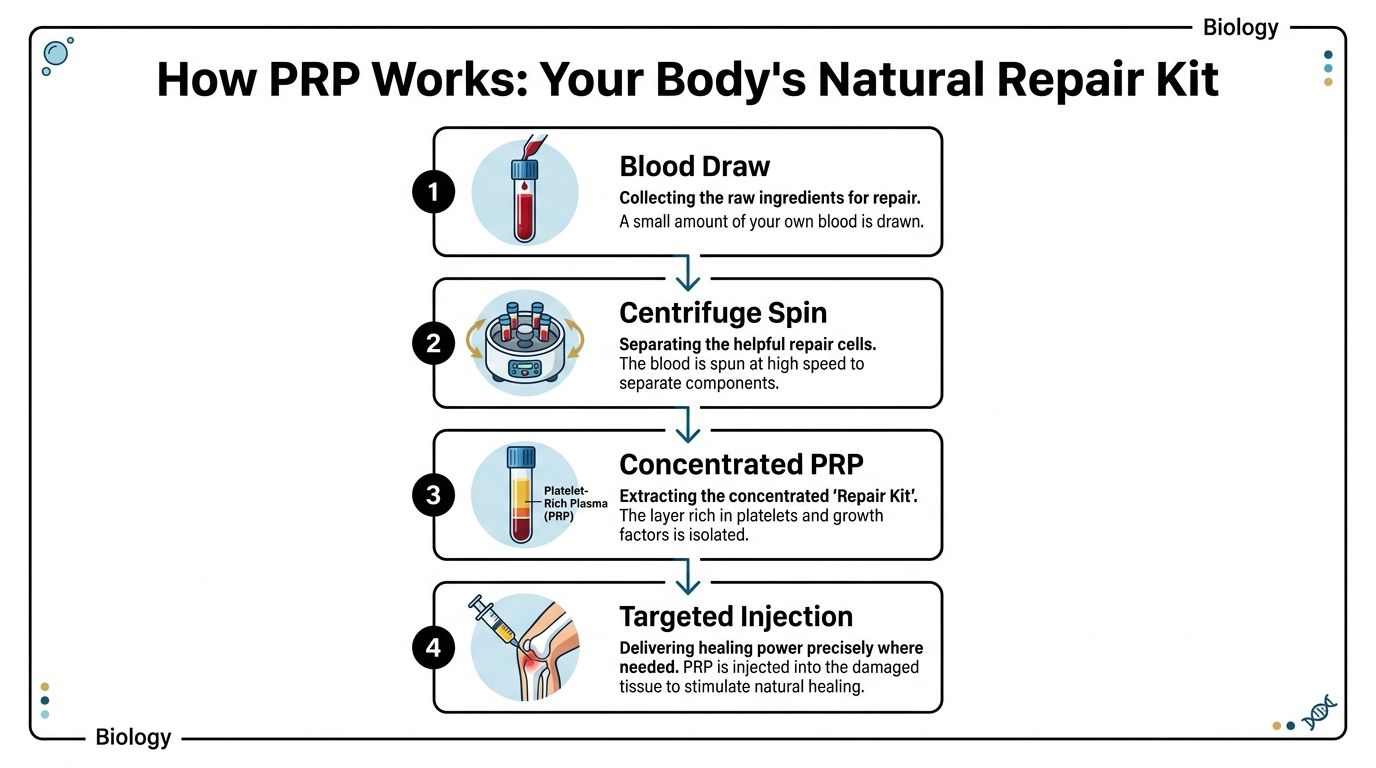
Platelets are best understood as a concentrated repair crew. They're part of your own blood, and they carry signals that help coordinate healing where tissue has been injured or overused. A peer-reviewed NIH review explains that PRP is autologous, so it carries no risk of cross-reactivity, immune reaction, or disease transmission, and it may help accelerate vascularization, improve soft-tissue healing, and reduce postoperative morbidity (NIH review). That's the biological reason PRP has attracted so much interest in pain medicine.
The draw, spin, inject sequence
The process itself is straightforward. First, a small amount of your blood is drawn, much like a routine lab test. Next, the sample is processed in a centrifuge so the platelet-rich portion can be separated from the rest of the blood. Finally, the prepared PRP is injected into the target tissue, often with image guidance so the treatment reaches the right structure.
The preparation matters because concentration matters. One NIH review notes that a threefold or greater concentration of platelets at the wound site can be expected to have a profound effect on wound-healing enhancement and bone regeneration (NIH review). That doesn't mean every problem needs the same formulation, but it does explain why technique and preparation are not minor details. They're part of the treatment.
Your own blood becomes the source material, but the final result depends on how carefully it's prepared and where it's placed.
That is one reason PRP should be done by a clinician who understands both anatomy and the mechanics of the procedure. If the target is a tendon, a joint, or a selected spinal pain generator, precision matters as much as the biological product. Without that precision, the treatment can miss the tissue that needs it most.
Clinical Benefits by Condition and Evidence Strength
The most useful way to talk about PRP is by condition, not by slogan. A 2023 review of current PRP status reported level I evidence for use in osteoarthritis, epicondylitis, bursitis, compressive neuropathy, plantar fasciitis, muscular injuries, and osteochondral lesions. The same review reported an overall success rate of 54.8% across 12 included studies, using success to mean relief of more than 50% of symptoms after therapy (review). That gives patients something concrete to work with. PRP has support, but the response is not universal.
What tends to respond better
Joint and tendon problems are where PRP has the clearest clinical footing. In orthopedic and sports-medicine settings, it's often considered when pain persists despite more basic care and the goal is to reduce reliance on repeated steroid injections or postpone surgery. For patients with chronic pain who are trying to keep moving, that can be a meaningful middle ground.
Here's a simple evidence map for common pain-related uses.
| PRP Evidence by Condition | Evidence Level | Typical Outcome |
|---|---|---|
| Osteoarthritis | Level I evidence | Pain relief and functional improvement in selected patients |
| Epicondylitis | Level I evidence | Reduced tendon pain and improved use of the arm |
| Bursitis | Level I evidence | Symptom relief when inflammation is localized |
| Compressive neuropathy | Level I evidence | Relief in selected cases, depending on anatomy and cause |
| Plantar fasciitis | Level I evidence | Heel pain reduction and better walking tolerance |
| Muscular injuries | Level I evidence | Support for recovery in appropriately chosen injuries |
| Osteochondral lesions | Level I evidence | Symptom improvement in selected structural lesions |
Patients asking about spine pain usually want a more cautious answer. Some spinal applications, such as facet joint or intradiscal injections, are being studied, but the evidence base is less uniform than it is for knee or tendon problems. That means PRP may be reasonable in carefully selected cases, but it should be presented as an evolving option rather than a settled standard. For back pain patients in the area, our internal page on PRP injection for back pain is the right place to start.
Durability is another part of the discussion. Mainstream clinic guidance says PRP effects may last six months to a year or longer, and some patients need additional treatments. That is one reason a patient with a manageable joint or tendon problem may be a better candidate than someone with advanced degeneration who expects a one-time fix.
If you're looking beyond pain care, a separate line of inquiry exists for hair restoration. For readers researching that use, the page on PRP treatments for male baldness covers a different application of the same biologic concept.
What to Expect During Your PRP Procedure and Recovery
A PRP visit usually feels more like a focused office procedure than a major intervention. After the initial exam and review of imaging, the blood draw is done in the same way as a standard lab test. The sample is then processed while you wait, and the injection is placed into the target area under image guidance when needed. In most pain clinics, the entire visit takes less than an hour, and most patients drive themselves home afterward if no sedation is used.
The first day feels different from the weeks after
Immediately after the injection, mild pressure or soreness is common. That doesn't mean the treatment failed, it usually means the tissue is reacting to the biologic stimulus and needle placement. I tell patients to expect a short period of relative quiet, not bed rest, and to avoid overdoing it during the first couple of days. Many patients are back to normal activities quickly, but the exact pace depends on the body part treated and how irritated the tissue was to begin with.
The recovery question isn't just “Did it hurt?” It's “Can I keep my function moving in the right direction while the tissue settles?”
That is where follow-up matters. Patients often improve gradually rather than overnight, so the next visit is about comparing symptoms, function, and activity tolerance instead of chasing a single pain score. A pain clinic that tracks function over time can tell the difference between temporary soreness and a real response.
For patients who want to understand how pain care is billed and documented, the pain management billing guide offers a practical look at the administrative side without changing the medical decision itself. It's a useful reminder that procedure planning, coding, and authorization often affect access as much as the clinical choice does.
The best recovery plans stay simple. Protect the area briefly, resume movement in a controlled way, and avoid expecting a miracle on day two. PRP works on a biological timeline, not a social-media timeline.
Risks and Contraindications You Should Know About
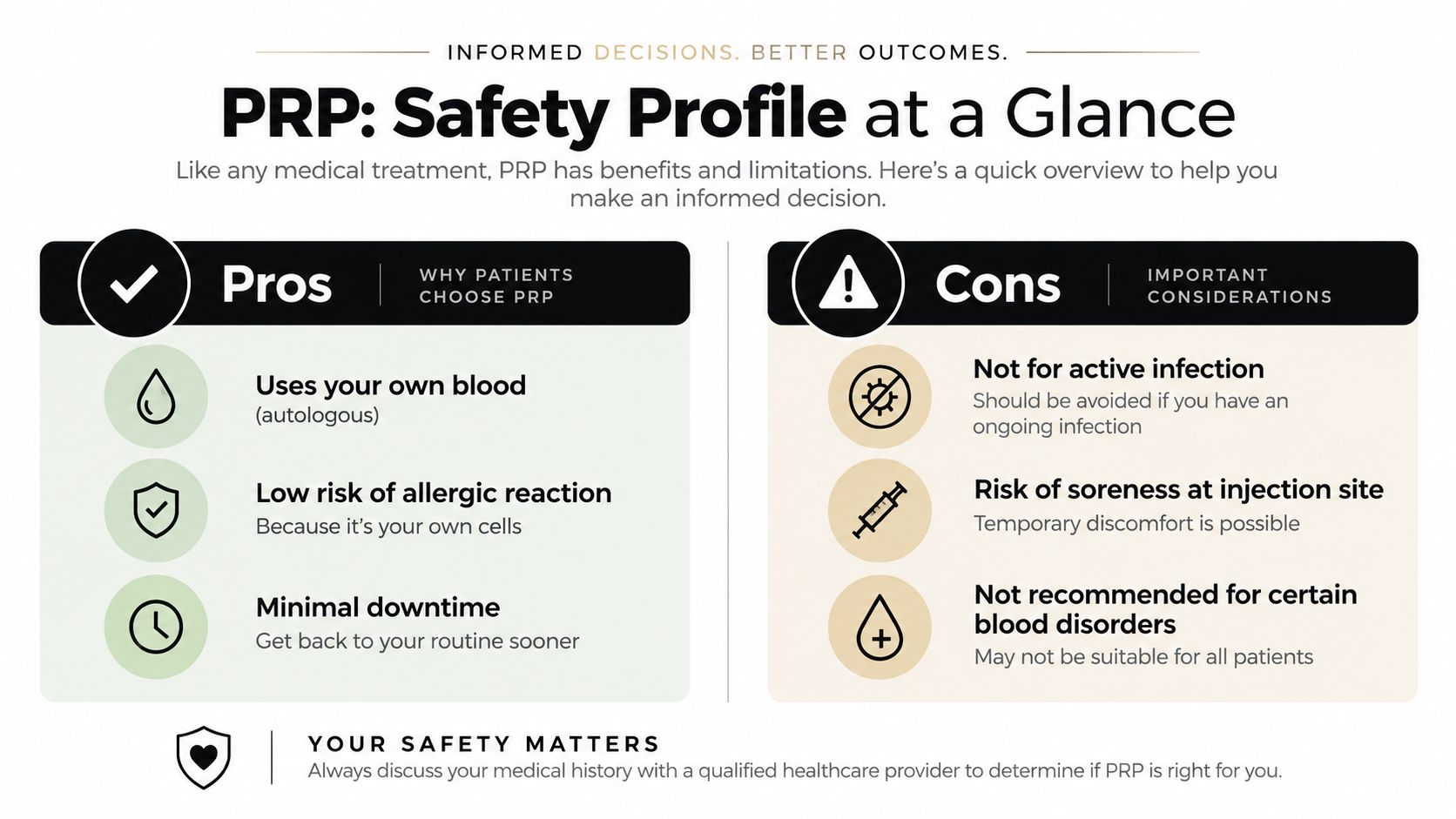
PRP has a strong safety advantage because it uses your own blood, which makes allergic reactions and disease transmission non-issues. That does not make it risk-free. Any injection can cause temporary soreness, a short inflammation flare, bleeding, or infection, and some patients won't respond enough to justify repeating the procedure. The safety conversation should be direct, because trust depends on it.
Who should pause before scheduling
Certain patients should be screened carefully before PRP. Active infection is a clear reason to delay treatment. Blood disorders, low platelet counts, active cancer, and anticoagulants that can't be safely paused also change the risk-benefit calculation. In those settings, the issue isn't just whether PRP might help, it's whether the body can safely generate a useful response and tolerate the procedure.
A second issue is marketing overreach. Some products are sold alongside regenerative treatments with claims that sound advanced but outpace the evidence or regulatory guidance. Patients should be cautious with anything that promises broad pain relief without clear discussion of indication, preparation, and realistic outcome measures. Legitimate PRP is a careful medical procedure, not a category label for every biologic product on the market.
Bottom line: A safe regenerative plan starts with what the body can tolerate, then asks whether the treatment has a solid reason to be there.
I also counsel patients to separate what's biologically plausible from what's clinically proven. PRP has a real evidence base, but that does not automatically transfer to every add-on product that gets bundled with it. In a pain and wellness clinic, the standard should be evidence first, then judgment, then procedure.
The right conversation with your clinician should include your medical history, current medications, prior procedures, and the exact target being treated. If those pieces aren't being discussed, the plan isn't complete yet.
Is PRP Right for You or Should You Consider Alternatives
PRP isn't the right answer for every pain problem, and that's a strength, not a weakness. It tends to fit best for someone with mild to moderate joint or tendon degeneration, persistent symptoms despite conservative care, and a desire to avoid or delay more invasive steps. If the problem is advanced structural damage, major instability, or a pain generator that's better addressed by another procedure, PRP may be the wrong tool.
How PRP compares with other common options
Corticosteroid injections can calm pain quickly, but they're mainly anti-inflammatory rather than regenerative. Hyaluronic acid injections focus more on lubrication than tissue repair. Nerve blocks and radiofrequency ablation are better suited when the pain signal itself is the primary issue, not the tissue that started the problem. Surgery belongs in the discussion when the anatomy has crossed the line into a structural fix rather than a biologic repair.
That's why the best PRP candidates are usually people who still want an active, function-based plan. They've often already tried exercise-based care, medication adjustments, or other conservative measures, but they're not ready to accept ongoing pain or jump straight to surgery. In those situations, PRP can be one part of a broader strategy that still includes movement, pacing, and other interventional options when needed.
For patients who are thinking about regenerative procedures more broadly, the internal overview of autologous cell therapy is a sensible next step because it shows where PRP fits relative to other biologic approaches.
What I want patients to remember is this. The best treatment is not the one with the flashiest label. It's the one that matches the pain generator, the tissue quality, the patient's goals, and the recovery plan. That's how you avoid overpromising and still give the body a fair chance to heal.
Questions to Ask at Your PRP Consultation in Chicago Ridge
A good PRP visit should feel specific, not generic. Whether you're coming from Chicago Ridge, Oak Lawn, Palos Hills, Palos Heights, Worth, Bridgeview, Hickory Hills, Alsip, Burbank, Evergreen Park, or Orland Park, the same questions should come up before anyone books a procedure. The answers tell you whether the plan is evidence-based or just packaged well.
Here's a checklist that belongs in the room:
- Is PRP the best option for my specific condition? The answer should be tied to your diagnosis, not a blanket pitch.
- What preparation method and concentration do you use? Technique matters because PRP isn't one uniform product.
- Will the injection be image-guided? Precision is important when the target is a joint, tendon, or selected spine structure.
- What outcome should I realistically expect, and how will we measure success? Pain, walking, stairs, sleep, and work tolerance all matter.
- What happens if PRP doesn't help enough? A good plan includes the next step before the first needle goes in.
If a consultation can't answer those five questions clearly, you probably don't have enough information yet.
At Midwest Pain & Wellness, patients see a board-certified interventional pain specialist, Dr. Yaw Donkoh, who works within an opioid-sparing approach and can integrate PRP with other interventions when appropriate. That matters because the value of PRP often depends on how well it fits into the larger plan, not on the injection alone.
The right consultation should leave you with a clear diagnosis, a realistic estimate of benefit, and a backup plan if the response is incomplete. If you're in the Chicago Ridge area and want a careful, evidence-graded conversation about PRP, schedule a visit with Midwest Pain & Wellness.