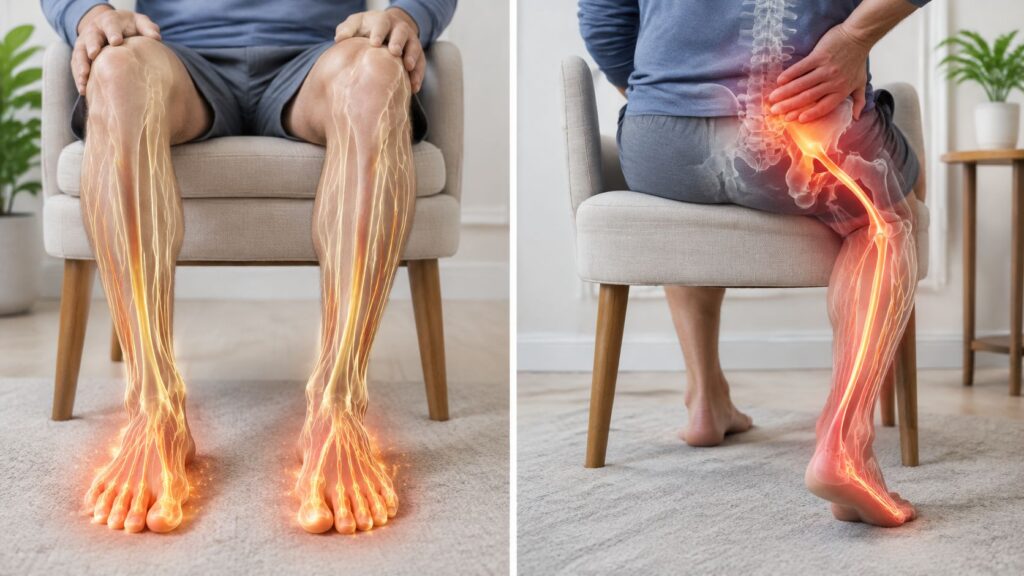
What should you ask a pain management doctor if the goal isn't just to lower a pain score, but to sleep better, move safely, work, care for family, and make a sustainable plan? Many appointments focus quickly on the diagnosis or the next prescription. The more useful conversation connects the diagnosis to daily function, opioid-sparing options, safety, candidacy, coverage, and a measurable follow-up plan.
Chronic pain is common worldwide. A widely cited NIH review of chronic pain prevalence reports that chronic pain affects about 10% of the world's population, or approximately 60 million people, while regional estimates can be higher. A cross-country analysis across 52 countries found an overall pain prevalence of 28% in the combined sample. Those figures help explain why a structured evaluation matters, especially for patients who have tried several treatments without a clear long-term strategy.
This practical list is for patients considering Midwest Pain & Wellness, a Chicago Ridge, Illinois pain and wellness clinic, including people in Palos Heights, Palos Hills, Evergreen Park, and Hickory Hills, Illinois. It isn't a physical therapy practice, although a pain plan may include targeted rehabilitation and coordination with therapists. Save these questions, bring your medical records and medication details, and use each answer to decide what you need to discuss next.
Table of Contents
- 1. What treatment options are available beyond opioids for my chronic pain?
- 2. How does image-guided injection therapy work, and is it safe?
- 3. What is radiofrequency ablation, and when is it recommended?
- 4. How can spinal cord stimulation help my chronic pain condition?
- 5. What minimally invasive spine procedures are available for my condition?
- 6. Are regenerative medicine options like PRP and cell-based therapy right for my pain?
- 7. What specialized treatments are available for chronic migraine and cervical dystonia?
- 8. How do you coordinate my pain care with my primary doctor, surgeon, and therapist?
- 9. What should I expect during my first pain management clinic visit?
- 10. How do you help workers' compensation and personal injury patients specifically?
- Comparison of 10 Key Questions for Pain Management Doctors
- Turn Answers Into Your Next Care Decision
1. What treatment options are available beyond opioids for my chronic pain?
A responsible pain plan should begin with the cause of pain and your functional goals, not with a default medication. Ask which non-opioid treatments fit your diagnosis, what evidence supports each option, and how the choices can work together. A multimodal plan might include targeted physical therapy, activity modification, image-guided injections, epidural steroid injections, medial branch blocks, sacroiliac or facet interventions, radiofrequency ablation, neuromodulation, behavioral strategies, or carefully selected medication.
The modern pain-management conversation increasingly emphasizes opioid-sparing care. A 2011 NIH review on chronic pain as a global health priority noted that an additional one in 10 people develop chronic pain each year worldwide and described the need for coordinated care rather than symptom suppression alone.
Connect treatment to what you need to do
Tell the doctor whether your priority is walking, sleeping, returning to work, lifting safely, or reducing medication side effects. A procedure that briefly reduces symptoms but doesn't improve function may not be the best next step. Ask what recovery involves, whether activity restrictions apply, and what happens if the first approach doesn't help.
Bring a complete treatment history, including medications, injections, surgery, therapy, and home strategies. Midwest Pain & Wellness describes its advanced pain management services as part of a personalized, multimodal approach.
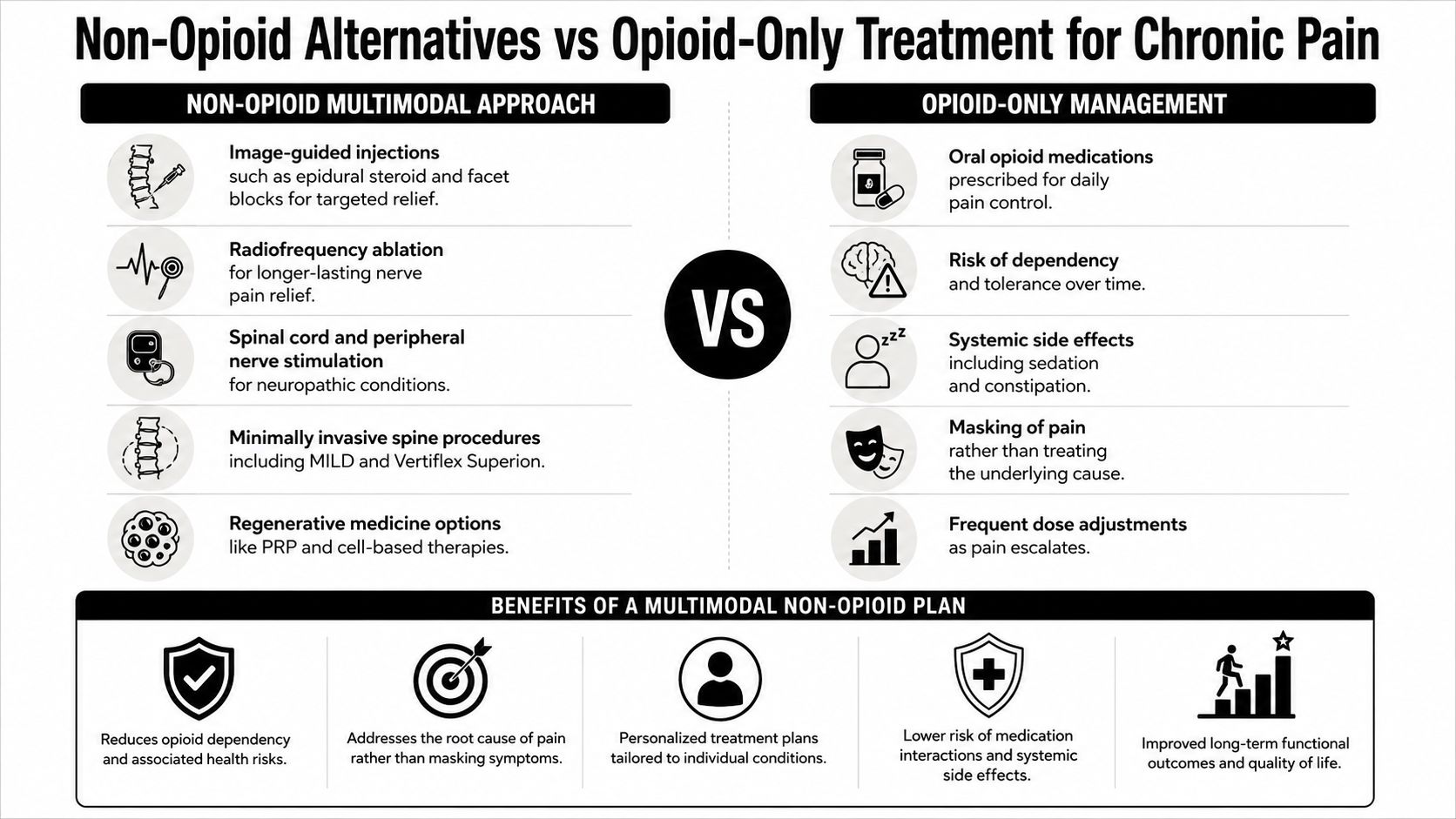
Practical rule: Ask what the plan is designed to help you do, not only what it is designed to make you feel.
2. How does image-guided injection therapy work, and is it safe?
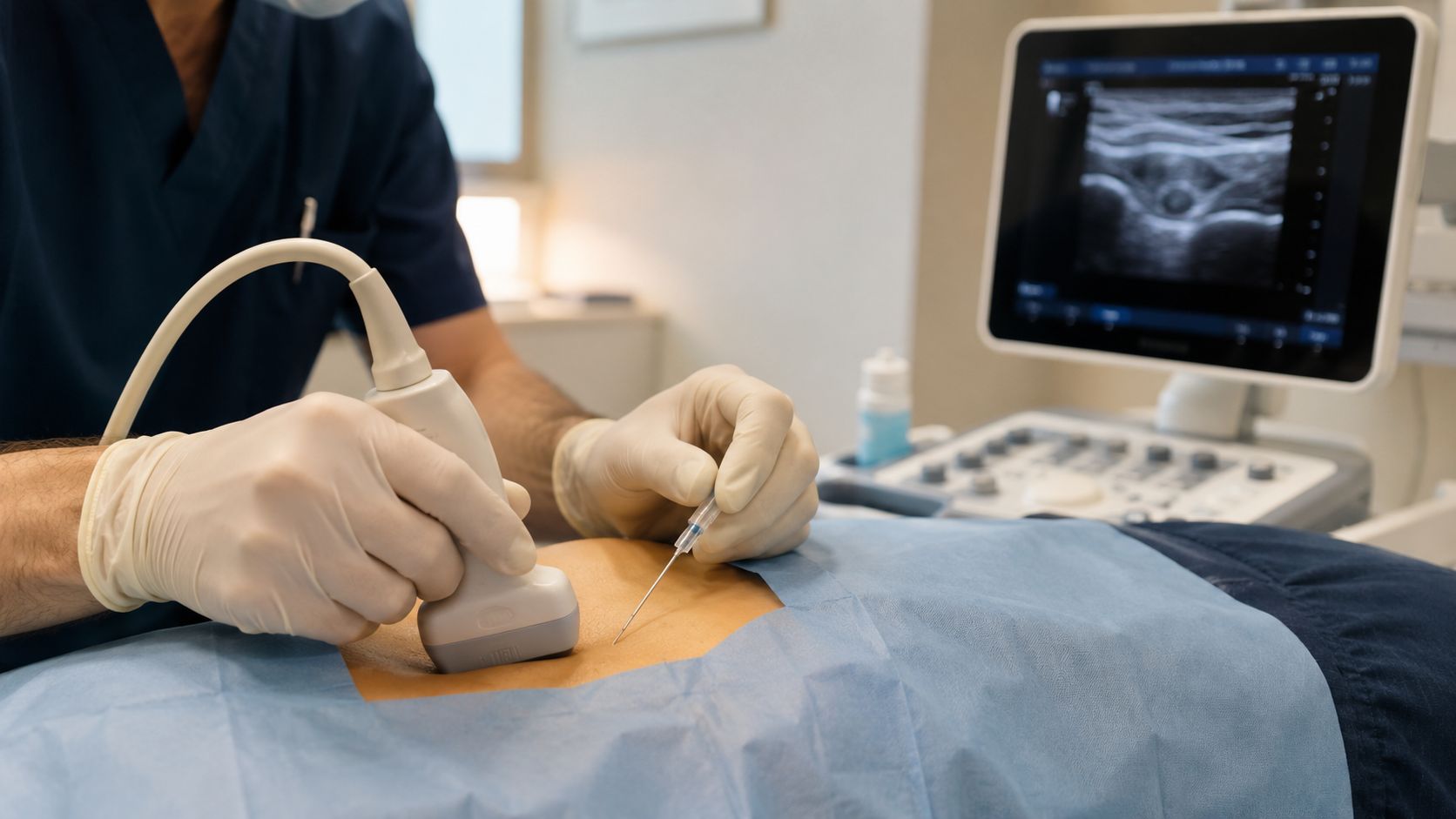
Image guidance helps the physician identify the intended anatomical target and place the needle with greater precision. Depending on the procedure, the doctor may use fluoroscopy, which provides live X-ray guidance, or ultrasound, which displays soft tissues in real time. The right method depends on the body region, the target, the medication, and the clinical question.
Ask, “What structure are you treating, and how will you know that structure is causing my pain?” A patient with radiating leg pain may discuss an epidural injection aimed at inflammation around a nerve. Someone with suspected facet-mediated back pain may need a medial branch block, while sacroiliac joint symptoms may call for a targeted SI joint injection.
Safety depends on the whole picture
Tell the doctor about blood thinners, allergies, diabetes, infection, pregnancy, immune conditions, and previous reactions to injections. Ask about the medication being used, possible complications, expected soreness, driving restrictions, and when improvement should be assessed. You should also understand whether the injection is intended to treat pain, provide diagnostic information, or do both.
A procedure shouldn't be recommended because it is available. The doctor should explain why the target matches your examination and imaging, what alternatives exist, and what the next decision will be if relief is short-lived or absent. You can review the clinic's approach to fluoroscopy-guided injections before your visit.
3. What is radiofrequency ablation, and when is it recommended?
Radiofrequency ablation, or RFA, uses heat energy to interrupt selected pain-transmitting nerve fibers. It may be considered when a doctor believes pain comes from structures such as facet joints or, in appropriate cases, the sacroiliac region. RFA doesn't repair arthritis or reverse every underlying spinal change. Its value depends on selecting the right pain generator and defining what meaningful improvement would look like.
Ask whether diagnostic nerve blocks are recommended before ablation. A temporary response to a targeted block can provide useful information about whether the suspected nerves are contributing to your pain. You should also ask whether standard or cooled RFA is being considered, why that method fits your anatomy, and what risks apply.
Plan for both relief and recurrence
A good consultation covers the practical side. Ask how long relief may last for your condition, how soon you can resume normal activities, and what the clinic will measure afterward. Pain may return as nerves recover or because another structure is contributing. The next step might be repeat treatment, rehabilitation, a different intervention, or a revised diagnosis.
Avoid choosing RFA based on the hope of a guaranteed duration. The more useful question is whether the procedure has a reasonable role in your specific plan and how the doctor will respond if it doesn't meet the agreed goal. Patients can review information about radiofrequency ablation and related costs before asking for an individualized estimate.
Bring imaging reports and a clear description of which movements provoke symptoms. Also explain whether your pain prevents standing, walking, sleeping, or working, since candidacy should be tied to function rather than a scan alone.
4. How can spinal cord stimulation help my chronic pain condition?
Spinal cord stimulation, or SCS, uses an implanted system to deliver electrical stimulation near the spinal cord and alter pain signaling. It may be discussed for selected patients with persistent nerve pain, post-surgical pain, or complex regional pain syndrome. It isn't a universal solution for back pain, and a device should never substitute for a careful diagnosis.
Ask which part of your pain is most likely to respond. Burning, electric, shooting, or hypersensitive pain may lead to a different discussion than mechanical pain caused by movement or pressure. The doctor should explain the evaluation process, whether a temporary trial is appropriate, what the trial is intended to demonstrate, and how success will be judged.
Questions about living with a device
Discuss programming, charging, future adjustments, device maintenance, and whether the system is compatible with imaging you may need. Ask about infection, bleeding, lead movement, hardware problems, and the recovery process. You should also understand what happens if the trial doesn't provide enough benefit or if the implant later needs revision or removal.
A thoughtful SCS consultation includes alternatives such as medication management, rehabilitation, injections, or other procedures. It also addresses your ability to participate in follow-up care and use the system correctly. The physician should separate realistic expectations from promotional language and explain how the device fits into a broader plan for movement and function.
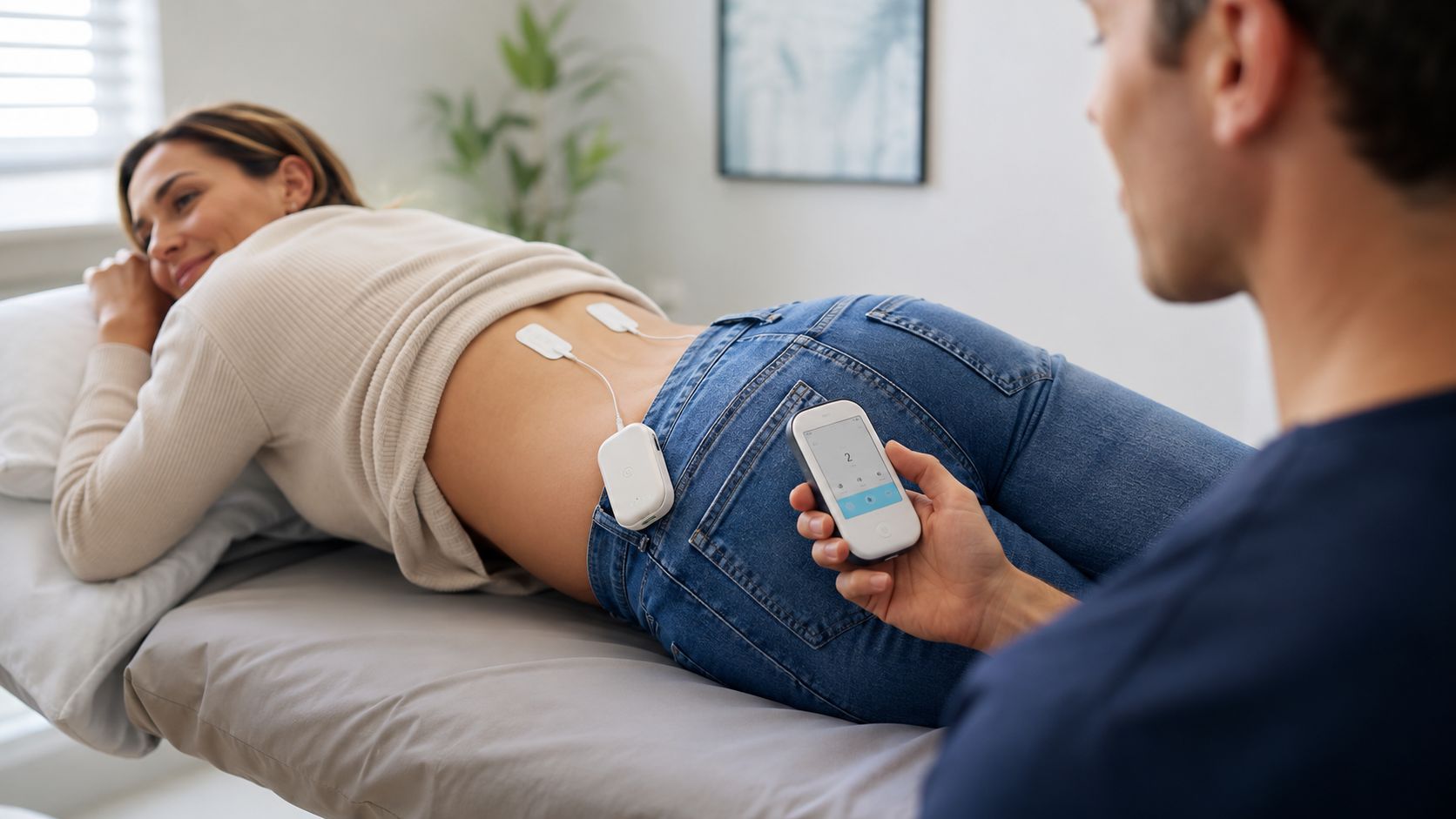
A device is a treatment tool, not a diagnosis. Ask what problem it is intended to solve and how the team will know whether it is helping.
5. What minimally invasive spine procedures are available for my condition?
“Minimally invasive” doesn't mean risk-free or appropriate for every patient. Ask whether your symptoms come from spinal stenosis, disc disease, a compression fracture, ligament thickening, or another problem, and which imaging findings support the diagnosis. The doctor should explain why a procedure is preferable to continued conservative care, a different intervention, or surgical evaluation.
Possible discussions may include MILD, which stands for Minimally Invasive Lumbar Decompression, the Vertiflex Superion interspinous spacer, or kyphoplasty for selected vertebral compression fractures. These treatments address different problems. MILD and Vertiflex Superion aren't interchangeable, and kyphoplasty isn't a general treatment for every form of back pain.
Ask what candidacy really requires
Find out which scans, symptoms, examination findings, and functional limitations matter. Ask about the physician's experience with the specific procedure, expected recovery, activity restrictions, complications, and what happens if symptoms return. A patient with leg heaviness from lumbar stenosis may have a different treatment pathway from someone with an acute vertebral compression fracture.
The right comparison isn't just “procedure versus surgery.” It includes the severity of nerve compression, neurological findings, medical fitness, goals, and willingness to follow recovery instructions. Ask whether a spine surgeon should also evaluate you, particularly if you have progressive weakness, significant numbness, bowel or bladder changes, or other urgent symptoms.
A pain and wellness clinic can provide interventional evaluation and coordinate referrals when needed. It shouldn't present a minimally invasive procedure as a way to avoid every form of surgery regardless of the diagnosis.
6. Are regenerative medicine options like PRP and cell-based therapy right for my pain?
Regenerative medicine conversations require careful qualification. Platelet-rich plasma, or PRP, uses a preparation made from a patient's blood. Cell-based treatments involve different biological materials and processing methods, so the label alone doesn't tell you whether a treatment is appropriate, well-supported, or regulated for your condition.
Ask what tissue is believed to be injured, how imaging confirms that problem, and what evidence applies specifically to your joint, tendon, ligament, or other structure. PRP may be discussed for selected musculoskeletal conditions, but interest in a treatment isn't the same as proof that it will help every patient. The doctor should explain uncertainty plainly.
Clarify the biology and the timeline
Ask where the material comes from, how it is prepared, what is injected, and whether the treatment is being used as an established option or an emerging one. Discuss infection, bleeding, post-injection soreness, medication restrictions, activity modification, and the time required before judging the result.
A patient considering PRP before joint replacement should understand that an injection may not change the underlying progression of severe joint disease. Someone with chronic tendinopathy may need a staged plan involving load management and rehabilitation rather than an injection alone. Cell-based therapy deserves the same scrutiny, especially around sourcing, processing, claims, and follow-up.

Ask for the limits of the evidence: A trustworthy recommendation includes who may benefit, who may not, and what you'll do if the treatment fails.
7. What specialized treatments are available for chronic migraine and cervical dystonia?
Headache and movement-related neck disorders need a diagnosis-specific conversation. Ask whether your symptoms meet the clinical pattern for chronic migraine, whether medication overuse may be contributing, and whether your neck movements or muscle contractions are consistent with cervical dystonia. The treatment plan should reflect the diagnosis, not just the location of discomfort.
Botox may be considered for appropriate patients with chronic migraine or cervical dystonia. The doctor should explain the injection pattern, anatomical targets, expected onset, possible muscle-related effects, and how treatment will be assessed. For migraine, ask what changes should be tracked, such as headache frequency, severity, rescue-medication use, sleep disruption, and ability to work.
Compare targeted treatment with your current plan
Botox isn't a quick fix for every headache or neck spasm. You may need a broader plan that addresses medication use, sleep, triggers, physical activity, stress, and other medical conditions. Ask how often treatment is expected, what happens if the response is incomplete, and whether another specialist should participate.
For cervical dystonia, discuss abnormal head positioning, muscle tightness, pain patterns, swallowing or neck weakness concerns, and the timing of side effects. A patient may value reduced muscle pulling more than complete elimination of pain, so define the target before treatment.
Keep a symptom record before the appointment. A clear diary can help the doctor distinguish isolated headaches from a recurring migraine pattern and can make follow-up decisions more objective.
8. How do you coordinate my pain care with my primary doctor, surgeon, and therapist?
Pain care works better when every clinician understands the same diagnosis, medication list, restrictions, and functional goals. Tell the pain doctor who manages your primary care, surgery, rehabilitation, behavioral health, and other prescriptions. Include chiropractors, occupational therapists, and any clinician treating an unrelated condition if their care affects procedures or medication safety.
Ask who will send updates, what information can be shared, and whether you'll receive treatment summaries. If you're recovering from surgery, the pain clinic and surgeon should understand wound status, restrictions, rehabilitation timing, and the difference between expected recovery pain and a complication. If you're pursuing therapy, ask how the procedure plan will support rather than disrupt that work.
Coordination matters in complicated claims
Workers' compensation cases may involve the patient, employer, carrier, attorney, primary doctor, therapist, and pain specialist. A shared plan should state restrictions and goals clearly rather than leaving each provider to interpret the case independently. General care plan implementation guidance can help patients think through who owns each next step, although your medical team must adapt the plan to your situation.
Give written permission when needed, keep copies of reports, and ask how medication changes will be communicated. The clinic should know about opioids, sedatives, blood thinners, supplements, and medications prescribed elsewhere.
Coordination question: “If another doctor changes my medication or restrictions, how should I notify your office, and who will update the rest of my team?”
9. What should I expect during my first pain management clinic visit?
The first visit should give the doctor enough information to connect your symptoms with a working diagnosis and a safe treatment plan. Expect questions about when the pain began, what makes it better or worse, how it affects sleep and movement, what treatments you've tried, and whether you have weakness, numbness, falls, or other neurological symptoms. The clinician may review imaging, perform an examination, and discuss whether further testing is needed.
Bring your medication and supplement list, prior imaging reports, images when available, operative records, referral paperwork, and notes about prior treatments. Write down the pattern of your pain and the activities you can no longer perform comfortably. You don't need a perfect diary, but specific examples are more useful than describing pain only as “bad.”
Prepare the decisions you want to make
Before the appointment, write questions about diagnosis, benefits and risks, non-opioid care, procedures, therapy, psychological support when relevant, realistic long-term goals, and follow-up. A patient consultation preparation guide may help you organize general questions, but medical decisions should come from your clinical evaluation.
Ask what happens after the first visit. Will the next step be imaging, an injection, medication review, therapy coordination, or observation? Ask who to contact if symptoms change and what warning signs require urgent medical attention.
Arrive with enough time to complete paperwork and confirm your insurance details. If you're visiting from Chicago Ridge, Palos Heights, Palos Hills, Evergreen Park, or Hickory Hills, Illinois, confirm the clinic location, parking, and arrival instructions in advance.
10. How do you help workers' compensation and personal injury patients specifically?
A work injury or personal injury claim adds documentation and communication needs to ordinary medical care. Ask whether the clinic can document your diagnosis, objective findings, treatment response, restrictions, and functional progress in a way that supports clinical decisions and required claim communications. Medical records should remain accurate and clinically focused, not shaped to produce a preferred legal outcome.
Bring your claim number, carrier information, attorney's contact details when appropriate, referral records, accident information, and prior treatment records. Ask what forms the carrier requires, who handles authorization, how frequently reports are sent, and whether the clinic will communicate with your attorney or claim manager only with proper consent.
Keep function at the center
A work-related plan may need to address lifting, sitting, standing, driving, reaching, walking, or other job demands. Ask how restrictions will be written, when they'll be reviewed, and what findings would support a gradual return to work. If a functional capacity evaluation is considered, ask what it measures and how the results will be used.
Personal injury patients should also ask how treatment necessity, response, and future recommendations will be documented. A general workers' compensation pain-management guide can illustrate the kinds of administrative questions patients often have, but Illinois claims follow Illinois requirements and your own carrier's procedures.
Don't assume legal involvement replaces medical communication. Keep your doctors informed about every treatment, medication, restriction, and change in symptoms, and ask how confidentiality applies when records are requested.
Comparison of 10 Key Questions for Pain Management Doctors
| Treatment / Service | Implementation complexity | Resource requirements | Expected outcomes | Ideal use cases | Key advantages |
|---|---|---|---|---|---|
| Non-opioid multimodal pain options (interventional, regenerative, rehabilitative) | Moderate–High, multidisciplinary coordination and multiple modalities | Specialists, imaging, interventional suites, rehab services, devices | Reduced opioid use; improved function and quality of life; variable by modality | Chronic pain seeking alternatives to opioids or with prior med failures | Addresses root causes; personalized plans; fewer systemic medication effects |
| Image-guided injection therapy (fluoroscopy/ultrasound-guided injections) | Low–Moderate, procedure-based with imaging guidance | Fluoroscopy/ultrasound, sterile procedure room, trained physician | Targeted, often rapid pain relief; diagnostic clarity; temporary to weeks–months relief | Radicular pain, joint pain, diagnostic localization of pain source | High precision; low systemic side effects; quick outpatient recovery |
| Radiofrequency ablation (RFA) | Moderate, requires image guidance and thermal lesioning expertise | RFA generator, needles, imaging, experienced clinician | Extended pain relief (commonly 6–12+ months); repeatable; variable individual response | Facet-mediated pain, sacroiliac pain after positive diagnostic block | Longer-lasting relief than injections; minimally invasive; improves function |
| Spinal cord stimulation (SCS) | High, surgical implantation and ongoing programming | Implantable device, OR/sterile implantation setting, neuromodulation team, follow-up programming | Significant pain reduction for many (often 50–70%); improved function; reversible after trial | Failed back surgery syndrome, complex neuropathic pain, CRPS | Programmable and reversible neuromodulation; can reduce opioid reliance |
| Minimally invasive spine procedures (MILD, Vertiflex, kyphoplasty) | Moderate–High, procedural skill and device-specific training | Specialized implants/devices, imaging, trained surgeons or interventionalists | Faster recovery than open surgery; pain relief; preserved spinal mobility | Lumbar spinal stenosis, vertebral compression fractures, select degenerative conditions | Shorter recovery, less tissue trauma, outpatient option, preserves anatomy |
| Regenerative medicine (PRP, cell-based therapies) | Low–Moderate, biologic harvest and injection techniques | Centrifuge/processing kits, harvest equipment, trained injector; often self-pay | Potential tissue healing and symptom improvement over weeks–months; evidence variable | Tendinopathy, early osteoarthritis, selected post-injury cases | Uses autologous biology; low systemic risk; may delay or avoid surgery |
| Botox for chronic migraine and cervical dystonia | Low, outpatient injection protocol repeated periodically | Botulinum toxin supplies, trained injector, clinic space | Reduced migraine days or muscle spasm relief; onset days to 2 weeks; repeat every ~12 weeks | Chronic migraine prophylaxis, cervical dystonia with focal muscle involvement | Proven efficacy for selected patients; minimal systemic side effects |
| Care coordination with primary doctor, surgeon, and therapist | Moderate, systems and communication pathways required | Shared records, administrative time, consented communication processes | Improved treatment alignment, fewer duplicative tests, smoother transitions | Multidisciplinary cases, surgical candidates, complex rehabilitation | Streamlines care, reduces medication conflicts, improves outcomes |
| First pain management clinic visit (initial evaluation) | Low, structured assessment and history-taking | Prior records/imaging, clinician time, assessment tools | Diagnostic clarification and initial treatment plan; may recommend further testing | New patients seeking diagnosis or treatment planning | Comprehensive, personalized evaluation to guide next steps |
| Workers' compensation & personal injury care | Moderate, legal/insurance documentation and coordination | Administrative support, detailed reporting, functional testing capability | Well-documented treatment records, support for claims, return-to-work guidance | Work-related injuries, motor vehicle/personal injury claims | Specialized documentation and coordination with insurers/attorneys for claims support |
Turn Answers Into Your Next Care Decision
The best questions to ask a pain management doctor don't produce a predetermined treatment. They help you understand why a recommendation fits your diagnosis, what alternatives remain, which risks matter in your case, and how the clinic will judge progress. A confident answer should connect the treatment to a practical goal, such as sleeping through the night, walking farther, returning to work, reducing medication burden, or participating more fully in rehabilitation.
Compare every option across the same categories. Ask what the evidence supports for your condition, what uncertainty remains, how invasive the treatment is, what recovery demands it creates, and what could go wrong. Then ask what happens if it doesn't work. The last question is especially important because a plan without a next decision can leave patients repeating treatments without learning from the result.
Medication discussions deserve the same clarity. Shared decision-making can influence how satisfied patients feel with analgesic choices. In one emergency-department study, optimal medication satisfaction was 67% among patients who received information compared with 34% among those who did not, and higher shared-decision-making scores were associated with greater satisfaction with discharge pain medication, as reported in the study on information and shared decision-making in emergency pain care. Ask about benefits, side effects, interactions, dependence risk, monitoring, and whether non-drug or interventional options could reduce the need for medication escalation.
Process quality matters, too. A controlled lumbar-spine intervention found no meaningful difference in pain or overall satisfaction compared with usual care, while shared-decision-making scores were significantly lower in the intervention group at one month, according to the lumbar-spine shared decision-making study. That finding supports a simple habit: ask the doctor to explain the options, invite your preferences, and document the agreed goal.
Coverage should be part of the conversation before a procedure is scheduled. Illinois Medicaid managed-care guidance lists prior authorization requirements for certain outpatient interventional pain procedures, including spinal epidural injections, facet injections or blocks, radiofrequency neurolysis, sacroiliac joint injections, sympathetic nerve blocks, and spinal cord stimulators, as described in Illinois interventional pain-management authorization guidance. Blue Cross and Blue Shield of Illinois explains that prior authorization may be required for some members, services, and drugs, and that in-network providers are usually responsible for requesting it before a service, according to its provider utilization-management information. Illinois law defines prior authorization as a health insurer's determination of medical necessity and appropriateness before an otherwise covered service is delivered, as stated in the Illinois insurance statute.
Ask who submits authorization, what documentation is needed, whether your exact procedure and insurance plan are covered, and what your options are if approval is delayed or denied. Coverage verification can prevent an avoidable surprise, but it doesn't replace medical judgment.
Bring these questions and your relevant records to a qualified Illinois pain specialist. Seek appropriate urgent medical care for severe or rapidly worsening symptoms, new significant weakness, loss of bladder or bowel control, serious injury, fever with concerning pain, or other emergency warning signs. If you live near Chicago Ridge, Illinois, and want to discuss a personalized pain and wellness consultation, you can contact Midwest Pain & Wellness through midwestpainandwellness.com.
Midwest Pain & Wellness provides opioid-sparing pain and wellness care for chronic back, neck, joint, nerve, post-surgical, injury, migraine, and cervical dystonia conditions. Visit Midwest Pain & Wellness to discuss image-guided injections, radiofrequency ablation, spinal cord stimulation, minimally invasive spine procedures, regenerative options, coordinated rehabilitation, and a follow-up plan built around your goals.