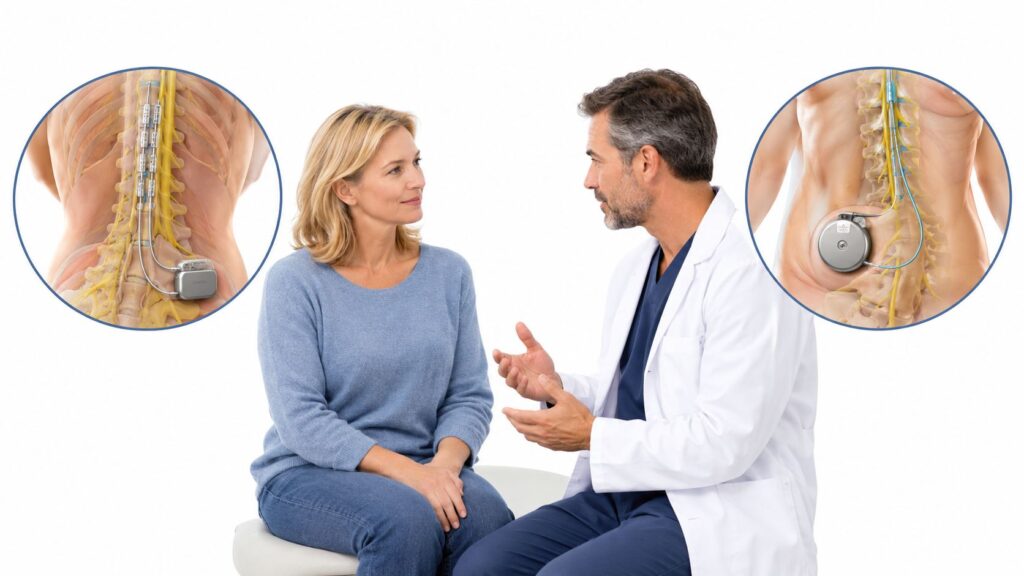
You've lived with pain long enough to know that online reviews rarely agree. One person describes a spinal cord stimulator as life-changing, while another says the benefit faded or the device had to be removed. You may be searching late at night, trying to decide whether those stories apply to your back, neck, leg, or nerve pain.
The difficulty is that patient testimonials and clinical reviews answer different questions. A testimonial tells you what happened to one person. A systematic review combines research studies to examine patterns across groups, follow-up periods, and treatment comparisons. Both can be useful, but neither should replace an individualized evaluation.
This guide will help you read spinal cord stimulation reviews with a clinician's eye. You'll learn how the therapy works, what randomized evidence says about pain and function, why trial success doesn't always equal long-term benefit, and how waveform differences can affect expectations. You'll also find practical questions to ask before considering a trial in Illinois, including if you live near Chicago Ridge, Palos Heights, Palos Hills, Evergreen Park, or Hickory Hills.
People exploring non-device options may also benefit from reviewing approaches to non-compression joint pain relief, especially when joint symptoms are part of a broader pain picture. The most important principle is simple: reviews can inform your decision, but your diagnosis, goals, risk factors, and available alternatives should guide it.
Table of Contents
- Introduction to Spinal Cord Stimulation Reviews and What They Mean
- How Spinal Cord Stimulation Works in Simple Terms
- What Clinical Reviews and Patient Reviews Actually Show About Results
- Comparing Device Types and Waveforms Without the Hype
- Why Some Reviews Turn Negative and What Predicts Long Term Success
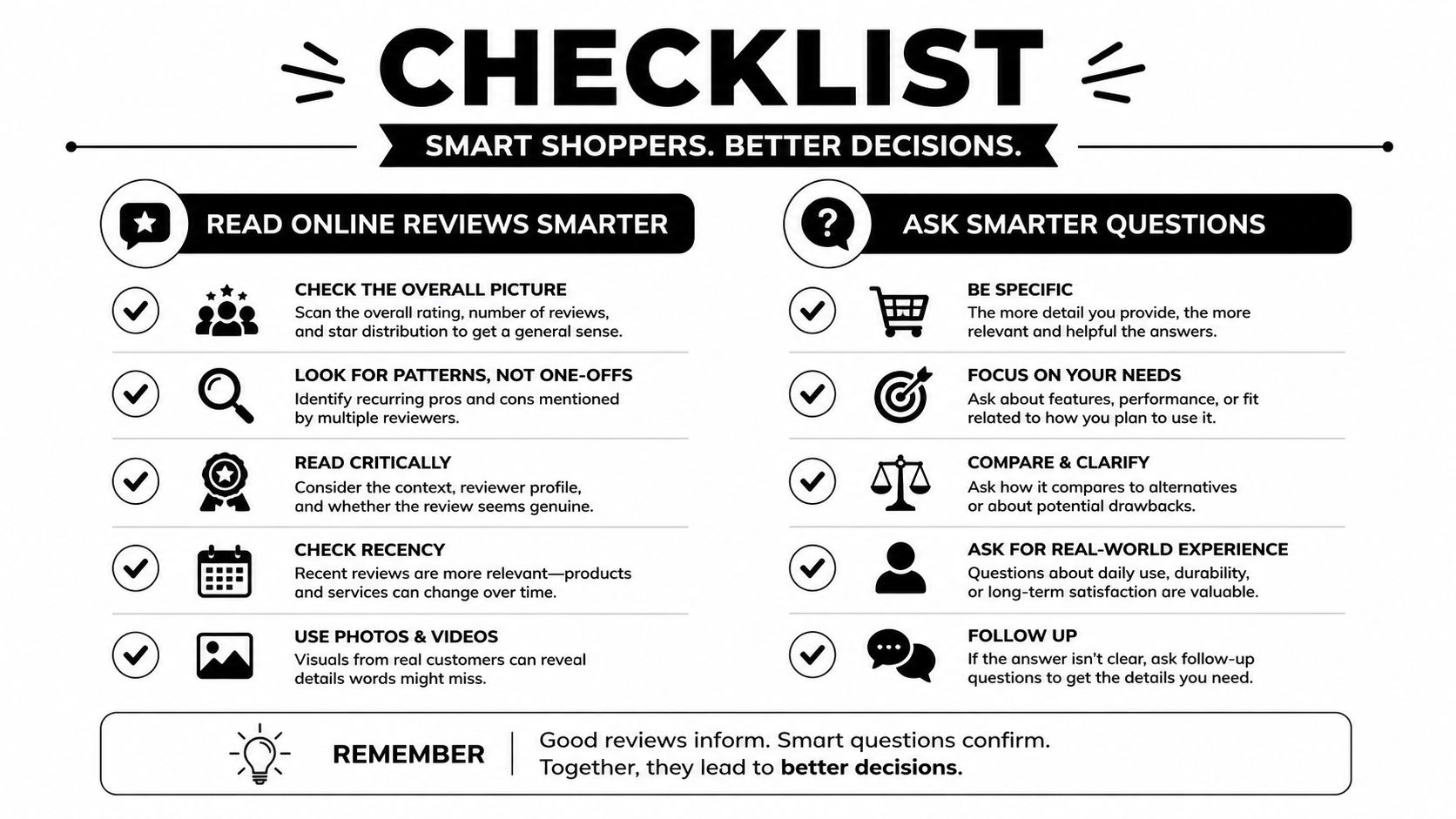
- How to Read Online Reviews and Ask Smarter Questions
- Getting Evaluated for SCS at Midwest Pain and Wellness in Illinois
Introduction to Spinal Cord Stimulation Reviews and What They Mean
A patient named Maria might read ten reviews before her consultation. Several people praise their implants, one reports uncomfortable stimulation, and another says the device helped at first but no longer changes daily life. Maria is left with a reasonable question: which review describes her future?
No online story can answer that alone. Pain conditions differ, prior surgeries differ, and people define success differently. One person may value sleeping through the night. Another may care most about walking farther, reducing medication, or returning to work. A review that says “it worked” may not explain the pain diagnosis, the length of follow-up, or whether function improved.
Two kinds of reviews
A patient review provides lived experience. It can reveal practical details that research papers may not describe clearly, such as how programming feels, how the trial affected routines, or what follow-up was like. Patient stories can help you prepare emotionally and generate questions.
A clinical review evaluates a body of evidence. The strongest reviews explain how studies were selected, how many people participated, what comparison treatment was used, and how outcomes were measured. They can tell you whether benefit appears consistent across groups, but they can't predict your individual result with certainty.
SCS is generally discussed as an interventional pain treatment, not as a cure for the underlying cause of every painful condition. It aims to change pain signaling and may support an opioid-sparing plan, while other treatments address movement, inflammation, nerve compression, or structural problems when appropriate.
A useful rule: Read testimonials for practical context, and read systematic reviews for treatment-level evidence. Don't use either one as a personal prognosis.
The local decision should be similarly individualized. A pain and wellness clinic in Illinois may review your history, imaging, previous treatments, and goals before deciding whether a trial makes sense. That process is more informative than comparing star ratings alone.
How Spinal Cord Stimulation Works in Simple Terms
Pain signals travel through nerves toward the spinal cord and brain. Spinal cord stimulation places carefully positioned leads near the spinal cord, then delivers electrical pulses intended to influence how those signals are processed.
A helpful analogy is a dimmer switch, not an eraser. The device doesn't remove the source of pain, and it doesn't guarantee that every signal will be blocked. Instead, stimulation may reduce how strongly pain is experienced, allowing some people to move, sleep, or participate in daily activities more comfortably.
The main components
- Leads: Thin wires are placed in the epidural space near the target nerves.
- Pulse generator: A small implanted unit produces the stimulation.
- Programmer: An external controller allows settings to be adjusted within the treatment plan.
The journey usually has two stages. During a trial, temporary leads deliver stimulation for a limited period while you track pain, activity, sleep, and unwanted sensations. If the trial provides meaningful improvement, the clinician may discuss a permanent system. The trial matters because imaging and diagnosis can suggest that SCS is reasonable, but only your response to stimulation can show whether that approach helps your particular pain.
Conventional tonic stimulation may create paresthesia, often described as tingling or buzzing in the treated area. Some newer waveforms are designed to work without that sensation. The experience can vary with lead position, programming, body position, and the type of pain being treated.
You can read a patient-friendly explanation of the process at how spinal cord stimulation works, then bring any confusing terms to your clinician rather than trying to interpret device language alone.
The trial also helps clarify expectations. A successful trial isn't proof that benefit will last indefinitely. It's a short-term test of whether stimulation produces enough relief or functional change to justify discussing implantation and long-term follow-up.
What Clinical Reviews and Patient Reviews Actually Show About Results
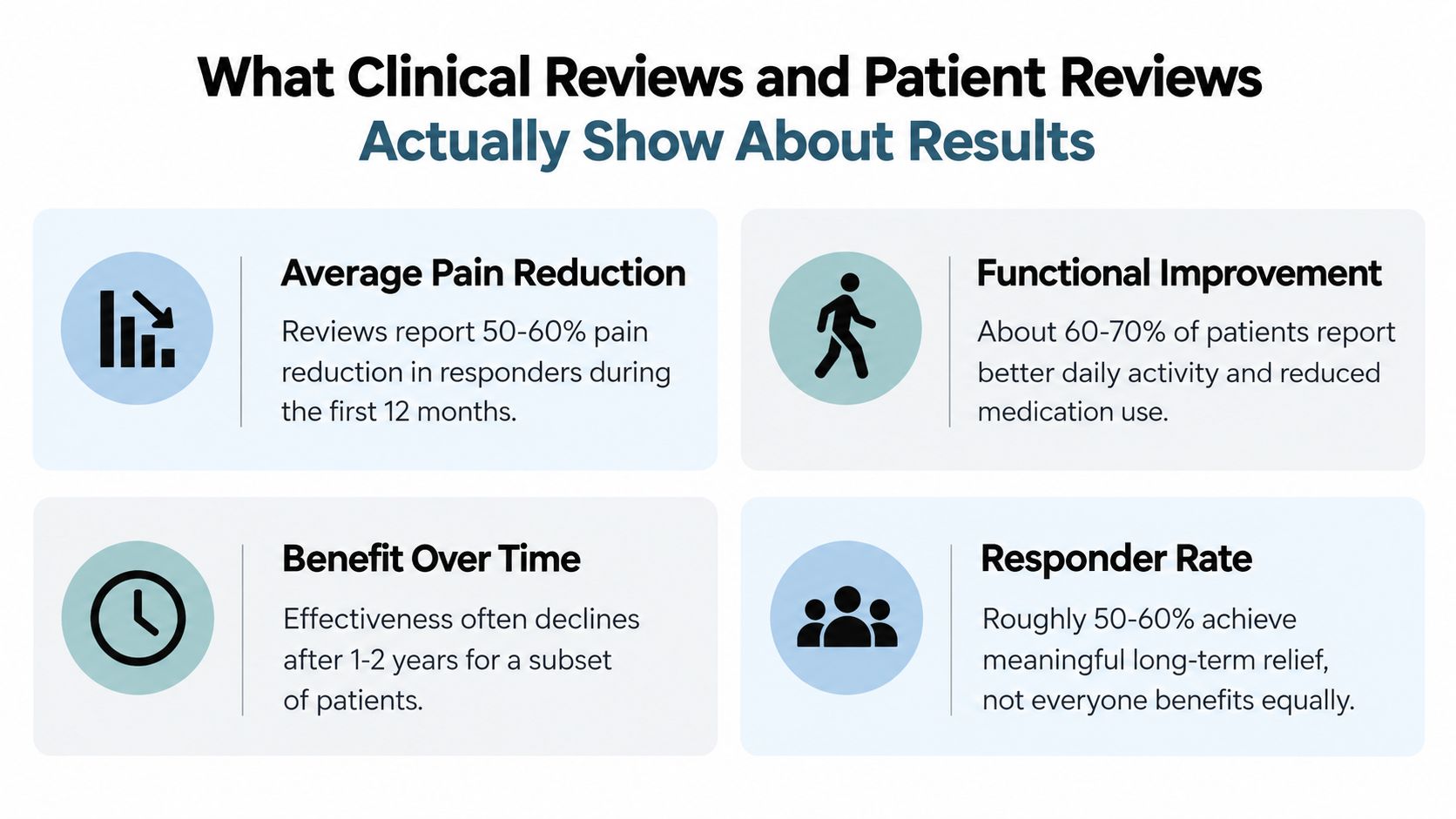
The most useful evidence compares SCS with conventional medical management, often called CMM. A 2024 systematic review and network meta-analysis included 13 randomized clinical trials and 1,561 patients. After six months, conventional and novel SCS were superior to CMM across five of six measured outcomes, including pain, quality of life, and disability, according to the JAMA Network Open review.
That finding matters because pain relief isn't the only meaningful outcome. A person may still report some pain while walking more, sleeping better, using fewer rescue treatments, or returning to activities. A review that reports only an average pain score can miss those changes.
What responder rates mean
Many SCS studies define a responder as someone achieving at least 50% pain reduction. That threshold can be clinically meaningful, but it divides people into responders and nonresponders and may not capture smaller improvements that still matter to a patient.
A 2025 systematic review screened 1,988 publications and included 6 studies with 448 participants. In the randomized evidence, at least 50% pain reduction occurred in 14% to 80% of tonic SCS groups, compared with 3% to 20% for CMM. Mean pain improvement from one to six months ranged from 16% to 48% for tonic SCS, while function improvement at six months ranged from 21% to 45%. The review concluded that there was moderate-quality evidence that SCS reduced pain and disability at six months in persistent spinal pain syndrome type 2. These findings are reported in the 2025 systematic review indexed by PubMed.
Those ranges are wide. They don't mean every patient has an equal chance of every result. They reflect differences in diagnosis, device settings, study design, baseline symptoms, and outcome definitions.
Why personal stories vary
Patient reviews are shaped by expectations and circumstances. Someone may call a treatment successful because it made showering possible again, even if pain remained. Another person may describe the same degree of relief as disappointing because they expected to stop all medication or return to strenuous activity.
Reviews can also differ in follow-up time. A post-trial account describes early response. A long-term account may reveal programming changes, loss of benefit, lead problems, infection, or continued satisfaction. When you read about pain treatments more broadly, resources such as Dream Body Clinic pain management can help frame questions about goals and alternatives, but your own diagnosis still determines which options are relevant.
The older evidence base also matters. The 2018 systematic review, Spinal Cord Stimulation 50 Years Later, evaluated randomized trials across pain relief, quality of life, function, psychological impact, medication use, satisfaction, and health care utilization. More recent reviews build on that foundation, but the quality of review methods remains uneven. A 2024 assessment of 25 SCS meta-analyses rated only three as high quality, while 19 were critically low quality using AMSTAR-2, as reported in Regional Anesthesia and Pain Medicine.
Comparing Device Types and Waveforms Without the Hype
Device discussions can become confusing because “type” may refer to the hardware, the battery, the lead arrangement, or the stimulation pattern. A fair comparison starts with the waveform, meaning the electrical pattern delivered by the system, and then considers whether the system fits your symptoms and daily routine.
Conventional tonic SCS has a longer history of randomized comparative evidence. Novel waveforms, including high-frequency and burst approaches, may aim to reduce or eliminate noticeable tingling, but newer technology doesn't automatically mean better long-term results for every patient.
SCS Waveform Comparison at a Glance
| Feature | Conventional Tonic SCS | Novel Waveforms |
|---|---|---|
| Sensation | May produce tingling or buzzing, called paresthesia | Often designed to reduce or avoid noticeable paresthesia |
| Programming | Settings are adjusted to cover the painful region | Programming may use different pulse patterns and parameters |
| Evidence base | Supported by a substantial body of comparative research | Comparative evidence is growing, but long-term certainty varies |
| Patient priority | May suit someone comfortable with a noticeable sensation | May appeal to someone who prefers little or no stimulation sensation |
| Main question | Does the coverage match the pain area and improve function? | Does the waveform provide durable benefit for this diagnosis and goal? |
The 2024 network meta-analysis found stronger back-pain responder odds for conventional SCS, with an odds ratio of 3.00, while novel SCS showed an odds ratio of 8.76, compared with CMM in the analyzed evidence. These figures come from the JAMA Network Open comparative review. Odds ratios describe comparisons within a study analysis. They aren't personal probabilities and shouldn't be read as a guarantee.
Newer waveforms deserve careful questions about durability. Recent guidance identifies gaps in long-term data for new waveforms and outcomes, meaning pain scores may be better documented than survivorship, function, or satisfaction. A 2026 review also describes SCS for non-pain neurological disorders as investigational because patient selection, stimulation parameters, durability, and safety remain insufficiently defined, as discussed in Frontiers in Neurology.
If your pain pattern involves a highly localized nerve distribution, ask whether another neuromodulation approach is more suitable. An overview of dorsal root ganglion stimulation may help you prepare that conversation.
Why Some Reviews Turn Negative and What Predicts Long Term Success
A high trial success rate can create false reassurance. The trial asks whether stimulation helps during a short, controlled period. Long-term treatment asks different questions: does relief persist, can the system be programmed effectively, do the leads stay in position, and does the patient remain satisfied with the tradeoffs?
A 2023 narrative review reported median trial success rates of 72% in randomized controlled trials and 82% in observational studies. At 12 months, therapy success rates were 65% and 61%, respectively, as described in the review on patient selection and trial stimulation. The difference illustrates why trial results can overestimate durable benefit.
Common reasons benefit is lost
A recent systematic review found explantation rates ranging from 1.8% to 38%. The leading reason was lack of efficacy or inadequate pain relief at 38%, followed by lead failure at 15% and infection at 14%, according to the systematic review on SCS explantation.
Those numbers describe study findings, not an individual forecast. They do show why negative patient reviews may focus on loss of relief, lead problems, infection, revision procedures, or frustration with a device that once worked.
A separate institutional series of 505 trials reported an 86.1% trial success rate and a 14.1% explant rate. Tobacco use, depression, chronic opioid use, and post-implant falls significantly predicted explantation in that series. These factors don't mean a person is automatically unsuitable, but they deserve an honest discussion before implantation.
The practical lesson: Ask how success is measured, when it is measured, and what happens to patients who lose benefit.
When reading a review, look for follow-up duration and details about revisions. A glowing account written soon after implantation may be sincere, but it can't answer whether benefit remained stable. A negative account may also be sincere, while reflecting a complication or diagnosis that differs from yours.
For a plain-language discussion of possible complications and day-to-day concerns, review spinal cord stimulation side effects and ask your clinician which risks are most relevant to your medical history.
How to Read Online Reviews and Ask Smarter Questions
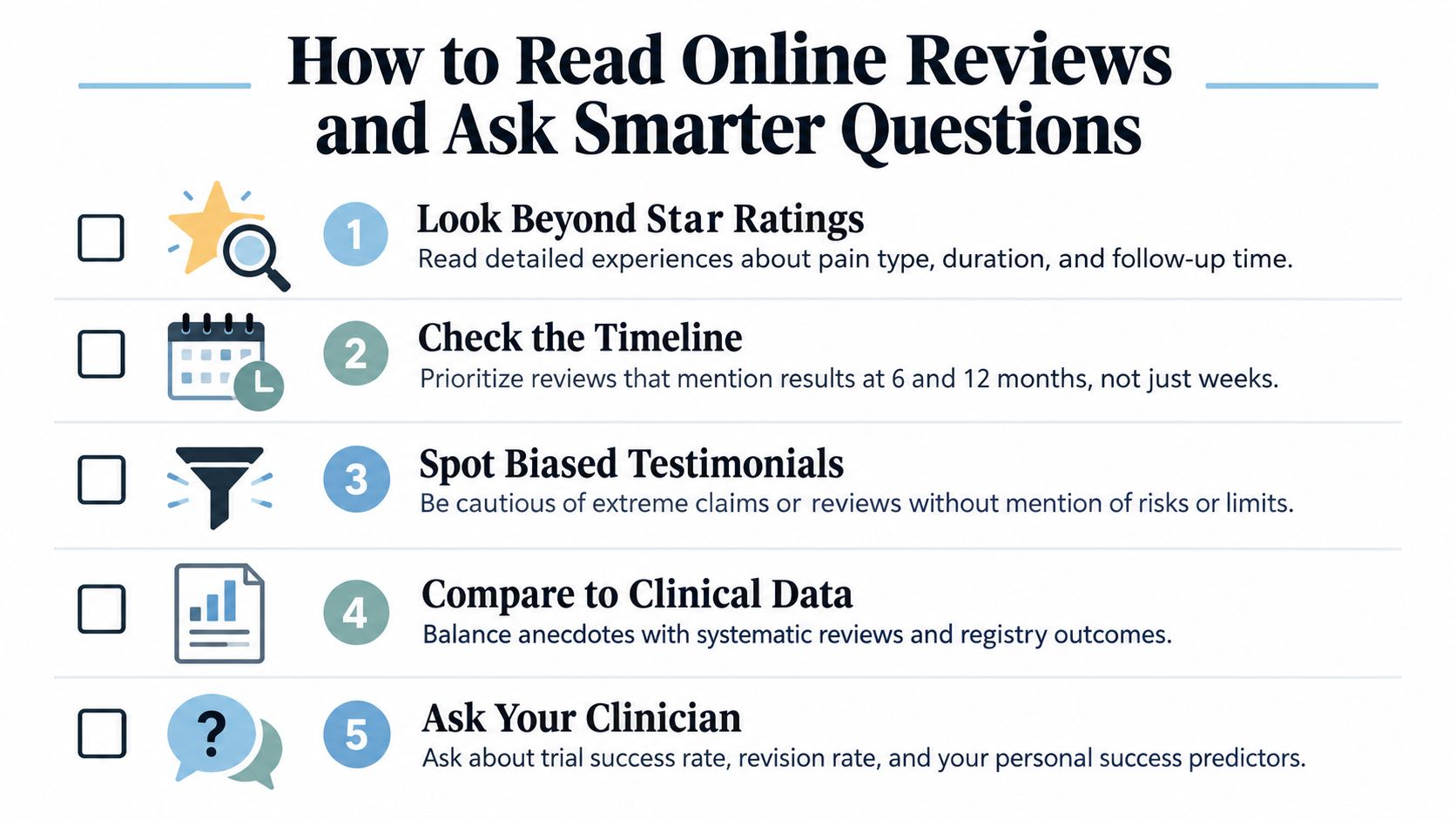
Treat an online review like an incomplete clinical note. Before deciding whether it applies to you, identify what the writer tells you.
A practical reading checklist
- Identify the pain pattern: Look for whether the person describes neuropathic, nerve-related, postsurgical, limb, back, neck, or another type of pain.
- Check previous treatment: A story after multiple treatments may not apply to someone earlier in the care pathway.
- Find the timeline: Separate trial experiences from reports written after extended follow-up.
- Look for functional outcomes: Did the person walk, sleep, work, exercise, or perform daily tasks more easily?
- Notice limitations: Balanced reviews mention programming, complications, continued treatment, or residual pain.
Star ratings provide little clinical context. A detailed review that explains the diagnosis, goals, trial response, and follow-up is more informative than several short comments that only say the treatment was excellent or terrible.
Bring these questions to your consultation:
- What diagnosis makes SCS reasonable for me?
- What would count as a successful trial for my goals?
- How will we measure function, not just pain intensity?
- Which waveform is being considered, and how mature is its long-term evidence?
- What factors in my history could reduce durability?
- What alternatives should I consider before implantation?
- How will programming and follow-up work if benefit changes?
Emerging uses need especially careful interpretation. A therapy supported for selected chronic neuropathic pain shouldn't automatically be treated as a general solution for paralysis, spinal cord injury recovery, or every form of back pain. The 2026 evidence review described certainty across SCS types as low to moderate, reinforcing the need to match the indication to the evidence rather than to a compelling testimonial.
Getting Evaluated for SCS at Midwest Pain and Wellness in Illinois
For adults in Chicago Ridge, Palos Heights, Palos Hills, Evergreen Park, and Hickory Hills, Illinois, an SCS discussion should begin with a complete pain evaluation, not with a device selection. The clinician needs to understand the pain's distribution, duration, suspected cause, prior procedures, medication history, functional limits, and personal goals.
At Midwest Pain & Wellness, Dr. Yaw Donkoh provides interventional pain and wellness care rather than physical therapy alone. An evaluation may include a review of your medical history and imaging, assessment of previous conservative and interventional treatments, and discussion of a multimodal plan. Depending on the diagnosis, that plan may involve targeted injections, nerve procedures, rehabilitation coordination, or a carefully assessed spinal cord stimulation trial.
Bring imaging reports and discs when available, a medication list, prior procedure records, and a short pain diary. Note what activities trigger symptoms, what relieves them, how pain affects sleep, and what improvement would make treatment worthwhile.
The clinic's approach is opioid-sparing and collaborative, with care coordinated alongside surgeons, primary care providers, chiropractors, and rehabilitation professionals when appropriate. Weekday access and follow-up planning can help you understand what happens after a trial, not only what happens on the day leads are placed.
NICE guidance recommends SCS for adults with chronic neuropathic pain only when pain has persisted for at least six months, remains at least 50 mm on a 0 to 100 mm visual analogue scale despite appropriate conventional medical management, and the patient has had a successful stimulation trial. The same guidance does not recommend SCS for chronic ischaemic pain except in a research clinical trial, as outlined in NICE guidance for spinal cord stimulation.
Midwest Pain & Wellness offers individualized, opioid-sparing evaluation and interventional treatment planning for chronic spine and nerve pain, including assessment of whether an SCS trial fits your goals. Visit Midwest Pain & Wellness to request an Illinois consultation and bring your questions about candidacy, alternatives, and long-term follow-up.