When Pain Won’t Go Away: Understanding What Pain Management Clinics Are For
What pain management clinics are for is a question many people ask after weeks or months of struggling with pain that just won’t quit.
Here’s the short answer:
- Diagnosis – identifying the source and type of your pain
- Treatment – using targeted therapies to reduce pain and improve function
- Rehabilitation – helping you regain quality of life, not just manage symptoms
- Education – teaching you tools to manage pain day to day
- Support – addressing the emotional and psychological toll of chronic pain
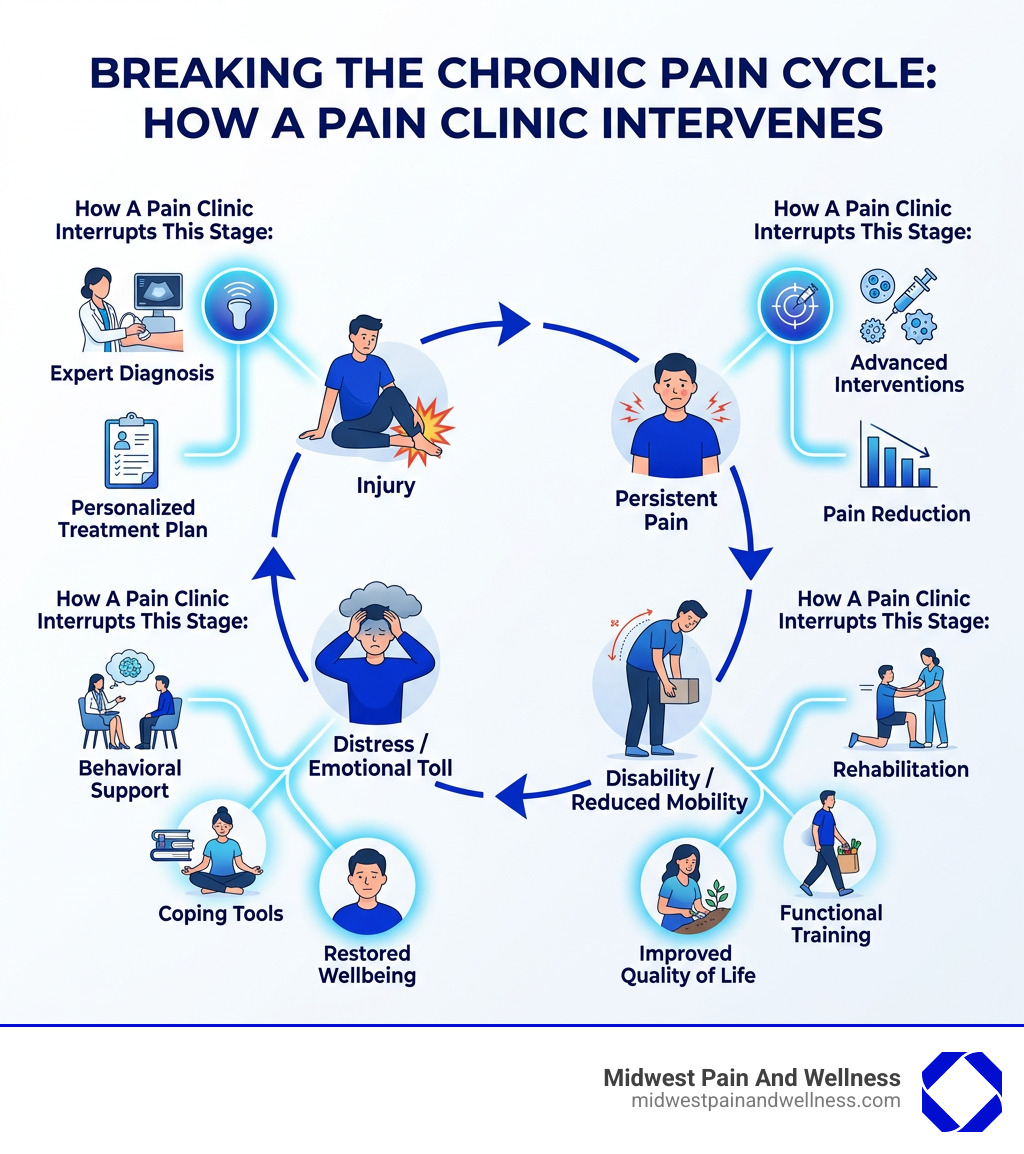
Pain that lasts more than 12 weeks is considered chronic. At that point, it stops being just a physical problem. It interferes with work, sleep, relationships, and mental health. A pain management clinic exists specifically to address all of those layers — not just hand you a prescription and send you home.
The goal isn’t always to eliminate pain entirely. It’s to help you live better despite it.
I’m Dr. Yaw Donkoh, a double board-certified physician in anesthesiology and interventional pain management, and understanding what pain management clinics are for is central to the work I do every day at Midwest Pain and Wellness. With training from leading institutions and a focus on minimally invasive, outcomes-driven care, I’ll walk you through exactly what these clinics do and how they can help.
Glossary for what are pain management clinics for:
What Are Pain Management Clinics For?
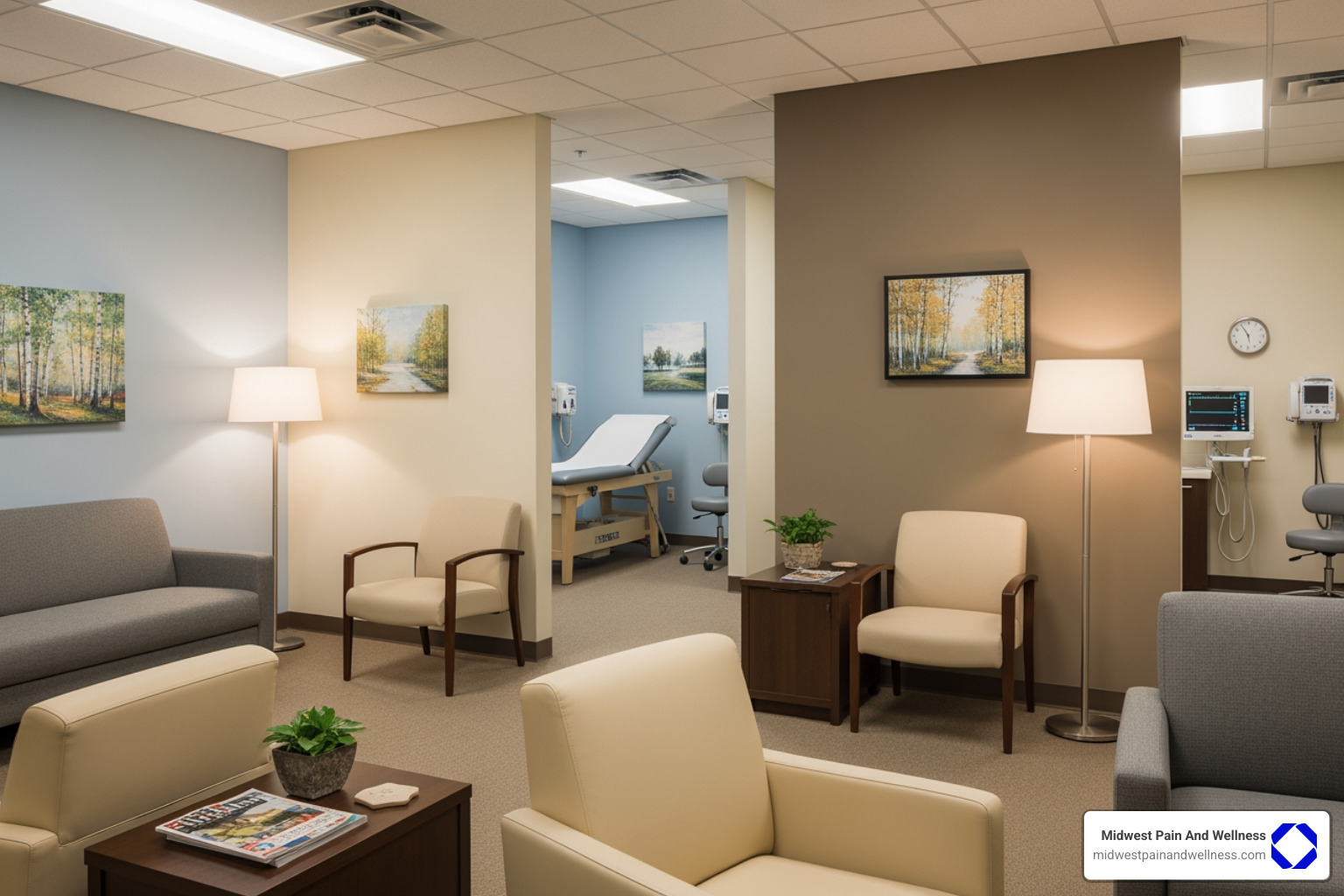
At its core, a pain management clinic is a specialized healthcare facility dedicated to the diagnosis and treatment of complex pain conditions. While your primary care doctor is excellent at handling acute issues—like a flu or a sudden sprain—chronic pain often requires a more nuanced, “whole-person” approach.
So, what are pain management clinics for in the long run? They are designed to bridge the gap between basic symptom relief and functional restoration. Instead of just looking at where it hurts, we look at why it hurts and how that pain is rippling through your entire life. This involves a deep dive into chronic pain treatment strategies that go far beyond simple over-the-counter fixes.
According to the Cleveland Clinic, pain management is a branch of medicine that focuses on easing the suffering and improving the quality of life of those living with chronic pain. We treat the physical sensation, but we also address the emotional and social consequences that come with it.
Navigating Referrals: What Are Pain Management Clinics For New Patients?
Most patients find their way to us through a referral from their General Practitioner (GP) or another specialist, such as an orthopedic surgeon or neurologist. This “consultant-to-consultant” pathway ensures that we have a clear picture of your medical history before you even walk through our doors.
During the referral process, your records—including previous physical examinations, pain history, and imaging like MRIs or X-rays—are shared with our team. This allows us to hit the ground running. If you’ve been struggling with pain for more than 12 weeks, your GP may suggest a clinic like ours because standard treatments haven’t provided the relief you need.
Long-Term Goals: What Are Pain Management Clinics For in Rehabilitation?
When we talk about rehabilitation pain management, we are looking at goals that extend months and years into the future. Success in a pain clinic isn’t always measured by a “zero” on the pain scale. Instead, we focus on:
- Quality of Life: Can you play with your grandkids? Can you return to work?
- Disability Reduction: We aim to decrease the physical limitations that keep you stuck on the couch.
- Psychological Distress: Chronic pain often leads to anxiety and depression; reducing this distress is a primary goal.
Research shows that patients who attend structured pain rehabilitation programs continue to see significant improvements in their mood and physical abilities even six months after their treatment ends.
The Multidisciplinary Team and Conditions Treated
One of the biggest misconceptions is that a pain clinic is just one doctor with a needle. In reality, the best clinics utilize a multidisciplinary team. This “one-stop-shop” approach ensures that every angle of your pain is covered.
| Feature | Interdisciplinary Clinics | Block Clinics |
|---|---|---|
| Primary Focus | Whole-person rehabilitation | Specific procedures/injections |
| Team Members | Doctors, PTs, Psychologists, OTs | Usually just Anesthesiologists |
| Goal | Restore function and life quality | Temporary symptom relief |
| Medication | Multi-modal and opioid-free focus | May rely more on traditional meds |
A pain management doctor is typically the leader of this team. At Midwest Pain and Wellness, our doctors are double board-certified, meaning they have reached the highest level of training in both their base specialty (like anesthesiology) and the sub-specialty of pain medicine.
Common Conditions Addressed
We see a wide variety of conditions we treat, ranging from wear-and-tear issues to complex nerve disorders. Some of the most common include:
- Arthritis: Managing inflammation and joint stiffness.
- Fibromyalgia: Addressing widespread musculoskeletal pain and fatigue.
- Neuropathy: Dealing with the burning or tingling caused by nerve damage.
- Complex Regional Pain Syndrome (CRPS): A chronic pain condition that usually affects one limb.
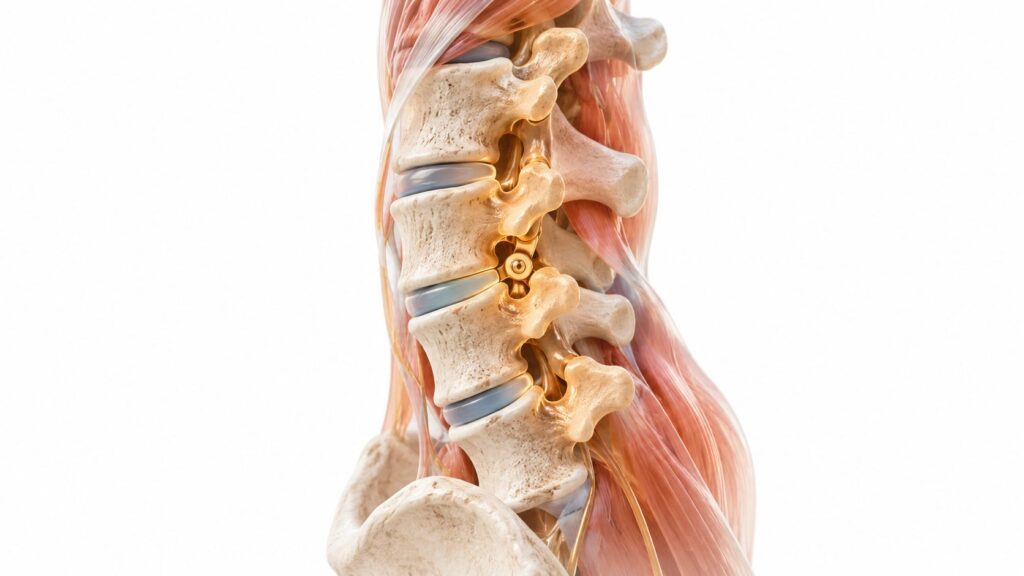
- Sciatica: Relieving the sharp pain that radiates along the sciatic nerve from the lower back down the legs.
The Role of Psychological Support
It might seem strange to see a psychologist at a pain clinic, but the brain and the body are inextricably linked. When you are in pain for a long time, your nervous system can become “hypersensitized.”
Psychological support, including Cognitive Behavioral Therapy (CBT) and Acceptance and Commitment Therapy (ACT), helps you “retrain” your brain’s response to pain signals. This isn’t about saying the pain is “in your head”—it’s about giving you the mental tools to reduce the stress and emotional exhaustion that make pain feel even worse.
Common Treatments and Opioid-Free Procedures
Modern pain management has moved away from the “pill for every ill” mentality. We prioritize non-surgical pain relief and interventional procedures that target the root cause of pain without the risks associated with long-term opioid use.
Some of the procedures we use for treatment include:
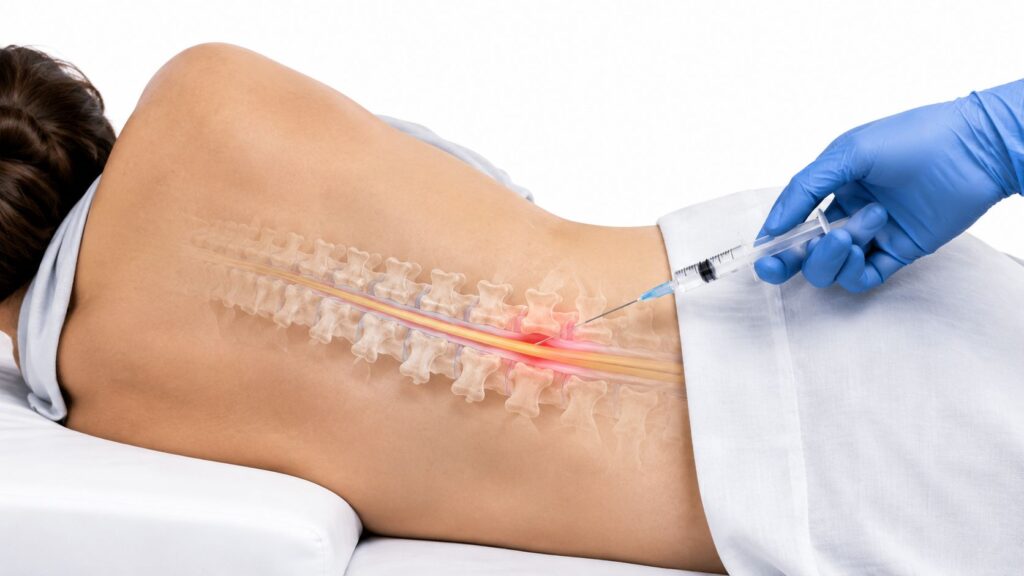
- Epidural Injections: Delivering anti-inflammatory medication directly into the space around the spinal nerves.
- Radiofrequency Ablation (RFA): Using radio waves to “turn off” the pain signals from specific nerves.
- Nerve Blocks: Injecting local anesthetic to interrupt pain signals in a specific area.
- TENS (Transcutaneous Electrical Nerve Stimulation): Using mild electrical currents to scramble pain signals before they reach the brain.
According to the NHS, these interventional techniques are often most effective when used as part of a broader, multi-modal plan.
Non-Surgical Interventions
Beyond injections, we often incorporate advanced technologies and manual therapies. This might include:
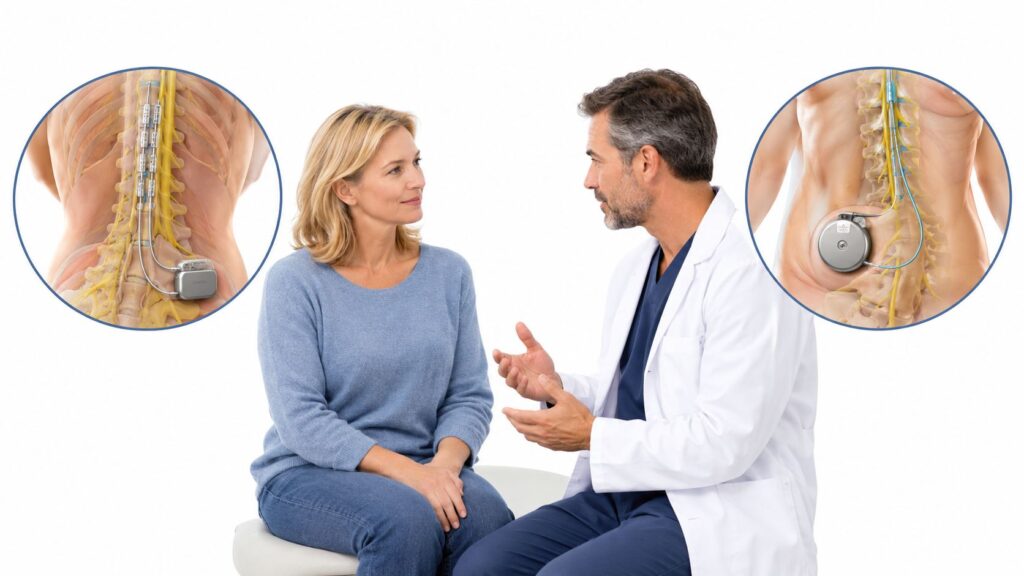
- Spinal Cord Stimulation: A device that sends low-level electricity directly to the spinal cord to block pain.
- Acupuncture: An ancient technique that can trigger the body’s natural pain-relieving chemicals.
- Manual Therapy: Hands-on techniques to improve joint and soft tissue mobility.
Pain Management Programmes (PMP)
A Pain Management Programme (PMP) is often a “turning point” for many patients. These are typically group-based sessions that teach you how to become an active participant in your own recovery.
Instead of being a passive recipient of a treatment, you learn:
- Pacing: How to stay active without causing a “flare-up.”
- Gentle Exercise: Reintroducing movement safely.
- Mindfulness and Relaxation: Techniques to lower the body’s “fight or flight” response.
- Self-Help Skills: Practical ways to handle bad days without panic.
Frequently Asked Questions
Do pain clinics only provide medication?
Absolutely not. In fact, many modern clinics, including ours in Chicago Ridge, focus on opioid-free strategies. While non-addictive medications may be part of the plan, the emphasis is on interventional techniques, physical therapy, and lifestyle changes. We aim to provide relief that doesn’t come with the heavy baggage of dependency or sedation.
What happens during the first visit?
Your first visit is essentially a fact-finding mission. We will perform a physical exam, review your medical history, and perhaps order diagnostic tests like blood work or imaging. We highly recommend bringing a support person with you—it’s a lot of information to take in, and having a second set of ears can be very helpful. By the end of this visit, we will begin sketching out a custom care plan tailored specifically to your goals.
How long does it take to see results?
This depends on the condition. Some interventional procedures provide relief within days. However, for chronic conditions, we look at functional goals over a longer period. Research indicates that the most significant, sustained improvements in quality of life often appear around the six-month mark as you integrate new movement patterns and coping skills.
Conclusion
At Midwest Pain and Wellness, we believe that no one should have to navigate the exhausting cycle of chronic pain alone. What are pain management clinics for? They are for giving you your life back.
By combining the expertise of double board-certified doctors with a commitment to functional pain management and opioid-free care, we provide the residents of Chicago Ridge and the surrounding areas with a path toward lasting relief. Whether you are dealing with arthritis, a sports injury, or unexplained nerve pain, we are here to create a custom plan that works for you.
Ready to take the first step? Find relief for your condition by scheduling a consultation with our team today. Let’s stop just managing your pain and start improving your life.