Why Finding the Right Treatment Matters for Your Lower Back Pain
Lumbar stenosis treatment chicago offers hope for thousands of people living with chronic lower back and leg pain. If you’re searching for relief, here’s what you need to know:
Quick Answer: Your Chicago Treatment Options
- Conservative Care – Physical therapy, exercise, and lifestyle changes
- Pain Injections – Epidural steroid injections and nerve blocks for targeted relief
- Minimally Invasive Procedures – MILD® procedure and interspinous process devices
- Surgical Referrals – For severe cases when other treatments haven’t helped
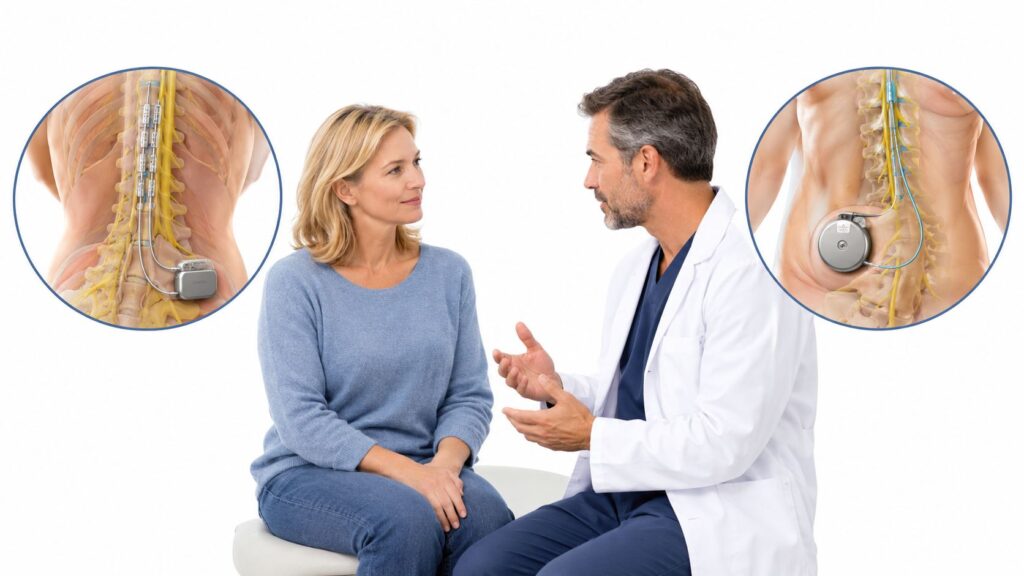
Where to Start: A pain management specialist can evaluate your specific condition and create a personalized treatment plan, often starting with non-surgical options.
Lumbar spinal stenosis is a condition where the spinal canal in your lower back narrows and squeezes the nerves. This compression causes pain, numbness, and weakness that can radiate down your legs.
It’s incredibly common. In fact, lumbar spinal stenosis is the most frequent reason for back surgery in people over 65. But surgery isn’t always necessary.
The good news? Chicago offers a wide range of treatment options, from gentle conservative therapies to advanced interventional procedures. Most people find significant relief without ever needing surgery.
Your symptoms might include pain that worsens when you stand or walk, but feels better when you sit or lean forward. You might experience tingling, numbness, or that frustrating “heavy leg” feeling. Some people even develop foot drop or difficulty walking longer distances.
The path to relief starts with understanding your options. Whether you’re dealing with mild discomfort or debilitating pain, effective treatments exist right here in the Chicago area.
Understanding Lumbar Spinal Stenosis: Causes and Symptoms
Navigating back pain can feel like a maze, but understanding the basics of Lumbar Spinal Stenosis (LSS) is your first step toward finding relief. Let’s break down what it is and why it happens.
What is Lumbar Spinal Stenosis?
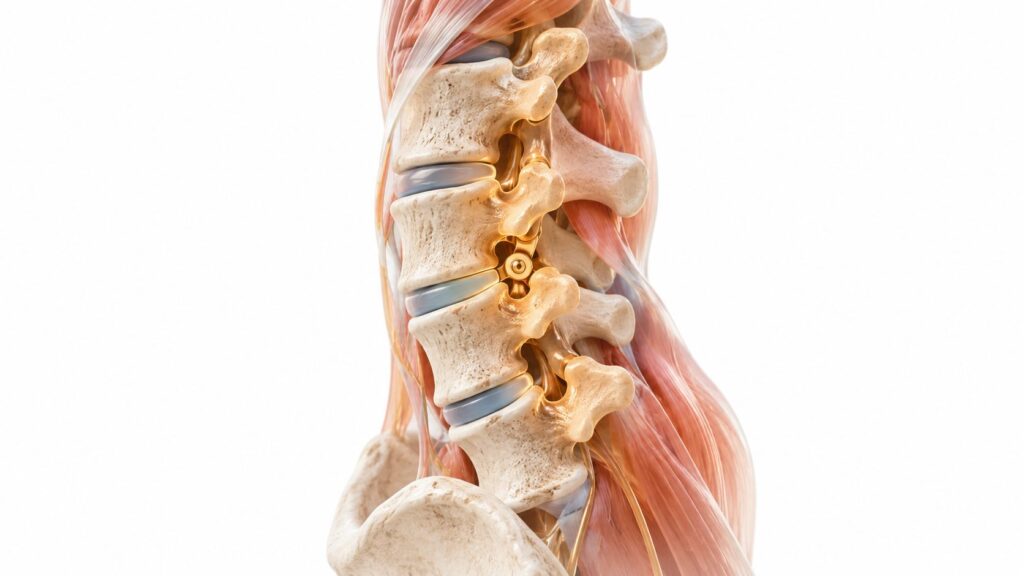
At its core, lumbar spinal stenosis is a condition where the spinal canal, the bony tunnel that houses your spinal cord and nerves, narrows in your lower back. Think of it like a highway getting squeezed down to a single lane – suddenly, there’s not enough room for all the traffic. This narrowing then puts pressure on the spinal cord or the nerve roots, leading to a variety of uncomfortable symptoms.
This condition is most common in the lower back, or “lumbar region,” which is why we call it lumbar spinal stenosis. When these nerves, particularly the sciatic nerve which runs down the back of your leg, get compressed, it can cause pain, tingling, or numbness that radiates into your buttocks and legs. It’s a degenerative condition, meaning it often develops over time as part of the body’s natural aging process. You can learn more about the condition on the Lumbar Spinal Stenosis Wiki.
Common Causes and Risk Factors
So, why does this narrowing happen? The primary culprit is often the aging process itself. As we get older, our spines experience wear and tear, much like any well-used machine. This can lead to:
- Osteoarthritis: This “wear and tear” arthritis affects the facet joints in your spine, causing them to swell and put pressure on nerve roots.
- Degenerative Disc Disease: The discs between your vertebrae can lose height and hydration, causing them to bulge or collapse, which reduces the space available for nerves.
- Thickened Ligaments: Over time, the ligaments that support your spine can thicken and harden, further encroaching on the spinal canal.
- Bone Spurs: Your body might try to compensate for cartilage wear by growing bone spurs (osteophytes) on the vertebrae, which can narrow the canal even more.
- Spinal Injuries: Past injuries can also contribute to the development of stenosis years later.
While some causes are less common, like certain congenital conditions, for most people, LSS is a gradual process tied to the natural changes in our spine over decades.
Recognizing the Telltale Symptoms
The symptoms of lumbar spinal stenosis can be quite distinctive, and recognizing them is key to seeking timely lumbar stenosis treatment chicago.
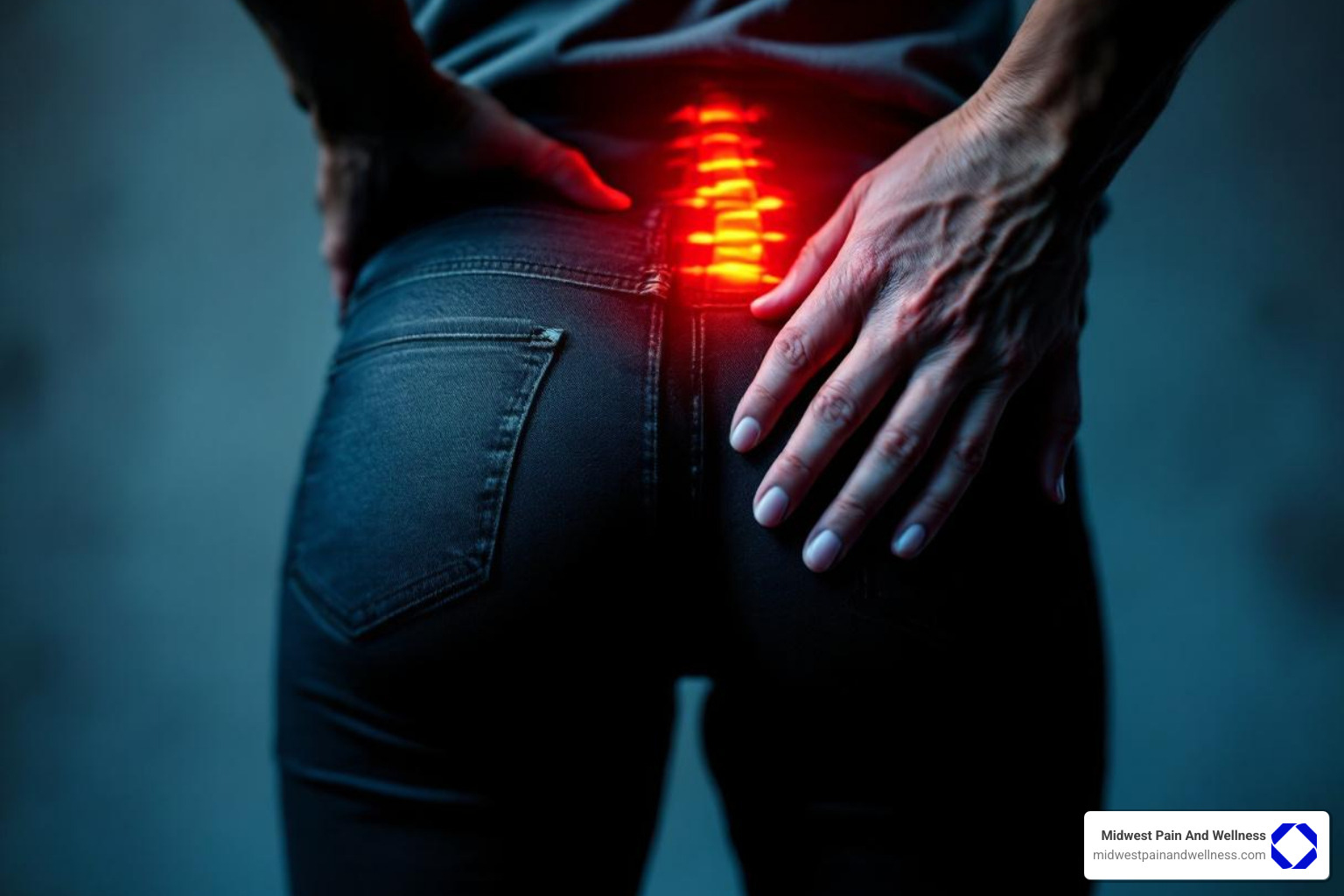
Here’s what to look out for:
- Lower Back Pain: This is often the starting point, though it can vary in intensity.
- Sciatica: You might feel a burning or aching pain in your buttocks that radiates down your legs. This “shooting pain” into the legs is a hallmark symptom.
- Numbness and Tingling: Sensations of pins and needles or numbness in your legs, feet, or buttocks are common.
- Leg Weakness or “Foot Drop”: While weakness is sometimes an uncommon sign, it can occur, making it difficult to lift the front part of your foot.
- Pain Worsens with Standing or Walking: This is a classic indicator. Standing upright reduces the space for your nerve roots, aggravating the symptoms. You might find yourself needing to sit down frequently or lean on a shopping cart to get relief.
- Relief with Sitting or Bending Forward: The opposite is also true; flexing forward or sitting opens up the spinal canal, often providing temporary relief from leg pain and other symptoms. This is why many people with LSS find comfort in activities like cycling or leaning over a counter.
Symptoms usually develop gradually and can be intermittent, occurring during specific activities. In rare, severe cases, LSS can even lead to changes in bowel/bladder control or sexual dysfunction, which warrants immediate medical attention.
Diagnosis and Your First Steps in Chicago
If you’re experiencing symptoms of lumbar spinal stenosis, getting an accurate diagnosis is crucial. It sets the stage for effective lumbar stenosis treatment chicago.
How is Lumbar Stenosis Diagnosed?
When you visit us for suspected LSS, our diagnostic process is thorough and patient-centered:
- Medical History Review: We’ll start by discussing your symptoms in detail – when they began, what makes them better or worse, and any past injuries or medical conditions.
- Physical Exam: Our doctors will perform a comprehensive physical exam, assessing your range of motion, strength, reflexes, and gait (how you walk). We’ll look for signs like foot drop or pain during specific movements.
- Imaging Tests: These are essential for visualizing the spinal structures:
- X-rays: These help us see the bones of your spine, checking for alignment issues, bone spurs, and signs of arthritis.
- Magnetic Resonance Imaging (MRI) Scan: An MRI is often the gold standard. It provides detailed images of soft tissues, including discs, ligaments, and nerves, allowing us to clearly see any narrowing of the spinal canal and nerve compression. An MRI is warranted immediately if non-surgical management has not improved symptoms or if red flag symptoms are present.
- Computed Tomography (CT) Scan with Myelogram: Sometimes, a CT scan combined with a myelogram (where a dye is injected into the spinal fluid) is used, especially if an MRI isn’t possible or provides insufficient detail. A non-improved CT scan (without a myelogram) is generally ineffective for diagnosing LSS.
This comprehensive approach ensures we have a clear picture of your condition, allowing us to tailor the most effective treatment plan for you.
Finding the Right Back Pain Specialist Near Me
When dealing with chronic back pain, finding the right specialists is paramount. Here in Chicago Ridge, our approach at Midwest Pain and Wellness involves a multidisciplinary team. This means you benefit from the combined expertise of various professionals dedicated to your recovery. Your care team might include:
- Pain Management Dr: Our double board-certified pain management doctors are experts in diagnosing and treating complex pain conditions like lumbar stenosis, focusing on interventional techniques and comprehensive care.
- Physical Therapist: They play a crucial role in improving your strength, flexibility, and posture, helping you manage pain and regain function.
- Interventional Pain Specialist: These specialists perform advanced procedures like injections and minimally invasive treatments directly targeting the source of your pain.
We believe in a collaborative approach, ensuring all aspects of your condition are addressed for long-term relief.
The Importance of a Second Opinion
Facing a diagnosis like lumbar spinal stenosis can be daunting, and we understand you want to make the best decisions for your health. That’s why we always encourage seeking a second opinion. It’s not just smart; it’s empowering!
Getting another expert’s perspective can:
- Confirm Your Diagnosis: It provides reassurance and validates the initial findings.
- Explore All Treatment Procedures: Different specialists may have varying expertise or propose alternative treatment pathways, ensuring you’re aware of all available options, from conservative care to advanced interventional procedures.
- Gain Confidence in Your Care Plan: Feeling comfortable and confident in your chosen treatment path is essential for a positive outcome.
- Understand Different Philosophies: You might encounter different approaches to care, helping you find a philosophy that aligns best with your personal health goals.
At Midwest Pain and Wellness, we’re confident in our comprehensive, opioid-free pain management strategies and are always happy to discuss your options.
Non-Surgical Lumbar Stenosis Treatment in Chicago
The good news for many people experiencing lumbar spinal stenosis is that surgery is often not the first, or even second, line of treatment. A significant majority find relief through conservative and minimally invasive approaches. At Midwest Pain and Wellness in Chicago Ridge, we prioritize these non-surgical options as part of our multi-modal, interventional approach to lumbar stenosis treatment chicago.
Foundational Conservative Therapies
These are often the first steps in managing your symptoms, aimed at reducing pain and improving function without invasive procedures:
- Physical Therapy: A cornerstone of LSS treatment, physical therapy involves targeted exercises designed to strengthen your core muscles, improve flexibility, and correct posture. Our physical therapy partners will guide you through stretching exercises and massage techniques to alleviate discomfort.
- Lifestyle Changes: Simple modifications can make a big difference. This includes:
- Weight Management: Carrying excess weight puts additional strain on your spine, exacerbating symptoms.
- Improved Posture: Learning and maintaining good posture can help alleviate pressure on your spinal nerves.
- Regular Exercise: Gentle, low-impact activities like walking (within your comfort level), swimming, or cycling can keep your spine mobile and muscles strong.
- Anti-inflammatory Medications: Over-the-counter non-steroidal anti-inflammatory drugs (NSAIDs) like ibuprofen can help reduce pain and inflammation associated with LSS. Always discuss medication use with your doctor.
- Acupuncture: For some, acupuncture can offer relief from less severe pain.
Advanced Pain Injections Chicago for Targeted Relief
When conservative therapies aren’t enough, advanced pain injections can provide significant relief by directly targeting the source of inflammation and pain. These are a key part of our interventional approach at Midwest Pain and Wellness.
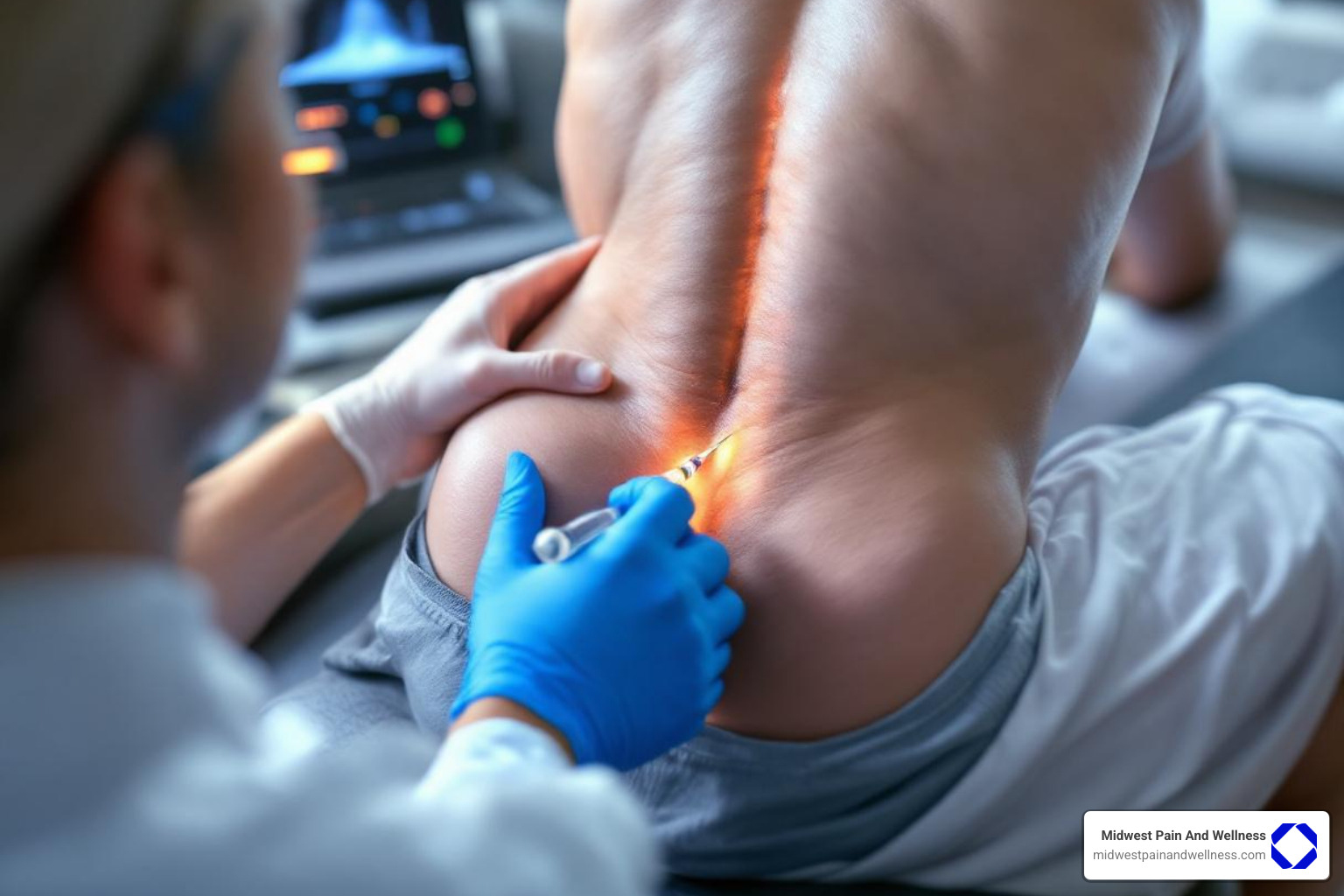
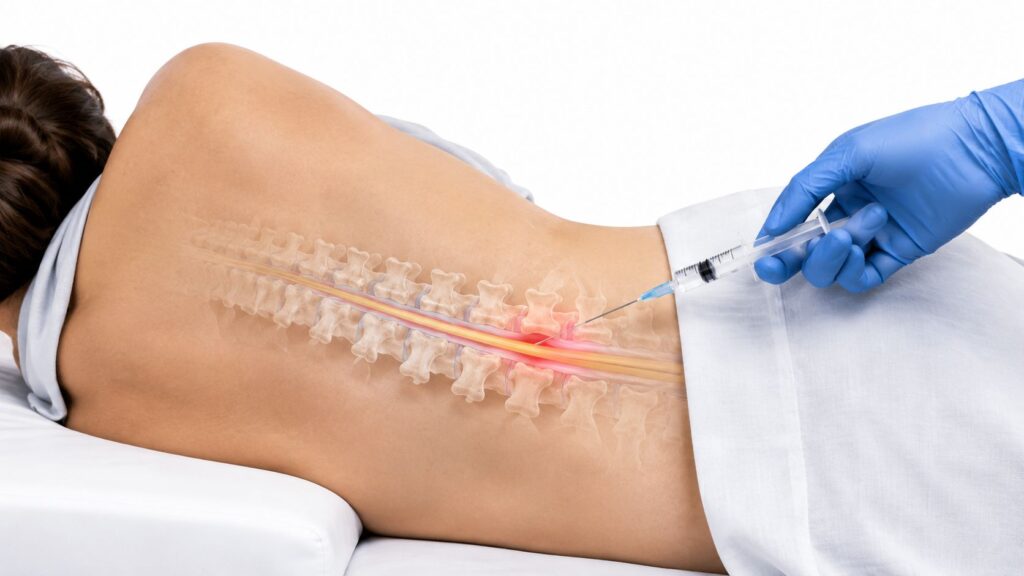
- Epidural Injections Chicago: These are a common and effective treatment. During an epidural steroid injection, a corticosteroid (cortisone) is injected into the epidural space around your spinal nerves. This powerful anti-inflammatory medication helps reduce swelling and pain, often providing relief for weeks or months.
- Nerve Blocks: In some cases, a nerve block might be used. This involves injecting an anesthetic, sometimes with a steroid, near a specific nerve to block pain signals. These injections can be both therapeutic (providing pain relief) and diagnostic (helping to pinpoint the exact source of your pain).
These injections are performed by our double board-certified doctors with precision, often using imaging guidance to ensure accuracy and maximize effectiveness.
Your Path to Effective Pain Management Strategies
At Midwest Pain and Wellness in Chicago Ridge, we are committed to providing comprehensive, opioid-free pain management using current therapies. We understand the concerns about long-term medication use, especially opioids, and our focus is on sustainable relief.
Our approach is built on:
- Opioid-Free Care: We prioritize treatments that avoid or minimize the need for opioid medications, focusing instead on procedures that directly address the pain source.
- Custom Care Plans: No two patients are alike, and neither should their treatment plans be. Our doctors collaborate with other practitioners to create personalized strategies custom to your specific diagnosis, symptoms, and lifestyle.
- Interventional Techniques: We use a wide array of advanced interventional procedures, from injections to minimally invasive options, to provide targeted and effective pain relief.
- Chronic Pain Treatment: Lumbar stenosis often leads to chronic pain, and we specialize in long-term solutions that help you regain function and improve your quality of life.
Our goal is to help you conquer your pain and return to your daily activities with confidence, without relying on long-term opioid prescriptions.
Minimally Invasive Procedures for Lumbar Stenosis
When conservative treatments and injections provide insufficient relief for lumbar spinal stenosis, but traditional open surgery feels like too big a leap, minimally invasive procedures can bridge the gap. These advanced techniques offer a less aggressive approach to lumbar stenosis treatment chicago, often with faster recovery times and less disruption to your daily life.
What are Minimally Invasive Options?
Minimally invasive treatments represent a significant advancement in spine care. They are designed to:
- Bridge the Gap: They fit perfectly between conservative care (like physical therapy and injections) and more invasive open surgeries (like laminectomy or fusion).
- Outpatient Procedures: Many of these procedures can be performed on an outpatient basis, meaning you can go home the same day.
- Faster Recovery: By using smaller incisions and causing less tissue damage, these techniques typically lead to reduced blood loss, less post-operative pain, and a much quicker return to your normal activities compared to traditional surgery.
These options are particularly beneficial for patients who have moderate stenosis, have not found relief with conservative care for at least six months, and for whom traditional surgery might be deemed too demanding due to age or other health conditions.
Minimally Invasive Lumbar Decompression (MILD®)
One excellent example of a minimally invasive option we offer at Midwest Pain and Wellness is the MILD® procedure, or Minimally Invasive Lumbar Decompression. This innovative technique is designed to relieve nerve compression with minimal impact on your spine’s structure.
The MILD procedure involves:
- Removing Excess Ligament: Through a tiny incision, our doctors use specialized tools to remove small pieces of thickened ligamentum flavum (a ligament in your spine) and/or bone that are pressing on your spinal nerves.
- Decompressing Nerves: By creating more space, the pressure on your nerves is relieved, which can significantly reduce leg pain, numbness, and tingling.
- Small Incision and Preserved Spinal Structure: The procedure is performed through a small incision, often no larger than an eraser head. Crucially, it preserves the surrounding bone and muscle, maintaining the structural integrity and stability of your spine.
You can learn more about this specific procedure on our page about Minimally Invasive Lumbar Decompression Mild Pild In Chicago Ridge. It’s a safe and effective option that can be performed in an outpatient setting, allowing for a rapid recovery.
Interspinous Process Decompression
Another minimally invasive approach gaining traction is Interspinous Process Decompression, often involving the placement of Interspinous Process Devices (IPD). These devices offer indirect decompression for lumbar stenosis.
Here’s how they work:
- Indirect Decompression: An IPD is a small, H-shaped implantable device (like Vertiflex Superion) that is inserted between the spinous processes (the bony projections at the back of your vertebrae) in the affected area.
- Relieves Pressure During Extension: The device acts as an “extension blocker.” When you stand upright or extend your back, which typically narrows the spinal canal and aggravates LSS symptoms, the IPD gently holds the vertebrae apart. This mimics the relief you feel when sitting or bending forward, creating more space for the compressed nerves.
- Preserves Motion: Unlike spinal fusion, which permanently joins vertebrae, IPD preserves the natural motion of your spine. This minimally invasive approach requires a small incision and typically leads to an outpatient procedure with a quick recovery.
Interspinous Process Decompression fills a crucial gap for patients who haven’t responded to conservative treatments but aren’t ready for or don’t require a more invasive laminectomy.
When is Surgery the Right Choice for Lumbar Stenosis Treatment Chicago?
While we always prioritize conservative and minimally invasive approaches at Midwest Pain and Wellness, there are situations where surgery becomes the most appropriate step for lumbar stenosis treatment chicago. Understanding when to consider surgery and what the recovery entails is vital.
Understanding When Surgical Referral May Be Needed
Surgery for lumbar spinal stenosis is generally reserved for specific circumstances, usually after other treatments have been exhausted. We often consider a surgical referral when:
- Severe or Progressive Symptoms: Your pain, numbness, or weakness is severe, debilitating, and significantly impacting your quality of life. This includes cases where symptoms are rapidly worsening.
- Lack of Improvement with Non-Surgical Care: You’ve diligently pursued non-surgical treatments—like physical therapy, injections, and minimally invasive procedures—for an extended period (typically 8-12 weeks or more), but your symptoms persist or continue to interfere with daily activities.
- Red Flag Symptoms: In rare cases, LSS can lead to serious neurological issues like loss of bowel or bladder control, or significant leg weakness causing foot drop. These are considered medical emergencies and often require immediate surgical intervention.
Lumbar spinal stenosis is the most common reason for back surgery in people over the age of 65. However, the decision to proceed with surgery is always a collaborative one, involving thorough discussion of surgical options with trusted partners. As your pain management specialists, we will provide referrals to highly skilled spinal surgeons in the Chicago area when appropriate, ensuring you receive comprehensive care.
The Recovery Process After Surgical Treatment
The recovery process after spinal surgery for lumbar stenosis can vary significantly depending on the type of procedure (minimally invasive vs. open surgery) and individual patient factors.
- Hospital Stay: Minimally invasive surgeries often allow for outpatient care or a very short hospital stay (sometimes just a day or two), while traditional open surgeries may require a few days of inpatient care.
- Physical Therapy Importance: Post-operative physical therapy is crucial for regaining strength, flexibility, and proper movement patterns. It’s often recommended to start gentle walking exercises even on the same day of surgery (unless fusion is involved) to prevent scar tissue formation and aid recovery.
- Activity Restrictions: Your surgeon will provide specific instructions regarding activity restrictions, such as lifting limits, bending, and twisting, for a certain period.
- Recovery Timeline Variation:
- For minimally invasive procedures, recovery can be a matter of days to a few weeks.
- For conventional or traditional open surgeries, recovery can range from several weeks to a few months.
- Most patients report reduced leg pain after a lumbar laminectomy (85-90%), with 75% stating that pain remains decreased for up to 10 years.
Maintaining a healthy lifestyle, including weight management and avoiding smoking, can significantly contribute to a smoother and more successful recovery.
Finding Your Path to Relief in the Chicago Area
Living with lumbar spinal stenosis doesn’t mean you have to live in pain. Here in the Chicago Ridge area, we are dedicated to helping you find your path to relief.
Your Custom Treatment Plan for lumbar stenosis treatment chicago
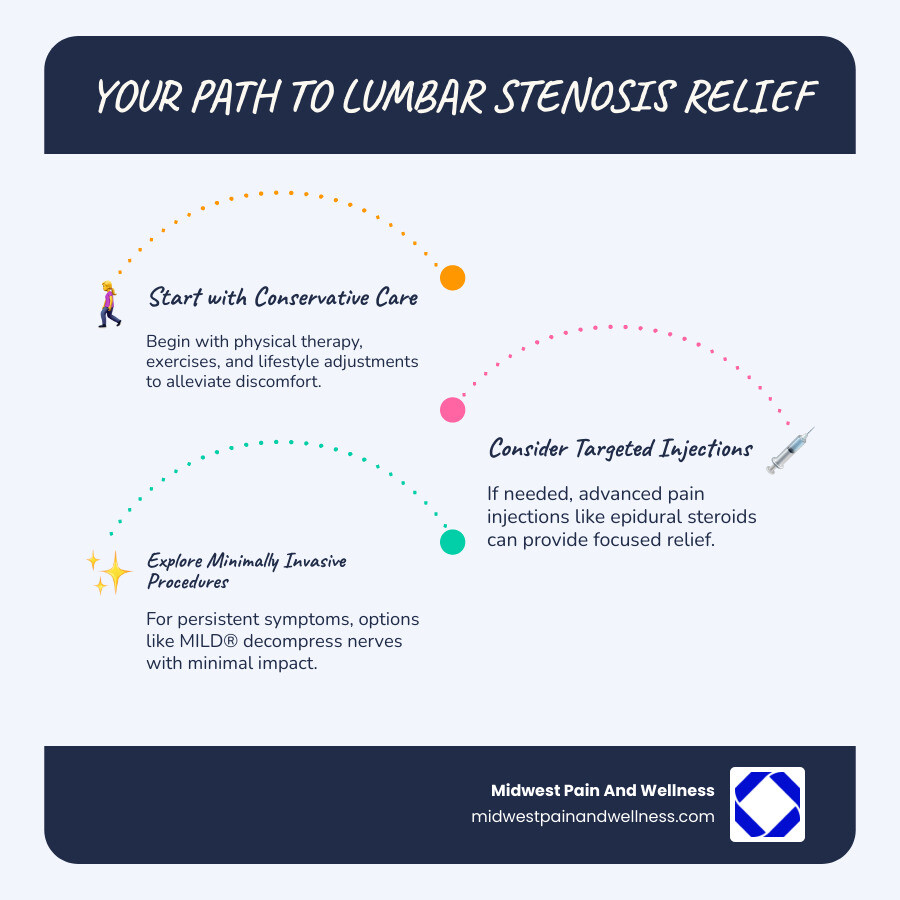
At Midwest Pain and Wellness, we believe in a stepped-care approach to lumbar stenosis treatment chicago. This means we start with the least invasive, most effective options first, gradually progressing if needed.
- Start with Conservative Options: We’ll begin by exploring foundational therapies like physical therapy, lifestyle modifications, and anti-inflammatory medications.
- Interventional Pain Management: If conservative methods aren’t enough, our double board-certified doctors will use advanced interventional techniques, such as epidural steroid injections or minimally invasive procedures like MILD® and interspinous process decompression. These are designed to provide targeted relief without the need for extensive surgery.
- Surgery as a Final Option: For those rare cases where severe symptoms persist despite all other efforts, we work with trusted surgical partners and will provide referrals to ensure you receive the best possible care.
Our multi-modal strategy combines these approaches to create a comprehensive, personalized plan aimed at long-term relief.
Why Choose Midwest Pain and Wellness?
When it comes to managing your pain, you deserve expertise, compassion, and a commitment to your well-being. Here’s why Midwest Pain and Wellness stands out for lumbar stenosis treatment chicago:
- Double Board-Certified Doctors: Our physicians bring a high level of expertise and training to your care, ensuring you receive the most advanced and effective treatments.
- Comprehensive, Opioid-Free Pain Management: We are dedicated to helping you achieve lasting relief without relying on opioid medications. Our focus is on current therapies and interventional techniques that address the root cause of your pain.
- Focus on Long-Term Relief: We don’t just treat symptoms; we aim for sustainable solutions that improve your quality of life and help you regain function.
- Collaborative Care for Conditions We Treat: We work closely with other healthcare professionals, including physical therapists and surgeons, to ensure a holistic and integrated approach to your treatment. We treat the whole person, not just the pain.
Take the Next Step Toward a Pain-Free Life
Don’t let lumbar spinal stenosis dictate your life any longer. If you’re experiencing persistent lower back pain, sciatica, or leg weakness, it’s time to seek an expert evaluation. We invite you to learn more about our comprehensive approach to Spinal Stenosis Degenerative Spine Disease Neck Mid Back Low Back and find how our personalized lumbar stenosis treatment chicago solutions can help you.
We’re here to help you conquer your pain and get back to doing the things you love. Contact us today to schedule your consultation in Chicago Ridge and take the first step toward a more comfortable, active future.