Why Neuromodulation Offers Hope After Failed Back Surgery
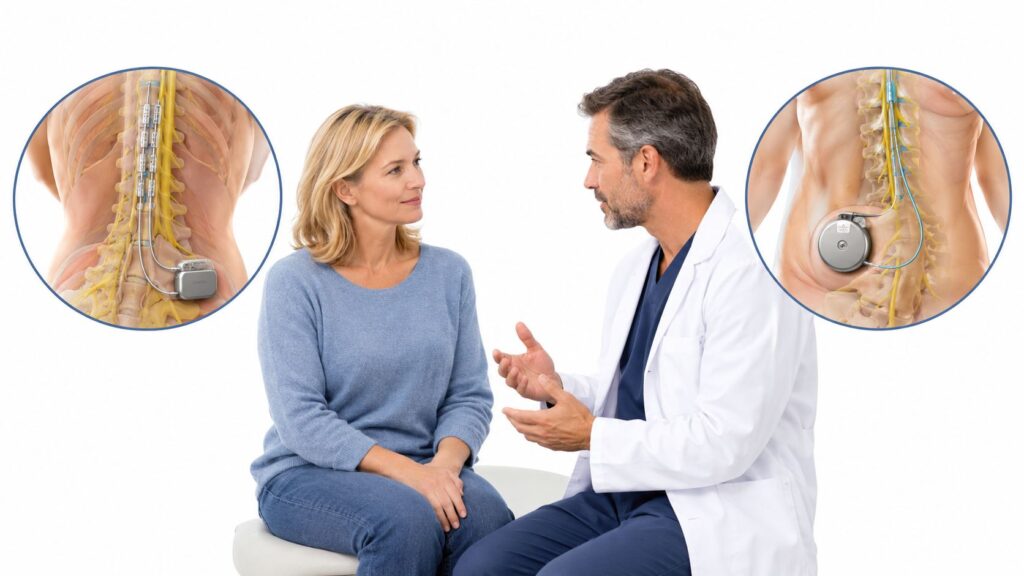
Neuromodulation therapies such as spinal cord stimulation (SCS) and dorsal root ganglion (DRG) stimulation represent a proven, minimally invasive approach to treating chronic pain that persists after spinal surgery. If you’re one of the many patients experiencing persistent pain despite laminectomy, you’re dealing with what’s commonly called Failed Back Surgery Syndrome or post-laminectomy syndrome — and you’re not alone.
Quick Answer: What You Need to Know
- Spinal Cord Stimulation (SCS) uses electrical impulses to block pain signals traveling to your brain
- Dorsal Root Ganglion (DRG) Stimulation targets specific nerve bundles for focal pain relief
- Success rates exceed 80% for patients with post-laminectomy syndrome
- Minimally invasive with a trial period before permanent implantation
- Opioid-free pain management that’s reversible if needed
Post-laminectomy syndrome affects a significant number of patients who undergo spinal surgery. Despite the surgical intervention, chronic pain persists — often described as burning, aching, or radiating down the legs. Traditional pain medications and repeat surgeries carry risks and limited effectiveness. This is where neuromodulation therapy changes the game.
Unlike repeat back surgery with its lengthy recovery and uncertain outcomes, neuromodulation provides adjustable, personalized pain relief. The technology has evolved significantly over the past 50 years, with newer techniques like high-frequency stimulation and burst patterns offering paresthesia-free relief. Studies consistently show that more than 80% of patients experience at least a 50% reduction in pain levels.
As Dr. Yaw Donkoh, I’m a double board-certified physician in anesthesiology and interventional pain management with fellowship training from the University of Iowa Hospitals, where I developed expertise in advanced neuromodulation techniques for patients with complex chronic pain conditions. At Midwest Pain and Wellness, I combine this specialized training with a careful, outcomes-focused approach to help patients who have struggled with persistent pain after spinal surgery.
The journey typically begins with a trial period using temporary leads and an external battery. This allows you to experience pain relief before committing to a permanent implant. If the trial succeeds — defined as at least 50% pain reduction and improved function — a small, watch-battery-sized device is implanted under your skin.
Related resources:
- CRPS treatment with spinal cord stimulator Chicago
- How spinal cord stimulators work for chronic pain
Understanding Post-Laminectomy Syndrome and Treatment Challenges
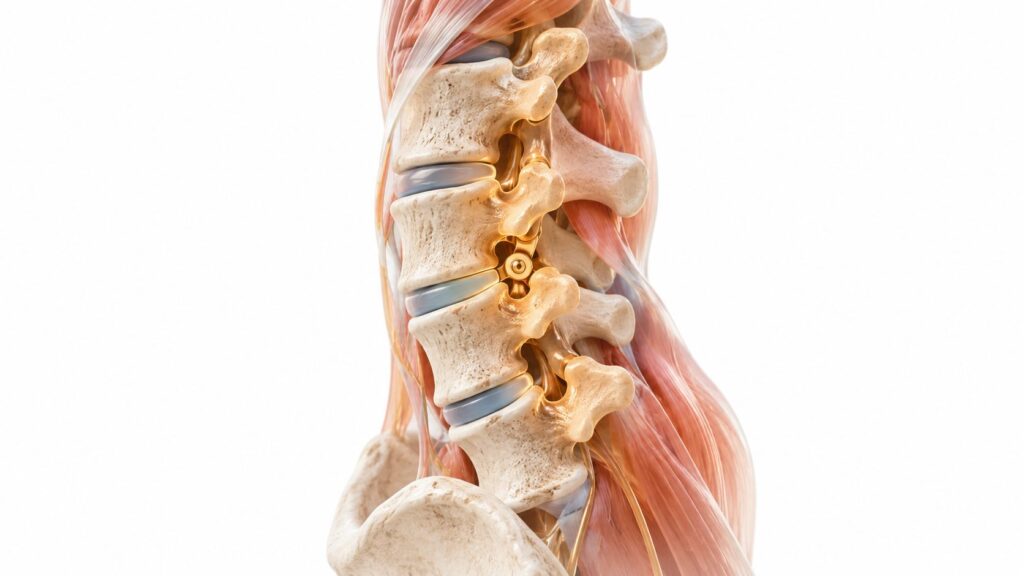
Post-laminectomy syndrome (PLS), often referred to as “Failed Back Surgery Syndrome” (FBSS), is a persistent and challenging condition that affects individuals who have undergone lumbar laminectomy or other spinal surgeries. While the primary goal of these surgeries is to alleviate pain, approximately 20-40% of patients continue to experience chronic pain after their procedure. This is why advanced neuromodulation therapies have become such a vital area of research and treatment.
What is Post-Laminectomy Syndrome?
PLS is not a single diagnosis but rather a broad term describing persistent or new-onset pain in the back and/or legs following spinal surgery. The pain can manifest as aching, burning, or radicular pain (pain radiating down the leg along a nerve path). It can severely impact a person’s quality of life, leading to decreased mobility, psychological distress, and a reliance on pain medication.
Why is it a Challenge to Treat?
Treating PLS is complex for several reasons:
- Scar Tissue (Epidural Fibrosis): After spinal surgery, scar tissue can form around nerve roots, compressing them and causing pain. This scarring is a common structural change post-surgery that can be difficult to address with further surgical intervention.
- Persistent Radiculopathy: The original nerve compression might not have been fully resolved, or new compression could develop, leading to ongoing radicular pain.
- Spinal Instability: Surgery can sometimes alter the biomechanics of the spine, leading to instability that contributes to pain.
- Neuropathic Pain: The nerves themselves may have been damaged or become hypersensitive during or after the surgery, resulting in chronic neuropathic pain that doesn’t respond well to traditional analgesics.
- Psychological Factors: Chronic pain often has a significant psychological component, including anxiety, depression, and pain catastrophizing, which can complicate treatment.
- Limited Efficacy of Repeat Surgery: Repeat back surgery for PLS often has diminishing returns and higher risks compared to the initial surgery. Studies show that spinal surgery can be risky and ineffective, with lengthy recovery periods. This is why we, at Midwest Pain and Wellness, look for alternative, less invasive solutions.
Many patients with PLS have already failed various conservative management strategies, including medications, physical therapy, and injections. According to research, patients are typically considered candidates for neuromodulation after failing at least two classes of medications, physical therapy, pain psychology, or common injection techniques. This underscores the challenge of finding effective relief for this population, making interventional techniques such as spinal cord stimulation and DRG stimulation a crucial option. You can learn more about these techniques in scientific research on interventional techniques for spinal pain.
How Neuromodulation (SCS/DRG) + Post-Laminectomy Therapy Works
Neuromodulation therapies offer a promising avenue for alleviating pain in patients with post-laminectomy syndrome. These therapies involve implantable devices that deliver gentle electrical impulses to specific areas of the nervous system, effectively “modulating” pain signals.
The core principle behind neuromodulation, particularly Spinal Cord Stimulation (SCS), is based on the “Gate Control Theory of Pain,” first proposed by Melzack and Wall in 1965. This theory suggests that non-painful input can close the “gates” to painful input, preventing pain sensations from reaching the brain. In practice, neuromodulation therapy uses electrical impulses to block pain signals from reaching the brain.
Mechanisms of SCS and DRG Stimulation for Post-Laminectomy Pain
While the broader term neuromodulation (SCS/PNS/DRG) + post-laminectomy encompasses several techniques, we primarily focus on SCS and DRG stimulation for our patients with post-laminectomy pain. These techniques work through distinct yet complementary mechanisms to provide relief:
Spinal Cord Stimulation (SCS)
SCS involves placing thin wires (leads) in the epidural space near the spinal cord, typically over the dorsal columns. These leads are connected to a small, implanted battery (pulse generator) that delivers mild electrical impulses.
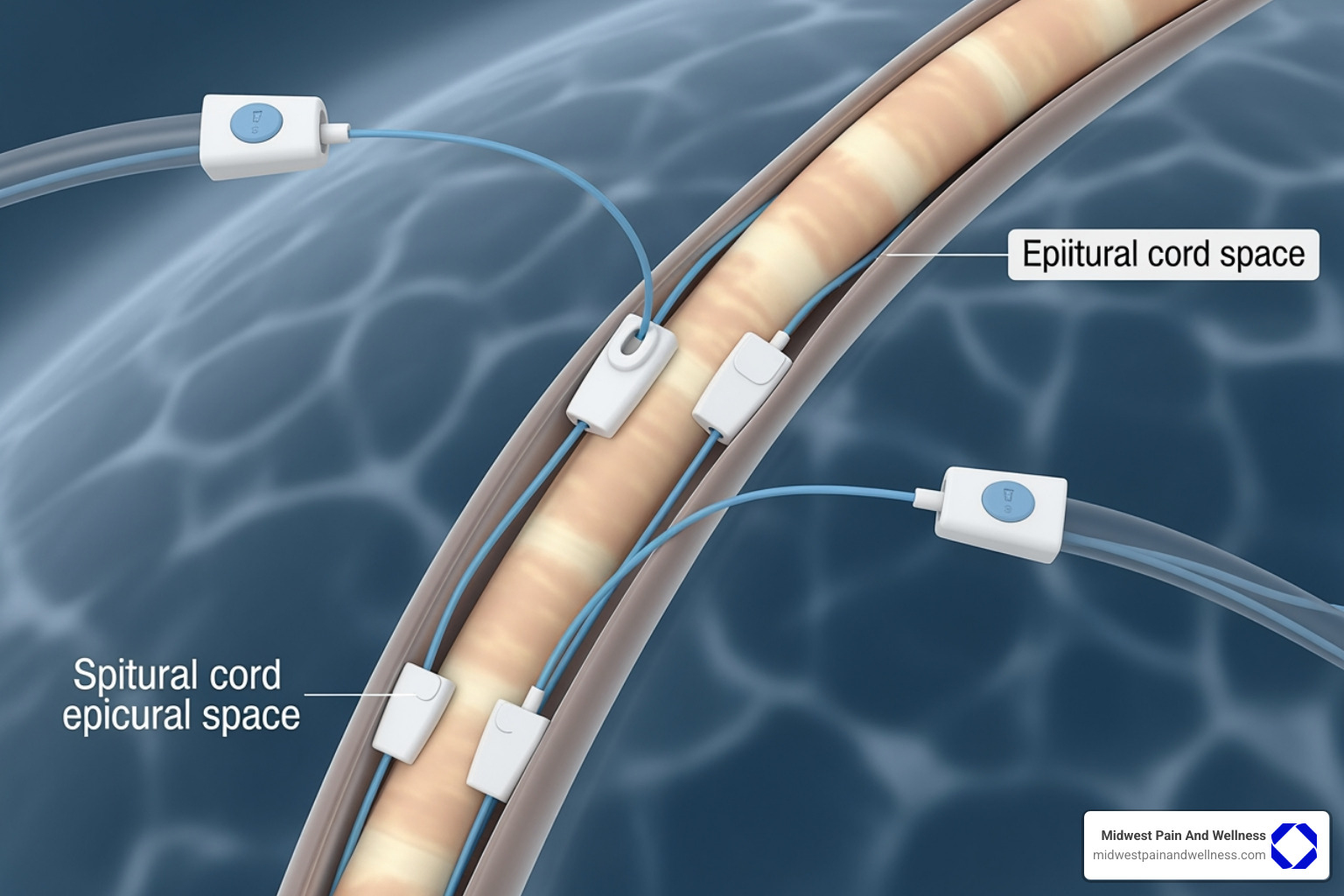
The mechanisms by which SCS alleviates pain are multifaceted:
- Gate Control Theory Activation: SCS primarily works by activating large, fast-conducting sensory nerve fibers (A-beta fibers) in the dorsal columns of the spinal cord. This activation interferes with or “closes the gate” to the transmission of pain signals carried by smaller, slower-conducting C-fibers and A-delta fibers, preventing them from reaching the brain. This often results in a tingling sensation (paresthesia) that replaces the pain, though newer technologies offer paresthesia-free options.
- Neurotransmitter Modulation: SCS can influence the release of various neurotransmitters in the spinal cord, such as GABA (an inhibitory neurotransmitter) and norepinephrine, which play a role in pain processing. It can also affect neuronal excitability by influencing calcium ion channels.
- Anti-inflammatory Effects: Research suggests that SCS can influence neuroinflammatory processes by regulating signaling pathways like MAP kinase and NF-κB, potentially reducing inflammation around damaged nerves.
- Supraspinal Modulation and Neuroplasticity: SCS can restore the balance between pain input and inhibition in the brain. It modulates pain processing pathways and can alter brain electrical activity and connectivity, promoting neuroplasticity in both the spinal cord and the brain. This long-term effect may contribute to sustained pain relief and functional improvement.
SCS is often recommended for patients with chronic pain due to post-laminectomy syndrome or sciatica (lumbar radiculopathy). For a deeper dive into how these devices work, you can explore scientific research on SCS mechanisms of action.
Dorsal Root Ganglion (DRG) Stimulation
DRG stimulation is a more targeted form of neuromodulation that focuses on the dorsal root ganglion (DRG)—a cluster of sensory nerve cell bodies located along the spinal nerve root. The DRG acts as a critical “pain processing center” and is often implicated in focal, neuropathic pain conditions.
- Targeted Pain Relief: Unlike SCS, which stimulates the spinal cord broadly, DRG stimulation allows for highly specific targeting of the nerve bundles associated with a particular area of pain. This is especially beneficial for focal pain, such as persistent leg pain after laminectomy that may be limited to specific dermatomes, or even pain in areas like the foot, ankle, or knee.
- Reduced Excitability: DRG stimulation is thought to reduce the excitability of hypersensitive sensory neurons within the DRG, dampening the transmission of pain signals from the periphery to the spinal cord and brain.
- Specificity and Flexibility: DRG-S offers greater specificity and flexibility in targeting pain, making it particularly effective for conditions like Complex Regional Pain Syndrome (CRPS) and certain types of postsurgical groin pain. This focused approach can provide relief where broader SCS might not be as effective or comfortable.
For more information on the effectiveness of DRG stimulation, refer to scientific research on DRG stimulation for neuropathic pain. While Peripheral Nerve Stimulation (PNS) also falls under neuromodulation, it targets individual peripheral nerves directly. Our focus at Midwest Pain and Wellness for post-laminectomy syndrome typically centers on the spinal cord (SCS) and dorsal root ganglia (DRG) due to the nature of the pain originating from spinal structures.
Advantages of Neuromodulation Over Repeat Back Surgery
When dealing with persistent pain after a laminectomy, the thought of another surgery can be daunting. Repeat back surgeries for post-laminectomy syndrome often come with increased risks, longer recovery times, and a higher chance of limited or no improvement. This is where neuromodulation, specifically SCS and DRG stimulation, shines as a superior alternative.
Here’s a comparison of neuromodulation versus repeat spinal surgery for chronic pain:
| Feature | Neuromodulation (SCS/DRG) | Repeat Spinal Surgery |
|---|---|---|
| Invasiveness | Minimally invasive procedure (leads inserted percutaneously) | Highly invasive procedure (open surgery, bone removal/fusion) |
| Recovery Time | Shorter recovery, often outpatient with quick return to activities | Longer, more painful recovery, extended rehabilitation |
| Adjustability | Customizable and adjustable pain control post-implantation | Fixed outcome, not adjustable post-surgery |
| Reversibility | Reversible (device can be removed if ineffective or no longer needed) | Irreversible (anatomical changes are permanent) |
| Trial Period | Mandatory trial period to assess effectiveness before permanent implant | No trial period; commitment made before knowing outcome |
| Opioid Dependency | Opioid-sparing therapy; can reduce or eliminate opioid use | May increase opioid use if pain persists or worsens |
| Risks | Lower risks (lead migration, infection, device-related issues) | Higher risks (nerve damage, paralysis, failed fusion, infection) |
| Outcomes for PLS/FBSS | High success rates (50%+ pain reduction in >80% of patients) | Often diminishing returns; higher chance of persistent pain |
We emphasize that neuromodulation offers several key advantages for our patients in Chicago Ridge:
- Reversibility: Unlike irreversible spinal surgeries, neuromodulation devices can be removed if they are no longer effective or if the patient’s condition changes. This provides a level of peace of mind that traditional surgery cannot.
- Minimally Invasive: The implantation of SCS or DRG leads is a minimally invasive procedure, often performed on an outpatient basis. This means smaller incisions, less tissue damage, and a quicker initial recovery compared to open back surgery.
- Adjustable Pain Control: One of the most significant benefits is the ability to customize and adjust the stimulation parameters (e.g., intensity, frequency, pulse width) after implantation. This allows for personalized pain management that can adapt to changes in your pain over time, a feature impossible with structural surgical changes.
- Reduced Recovery Time: Patients typically experience a much shorter recovery period after a neuromodulation implant compared to repeat back surgery. Many are mobile the same day and can return to light activities relatively quickly.
- Opioid-Sparing Therapy: Neuromodulation is a powerful tool in addressing the opioid epidemic. By providing effective pain relief, it can significantly reduce or even eliminate the need for long-term opioid medications, helping patients avoid the associated risks of dependence and side effects.
- Trial Period Assurance: The unique trial period allows you to experience the potential benefits of neuromodulation before committing to a permanent implant, ensuring it is the right solution for your specific pain.
For those considering repeat back surgery, studies have shown that SCS can be a more effective long-term solution. A randomized, controlled trial comparing spinal cord stimulation versus repeated lumbosacral spine surgery for chronic pain found SCS to be a valuable long-term solution. We encourage you to explore scientific research on SCS vs. repeat lumbosacral surgery for more details.
The Patient Journey: From Trial to Permanent Relief
At Midwest Pain and Wellness, we understand that considering an implanted device can feel like a big step. That’s why our patient journey for neuromodulation therapy after failed back surgery is designed to be thorough, supportive, and focused on your comfort and confidence every step of the way.
1. Initial Consultation and Evaluation
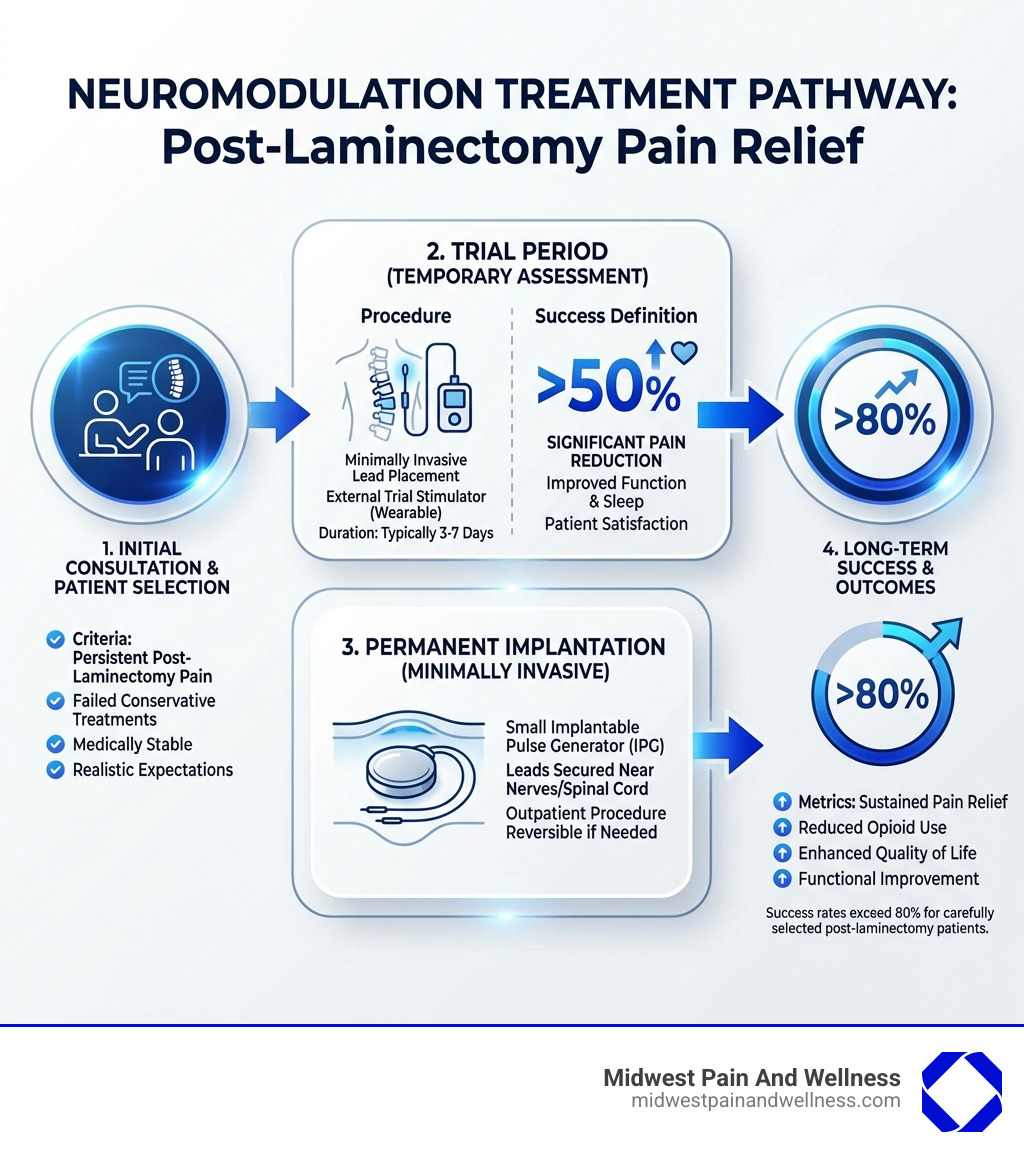
Your journey begins with a comprehensive evaluation by our double board-certified pain management specialists. We’ll review your medical history, imaging studies, and previous treatments for your post-laminectomy pain. This includes a psychological evaluation, which is a mandatory prerequisite to ensure mental and emotional preparedness for the therapy. This step is crucial for identifying ideal candidates and setting realistic expectations.
2. The Neuromodulation Trial Period
The trial period is perhaps the most unique and reassuring aspect of neuromodulation therapy. This temporary phase allows you to “test-drive” the technology before committing to a permanent implant.
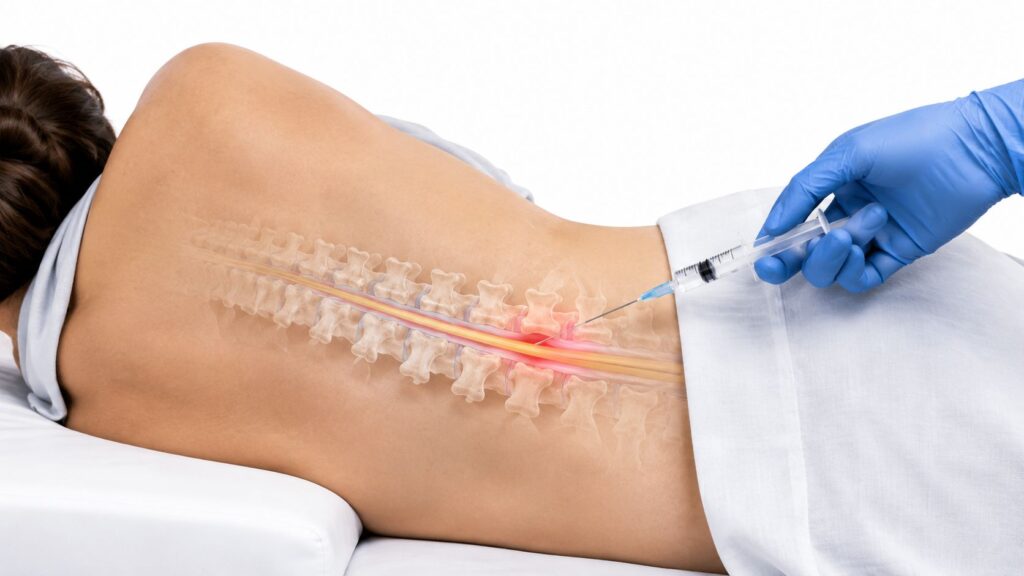
- Procedure: During an outpatient procedure, temporary leads (thin wires) are carefully placed in the epidural space near your spinal cord (for SCS) or around specific dorsal root ganglia (for DRG stimulation). These leads are connected to a small, external battery pack that you wear outside your body. The procedure itself usually takes about an hour.
- Experience: For about 5-7 days, you’ll go about your daily activities with the temporary system. This allows you to experience the pain relief firsthand. You’ll work closely with our team to adjust the settings and find the optimal stimulation parameters that provide the most comfort.
- Success Criteria: A successful trial is generally defined as experiencing at least a 50% reduction in your pain and a significant improvement in your functional abilities and quality of life. This direct experience is invaluable in deciding if the therapy is right for you.
3. Permanent Implantation
If the trial is successful and you’re satisfied with the pain relief, you’ll proceed to permanent implantation.
- Procedure: A small, watch-battery-sized pulse generator (battery) is implanted just under the skin, typically in the buttock or abdominal area. The permanent leads are then connected to this internal battery. This is also a minimally invasive, often outpatient, procedure.
- Patient-Controlled Settings: Once implanted, you’ll receive a handheld external wireless controller. This device allows you to adjust the stimulation settings within parameters set by our specialists, giving you control over your pain relief. You can turn the device on or off, and change programs as needed throughout your day.
- Recovery: You may experience some mild discomfort and swelling at the incision sites, but this typically resolves quickly. We’ll provide detailed post-procedure instructions for recovery and rehabilitation to ensure a smooth transition.
4. Ongoing Support and Adjustments
Your journey doesn’t end after implantation. We provide ongoing support, including programming adjustments as needed, to ensure you continue to receive optimal pain relief. Many patients report improved functionality, reduced medication dependency, and a significantly improved quality of life with their permanent neuromodulation system.
To learn more about how we can help you manage your chronic pain, please Visit the Patient Portal for more information or contact us directly.
Frequently Asked Questions about Neuromodulation for Post-Laminectomy Syndrome
We understand you likely have many questions about neuromodulation as a treatment option for pain after spinal surgery. Here, we address some of the most common inquiries our patients in Chicago Ridge have.
Who is an ideal candidate for this therapy?
Ideal candidates for neuromodulation therapy for post-laminectomy syndrome are typically individuals who:
- Have Failed Conservative Management: You’ve tried a range of non-surgical treatments like medications, physical therapy, chiropractic care, and injections, but your chronic pain persists. As research indicates, patients who have failed at least two classes of medications, physical therapy, pain psychology, or common injection techniques are strong candidates.
- Experience Persistent Post-Surgical Pain: You continue to suffer from chronic back and/or leg pain (radiculopathy) despite undergoing a laminectomy or other spinal surgery. This is the hallmark of post-laminectomy syndrome or failed back surgery syndrome.
- Exhibit Neuropathic Symptoms: Your pain is often described as burning, tingling, shooting, or numbness, indicating nerve involvement. Neuromodulation is particularly effective for neuropathic pain.
- Receive Psychological Clearance: A psychological evaluation is a mandatory prerequisite to ensure you are mentally and emotionally prepared for the therapy and to address any co-existing psychological conditions that might impact treatment outcomes.
- Have a Positive Trial Response: You experienced significant pain relief (typically 50% or more) and improved function during the temporary neuromodulation trial period. This is the strongest indicator of successful long-term outcomes.
- Do Not Have Certain Contraindications: These might include active infections, bleeding disorders, or certain psychiatric conditions that are not well-managed.
Conditions like chronic low back pain with or without radiculopathy and post-laminectomy syndrome are common indications for neuromodulation. Our team at Midwest Pain and Wellness will conduct a thorough assessment to determine if this therapy is the right fit for your unique situation.
What are the potential risks and side effects?
While neuromodulation therapies like SCS and DRG stimulation are generally safe and minimally invasive, like any medical procedure, they carry potential risks and side effects. It’s important to discuss these thoroughly with our specialists:
- Lead Migration: This is one of the most common issues, occurring in up to 5% of SCS cases. The leads, which are thin wires, can shift from their optimal position, leading to a decrease in pain relief or altered stimulation. This may require a minor procedure to reposition them.
- Infection Risks: As with any implanted device, there’s a small risk of infection at the surgical site. We take stringent precautions to minimize this risk.
- Device-Related Issues: These can include battery malfunction, lead fracture (historically up to 5.9% with older devices), or issues with the pulse generator. Modern devices are very reliable, but these possibilities exist.
- Surgical Site Discomfort: You may experience mild pain, swelling, or bruising at the incision sites immediately after the procedure, which typically subsides within a few days or weeks.
- Loss of Efficacy/Habituation: Over time, some patients may experience a decrease in the effectiveness of the stimulation, a phenomenon known as habituation. This can sometimes be addressed by reprogramming the device, trying different stimulation waveforms (e.g., high-frequency or burst stimulation), or even a “stimulation holiday” (a temporary pause in therapy).
- Unsatisfactory Pain Relief: While the trial period significantly reduces this risk, there’s always a possibility that the permanent system may not provide the desired level of pain relief.
We are committed to transparent discussions about all potential risks and benefits. For more comprehensive information, you can review scientific research on SCS complications.
What are the long-term success rates?
The long-term success rates for neuromodulation, particularly SCS and DRG stimulation, in treating post-laminectomy syndrome are encouraging. We aim not just for pain reduction but for a significant improvement in your overall quality of life and functional capabilities.
- Significant Pain Reduction: Many studies and clinical experiences show that SCS can offer substantial pain relief, with over 80% of patients experiencing at least a 50% reduction in pain levels with current technologies for persistent spinal pain syndrome type 2 (PSPS2), which includes post-laminectomy pain. Overall, successful SCS treatment has been achieved in over 60% of patients across studies on several major pain conditions.
- Improved Mobility and Function: Beyond reducing pain scores, patients often report improved mobility, increased ability to perform daily activities, and a greater capacity to engage in physical therapy and rehabilitation. This functional restoration is a key indicator of success.
- Improved Quality of Life: By alleviating chronic pain, neuromodulation can lead to significant improvements in sleep quality, mood, and overall well-being, allowing patients to lead more active and fulfilling lives.
- Durability of Outcomes: Modern neuromodulation systems, including advanced waveforms and closed-loop technologies, are designed for long-term effectiveness. Studies on closed-loop SCS systems have demonstrated sustained long-term outcomes, with many patients maintaining significant pain relief and improved quality of life for years. You can dig into scientific research on long-term SCS solutions for more insights.
- Opioid Reduction: A significant long-term benefit is the potential to reduce or even eliminate opioid medication use, leading to a healthier and safer pain management approach.
We are dedicated to helping our patients in Chicago Ridge achieve lasting relief and reclaim their lives from chronic pain associated with post-laminectomy syndrome.
Conclusion
Living with persistent pain after spinal surgery can be incredibly frustrating and debilitating. At Midwest Pain and Wellness in Chicago Ridge, we understand these challenges and offer advanced, evidence-based solutions like neuromodulation (SCS/PNS/DRG) + post-laminectomy to help you find lasting relief.
Our double board-certified doctors, like Dr. Yaw Donkoh, use a multi-modal, interventional approach, collaborating with other practitioners to create custom care plans custom to your unique needs. We believe in providing comprehensive, opioid-free pain management using the most current and effective therapies available.
If you are suffering from post-laminectomy syndrome and traditional treatments have failed, we invite you to explore how neuromodulation could transform your life. It’s a reversible, minimally invasive, and adjustable option that offers significant advantages over repeat back surgeries. Don’t let chronic pain define your life any longer.
To learn more about our neuromodulation services and how we can help you, please visit More info about neuromodulation services or contact us today to schedule a consultation. Our team is ready to help you on your journey to a more comfortable and active life.