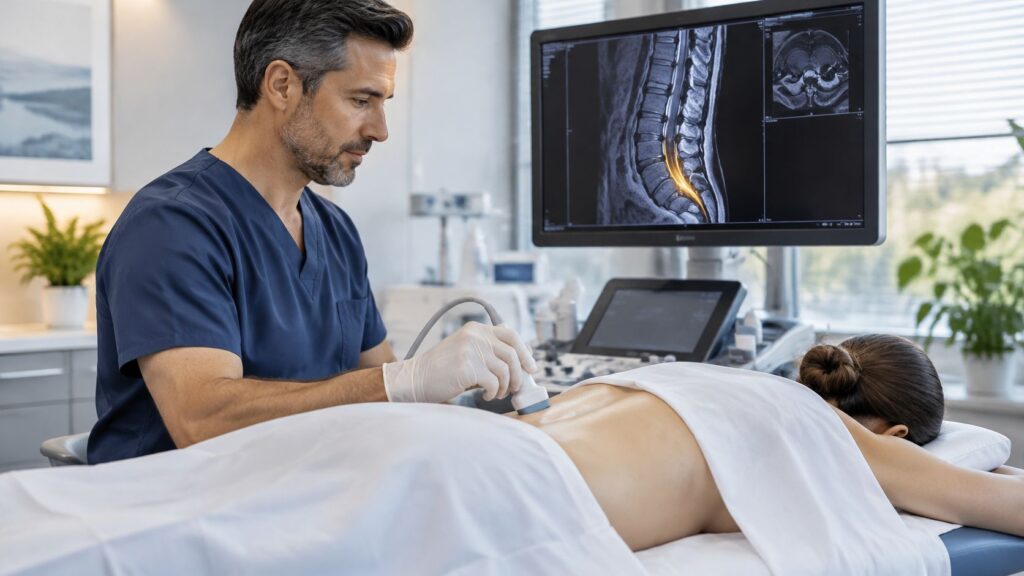
You may be feeling it right now. A tight pull at the base of your skull when you back out of the driveway. A knot between your neck and shoulder after a workday at the computer. A sharp catch when you check your blind spot on Cicero Avenue or turn your head in bed. For many people in Chicago Ridge and nearby communities like Oak Lawn, Palos Hills, and Bridgeview, neck pain doesn't stay occasional. It starts to shape the day.
That's what makes chronic neck pain so frustrating. It rarely feels dramatic enough to explain how much it disrupts life, but it can wear you down over weeks and months. Sleep gets lighter. Driving gets harder. Work tolerance drops. Even relaxing on the couch can become uncomfortable.
A lot of patients ask the same question in different ways. Why won't this go away? The short answer is that chronic neck pain usually isn't one single diagnosis. It's a symptom with several possible sources, and the right treatment depends on finding the true pain generator.
That Persistent Ache Understanding Your Chronic Neck Pain
A common story in clinic goes like this. The neck starts bothering you after a minor strain, a long stretch at the computer, or a car accident that seemed to heal. Weeks later, the soreness is still there. Then it starts changing how you drive, sleep, work, and turn your head through the day.
Persistent neck pain deserves more than a guess. The same symptom can come from very different structures in the cervical spine and surrounding tissues. In one person, the main problem is irritated muscles and fascia. In another, it is a painful facet joint, a worn disc, or inflammation around a nerve root. A smaller group has pain that points to a deeper spinal or medical issue and needs prompt attention.
That difference shapes treatment.
From an interventional pain perspective, the first job is to identify the pain generator as accurately as possible. Location matters, but pattern matters more. Pain centered at the base of the neck after extension and rotation raises different concerns than pain that shoots into the shoulder blade, arm, or hand. Headaches that start in the upper neck suggest a different source than heaviness and stiffness that build through a desk shift.
This is also where patients often get stuck. They are told they have "neck pain" as if that were the diagnosis. It is not. It is a starting point. Good care moves from common mechanical causes to specific pathology, then matches the least invasive treatment that has a reasonable chance of helping. That may mean exercise-based rehab and posture changes. It may mean image-guided injections to confirm and calm an inflamed joint or nerve. It should not mean drifting into long-term opioid use without a clear diagnosis or a treatment plan aimed at the source.
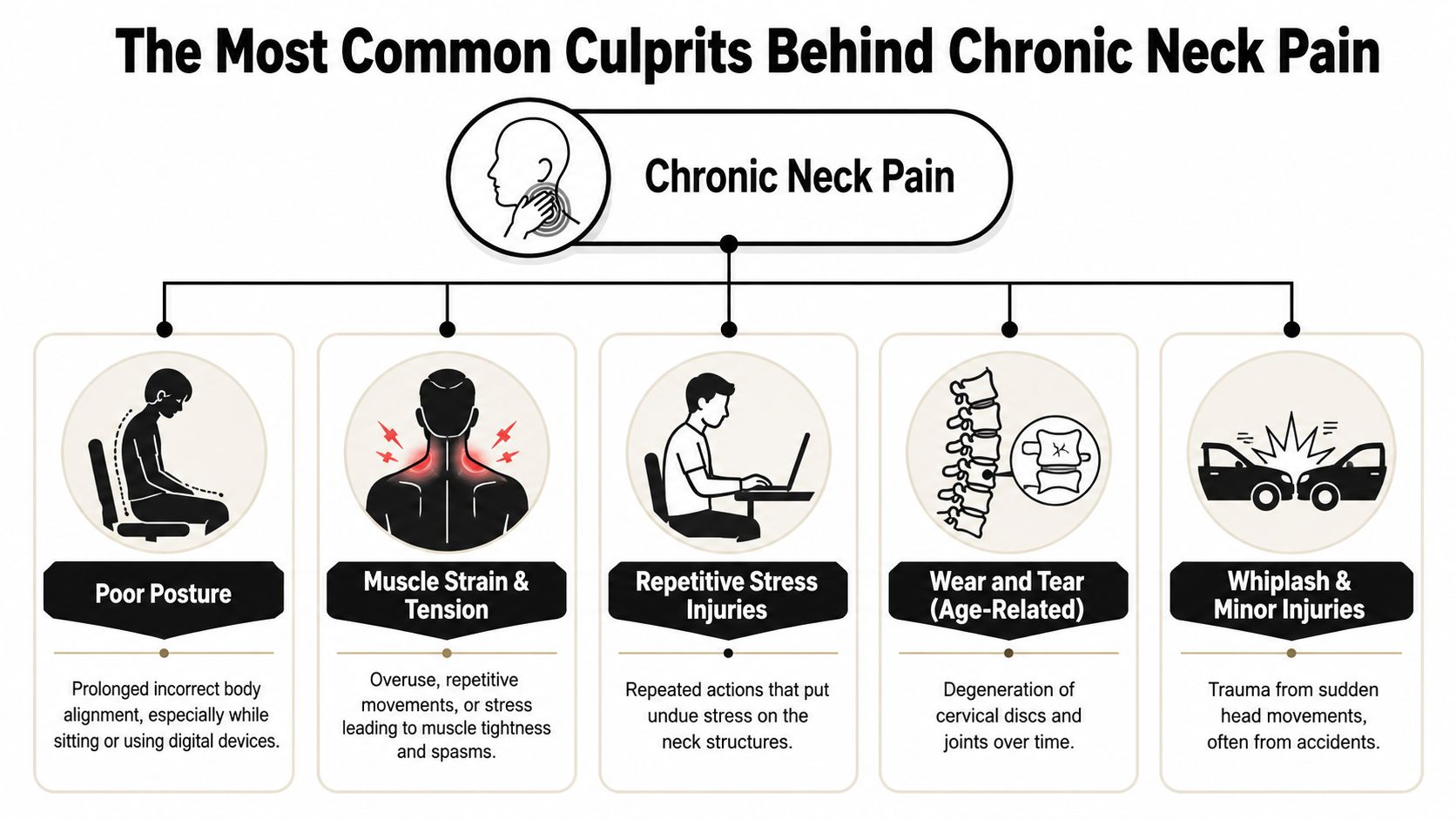
The Most Common Culprits Behind Chronic Neck Pain
Chronic neck pain usually starts with a smaller problem that keeps getting provoked. A stiff workstation setup, repeated overhead activity, a past whiplash injury, or age-related wear can all irritate the same sensitive structures in the cervical spine. The goal is to sort out which structure is driving the pain, because muscle pain, facet pain, and disc-related pain do not behave the same way and should not be treated the same way.
Mechanical overload from daily habits
One of the most frequent patterns I see in the Chicago suburbs is prolonged head-forward posture. It happens at desks, in cars, on couches, and over phones. The neck muscles stay mildly contracted for hours, the shoulder girdle gets tense, and the joints at the base of the neck can become irritated from repeated low-grade strain.
This pain is often described as aching, pulling, heaviness, or burning across the neck, upper trapezius, and shoulder blade region. It tends to build later in the day or after long periods in one position. Many patients feel stiff when turning their head, but the pain remains local.
That pattern often responds to targeted physical therapy, workstation changes, and better movement habits. Random stretching and short-term medication may calm symptoms briefly, but they rarely solve the reason the pain keeps returning.
Age-related wear that becomes painful
The cervical spine changes over time. Discs lose water content. Facet joints can become arthritic. Supporting ligaments stiffen, and surrounding muscles may stay guarded after months of irritation. These findings are common on imaging, especially as people get older, but not every age-related change causes pain.
The clinical question is whether those changes match the symptom pattern and exam.
Common pain generators include:
- Facet joint pain. This often causes pain with extension, rotation, or looking up. Patients may feel it at the base of the neck or into the upper shoulder and may also develop headaches that start in the upper neck. In some cases, a facet joint injection procedure helps confirm whether the joint is the source while also reducing inflammation.
- Disc degeneration. Degenerated discs can cause deep axial neck pain, stiffness, and pain with sustained sitting or loading.
- Myofascial pain. Tight, irritable muscles and fascia can produce trigger points, tenderness, and a broader aching pattern that overlaps with joint pain.
- Old trauma. Prior whiplash or repetitive occupational strain can leave the neck more sensitive long after the original injury.
A common mistake is assuming the most painful area is the true source. Neck pain often refers. A facet joint can feel like shoulder blade pain. Muscle guarding can hide an irritated joint. A worn disc can trigger secondary muscle spasm. That is why a useful diagnosis comes from the full pattern, not from one tender spot or one X-ray finding.
Practical rule: pain that builds with posture, repetitive tasks, or long static positions often points to a mechanical source. Pain that predictably worsens with extension and rotation raises more suspicion for facet-mediated pain. Pain tied to one structure gives us a clearer path to opioid-sparing treatment instead of trial-and-error care.
When Neck Pain Signals a Deeper Spine Issue
Sometimes neck pain isn't just tension or posture. It points to a more specific spine condition, especially when symptoms travel beyond the neck itself. That's when the history and exam become more important than broad labels like “strain.”

Pinched nerve symptoms feel different
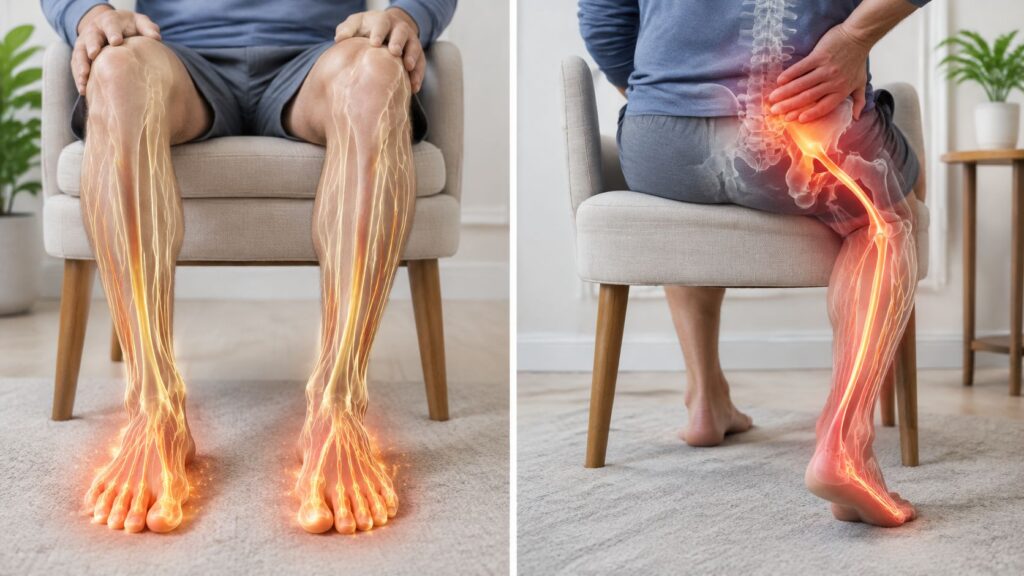
When a cervical nerve root gets irritated or compressed, pain often radiates from the neck into the shoulder, arm, or hand. Patients may also describe tingling, numbness, grip changes, or weakness. That pattern is different from isolated muscle tightness.
Chronic neck pain with arm symptoms or neurologic findings is more suggestive of radiculopathy or spinal stenosis, which can happen when age-related wear, bulging discs, or bone spurs narrow the spinal canal or compress a nerve root, as described in the Cleveland Clinic overview of neck pain causes and radicular symptoms.
The structures that commonly cause this
The cervical spine has discs in front, facet joints in back, and nerve roots exiting through openings called foramina. If a disc bulges or herniates, or if bone spurs narrow those spaces, the nerve can become inflamed. That inflammation can create pain that seems to move or shoot rather than stay fixed in one spot.
A useful way to think about it is this:
| Pattern | More suggestive of |
|---|---|
| Local ache and stiffness in the neck | Mechanical strain or facet-related pain |
| Pain that runs into the shoulder or arm | Nerve-root irritation |
| Numbness, tingling, or weakness | Neurologic involvement |
| Pain with extension and rotation | Facet loading or foraminal narrowing |
If the exam suggests the facet joints are involved, a specialist may consider targeted diagnostic procedures such as a facet joint injection procedure for neck-related facet pain evaluation and treatment.
Why this distinction matters
Treating nerve-related neck pain like simple muscle tension usually falls short. The wrong treatment can delay relief. Repeated stretching of an irritated nerve root, aggressive manipulation in the wrong setting, or relying only on pain pills may not address the underlying problem.
Pain that stays in the neck and pain that travels down the arm are not the same clinical story.
The better approach is matching the symptoms to the anatomy. That's what guides whether care should focus on medication, activity changes, image-guided injection, nerve-targeted treatment, or referral for a surgical opinion when needed.
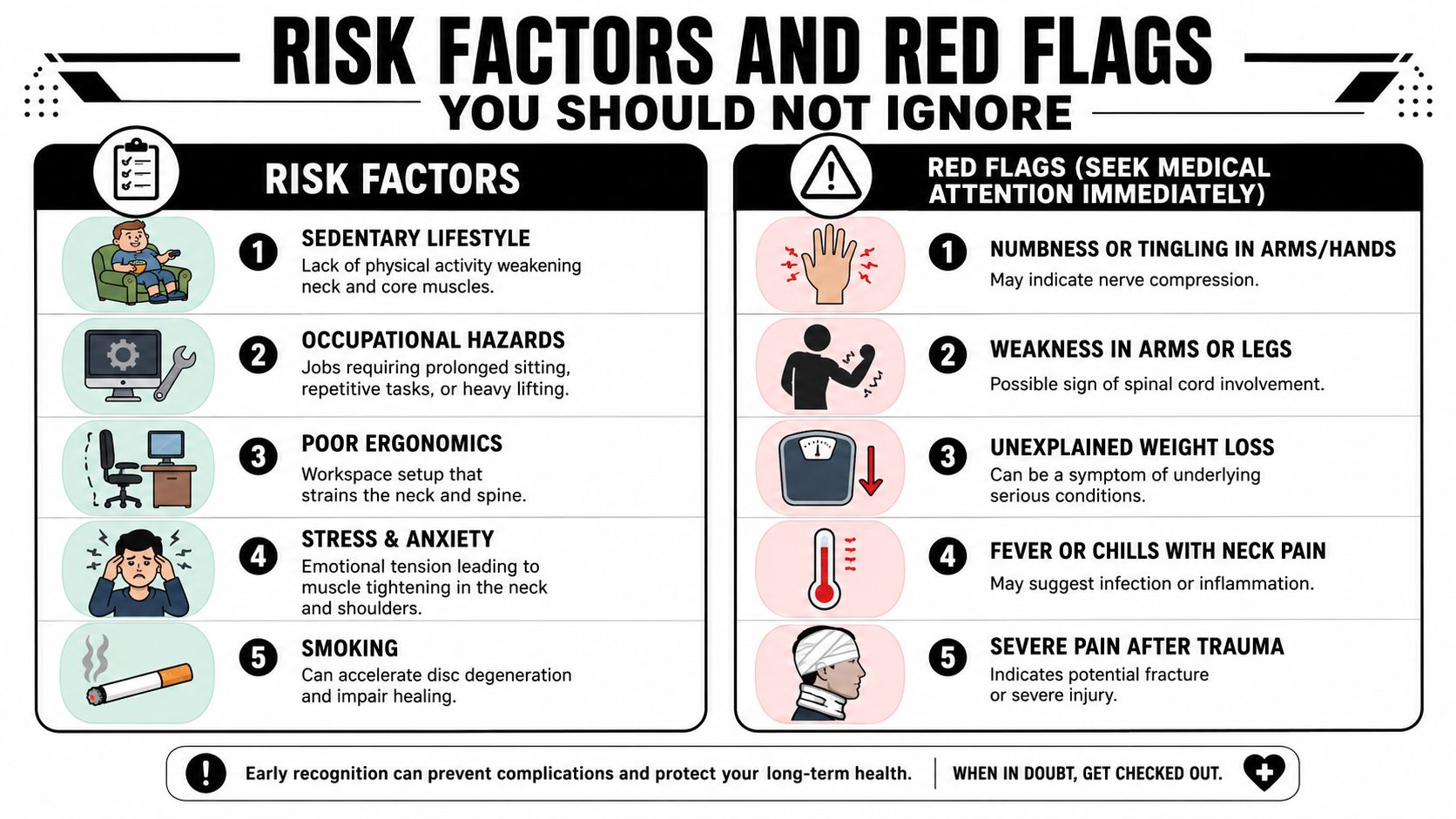
Risk Factors and Red Flags You Should Not Ignore
A common story in clinic goes like this. Neck pain starts as a nuisance after long hours at a computer or behind the wheel. Months later, the pain is more frequent, the neck feels tighter, sleep is worse, and simple self-care has not fixed it. In that setting, I look at two separate questions. What is keeping the neck under repeated stress, and are there any warning signs that point to something more serious than a routine mechanical problem?
Risk factors that make chronic pain more likely
Chronic neck pain often builds from repeated low-grade strain rather than one dramatic injury. The pattern is common in people who spend hours with the head held forward, drive for long stretches, perform repetitive lifting or reaching, or get very little regular movement. Stress can add to the problem because it increases muscle tension in the neck, jaw, and upper shoulders.
Common risk factors include:
- Sedentary routines. Less movement often means less conditioning and poorer tolerance for sitting and sustained postures.
- Occupational strain. Desk work, driving, assembly work, childcare, lifting, and repeated overhead activity can all keep the same tissues loaded day after day.
- Poor workstation setup. A low monitor, unsupported arms, or a chair that promotes forward head posture can keep symptoms active.
- Stress-related muscle guarding. Many patients carry stress physically, which can amplify pain even when the original trigger was mechanical.
- Prior neck injury. A previous car crash, sports injury, or work injury can leave the neck more prone to recurrent flares.
These factors do not confirm one diagnosis by themselves. They help explain why pain persists and why treatment has to address both the irritated structure and the daily habits that keep provoking it.
Red flags that need prompt evaluation
Some symptoms change the urgency. Fever, recent infection, cancer history, unexplained weight loss, severe pain after a fall or collision, or pain that is constant and unrelated to position deserve a faster medical evaluation.
Neurologic changes matter even more. Progressive arm weakness, loss of hand coordination, trouble with balance, new gait problems, or bowel and bladder changes raise concern for nerve root or spinal cord involvement. In those cases, the question is no longer just why the neck hurts. The question is whether the nerves are being compressed or inflamed in a way that needs prompt workup.
Patients with neck pain plus arm symptoms are sometimes dealing with foraminal narrowing, disc-related nerve irritation, or cervical canal narrowing. If spinal narrowing is part of the picture, this overview of how spinal stenosis is diagnosed explains what physicians look for and why the pattern of symptoms matters.
If you live in Chicago Ridge or nearby suburbs such as Burbank, Evergreen Park, or Orland Park, do not wait out those warning signs. Mechanical neck pain is common. Progressive weakness, balance changes, trauma-related pain, and signs of infection belong in a different category, and they should be evaluated quickly.
How We Pinpoint the Exact Cause of Your Pain in Illinois
A precise diagnosis starts with listening. Neck pain often gets mislabeled when the visit moves too quickly to imaging or too quickly to treatment. In Illinois, a proper spine-focused pain evaluation should connect your symptoms, your exam, and any imaging findings into one clear clinical picture.
Your story gives the first clues
The details matter. Where the pain starts. Whether it spreads. What movements trigger it. Whether it wakes you at night. Whether it began after a collision, repetitive work, or no obvious event at all. Pain that worsens with looking up tells a different story than pain that shoots into the thumb and index finger.
A good diagnostic conversation also includes daily function. Can you drive comfortably? Sit through work? Wash your hair? Carry groceries? Those answers help identify how the neck is failing under load, not just where it hurts on a diagram.
The physical exam narrows the possibilities
The exam looks for motion loss, pain with specific positions, muscle tenderness, strength deficits, reflex changes, and sensory loss. That's how we separate likely muscle and joint pain from nerve-root irritation or possible spinal cord involvement.
Here's what that process often includes:
- Range of motion testing. Turning, bending, and extension can reproduce facet, muscle, or foraminal pain patterns.
- Neurologic screening. Strength, reflexes, and sensation help identify whether a nerve is involved.
- Provocative maneuvers. Certain positions can bring out radicular symptoms or pinpoint mechanical pain generators.
- Functional review. The way symptoms affect sleep, driving, lifting, and work tolerance often reveals more than pain intensity alone.
The scan doesn't make the diagnosis by itself. The diagnosis comes from matching the scan to the symptoms and exam.
Imaging has a role, but not every patient needs it on day one
X-rays can show alignment and degenerative change. MRI is more useful when nerve compression, disc pathology, stenosis, or persistent symptoms raise concern. CT can help in selected cases, especially when bony anatomy needs closer review.
If stenosis is suspected, patients can learn more about the workup in this guide on how to diagnose spinal stenosis. The point of imaging isn't to collect pictures. It's to confirm the likely source of pain and guide the safest next step.
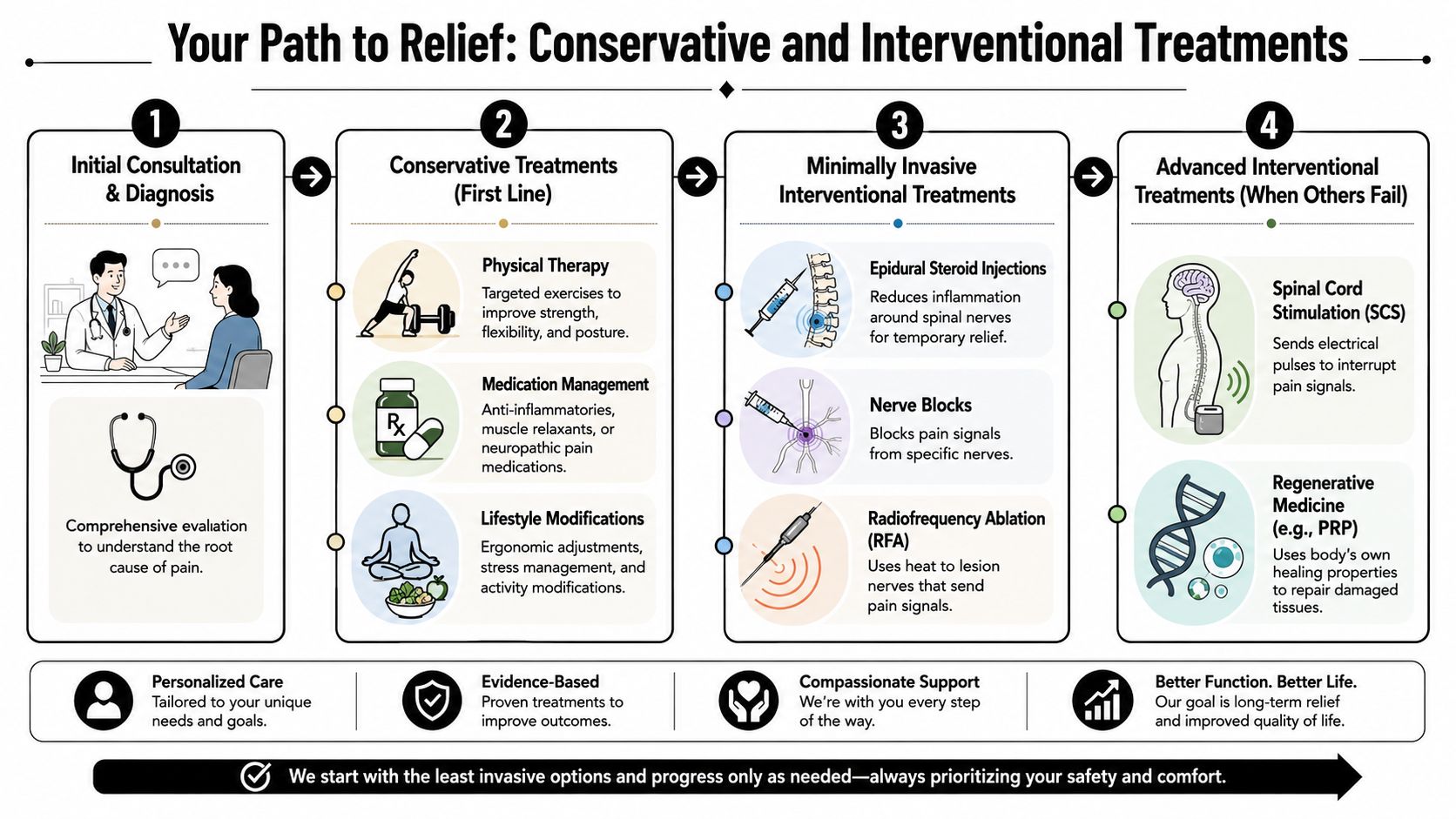
Your Path to Relief Conservative and Interventional Treatments
A common Chicago Ridge scenario looks like this. The neck pain started as stiffness after work or a long drive, then turned into a pattern. Better for a day, worse by the end of the week, and never fully gone. Once the pain generator is identified, treatment should become more specific instead of more repetitive.
First-line care when the pain is mechanical
For muscle strain, postural overload, and many joint-related pain patterns, conservative care is still the right starting point. It works best when it is matched to the exam and to the way symptoms show up during the day. Generic stretches from the internet or repeated rest usually do not change a chronic pattern for long.
Useful first steps often include:
- Targeted physical therapy focused on cervical mechanics, scapular support, and controlled mobility
- Home exercise with a clear goal, such as improving endurance, reducing guarding, or restoring motion
- Medication used selectively. Anti-inflammatories, muscle relaxants, or nerve-calming medication may help during a flare, but they should support recovery rather than become the whole plan
- Workstation and activity changes that reduce the repeated positions driving the pain
- Heat, manual therapy, or short-term bracing in selected cases, if they help calm symptoms enough for active rehab to start
There is a real trade-off here. Conservative care is lower risk and often very effective for mechanical pain, but it can drag on if the actual source is a facet joint, irritated nerve root, or another structure that keeps getting reactivated.
When interventional treatment is the better next step
If pain continues despite good conservative care, or if the exam and imaging point to a specific structure, the next step may be an image-guided procedure. The goal is not to cover up pain. The goal is to treat the structure that is generating it and, in some cases, confirm the diagnosis at the same time.
That may include:
- Epidural steroid injection for cervical radicular pain when nerve root inflammation is a major driver
- Medial branch blocks to test whether the facet joints are the source
- Radiofrequency ablation for longer-lasting relief when diagnostic blocks show facet-mediated pain
- Botox treatment for cervical dystonia or abnormal muscle contraction patterns
- Regenerative treatment in selected cases, including options explained in this page on PRP for neck pain
Each option fits a different problem. A patient with arm pain, tingling, and foraminal narrowing usually needs a different plan than someone with localized neck pain that worsens with extension and rotation.
What an opioid-sparing plan looks like in practice
An opioid-sparing plan uses diagnosis to guide care. That often means a short course of medication if needed, structured rehab, and image-guided procedures when the pain source is clear and conservative care has not been enough. It also means reassessing the response instead of repeating the same treatment out of habit.
At Midwest Pain & Wellness in Chicago Ridge, that process may include cervical epidural injections, medial branch blocks, radiofrequency ablation, and regenerative treatments based on whether the pain appears joint-mediated, disc-related, nerve-related, or connected to a prior injury.
Lasting improvement usually comes from sequencing care correctly. Calm the irritated tissue. Confirm the pain generator when needed. Restore function so the neck is not forced back into the same cycle.
Repeated urgent care visits, short bursts of medication, and broad treatment without a clear target rarely solve chronic neck pain for long. A better plan is specific, measured, and built around durable relief without relying on opioids.
Building a Resilient Neck and Preventing Future Pain
Even when treatment works, the neck still needs better support from daily habits. Prevention doesn't require a complicated routine. It requires reducing the same loads that triggered the problem in the first place.
Small changes that protect the cervical spine
Start with your setup. Keep screens closer to eye level, avoid long stretches with your head tilted down, and use arm support when working at a desk. If you drive often between Hickory Hills, Worth, and Oak Lawn, adjust the headrest and seat so you aren't reaching forward with your chin.
Then build movement into the day:
- Take movement breaks. Change position regularly instead of holding one posture for long periods.
- Do simple daily neck and shoulder work. Gentle mobility, scapular retraction, and postural strengthening help the neck share load better.
- Manage stress physically. Breathing drills, walking, and relaxation work can reduce the constant upper trapezius tension many people carry without noticing.
- Sleep with alignment in mind. A pillow that keeps the neck neutral is usually more helpful than stacking multiple pillows.
Prevention works best when it matches your trigger
If your pain comes from desk work, fix the desk. If it flares after overhead work, change how you pace and position those tasks. If symptoms return with stress, that pattern needs attention just as much as posture does.
The goal isn't to keep your neck perfectly still. The goal is to make it more adaptable, better supported, and less likely to be overloaded by routine life in Palos Hills, Alsip, Bridgeview, or Orland Park.
If your neck pain has lingered, spread into the arm, or keeps returning despite rest and medication, it may be time for a focused evaluation. Midwest Pain & Wellness provides spine and nerve pain assessment in Chicago Ridge, Illinois, with opioid-sparing treatment options designed around the actual source of pain rather than temporary symptom control.