You wake up with your ring finger and pinky tingling, shake your hand, and expect the sensation to disappear. Later, your elbow sends an electric jolt down the forearm when you lean on your desk. By evening, gripping a cup or typing feels less reliable than it should. That pattern is common with ulnar nerve pain, but the right treatment depends on where the nerve is irritated, how long symptoms have been present, and whether weakness has started.
This guide lays out a practical path for ulnar nerve pain treatment, from position changes and activity modification to injections, peripheral nerve stimulation, and surgical referral. The goal isn't to promise that one intervention works for everyone. It's to separate established care from options that still need stronger evidence, so you can make a focused plan with a qualified clinician.
Table of Contents
- What Ulnar Nerve Pain Feels Like
- How the Ulnar Nerve Works and Why It Hurts
- Common Causes and Risk Factors You Can Spot
- How a Pain Specialist Diagnoses Ulnar Nerve Pain
- Stepwise Treatment Options From Conservative to Interventional
- When Surgical Referral Makes Sense and What to Expect
- Recovery Timelines, Red Flags, and When to Call a Specialist
- Your Local Path Forward and Common Questions
What Ulnar Nerve Pain Feels Like
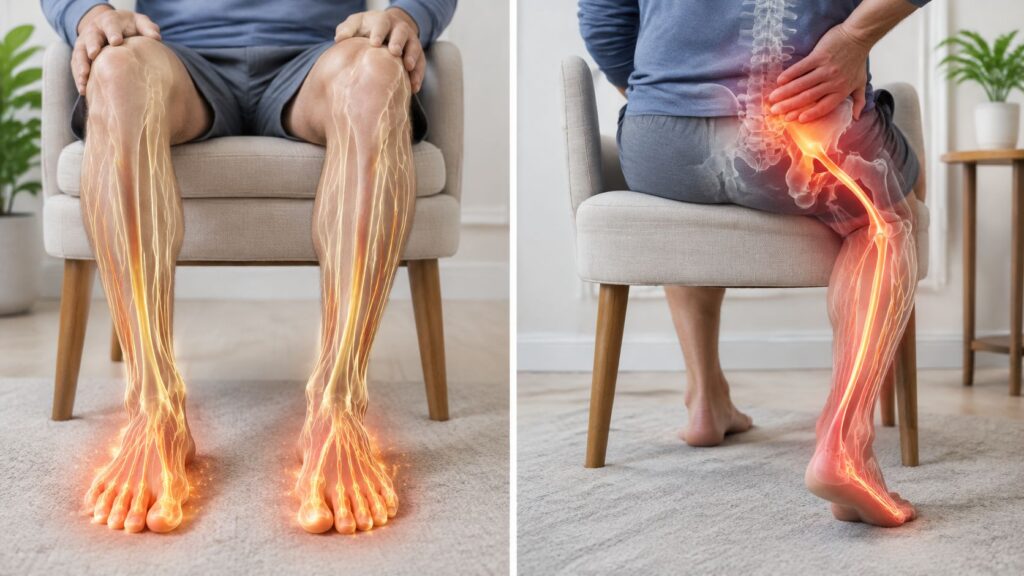
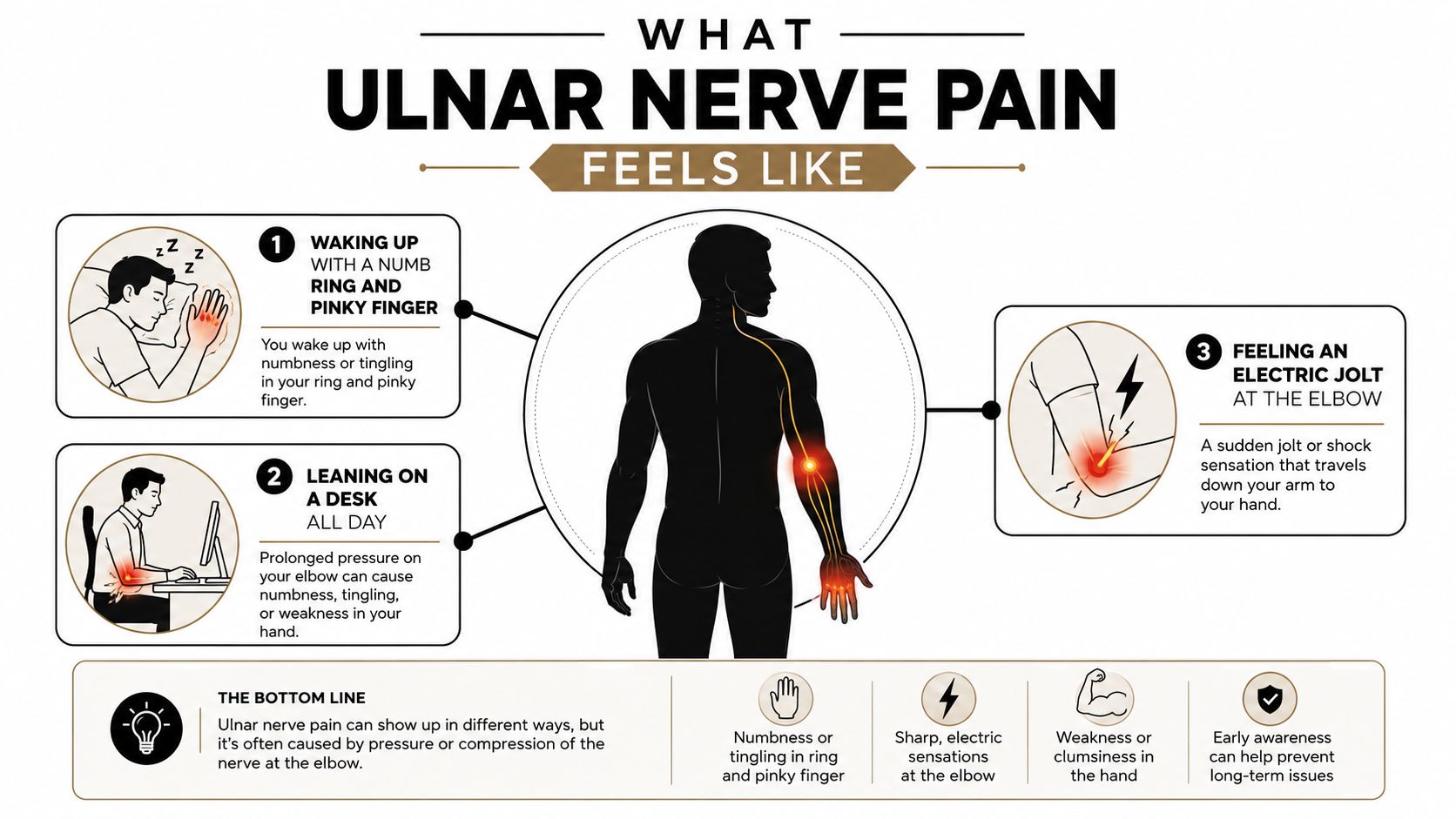
Symptoms in the pinky and part of the ring finger often point toward irritation of the ulnar nerve, which also supplies several muscles that support hand function. The sensation differs from ordinary muscle soreness. Patients may describe tingling, burning, numbness, or a brief electric shock along the inside of the elbow and forearm.
Night symptoms deserve attention. Keeping the elbow tightly bent during sleep can reduce space around the nerve and maintain tension for hours. Some patients wake with a numb hand and notice improvement after straightening the arm or changing position. That response supports a position-sensitive problem, but it does not by itself establish the diagnosis.
A useful symptom checklist
Track the pattern, triggers, and functional effect rather than pain intensity alone:
- Sensory changes: Numbness or pins and needles in the pinky, ring finger, or inner hand.
- Position-related flares: Symptoms that increase while the elbow stays bent during sleep, phone use, reading, or driving.
- Pressure sensitivity: Discomfort after resting the elbow on a desk, armrest, or other hard surface.
- Motor changes: Weaker grip, hand fatigue, difficulty opening containers, or dropping objects.
- Electrical pain: A shock-like sensation when the inside of the elbow is bumped.
Symptoms can be intermittent early on, so patients often dismiss them. Constant numbness or declining hand strength raises more concern because prolonged compression may be harder to reverse. Cubital tunnel syndrome is the most common cause of ulnar nerve pain at the elbow. Ulnar nerve entrapment is also the second most common upper-extremity compression neuropathy after carpal tunnel syndrome, as discussed in this review of cubital tunnel syndrome.
Practical rule: Repeated numbness in the same two fingers, especially at night, warrants evaluation of the nerve rather than treatment as routine elbow soreness.
How the Ulnar Nerve Works and Why It Hurts
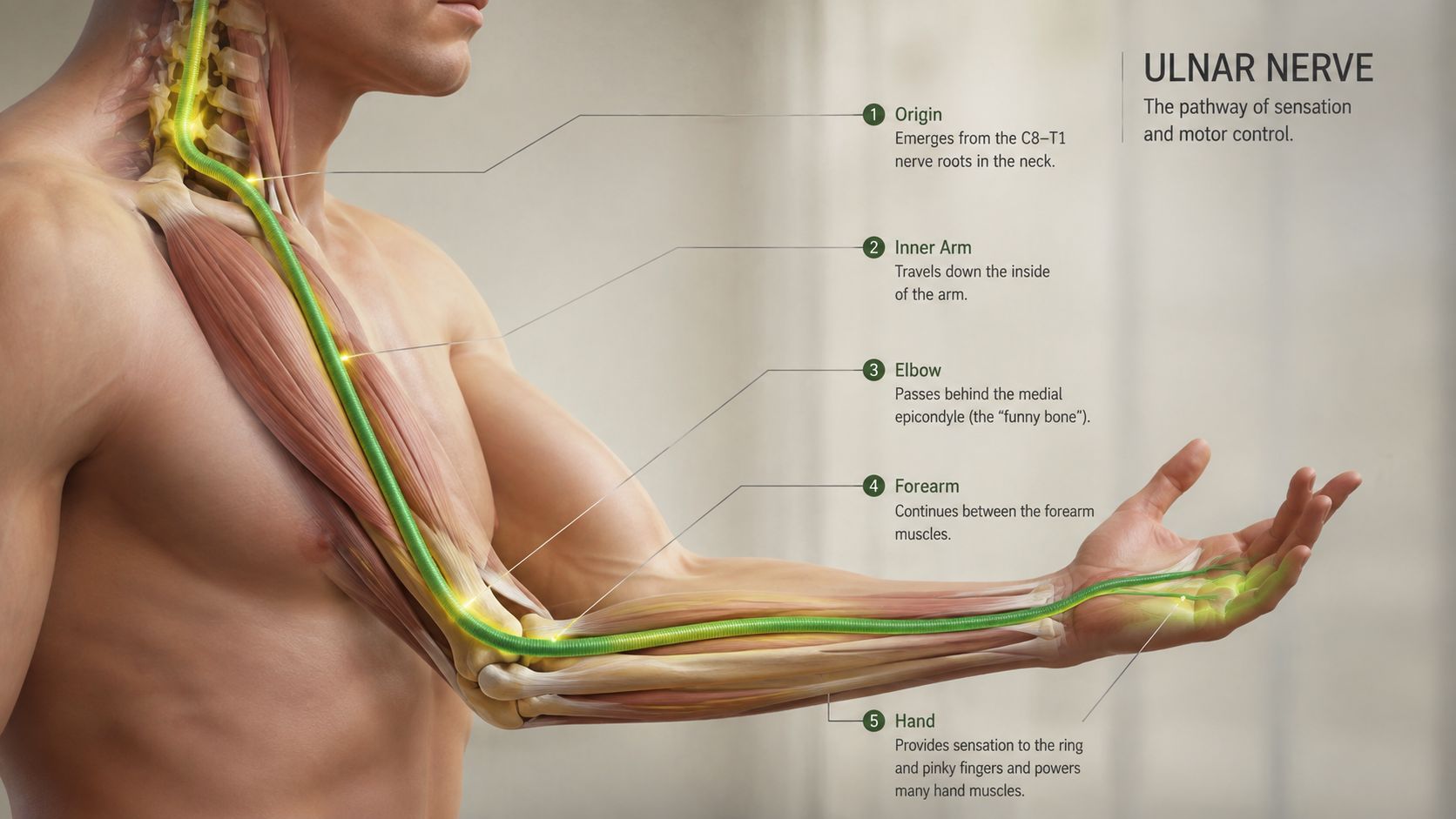
Think of the ulnar nerve as a flexible electrical cable running from the neck, through the arm, around the inside of the elbow, and into the hand. It carries sensation and helps control muscles involved in grip and finger coordination. Like a cable passing through a narrow bend, it can become vulnerable when surrounding tissue, joint shape, or repeated positioning creates pressure.
The most frequent compression point is the cubital tunnel, a passage behind the inside of the elbow. Bending the elbow changes the tunnel's shape and places the nerve under additional tension. Leaning directly on the elbow adds external pressure at the same vulnerable location.
Elbow and wrist compression aren't identical
Cubital tunnel syndrome involves the nerve around the elbow. Guyon's canal syndrome involves compression farther downstream at the wrist, where the nerve enters the hand. Both conditions can affect the pinky and ring finger, but the exact distribution of numbness, the muscles affected, and the provoking activities can differ.
The neck also matters. A pinched nerve in the cervical spine can produce arm and hand symptoms that resemble ulnar nerve entrapment. That's why a careful evaluation shouldn't stop at the elbow. A clinician needs to consider the entire pathway, including the neck, shoulder, elbow, forearm, and wrist.
Everyday positions can expose the problem. A bent elbow during sleep, prolonged computer work, gaming, driving, or phone use can keep the nerve irritated even when no single event caused an injury. The anatomical location helps explain why a small posture change may reduce symptoms, but it also explains why temporary improvement doesn't prove the underlying problem has resolved.
Common Causes and Risk Factors You Can Spot
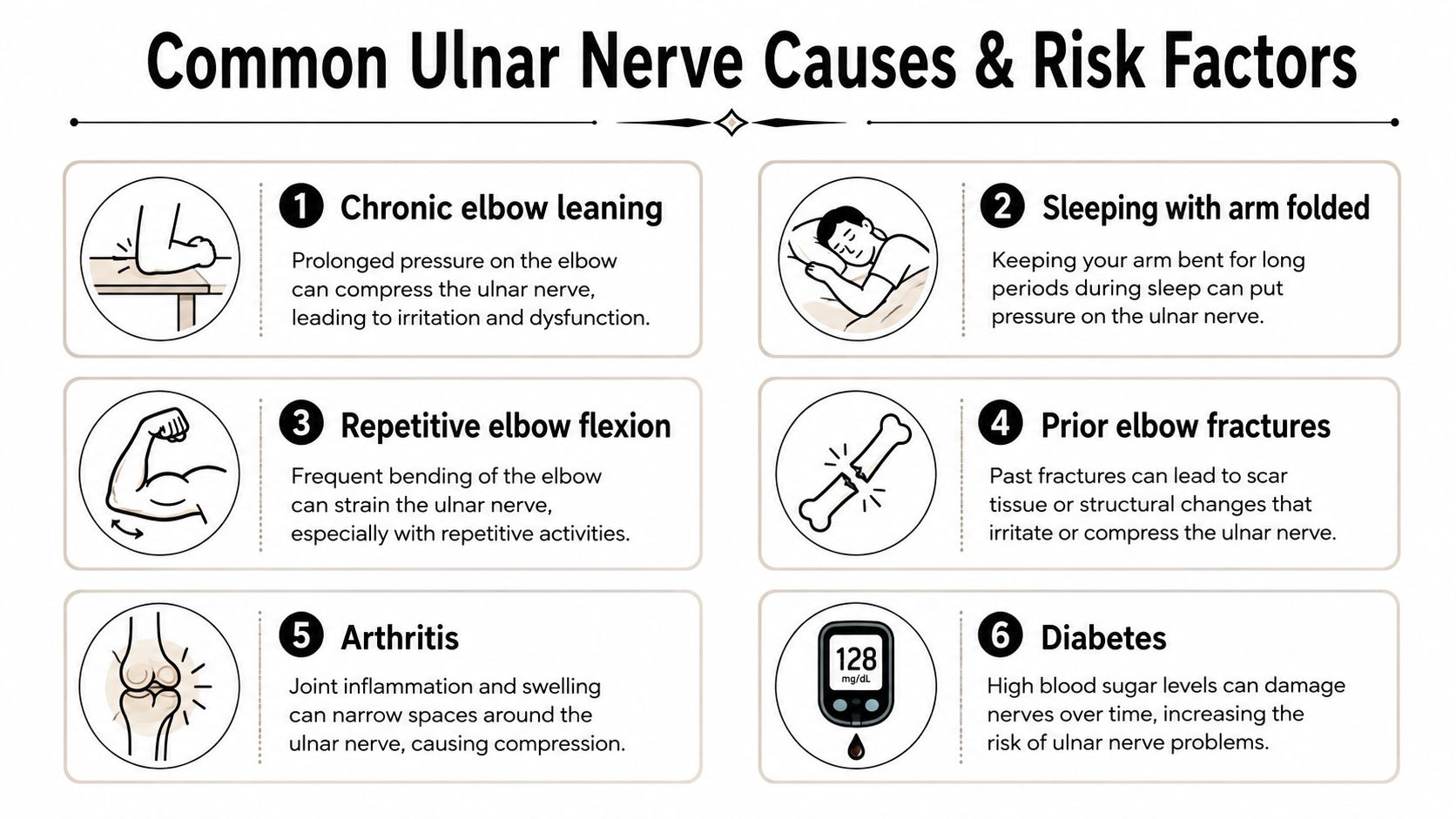
Ulnar nerve irritation often develops from repeated mechanical stress rather than one dramatic injury. Resting the elbow on a hard surface, keeping it bent for long periods, and repeating the same elbow motion can all aggravate the nerve. Previous trauma or changes inside the joint can reduce the available space and make ordinary positions more provocative.
A self-audit of daily triggers
- Chronic elbow leaning: Desk edges, vehicle windows, and armrests can place direct pressure over the nerve.
- Sleeping with the arm folded: A tightly bent elbow can keep the nerve compressed for hours.
- Repetitive elbow flexion: Work, exercise, phone use, and household tasks may repeatedly tension the nerve.
- Prior elbow fractures: Healing changes or altered joint anatomy may narrow the nerve's route.
- Arthritis: Swelling and joint changes can affect the space around the nerve.
- Diabetes: Nerves may be more vulnerable to compression when metabolic disease is present.
The location of symptoms provides a useful clue. Elbow-level compression commonly produces tingling that travels from the inner elbow toward the pinky and ring finger. Wrist-level compression may be more closely linked to pressure at the heel of the hand, while neck-related irritation may include broader arm symptoms or neck discomfort.
Your workstation deserves attention, even if the elbow isn't your only pain source. If prolonged sitting has also contributed to back discomfort, this resource on lower back pain from sitting offers practical guidance on reducing sustained positional strain.
A posture change can quiet symptoms without eliminating the cause. That response is helpful information, not a diagnosis. If numbness persists after you stop the provoking activity, or if weakness appears, schedule an assessment rather than relying on ergonomic changes alone.
How a Pain Specialist Diagnoses Ulnar Nerve Pain
A useful appointment begins with the symptom story. The clinician will ask which fingers are affected, whether symptoms occur during sleep, what positions trigger them, and whether you've noticed weakness or clumsiness. Prior elbow injuries, neck symptoms, diabetes, work demands, and previous treatment all help distinguish compression at the elbow from irritation elsewhere.
The physical examination then maps the nerve's function. A specialist may tap over the nerve near the elbow to check for a Tinel sign, hold the elbow in flexion to reproduce symptoms, assess grip and finger spreading, and compare sensation on both sides. The examination may also include the neck, shoulder, wrist, and hand because symptoms can overlap.
What additional testing can clarify
Nerve conduction studies and electromyography can show how efficiently electrical signals travel and whether the nerve has developed functional impairment. These tests can help separate ulnar neuropathy from a cervical nerve root problem or a more generalized nerve disorder.
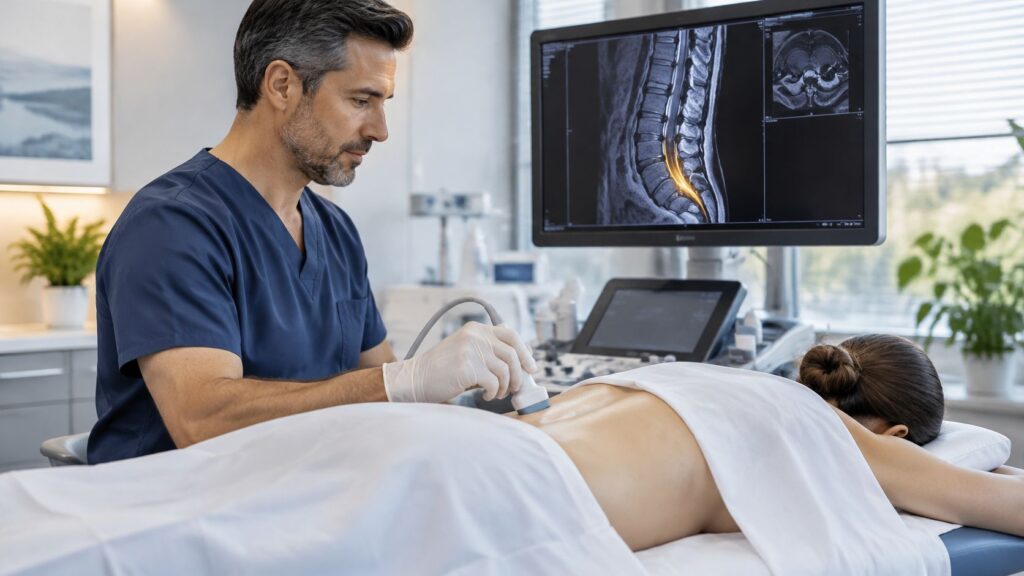
Ultrasound can provide a real-time view of the nerve around the elbow. It may help identify enlargement, movement of the nerve during elbow motion, or a structural issue that changes the treatment discussion. Imaging isn't automatically necessary for every person with mild, position-related symptoms, but it becomes more useful when the diagnosis is uncertain, symptoms are severe, or prior injury suggests an anatomical problem.
Red flags change the pace of evaluation. Progressive weakness, visible hand muscle loss, persistent sensory loss, or a concerning history of trauma should prompt timely medical attention. A pain specialist may review existing scans and therapy notes, then coordinate with the appropriate referring provider rather than repeating every test.
Patients from Chicago Ridge, Palos Heights, Palos Hills, Evergreen Park, and Hickory Hills often arrive with records from primary care, orthopedic, or rehabilitation visits. Midwest Pain & Wellness uses that information as part of a broader assessment. For more background on the diagnostic process, see how to diagnose nerve pain.
Stepwise Treatment Options From Conservative to Interventional
The best treatment sequence starts with the least invasive option that fits the severity of the nerve problem. Mild symptoms without weakness may justify a structured trial of position changes and targeted rehabilitation. Persistent numbness, worsening function, or findings that suggest significant nerve injury require a more active discussion about testing, injections, stimulation, or surgical referral.
Conservative care commonly includes avoiding direct elbow pressure, adjusting activities, using anti-inflammatory medication when medically appropriate, and trying a night splint or towel wrap to reduce deep elbow flexion. These steps are low risk for many patients, but they aren't equally supported by evidence. A 2025 systematic review found insufficient evidence to determine whether night splints should be recommended, because available studies were small and at high risk of bias. (Systematic review of night splints and conservative care)
Match the intervention to the problem
A targeted therapy program can address posture, shoulder and forearm mechanics, gentle nerve mobility, and the movements that repeatedly provoke symptoms. Exercises should be precise and symptom-guided. Aggressive nerve stretching can increase irritation, so a therapist and pain specialist should define the appropriate dose.
NSAIDs may provide temporary pain relief for some patients, but they don't remove mechanical compression or restore nerve function. Elbow padding can reduce contact pressure, while workstation changes help only if the patient follows them consistently.
Injections require a careful distinction between established and emerging approaches. The 2025 Cochrane review found no evidence that corticosteroid injections improved symptoms of ulnar neuropathy at the elbow. The same review found that dextrose injections appeared to reduce pain during follow-up periods ranging from 4 to 12 months, while a broader 2025 meta-analysis across entrapment neuropathies reported short- to mid-term improvements in pain and function compared with saline and corticosteroids. (2025 Cochrane review of ulnar neuropathy treatments)
That evidence makes dextrose worth discussing, not declaring it a standard cure. Platelet lysate and dextrose prolotherapy, including ultrasound-guided hydrodissection, remain early options supported by limited clinical evidence rather than a settled standard of care.
For a broader explanation of understanding treatment plan components, consider how each intervention has a specific goal, stopping rule, and reassessment point. At Midwest Pain & Wellness, image-guided nerve blocks may help confirm the pain generator or provide temporary relief, while peripheral nerve stimulation may be considered for selected persistent nerve pain. More detail is available in this discussion of the best injection for nerve pain.
| Treatment | Evidence Strength | Typical Use Case |
|---|---|---|
| Activity and position modification | Commonly used, but outcome certainty is limited | Mild, position-related symptoms |
| Night splint or towel wrap | Evidence currently insufficient to confirm benefit | Symptoms that worsen during sleep |
| NSAIDs and elbow padding | Symptom-focused and temporary | Pain flares when medically appropriate |
| Targeted rehabilitation | Commonly included in nonsurgical care | Movement, posture, and functional contributors |
| Corticosteroid injection | No demonstrated symptom benefit in the cited review | Not a reliable default for ulnar neuropathy |
| Dextrose injection | Emerging evidence | Selected patients after informed discussion |
| Hydrodissection, platelet lysate, or prolotherapy | Early, low-volume evidence | Carefully selected cases, not routine replacement for surgery |
| Nerve block or peripheral nerve stimulation | Interventional options for selected patients | Persistent localized pain or diagnostic uncertainty |
When Surgical Referral Makes Sense and What to Expect
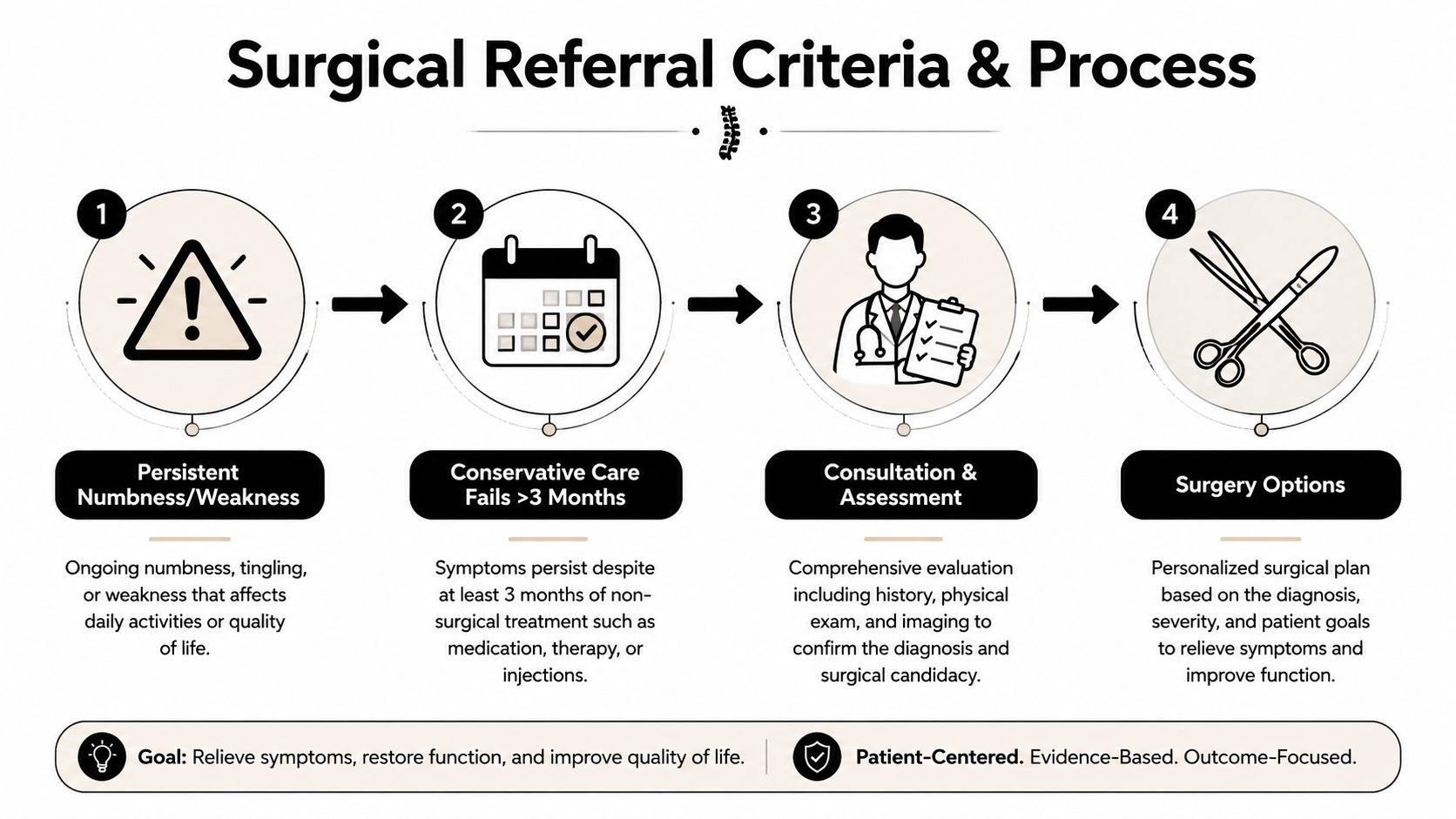
Surgery becomes reasonable when numbness persists, weakness progresses, or a structured nonsurgical plan fails over several months. It's particularly important to avoid delaying evaluation when the hand is losing strength or coordination. A referral doesn't mean conservative care was a failure. It means the nerve may need physical decompression before further injury develops.
The two common surgical strategies are simple in situ decompression and anterior transposition. Simple decompression releases pressure around the nerve without moving it. Transposition places the nerve in a new position, which may be considered when the nerve is unstable, anatomy is unfavorable, disease is severe, or a previous operation didn't provide relief.
Current evidence doesn't identify a universally superior operation for uncomplicated cubital tunnel syndrome. A contemporary review found no clear superiority between decompression and transposition, and a 2025 Cochrane review found little to no difference in function or complications between simple decompression and decompression with subcutaneous or submuscular transposition, including in severe impairment. It also found little to no difference between endoscopic and open decompression. (2025 review of surgical treatments for ulnar neuropathy)
Recovery is gradual
After surgery, the incision needs protection while the nerve recovers. Activity usually progresses in stages, with attention to scar care, elbow motion, grip function, and rehabilitation instructions. Relief may not be immediate, particularly when the nerve has been compressed for a long time.
The broader surgical record shows meaningful but variable outcomes. One historical series of 654 ulnar nerve lesions reported Grade 3-or-better functional recovery in 92% after neurolysis, 72% after suture repair, and 67% after graft repair. For cubital tunnel surgery, modern evidence summaries report improvement rates of about 60% to 87%, with one cited study reporting 87% success, 3% postoperative complications, 2% revision surgery, and 3% recurrence. (Historical surgical outcomes for ulnar nerve lesions)
Midwest Pain & Wellness functions as an interventional pain and wellness clinic, not a standalone physical therapy practice. The team can evaluate nonsurgical options, use image-guided procedures when appropriate, discuss peripheral nerve stimulation through how PNS works, and coordinate care with hand or orthopedic surgeons when decompression is the more responsible choice.
Recovery Timelines, Red Flags, and When to Call a Specialist
Ulnar nerve recovery rarely follows the predictable schedule of a strained muscle. For mild symptoms without weakness, a clinician may reassess a conservative plan after a meaningful trial of two to three months. Injection-based treatments are commonly evaluated over 4 to 12 weeks. Surgical recovery usually requires weeks to months of graduated activity while the nerve heals.
Do not let those time frames delay care when function is worsening. Arrange prompt specialist assessment for:
- Sudden weakness: New difficulty spreading the fingers, gripping, or lifting objects may reflect motor involvement.
- Dropping objects: Repeated clumsiness deserves evaluation, especially when it is new or progressive.
- Visible muscle wasting: Hollowing between the hand bones can indicate reduced nerve supply.
- Persistent numbness: Constant sensory loss carries more concern than intermittent tingling.
- Repeated nighttime awakening: Ongoing sleep disruption suggests that positioning changes are not controlling irritation.
A clinical review reports that nonoperative care succeeds in about 50% of mild to moderate cases. Across treatment types, reported improvement or cure ranges from roughly 60% to 85%, depending on severity and the intervention used. (Cubital tunnel syndrome treatment review)
Use function, not the calendar alone, to judge progress. Steady symptom improvement with normal strength supports continuing the agreed plan and monitoring closely. A plateau, recurrence despite consistent changes, or any decline in grip or finger control warrants formal evaluation.
Midwest Pain & Wellness evaluates these changes within an interventional pain practice and coordinates with therapists and surgeons when the next decision requires more than self-care. That coordination matters because persistent weakness may call for surgical input, while stable sensory symptoms may still justify a measured nonsurgical approach.
Your Local Path Forward and Common Questions
For residents of Chicago Ridge, Palos Heights, Palos Hills, Evergreen Park, and Hickory Hills, the most useful path is coordinated care close to home. Chicago Ridge is a compact Illinois service area, with the Census Bureau reporting a 2.7% population decrease from April 1, 2020, to July 1, 2024. (U.S. Census Bureau QuickFacts for Chicago Ridge)
How long should I try a night splint? Use it only as part of a defined plan, not indefinitely. Because evidence remains insufficient, reassess symptoms and function with a clinician if improvement isn't clear.
Are injections worth considering before surgery? Dextrose may be reasonable for selected patients after discussion of its emerging evidence. Corticosteroid injections shouldn't be presented as a proven solution for ulnar neuropathy.
Who might consider peripheral nerve stimulation? It may fit persistent, localized nerve pain when conservative care hasn't provided adequate relief and the diagnosis is well established. A specialist should review anatomy, prior treatments, goals, and surgical considerations first.
Midwest Pain & Wellness is an interventional pain and wellness clinic, not a standalone physical therapy practice. Its role may include diagnostic evaluation, image-guided injections, nerve blocks, peripheral nerve stimulation, and coordination with therapists, primary care clinicians, and surgeons.
If ulnar nerve pain is waking you at night, limiting your grip, or continuing despite position changes, schedule an evaluation with Midwest Pain & Wellness. The clinic can assess the source of your symptoms, discuss evidence-aware nonsurgical and interventional options, and coordinate surgical care when decompression is appropriate for your situation.