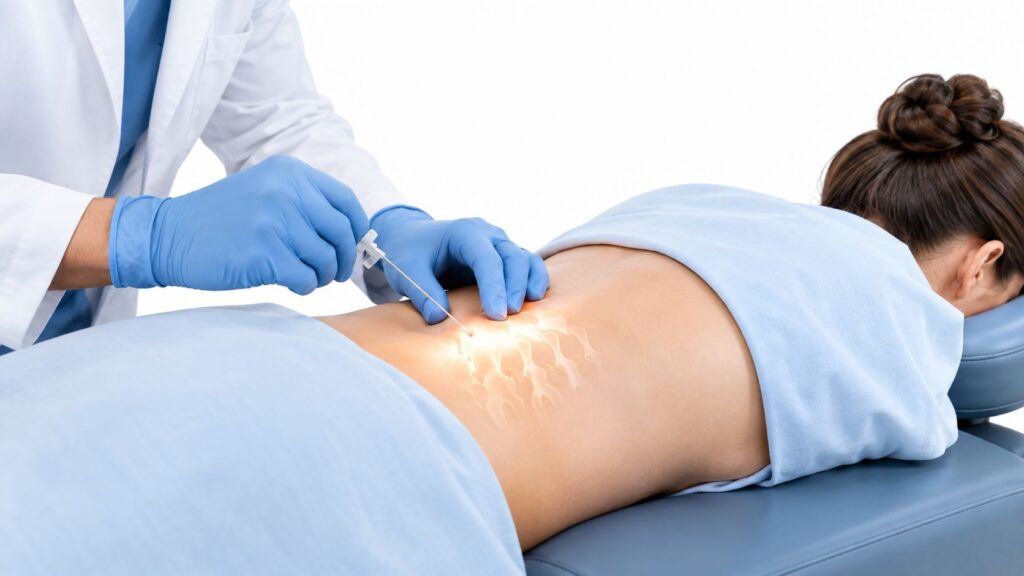
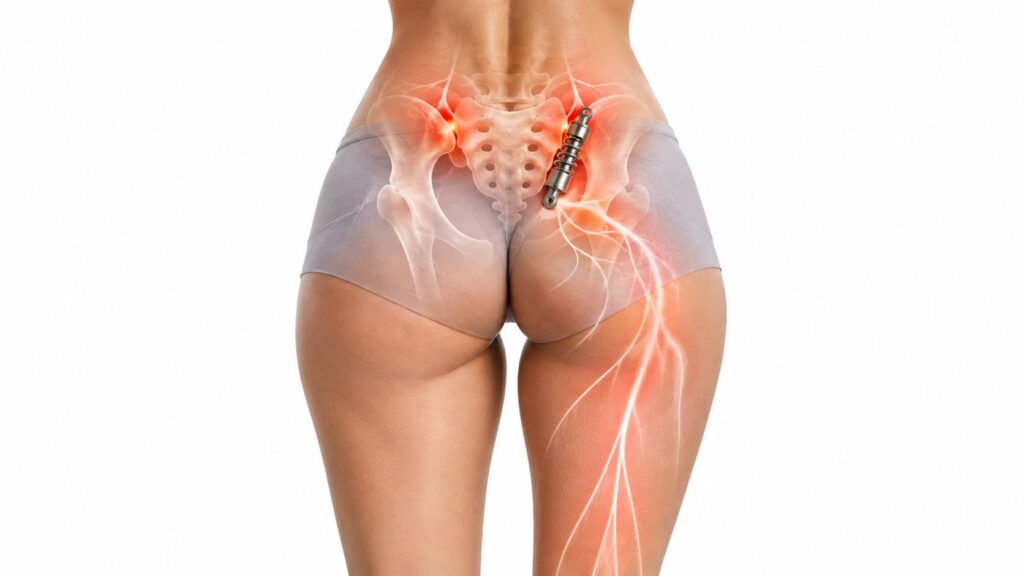
PRP therapy is condition-specific: it can help selected patients with mild-to-moderate knee osteoarthritis and some tendinopathies, but it isn't universally effective for every pain problem. In knee osteoarthritis, randomized-trial evidence found an average pain improvement of approximately 1.03 points on a 0–10 scale, while chronic low-back pain and tendon conditions show more variable results.
That may sound less dramatic than the promises used in some regenerative medicine advertising. It's also more useful. The important question isn't just, "Does PRP work?" It's what is causing your pain, what formulation will be injected, and what timeline makes sense for your goals?
For patients in Chicago Ridge, Palos Heights, Palos Hills, Evergreen Park, Hickory Hills, and nearby Illinois communities, PRP can be a reasonable nonsurgical option when the diagnosis is clear and expectations are realistic. It may reduce symptoms and improve function, but it shouldn't be presented as guaranteed cartilage regrowth, a universal cure, or an automatic replacement for surgery.
Table of Contents
- Is PRP Therapy Actually Effective?
- How PRP Works and Why Results Vary
- What the Research Says About Key Conditions
- PRP Versus Corticosteroids and Surgery
- How to Choose the Right Clinic and Protocol
- Who Benefits Most From PRP Therapy
- Next Steps for Patients in Illinois
Is PRP Therapy Actually Effective?
PRP is effective for some conditions and patients, not as a blanket treatment for pain. The strongest practical case is usually a carefully selected person with mild-to-moderate knee osteoarthritis or a defined tendinopathy who wants to explore a longer-term, opioid-sparing option and accepts that improvement may take time.
The evidence explains why broad success claims are misleading. In knee osteoarthritis, a randomized-trial meta-analysis found approximately 1.03 points of pain improvement on a 0–10 visual analog scale compared with control treatment. However, study variation was high, with I² = 87%, meaning the results differed substantially according to patient selection, injection protocol, comparison treatment, and PRP preparation (Frontiers in Medicine review).
That variation matters in an Illinois pain and wellness clinic. Two injections can both be called PRP while using different platelet concentrations, leukocyte levels, activation methods, volumes, and schedules. A patient with early joint degeneration and a patient with advanced structural disease may also respond very differently to the same preparation.
What “effective” should mean
For clinical decision-making, effectiveness should mean a meaningful change in pain, walking tolerance, sleep, work, exercise, or daily function. It shouldn't mean that an MRI necessarily shows new cartilage or that every patient avoids surgery.
PRP is best viewed as one tool within a broader plan. A sound evaluation identifies the pain generator, reviews previous treatment, considers rehabilitation, and establishes how progress will be measured. If you're researching regenerative treatments beyond musculoskeletal pain, the separate question of does PRP restore hair density involves a different condition and evidence base.
The honest answer to “how effective is PRP therapy” is therefore conditional. It may provide durable symptom relief for the right diagnosis, but the injection label alone doesn't predict the outcome.
How PRP Works and Why Results Vary
A patient with knee pain may describe the problem plainly: climbing stairs hurts, walking feels stiff, and anti-inflammatory measures haven't provided enough relief. But the clinician still has to determine whether the main driver is osteoarthritis, a tendon problem, referred pain, or another issue before selecting an injection.
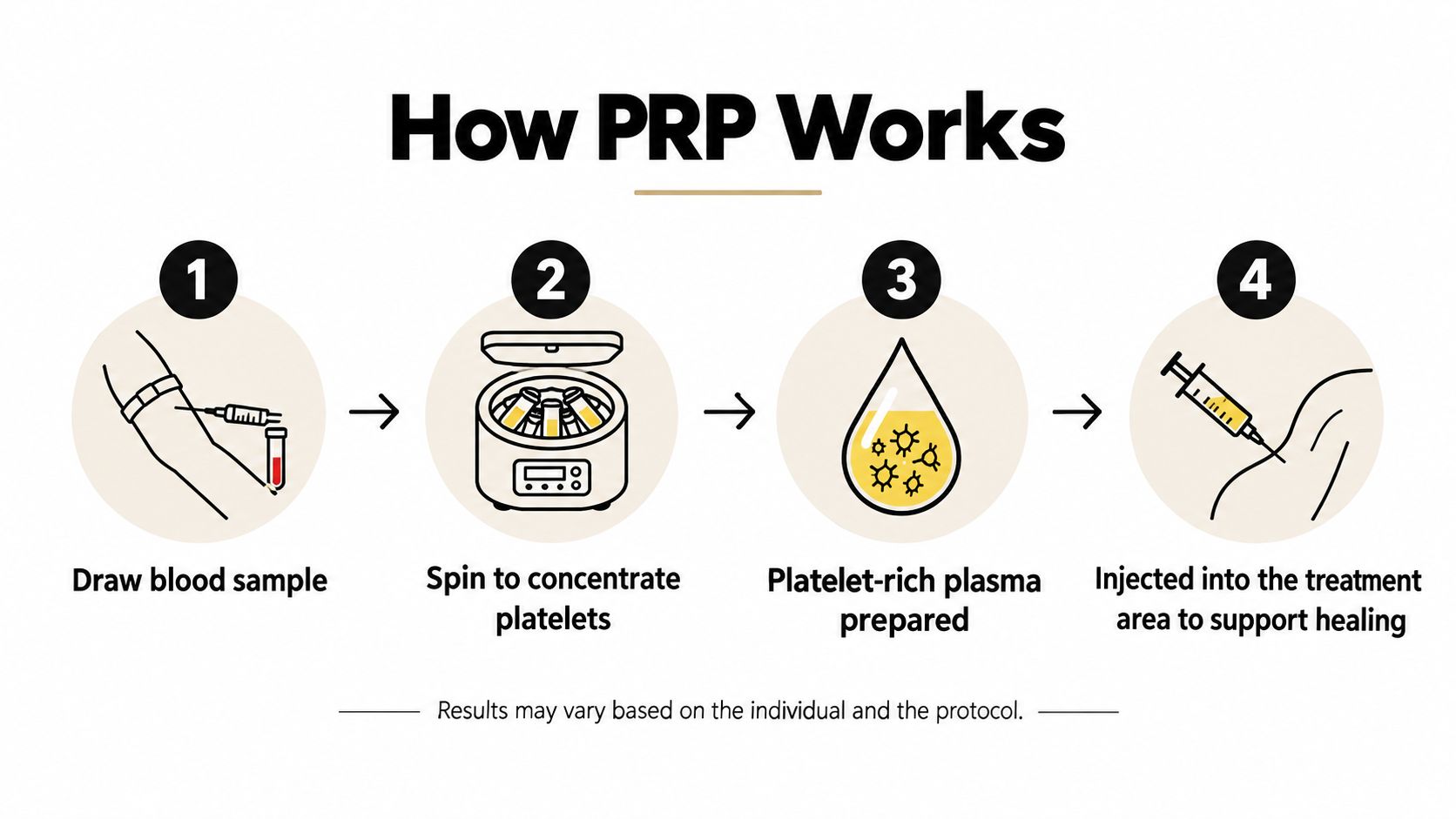
PRP begins with the patient's own blood. A sample is processed to concentrate platelets, and the resulting preparation is injected into the targeted tissue or joint. Platelets contain signaling substances that may influence inflammation and tissue repair, but PRP doesn't function like a replacement part. Its intended role is to support the body's local healing environment.
The formulation changes the treatment
The phrase “PRP injection” hides clinically important differences. Preparation systems can produce different:
- Platelet concentrations, which determine how concentrated the final product is.
- Leukocyte levels, which may influence how the tissue responds.
- Activation methods, which affect how platelets release their signaling substances.
- Injection volumes and dosing schedules, which change the treatment protocol.
- Targeting methods, including whether imaging is used to guide delivery.
That's why a result from one clinic can't automatically be generalized to another clinic, body area, or diagnosis. The patient's disease severity, activity level, previous treatments, and rehabilitation plan also influence what happens after the injection.
Practical rule: Don't ask only whether a clinic offers PRP. Ask what is prepared, where it will be injected, how the target was confirmed, and how improvement will be measured.
The most responsible approach combines a specific diagnosis with a documented protocol. A clinician should also explain that temporary soreness can occur and that PRP usually isn't an instant pain-blocking treatment.
What the Research Says About Key Conditions
PRP effectiveness changes by diagnosis, disease stage, formulation, and timing. Evidence is more supportive for selected knee osteoarthritis and some tendon disorders, while spinal treatment requires careful identification of the pain generator.
Knee osteoarthritis
Randomized trials support a modest symptom benefit for some people with knee osteoarthritis, particularly those with mild-to-moderate disease. The studies do not establish PRP as cartilage restoration or as a reliable way to prevent joint replacement. Advanced structural degeneration may require a different discussion, especially when pain, loss of motion, and imaging findings are substantial (knee and musculoskeletal evidence review).
Timing also affects expectations. Soreness may occur soon after treatment, while any improvement in walking tolerance or daily activity is assessed over the following weeks and months. A clinician should define the functional goal before treatment rather than promise a fixed result.
Chronic low-back pain
Back pain includes several conditions that should not be grouped together. Discogenic pain, facet-related pain, sacroiliac pain, nerve irritation, and nonspecific axial pain can respond differently.
A systematic review identified 13 randomized controlled trials. Eleven reported favorable pain or disability outcomes compared with controls, one found no superiority, and one stopped early because benefit was inadequate at eight weeks. A newer meta-analysis of 15 randomized trials involving 740 patients reported pooled advantages for PRP in pain and pain-related disability. Those findings still do not represent every form of back pain (chronic low-back pain evidence).
A targeted evaluation should precede PRP injection for back pain, with the suspected pain source and treatment goal documented. The Patients Guide to evidence-based medicine explains why statistical results must be interpreted alongside an individual treatment decision.
Chronic tendinopathy
A systematic review found a moderate overall pain benefit for PRP compared with control injections, with an effect size of 0.47, a 95% confidence interval of 0.22 to 0.72, and p<0.001. Results were divided across 18 comparison groups: PRP produced statistically lower pain in 8 groups, while 10 groups found no significant difference (tendinopathy review).
Ask which tendon site and chronicity the clinic has treated. The split results support site-specific planning, including formulation, injection technique, and rehabilitation.
PRP Versus Corticosteroids and Surgery
The choice between PRP, corticosteroid treatment, and surgery often comes down to speed, durability, invasiveness, and the severity of structural disease. No single option is right for every patient.
Corticosteroid injections generally have an early advantage at 2–8 weeks, while PRP showed better pain and functional outcomes at approximately 3–6 months or later across several conditions in a 2025 review (PRP and corticosteroid review). That creates a real trade-off. Someone who needs short-term relief for an immediate obligation may value speed, while someone prioritizing longer-term function may accept a slower response.
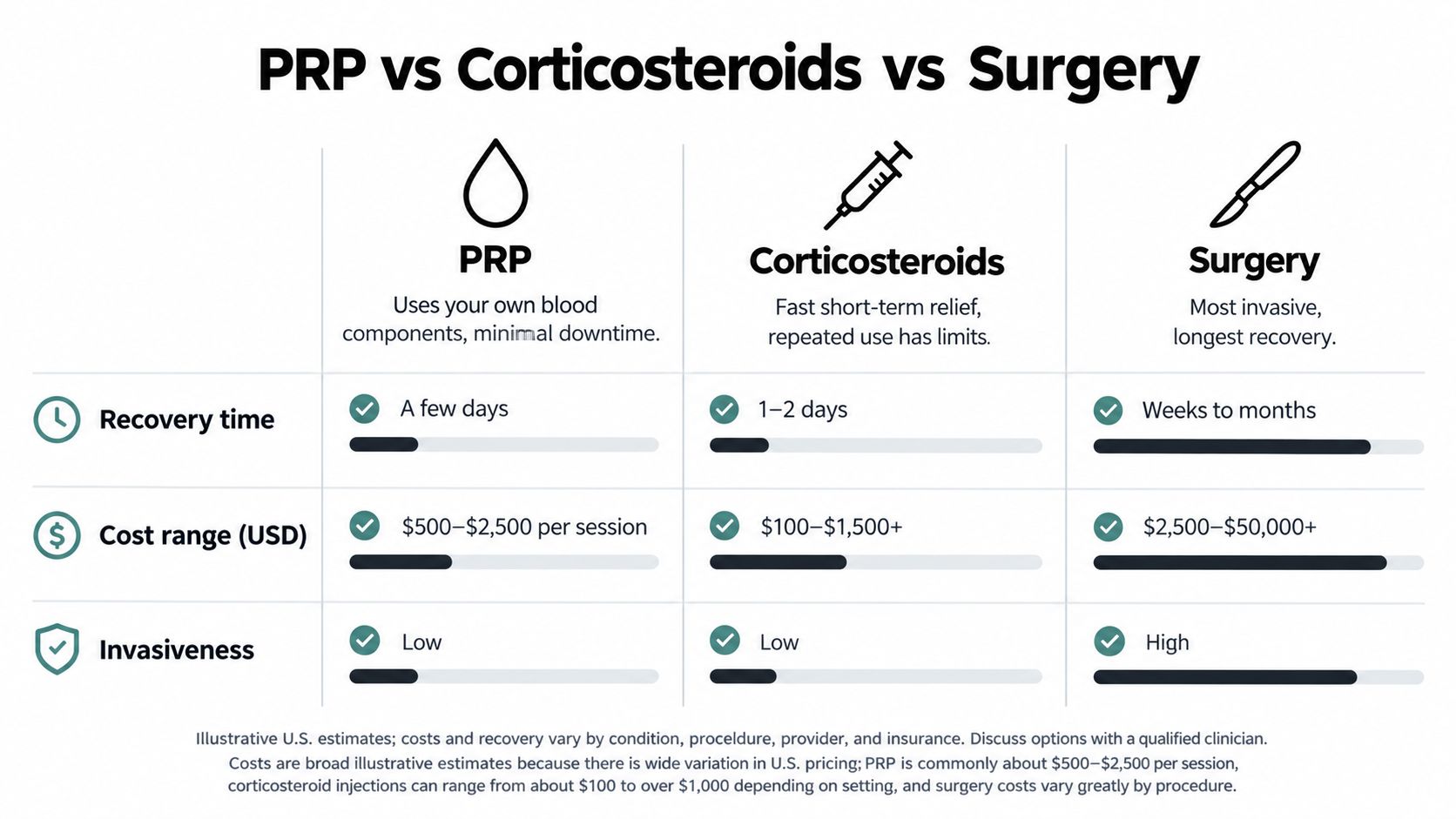
A broader 2019 meta-analysis included 78 randomized controlled trials involving 5,308 patients. Compared with control injections, pain reduction favored PRP at 3 months, with an SMD of -0.34, then at 6 months, with an SMD of -0.55, and at 1 year, with an SMD of -0.60. Each estimate included a reported 95% confidence interval (orthopedic PRP meta-analysis).
Surgery remains a different category. It may be appropriate when advanced degeneration, deformity, instability, or a structural problem requires correction rather than symptom management. PRP doesn't replace a surgical assessment when the joint or spine has reached that point.
For a broader overview of injection choices, patients can review shots for joint pain, then discuss which option matches their diagnosis and timeline.
How to Choose the Right Clinic and Protocol
A responsible PRP consultation should feel specific. A clinician should be able to explain the diagnosis, the target tissue, the preparation method, the expected timeline, and the point at which the plan will be reassessed.
Ask what is actually being injected
Patient-facing materials often present PRP as a standardized product, but studies use different platelet concentrations, leukocyte levels, activation methods, injection volumes, and dosing schedules. A 2025 meta-analysis of randomized knee osteoarthritis trials found clinically meaningful pain improvement with high-platelet PRP at 3, 6, and 12 months, while low-platelet PRP didn't reach a clinically meaningful benefit. The apparent advantage for the high-platelet group remained at 12 months (PRP formulation meta-analysis).
Ask these questions before agreeing to treatment:
- What diagnosis are you treating? The clinic should connect PRP to a defined pain generator rather than use it for unexplained pain.
- How is the preparation characterized? Ask about platelet concentration, leukocyte content, activation, and volume.
- How will the injection be guided? Target accuracy matters, particularly when anatomy is complex.
- How many injections are proposed? A plan should explain why a particular schedule is being recommended.
- What outcome will count as success? Pain scores, function, walking tolerance, and validated tools such as WOMAC can make follow-up more meaningful.

A clinic should also explain alternatives, rehabilitation, aftercare, possible temporary post-injection pain, and cost before treatment. Evidence about regenerative care is more useful when the protocol is documented rather than hidden behind a broad claim about “your body healing itself.” Patients interested in the broader field can read about regenerative medicine and tissue engineering as a general clinical category, while keeping the discussion focused on the specific problem being treated.
Who Benefits Most From PRP Therapy
The most plausible PRP candidate is a patient with a clear diagnosis, mild-to-moderate disease, and a realistic timeline. That often includes selected knee osteoarthritis patients or people with certain chronic tendinopathies who want to improve function without moving immediately to a more invasive option.
The American Academy of Orthopaedic Surgeons gives PRP for symptomatic knee osteoarthritis a limited-strength recommendation. The guideline states that PRP may reduce pain and improve function, but the evidence isn't strong enough for a high-confidence recommendation. It also identifies preparation and characterization as important research issues, including documentation of the protocol and attention to disease severity and patient subgroups (AAOS knee osteoarthritis guidance).
A practical fit
PRP may align with your goals if:
- Your pain source is identifiable. The injection has a target rather than being used as a trial for vague symptoms.
- You can wait for gradual change. PRP is generally a durability-focused option, not an immediate anesthetic effect.
- You'll participate in rehabilitation. Improving strength, mobility, and movement patterns remains important.
- You understand the limits. Symptom improvement isn't the same as structural regeneration.
It may be a poor fit when advanced degeneration, major deformity, urgent neurological symptoms, infection, or another condition requires a different intervention. A pain and wellness clinic should recommend PRP only after considering alternatives and explaining what happens if the response is inadequate.
Next Steps for Patients in Illinois
Start with the diagnosis, not the injection. A board-certified interventional pain specialist can review your symptoms, examination findings, imaging when appropriate, previous treatments, and functional goals before deciding whether PRP belongs in the plan.
Patients in Chicago Ridge, Palos Heights, Palos Hills, Evergreen Park, and Hickory Hills can use a consultation to ask practical questions:
- What is the likely pain generator? Knee arthritis, tendon disease, and back pain require different reasoning.
- What response is realistic? Clarify whether the goal is less pain, better walking, improved exercise tolerance, or another measurable change.
- What happens month by month? Discuss early soreness, the expected period for gradual improvement, rehabilitation, and the reassessment point.
- What are the alternatives? Physical therapy, medication strategies, corticosteroid treatment, image-guided procedures, and surgery may each have a role.
- What happens if PRP doesn't help? A complete plan includes a next step rather than an open-ended series of injections.

Midwest Pain & Wellness is a Chicago Ridge pain management clinic offering PRP and other interventional options within personalized, opioid-sparing care. The practice evaluates chronic joint, spine, nerve, injury, and post-surgical pain, and may coordinate injections with rehabilitation and other treatments when appropriate.
PRP can be worthwhile when the diagnosis, formulation, timing, and follow-up plan fit the patient. It's less useful when a clinic treats every pain complaint the same way or promises structural healing without explaining the evidence.
Midwest Pain & Wellness offers personalized evaluations for PRP therapy and other evidence-informed pain treatments, with attention to diagnosis, injection targeting, rehabilitation, and measurable function. Visit Midwest Pain & Wellness to request a consultation in Chicago Ridge and discuss whether PRP fits your condition and goals.