Pain Treatments: What Actually Works (And What to Consider First)
Pain treatments range from simple over-the-counter medications to advanced interventional procedures — and the best option depends on your type of pain, how long you’ve had it, and your overall health.
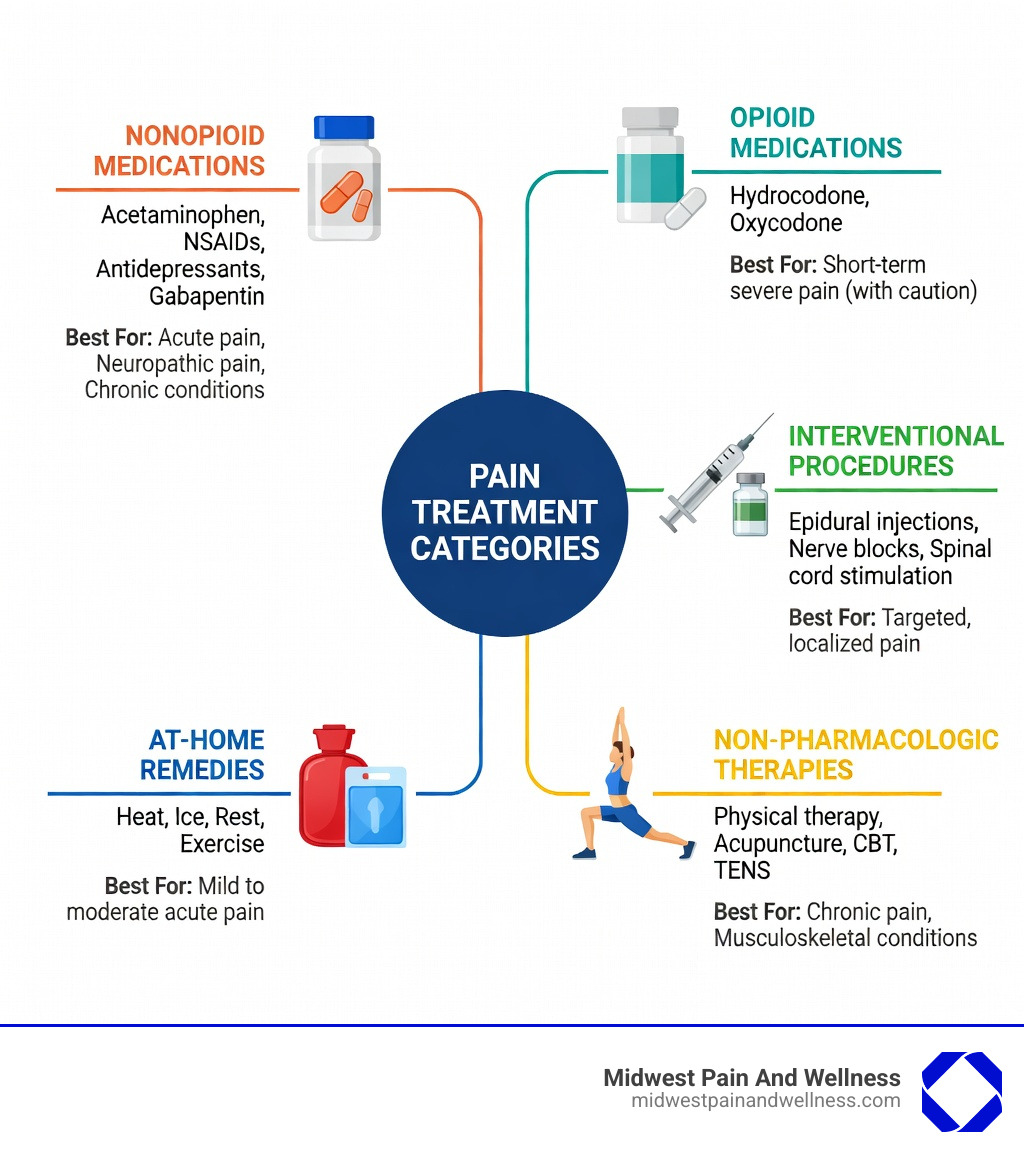
Here’s a quick overview of the main categories:
| Treatment Type | Examples | Best For |
|---|---|---|
| Nonopioid medications | Acetaminophen, NSAIDs, antidepressants, gabapentin | Acute pain, neuropathic pain, chronic conditions |
| Opioid medications | Hydrocodone, oxycodone | Short-term severe pain (with caution) |
| Interventional procedures | Epidural injections, nerve blocks, spinal cord stimulation | Targeted, localized pain |
| Non-pharmacologic therapies | Physical therapy, acupuncture, CBT, TENS | Chronic pain, musculoskeletal conditions |
| At-home remedies | Heat, ice, rest, exercise | Mild to moderate acute pain |
Pain is more than a physical sensation. It affects your mood, your sleep, your relationships, and your ability to do the things you love. That’s why over 50 million U.S. adults were living with chronic pain in 2021 — and why finding the right treatment matters so much.
The good news? There are more effective, non-opioid options available today than ever before. Most people don’t need to choose between “push through it” and “take a stronger pill.” A well-designed treatment plan can meaningfully reduce pain and improve your quality of life.
I’m Dr. Yaw Donkoh, a double board-certified physician in anesthesiology and interventional pain management, and I’ve dedicated my career to helping patients find safer, minimally invasive pain treatments that work. In this guide, I’ll walk you through every major option — from medications to procedures to lifestyle-based therapies — so you can have an informed conversation with your care team.
Introduction to Pain Management and Common Causes

At its core, pain management—or Algiatry—is a branch of medicine focused on reducing pain and improving a patient’s quality of life. We don’t just look at the “oops” or the “ouch”; we look at how that sensation prevents you from playing with your grandkids or finishing a shift at work.
To treat pain effectively, we first have to understand what we are dealing with. Medical professionals generally categorize pain into two main buckets:
- Acute Pain: This is the body’s alarm system. it is sudden, usually sharp, and tied to a specific event like a surgery, a broken bone, or a dental extraction. It typically resolves once the underlying cause heals.
- Chronic Pain: This is pain that persists for more than three months. It often outlasts the initial injury or is caused by a long-term condition. According to the CDC, over 50 million U.S. adults reported chronic pain in 2021.
The goal of modern pain management is rarely just “zero pain.” Instead, we focus on functional restoration—helping you move better and feel better so you can reclaim your daily routine.
Common Types and Causes of Pain
Not all pain is created equal. Understanding the “why” behind your discomfort is the first step toward finding the right Pain Treatments.
Nociceptive Pain
This is the most common type of pain. It happens when specific pain receptors (nociceptors) are stimulated by potentially damaging stimuli, such as heat, cold, or mechanical pressure. Examples include:
- Arthritis: Inflammation of the joints.
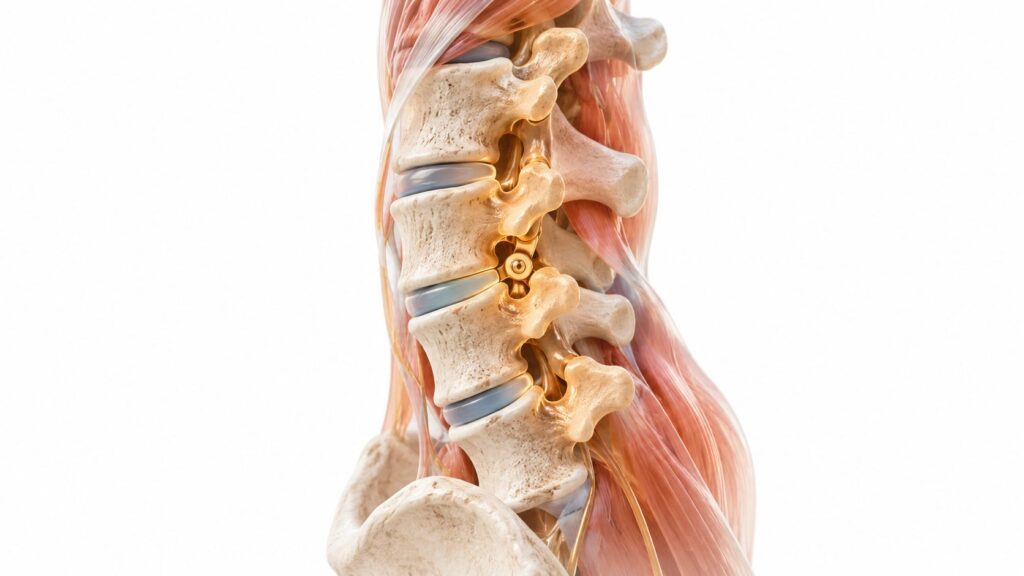
- Back Pain: Often caused by muscle strains or Degenerative Disc Disease.
- Post-Surgical Pain: The body’s natural response to tissue trauma during a procedure.
Neuropathic Pain
This is “nerve pain.” It occurs when the nervous system itself is damaged or malfunctioning. Patients often describe this as burning, tingling, or “electric shocks.” Common causes include:
- Diabetic Neuropathy: High blood sugar damaging nerves in the extremities.
- Sciatica: Compression of the sciatic nerve.
- Post-Herpetic Neuralgia: Lingering pain after a shingles outbreak.
We specialize in a wide variety of Conditions We Treat, ranging from Pelvic Pain Relief to complex issues like CRPS Pain Management. According to scientific research on the classification of chronic pain, proper diagnosis is vital because the treatment for a muscle tear is vastly different from the treatment for a damaged nerve.
If you are struggling with long-term discomfort, our Chronic Pain Treatment protocols are designed to address these specific biological pathways.
Pharmacologic Pain Treatments: Nonopioid vs. Opioid Options
When most people think of Pain Treatments, they think of a pill bottle. However, the “pill for every ill” approach is outdated and often dangerous. We prefer a multimodal approach, which means using different types of medications and therapies together to achieve better results with fewer side effects.
| Medication Category | Efficacy for Chronic Pain | Risk Profile | Best Use Case |
|---|---|---|---|
| Nonopioids | High (for many conditions) | Lower | First-line for most pain |
| Opioids | Low (long-term) | High (addiction/overdose) | Acute, severe trauma |
We strongly advocate for Opioid-Free Pain Management whenever possible. By utilizing Non-Surgical Pain Relief techniques, we can often avoid the systemic risks associated with heavy narcotics.
The Role of Nonopioid Pain Treatments
Nonopioid medications are the workhorses of pain management. They are often safer for long-term use and can be more effective than opioids for specific conditions like dental pain or kidney stones.
- Acetaminophen (Tylenol): While the exact mechanism is still debated, it is believed to involve COX-3 inhibition in the central nervous system. It’s excellent for fevers and mild-to-moderate aches but lacks anti-inflammatory properties.
- NSAIDs (Ibuprofen, Naproxen): These reduce inflammation by blocking COX-1 and COX-2 enzymes. They are the “gold standard” for inflammatory conditions like arthritis.
- Antidepressants (SNRIs like Duloxetine): These aren’t just for mood! They help modulate neurotransmitters like serotonin and norepinephrine, which play a huge role in how the brain perceives pain signals.
- Gabapentinoids (Gabapentin, Pregabalin): These are first-line for neuropathic pain. They work by binding to calcium channels in the nervous system to “calm down” overactive pain signals.
- Topical Lidocaine: This stabilizes neuronal membranes by inhibiting sodium channels, providing localized relief without systemic side effects.
Scientific research on nonnarcotic pain management confirms that these options are often superior for subacute and chronic conditions.
Risks and Side Effects of Opioid Pain Treatments
While opioids (like oxycodone or hydrocodone) have a place in end-of-life care or severe acute trauma, they carry significant risks. Scientific research on opioid pharmacology highlights how quickly the body can develop tolerance (needing more for the same effect) and physical dependence.
The statistics are sobering:
- In 2022, 8.5 million people in the U.S. reported misuse of prescription pain relievers.
- 5.6 million people had a prescription pain reliever use disorder that same year.
Common side effects include:
- Constipation: Opioids slow down the gut; unlike other side effects, this rarely goes away with time.
- Drowsiness and Confusion: Increasing the risk of falls, especially in older adults.
- Respiratory Depression: The most dangerous risk, where breathing slows to a stop. This is why we recommend that high-risk patients carry Naloxone, a life-saving reversal agent.
Interventional Procedures for Targeted Relief
Sometimes, a pill can’t get to where the pain is. That’s where interventional Pain Treatments come in. These are minimally invasive procedures that deliver relief directly to the source.
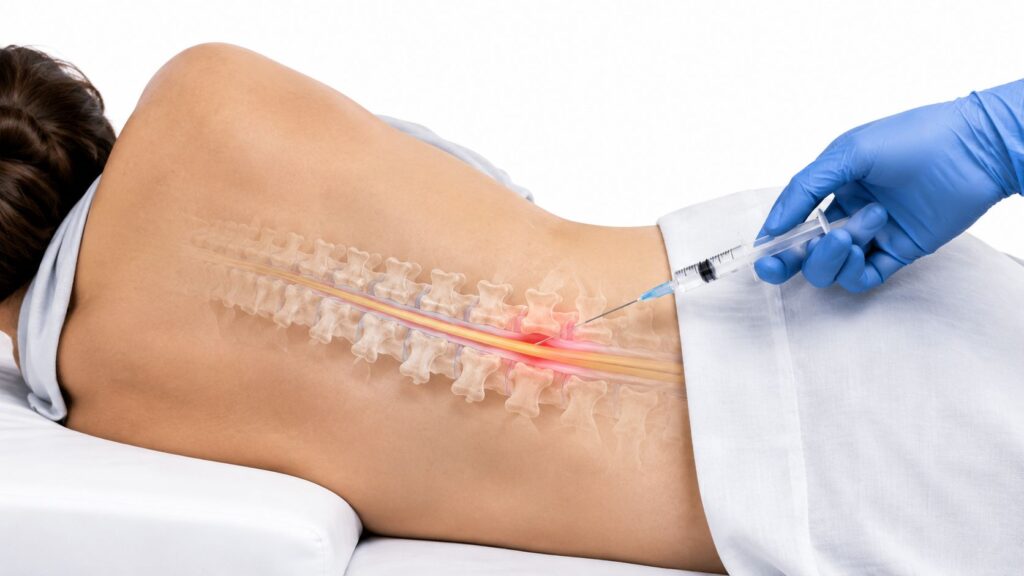
- Epidural Injections Chicago: We inject cortisone (a powerful anti-inflammatory) and local anesthetics into the epidural space around the spinal nerves. This is highly effective for Back Pain Specialist Near Me searches involving herniated discs.
- Facet Joint Injections Chicago Complete Guide: These target the small joints between the vertebrae that allow your spine to bend and twist.
- Nerve Block for Pain: By injecting medication near a specific nerve or group of nerves, we can “shut off” the pain signal. This is often used for Piriformis Syndrome Treatment or chronic headaches.
Advanced Neuromodulation and Injections
For patients who haven’t found relief through traditional means, we offer cutting-edge technology:
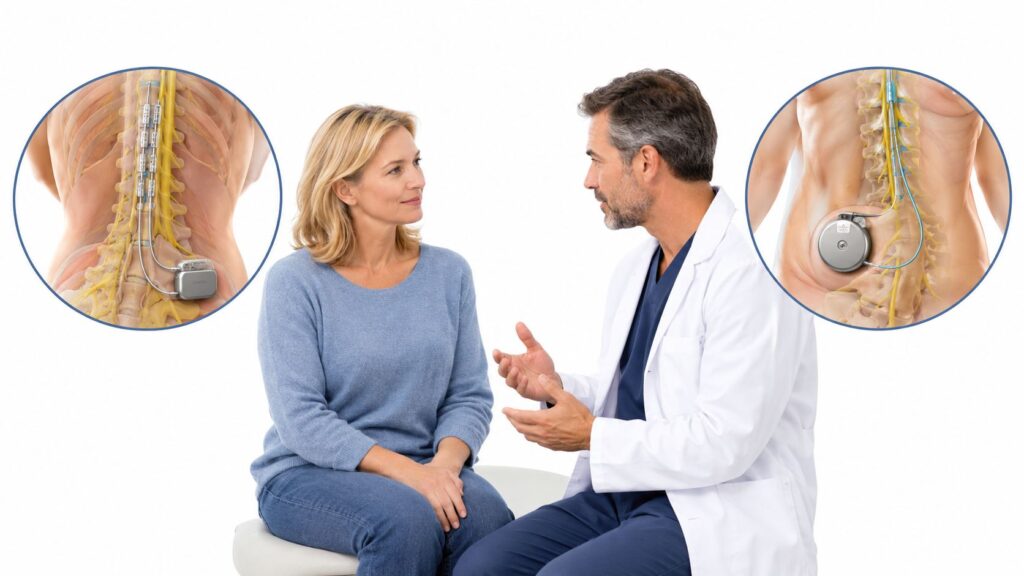
- Spinal Cord Stimulator Therapy in Chicago Ridge: This device uses low-voltage electrical currents to block pain signals before they reach the brain. It’s like a “pacemaker for pain.”
- Peripheral Nerve Stimulation: Similar to spinal cord stimulation, but targets nerves outside the spinal cord. It is excellent for Peripheral Nerve Stimulation for Chronic Pain in Chicago Ridge.
- Regenerative Therapy PRP Cell-Based Options in Chicago Ridge: We use your body’s own healing cells to repair damaged tissue. This includes options like Amniotic Fluid Injections Pain Chicago.
- Radiofrequency Ablation: We use heat to “turn off” a nerve’s ability to send pain signals for months at a time.
- Pain Injections Chicago: This includes Hyaluronic Acid Injection for Knee Pain Chicago to lubricate stiff joints.
Non-Pharmacologic and Complementary Therapies
We believe that the best Pain Treatments often don’t come from a pharmacy or a needle. Complementary therapies can help release “natural opioids” (endorphins) and improve physical function.
- Physical Therapy & Rehabilitation Pain Management: Strengthening the muscles around an injury is the best way to prevent future pain.
- Acupuncture Pain Relief: An ancient technique that uses thin needles to stimulate energy flow and promote natural healing.
- Biofeedback Pain Management Complete Guide: This helps you learn to control “involuntary” body functions like heart rate and muscle tension to manage stress-induced pain.
- TENS Therapy: A small device that sends electrical pulses through the skin to distract the brain from pain signals.
- Cognitive Behavioral Therapy (CBT): Scientific research on relaxation strategies for pain shows that CBT can help you cope with the emotional load of chronic pain.
Frequently Asked Questions about Pain Treatments
When should I see a specialist for pain management?
You should seek professional help if your pain lasts longer than three months, interferes with your sleep or work, or if at-home remedies like ice and rest are no longer working. If you’ve had a Vertebral Compression Fracture Treatment in Chicago Ridge or struggle with Post-Laminectomy Pain Treatment in Chicago Ridge, a specialist is essential.
Are nonopioid treatments as effective as opioids for acute pain?
Yes! In many cases, they are more effective. For example, studies show that a combination of NSAIDs and acetaminophen often provides better relief for dental pain and kidney stones than opioids, without the risk of addiction or heavy sedation.
What are the most common side effects of interventional injections?
While generally very safe, some patients experience temporary soreness at the injection site, a “steroid flush” (redness/warmth in the face), or a temporary increase in blood sugar. We always review your medical history to ensure these Treatment Procedures are right for you.
Conclusion: Creating Your Personalized Care Plan
No two people experience pain the same way. That’s why we don’t believe in “cookie-cutter” medicine. At Midwest Pain And Wellness, our double board-certified doctors take a multi-modal, interventional approach to create a plan as unique as you are.
Whether you are looking for a Hip Pain Management Guide, need help with Tailbone Pain Relief, or are exploring Botox for Chronic Migraine Cervical Dystonia in Chicago Ridge, we are here to help. Our goal is to move you away from the risks of opioids and toward Functional Pain Management that lasts.
Ready to take the first step toward a life with less pain? You can find more info about treatment procedures on our website or visit us at our Chicago Ridge location. Let’s work together to get you back to the life you deserve.